


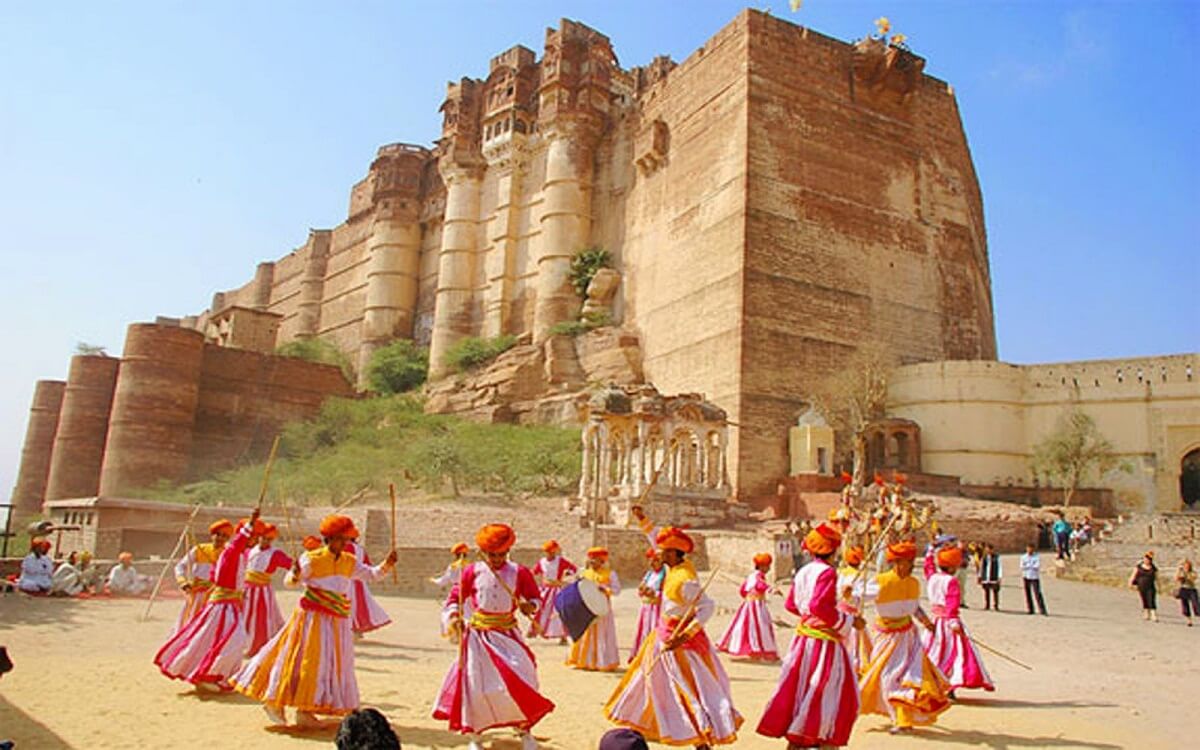
Marwar Festival
October 2, 2019 in Fairs & Festivals
The Marwar Festival recognizes the culture of Rajasthan’s Marwar region. It’s held for two days over the full moon, in memory of the state’s medieval heroes. The highlight of the festival is classic folk music and dance, which brings alive the myths and legends of the area. The festival also includes horse riding, horse polo — and bizarrely — camel tattooing.
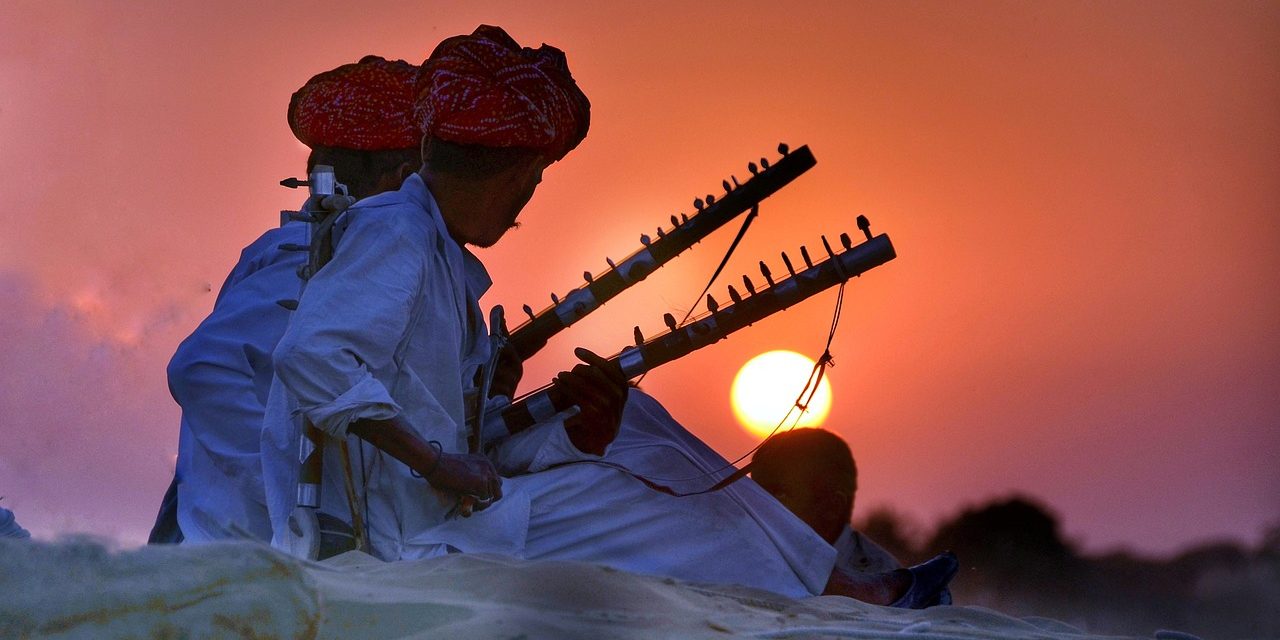
Kabir Yatra
October 2, 2019 in Fairs & Festivals
Back for the fifth edition this year, the Kabir Yatra is a traveling folk music festival in Rajasthan. It will feature more than 50 artists from across India who will perform music from different genres. Attendees will also be able to listen to poetry from Bhakti and Sufi saints such as Kabir, Mira, and Bulleh Shah. The festival will showcase the work of painters, sculptors, and photographers inspired by this tradition as well.
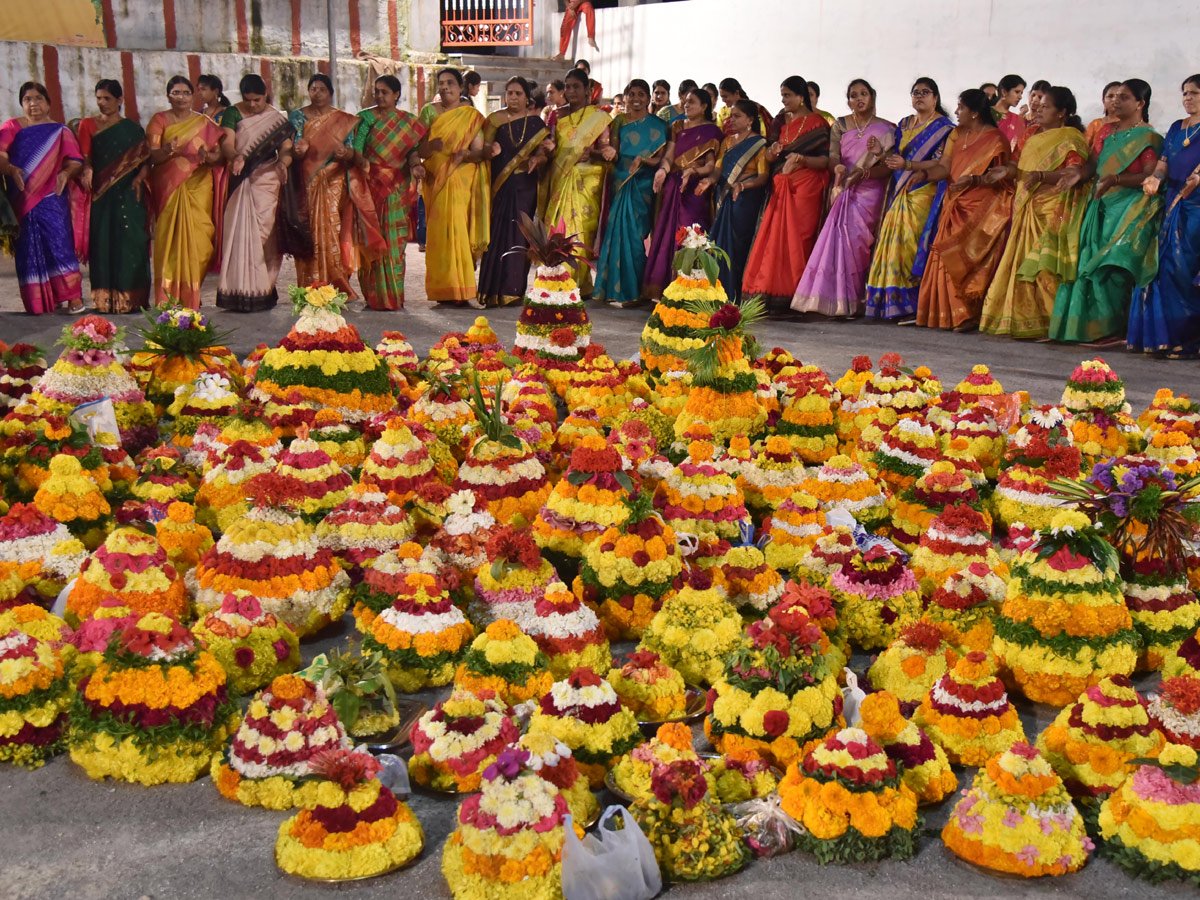
Bathukamma
October 2, 2019 in Fairs & Festivals
The state festival of Telangana in South India, Bathukamma is a flower festival that celebrates life and the Mother Goddess during Navaratri. It’s devoted to Goddess Maha Gauri, an incarnation of Goddess Durga that’s considered to be the life-giver and goddess of womanhood. She’s worshiped in the form of Bathukamma, a floral arrangement stacked to resemble a temple tower. Women sing old folk devotional songs and take the Bathukammas out in procession to immerse them in the water on the last day.

Navaratri
October 2, 2019 in Fairs & Festivals
Navaratri is a nine-night festival that celebrates the Mother Goddess or Shakti in all her manifestations, including Durga, Lakshmi, and Saraswati. Worship and fasting take place in the daytime, while the nights are reserved for feasting and dancing. The festival culminates with Dussehra, the victory of good over evil, on the tenth day. In Delhi, the feature of Navaratri celebrations are the Ramlila plays that take place all over the city. The festival is celebrated as Golu, with the display of dolls, in South India. In Kolkata, it’s Durga Puja.

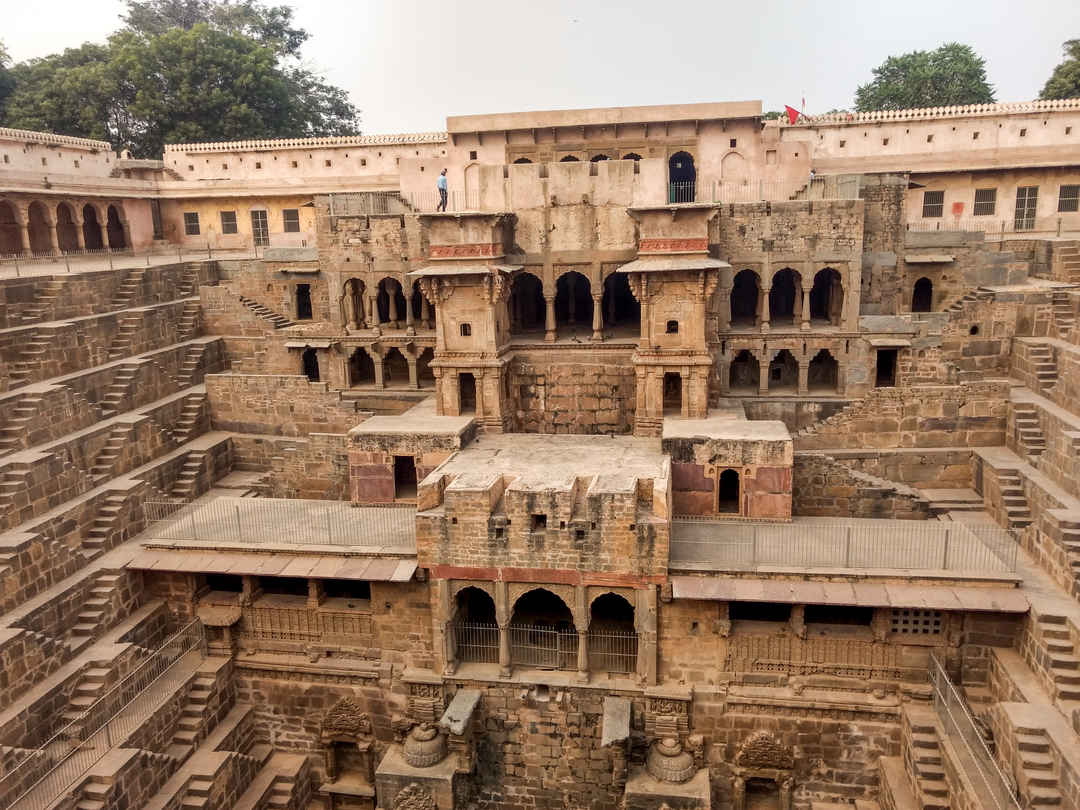
Abhaneri Festival
October 2, 2019 in Fairs & Festivals
The annual two-day Abhaneri Festival is held to promote rural tourism in Rajasthan. It features cultural performances from several states across India, Rajasthani song and dance, puppet shows, camel cart rides, and a fairground. The events take place against the evocative backdrops of the Harshat Mata Temple and ancient Chand Baori (stepwell).

Ramnagar Ramleela
October 2, 2019 in Fairs & Festivals
The world’s oldest Ramleela, which reenacts the story of the Hindu epic the Ramayana, has been running for nearly 200 years. It commences with the incarnation of Lord Vishnu as Rama, to save humanity from the demon king Ravana. The Ramleea takes place over a month every year from Anant Chaturdashi and ends on the full moon night.?

October 2019
October 1, 2019 in Table of Content
The month of October focuses on the wonderful West Bengal, well known for its rich cultural and historic legacy as well as politics and business is regarded as the “think-tank” of India and the “intellectual capital of India”. October’s theme admires the Durga Puja, the biggest and most important the occasion of the year in Kolkata, the capital of West Bengal.
- Durga Pooja
- Kolkata “The Paris Of The East”
- Top Places To Visit In West Bengal
- Darjeeling “The Queen Of Himalayas”
- Bishnupur
- West Bengal “A Land Of Festivals”
- Delicious Cuisines Of West Bengal That You Must Try!
- Sunderbans
- Shantiniketan
- Ramnagar Ramleela
- Navaratri
- Abhaneri Festival
- Bathukamma
- Kabir Yatra
- Marwar Festival
- Mannarasala Ayilyam
- Diwali
- Bhandara Festival
- Tawang Festival
- Dussehra
- Rajasthan International Folk Festival
- Ashwa Poojan
- India Music Summit
Pokhara
September 8, 2019 in Guest Posts
The drive along the highway from Kathmandu to Pokhara was long and scenic.
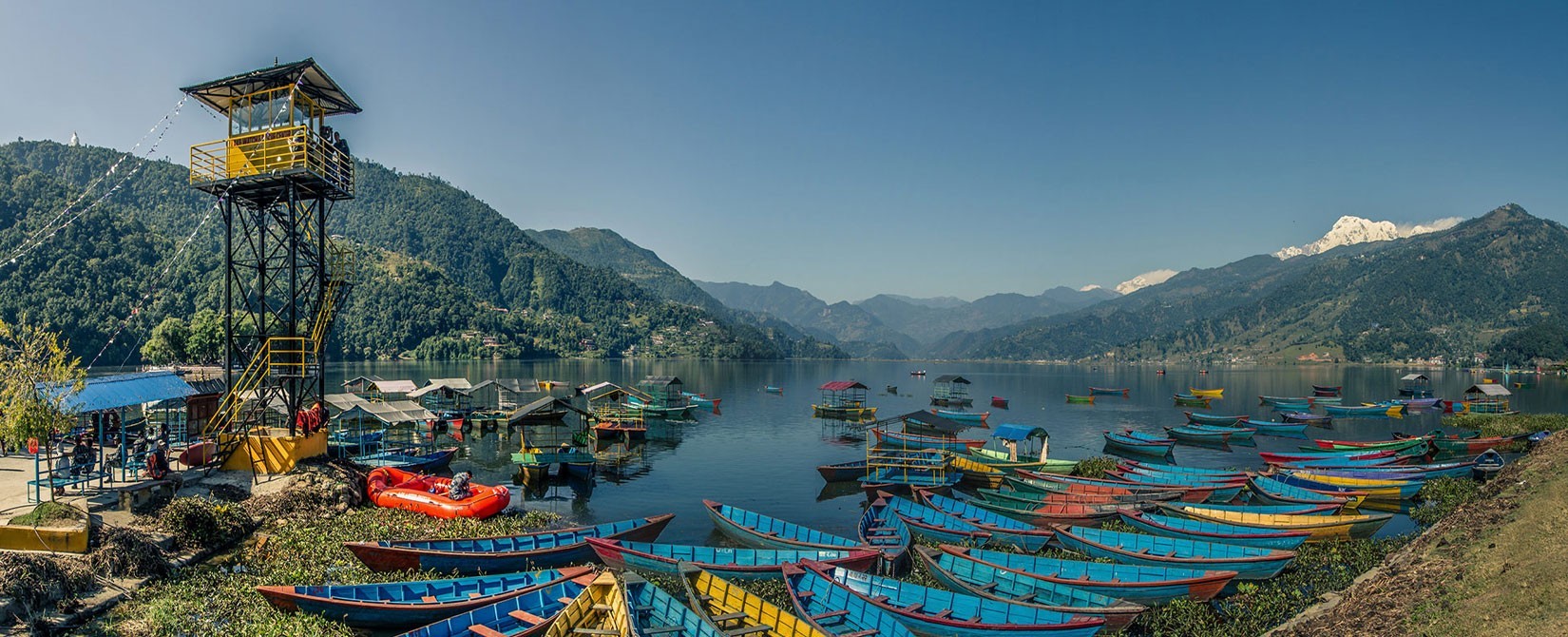
Pokhara is a town with superb views comprised of valleys and now-covered peaks of some of the world’s highest summits, and the pride of the Himalayas.
Pokhara is Nepal’s western gateway. Nestled at the foot of mountains in a valley of great geographical diversity, its value and beauty are greatly enhanced by its seven lakes, valleys and gorges.
One of the local attractions is Petale Chhango, which is the Nepali name for Davids Falls, that features rushing water creating a roar before disappearing into an underground chasm. Water plays a huge role in this region, as shown by the Seti River that has cold, clear water. For the residents of the valley, it’s the very basis of existence, providing water and food in the form of a variety of fresh-water fish.
Like most of Nepal, Pokhara is rich in religion and religious rituals. To the north of town lies the venerated Mahendra Cave, while Bindhyabasini Temple that’s also located nearby is the oldest and most important in the valley. There’s also the hill-perched Buddhist Monastery in Matepani, from where one can get excellent views of the valley and also the countryside beyond.
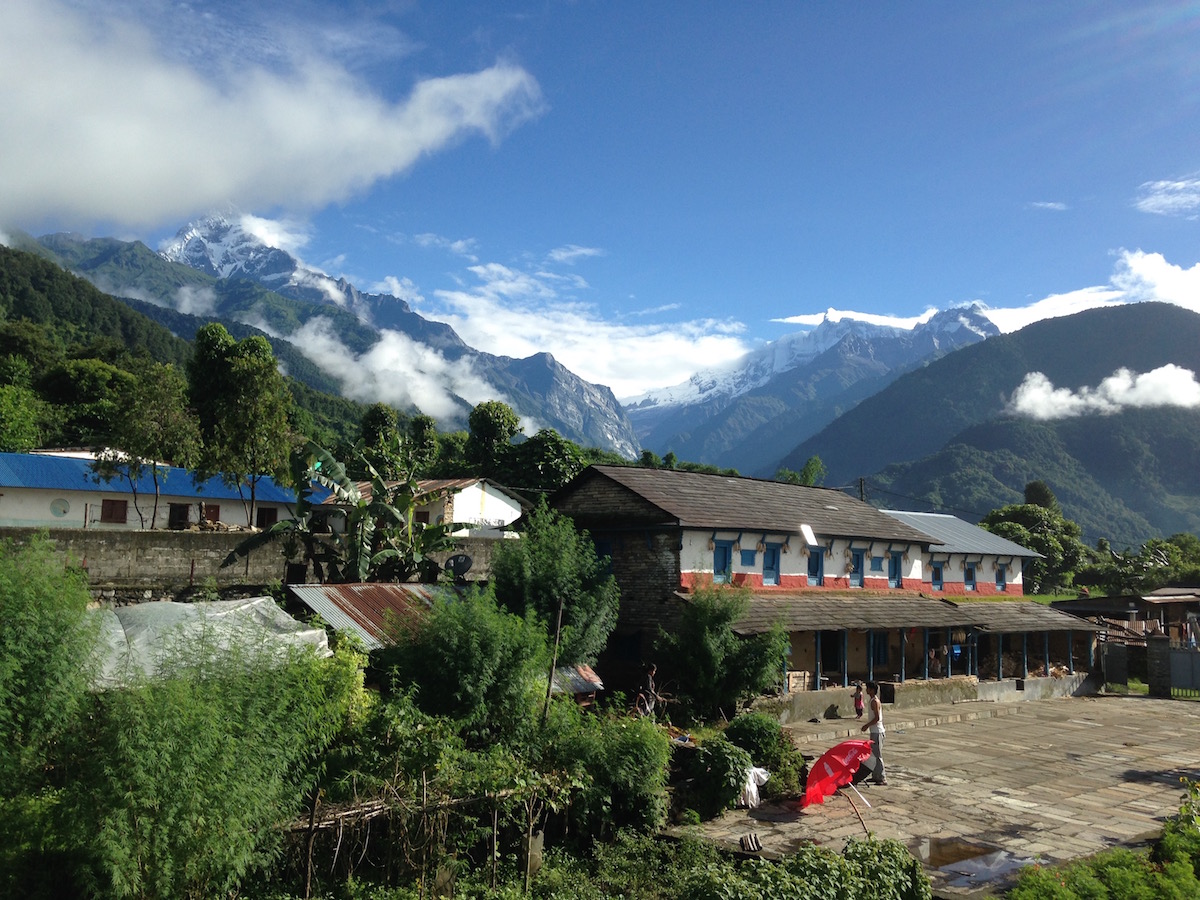
Perhaps the greatest attraction for visitors to the region are the magnificent views of mountains peaks and glaciers, in particulr Dhaulagiri, Manaslu, Machhapuchhre, and Annapurna.
For an insight into the Annapurna area’s people, geography, birds, plants, and animals, and to see one of Asia’s largest butterfly collections, drop in at the ACAP Natural History Museum located in the Prithvi Campus. Time is well spent at the pretty lake named Phewa Tal which is Pokhara’s most famous landmark and the popular rendezvous of all visitors. Lakeside is the area where one goes to see a bit of socializing and café life. Weather permitting, the luxurious garden on the lake is a fine place to relax.
Boats, canoes and sailboats can be hired in Lakeside and Damside, and one can visit the island temple dedicated to the goddess Barahi, and explore the opposite shoreline dotted with little villages like Gurung, Brahmin, Chetri and Jalari.
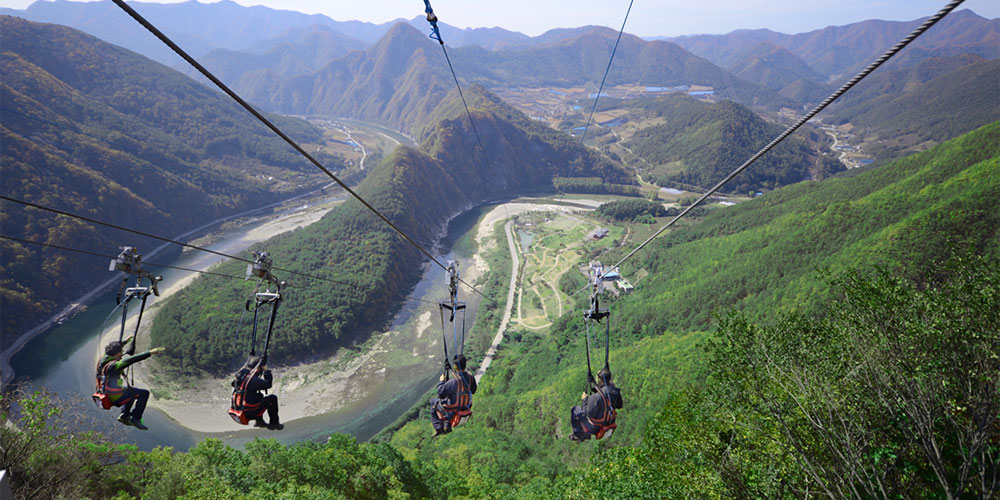
If you like the great outdoors, this is certainly the right place for you. With several diverse and interesting treks and rafting expedition options available at its doorstep, Pokhara is a nature lover’s and outdoorsman’s paradise. A day walk to the surrounding hills offers panoramic Himalayan views over the beautiful valley, and the chance to pass little villages. Head for the former fort at Sarankot, directly to the north of Phewa Tal. Other options are the ruins of the fort at Tulakot, Kahun Danda, and the World Peace Pagoda.
There are also several day village-tour options. Lumle, a traditional Gurung village, is an hour’s drive from town. An hour’s walk from here is Chandrakhot that offers good views of Modi Khola and the Himalayas. There are also the villages of Kaskikhot with its ancient fort and palace, and Dampus, which features impressive views of the Annapurna Range.
Ganesh Chaturthi
September 8, 2019 in Fairs & Festivals
Ganesh Chaturthi, in Hinduism, the 10-day festival marking the birth of the elephant-headed deity Ganesha, the god of prosperity and wisdom. It begins on the fourth day (Chaturthi) of the month of Bhadrapada (August–September), the sixth month of the Hindu calendar.
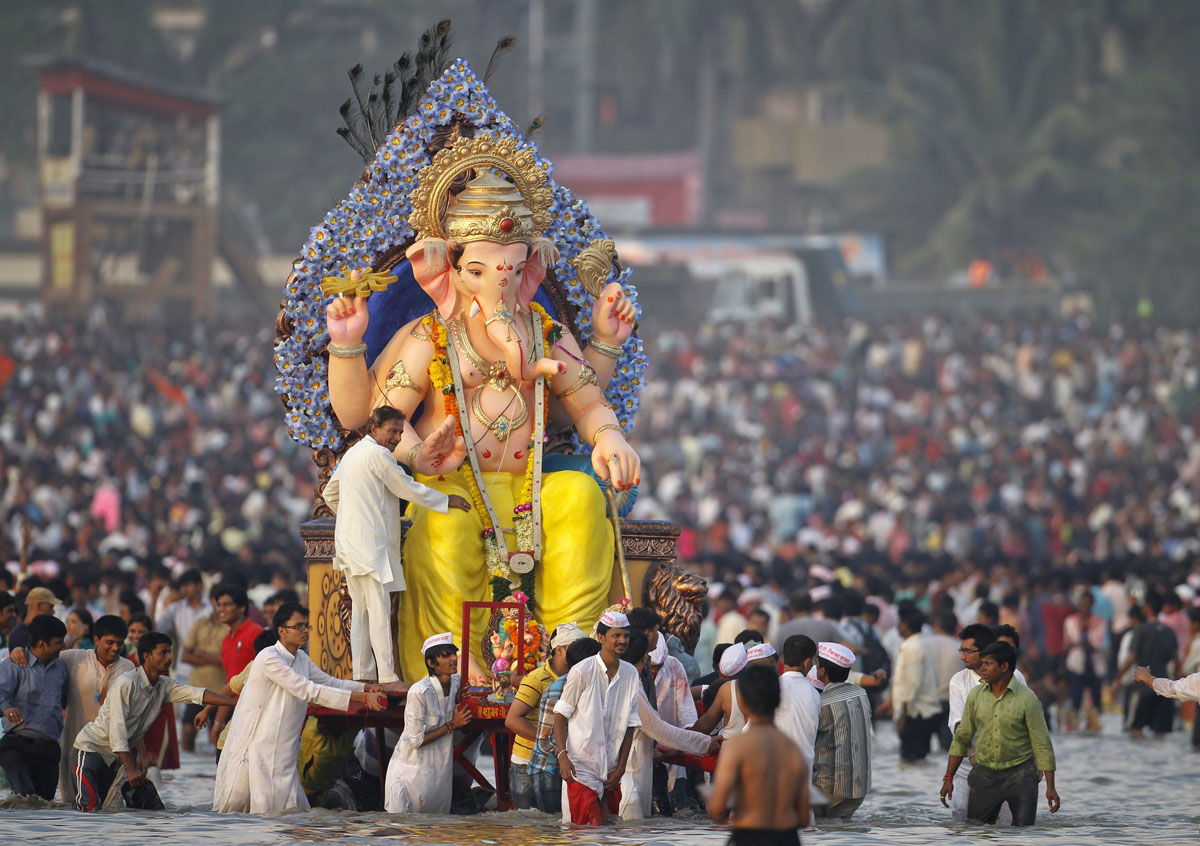
At the start of the festival, idols of Ganesha are placed on raised platforms in homes or in elaborately decorated outdoor tents. The worship begins with the pranapratishtha, a ritual to invoke life in the idols, followed by shhodashopachara, or the 16 ways of paying tribute. Amid the chanting of Vedic hymns from religious texts like the Ganesh Upanishad, the idols are anointed with red sandalwood paste and yellow and red flowers. Ganesha is also offered coconut, jaggery, and 21 modaks (sweet dumplings), considered to be Ganesha’s favourite food.
At the conclusion of the festival, the idols are carried to local rivers in huge processions accompanied by drumbeats, devotional singing, and dancing. There they are immersed, a ritual symbolizing Ganesha’s homeward journey to Mount Kailas—the abode of his parents, Shiva and Parvati.
Ganesh Chaturthi assumed the nature of a gala public celebration when the Maratha ruler Shivaji (c. 1630–80) used it to encourage nationalist sentiment among his subjects, who were fighting the Mughals. In 1893, when the British banned political assemblies, the festival was revived by the Indian nationalist leader Bal Gangadhar Tilak. Today the festival is celebrated in Hindu communities worldwide and is particularly popular in Maharashtra and parts of western India.
Muharram “The Islamic New Year”
September 8, 2019 in Fairs & Festivals
The festival of Muharram marks the first month of the Islamic calendar. On the first day of Muharram, the Islamic New year is celebrated, which is considered a very holy celebration. Although it marks the first Islamic month, the tenth day of Muharram is also known for being a period of mourning where the Shia Muslim community commemorates the martyrdom of Imam Hussein, the son of Hazrat Ali and the grandson of Prophet Muhammad.
The Islamic calendar is lunar and is 11 to 12 days shorter than the solar calendar, or the Gregorian one, which is referred to in most western countries.
Let us all embrace each other in this holy day to mark the first month of the year and to mourn the sacrifice of our Lord. Here’s all you need to know about Muharram, its history, story, and significance.
The history of Muharram:
Some fourteen centuries ago on the day of Ashura, the grandson of Prophet Muhammad, Imam Hussain, and his little son, were mercilessly killed by a cruel and oppressive ruler in the Battle of Karbala. Although Imam Hussain was slain in the battle, his message of kindness, justice, and equality lives on among people who love him, and hence, that is his real victory.
The story of Muharram:
The real story behind the mourning of Muharram is a very tragic one. On the 10th day of Muharram, also called Ashura, in the 61st year of the Islamic calendar, the fierce Battle of Karbala took place. The battle was fought between a small group of supporters and relatives of Prophet Muhammad’s grandson Imam Hussain, and a much larger military of Yazid I, the Umayyad caliph.
Imam Hussain’s humble army comprised of only his friends and family, including women and young children. But they were surrounded by a heavily-armed enemy army of thousands. They captured Hussain and his group and deprived them of water and food in the desert heat for three successive days. The cruel soldiers brutally killed Hussain and his 6-year-old son and took the women with them as captives.
It is a very emotional story and Muslims honor the sacrifice of the innocent lives by observing a mourning period in the month of Muharram.
The significance of Muharram:
The month of Muharram is extremely holy for the Muslim community and Shia Muslims mourn the death of Imam Hussein and his family on this day of sorrow. They respect their sacrifice and pray in abundance as well as refrain from all joyous events.
The mourning period starts on the 1st day of Muharram and lasts for 10 days until the death day of Imam Hussein. They mourn by putting on black clothes, observing abstinence, fasting and then they break their fast on the day of Ashura, the 10th day. Traditionally, some of them even break the fast only after Lawal (afternoon), when they pay respect to Imam Hussein by beating themselves with chains in public, cutting themselves with knives and sharp objects and holding mournful public processions. This painful observance is an expression of their grief on the death of their leader Hussain, also considered to be the representative of Allah. But most people mourn in a more non-violent manner by holding sad processions, and by chanting “Ya Hussain”, wailing loudly.
Ashura, the 10th day of Muharram also commemorates the day that Allah saved the Children of Israel from Pharaoh. When Prophet Muhammad came across the people of Madina is 622 CE, he learned from the Jews that they fasted on this day because Allah saved the Children of Israel from their enemy, the Pharaoh in Egypt and that Prophet Musa (Moses) also fasted on this day as a sign of gratitude to Allah. Since then, Muhammad also wanted his followers to observe a two-day fast on the day of Ashura and the day prior. While the Shias mourn the death of Imam Hussein on Ashura, Sunni Muslims hold a fast following Muhammad.
