



Sindhu Darshan
June 13, 2019 in Fairs & Festivals
The Sindhu Darshan Festival is extraordinary pageantry that takes place in Jammu and is one of the most colorful and attractive fiestas held in North India. Reputed for its vibrancy and splendor, the Sindhu Darshan Festival is the pride of Kashmir. It is held in the Ladakh region amidst extensive pomp and gaiety.
Leh is the locale for the celebration of the Sindhu Darshan Festival and this is a carnival for paying homage to the River Indus, whose local name is Sindhu. The belief that India derived its name from this particular River is justifiable. The term Sindhu Darshan in Hindi means the Witnessing of the River Sindhu.
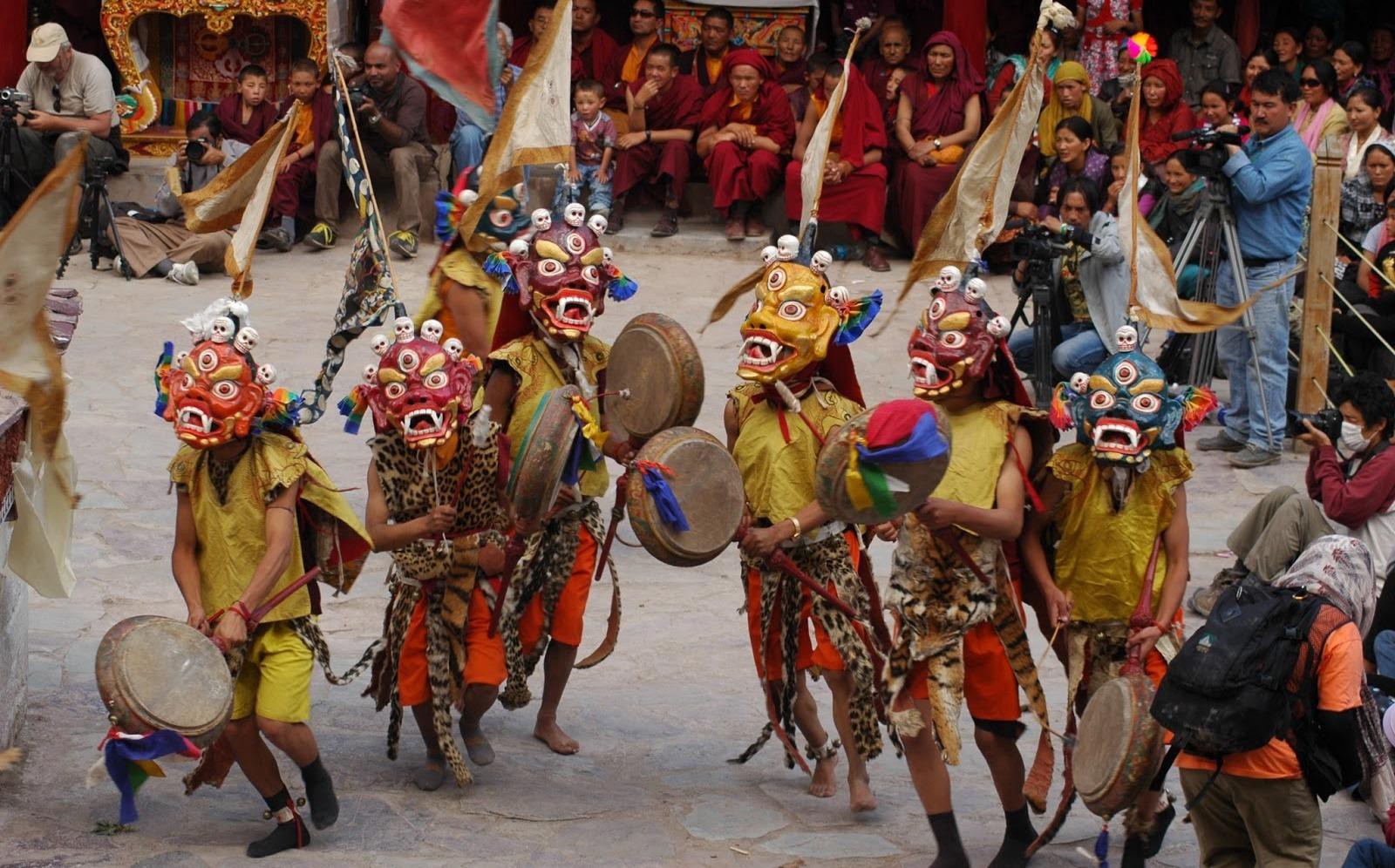
A single glance at the river Sindhu is supposed to be most fortunate and beneficial. So, all around the year, people throng the Ladakh region in order to see the majestic river rippling down the valley gracefully.
Description of the Sindhu Darshan at Jammu:
Sindhu Darshan Festival consists of a holy dip into the sacred river after which men and women put in their best costumes and also pay homage to the Mighty River for her blessings. The river itself is considered as God and men and women offer flowers and fruits to worship the Great River.
River Indus is said to be the largest River in India. It derives its origin from the South Western part of Tibet and enters into the Indian Peninsula through Ladakh or Leh. So propitious is the river that has been mentioned in the Indian Chronicle like the Veda.
The name Sindhu initiated from the Sanskrit language. The Sindhu Darshan is, therefore, a spectacular event that comprises of a series of spiritual processes for the sanctification of the soul. After a holy bath men stand in the river the male members offer Tarpan (which is to offer homage to the forefathers) in the memory of their forefathers.

It is a way of offering water to the soul of the dead. There is an age-old belief that doing this act in the River Indus would permanently release the soul from the clutches of the worldly bonds.
The importance and magnificence of the River become more conspicuous while we go through there ancient Indian Texts and Manuscripts. There is a wide reference to this mighty river. The Sindhu Darshan is thus a fortunate event that is possible only by the lucky people.
While visiting the River one can come across a number of Buddhist Stupas who on the banks. Lord Buddha once offered his visited this river bank along with his fellow beggars. So, this is a potential place or the Buddhists as well.
Time for the celebration of the Sindhu Darshan
This year, Sindhu Darshan will be held on and from 12th June to 14th June.
Nirjala Ekadashi
June 13, 2019 in Fairs & Festivals
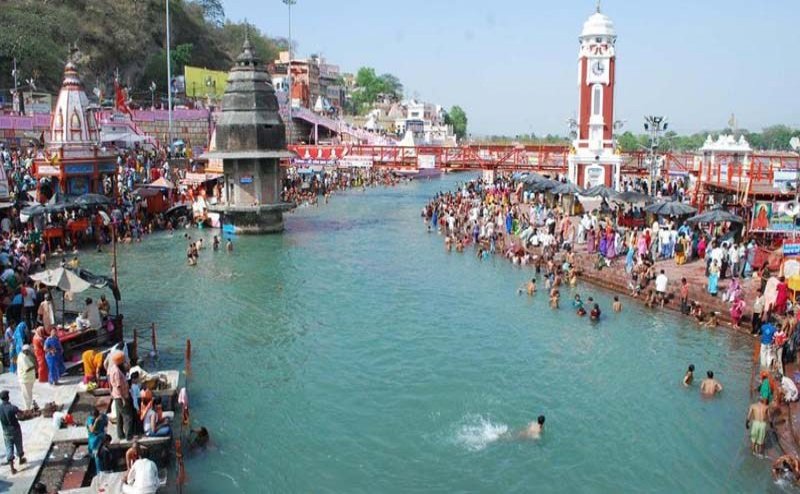
Nirjala Ekadashi is a widely celebrated festival in India. The day is dedicated to Lord Vishnu. It is celebrated on the 11th day of the fortnight according to Hindu calendar. This festival is also known as Pandav Bhim Ekadashi Fast. The Nirjala Ekadashi is different from other types of fasting as during this festival, one is supposed to observe the fast without drinking water as well.
This festival is one of the strictest forms of fasting in the Hindu religion. The festival is most devotedly followed by the Vishnu devotees. The fast starts with the sunrise on Ekadashi and ends after the sunrise the next day. According to the belief, observing fast on this day also helps in getting the benefit of other Ekadashis in a year. It is regarded equivalent to going for a pilgrimage. The belief also says that people observing Nirjala Ekadashi after death are greeted by Vaikunta, an abode of Vishnu.

Ambubachi Mela
June 13, 2019 in Fairs & Festivals
The Ambubachi Mela is celebrated in the capital city of Guwahati, in the northeastern state of Assam in India. The Ambubachi Mela is the most important festival of the Kamakhya Temple of Guwahati. The Ambubachi is a ritual of ascesis observed with “Tantrik means”. It is believed that the presiding goddess of the temple, Devi Kamakhya, the Mother Shakti, goes through her annual cycle of menstruation during this time stretch.

During the Ambubachi Mela in Guwahati, the doors of the Kamakhya Temple remain closed for three days. It is believed that Mother Earth becomes unclean for three days. During this time any kind of farming work is not taken on. Daily worships and other religious performances are also stopped during the Ambubachi Mela of Guwahati in Assam. After the completion of three days, the doors of the Kamakhya Temple are reopened. But the doors of the temple are reopened only after Devi Kamakhya is bathed and the other rituals are executed. It is then believed that Mother Earth has retrieved her purity. This is purely a ritual of the Tantrik cult.
The Ambubachi Mela in Guwahati is held at the Kamakhya Temple, after being closed for the mentioned three days. On the fourth day, the devotees of the Goddess are allowed to enter the temple for worshipping Devi Kamakhya. Thousands of pilgrims are found to visit the Ambubachi Mela in Guwahati, who comes all over India.

Ambubachi Mela Dates 2019
The Ambubachi Mela in Guwahati is celebrated every year during the monsoon season, which happens to fall in around the middle of the month of June. the beginning date of Ambubachi Mela is June.
Saga Dawa
June 13, 2019 in Fairs & Festivals
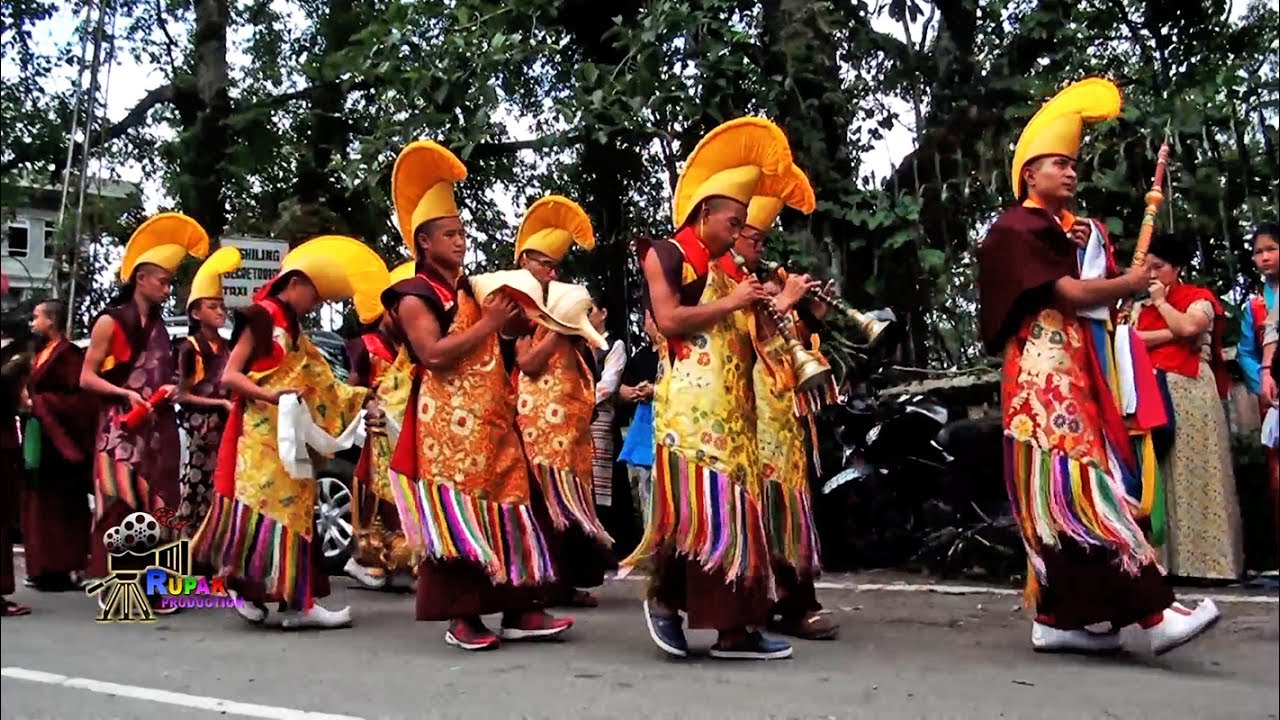
Sikkim is famous for masked dances and the festivals that exhibit rare and elegant colors that taint the carnival with a richness and diversity. One of the renowned festivals in Sikkim is the Saga Dawa which is performed in the state of Sikkim with awe and respect. This celebration specially belongs to the Mahayana Buddhists. This is a day for observing religious rites.
Celebration of the Saga Dawa Festival
Saga Dawa is a sacred event in Sikkim. On the day of the Saga Dawa the people of Sikkim, especially the Mahayana Buddhists gather in temples and pay due honor to the Lord who has endowed them with various gifts along with the supreme bliss of life; life as we all know, is that milk of paradise which we drink till our last breath; it is god-gifted.
Buddhists of Sikkim gather in the temples and light up lamps in honor of the Supreme Lord; he is supposed to have enlightened the path of the travelers who travel eternally only to lose their way. When their path is lost they wander amidst the worries of life, but almighty come with a saving hand. The Mahayana Buddhists regard Buddha as their supreme Lord who enlightens their path of life. So, the Mahayana Buddhists of Sikkim light lamp to show gratitude to the Lord.
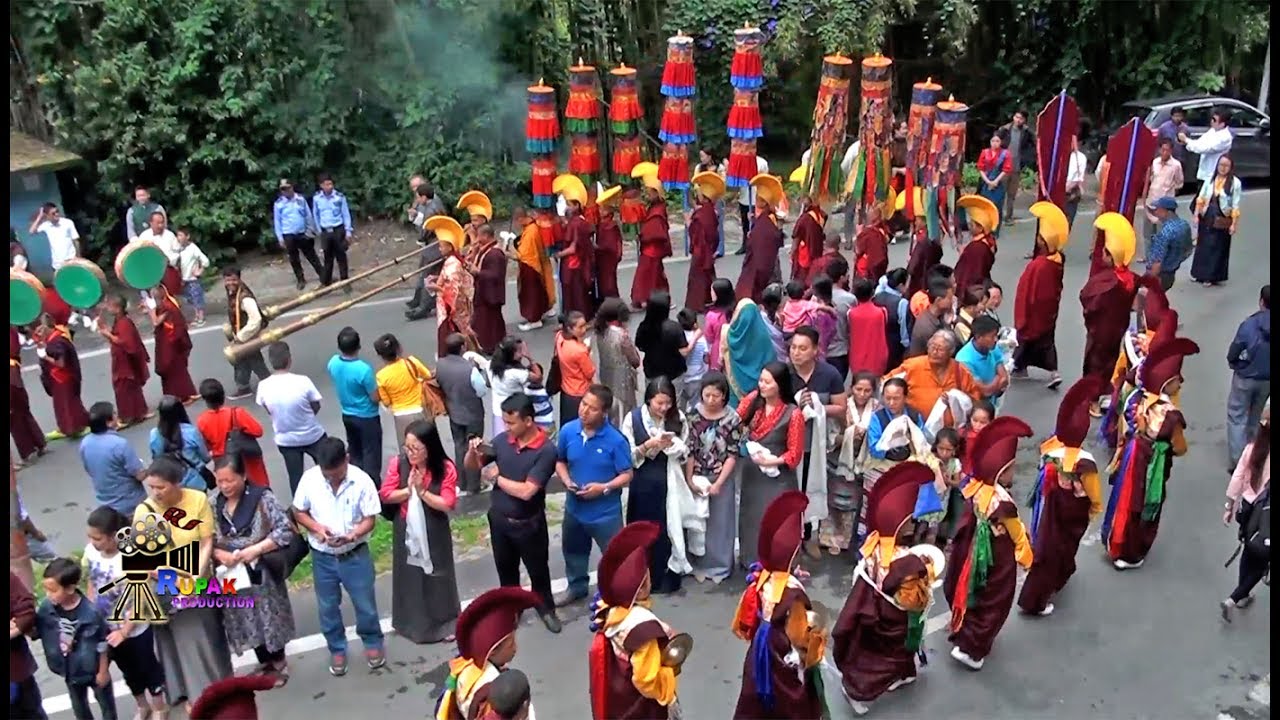
Butter lamps are usually lit and the ceremony is followed by a grand pageant which consists of Monks who moves along with Holy Scriptures, and chants hymn while moving forward. This pageant travels around the city of Gangtok and is an auspicious occasion. The convoy starts from the Tsuklakhang Monastery.
Sagadawa Festival
This festival is usually held at the 4th month of the Buddhist Calendar. This is approximately in May or early June. It is a magnificent carnival of Sikkim.
Sao Joao Festival
June 13, 2019 in Fairs & Festivals
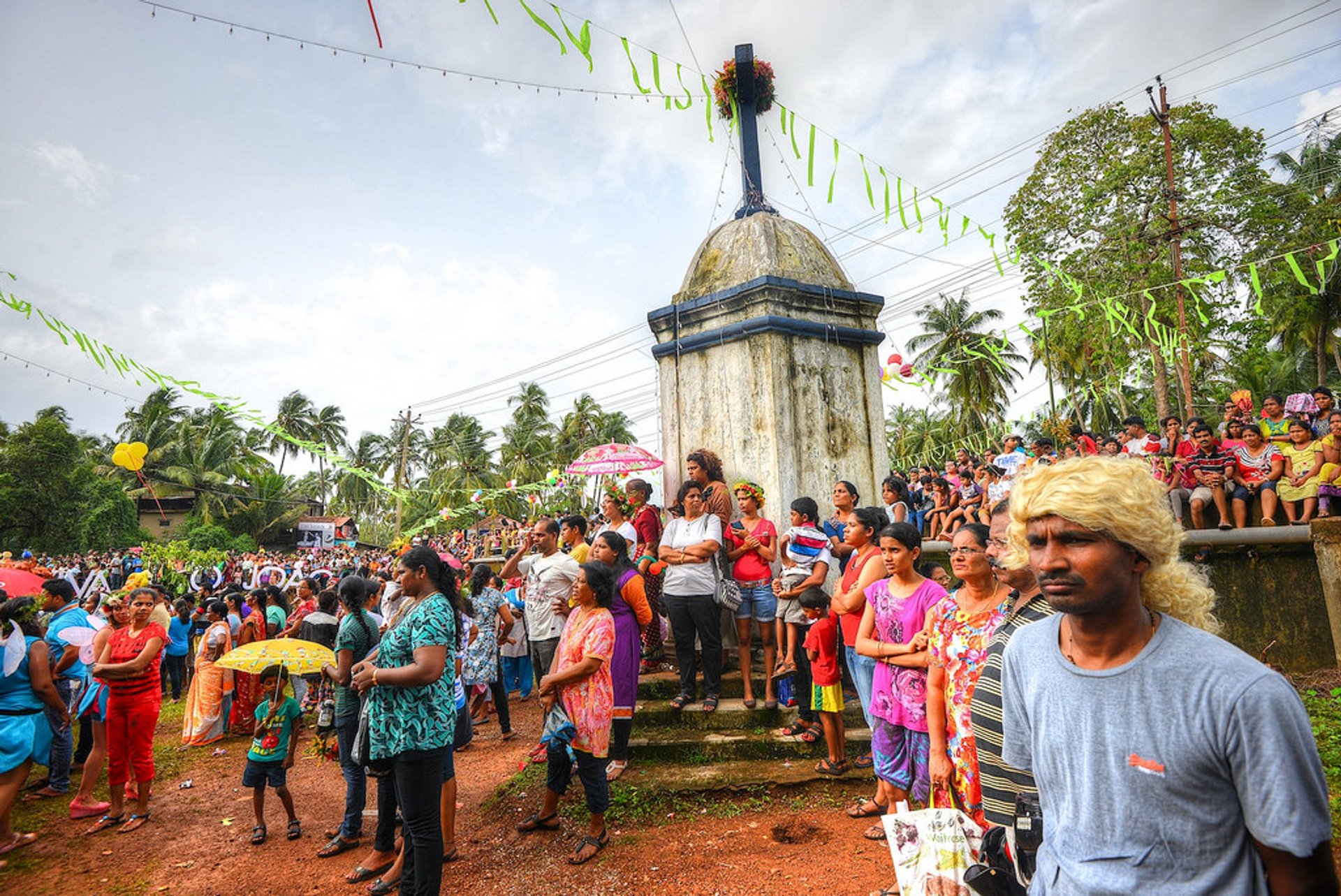
Sao Joao festival is immensely popular in North Goa and is celebrated with amazing enthusiasm and gusto. The festival is dedicated to St. John the Baptist, who, according to Christian scriptures, leaped with joy at his mother, Elizabeth’s womb, when she was told of the birth of Christ.
This festival is marked by young men in Goa jumping into wells to retrieve the gifts thrown in by the villagers. Held at the beginning of the monsoon season in Goa, it witnesses people of all ages jumping into wells, ponds, and streams. Feni (a spirit produced exclusively in Goa), overflows during the occasion. Colorful boat races are organized in Soilom, a village in North Goa’s Bardez taluka. However, the festival of Sao Joao is not celebrated with the same enthusiasm over all of Goa. In the south, the celebrations take a somber tone, while in the North, particularly Siolim, Anjuna, Candolim, Calangute and Assagao, celebrations are accompanied by celebrations and merriment.
The main feast day commences with the villagers taking a plunge into the village wells singing the “San Joao”. The main attraction of the day is Sangodd. On this occasion, people take out parades while singing Mando and various religious hymns. People participating in the Sangodd are dressed in a uniform to distinguish them from other groups. This is also the time when one’s adventurous spirit comes to the surface. Several competitions are held to allow the youths to exhibit their talents. People who have recently got married or blessed with a new-born gather with the Dali along with seasonal fruits like jackfruits, pineapples and a bottle of Feni.
The Sao Joao festival is a wonderful celebration of traditions and beliefs. It’s another example of the fun-loving nature of the people and their readiness to sing, dance and make merry.
Eid al-Fitr
June 13, 2019 in Fairs & Festivals
Id-ul-Fitr in Arabic means the ‘festival of breaking the fast’. The fast that is kept throughout the Ramadan month is broken with special prayers and festivities. ‘Fitr’ is derived from the word ‘fatar’ meaning ‘breaking’. According to another connotation it is derived from the word fitrah meaning ‘alms’. Certain Sunni Muslims also believe that fitr actually comes from fitrat meaning ‘nature’ and Id-ul-Fitr is, therefore, the celebration of God’s magnanimity in providing nature to man. Celebrated on the first day of the new moon in Shawwal month, it marks the end of Ramadan.
Id-ul-Fitr is one of the most important fairs and festivals in Madhya Pradesh. However, the Id-ul-Fitr Celebration In Madhya Pradesh is mostly characterized by coterie celebrations. The festival is largely celebrated among friends and family. In the morning of Id-ul-Fitr people bathe and dress up in new clothes and have sweets before walking to the mosque for Id prayers. Men wear white clothes (kurtas and pajama mostly) because white according to Islamic traditions, symbolizes purity and austerity. On this day, according to the Quran, Allah has intended a dole for every Muslim who is free and is in possession of alms worthy capital. These alms are distributed among the poor on by the more prosperous Muslims.
Do RakatNamaz, or the Id-special prayers are performed in the morning at the mosque. Charitable gift, called SadaqahFitr, is given to a needy person as Thanksgiving. The amount to be gifted must ideally be in excess of one’s essential needs and free from all encumbrances of debt. Alms usually consist of food grains or their value in money. According to the Quran, a person should give 3.5 lb of wheat or its flour per head, or 7lb of barley per head or their cost. Do RakatNamaz is performed; these prayers can be read anytime between sunrise and just afternoon. Even women in burkhas attend the prayers in special chambers ordained for women at the mosques.
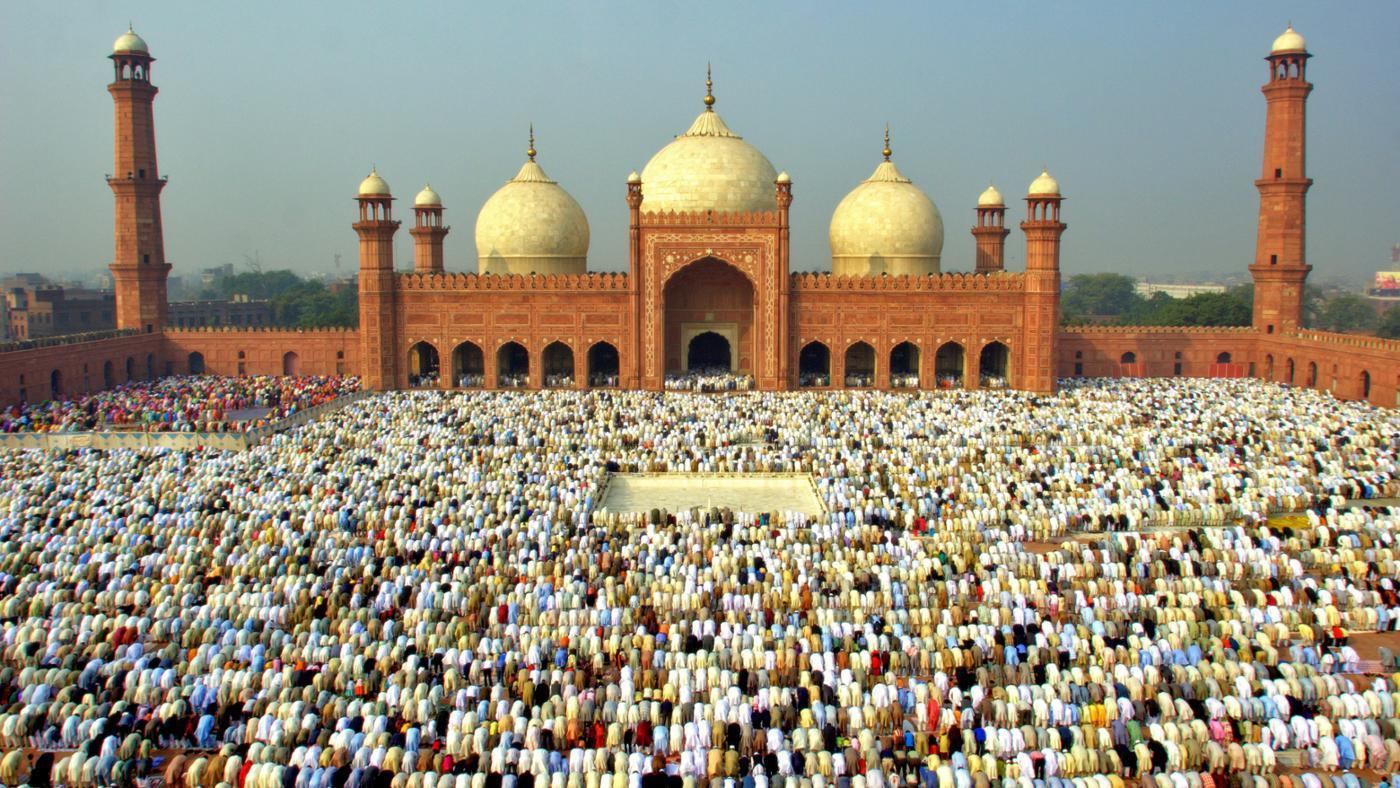
The 30-day fast is broken on Id-ul-Fitr with sumptuous feasts, before which men embrace each other three times, as is laid down in the Quran. The festival originated when after proclaiming Ramadan as the period of fasting and austerity, Prophet Muhammad the pioneer of Islam, announced a day for celebrations to reaffirm the feeling of Id-ul-Fitr brotherhood. Eid is characterized by the exchange of gifts and sweets.
Ganga Dussehra
June 13, 2019 in Fairs & Festivals
India is a land of innumerable festivals, in pace with the cycle of the seasons. These proceed with sowings and harvesting and around them have grown legends, most of them portraying the victory of good over evil. These fairs and festivals impart color and gaiety to the life of the Indians. The Indian calendar is marked by a superfluity of such big and small occasions. Some festivals are mainly of religious nature, and others are related more to, change of season and harvesting. They have a retentive past and many have gone through major alterations. Though the enthusiasm for some of the festivals also seems to be vanishing, yet they are capable of bringing about a change in the lifestyle of the people.
Some festivals and fasts are specific protocols of religion which aims towards communication with the Almighty. The vivacity of the people is reflected in the colorful liveliness of the fairs and festivals. Processions, prayers, new attires, dance, music, etc. are essentials related to any of such celebration.
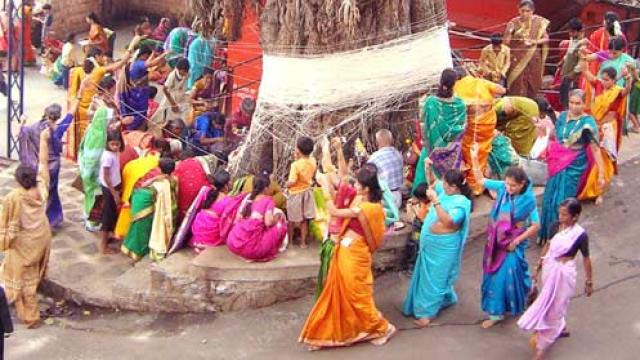
Ganga, the sacred river is respected by the Hindus as a mother as well as a goddess. Ganga Dusshera in Uttar Pradesh is celebrated on the 10th day of the month of Jyeshta. Ten days of this month are dedicated to the worship of the holy Ganga River.
Time for celebrating the Ganga Dussehra Festival
The Ganga Dussehra in Uttar Pradesh takes place every year in the month of June and continues for 10 days. Surely there can be no better time to plan your trip to Uttar Pradesh. It gives you the wonderful opportunity to be a part of a religious festival and fair and also be witness to the spectacular carnival. This year, it will be celebrated on June 21.
Description of the Ganga Dussehra in Uttar Pradesh:
According to the folklore, ‘Gangavataran’ or the descent of the Ganga (Ganges) happened at this time. Goddess Ganga, the eldest daughter of Himavan and Mena, and sister of Parvathi had been married to the gods in heaven but afterward brought down to earth by the great meditation of Bhagiratha, grandson of king Sagara of Ayodhya. Ganga came down to earth quite unwillingly and Lord Shiva took her on his entangled locks, to shun the danger of Ganga’s rage. She then came down to earth from the matted locks of Lord Shiva in seven streams.
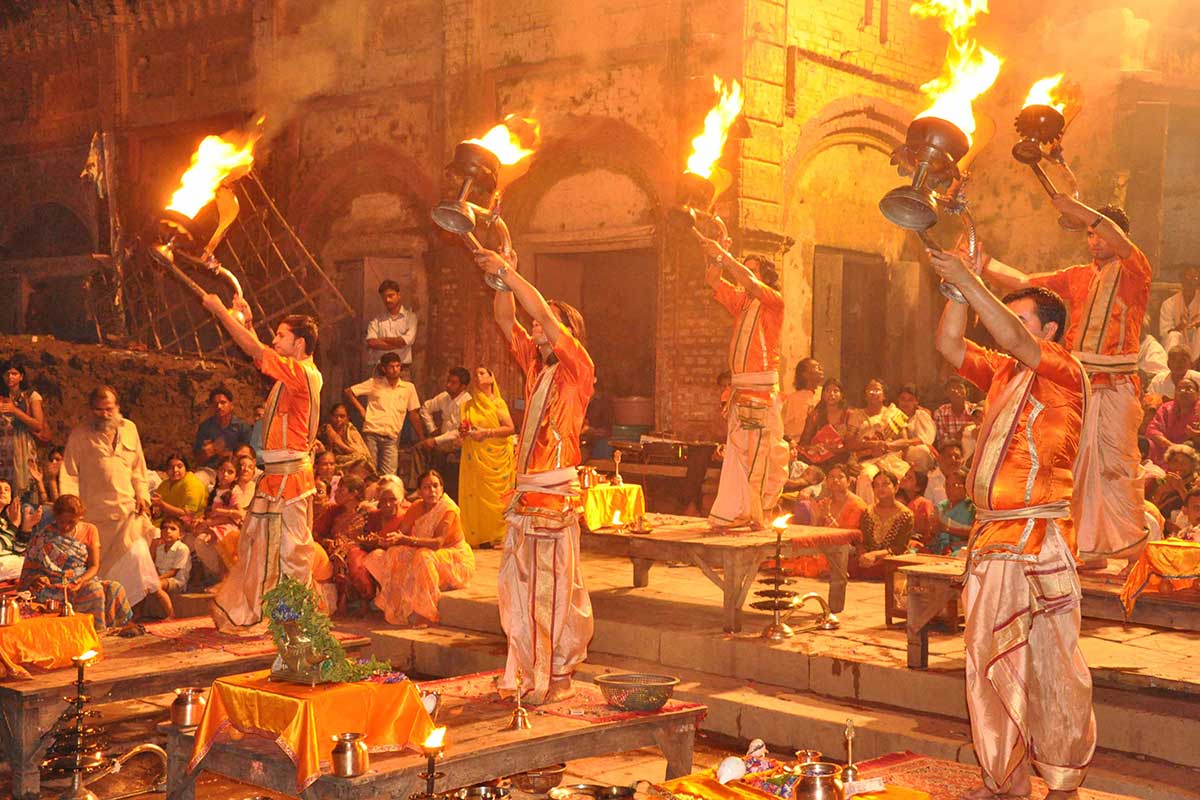
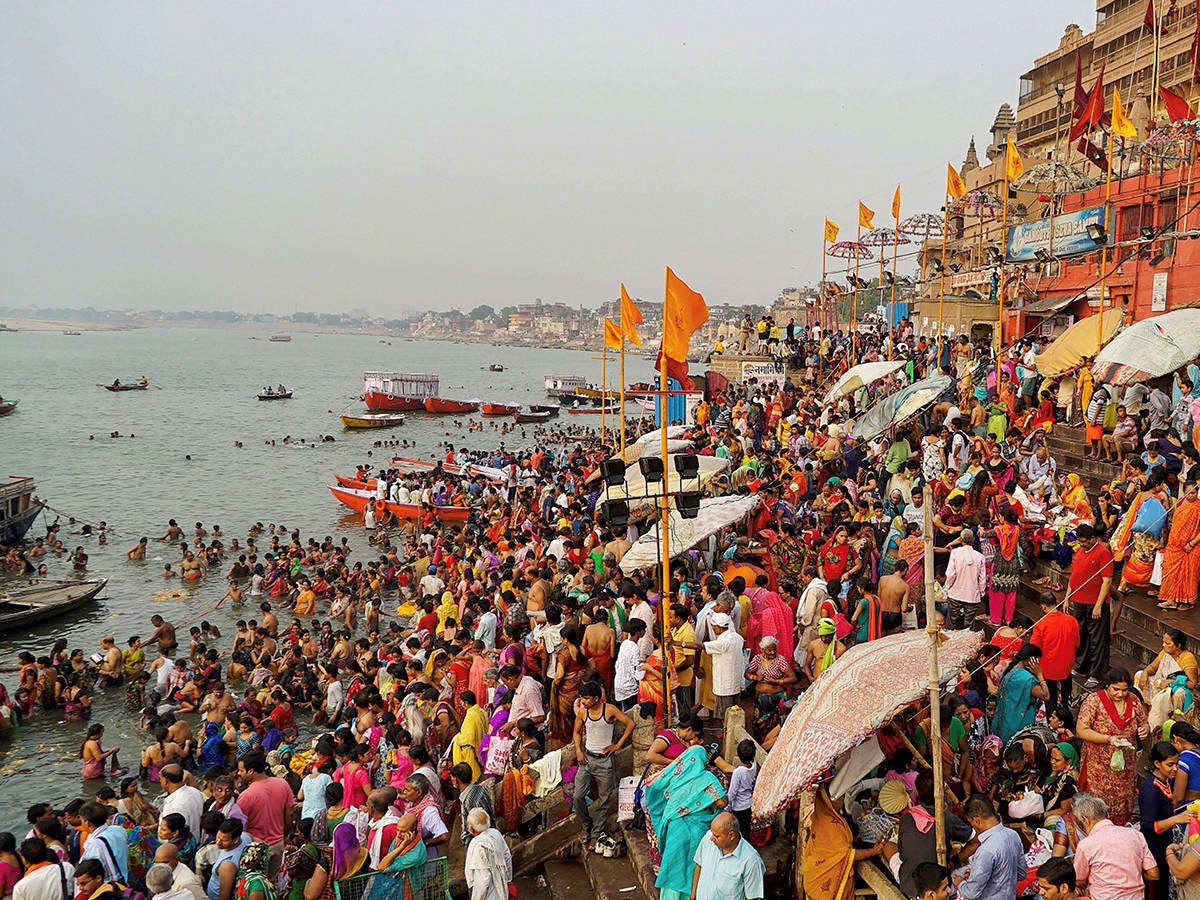
The source of the Ganga is at Gaumukh, which is a 2-day trek from Gangotri in Uttaranchal. Places like Rishikesh, Haridwar, Varanasi, Garh-Mukteswar, Prayag, etc where River Ganga flows, hold unique implication on this day. Devotees from all over the country flock to these places and Varanasi. Varanasi with its several ghats placed on the western bank of the Ganga is crowded by pilgrims to touch the river water, bathe in it and take the river clay home to worship. A bath in the river Ganga is considered to cleanse any person of all sins, and to die on its banks is believed to be most fortunate. If this is not possible, then the submersion of the ashes after cremation in the river Ganga is believed to liberate one from the constant cycles of birth and re-birth.
In Haridwar, ‘aartis’ are executed at sundown and a large number of devotees meditate on the river banks. Ganga jal is collected in sealed containers in homes by the devotees and is used on holy days in purifying places. People, who cannot reach the Ganga banks on this day, bathe in some close by pond or river evoking Ganga by chanting her name and offering prayers to the goddess.
Vat Savitri Puja
June 13, 2019 in Fairs & Festivals
Vat Savitri Puja is one of the widely celebrated festivals in India. This puja is performed to pay respect to Savitri’s determination and devotion to bring her husband back to life. She managed to plead Lord of Death, Yama to leave her husband by sheer devotion. Married women throughout India take part in this puja to pray for their husband’s long life.
Celebration of Vat Savitri Puja
Taking part in this festival requires one to follow a number of rituals and practices. Hindu married women observe various rituals. They wake up early in the morning and take a bath to wear new clothes. They also wear new ornaments and apply vermilion on their forehead. Then they offer rice, wet pulses, lemon, banana and other fruits as bhog. The women also observe fast for the whole day. After the puja is over, they consume this bhog. Moreover, bowing low in front of their respective husband is also an integral part of the rituals of this festival.
Time of Vat Savitri Puja
The Vat Savitri Puja is all set to be celebrated on June 3rd, this year.
June 2019
June 1, 2019 in Table of Content
June month focuses on Uttar Pradesh, the largest state of our country and therefore, it’s evident that there must be a tremendous variation in art, culture, tradition, and obviously numerous legends. So far, traveling in Uttar Pradesh would definitely be a fascinating experience since there are many places to explore.
Welcome to Uttar Pradesh!
Embrace Varanasi, the city of lights!
Greet Lucknow, the Nawabi Land!
Allahabad Is Here…
Agra, The Magical Allure Of UP
Mathura-Vrindavan Belt
The Delightful Ayodhya
Dudhwa National Park And Tiger Reserve
Vat Savitri Puja
Ganga Dussehra
Eid Al-Fitr
Sao Joao Festival
Saga Dawa
Ambubachi Mela
Nirjala Ekadashi
Sindhu Darshan

Edathua Perunnal Festival, Kerala
May 14, 2019 in Fairs & Festivals, Kerala
Edathua Perunnal Festival in Kerala is one of the most famous festivals in India. Edathua Perunnal Kerala is celebrated at St, George’s Church, Edathua, 23 km southeast of Alappuzha town. Edathua Perunnal Kerala is a festival where life at Kerala comes to halt. Edathua Perunnal Kerala is celebrated at a convenient place making it easier for the tourists to reach the place. If you want to reach the place you must know the following information:
The venue is nearly half an hour’s bus journey from Thiruvalla bus stand.
Nearest railway station: Thiruvalla about 15 km.
Nearest airport: Cochin International Airport, about 85 km.
Time of Edathua Perunnal Festival in Kerala
Edathua Perunnal is a festival in Kerala, God’s own country. This is a well-recognized form of local festivals which is held around the time of the summer season. It is seen that the tentative date is between April to May. Edathua Perunnal Kerala which should ritualistically be held between April 27 and May 7 are really splendid. It is considered to be a real visual treat for the tourists who flock at the spots during the festive season.
Description of the Edathua Perunnal Festival in Kerala
Built on the banks of the Pamba River, this massive shrine at Edathua where the Edathua Perunnal is held resembles the churches of medieval Europe. The annual feast here starts on April 27 with the hoisting of the festival flag and concludes on May 7. During the feast, the statue of St. George, decked in gold, is carried out and placed on the dais in the center of the basilica.
All prayers and related rituals are conducted here during these days. Devotees from all parts of the state attend the festival. As in all other festivals typical of Kerala, the church grounds swarm with vendors and stalls, selling all kinds of things from food to utensils to jewelry. There are cultural performances every evening. Edathua Perunnal Kerala is one such festival which is a real crowd-puller in the state.
To learn more about Travel Viewpoint, visit the Archive Section for other issues, and for more insights, check out the Travel Viewpoint Facebook Page.
