


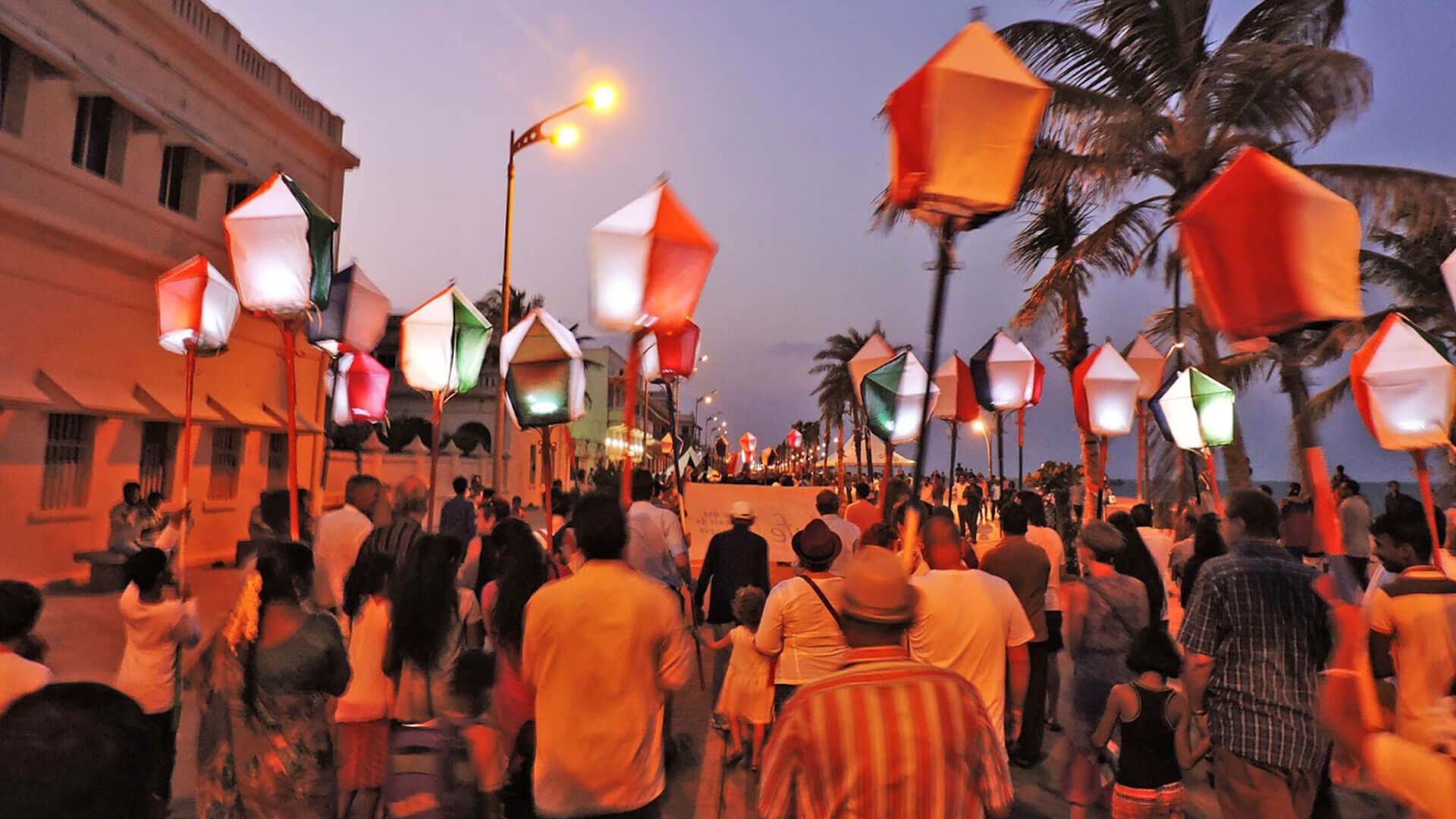
Bastille Day : Pondicherry
July 15, 2019 in Fairs & Festivals
Pondicherry experiences a background which is different from other parts of India. The place is itself a retreat; you can enjoy the blend of west and east which unites to form a new tradition. Pondicherry was under French dominance for a period of 300 years. This created a French heritage in the society of Pondicherry. The land has experienced various historical significances as Pondicherry witnessed fierce battles between British and French in the bygone days. The rich history and heritage of Pondicherry are well evident in the fairs and festivals and in the culture.
Description
Bastille Day, one of the main festivals in Pondicherry is also known as the ‘National Day of France’. Being an important French colony Pondicherry celebrates this day with great honor and pride. Located on the coast of Coromandel, Pondicherry was once the center of all French business and transactions in the southern part of India as well as in Asia. On the eve of the Bastille Day, retired soldiers engage themselves in the parade and celebrate the day with Indian and French National Anthems. On the day uniformed war soldiers march through the street to honor the French soldiers who were killed in the battles. You can perceive French and the Indian flag flying alongside that project the mishmash of cultures and heritages.
Time to celebrate
Bastille Day is celebrated with great honor, on 14th July Bastille Day is observed in Pondicherry when this small territory adorns and decorates herself to give a special tinge to the occasion. Being an important French colony, this day is calculated as one of the important dates in Pondicherry’s calendar.

Champakulam Boat Race
July 15, 2019 in Fairs & Festivals
Home to a culture that is considered to be one of the richest cultures in the world, Kerala is one of the best-kept secrets of India. A culture in which the heritage of the land is proudly preserved in the hearths and hearts of all the people of the land, a study into the culture of Kerala is a fascinating tale of natural beauty coupled with an ancient heritage. Perhaps no other aspect of the heritage of Kerala exhibits it as much as do the various festivals in Kerala, notable among which is the Champakkulam Boat Race.

Time for celebrating the Champakkulam Boat Race
The Champakkulam Boat Race is all set to begin on July 15, this year. The festival, which is one of the most-awaited events in the calendar of Kerala, has an origin which dates back to centuries in time. This spectacular snake boat race is held on the River Pampa on the day of the ‘moolam’, which is followed in accordance with the Malayalam month of Midhunam. The day is considered to be especially sacred as it is the day when the Deity at the AmbalappuzhaSree Krishna Temple was installed.
Description of Champakkulam Boat Race
The Champakulam Boat Race is held in accordance with a legend which is strongly adhered to by the people of Kerala. According to the legend, the king of Chempakasseri in Devanarayana, under the influence of instructions, provided to him by the royal priest erected a temple in his kingdom. However, just before the installation, he was informed that the idol was not auspicious. To make amends, the king brought the idol of Sree Krishna from the Karikulam temple in Kurichi, which legend claimed was handed over to Arjuna by Lord Krishna himself. It was during this journey that the king made a stopover at Champakulam. The next morning saw thousands of boats assembled at the site in a riot of colors in order to honor the sacred event and to escort the idol home
It is this scene which is enacted in this part of the world every year and which is known as the Champakkulam Boat Race.
Guru Purnima Gujarat
July 15, 2019 in Fairs & Festivals
The day of the full moon (known as Purnima), in the month of Ashadh (June-July) is traditionally celebrated as Guru Purnima by Hindus. Also known as Vyas Purnima, the day is celebrated in remembrance and veneration to sage Ved Vyas who is revered as the Adi (original) Guru of the Hindu Dharma; it is believed that Ved Vyas classified the Vedas, wrote the eighteen Puranas and the Mahabharata. Guru Purnima is one of the major fairs and festivals in Gujarat.
The Sanskrit root “Gu” means darkness or ignorance and “Ru” denotes the remover of that darkness. Therefore, one who removes ignorance which is a type of mental darkness is a Guru. Only he who removes our ultimate darkness, known as Maya, and who inspires and guides us on to the path of God-realization is the true Guru. The term Guru is nowadays also used to denote a teacher of any field.
The Guru played a very vital role in ancient India when the education system was characterized among the elite mostly by Guru Kulas or residential schools. Students who sought a particular Guru’s guidance and blessings had to go and stay with the Guru, sharing the same food as him and the roof. It is believed that when the student loses track, becomes despondent or simply runs out of steam, it is the Guru who is responsible for bringing him back on track. The aspirant is thus better able to obey the Guru if he understands the Guru’s glory.
Therefore on the day of Guru Purnima in Gujarat India, disciples introspect, and present the guru with offerings and practice meditation, in reverence to the Guru in mind, remembering his action and speech; implicitly resolving to obey his unvoiced wishes, commands, serving him as one would God and lauding his glory and redemptive attributes. Guru Purnima Celebrations in Gujarat are carried out in ashrams as well as private households. Domestic celebrations are characterized by special offerings to the Guru, fasting, charity and so on.
The celebrations that go on at temples or ashrams are however more elaborate and grand in character. The Guru Purnima Gujarat Festival at Bochasan Mandir is celebrated in the presence of Pramukh Swami Maharaj with much devotion and enthusiasm. The day begins with an assembly that goes on from 11:16 pm 26th July 2018 to 01:50 am 28th July 2018. This assembly is marked by performances of bhajans and discourses by senior sadhus who emphasize and sing the glory of the Guru. The festival is finally crowned with Swamishri’s blessings and darshan – where thousands offer their reverence by filing past Swamishri.
Hemis Festival in Ladakh
July 15, 2019 in Fairs & Festivals
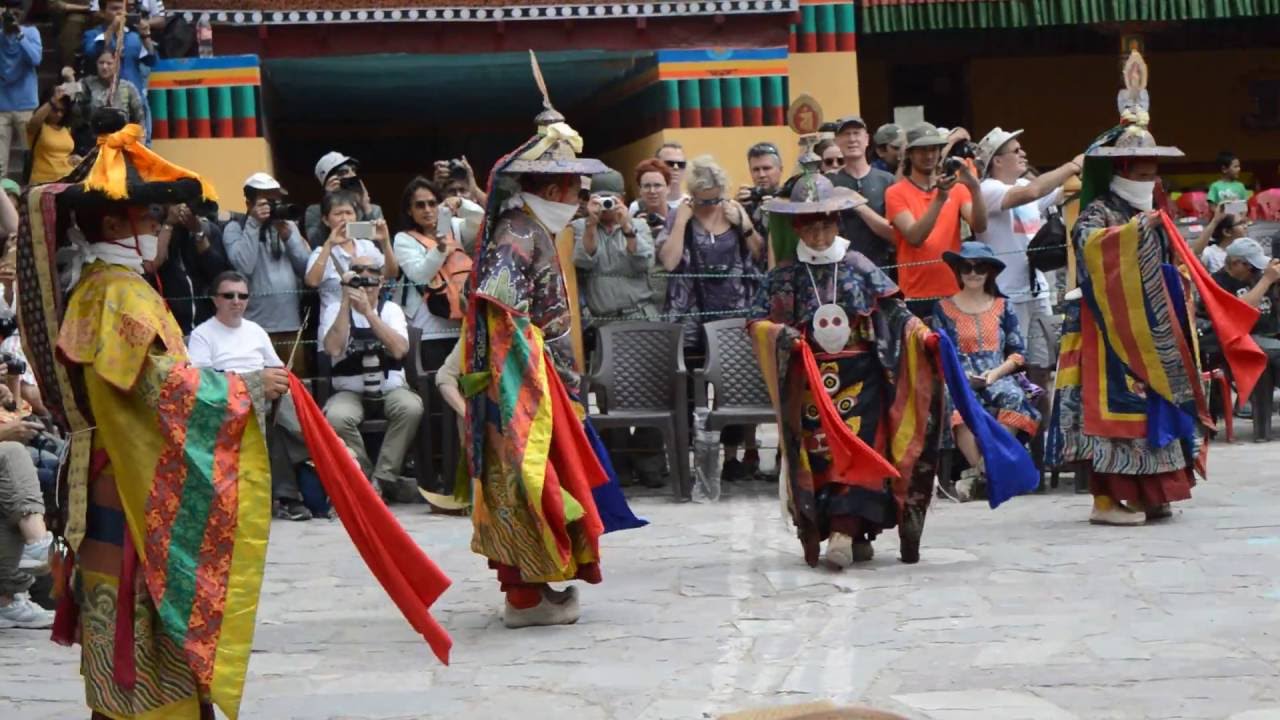
One of the biggest and prime festivals of Leh Ladakh, the Hemis festival marks the birth anniversary of Ladakhi’s spiritual leader Padmasambhava. He acclaimed to be the founder of Tibet’s Tantric Buddhism. The celebrations of the Hemis begin on the 10th day of the Tibetan lunar month, which is also called as Tse-Chu in the local language. Carried on for two days, the festival is a colorful treat to the spectators, where mask dance performers take on the stage in the rhythm of folk music of Ladakh. The renowned Hemis festival is celebrated in the courtyard of the biggest Buddhist monastery, Hemis Gompa, which provides the festival with a sacred atmosphere.
Besides the vibrant performances, the festival has a lot of other things to offer to the tourists. As a part of the festivity, colorful fairs are also held in the monastery. During these fairs, one can buy a lot of souvenirs and handicrafts. Displayed as an exhibition, these traditional items are amongst the major highlights of the Hemis festival.
Bringing the colorful shades of festivities in the barren, deserted land of Ladakh, Hemis festival is one event that greatly represents the analogy of Ladakh culture. Like the other popular festivals in Leh Ladakh, Hemis festival in Ladakh also marks the victory of good over evil. Just past the harsh winters of Ladakh, Hemis festival feels like a welcome respite, that lures thousands of tourists to this remote place. And what better way to understand the people and culture of a region, other than its festivals.
Dedicated to the birth of Buddhist Lord Padmasambhava, who is the founder of Vajrayana Buddhism in Ladakh, Hemis festival is celebrated on the 10th day of the Tibetan lunar month. Evident from its name, the celebrations of this renowned festival take place in the Hemis Gompa or monastery, which, along with holding a sacred status, is also the largest of its kind in Ladakh.
Main Attraction of Hemis Festival:
Depicting the tales of war between good and evil, the Chams or masked performers dominate the festival with their uproaring dance moves. They are dressed in bright colored attires and paper-mache masks. Synchronization of their dance with the sounds of the traditional music instruments makes the event a lively and joyous affair. Not just a dance performance to bring in variety, the Chams hold a significant place in the Tantric traditions of Buddhism, therefore, are the prime attractions of Hemis festival.
Celebration:
With the rhythmic sounds of cymbals, drums, and trumpets, celebrations of the Hemis festival commences early in the morning. Starting from peaceful prayers and rituals to Lord Padmasambhava as the main ceremony at the first place to the mystic mask dance, which is locally known as Chams, the festival beautifully displays the culture and religious orientation of Ladakh. Visitors at this time of the year in Ladakh are amongst the lucky ones as they get to attend such an auspicious festival, plus the unique handicrafts, that are sold in a hefty amount at the monastery, can add to their interest. Antique objects and artifacts like Buddhist idols, Tibetan gems and jewelry, and hand-woven dresses are some of the prime attractions of the numerous shopping stalls, temporarily set during the festival.
Jagannath Rath Yatra
July 15, 2019 in Fairs & Festivals
One of the most-awaited festivals in the Orissa state as well as in India, JagannathRath Yatra is an annual event, which is celebrated in the month of June or July. It is dedicated to Lord Jagannath (Lord Krishna), his sister Goddess Subhadra and his elder brother Lord Balabhadra. It is also called Gundicha Yatra, Chariot Festival, Dasavatara, and Navadina Yatra.
Why is Rath Yatra Celebrated?
Rath Yatra is organized in Puri. It is believed that every year Lord Jagannath wishes to visit his birthplace Mathura for a few days. To fulfill this desire of his, this Yatra is conducted each year from Jagannath temple to Gundicha temple.
Rath Yatra 2019
This year, the very popular JagannathRath Yatra will be held in June. The festival is celebrated on the 2nd day of the Shukla Paksha, Ashadh month according to the traditional Oriya Calendar.
Procession during Rath Yatra
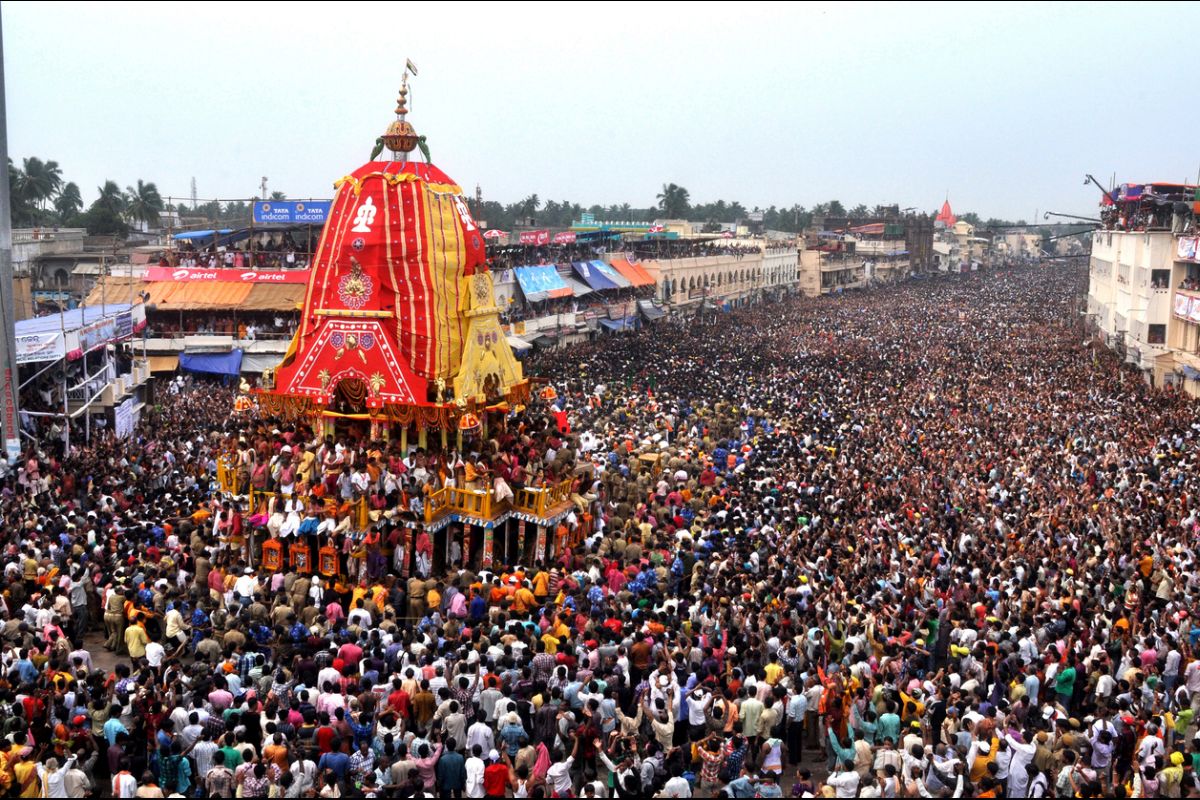
The wooden idols of the three deities, every year, are taken from the Jagannath Temple to the Gundicha Temple. These idols are placed in decorative chariots and are accompanied by chants and conches, which can be heard all around. Before the Yatra commences, the idols are bathed with 109 buckets of water, which is SnanaPornima. These are then placed in isolation till the day of procession, as it is believed that they are ill. This event is called Ansara. On the day of the procession, the holy ritual of ChheraPahara is performed by the royal successor of Orissa. At this time, hordes of locals and devotees flock around the temple area.
During ChheraPahara, the deities are brought from the temple by the King and are placed on the chariot. Before keeping them, the king himself sweeps the chariot with a broom that has a gold handle. He later decorates the chariot with flowers with his own hands. The ground on which the chariot will move is also cleaned by him, after which sandalwood is sprinkled on it.
Through this ritual, it is proposed that everyone is equal in the eyes of the Lord. Jagannath temple is accessible only by Hindus but on the day of the Rath Yatra, people of all faiths can visit the temple. The 3 deities remain at the Gundicha Temple, their aunt’s place for a span of 9 days. Later, they are back to their home. This return journey is called the ‘Bahuda Yatra’.
On reaching the Jagannath Temple in the evening, they wait outside. On the next day, the idols are adorned with new clothes as babies. This event is called SunaVesa. After this day, the deities are placed again into the sanctum sanctorum, marking an end to the Rath Yatra of JagannathPuri.
The Chariots in Ratha Yatra
The prime attractions of the Rath Yatra of Jagannath are the elaborate Chariots. The preparation of the chariots starts on the day of Akshay Tritiya. There are 3 main chariots, pulled by hands using long ropes, which are 50 meters in length. It is believed that pulling this rope is like adding to your good Karma and doing penance for your bad deeds.
45.6 feet in height, Lord Jagannath’s Chariot is called Nandighosa and has 18 wheels. The chariot of Lord Balaram’s is 45 feet in height, comes with 16 wheels and called Taladhvaja. Similarly, Devadalana is Goddess Subhadra’s chariot, which has 14 wheels and comes with a height of 44.6 feet. Artists decorate these chariots in a beautiful manner with the help of designs, motifs, and paints.
As the procession starts, the chariot of Lord Balram is pulled, followed by Goddess Subhadra and that of Lord Jagannath at last. The distance between the two temples is just 3 km but the whole enthusiasm of the tourists and the devotees clubbed with chants and drum beating, takes a few hours. For the next 9 days, devotees can seek blessings of the Lords and the Goddess.
During the return Yatra, the Bahuda Yatra make a halt at the Mausi Maa Temple. Here the deities are served PodaPitha, a sweet pancake. It is believed that this pancake is the poor man’s food and the Lord is fond of it.
JagannathRath Yatra or the Chariot festival is known to be one of the oldest and also the grandest procession festival, which is celebrated every year in India. It also finds its mention in Puranas of Hinduism such as Padma Puran, Brahma Puran, and Skanda Puran.
Places to visit near Jagannath temple
Puri is dotted with several attractions for its visitors. There are various beaches and temples here. Puri beach, Konark temple, Konark beach, Raghurajpur artist village, Chilika Lake, Sakshigopal temple, Pipili village, Shree Loknath temple, and Gundicha Temple are some of the popular attractions near Jagannath temple, which must be visited.
How to Reach Jagannath temple
By Air
The nearest airport to Puri is Biju Patnaik Airport, Bhubaneswar, which is around 60 km from Puri. The city is easily accessible from the airport. You can easily rent a cab. This airport is well-connected with important cities of India such as Delhi, Nagpur, Mumbai, Kolkata, Hyderabad, Visakhapatnam, and Chennai.
By Rail
Puri is the last stop on the East Coast Railway. It is connected through direct express and other super-fast trains with important Indian cities such as Okha, Delhi, Tirupati, Kolkata, Mumbai, Ahmedabad and so on.
By Road
Puri is easily connected with the road through a good network of roads. From the bus stand near the Gundicha Temple, buses from Bhubaneswar and Cuttack are available after every 10-15 minutes. Mini-buses for Konark are also available from here, after every 20-30 minutes. Direct buses for Kolkata and Visakhapatnam are also available. Renting a cab is another option.
Karsha Gustor Festival
July 15, 2019 in Fairs & Festivals
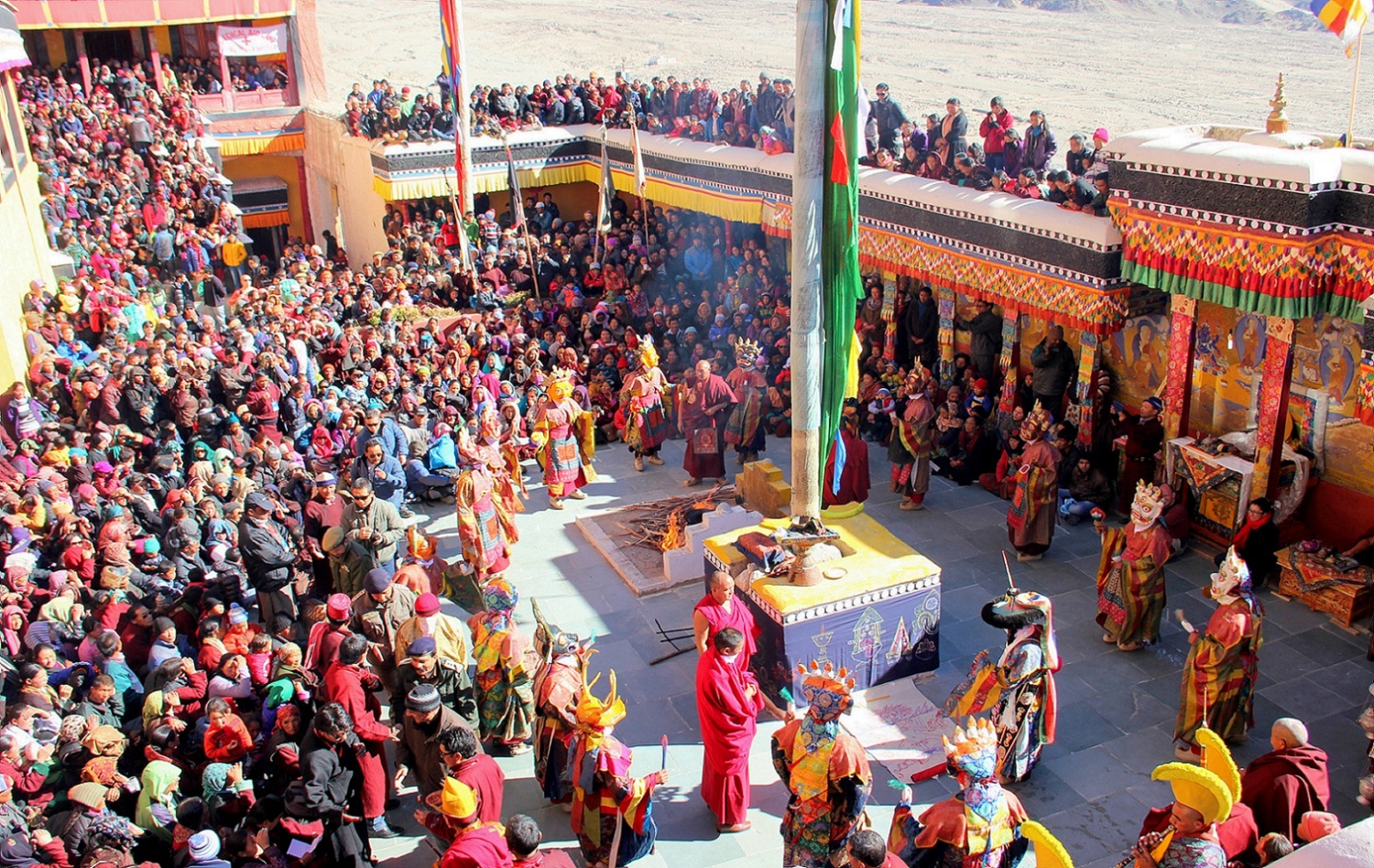
The fete of Oracles held in Stok is commonly known as Zanskar (KarshaGustor). Presently Stok is a Royal Residence. At the Zanskar (KarshaGustor) it is the layman who predicts the future instead of reputed soothsayers, who are commonly recognized for this job. The layman is spiritually cleansed by the Lamas after a formal selection and is prepared for receiving the spirit of the Holy Deity.
During the Zanskar (KarshaGustor), a Black Hat Dance is performed. The significance of this dance is to ward off the evil forces and to establish the victory of good over the evil. This is also a masked dance, much like Champs. Held in January the Zanskar (KarshaGustor) is a famous festival of the Buddhists.
Description of the Zanskar (KarshaGustor) in LehLadakh:
Zanskar (KarshaGustor) is commonly known as the SpitokGutor Zanskar Festival. The significant event during the Zanskar (KarshaGustor) Festival is the spectacular Black Hat Dance performed in the Monasteries.
This is a Masked Dance that is performed by the Monks of the Geluk-pa order because the Zanskar (KarshaGustor) Festival is typical to that order. The masked Hat Dancers symbolizes the guardian divinities (Dharmapalas), and the benefactors of the Geluk-pa order.
Actually, Masked Dances are part and parcel of the Buddhist scriptures. These dances were especially performed to ward off the evil forces and dates back to the historic times when Buddhist manuscripts were first written. The Zanskar (KarshaGustor) Festival continues for 2 days in places such as Spitok, Karsha (Zanskar) and Thiksay.
The festival culminates with the dismemberment of the sacrificial cake. This is also known as the Storm. The concluding part of the Black Hat Dance during the Zanskar (KarshaGustor) is killing off the evil force by the leader of the dancers, which is known as Argham.
The main feature of this dance is the re-enactment of the assassination of the Tibetan renegade, King Lang-dar-ma, by a Buddhist Monk. The king was said to be a traitor who lived in the mid 9th century and caused a lot of harm to the state. Effigy of the evil forces is burnt at the end of the festival.
Time for the celebration of Zanskar (KarshaGustor) in Jammu:
The Zanskar (KarshaGustor) Festival is held in January.
Mango Festival in Haryana
July 15, 2019 in Fairs & Festivals
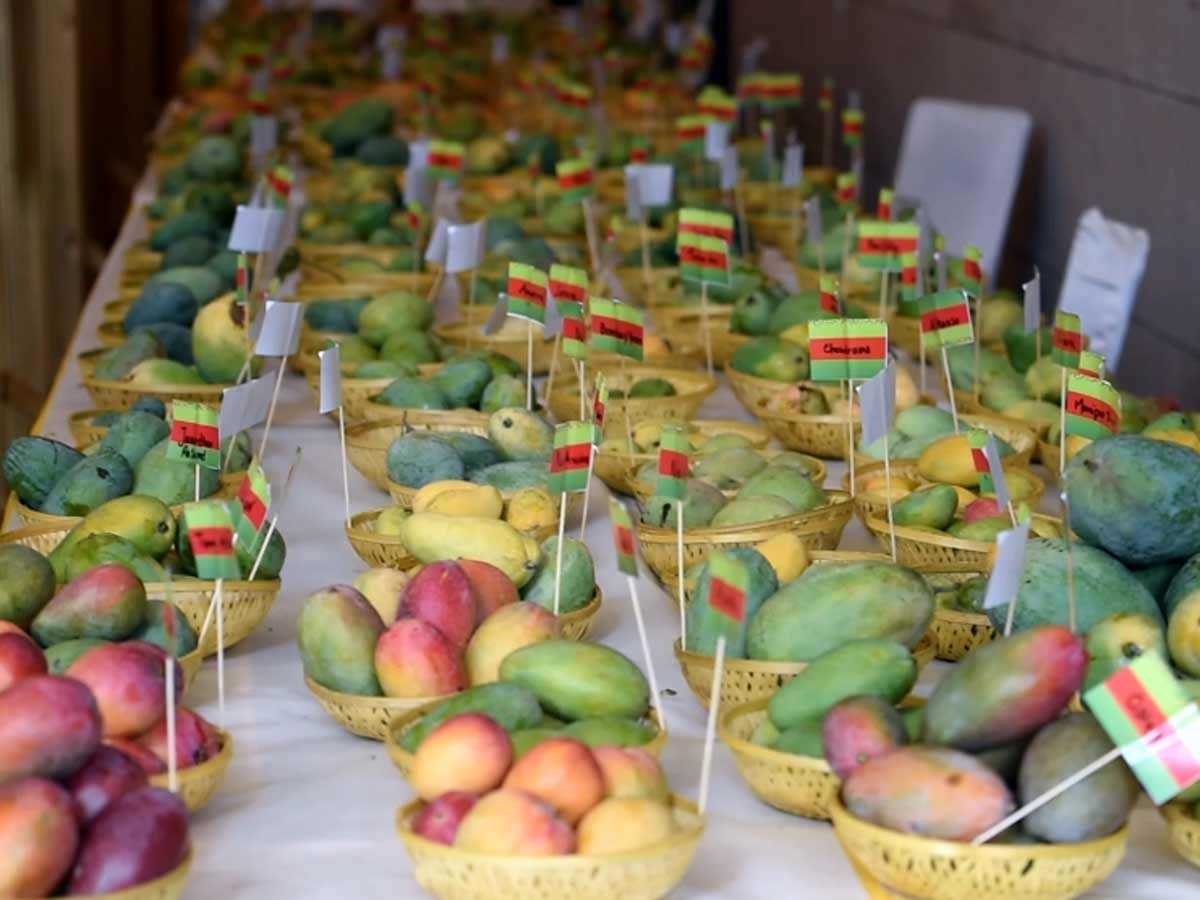
Summers can never be complete without a good feast on delicious mangoes. The people of Haryana know it well and the Mango Festival in Haryana is a testimony to that. It takes place at the Yadavindra Gardens in Pinjore. This place is about 20 kilometers from Chandigarh. The main idea behind the Mango Festival in Haryana is to enhance and highlight the tremendous popularity of the mangoes.
Description of Mango Festival in Haryana
During the Mango Festival in Haryana, many different varieties of mangoes from all over India, from states like Bihar, Uttar Pradesh, and Haryana and also from states like Himachal Pradesh and Punjab. There is also a competition held between mango growers from all over the country who enter their prized fruits at the competition during the Mango Festival. The visitors at the Mango Festival get the chance to taste all the different and traditional varieties of these summer fruits during this festival in Haryana. Along with the mangoes, there are also the latest hybrid fruits from different agricultural universities.
Various companies from the agro-industry and those companies in the food industry that process mangoes come and display their products at the Mango Festival. These products include different kinds of jam, pickles and canned fruits. The stalls exhibiting and selling mangoes also have cultural programs and functions which are a part of the Mango Festival. There are also competitions held between preserved fruits, food and other products of mangoes. The Mango Festival in total also reflects the enriching cultural extravaganza of Haryana.
Time for celebrating Mango Festival in Haryana
The Mango Festival in Haryana takes place in the months of June or July.
Minjar Fair
July 15, 2019 in Fairs & Festivals
The Minjar Fair is held in Himachal Pradesh with great pomp and fanfare. Tourists throng the Chamba region at Himachal Pradesh during the Minjar Fair. It is a fiesta that brings into notice the rich cultural heritage of India. Numerous legends are associated with the Minjar Fair in Himachal Pradesh.
History of Minjar Fair in Himachal Pradesh:
The Chamba Town in Himachal Pradesh has gained eminence because of this fair. The River Ravi used to flow in between the Champawati Temple and Hari Rai Temple. The people who visited any one of these two temples had to cross the river Ravi to go to the other. So, the Raja of Himachal Pradesh asked a saint to make Hari Rai Temple accessible to everyone.
The saint, in turn, ordered the Raja and his subjects to assemble at the Champawati Temple. There a yagna or fire sacrifice was conducted for seven days. The Brahmins who were invited from Benaras prepared a cord of various colors known as Minjar.
After the yagna was over, miraculously, the Rive Ravi changed its course and people could then easily visit the temple of Hari Rai. The name Minjar emerged from the cord spun by the Brahman.
According to another legend, the Minjar Temple derives its name from the tale of the old woman who wished to meet the king of Chamba but she was so poor that she could not bring a nice gift for the king.
But she brought a Maize Flower called Minjar for the benevolent king and from here the name Minjar Fair emerged. The king was so delighted with the old woman that he declared that day to be feted as Minjar Fair.
Description of the Minjar Fair:
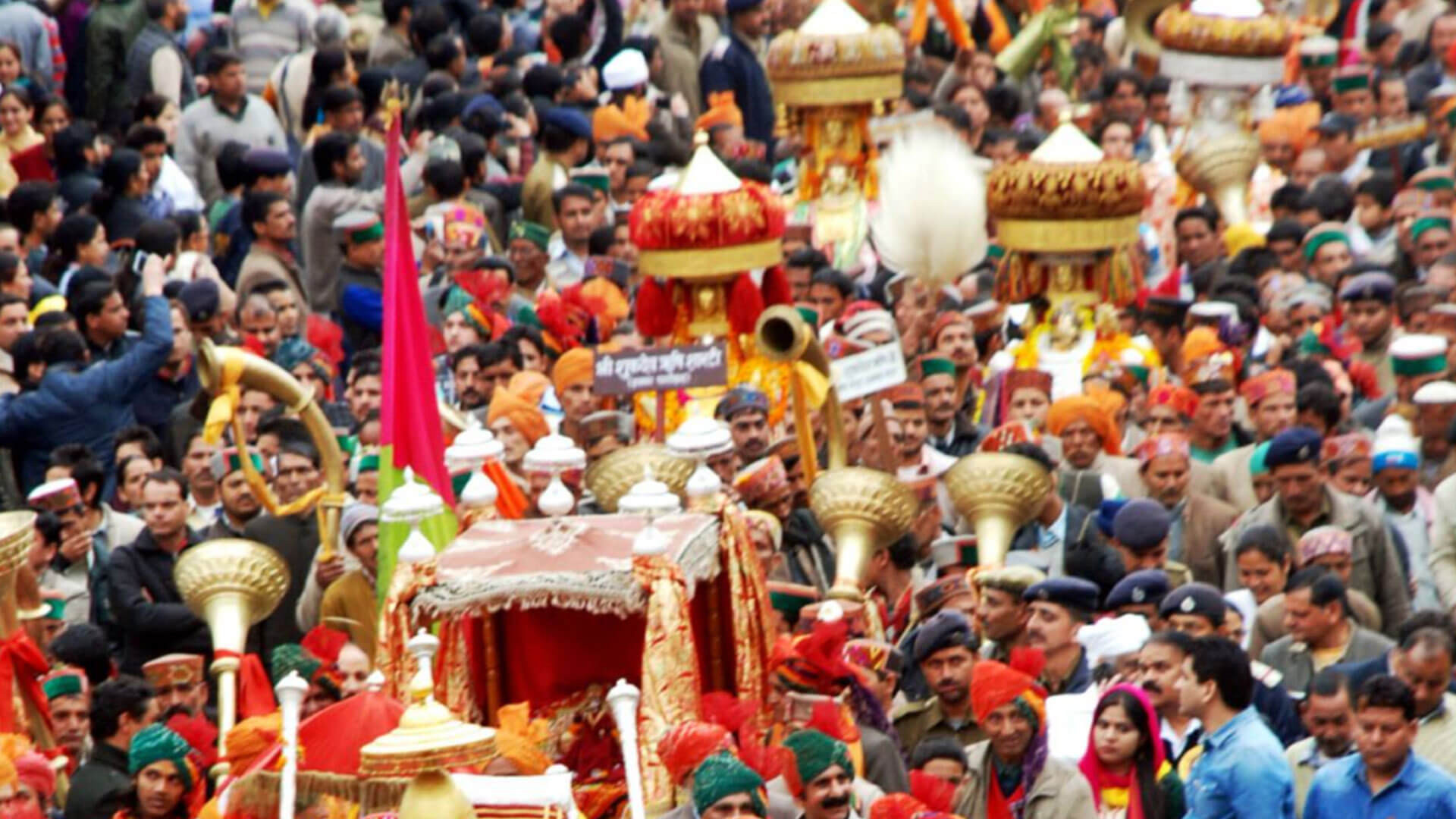
In the Minjar Fair people generally wear silk costumes and there is always a stalk of Minjar attached to it. They offer their prayers to the Laxmi Narayan Temple and celebrate throughout the week. The stalk of Maize symbolizes their faith in God and also indicates their expectation of a good harvest.
During the Minjar Fair, sweets, fruits, and money are sent to friends and relatives. The immersion ceremony follows the Puja. This is marked by a grand procession.
In this impressive procession, the RaghuvirVerman idol along with other gods and goddesses are taken in Palanquins for immersion in the river. As a mark of reminiscence a flag, known as Shahi Flag, is taken back home.
Time for the celebration of Minjar Fair:
From the last Sunday of July, the Minjar Fair commences. It continues for seven days at a stretch and is a splendid carnival of Himachal Pradesh.
Yuru Kabgyat Festival, Leh
July 15, 2019 in Fairs & Festivals
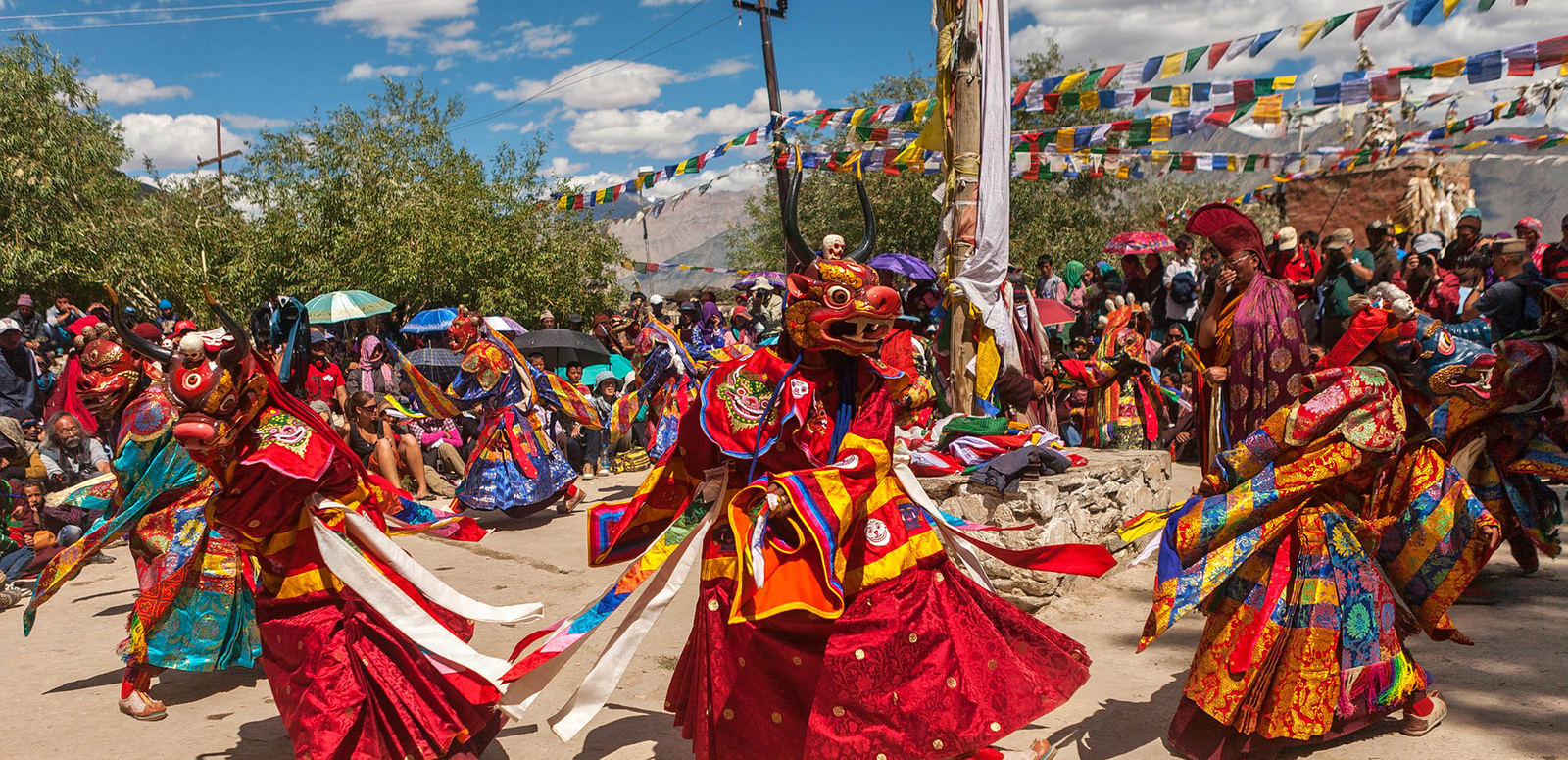
The YuruKabgyat is a two-day-long festival which is held with tremendous zeal and enthusiasm at Lamayuru, located 127 kilometers from Leh. This festival is attended by numerous people from abroad. The Buddhists come from various countries like China, Japan, Tibet, and Korea and attend the festival of YuruKabgyat at Leh. It is a festival that is celebrated with tremendous pomp and enthusiasm. Colorfully dressed Buddhist Monks throng the Leh Valley and participate in the dance drama.
History of the YuruKabgyat at Leh :
Mask dances are a part and parcel of the Buddhist festivals especially the Mahayana tradition which still exists in Bhutan. As part of the holy scripts, the masked dance of the Buddhists dates back to the 8th century when the Chham Dance was first performed.
Participation by the monks at Lahul, Spiti, Ladakh, and Kinnaur made the masked dance drama a jolly experience. The main objective behind this masked dance-drama is to appease the deity. It is also performed in order to drive off the evil spirits and protect the people from the deadly natural calamities, epidemics and also to ensure health and hygiene for the people.
Description of the YuruKabgyat at Leh :
The YuruKabgyat dance consists of Chhams in which the Lamas dance in the form of circles with large colorful masks. This circular movement is often accompanied by drum beats, long pipes, and cymbals. The masks are usually made from papermache and there is also a thin coat of plaster enveloping it.
The main figures portrayed are the Yama or the Lord of Death and Padmasambhava or the second Buddha who is also known to be the God of Wealth. He is regarded as a protector of horses and animals including the human race. At Lamayuru in Leh, this dance is a renowned dance drama which is held every year during the YuruKabgyat festival, (held around July –August.) This dance drama concludes with sacrificial offerings.
Time for the celebration of YuruKabgyat at Leh :
The YuruKabgyat Festival is usually held during July-August.
July 2019
July 1, 2019 in Table of Content
July month focuses on the northeastern states of our country, the seven sisters of India as it is the most exotic, wild, unexplored, and strange part and is endowed with unmatched natural magnificence, still unspoiled by human activity. A perfect travel destination for the month of July.
- Let’s travel somewhere else!
- Seven Wonders of 7 Sisters!
- Call of the Wild
- Seven Sisters
- Walk Further In Northeastern India
- The Dance Culture Of North East India
- Here’s The Northeast Indian Food Tour
- Reasons To Visit Northeastern States
- Seven Wonders Of 7 Sisters!
- Frankfurt
- Independence Day
- Yuru Kabgyat Festival, Leh
- Minjar Fair
- Mango Festival In Haryana
- Karsha Gustor Festival
- Jagannath Rath Yatra
- Hemis Festival In Ladakh
- Guru Purnima Gujarat
- Champakulam Boat Race
- Bastille Day : Pondicherry
- Amarnath Yatra
