



Ayodhya’s Local Cuisine: What to Eat and Where to Find It
December 1, 2024 in City Guide, Pilgrimages, Uttar Pradesh
Ayodhya, the sacred city that holds a special place in India’s heart, is not only famous for its spiritual significance and historical landmarks but also for its vibrant and diverse Ayodhya’s Local Cuisine. Steeped in centuries-old traditions, Ayodhya’s food culture beautifully blends the rich flavors of North Indian cuisine with regional specialties, offering food enthusiasts a delightful gastronomic experience. Whether you’re a first-time visitor or a regular pilgrim, indulging in the local dishes of Ayodhya is an essential part of the journey.
The Essence of Ayodhya’s Cuisine: A Blend of History and Tradition
Ayodhya’s culinary offerings are deeply influenced by its ancient history, cultural amalgamations, and spiritual significance. From bustling streets filled with the aromatic scents of frying delicacies to quiet dhabas serving soulful meals, the city offers a broad spectrum of food experiences.
Most of the local cuisine here is vegetarian, aligning with the religious and cultural ethos of the city. However, the variety and richness of these dishes reflect the region’s deep connection with Hindu traditions, regional influences, and the vibrant spirit of Uttar Pradesh.
Top Dishes to Try in Ayodhya
- Chaat: A Street Food Extravaganza
No visit to Ayodhya is complete without trying its famous street food—Chaat. This delectable snack, popular across North India, is a must-try for food lovers. Served as a quick, flavorful snack, it combines crispy puris with spicy, tangy tamarind water, chickpeas, potatoes, and a variety of chutneys. Aloo Tikki Chaat and Pani Puri are particularly loved by the locals and visitors alike. Head to the local Bisheshwar Ghat for an unforgettable chaat experience where street vendors serve it fresh and hot.
- Samosas: A Spicy Delight
Another must-try snack in Ayodhya is the samosa. This iconic Indian snack features a crisp, golden crust filled with a mixture of spiced potatoes, peas, and sometimes lentils. The samosas in Ayodhya have a distinct flavor, often served with tamarind chutney or mint sauce. You can find these crispy delights at nearly every corner, especially near the Ram Janmabhoomi Complex and other major temple areas.
- Kachori: A Local Favorite
Known for its deep-fried crispiness, Kachori is a beloved breakfast dish in Ayodhya. It consists of a dough filled with a spiced mixture of lentils or peas, then fried until golden. Served with a side of spicy chutney, Kachori is often enjoyed with a hot cup of masala chai. Visit Chhoti Chhavni or Bade Chhavni to savor this quintessential local dish.
- Kesar Lassi: A Sweet, Refreshing Drink
A trip to Ayodhya wouldn’t be complete without sampling its famous Kesar Lassi. This sweet, thick yogurt drink is flavored with saffron, cardamom, and a dash of sugar, making it the perfect way to cool down after a busy day of sightseeing. The Kesar Lassi here is richer and creamier than the versions you’ll find elsewhere. You can enjoy this refreshing drink at local sweet shops around the Saryu River.
- Puri Sabzi: Traditional Breakfast Dish
For a hearty breakfast, try the traditional Puri Sabzi, a simple yet fulfilling dish consisting of deep-fried puris served with a spiced vegetable curry. This dish is often enjoyed by locals and pilgrims alike before heading to the temples for their morning prayers. Many eateries along Ram Ki Paidi and near the Hanuman Garhi temple serve this wholesome meal.
- Ghewar: A Sweet Delicacy
Ghewar is a traditional Rajasthani and Uttar Pradesh sweet that has found its way into the heart of Ayodhya. This crispy, honeycomb-like dessert made from flour, sugar syrup, and ghee is particularly popular during festivals. However, you can enjoy it year-round in Ayodhya at many local sweet shops like Gopaldas Sweets and Prakash Sweet House.
- Lassi with Dahi Bhalla: A Unique Local Combo
Ayodhya’s traditional Dahi Bhalla (yogurt-soaked lentil dumplings) served alongside lassi is a match made in heaven. The savory dumplings topped with curd, pomegranate seeds, and spices are complemented perfectly by the creamy, sweet lassi, offering an irresistible flavor. Sarswati Sweets is known for serving this combo to visitors looking to experience a taste of local hospitality.

Where to Find These Local Delights
- Ram Janmabhoomi Area
If you’re in Ayodhya for religious reasons, the Ram Janmabhoomi area is a bustling hub for street food. Alongside the temple complex, you will find a number of vendors offering piping hot chaat, samosas, and fresh Puri Sabzi. The area is also a prime location for Kesar Lassi, where local shops serve it chilled with a dash of saffron for added richness. - Saryu River Ghats
The ghats of the Saryu River are not just spiritually significant but are also perfect for a relaxed food experience. Many small vendors set up stalls along the ghats, offering Kachori, Samosa, and Pani Puri. After a peaceful boat ride on the river, indulge in some light snacks by the riverside to enjoy the authentic flavors of Ayodhya. - Chhoti Chhavni & Bade Chhavni
These two iconic places in Ayodhya are among the best locations to enjoy the popular Kachori and Puri Sabzi. The small, local eateries in these areas serve the most delicious and freshly made versions of these dishes, prepared with a blend of authentic spices and ingredients. - Local Sweet Shops: Prakash Sweet House & Gopaldas Sweets
For a sweet tooth, head to Prakash Sweet House or Gopaldas Sweets, where you can enjoy traditional Ghewar and other local sweets. These sweet shops are famous for their age-old recipes and offer a wide range of desserts perfect for every palate.
The Spirit of Ayodhya’s Cuisine
In Ayodhya, food is more than just sustenance—it is a representation of the city’s culture, history, and devotion. Whether you’re savoring a Kesar Lassi by the Saryu River or indulging in a hearty Puri Sabzi for breakfast, each dish tells a story. It’s a reflection of the region’s spiritual reverence and its diverse culinary traditions, blending the old with the new. As you explore this sacred city, make sure to relish these unique local dishes, which embody the very spirit of Ayodhya.
To learn more about Travel Viewpoint, visit the Archive Section for other issues, and for more insights, check out the Travel Viewpoint Facebook Page.

Exploring the Saryu River: A Spiritual and Scenic Experience
December 1, 2024 in Pilgrimages, Uttar Pradesh
Nestled in the heart of Ayodhya, the Saryu River holds immense spiritual significance and offers a serene and scenic experience like no other. Revered as one of the holiest rivers in India, it has witnessed centuries of religious history and continues to draw millions of pilgrims and travelers seeking both solace and beauty. Whether you’re visiting Ayodhya for spiritual enlightenment or to explore its historical and cultural richness, the Saryu River is an essential part of the experience. This sacred river not only provides a picturesque backdrop but also offers a deep connection to India’s spiritual and cultural heritage.
The Spiritual Significance of the Saryu River
The Saryu River is deeply woven into the fabric of Hindu mythology. It is believed to be the river where Lord Rama, the hero of the Ramayana, bathed and meditated. Ayodhya, being the birthplace of Lord Rama, further elevates the importance of the river as a sacred site for devotees. Each year, thousands of pilgrims visit Ayodhya to take a dip in the holy river, seeking spiritual purification and peace. According to legend, a bath in the Saryu is said to wash away sins and bring blessings.
Beyond the religious significance, the river is also a symbol of renewal, prosperity, and divine presence. Pilgrims often visit the riverbanks for morning and evening prayers, performing rituals with devotion and reverence. Many temples and ghats are located along the banks, where devotees can pay their respects and perform traditional rituals like aarti, offering their prayers to the sacred water.
Scenic Views and Tranquil Vibes
Apart from its spiritual importance, the Saryu River is also a visual treat. The river’s tranquil waters, which flow through the city, reflect the serene landscape and the surrounding architecture. The ghats that line the river offer stunning views of the horizon, where the sun rises and sets in a breathtaking display of colors. The best time to visit the river for a peaceful and scenic experience is during sunrise or sunset, when the golden rays dance on the river’s surface, creating a magical ambiance. The cool breeze from the river makes it an ideal spot for reflection, meditation, and moments of introspection.
Things to Do at the Saryu River
- Boat Rides: A Peaceful Exploration
One of the most popular activities along the Saryu River is taking a boat ride. The boat rides offer a unique perspective of the river, providing an opportunity to admire Ayodhya’s historical landmarks, temples, and ghats from the water. Whether it’s the early morning mist or the quiet calm of the evening, a boat ride along the river gives visitors a peaceful and picturesque experience. Local boatmen offer guided rides, allowing you to enjoy the sights while learning about the spiritual history of the river and its significance in the Hindu faith.
- Aarti at the Ghats: Witnessing Devotion
The evening aarti at the ghats of the Saryu River is a deeply spiritual experience that attracts both devotees and tourists alike. Held at various ghats along the river, the aarti involves the ritualistic offering of lamps and prayers to the river, honoring its sacredness and invoking blessings. The rhythmic chanting, the sound of bell chimes, and the mesmerizing sight of flames lighting up the evening sky create an atmosphere of devotion and tranquility. Participating in or observing the aarti ceremony is a must-do activity for those seeking to immerse themselves in the spiritual essence of the city.
- Visiting the Ghats and Temples
The ghats along the Saryu River are not just spiritual landmarks but also architectural marvels that have stood the test of time. Ram Ki Paidi, one of the most famous ghats, is a must-visit for anyone exploring Ayodhya. It is here that pilgrims gather in large numbers to take holy dips, offer prayers, and perform rituals. The Hanuman Garhi Temple and the Kanak Bhavan are other notable temples situated near the river, where visitors can witness the grandeur of ancient architecture and the rich spiritual history of Ayodhya.
- Nature Walks and Photography
For nature enthusiasts and photographers, the banks of the Saryu River provide a perfect setting for peaceful walks and stunning photography. The combination of natural beauty and historical architecture makes for an incredible backdrop for photographs. The lush greenery around the river, coupled with the charming temples, makes it an idyllic location for capturing the essence of Ayodhya. Early morning walks by the river are an excellent way to experience the beauty of the surroundings and the serenity that comes with it.
- Religious and Cultural Festivals
Throughout the year, the Saryu River comes alive with cultural and religious festivals. The Ram Navami festival, which celebrates the birth of Lord Rama, is a particularly significant event in Ayodhya. During this time, the ghats and temples are beautifully decorated, and the river is a focal point for the celebrations. The Chhath Puja and Diwali celebrations are also marked by grand rituals and ceremonies on the banks of the Saryu, further enhancing the spiritual atmosphere. Visiting during these festivals offers a chance to witness Ayodhya at its vibrant best, with processions, prayers, and music filling the air.
Best Time to Visit the Saryu River
The ideal time to visit the Saryu River is during the winter months (from November to February), when the weather is pleasant, and the river’s serene beauty can be fully appreciated. The temperatures during this period are mild, making it perfect for early morning boat rides, peaceful walks along the ghats, and watching the aarti ceremonies in comfort. The summer months can be quite hot, with temperatures soaring, while the monsoon season brings the possibility of heavy rains, so planning a trip during the winter months will enhance your experience.
How to Reach the Saryu River
The Saryu River is easily accessible from most parts of Ayodhya. The river is located near major landmarks like the Ram Janmabhoomi, Hanuman Garhi Temple, and Kanak Bhavan, all of which are within walking distance from the riverbank. Local transportation options, including auto-rickshaws and taxis, are readily available to take you to the river’s various ghats and temples.
Conclusion: A Journey of Peace and Spirituality
Exploring the Saryu River offers not just a scenic retreat, but a journey of deep spirituality and reflection. The river, with its tranquil waters and surrounding temples, allows visitors to connect with the past, witness sacred rituals, and experience the timeless beauty of Ayodhya. Whether you’re here for spiritual solace, natural beauty, or simply to experience the serenity of the river, the Saryu River is a must-visit destination for all who seek peace, reflection, and connection with India’s ancient heritage.
To learn more about Travel Viewpoint, visit the Archive Section for other issues, and for more insights, check out the Travel Viewpoint Facebook Page.

Ayodhya Beyond Temples: Cultural Gems to Discover
December 1, 2024 in City Guide, Pilgrimages, Uttar Pradesh
Ayodhya, a city renowned for its religious significance, is more than just its temples and spiritual history. Beyond the sacred shrines and ghats that attract millions of pilgrims annually, the city offers a treasure trove of cultural gems that reflect the rich tapestry of India’s heritage. Whether you’re a history enthusiast, a culture seeker, or someone looking to explore beyond the obvious, Ayodhya has something for everyone.
As the birthplace of Lord Rama, Ayodhya’s temples like the Ram Janmabhoomi and Hanuman Garhi often steal the limelight, but the city’s artistic traditions, architectural marvels, and historical landmarks provide visitors with a deeper, more nuanced experience. This article explores the cultural treasures of Ayodhya that go beyond its religious temples, offering a glimpse into its vibrant history, art, and traditions.
1. The Intricate Art of Ayodhya’s Craftsmanship
Ayodhya is home to a long-standing tradition of craftsmanship, with artisans who have perfected their skills over centuries. The city is renowned for its woodcraft, stone carving, and metalwork, which are not only functional but also artistic expressions rooted in the culture of the region.
The wooden handicrafts from Ayodhya are particularly famous, with artisans creating intricate designs and carvings that often feature motifs of Hindu mythology. These crafts are a beautiful fusion of tradition and innovation, with many shops and local markets offering woodcarvings, carved idols, and decorative items that are perfect for souvenirs. Additionally, stone carving, a skill that has flourished in Ayodhya over the years, is showcased in many of the city’s monuments and sculptures.
Visitors can find these exquisite crafts at local markets like Ayodhya Bazaar, where skilled artisans continue the age-old tradition of creating masterpieces that are both revered and admired.
2. The Ghats: A Historical Journey Through Time
While the Saryu River is well-known for its spiritual significance, the ghats that line its banks offer a unique glimpse into Ayodhya’s past. These ghats, steeped in history, are not just places of religious rituals but also serve as architectural wonders. Among them, Ram Ki Paidi is perhaps the most famous, where pilgrims and tourists alike gather to witness the grandeur of the river and participate in aarti ceremonies.
Each ghat has its own history and architectural style, showcasing a blend of Mughal and traditional Indian architectural styles. The Basant Ghat, for instance, holds historical significance as it is associated with the Ramayana. Exploring these ghats gives visitors the opportunity to not only observe the religious practices but also delve into the architectural evolution of the city.
A walk along the ghats is like walking through history. The peaceful ambiance, with the sound of temple bells ringing in the distance and the soft murmur of the river, provides a calming experience and offers Ayodhya cultural heritage insights into the way of life in this ancient city.

3. Ayodhya’s Vibrant Festivals: A Glimpse into Local Culture
Ayodhya is known for its vibrant and grand festivals, many of which reflect the city’s cultural heritage. While Diwali and Ram Navami are the most well-known festivals celebrated in Ayodhya, the city’s cultural calendar is filled with events that provide visitors with an immersive experience of its traditions.
The Chhath Puja is a festival dedicated to the sun god and is celebrated with grandeur along the banks of the Saryu River. Pilgrims and locals gather to offer prayers, and the atmosphere is filled with devotion, music, and dance. Another key festival is Makar Sankranti, which is celebrated with kite flying and community feasts. These festivals offer visitors the chance to witness Ayodhya at its most vibrant and dynamic, offering a deeper understanding of Ayodhya cultural heritage fabric.
4. Ayodhya’s Architectural Heritage: Beyond the Temples
Though Ayodhya is synonymous with temples, the city’s architecture extends far beyond religious structures. The Kanak Bhavan, a 19th-century temple, is a stunning example of the architectural brilliance that can be found in Ayodhya. The temple is a blend of traditional and Mughal-style architecture, with intricate carvings, decorative elements, and vast courtyards.
Another architectural gem is the Tulsi Smarak Bhavan, dedicated to Tulsi Das, the revered poet who wrote the Ramcharitmanas. This building is not only a tribute to the poet but also an important historical landmark. The architecture here is simple yet striking, with murals and carvings that tell the story of Lord Rama and the cultural significance of his story in Indian literature.
The Faizabad Fort, located nearby, is another example of Ayodhya’s architectural diversity. Built during the Mughal period, this fort combines military architecture with intricate Mughal art, making it a must-visit for anyone interested in the history and evolution of the region’s architecture.
5. Ayodhya’s Local Markets: A Hub for Traditional Goods
A visit to Ayodhya wouldn’t be complete without exploring its bustling markets, where you can find everything from religious artifacts to traditional clothing and local handicrafts. The Ayodhya Bazaar is one of the most famous markets in the city, offering a wide range of items like sarees, chandeliers, brass items, gifts, and puja accessories. The market is a great place to pick up authentic Ayodhya handicrafts, including wooden carvings, stone sculptures, and brass deities, each one reflecting the cultural heritage of the region.
Local vendors in the market also offer traditional Ayodhya sweets, such as Chhena Dahi, a local specialty made with fresh curd and sweets, perfect for those with a sweet tooth looking to indulge in regional flavors.
6. Culinary Delights: A Taste of Ayodhya
Beyond its religious and historical landmarks, Ayodhya offers a culinary journey that reflects its diverse cultural influences. The city’s street food scene is an amalgamation of traditional Indian flavors with local twists. Chaat, samosas, and kebabs are popular street foods, while Chhena Dahi is a must-try local dessert. Many eateries in Ayodhya serve food that resonates with the region’s cultural amalgamation, offering a blend of Mughal and Indian flavors.
For those seeking a more refined culinary experience, local restaurants offer traditional Awadhi cuisine, which includes kebabs, biryani, and a range of aromatic gravies, often accompanied by freshly made naan and roti. Dining in Ayodhya is not just about tasting food; it’s about immersing yourself in the culture and history of the region.
Conclusion: Ayodhya – A City of Rich Heritage Beyond Temples
Ayodhya is undoubtedly a city of deep spiritual significance, but it is equally a city brimming with cultural richness that is often overlooked. From its exquisite craftsmanship and historical ghats to its vibrant festivals, architectural marvels, and culinary delights, Ayodhya offers a wealth of cultural treasures waiting to be discovered. For travelers looking to go beyond the temples and uncover the layers of history, art, and tradition that shape this ancient city, Ayodhya proves to be an unforgettable destination.
To learn more about Travel Viewpoint, visit the Archive Section for other issues, and for more insights, check out the Travel Viewpoint Facebook Page.

Ayodhya: The Cradle of Indian Heritage
December 1, 2024 in Pilgrimages, Uttar Pradesh
Ayodhya, a name that resonates with profound historical and spiritual significance, is one of the most ancient and revered cities in India. Located on the banks of the river Saryu in Uttar Pradesh, this city is not only a spiritual hub but also a symbol of India’s rich cultural and historical heritage. Known as the birthplace of Lord Rama, Ayodhya is a melting pot of mythology, history, and tradition, making it a must-visit destination for travelers seeking a deeper connection with India’s past and spirituality.
Ayodhya holds an unparalleled position in Indian history, as it is believed to be the birthplace of Lord Rama, the seventh incarnation of Lord Vishnu, who is central to the Hindu epic Ramayana. The city has been a pilgrimage destination for thousands of years, drawing devotees from all corners of the country and beyond. Its significance in Hinduism is akin to that of Varanasi or Mathura, but Ayodhya’s connection to Lord Rama adds an unparalleled layer of reverence and devotion.

The Ram Janmabhoomi Temple
At the core of Ayodhya’s spiritual landscape is the Ram Janmabhoomi Temple, a site believed to be the birthplace of Lord Rama. After years of historical and legal battles, the temple is under construction, and its completion is expected to be a monumental moment in the country’s spiritual and cultural history. The temple will stand as a symbol of India’s devotion to its ancient roots, its spiritual traditions, and the timeless legend of Lord Rama.
Other Religious Sites
Beyond the Ram Janmabhoomi Temple, Ayodhya is home to several other temples and religious sites that add to its spiritual allure. The Hanuman Garhi Temple, dedicated to Lord Hanuman, is a popular destination for pilgrims. Located atop a hill, this temple offers not just spiritual solace but also a panoramic view of the city. The Kanak Bhawan, another famous temple in Ayodhya, is dedicated to Lord Rama and Sita and is known for its intricate architecture and serene atmosphere.
The city is also dotted with numerous ghats along the Saryu River, where pilgrims gather for rituals and prayers. The sight of devotees immersing themselves in the holy river is a testament to Ayodhya’s deep spiritual connection to the divine.
The Rich Historical Tapestry of Ayodhya
Ayodhya’s importance is not confined to its religious status; the city is also a treasure trove of history that stretches back over millennia. As one of the oldest cities in India, its legacy dates back to the Treta Yuga, the second age in Hindu cosmology. The city was once the capital of the powerful Kosala kingdom, and its significance as a political, cultural, and religious center cannot be overstated.
The Role of Ayodhya in Indian History
Ayodhya has been an important center for dynasties throughout history. From the ancient Mauryan Empire to the later Gupta and Mughal periods, the city has witnessed the rise and fall of many great rulers and empires. The architecture, ruins, and inscriptions that remain are silent witnesses to its glorious past.
The city also played a significant role in India’s struggle for independence, with many leaders drawing inspiration from its deep cultural roots and the stories of valor and righteousness associated with Lord Rama and his dynasty.
Architectural Wonders
Ayodhya’s architecture speaks volumes about its rich heritage. The city’s historical significance is mirrored in its diverse styles of construction, ranging from ancient temples to colonial-era structures. The remnants of ancient fortifications and palaces offer a glimpse into its former grandeur, while the contemporary construction of temples and other cultural monuments serves as a testament to the city’s continuing reverence and significance.
One of the most notable architectural structures in Ayodhya is the Raja Mandir, a testament to the grandeur of ancient Indian architecture. The intricate carvings, the majestic domes, and the stunning use of local materials reflect the craftsmanship of artisans who once flourished in the region.
Ayodhya’s Cultural Significance
Ayodhya’s cultural vibrancy is a reflection of its long-standing position as a center of religious and philosophical thought. It is not just a city of temples and rituals; it is a city of music, dance, literature, and art. The spiritual festivals of Ayodhya, including Ram Navami, are celebrated with grandeur, drawing thousands of visitors each year to witness elaborate processions, music, dance, and drama that depict the life of Lord Rama.
The city is also home to an active community of artists, musicians, and performers who keep alive the traditional forms of Indian art. Classical music, folk performances, and devotional songs echo through the lanes of Ayodhya, adding an extra dimension to the city’s cultural fabric.
Modern-Day Ayodhya: A Blend of Tradition and Progress
While Ayodhya remains deeply rooted in tradition, the city is also experiencing significant modern development. The construction of the Ram Janmabhoomi Temple is expected to usher in a new era of growth, with improved infrastructure, tourism, and cultural investments. The government has undertaken several initiatives to promote Ayodhya as a global tourist destination, with the creation of a spiritual tourism circuit and the promotion of eco-tourism around the Saryu River.
Ayodhya is gradually transforming into a modern city that embraces its past while moving forward with growth and development. The preservation of its cultural heritage, combined with contemporary urban planning, ensures that it remains a city that balances the old and the new, providing visitors with both a spiritual experience and a modern-day charm.
Ayodhya, with its deep-rooted spiritual heritage, rich historical legacy, and vibrant cultural traditions, is undoubtedly one of India’s most important and revered cities. Whether you visit for its religious significance, historical importance, or cultural vibrancy, Ayodhya promises to leave an indelible mark on your heart. As the city continues to evolve and embrace modernity, its ancient heritage will always remain its guiding force, making it a cradle of Indian heritage for generations to come.
To learn more about Travel Viewpoint, visit the Archive Section for other issues, and for more insights, check out the Travel Viewpoint Facebook Page.

A Day in Ayodhya: Perfect Itinerary for First-Time Visitors
December 1, 2024 in City Guide, Pilgrimages, Uttar Pradesh
Ayodhya, a city rich in history and spiritual significance, beckons travelers to experience its timeless charm. As the birthplace of Lord Rama, Ayodhya is one of India’s most revered pilgrimage destinations. But even if you’re not here for religious reasons, the city’s historical landmarks, beautiful temples, and peaceful atmosphere make it an enriching place to visit. For first-time visitors, Ayodhya offers a perfect blend of spirituality, culture, and cuisine. Here’s a carefully curated itinerary to help you make the most of a day in this captivating city.
Start with a Sacred Morning at Ram Janmabhoomi Temple
Your day in Ayodhya should begin early to experience the city at its most serene. Head straight to the Ram Janmabhoomi Temple, believed to be the birthplace of Lord Rama. As you approach the temple, you’ll feel the weight of history and devotion in the air. Though the temple’s construction is ongoing, the site remains a place of deep reverence. The temple complex also houses the Ram Janmabhoomi Museum, where you can explore fascinating exhibits about Ayodhya’s ancient past and the religious significance of the region.
Don’t rush; take a moment to reflect in the peaceful surroundings of the temple. You’ll soon feel the powerful spiritual energy that attracts millions of devotees from all over the world. After offering your prayers, walk along the banks of the Saryu River and catch the morning aarti. The river’s tranquil waters and the chanting of hymns create an atmosphere of devotion and calm.

Discover Ayodhya’s Ancient Temples and Historical Landmarks
After soaking in the spiritual vibes, take some time to explore the historical landmarks that tell the story of Ayodhya’s rich past. Hanuman Garhi is one of the city’s most popular temples. Perched on a hilltop, this temple is dedicated to Lord Hanuman and offers stunning views of the surrounding area. The climb to the temple is an adventure in itself, with lush greenery and fresh air accompanying your ascent. The temple is known for its sacred significance, where devotees come to seek protection and blessings.
Next, visit Kanak Bhawan, a beautiful temple dedicated to Lord Rama and Sita. It is renowned for its peaceful ambiance and impressive architecture. The idols of Rama and Sita inside the temple are adorned in gold and silver attire, offering a glimpse into the artistic beauty of Ayodhya. As you wander through the temple, take in the intricate details and marvel at the craftsmanship that has stood the test of time.
Lunch: A Taste of Local Flavors
Ayodhya isn’t just known for its temples; the local cuisine offers a taste of Uttar Pradesh’s rich culinary traditions. For lunch, head to one of the city’s local eateries to savor traditional dishes. Kachori, deep-fried pastry filled with spicy lentils and served with tangy tamarind chutney, is a must-try. Pair it with a plate of Puri Sabzi, a popular breakfast dish of fried bread and spicy potato curry. You’ll also find refreshing lassi or raita, yogurt-based drinks that are perfect for the warm afternoons.
Don’t miss out on street food while you’re in Ayodhya. Vendors selling samosas, chaats, and jalebis line the streets, offering snacks that are both affordable and delicious. Be sure to try these authentic local treats to experience Ayodhya’s culinary culture in its most vibrant form.
Afternoon: Stroll Along the Saryu River and Visit the Ghats
After lunch, take a leisurely walk along the ghats of the Saryu River. This sacred river is integral to Ayodhya’s spiritual landscape, and the ghats are where many pilgrims come to bathe and offer prayers. The Naya Ghat is particularly famous for its evening aarti, but the afternoon offers a quieter time to reflect and observe the daily rituals. As you walk along the river, you’ll find various temples and small shrines dotted along the banks, each offering a glimpse into the city’s spiritual heritage.
Make sure to visit Treta Ke Thakur Temple, located near the Saryu River. This temple is believed to be the site where Lord Rama performed important rituals during his exile. With its peaceful ambiance and rich history, it’s an excellent spot to pause and absorb the spiritual energy of the city.
Evening: The Enchanting Evening Aarti at Naya Ghat
As evening approaches, head towards Naya Ghat for the famous evening aarti. The aarti, a spiritual ritual performed with lamps, incense, and chanting, is a breathtaking experience. The flames from the lamps reflect on the water, creating a mesmerizing view. Devotees gather on the banks of the river, chanting mantras and offering prayers, making it a truly unique and unforgettable experience. Participating in the aarti allows you to connect with Ayodhya’s deep spiritual atmosphere and offers a moment of inner peace.
The evening aarti is one of the highlights of any visit to Ayodhya, and it’s an ideal way to end your day in the city. As the sounds of bell chimes and chants fill the air, you’ll feel the timeless connection to the city’s past and its religious significance.
End Your Day with a Peaceful Dinner
To end your day, enjoy a traditional dinner at one of Ayodhya’s local restaurants. Whether you choose a vegetarian spread of dal, tandoori roti, and sabzi, or indulge in the city’s famous biryani, the food is sure to leave a lasting impression. Reflect on your day as you savor these local flavors and soak in the peaceful atmosphere that makes Ayodhya so special.
Ayodhya’s charm lies in its combination of spiritual serenity, historical depth, and cultural richness. Whether you are visiting for the religious significance, the history, or the peaceful surroundings, the city offers an experience like no other. This one-day itinerary ensures you don’t miss out on the key attractions, providing a complete introduction to the essence of Ayodhya for first-time visitors.
To learn more about Travel Viewpoint, visit the Archive Section for other issues, and for more insights, check out the Travel Viewpoint Facebook Page.

The Ramayana Connection: Walking Through Ayodhya’s Mythological Past
December 1, 2024 in Pilgrimages, Uttar Pradesh
Ayodhya, one of India’s most ancient and revered cities, has always been synonymous with the epic Ramayana. The city’s roots stretch far beyond historical milestones, diving deep into the rich mythological past that has shaped not only its culture but also the spiritual and emotional hearts of millions. A walk through Ayodhya is, in essence, a journey through the legends of the Ramayana, where each temple, ghat, and monument resonates with stories of Lord Rama, his journey, and his impact on the Indian ethos. For those intrigued by the mystique of this mythological heritage, Ayodhya offers an unparalleled experience of sacred history brought to life.

Ayodhya: The Birthplace of Lord Rama
At the heart of Ayodhya lies the Ram Janmabhoomi, the birthplace of Lord Rama, an iconic figure in Hindu mythology. It is here that the great epic, the Ramayana, is believed to have begun. The Ram Janmabhoomi temple complex, currently undergoing expansion, marks the location where Lord Rama was born to King Dasharatha and Queen Kaushalya. For centuries, the site has drawn countless devotees, who come to pay homage to Lord Rama, reflecting on the virtues of dharma (righteousness), courage, and devotion that he embodied.
Standing at the site, one can’t help but feel a deep spiritual connection to the ancient tales of valor, loyalty, and devotion that have been passed down through generations. Visitors to this sacred spot are encouraged to explore not only the temple but also the surrounding area, where other historical and mythological sites add further richness to Ayodhya’s narrative.
Exploring the Ancient Temples
Ayodhya is home to a myriad of temples, each holding a special place in the Ramayana. Hanuman Garhi, perched on a hilltop, is among the most famous. This temple, dedicated to Lord Hanuman, the ever-faithful companion of Lord Rama, is believed to be the very site where Hanuman watched over the city to protect it from invaders. A climb to the temple offers not only spiritual benefits but also an amazing panoramic view of the city.
Another essential visit is Kanak Bhawan, where Lord Rama and Sita are said to have been gifted their golden crowns. The temple’s serene ambiance, combined with its exquisite architecture, transports visitors into the era of Lord Rama’s rule. The idols here are adorned in pure gold, reflecting the grandeur of that mythological time.
While these temples are noteworthy, Ayodhya is dotted with several lesser-known but equally significant temples, such as Treta Ke Thakur Temple, which commemorates the time Lord Rama spent in exile. Each of these shrines invites pilgrims to engage more deeply with the epic’s narrative and the city’s sacred past.
The Saryu River: A Spiritual Flow Through History
A central part of Ayodhya’s mythological connection is the Saryu River. In the Ramayana, it is the river where Lord Rama, Sita, and Lakshman performed rituals before leaving for their exile. The banks of the river are seen as an extension of Ayodhya itself—a place where history, mythology, and the sacred merge seamlessly.
Visitors can take a quiet walk along the riverbanks, where the early morning or evening aartis are a soul-stirring experience. The prayers, the hymns, and the rhythmic sound of bells echoing through the ghat create an ambiance filled with devotion. The ghat rituals, especially during festivals, take on a mythological significance, with large crowds gathered to pay tribute to the gods and heroes of the Ramayana.
Ayodhya’s Historical Landmarks and Their Ramayana Significance
Beyond the temples and the river, Ayodhya is scattered with landmarks that reflect the ancient past of the Ramayana. The Valmiki Ashram, for instance, is where Sage Valmiki is believed to have composed the Ramayana. A visit to the ashram gives you a glimpse into the serene and spiritual environment where one of the greatest epics was born.
There’s also Rama’s Step Well, or Ram Ki Paidi, where it’s believed that Lord Rama and Sita bathed during their stay in Ayodhya. The well itself has become a sacred space, symbolizing purity, and is frequented by devotees who come to wash away their sins in its waters.
The Ramayana in Local Culture
Ayodhya & Ramayana Connection is not confined to its temples or ghats. The city’s culture, art, and festivals are all imbued with the essence of the epic. The grand celebration of Rama Navami, Lord Rama’s birthday, is a testament to how Ayodhya honors its mythological roots. The celebrations are marked by grand processions, devotional songs, and dramatizations of episodes from the Ramayana, which bring the ancient text to life in front of eager audiences.
Even in the art and music of the region, the influence of the Ramayana is evident. From local folk performances to intricate sculptures and paintings depicting scenes from the epic, Ayodhya serves as a living canvas where the Ramayana continues to be celebrated and remembered.
A Walk Through the Past
Walking through Ayodhya, especially when viewed through the lens of the Ramayana, is an invitation to step back in time and experience a culture shaped by mythological stories and divine narratives. It’s a city where the past and the present merge seamlessly, and where every corner has a story to tell about Lord Rama’s life and the legacy of his teachings.
As you explore the city’s temples, ghats, ashrams, and other landmarks, you’ll encounter an atmosphere that is at once spiritual and historical. Whether you’re visiting Ayodhya & Ramayana Connection or simply to appreciate the city’s rich heritage, you’ll find that the mythology of Ayodhya is as alive today as it was in the days of Lord Rama.
To learn more about Travel Viewpoint, visit the Archive Section for other issues, and for more insights, check out the Travel Viewpoint Facebook Page.
How to Plan a Budget Yoga Retreat in India
November 30, 2024 in Adventure

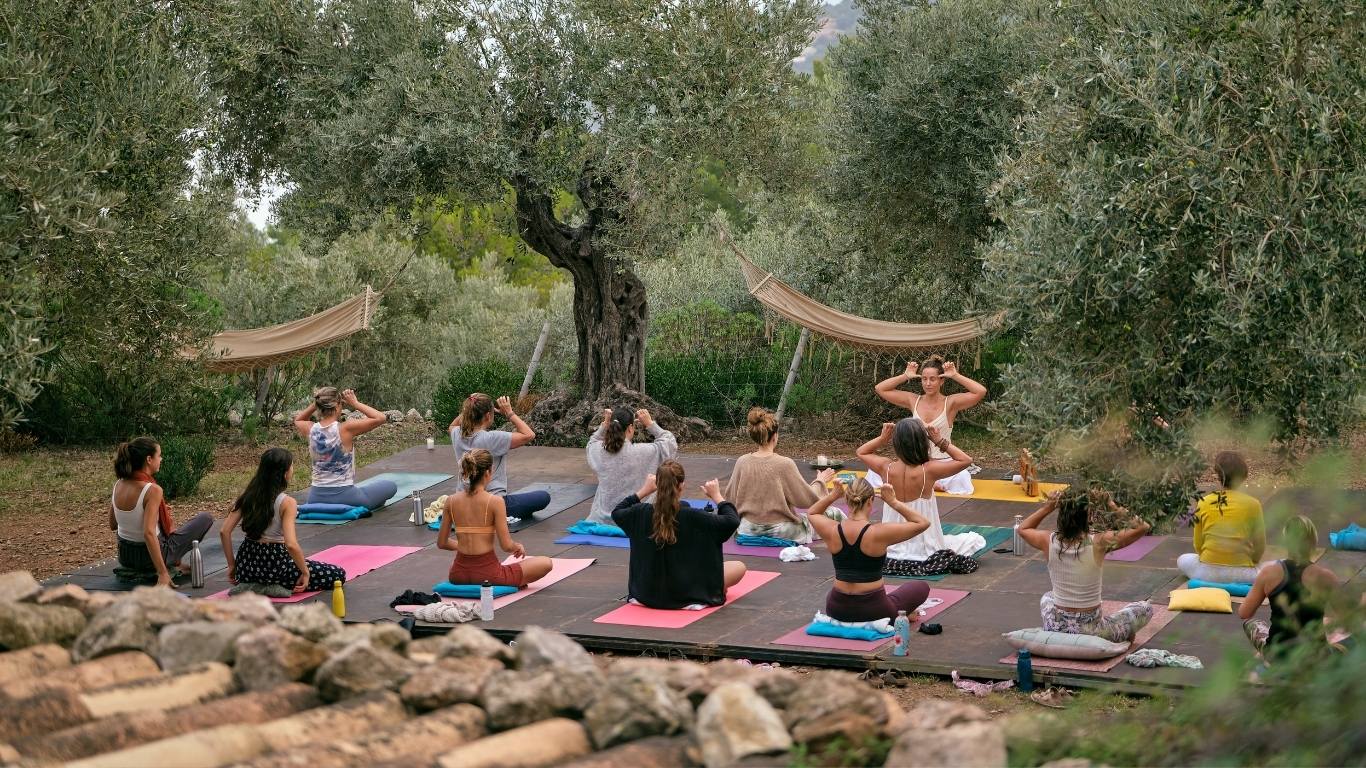
For many solo travelers, the idea of embarking on a yoga retreat in India is both romantic and spiritual, a way to disconnect from daily stress, dive deep into self-care, and experience the birthplace of yoga. But often, the perception is that these retreats are expensive, catered to luxury seekers or international tourists. The good news? India is full of authentic, affordable yoga retreats that don’t compromise on experience.
In this guide, we’ll walk you through how to plan a budget-friendly yoga retreat in India, tailored specifically for solo travelers who want to balance cost with comfort, safety, and spiritual growth.
1. Decide Your Intention First
Before you start looking at destinations or prices, ask yourself: What do I want from this retreat? Is it detox, physical healing, silence, community, or a mix of everything? Your intention will guide everything, from the type of yoga style to the location and duration.
- If you’re seeking physical energy and strength: Look for Vinyasa or Ashtanga retreats.
- If you need emotional clarity and stillness: Go for Hatha, Yin Yoga, or meditation-focused retreats.
- For deeper spiritual transformation: Consider ashram stays or Vipassana courses.
Knowing your intention also helps you avoid overspending on experiences that don’t align with your needs.
2. Choose Budget-Friendly Destinations
Some regions in India are naturally more affordable for solo yoga travelers, with many ashrams, homestays, and local-run retreats:
- Rishikesh (Uttarakhand): The global yoga capital, packed with ashrams and budget retreats.
- Dharamshala (Himachal Pradesh): Nestled in the mountains with a spiritual, Tibetan Buddhist ambiance.
- Gokarna (Karnataka): A quieter, more budget-friendly alternative to Goa for beachside yoga.
- Pondicherry/Auroville (Tamil Nadu): A creative and conscious community with low-cost, soul-nourishing stays.
Bonus: These towns often have free events like satsangs, kirtans, or community meditations.
3. Find the Right Kind of Retreat
You don’t need a five-star spa to experience the magic of yoga. Many of India’s most effective yoga experiences are in simple settings. Here are some affordable formats:
- Ashrams: Offer structured, traditional programs with shared accommodations and sattvic meals. Prices can be as low as INR 500–1000 per day.
- Community Retreats or Hostels: Places like Zostel and hostels in Rishikesh or Gokarna often organize 3- to 7-day yoga immersions at budget rates.
- Self-Designed Retreats: Create your own by booking a homestay and attending daily drop-in yoga classes, allowing flexibility and cost control.
Look for retreats that include:
- Yoga classes twice a day
- Basic meals and accommodation
- Optional meditation or philosophy sessions
4. Prioritize Safety as a Solo Traveler
Traveling solo in India as a woman or first-timer can feel daunting, but yoga communities are often safe and supportive. Still, take these precautions:
- Choose places with verified reviews (Google, Hostelworld, BookYogaRetreats)
- Contact the retreat host in advance to discuss logistics, timings, and expectations
- Opt for female-only dorms or rooms, especially if staying in hostels or ashrams
- Avoid isolated accommodations; pick locations near main towns or villages
- Stay connected by sharing your itinerary with a friend or family member
Safety adds peace of mind, and peace enhances your spiritual experience.
5. Pack Light, But Smart
Since you’re traveling solo and may be changing locations, packing efficiently is essential. Focus on comfort, modesty, and essentials:
- Yoga outfits (breathable, stretchable, preferably cotton)
- Light shawl or scarf for temple visits or cool evenings
- Flip-flops and walking shoes
- Refillable water bottle and eco-toiletries
- Journal, book, or spiritual texts
- Basic medicines and first-aid
Avoid packing heavy gadgets or expensive items. Many yoga retreat spaces encourage digital detox, which helps you fully immerse in the present.
6. Plan Your Budget and Timeline
A basic budget yoga retreat in India can range from INR 700 to 2500 per day (approx. $10–$30). Here’s a sample breakdown for a 7-day solo retreat:
- Accommodation (ashram/shared stay): INR 5000–8000
- Meals (usually included): INR 0–2000
- Transport (train, rickshaw, cab): INR 2000–3000
- Yoga/meditation sessions: INR 1500–3000
- Extras (Ayurvedic massage, local travel): INR 1000–2000
Estimated total: INR 10,000–18,000 (Approx. $120–$220)
To save more:
- Travel off-peak (early or mid-November)
- Use local trains or shared cabs
- Join WhatsApp groups or forums to connect with other solo travelers
A yoga retreat doesn’t have to cost a fortune to be meaningful. With some research, intention-setting, and basic planning, you can create a deeply healing experience that aligns with your budget and spirit. Traveling solo adds another layer of growth, you learn to trust yourself, your pace, and your own inner compass.
So if you’ve been waiting for the “right time” to do a yoga retreat in India, let this be it. November’s calm air, post-monsoon beauty, and spiritual richness make it a perfect month to go inward and come home to yourself, without breaking the bank.
Why the Mountains Are the Best Place to Meditate
November 30, 2024 in Adventure

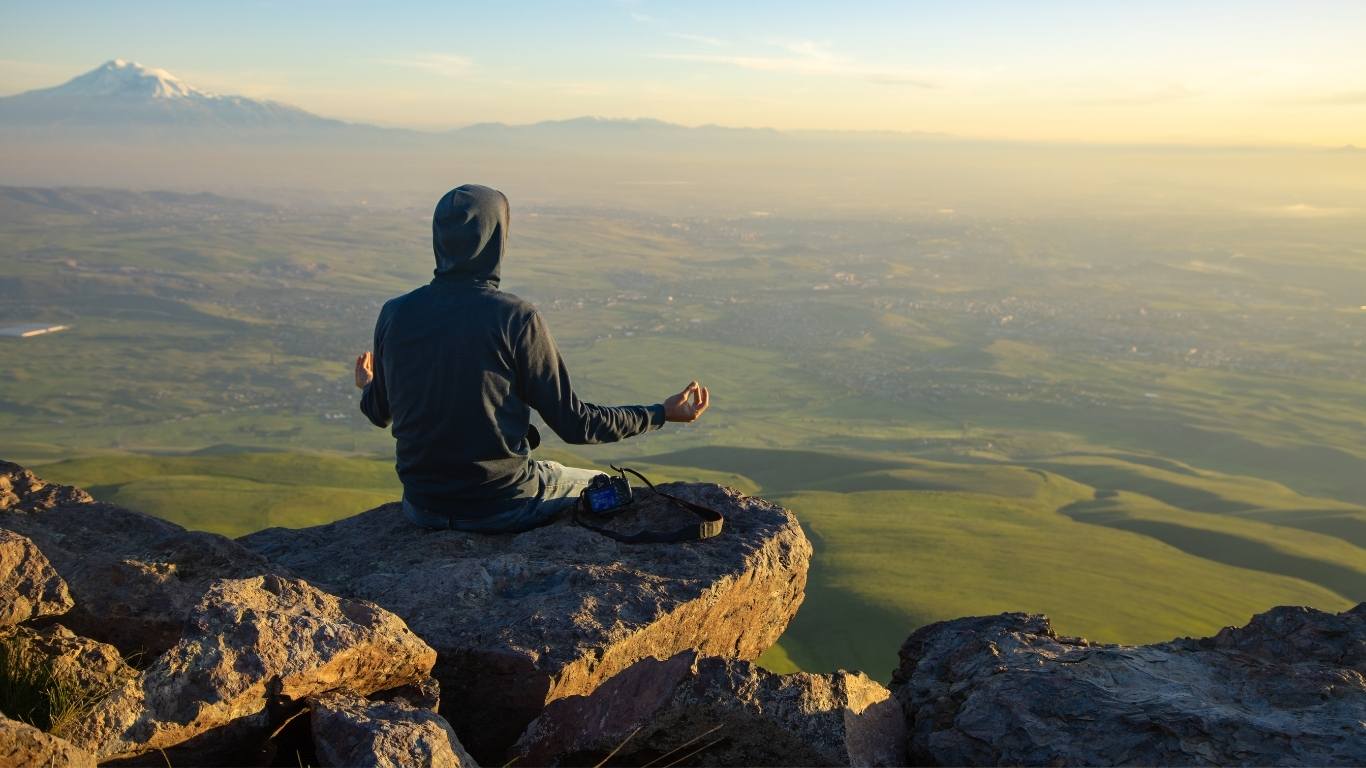
The Himalayas have long been considered the spiritual spine of India. Towering, silent, and ancient, these sacred mountains are not just a geographical wonder, they are a sanctuary for seekers, saints, and sadhus. For centuries, yogis have traveled deep into Himalayan caves, forests, and monasteries to find something the world could not offer: silence, stillness, and the untamed truth within. Today, more and more travelers and yoga practitioners are rediscovering what sages knew all along, the Himalayas are one of the most powerful places on Earth to meditate.
This article explores why the Himalayas remain unmatched for yoga and meditation, how the landscape enhances spiritual practices, and where you can begin your own inner journey amidst the peaks. If you are searching for a retreat that is not just physical but deeply soulful, read on.
The Sacred Pull of the Himalayas
The Himalayas are more than just mountains. In Indian spirituality, they are revered as living deities. Mount Kailash, for instance, is considered the abode of Lord Shiva, the yogi of yogis. The Ganga River originates from these heights, symbolizing the flow of consciousness from the divine to the earthly realm.
Unlike popular coastal or urban yoga retreats, practicing in the Himalayas adds a layer of spiritual intensity. It feels natural to go inward when surrounded by ancient rocks, misty forests, and sky-piercing peaks. The sheer scale and silence of the environment dissolve ego and expectation. One becomes quiet not by force, but by the gentle surrender evoked by nature.
The air in these regions feels alive, charged with prana, the vital life force. The terrain challenges and humbles. The isolation invites inner conversation. All these factors contribute to an atmosphere that helps deepen yoga and meditation practices in a way few other places can.
How the Mountains Support Meditation
- Stillness and Silence
In urban settings, we’re surrounded by distraction, cars, phones, conversations, and screens. Even during yoga, the outside world buzzes just beyond the mat. In the Himalayas, the natural silence is profound. You hear your own breath, your heartbeat, the whisper of the wind. This auditory purity encourages mental quietude, making meditation easier and deeper.
The absence of man-made noise reduces mental agitation. Silence becomes a presence of its own, a wise teacher guiding you into your own depths.
- Altitude and Clarity
The air is thinner, cleaner, and often infused with the subtle scent of pine or wild herbs. At higher altitudes, the body slows, encouraging mindfulness. Oxygen levels may be lower, but mental clarity often increases. Many practitioners report heightened perception, vivid dreams, and a sharper sense of presence during their stay in the mountains.
Altitude naturally slows down the pace of life, allowing thoughts to settle. The landscape itself seems to suggest contemplation.
- Detachment from Routine
The physical separation from cities, social obligations, and digital lives creates a psychological shift. You are no longer your title, your inbox, your to-do list. This distance helps dissolve identity layers, allowing for a more authentic self-inquiry during yoga and meditation practices.
When you no longer have to perform, you begin to simply be. This state of being is where yoga starts to work its quiet magic.
- Pranic (Energy) Charge
According to yogic tradition, certain places in nature have higher levels of prana, or life-force energy. The Himalayas, untouched in many parts, are full of this charge. Practicing pranayama or asana in such places allows the body to absorb this subtle energy, which enhances healing, emotional release, and spiritual growth.
Many sacred sites in the mountains are known for their energetic potency. Just sitting quietly in these places can bring deep calm or sudden emotional clarity.
Notable Himalayan Yoga and Meditation Retreats
- Tushita Meditation Centre – Dharamkot, Himachal Pradesh
Focusing on Tibetan Buddhism, Tushita offers silent 10-day Introduction to Meditation courses. Nestled in a forest above McLeod Ganj, it draws both beginners and long-term meditators. Simple accommodations and vegetarian meals encourage minimalism and mindfulness.
Perfect for those who wish to experience deep silence and gain a philosophical framework for mindfulness.
- Himalayan Iyengar Yoga Centre – Dharamshala and Goa
Founded by Sharat Arora, this center focuses on precise body alignment and awareness. Courses are intensive, structured, and deeply transformative. It emphasizes healing, physical correction, and mindfulness.
Great for those who seek physical refinement and psychological clarity.
- Phool Chatti Ashram – Rishikesh
An immersive 7-day retreat that covers all aspects of a traditional yogic lifestyle, from asanas and pranayama to chanting, cleansing practices, and meditation. The ashram fosters a strong sense of community and discipline.
Ideal for solo travelers seeking community and complete yogic immersion.
- Sattva Retreat – Rishikesh
Combines ancient teachings with modern wellness. Founded by Anand Mehrotra, a young master of Himalayan Kundalini, the retreat focuses on energetic awakening and integration. The curriculum includes kriya yoga, mantra chanting, and deep breathwork.
Best for intermediate to advanced practitioners looking to explore energetic dimensions.
- Osho Nisarga – Dharamshala
A modern meditation center set against the stunning backdrop of Dhauladhar mountains, Osho Nisarga offers a wide variety of meditative therapies, dynamic meditation, and silence retreats. The focus here is transformation through awareness.
Ideal for seekers looking to experience Osho’s teachings in a natural, high-vibration setting.
Best Time to Practice Yoga in the Himalayas
Spring (March to May): Blooming landscapes, pleasant weather, melting snow, and increased accessibility to higher trails.
Autumn (September to November): Clear skies, post-monsoon freshness, and breathtaking views. The best time for longer retreats.
Avoid winter (December to February) unless you’re experienced with cold temperatures, and skip peak monsoon (July–August) due to landslides and road disruptions.
What to Expect and How to Prepare
- Weather Gear
Mornings and evenings can be chilly, even in summer, so carry warm layers, shawls, and woolen socks. Waterproof shoes and a rain jacket are handy in unpredictable mountain climates.
- Digital Detox
Many centers encourage minimal or no gadget use. Inform family and friends beforehand, and carry a journal to record your thoughts and breakthroughs.
- Sattvic Food
Most retreats provide simple, nourishing vegetarian meals. These support both the physical and energetic body during spiritual work. Avoid alcohol, caffeine, and meat to enhance your sensitivity and energy.
- Emotional Unfolding
It’s common to experience emotional release while meditating in the Himalayas. Be kind to yourself. Bring a notebook, give yourself rest days, and talk to facilitators if things feel overwhelming.
The Deeper Experience: Inner Transformation
Yoga in the Himalayas is not about perfecting a pose; it’s about presence. When you sit cross-legged facing snow-covered peaks or breathe with a mountain wind brushing your face, a deeper awareness awakens. Thoughts lose their grip. Identity loosens. What remains is something both ancient and intimate.
This is why saints and sages chose the Himalayas. Not for seclusion alone, but for revelation. You’re not just closer to the sky here, you’re closer to your own essence.
What begins as a retreat can end up being a return, to self, to stillness, to spirit. Many travelers come for a week and stay for months. Some even shift their life priorities after an experience of deep inner silence.
Yoga here becomes not just a practice, but a way of seeing. Meditation becomes not just a technique, but a homecoming.
The Himalayas don’t ask anything of you. They simply exist in their grandeur, quietly reminding you of what you’ve always been beneath the noise, a conscious, breathing soul. Practicing yoga and meditation in their embrace doesn’t just improve your posture or still your mind. It rearranges your relationship with life itself.
If you’re longing for a retreat that reaches beyond the mat, takes you into silence, and stays with you long after you return home, head to the mountains. Let the Himalayas guide you, not just higher, but deeper.
So roll out your mat where the clouds kiss the cliffs, where eagles soar overhead, and where ancient trees have witnessed generations of seekers. Inhale the sacred silence. Exhale the noise. The Himalayas are waiting, not to change you, but to show you who you already are.

What It’s Like to Spend 10 Days in Silence
November 30, 2024 in Adventure

Vipassana, one of the oldest meditation techniques in India, offers a path to self-transformation through self-observation. Originating from the teachings of the Buddha over 2,500 years ago, this technique is taught today in dedicated retreats around the world. Perhaps the most well-known format is the 10-day silent retreat, intense, disciplined, and profoundly introspective.
This article provides a comprehensive guide to what a 10-day Vipassana retreat entails, what participants can expect, how to prepare, and why the experience continues to resonate with meditators across cultures and generations.
Understanding Vipassana Meditation
Vipassana means “to see things as they really are.” It’s a method of mental purification through systematic observation of physical sensations, leading to a deep understanding of the impermanent nature of reality. Unlike many contemporary meditation styles that focus on relaxation or visualization, Vipassana is strictly observational.
The technique is typically taught in silence and under strict discipline, allowing participants to cultivate mindfulness free from external distractions. The goal is not to escape reality, but to penetrate its deepest truths.
Structure of a 10-Day Vipassana Retreat
A standard Vipassana retreat, as taught by S.N. Goenka and his network of global centers, follows a rigorous schedule. Here’s what the daily routine typically includes:
- 4:00 AM: Morning wake-up bell
- 4:30 – 6:30 AM: Meditation in the hall or individual rooms
- 6:30 – 8:00 AM: Breakfast and rest
- 8:00 – 11:00 AM: Group meditation
- 11:00 – 1:00 PM: Lunch and rest
- 1:00 – 5:00 PM: Meditation and teacher interviews (if needed)
- 5:00 – 6:00 PM: Tea break
- 6:00 – 7:00 PM: Group meditation
- 7:00 – 8:30 PM: Evening discourse (recorded lecture by Goenka)
- 8:30 – 9:00 PM: Final meditation and retire for the night
All ten days are spent in Noble Silence, which includes not only refraining from speech but also from gestures, eye contact, reading, writing, or using electronic devices.
The Rules and Disciplines
To preserve the meditative environment and ensure each participant has a fair opportunity to benefit, every student agrees to follow certain precepts:
- Abstain from killing any living being
- Abstain from stealing
- Abstain from all sexual activity
- Abstain from telling lies
- Abstain from all intoxicants
In addition, strict adherence is required for:
- Celibacy
- Fasting only on the prescribed schedule
- Observing silence
- Remaining within the retreat premises for the entire duration
These disciplines are not intended to suppress, but to contain the mind and body long enough to observe their patterns clearly.
Physical and Mental Challenges
The retreat demands both physical and mental endurance. Sitting for 10 hours a day in meditation can lead to stiffness, back pain, and fatigue. More than the body, it’s the mind that presents the greatest challenge. Many participants struggle with racing thoughts, emotional discomfort, or impatience.
However, these difficulties are not obstacles, they are part of the process. Vipassana teaches that every sensation and thought arises and passes away. Recognizing this impermanence without reacting is the core of the technique.
Key Learnings and Takeaways
Although experiences vary, some common takeaways from a 10-day Vipassana retreat include:
- Increased Awareness: A heightened ability to observe thoughts and emotions without being overwhelmed
- Emotional Resilience: Greater calm in response to stress, anger, or grief
- Deeper Concentration: Improved focus in work, relationships, and daily life
- Compassion and Equanimity: A natural growth in empathy and balance in interactions with others
Most importantly, the retreat provides a direct, experiential understanding of one’s own mind—its tendencies, illusions, and potential.
How to Prepare for a Vipassana Retreat
Mental Preparation
Understand that this is not a vacation or spa experience. It’s a disciplined spiritual training. Read about the technique, and clarify your motivation. Curiosity alone is fine, but a respectful openness to introspection will serve better.
Physical Preparation
If possible, begin sitting for 30–60 minutes daily in the weeks leading up to the retreat. Gentle yoga or stretching can improve your ability to sit still for longer periods. Avoid caffeine, alcohol, and other stimulants before arrival.
Practical Logistics
- Register early, as spots fill quickly (most retreats are donation-based)
- Carry simple, modest, and comfortable clothing
- Do not bring books, journals, or electronics
- Inform close contacts you’ll be unreachable for 10 days
After the Retreat: Integration into Daily Life
Perhaps the most significant challenge is not the retreat itself but the re-entry into everyday life. The silence breaks, the routine returns, and external noise reappears. To integrate the benefits:
- Continue practicing meditation daily, even for shorter durations
- Observe your thoughts and reactions without judgment
- Make conscious lifestyle choices aligned with your insights
The retreat plants a seed. Continued mindfulness nurtures it.
A 10-day Vipassana retreat is not for everyone, but for those willing to go inward, it offers a profound opportunity. Without mystical rituals, religious conversion, or dependence on a teacher, it provides a practical and deeply personal roadmap to inner peace. The silence, far from being empty, becomes a mirror reflecting the complexity and beauty of the mind.
In a world filled with endless chatter, notifications, and distractions, the decision to sit in silence for ten days may seem extreme. But for many, it is a return, to clarity, to simplicity, to the essence of being.
Vipassana teaches nothing new. It reveals what has always been true: everything changes, and peace lies in seeing that clearly.

Women-Only Wellness Getaways Worth Taking
November 30, 2024 in Adventure

November is a moment of quiet between festive highs and winter’s slowdown. It’s the month where the year begins to exhale. For many women, professionals, homemakers, mothers, creators, it’s a rare window to pause, reflect, and recharge. With fewer social obligations and more personal awareness, it’s the perfect time to step out of daily routines and into spaces that nourish the mind, body, and spirit. In recent years, women-only wellness retreats have become sanctuaries where self-care goes beyond skin-deep: they provide space for solitude, sisterhood, healing, and meaningful conversations away from the noise of everyday roles and responsibilities.
India, with its rich tradition of holistic healing and growing network of women-centered wellness experiences, offers several curated retreats that are not only safe and nourishing but also profoundly transformative. These are places where a woman can take off her titles, roles, and to-do lists, and simply be. These retreats don’t ask you to become someone new; they invite you to rediscover who you are beneath the layers of expectations, pressure, and productivity.
Here’s a deep dive into some of the most inspiring and restorative women-only wellness getaways to consider this November.
1. Shakti Retreats – Rishikesh and Kumaon, Uttarakhand
Shakti Retreats specializes in crafting bespoke wellness journeys for women in the Himalayan region. Their programs combine mountain walks, guided meditation, yoga, and cultural immersion, tailored to support feminine energy and emotional healing. The retreats are designed to blend spirituality with real-world grounding, offering a space that is both nurturing and empowering.
Why It’s Special:
With women facilitators, trained wellness guides, and stays in restored village homes, these retreats allow for physical detox, emotional processing, and creative expression. There’s a strong emphasis on storytelling, journaling, and spiritual grounding. The retreats encourage women to slow down, witness their thoughts, and understand their own patterns through self-inquiry.
November Experience:
The weather is ideal, crisp mornings and golden afternoons. The mountains are quiet post-monsoon, and local flora is in bloom. The landscape offers a soft invitation to go inward, to listen to your body’s rhythm and nature’s cues. This setting allows deep mental and emotional realignment.
Best For: Women craving stillness, community, and nature-based healing.
2. Project Shakti by Vana – Dehradun, Uttarakhand
Hosted at the globally acclaimed Vana Retreat, Project Shakti is an immersive wellness program designed exclusively for women. Blending Ayurveda, Sowa Rigpa, and yoga with emotional wellness sessions, the retreat creates a holistic container for women to reconnect with their mind, body, and soul. It’s a space that acknowledges the multifaceted stress women carry and gives them tools to gently release it.
Why It’s Special:
The program includes guided silence, women’s circles, nutritional coaching, bodywork, and hormonal health support. It’s not just about relaxation; it’s about reclaiming well-being in an empowered way. Sessions are curated to help women understand their cycles, balance their energy, and reframe the way they approach rest and nourishment.
November Experience:
The lush campus, clean air, and gentle climate of November support both physical detox and mental clarity. The atmosphere at Vana fosters deep inner connection and the chance to reset lifestyle habits with expert guidance.
Best For: Women recovering from burnout, life transitions, or seeking spiritual renewal.
3. Soul & Surf Women’s Week – Varkala, Kerala
This unique retreat is built around surfing, yoga, music, and honest conversations, designed to help women reconnect with their physical selves and break out of urban monotony. Set on a cliff overlooking the Arabian Sea, Soul & Surf creates a relaxed and playful environment for self-discovery.
Why It’s Special:
It’s a space that honors joy and freedom. Instructors offer surf lessons for all levels, restorative yoga, shared meals, and open circles for conversations around body image, confidence, and creativity. There’s a conscious effort to foster body positivity and a non-competitive atmosphere where women can support each other while enjoying movement and the ocean.
November Experience:
Kerala’s post-monsoon coastline is at its most scenic. Calm seas and golden sunsets amplify the retreat’s energy of lightness and openness. With fewer tourists, the beach becomes a serene playground for exploration and fun.
Best For: Women seeking fun, movement, and connection in a non-judgmental setting.
4. Anahata Women’s Retreat – Auroville, Tamil Nadu
Held in the spiritual and experimental township of Auroville, the Anahata Retreat centers around heart-based healing. It focuses on feminine embodiment, somatic work, trauma release, and guided meditation. Here, the body is seen as a vessel of memory and transformation, and healing begins through gentle, sustained attention to one’s inner world.
Why It’s Special:
This is a deep, introspective space led by trauma-informed facilitators. Retreats include womb healing, sacred dance, art therapy, and Ayurvedic self-care. It’s about reclaiming emotional safety and inner voice. Women come together not to fix themselves, but to be witnessed and supported as they unfold.
November Experience:
The warmth of Tamil Nadu’s November weather encourages comfort and openness. Auroville’s progressive community and natural landscape offer a nurturing backdrop for profound transformation. It’s a place where healing is not rushed, but allowed to happen organically.
Best For: Women healing from emotional fatigue or past trauma, and those exploring spiritual femininity.
5. Naari Retreats – Himachal Pradesh
Naari Retreats are seasonal women-only programs conducted in cozy homestays in the Himalayan villages of Himachal. Blending yoga, local cuisine, hiking, bonfire storytelling, and workshops on menstruation, body wisdom, and feminine archetypes, the experience is rustic yet rich. It’s not polished, but it’s real, and therein lies its magic.
Why It’s Special:
The emphasis is on informal bonding, natural rhythm, and unlearning societal pressures. With small groups (6–10 women), it feels like a sisterhood getaway. There is no pretense, just genuine connection, raw conversations, and shared silence under the stars.
November Experience:
Chilly evenings, warm fires, and crisp mountain mornings create a cocoon for honest, unfiltered living. The simplicity of village life helps women reconnect with what truly matters.
Best For: Women seeking grounded, offbeat, and community-based retreat experiences.
Why Women-Only Retreats Matter
In many cultures, women are socialized to care for others first, often leaving their emotional and physical needs on the back burner. Women-only retreats give permission to shift that lens, to rest without guilt, to explore identity without roles, and to build bonds that don’t require explanation. They create safe containers for vulnerability, joy, and healing.
These retreats also provide women with tools, practical and spiritual, that help them navigate their everyday lives with more awareness, balance, and authenticity. They are not just escapes but return journeys, to the parts of us we may have forgotten in the rush of life.
Taking a step away from routine is not selfish, it’s soul work. Whether you are dancing under the stars in Kerala, sitting silently in the hills of Uttarakhand, or journaling by a bonfire in Himachal, these women-only retreats allow you to breathe in your own rhythm again.
So this November, consider booking a few days for yourself. Not as an escape, but as a return to self. The journey toward healing begins with a single yes, to rest, to softness, and to you. Because in caring for yourself, you return stronger, wiser, and more fully alive, to everything and everyone you love.
