



Bird-Watching Destinations You Can’t Miss This February
February 2, 2025 in Wildlife & Nature

As winter lingers in India through February, it quietly creates one of the most spectacular natural shows on the subcontinent, the annual congregation of birds, both native and migratory. From the chilly wetlands of North India to the coastal sanctuaries of the South, thousands of winged visitors from Central Asia, Europe, and Siberia descend upon Indian landscapes in search of warmth and food. For bird-watchers, photographers, and nature enthusiasts, February is peak season, a perfect month for observation, study, and awe.
This article brings together the best bird-watching destinations in India to explore in February, each offering a unique mix of biodiversity, terrain, and visual grandeur.
1. Bharatpur Bird Sanctuary (Keoladeo National Park), Rajasthan
Birds to Spot: Siberian Rubythroat, Painted Storks, Pelicans, Sarus Cranes, Indian Spot-billed Duck, and Bar-headed Geese.
Why February?
The Bharatpur wetland ecosystem is thriving in winter, attracting over 370 bird species, including migrants from the Arctic and Central Asia. The early morning mist, echoing with bird calls, sets the perfect backdrop for observation and photography.
Experience Highlights:
- Explore via cycle rickshaw or on foot.
- Ideal for both beginners and seasoned ornithologists.
- UNESCO World Heritage Site status ensures well-preserved habitats.
Travel Tip:
Start at sunrise for the best light and active bird movement. Stay inside or near the park for extended morning and evening sessions.
2. Chilika Lake, Odisha
Birds to Spot: Flamingos, Northern Pintails, Gulls, Herons, Sea Eagles, and Ospreys.
Why February?
Chilika, Asia’s largest brackish water lagoon, transforms into a birding paradise in winter. The Nalabana Island inside the lake is a designated bird sanctuary and becomes a haven for over 1 million birds in February.
Experience Highlights:
- Boat rides through open waters and secluded islets.
- Excellent chances to see flamingos in large, colorful flocks.
- Also home to Irrawaddy dolphins, a rare aquatic sight.
Travel Tip:
Book a boat from Satpada or Barkul for early morning exploration. Nalabana is strictly protected and may require permission.
3. Pong Dam Wetland, Himachal Pradesh
Birds to Spot: Bar-headed Geese, Common Teal, Northern Shoveler, Red-crested Pochard, and Black-necked Stork.
Why February?
Situated in the foothills of the Himalayas, the Pong Dam (Maharana Pratap Sagar) is one of North India’s largest wintering grounds for migratory waterfowl. February offers crisp views and high bird density, particularly in the shallows.
Experience Highlights:
- Photography of migratory geese against the backdrop of snow-capped Dhauladhars.
- Community-run eco-tourism initiatives around the area.
Travel Tip:
Kangra or Nagrota Surian is the nearest base. Try to cover early hours and late afternoons for the best sightings and light.
4. Ranganathittu Bird Sanctuary, Karnataka
Birds to Spot: Painted Storks, Asian Openbill, Woolly-necked Stork, Black-headed Ibis, River Tern, and Spoonbills.
Why February?
A lush sanctuary on the banks of the Cauvery River, Ranganathittu is small in size but huge in its bird diversity. February ensures nesting activity and minimal rains, offering clear skies and calm river flows.
Experience Highlights:
- Boat rides bring you incredibly close to nesting birds.
- Watch crocodiles sunbathing while egrets feed nearby.
Travel Tip:
Located near Mysuru, it’s ideal for a day trip or overnight weekend getaway. Visit early in the morning to beat the local tourist crowd.
5. Vedanthangal Bird Sanctuary, Tamil Nadu
Birds to Spot: Pintail Ducks, Garganeys, Moorhens, Cormorants, Egrets, and Grey Pelicans.
Why February?
One of India’s oldest bird sanctuaries, Vedanthangal comes alive in winter as shallow tanks attract both inland and coastal bird species. February is ideal as migratory birds are still active and beginning their return journeys.
Experience Highlights:
- Elevated watchtowers provide sweeping views of the nesting colonies.
- Easy access from Chennai makes it a popular but rewarding spot.
Travel Tip:
Pair your visit with nearby heritage temples like Kanchipuram for a bird-and-culture combo.
6. Nal Sarovar Bird Sanctuary, Gujarat
Birds to Spot: Rosy Pelicans, Greater Flamingos, Purple Herons, Coots, Grebes, and Wigeons.
Why February?
Spread over 120 sq. km of marshes and shallow waters, Nal Sarovar becomes a bustling bird hub in February. The early morning reflections and flocks of flamingos create a surreal scene.
Experience Highlights:
- Wooden boats take you deep into the sanctuary.
- Opportunity to interact with the local Padhars, traditional fishing and birding communities.
Travel Tip:
Start early, the magic of Nal Sarovar lies in its sunrise stillness.
7. Kumarakom Bird Sanctuary, Kerala
Birds to Spot: Siberian Cranes (occasional), Indian Darter, Egret, Heron, and Cuckoos.
Why February?
Set on the scenic Vembanad Lake, Kumarakom offers a tranquil backwater birding experience. February allows you to watch resident birds along with the last sightings of migratory guests.
Experience Highlights:
- Combine bird-watching with a houseboat stay.
- Great for casual travelers and families seeking birding amidst leisure.
Travel Tip:
Visit early and carry a field guide or app to identify mixed flocks in dense foliage.
8. Sultanpur National Park, Haryana
Birds to Spot: Greater Flamingos, Northern Shoveler, Bluethroat, Ruff, White Wagtail, and Common Teal.
Why February?
Located just 40 km from Delhi, Sultanpur is a convenient and surprisingly rich winter birding location. February offers strong chances to see winter migrants before they start leaving by March.
Experience Highlights:
- Paved walkways and watch towers across the marshland.
- Birding workshops are often held by local organizations.
Travel Tip:
Weekdays are quieter. Bring a DSLR or spotting scope for better identification and images.
9. Kutch (Banni Grasslands & Chhari Dhand), Gujarat
Birds to Spot: Demoiselle Cranes, Harriers, Larks, Flamingos, and the elusive Great Indian Bustard.
Why February?
The Kutch region, known for its dry salt plains, also hosts rich wetlands and grasslands ideal for birding. February sees large flocks of cranes and raptors in this desert ecosystem.
Experience Highlights:
- Spot the rare and endangered species like Great Indian Bustard and McQueen’s Bustard.
- Interact with local Maldhari communities who co-exist with nature.
Travel Tip:
Base yourself in Bhuj or Hodka. Local guides are key to unlocking the remote birding spots.
10. Eaglenest Wildlife Sanctuary, Arunachal Pradesh
Birds to Spot: Ward’s Trogon, Beautiful Nuthatch, Blyth’s Tragopan, Bugun Liocichla, and Rufous-necked Hornbill.
Why February?
Though not a peak month like April-May, February in Eaglenest is still relatively bird-rich, especially in lower altitudes. Plus, you’ll avoid monsoon risks and the heavy summer crowd.
Experience Highlights:
- A paradise for serious birders with over 450 species.
- Stay in eco-camps amid pristine Himalayan forest ecosystems.
Travel Tip:
Plan with a local birding group or tour operator, Arunachal requires permits and local arrangements.
Bonus Tips for Bird-Watching in February
- Carry Binoculars (8×42 or 10×42 preferred) and a good zoom camera for documentation.
- Dress in muted colors to avoid startling the birds.
- Early mornings and late afternoons are prime birding hours.
- Bring a bird field guide or ID app (like Merlin Bird ID) for quick recognition.
- Don’t play bird calls, it can disrupt natural behavior and stress the birds.
February is undoubtedly one of the finest months for birding in India. With mild weather, clear skies, and an abundance of winged visitors, nature opens its gates to those with a curious eye and a little patience. Whether you’re watching flamingos dance in Chilika’s waters or catching the majestic flight of cranes over Kutch, every moment is a lesson in ecology, beauty, and quiet wonder.
So, grab your binoculars, set your alarm early, and prepare to be amazed by the feathered wonders of February.

Eco-Stays and Jungle Resorts Worth Exploring
February 2, 2025 in Wildlife & Nature

In a world where the impact of tourism on the environment is under increasing scrutiny, travelers are gradually shifting toward more responsible and sustainable forms of travel. The rise of eco-stays and jungle resorts represents not just a lifestyle trend, but a growing consciousness about preserving the natural world, supporting local communities, and minimizing one’s ecological footprint. These unique accommodations offer a perfect blend of comfort, adventure, and ethical responsibility, without compromising on the richness of the travel experience.
This article takes a detailed look at some of India’s most captivating eco-lodges and jungle resorts that exemplify sustainable tourism. Set in biodiverse hotspots near national parks and wildlife sanctuaries, these destinations cater to wildlife enthusiasts, birdwatchers, photographers, and travelers who yearn for authentic experiences rooted in nature and conservation.
What Defines a True Eco-Stay or Jungle Resort?
Eco-stays go beyond scenic locations and rustic aesthetics. At their core, they function with the intention of reducing negative environmental impacts while positively engaging with the local ecosystem and communities. Key features include:
- Sustainable Architecture: Use of indigenous building materials such as bamboo, mud, stone, and reclaimed wood that harmonize with the local climate and ecosystem.
- Energy and Water Conservation: Solar energy, rainwater harvesting, and water recycling are standard practices.
- Waste Management: Composting, eco-toilets, plastic-free kitchens, and strict recycling protocols reduce landfill contribution.
- Biodiversity Preservation: These stays often partner with conservation initiatives and limit construction to ensure minimal disruption to local flora and fauna.
- Community Involvement: Employment of locals, promotion of traditional crafts, and use of locally grown produce help integrate tourism with rural empowerment.
1. Kipling Camp, Kanha National Park – Madhya Pradesh
Located on the edge of Kanha National Park, Kipling Camp is one of India’s most renowned conservation-based eco-lodges. It was founded in the 1980s by conservationists with a mission to provide a comfortable base for exploring wildlife while promoting environmental awareness.
The lodge operates with minimal ecological disturbance. Organic gardens supply vegetables for meals, and solar energy heats water. The camp works closely with the Baiga tribal community and supports local conservation programs.
Visitors can enjoy guided jeep safaris into Kanha’s tiger territory, walk through forest trails, or spend time with Tara, the rescued elephant, now a symbol of ethical elephant care in India.
2. Evolve Back (formerly Orange County), Kabini – Karnataka
Nestled between the Kabini River and Nagarhole Tiger Reserve, Evolve Back Kabini is a luxury eco-resort that successfully fuses opulence with sustainability. Built in the style of local tribal villages, the resort features private villas with courtyards, outdoor showers, and plunge pools, all set amidst a landscape that attracts countless bird species and wildlife.
Evolve Back’s eco-conscious practices include solar lighting, water recycling, and organic farming. The resort also runs various educational and employment initiatives for the Kuruba tribe, offering cultural immersion through tribal performances and storytelling.
Activities range from coracle boat rides to birdwatching, riverfront dining, and professionally guided safaris into the adjacent tiger reserve.
3. Svasara Jungle Lodge, Tadoba Andhari Tiger Reserve – Maharashtra
Just minutes away from the Kolara Gate of Tadoba Andhari Tiger Reserve, Svasara Jungle Lodge offers environmentally sensitive luxury combined with robust wildlife experiences. The lodge comprises ten stylish cottages built to blend into the surroundings without harming the native flora.
The lodge is committed to eliminating plastic use and managing waste through composting and upcycling. Naturalists and trackers employed by the lodge are extensively trained and often come from the local community, reinforcing its sustainable ethos.
Daily safaris into Tadoba’s dense sal and bamboo forests offer opportunities to witness Bengal tigers, sloth bears, wild dogs, and over 250 bird species.
4. Forsyth Lodge, Satpura Tiger Reserve – Madhya Pradesh
Forsyth Lodge is an exemplary eco-stay for travelers seeking a deeper connection with the forest. Unlike many tiger reserves that emphasize jeep safaris, Satpura offers alternatives such as walking safaris, canoeing, and night safaris, unique in the Indian context. Forsyth Lodge embraces these options fully, encouraging visitors to see the forest from ground level.
The lodge features earth-walled cottages designed to maintain thermal comfort without air-conditioning. It uses solar energy, bio-toilets, and low-water landscaping. The staff is trained in wildlife ethics, and several members contribute to ongoing biodiversity research in the region.
Forsyth is ideal for birders, herping enthusiasts, and those interested in conservation-based travel.
5. The Machan, Lonavala – Maharashtra
Situated in a private forest near Lonavala in the Western Ghats, The Machan offers treehouse-style accommodations suspended above the forest canopy. It is completely off-grid, relying on renewable energy sources and eco-friendly construction.
Each treehouse is crafted from recycled materials and equipped with natural lighting and water-efficient fixtures. The property uses composting, organic waste management, and has maintained a zero-plastic policy since inception.
The Machan is perfect for a quiet retreat amidst dense foliage, with opportunities for trekking, forest bathing, and nature meditation. It appeals to those seeking tranquility along with a strong ecological commitment.
6. Banasura Hill Resort, Wayanad – Kerala
Banasura Hill Resort is perhaps India’s most famous rammed-earth resort. Located at the base of the Banasura Hills, it is constructed almost entirely from mud and other sustainable materials sourced on-site. The natural design ensures insulation and energy efficiency without needing artificial air conditioning or heating.
The resort supports organic farming, uses rainwater harvesting systems, and collaborates with local tribal communities for cultural engagement. The surrounding Wayanad forests are rich in birdlife, small mammals, and herbal plants, offering a complete wellness and nature immersion.
Trekking to Banasura Peak or visiting the nearby Banasura Sagar Dam are popular activities for guests.
7. Jungle Retreat, Masinagudi – Tamil Nadu
Located at the confluence of Mudumalai Wildlife Sanctuary and Bandipur National Park, Jungle Retreat is a family-run haven for nature lovers. The property is unfenced, allowing free movement of wildlife. Guests frequently spot elephants, gaurs, wild boars, and deer within the property grounds.
Cottages are simple yet elegant, with design choices that minimize construction impact. The retreat operates on solar water heaters, avoids chemical-based cleaning agents, and sources most ingredients from local farms.
It stands out for its immersive wildlife education, with passionate naturalists leading night walks, reptile identification treks, and conservation talks under the stars.
8. Mary Budden Estate, Binsar Wildlife Sanctuary – Uttarakhand
This restored heritage estate offers an unmatched blend of solitude, heritage, and wilderness. Tucked deep within Binsar Wildlife Sanctuary, the estate features restored colonial cottages with stone fireplaces, handwoven textiles, and mountain views.
Mary Budden Estate champions sustainability through solar energy, organic gardens, and zero-plastic policy. The estate supports Binsar’s forest conservation and works with women’s self-help groups in the region.
Visitors can explore ancient temples, go birdwatching in Himalayan oak forests, and walk through cloud-covered trails that seem untouched by time.
9. Diphlu River Lodge, Kaziranga National Park – Assam
Diphlu River Lodge is a model example of integrating eco-tourism with local livelihoods and wildlife conservation. Located just outside Kaziranga National Park, home to the world’s largest population of one-horned rhinoceroses, the lodge is built entirely of natural materials like bamboo, wood, and thatch.
Perched along the Diphlu River, its cottages are raised on stilts, giving panoramic views of both the river and the forest. The lodge runs on solar lighting, uses organic produce, and provides employment and training to villagers from nearby communities.
Guests can enjoy safaris, river cruises, village walks, and traditional Assamese cuisine served on banana leaves.
10. Shergarh Tented Camp, Kanha National Park – Madhya Pradesh
Shergarh Tented Camp offers a luxurious yet grounded experience of the Kanha forest. The camp consists of spacious tents with en-suite bathrooms, set around a serene waterbody. Solar heating, waste composting, and a plastic-free policy underline the camp’s green philosophy.
Shergarh prides itself on its personal approach. Safaris are conducted in coordination with local guides and are limited to small groups to reduce disturbance. The lodge also supports education initiatives in nearby villages and is involved in forest corridor conservation.
Guests can relax by the lake, take cycling tours, or engage with researchers working on the ground.
Planning a Stay: What to Know Before You Book
When considering an eco-stay, it’s essential to do your due diligence to ensure that your choice is truly sustainable and not just marketing-driven. Look for certifications such as those from the Ecotourism Society of India or Global Sustainable Tourism Council. Read traveler reviews that speak to the resort’s practices, and ask the management about their specific efforts toward sustainability.
Also, understand that true eco-stays may not offer all conventional luxuries. Air conditioning, televisions, or 24-hour Wi-Fi may be absent, but in return, you gain access to something far more valuable: silence, clean air, and meaningful connection with nature.
Final Thoughts: Choosing Travel That Gives Back
Eco-stays and jungle resorts represent more than just a vacation choice, they symbolize a way of life. They remind us that we can enjoy the world’s beauty without exploiting it, and that travel can be regenerative, not just extractive. By choosing such places, you support a global movement toward sustainable tourism and contribute directly to the conservation of endangered species, the protection of ecosystems, and the empowerment of local people.
As you plan your next getaway, consider booking one of these exceptional stays. In doing so, you become part of a travel narrative where every footstep is light, every encounter meaningful, and every moment in harmony with the Earth.
Trekking Through Forests of South India
February 2, 2025 in Wildlife & Nature

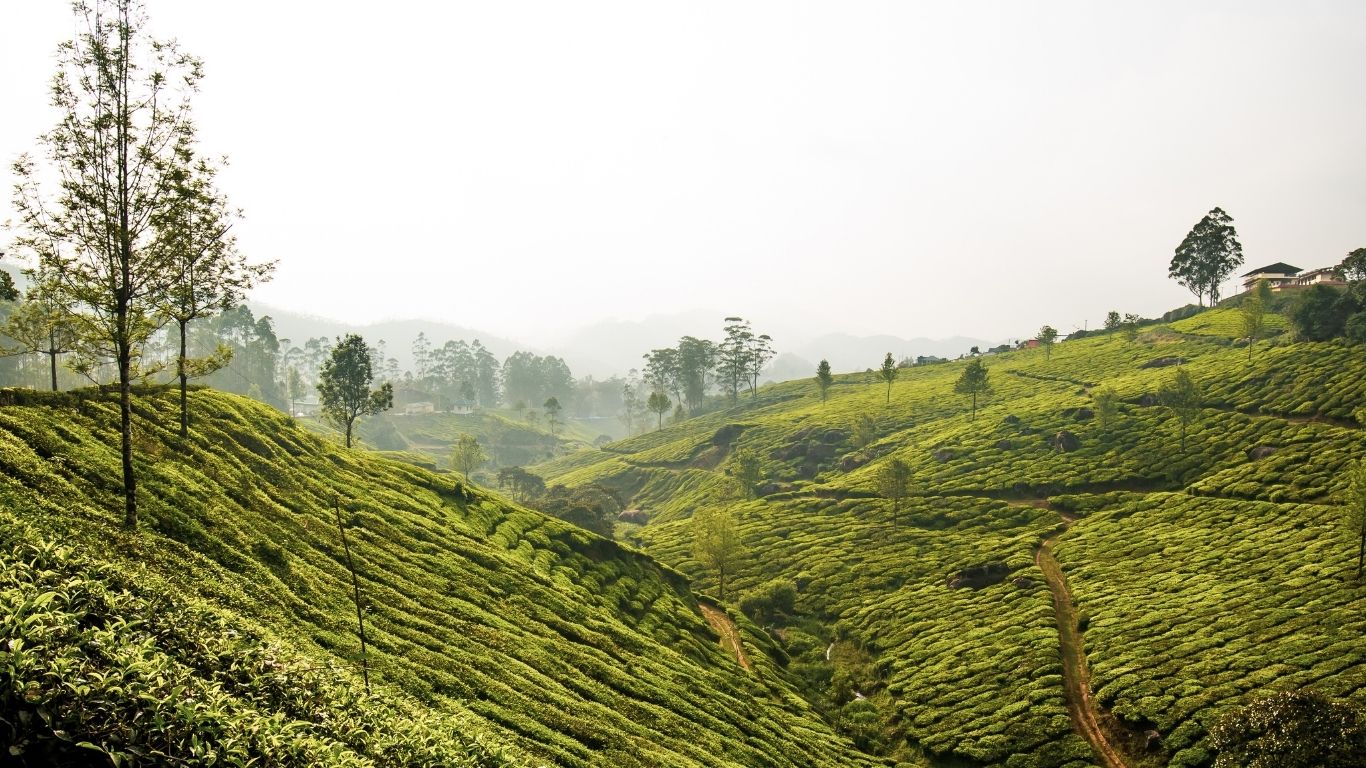
As the winter recedes and the air warms gently across the southern Indian peninsula, February unfolds as one of the most rewarding months for nature enthusiasts and trekkers. The forests of South India, rich in biodiversity and interwoven with ancient tribal trails, become especially inviting during this time. Unlike the harsh cold of the north or the early summer heat of later months, February offers a balance of pleasant weather, lush vegetation, and active wildlife, ideal conditions for forest treks.
The Western Ghats, Nilgiris, and Eastern Ghats host a range of forested landscapes, from evergreen sholas to dry deciduous jungles. These terrains are not just visually stunning, but also deeply spiritual, often dotted with hidden temples, sacred groves, and tribal hamlets. This article explores the most captivating jungle trails in South India that are best experienced during February, along with insights into what makes each unique and worth exploring.
- Periyar Tiger Reserve, Kerala
Located in the Western Ghats of Kerala, Periyar Tiger Reserve is one of the most biodiverse regions in India. February brings a mix of dry and green forest areas, allowing trekkers to witness a wide variety of flora and fauna. One of the highlights here is the nature walk and bamboo rafting combination, which takes you through semi-evergreen and moist deciduous forests.
Treks here often pass through zones inhabited by elephants, giant squirrels, sambar deer, and even elusive tigers. The presence of the Periyar Lake adds a serene touch to the landscape, offering opportunities for tranquil waterside hikes.
- Agumbe Rainforest Trail, Karnataka
Often referred to as the “Cherrapunji of the South,” Agumbe is renowned for its high rainfall and dense rainforests. While the monsoons render these trails slippery and inaccessible, February offers dry, clear pathways perfect for exploration. The forests here are home to the king cobra, lion-tailed macaques, and several endemic species of amphibians and reptiles.
Trekking in Agumbe takes you through thick canopies, over mist-covered hills, and alongside gurgling streams. Sunset Point, Barkana Falls, and the ancient Gopalakrishna Temple are major highlights along these trails.
- Nilgiri Biosphere Reserve, Tamil Nadu-Kerala Border
The Nilgiris offer a mosaic of grasslands and shola forests, home to the Toda tribal communities. February is an excellent time to trek through this biosphere as the weather is cool and dry. The Mukurthi Peak and Avalanche Lake trek present rewarding challenges for those seeking both solitude and stunning vistas.
Wildlife sightings can include Nilgiri tahr, Indian gaur, and a variety of birds like the Nilgiri flycatcher and black-and-orange flycatcher. Many trails here are part of protected areas, so guided treks with permits are recommended.
- Kudremukh National Park, Karnataka
Named after the horse-shaped peak, Kudremukh offers some of the most scenic trekking routes in the Western Ghats. The landscape here combines dense forests, rolling grasslands, and numerous waterfalls. February allows trekkers to enjoy these trails without the leech menace of the monsoon season.
The main Kudremukh trek is a moderately challenging one, suitable for experienced trekkers. Along the way, you’ll pass through untouched forest paths, cross small streams, and reach panoramic viewpoints that open up to the lush valley below.
- Sathyamangalam Forest, Tamil Nadu
Bordering Karnataka and Tamil Nadu, the Sathyamangalam forest range was once infamous as the hideout of forest brigand Veerappan. Today, it’s a thriving tiger reserve and biodiversity hotspot. The forest is a mix of dry deciduous and scrubland terrain, with steep trails and open forest roads.
February provides a great window to experience its unique ecology without extreme heat. Trekking here gives you the chance to explore lesser-known tribal regions and historic watchtowers used by forest officials.
- Araku Valley and Borra Caves, Andhra Pradesh
Though more famous for its scenic train ride, Araku Valley also offers forested trekking opportunities. The trails leading from Araku to Borra Caves cut through dense bamboo groves and coffee plantations. The weather in February is crisp and ideal for day-long treks.
The Borra Caves themselves, formed by the Gosthani River, feature dramatic stalactites and stalagmites and offer a cooling end-point to your jungle trail. Local tribal markets and homestays add a rich cultural dimension to this trekking experience.
- Silent Valley National Park, Kerala
One of India’s least disturbed rainforests, Silent Valley is a biological treasure trove. The park is relatively less commercialized, offering a pure jungle experience. Trekking here in February is ideal due to the mild temperatures and active wildlife.
The park is home to endangered species like the lion-tailed macaque and the Malabar civet. Treks are usually conducted with strict regulation and guidance, preserving the sanctity of the region.
- Anamalai Tiger Reserve (Indira Gandhi Wildlife Sanctuary), Tamil Nadu
Located near Pollachi, the Anamalai ranges present a blend of dense forests, mountain streams, and grassy hilltops. The Top Slip area offers multiple trekking options with forest department guides. February provides clear skies, making longer treks more feasible.
Notable trails include the trek to Elephant Camp, where one can witness elephant care in a semi-wild environment. Birdwatching is excellent here, especially in the early mornings.
Essentials to Carry on a Jungle Trek in February
- Sturdy trekking shoes with ankle support
- Light woolens for chilly mornings
- Plenty of water and energy snacks
- A pair of binoculars and a camera for birdwatching
- Insect repellent and basic first-aid kit
- A local map and permissions if trekking in protected areas
Travel Ethics and Forest Etiquette
While trekking through forests, it is vital to respect the environment and wildlife. Avoid loud noises, do not litter, and stick to marked trails. Engage with local communities respectfully and consider hiring local guides, as they offer valuable insights and help support the local economy.
Trekking through the jungles of South India in February is an immersive way to experience the region’s natural wealth. The forests are alive with bird calls, the air is fresh, and the trails are just challenging enough to be rewarding. Whether you seek solitude, biodiversity, or cultural encounters, these jungle trails offer a unique blend of adventure and introspection.
In choosing to walk these paths, you participate in a tradition as old as the forests themselves, a quiet, reverent exploration that leaves both the traveler and the trail a little richer.
The Do’s and Don’ts of Responsible Wildlife Travel
February 2, 2025 in Wildlife & Nature

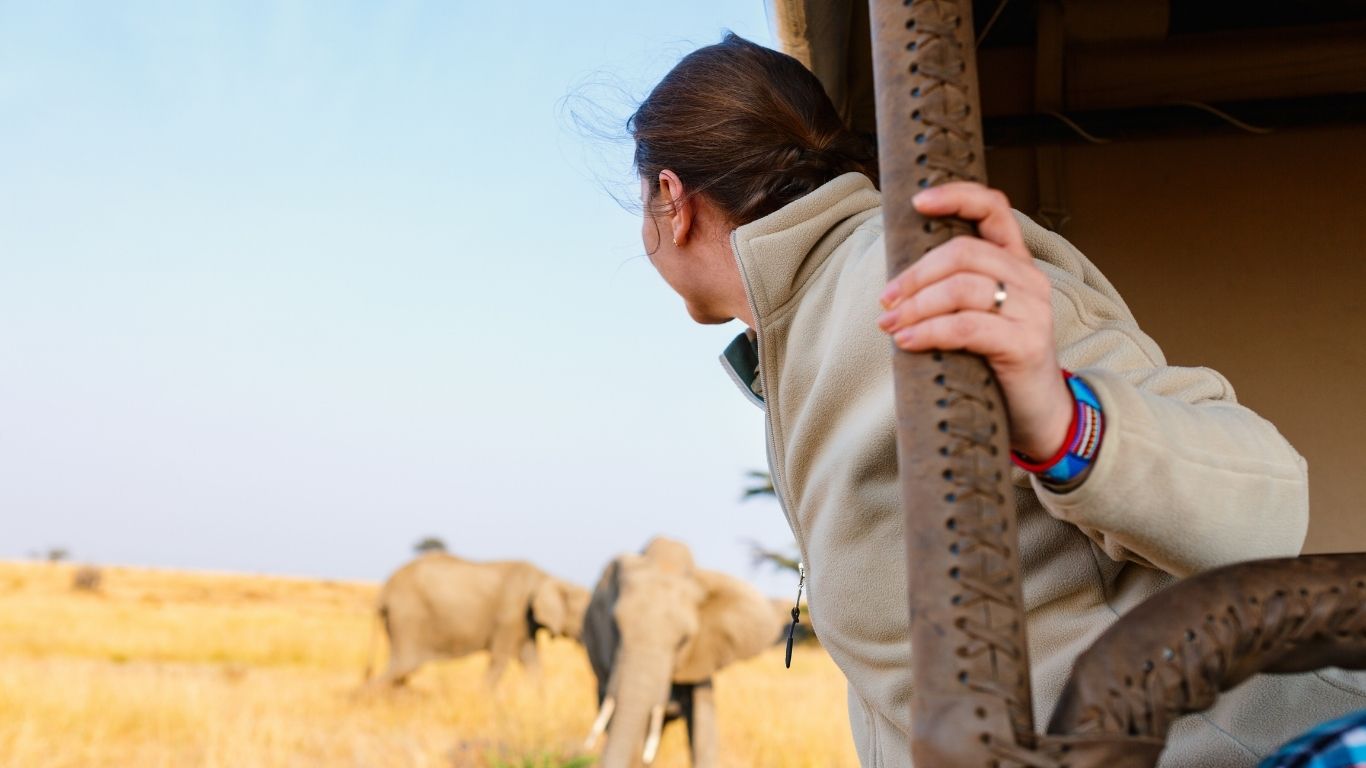
Wildlife travel is one of the most enriching and awe-inspiring forms of tourism. Whether it’s tracking tigers in the jungles of India, watching elephants in African savannas, or birdwatching in the wetlands of Asia, encounters with wild animals in their natural habitats can be life-changing. However, with this privilege comes a responsibility: to ensure that our presence does not harm the very wildlife we admire. Responsible wildlife travel is about making ethical choices, supporting conservation, and leaving behind a positive impact.
Understanding Responsible Wildlife Travel
At its core, responsible wildlife travel means observing and enjoying wildlife in ways that prioritize animal welfare, ecosystem protection, and community engagement. It involves:
- Minimizing human interference with natural behavior
- Supporting ethical tourism operators
- Respecting protected areas and guidelines
- Educating oneself about species and habitats
The Do’s of Responsible Wildlife Travel
1. Do Choose Ethical Tour Operators
Select operators or lodges that follow best practices in sustainability. Look for certifications, eco-tourism affiliations, and transparent conservation policies. Ethical operators:
- Limit group sizes to reduce noise and disturbance
- Follow strict codes of conduct in protected areas
- Employ local guides and naturalists
2. Do Keep a Safe and Respectful Distance
Use binoculars or zoom lenses rather than approaching wildlife too closely. A safe distance:
- Prevents animals from becoming stressed or aggressive
- Allows observation of natural behaviors
- Ensures your own safety
3. Do Stay on Designated Trails and Routes
Protected areas are carefully zoned to balance conservation with visitor access. Staying on official paths helps:
- Avoid trampling sensitive vegetation
- Reduce erosion and habitat damage
- Minimize disruption to wildlife movement
4. Do Learn Before You Go
Understanding the behavior, habitat, and conservation status of animals you hope to see enhances the experience. Do your homework by:
- Reading books or watching documentaries
- Attending pre-tour briefings or naturalist talks
- Supporting wildlife education centers and conservation NGOs
5. Do Support Local Communities
Wildlife tourism should benefit not only conservation but also nearby communities. You can help by:
- Buying handicrafts or food from local vendors
- Staying in community-run lodges or eco-stays
- Hiring local guides and drivers
6. Do Take Only Pictures, Leave Only Footprints
Photographs are the best souvenirs. Refrain from collecting feathers, shells, bones, or plants. Carry reusable water bottles and bags, and ensure you leave no litter behind.
7. Do Speak Up When You See Unethical Practices
If you witness guides feeding animals, off-roading in restricted areas, or tourists harassing wildlife, report it. Feedback to tour companies, national park authorities, or responsible travel platforms can lead to better enforcement and awareness.
The Don’ts of Responsible Wildlife Travel
1. Don’t Feed Wild Animals
Feeding alters animals’ natural foraging behaviors, makes them dependent on humans, and can result in aggressive behavior. It also exposes them to unhealthy or harmful foods.
2. Don’t Make Loud Noises or Sudden Movements
Wild animals are sensitive to human activity. Loud talking, shouting, or sudden gestures can:
- Startle or scare animals
- Disrupt mating, feeding, or parenting behaviors
- Cause stress and unnecessary energy expenditure
3. Don’t Use Flash Photography
Flash can disturb animals, especially nocturnal species. It can:
- Disorient or temporarily blind animals
- Affect nesting birds and young mammals
- Result in aggressive reactions from some species
4. Don’t Touch or Attempt to Handle Wildlife
Whether it’s a snake, bird, or baby animal, do not try to touch or hold wild creatures. Even seemingly tame animals are not domesticated, and contact can:
- Transfer diseases between humans and animals
- Stress or injure the animal
- Be dangerous to you
5. Don’t Visit Facilities That Exploit Animals
Avoid places that offer elephant rides, tiger selfies, or dancing monkey shows. These operations often involve cruel training methods and poor living conditions. Instead, support sanctuaries and rehabilitation centers that prioritize animal welfare.
6. Don’t Litter or Leave Food Waste Behind
Even biodegradable waste can disrupt ecosystems and attract animals to human areas. Carry all waste out with you, and dispose of it responsibly.
7. Don’t Go Off-Road in Protected Areas Without Permission
Unauthorized off-roading damages fragile habitats and disturbs wildlife. Stick to marked paths and routes approved by forest departments or guides.
Responsible wildlife travel is not just a personal choice, it’s an ethical imperative. As tourists, we have the power to influence how wildlife tourism is shaped and perceived. By making informed decisions and adhering to responsible practices, we ensure that future generations can continue to witness the majestic beauty of wild animals in their natural environments.
The forests, deserts, rivers, and mountains we explore are more than backdrops for our adventures. They are living ecosystems, home to intricate webs of life. Let our presence in these places be thoughtful, respectful, and deeply aware.

The Great January Escape: Where to Begin the Year Right
January 2, 2025 in Destinations
As the year begins, there’s an energy in the air that inspires change, new goals, new routines, new ambitions. But beyond resolutions and to-do lists, January brings something even more powerful: the opportunity to begin anew, not just mentally or emotionally, but physically, by stepping into a fresh landscape, one where the sun shines warmly and the days feel longer and fuller.
While many associate January with heavy coats, snowfall, and grey skies, not every destination is caught in winter’s grasp. Some parts of the world, especially across India and its neighboring countries, bask in perfect weather during this time. There’s no sticky humidity, no biting cold, just golden sunshine, breezy evenings, and wide-open skies that beg you to explore.
If you’re tired of the cold or simply want to experience something that reinvigorates your senses and spirit, this is your guide to the best warm places to visit in January, destinations where nature, culture, and comfort converge beautifully.

1. Goa: The Sun-Kissed Escape Where Time Slows Down
January in Goa is the definition of balance. The high of New Year celebrations has mellowed, yet the vibrant Goan soul continues to hum with music, color, and carefree charm.
While North Goa buzzes with nightlife, water sports, and youthful energy, South Goa reveals a different side, peaceful beaches, yoga retreats, and quiet cafes. This duality makes Goa an exceptional destination for every kind of traveler.
Why January is Ideal:
- Average temperatures range from 20°C to 30°C, perfect for beach activities without the extreme heat.
- The weather remains dry and sunny throughout, ideal for both sightseeing and lazing around.
- Cultural festivals, such as the Tribal Festival and various local fairs, showcase the rich heritage of Goa’s many communities.
Deep Dive Activities:
- Heritage Walks: Discover the Latin Quarter of Fontainhas, with its pastel-colored Portuguese homes and quaint bakeries.
- Island Hopping: Explore lesser-known river islands like Chorao and Divar by ferry and cycle through paddy fields and chapels.
- Spiritual Detox: Enroll in a short yoga retreat in Agonda or Palolem to reset your body and mind.
Culinary Joy:
Enjoy authentic seafood thalis, feni cocktails, bebinca desserts, and the flavor-packed xacuti or sorpotel from family-run eateries tucked away from the tourist path.
2. Hampi, Karnataka: Of Ruins, Rivers, and Rhythms of the Past
Once the seat of the mighty Vijayanagara Empire, Hampi today is an archaeological wonder surrounded by gigantic granite boulders, crumbling temple complexes, and a tranquil rural setting.
What makes Hampi particularly alluring in January is the interplay of golden winter light on its architecture. As the sun moves across the sky, it casts dynamic shadows over centuries-old carvings, giving the ruins a sense of motion and mystery.
Why It’s a Perfect January Escape:
- Dry weather with mild sun, great for walking through large complexes without exhaustion.
- The cool breeze by the Tungabhadra River adds a poetic charm to the surroundings.
- Fewer crowds than year-end or festival seasons.
Must-Experience Highlights:
- Sunset at Hemakuta Hill: The sky explodes into shades of orange as the ruins turn molten gold.
- Tungabhadra Coracle Rides: Experience village life from a boat that feels like floating in time.
- Archaeological Exploration: Marvel at Vitthala Temple, known for its stone chariot and musical pillars, and Hazara Rama Temple, adorned with bas-reliefs of Ramayana stories.
Offbeat Tips:
- Visit Anegundi village across the river for lesser-known sites and authentic cultural immersion.
- Many local guesthouses offer rooftop dinners with homemade curries and star-studded skies.
3. Rajasthan: Where Desert Sands Meet Royal Grandeur
Rajasthan in January is a living canvas. The chill of the desert is softened by golden sunlight, and the palaces, forts, and narrow alleys come alive with movement, folk music, camels, artisans, and color everywhere.
Each city in Rajasthan has a distinct flavor:
- Jaisalmer is bold and timeless, rising from the Thar like a golden mirage.
- Jodhpur is a blend of ruggedness and opulence.
- Udaipur is poetic, mirrored on water.
- Jaipur is grand, intellectual, and a gateway to heritage.
What January Offers:
- Crisp mornings and warm afternoons, ideal for exploring on foot or by tuk-tuk.
- Major events like the Jaipur Literature Festival, one of the world’s largest literary gatherings, attract global travelers and artists.
- Camels and caravans bring the Desert Festival vibes to Jaisalmer by mid-January.
Deep Cultural Immersion:
- Visit traditional desert villages for puppet shows, pottery-making sessions, and Rajasthani folk songs performed by local musicians.
- Stay in a haveli and dine on rooftops overlooking city palaces.
- Witness the colors of local bazaars—tie-dye textiles, blue pottery, silver jewelry, and miniature paintings.
4. Kerala Backwaters: A Symphony of Water, Coconut Trees, and Soulful Living
Kerala is often called “God’s Own Country,” and for good reason. January in Kerala is a celebration of life, green, fresh, and abundantly alive.
The backwaters offer an intimate experience with nature. Imagine floating past lush villages, paddy fields, churches, and temples, all while sipping coconut water on a traditional houseboat. It’s not just scenic, it’s deeply calming.
Best Experiences in January:
- Alleppey Houseboat Stays: Spend a night on still waters with a private cook preparing regional meals onboard.
- Kumarakom Bird Sanctuary: Spot migratory birds and enjoy canoe rides through silent waters.
- Ayurveda and Wellness: This is the ideal season to undergo detox treatments at certified resorts or centers.
Cultural Nuances:
- Watch a Kathakali performance or a Theyyam ritual in a local village.
- Visit a spice plantation in Thekkady and learn how cardamom, pepper, and cinnamon grow.
- Experience a temple festival, complete with elephants, drums, and fireworks.
5. Sri Lanka: The Emerald Island for the Open-Hearted Explorer
Small in size but vast in diversity, Sri Lanka offers beaches, hills, history, and spirituality within a few hours’ drive of one another. January is arguably the best time to visit, especially for the south and west coasts.
The warmth here is not just in the climate, it’s in the smiles, the spices, the scent of frangipani, and the rhythm of waves against the golden shore.
Why You’ll Love January in Sri Lanka:
- The dry season ensures perfect weather for exploring both beaches and cultural heritage sites.
- Whale watching is at its peak in Mirissa.
- Buddhist temples and colonial towns look their finest under clear skies.
Diverse Experiences:
- Climb the majestic Sigiriya Rock Fortress, a UNESCO World Heritage Site.
- Take a train ride through Ella, a journey through tea estates, cloud forests, and tunnels.
- Stroll the streets of Galle Fort, a 17th-century Dutch settlement, now filled with art cafes and boutiques.
- Lounge on Unawatuna or Bentota Beach for leisurely afternoons under coconut palms.
6. Dubai, UAE: Desert Luxury Meets Cultural Intrigue
Dubai defies labels. It is futuristic and traditional, extravagant and humble, desert-bound and ocean-facing. January in Dubai feels like a sweet spot, no summer heat, no overwhelming humidity, just blue skies and a calendar full of events.
Whether you want to marvel at skyscrapers or camp in Bedouin tents, shop luxury brands or sip Arabic coffee in a souk, Dubai delivers on all fronts.
January’s Highlights:
- The Dubai Shopping Festival runs throughout the month, with massive discounts, fireworks, fashion shows, and food festivals.
- Desert safaris offer dune bashing, belly dancing, and barbecue dinners under stars.
- Beaches like JBR, Kite Beach, and La Mer are buzzing with life, music, and outdoor cafes.
Cultural Encounters:
- Explore Al Fahidi Historic District with its wind towers, museums, and traditional architecture.
- Take an abra ride across Dubai Creek and shop at the Gold and Spice Souks.
- Visit the newly opened Museum of the Future, a glimpse into world-changing innovation.
Why Choose a Warm January Escape?
It heals. Warmth relaxes the muscles, clears the mind, and rekindles the spirit. It offers light, literally and metaphorically.
It energizes. Whether it’s trekking through golden sands, cruising through canals, or dancing under a sunset sky, warm destinations offer movement and joy.
It inspires. From ancient ruins to luxurious beaches, these places tell stories, of civilizations, of resilience, of human creativity.
Most importantly, it’s the best way to start the year with hope, clarity, and renewed zest for life.
January is a time of beginnings. Let that beginning be marked not just by a resolution, but by a revelation, of a place, a culture, a flavor, or even a part of yourself you hadn’t discovered yet.
So escape the predictable. Escape the cold. Escape the screens and the same routines.
Go somewhere warm. Go somewhere alive. Go where the year opens not with pressure, but with presence.
Because the Great January Escape isn’t just about location.
It’s about liberation.

Best Spiritual Places to Visit in India in January for Peace and Renewal
January 2, 2025 in Destinations, Pilgrimages
As the year begins and the mind seeks clarity, more and more travelers are stepping away from crowded beaches and party destinations in search of something deeper, something that speaks not just to their senses, but to their spirit. Spiritual travel, once considered the domain of the devout, is now embraced by anyone seeking balance, perspective, and inner peace. It is not about religion; it is about resonance.
January holds a unique significance in this context. It marks both an end and a beginning, a moment of reflection and renewal. The cool, calm weather across most of India makes it an ideal month to embark on a spiritual journey. Whether you seek silence, soul-searching, mindfulness, or a connection to ancient traditions, India offers a tapestry of sacred spaces that facilitate transformation.
From the timeless ghats of Varanasi to the meditative sanctity of Bodh Gaya, from the sea-washed temples of Rameswaram to the elevated stillness of Mount Abu, here is a detailed guide to the most powerful spiritual destinations to explore this January.

1. Varanasi, Uttar Pradesh – The Eternal City of Light
Varanasi, also known as Kashi or Benares, is not just a city, it is an experience. Perched on the banks of the sacred Ganga, it is believed to be the oldest continually inhabited city in the world. Varanasi is where the cycle of life and death is not feared but understood, accepted, and spiritually celebrated.
Why Visit in January:
- The winter fog adds a surreal beauty to the ghats during sunrise.
- Pilgrimage activities like bathing in the Ganges during Makar Sankranti (January 14) carry immense religious merit.
- Less humid climate makes walking through temples and lanes much more comfortable.
Key Experiences:
- Subah-e-Banaras at Assi Ghat: An immersive cultural and spiritual sunrise program that combines yoga, devotional music, and Vedic chants.
- Kashi Vishwanath Temple: One of the twelve Jyotirlingas, this temple pulsates with energy and devotion.
- Boat Ride on the Ganga: At dawn or dusk, it’s an unmissable spiritual experience as you pass centuries-old ghats, cremation grounds, and pilgrims deep in prayer.
- Sarnath: Located nearby, this is where Buddha delivered his first sermon, offering a peaceful contrast to the intensity of Varanasi.
2. Bodh Gaya, Bihar – The Seat of Enlightenment
No place in the world holds as much significance for seekers of mindfulness and introspection as Bodh Gaya, where Siddhartha Gautama attained enlightenment and became the Buddha under the Bodhi tree over 2,500 years ago.
Why January Is Ideal:
- The winter climate is perfect for outdoor meditation and temple visits.
- Global monks and spiritual practitioners gather here for Kagyu Monlam, an international prayer festival held by Tibetan Buddhists (usually in January or February).
- The peaceful environment makes it ideal for retreats, silence, and self-reflection.
What to Explore:
- Mahabodhi Temple Complex: A UNESCO World Heritage Site, it includes the Bodhi Tree, sacred stupas, and serene gardens.
- Meditation Parks and Monasteries: From the Japanese temple to Thai and Bhutanese monasteries, each offers a different cultural dimension of Buddhist philosophy.
- Dungeshwari Caves: Located nearby, these caves mark where the Buddha practiced extreme asceticism before realizing the Middle Path.
Professional Insight:
Several international centers offer structured Vipassana and mindfulness meditation courses, which are ideal for professionals, students, and travelers seeking stress relief, emotional clarity, and focus.
3. Rameswaram, Tamil Nadu – Gateway to Divine Grace
Rameswaram, located on Pamban Island, is one of India’s most sacred pilgrimage sites. According to Hindu mythology, it was here that Lord Rama built the bridge to Lanka and worshipped Shiva to absolve the sins of battle.
The town is part of the Char Dham Yatra, and its spiritual ambiance is magnified by its proximity to the sea.
January’s Spiritual Advantage:
- Cool, dry weather makes it the best time for temple visits and ritual baths.
- The ocean breeze and sunrise over the Bay of Bengal elevate the experience of reflection and release.
- January is also ideal for exploring nearby Dhanushkodi, the mysterious ghost town at the edge of the sea.
Sacred Activities:
- Ritual Bath in Agni Theertham: A dip in the sea is considered purifying before entering the temple.
- Ramanathaswamy Temple: Featuring the longest corridor among all Hindu temples in India and 22 holy wells, each with spiritually healing properties.
- Dhanushkodi: The last point of India’s landmass offers profound silence and solitude, especially during early morning hours.
Pilgrimage Meets Mindfulness:
Unlike more crowded spiritual destinations, Rameswaram offers structure and simplicity, ideal for first-time spiritual travelers seeking both discipline and comfort.
4. Puri, Odisha – A Coastal Pilgrimage to the Divine
Puri is revered as the abode of Lord Jagannath, and is one of the four Char Dham destinations. Its spiritual identity is enriched by the rituals conducted on the beach, the roar of the Bay of Bengal, and the faith of millions.
January is considered auspicious due to Makara Sankranti, when thousands of devotees gather to take a dip in the ocean.
Highlights in January:
- Cooler weather ensures a comfortable visit to temples and nearby heritage sites like Konark Sun Temple.
- Early mornings on the Swargadwar beach become deeply meditative when the sea meets ritual.
- The daily Mangala Aarti and Bhog offerings in Jagannath Temple immerse you in centuries-old rituals.
Key Experiences:
- Anasara or Secret Kitchen Visit: Observe the world’s largest kitchen that prepares food for thousands every day using traditional firewood stoves.
- Gundicha Temple: The destination of the Jagannath Rath Yatra in June, but peaceful in January for quiet worship.
- Artisan Villages: Nearby Raghurajpur is known for Pattachitra painting, a meditative art form rooted in devotion.
5. Mount Abu, Rajasthan – The Hilltop Retreat for Soulful Solitude
In the heart of Rajasthan’s arid landscape lies an unexpected oasis, Mount Abu, the state’s only hill station. Known for its serene climate, natural beauty, and spiritual institutions, it offers a tranquil escape for the mind and spirit.
Why Visit in January:
- The cool climate is ideal for forest walks, temple visits, and reflective solitude.
- Crisp air, morning mists, and quiet sunrises from Guru Shikhar make it an ideal spiritual destination.
- The post-festive lull in January makes it peaceful and less crowded.
Spiritual Attractions:
- Dilwara Temples: Exceptional Jain temples carved in marble, showcasing intricate devotion in art.
- Brahma Kumaris Headquarters: Offers meditation workshops, spiritual seminars, and self-development programs grounded in Rajayoga.
- Nakki Lake and Achalgarh Fort: For reflective walks and quiet conversations with nature.
A Professional Spiritual Break:
For urban professionals and mental health-conscious travelers, Mount Abu is an ideal destination for a mindful recharge, offering structured programs in meditation, self-awareness, and non-religious spirituality.
Why Spiritual Journeys in January Make Sense Professionally and Personally
1. Clarity Before the Chaos
The first month of the year is often slower in business and social commitments, offering a window to re-center before the rush of the fiscal year or academic term.
2. Weather and Accessibility
Winter ensures that spiritual towns across India, often located in tropical or semi-arid regions, are cool, dry, and most hospitable.
3. Intentional Living
Spiritual travel is not an escape, it is a conscious choice to realign with your core values, reflect on your purpose, and prepare emotionally and mentally for the months ahead.
In an age where productivity is often valued over presence, a spiritual journey offers an antidote. It teaches you to slow down, breathe consciously, and listen to your inner voice. Whether you are religious, agnostic, or simply curious, the sacred geography of India offers a place that resonates with your unique quest for peace.
So, this January, instead of rushing into the year full of noise, consider starting it with a sacred pause. Let your first journey be one that brings not just photographs, but perspective. Not just memories, but mindfulness. Not just motion, but meaning.
Because the greatest journeys in life are those that begin within.

Best Places in India to Witness Snowfall This January
January 1, 2025 in Destinations
India’s northern and northeastern landscapes transform into magical white wonderlands each winter. Snow blankets the mountains, pine trees, and rooftops, creating a serene, breathtaking escape from the chaos of urban life. For travelers who crave chilly air, snowball fights, and scenic beauty, January is the perfect month to experience the magic of snowfall in India.
This guide covers the best snowfall destinations in India to visit in January, from popular hill stations to hidden gems, complete with travel tips, local experiences, and reasons to visit each.

1. Gulmarg, Jammu & Kashmir
Why Visit:
Often referred to as the “Ski Capital of India,” Gulmarg in January is pure winter paradise. Snow falls thick and fast, and the entire town gets enveloped in a dense white layer, perfect for both tourists and winter sports lovers.
Experiences:
- Ride the Gulmarg Gondola, one of the world’s highest cable cars.
- Ski down the slopes with trained instructors.
- Take in panoramic views of Nanga Parbat on clear days.
- Visit the St. Mary’s Church, covered in snow.
Travel Tips:
- Nearest airport: Srinagar (approx. 1.5-hour drive).
- Carry layers of thermals, gloves, snow boots, and waterproof jackets.
- Book accommodations early, January is peak snow season.
2. Auli, Uttarakhand
Why Visit:
Auli is not just Uttarakhand’s best ski destination but also a peaceful, snow-laden alternative to crowded hill stations. Surrounded by coniferous forests and Himalayan peaks, Auli offers a surreal landscape in January.
Experiences:
- Enroll in a skiing course conducted by GMVN (Garhwal Mandal Vikas Nigam).
- Enjoy views of Nanda Devi and Trishul peaks.
- Ride Asia’s longest cable car between Joshimath and Auli.
- Visit the serene Auli Artificial Lake, frozen during peak winter.
Travel Tips:
- Nearest major town: Joshimath (can be reached from Rishikesh or Haridwar).
- Roads may be slippery, use local jeeps or hire experienced drivers.
3. Manali, Himachal Pradesh
Why Visit:
Manali remains one of India’s most popular hill stations, and for good reason. Snowfall in January transforms this destination into a honeymooner’s dream and an adventurer’s delight.
Experiences:
- Drive up to Solang Valley for snowboarding, paragliding, and zorbing.
- Visit Old Manali for cozy cafes and frozen riverside views.
- Go further to Atal Tunnel and beyond towards Lahaul, now accessible even in winter.
- Witness magical snowfall while sipping hot chocolate on Mall Road.
Travel Tips:
- Best to travel by Volvo from Delhi/Chandigarh if snowfall affects flights.
- Avoid peak holiday weeks for a more peaceful experience.
- Book snow-activity packages in advance.
4. Shimla & Kufri, Himachal Pradesh
Why Visit:
A colonial favorite, Shimla is known for its snow-dusted churches, scenic mountain views, and British charm. Nearby Kufri often receives heavier snowfall and offers more snow-centric activities.
Experiences:
- Take a walk on the historic Mall Road while snowflakes fall softly.
- Visit the Jakhoo Temple, a short (but chilly) climb offering panoramic views.
- Head to Kufri for skiing, tobogganing, and horse rides in snow.
- Snap photos of the snow-covered Christ Church, a heritage site.
Travel Tips:
- Shimla gets crowded, so book early and choose homestays in Mashobra or Naldehra for a quieter stay.
- The Toy Train from Kalka is a scenic delight if you want to enjoy slow travel.
5. Tawang, Arunachal Pradesh
Why Visit:
Far from the typical Himalayan circuits, Tawang offers the rare experience of snowfall in the far eastern Himalayas, with Buddhist monasteries, frozen lakes, and serene landscapes.
Experiences:
- Visit the magnificent Tawang Monastery, India’s largest.
- See the Sela Pass blanketed in snow, one of the highest motorable roads.
- Explore the frozen Madhuri Lake (Sangestar Tso), surrounded by snow-draped trees.
Travel Tips:
- Requires a special Inner Line Permit (ILP) to enter Arunachal Pradesh.
- Roads can be unpredictable in January, hire local guides/drivers.
- The cultural mix of Tibetan and Monpa influences makes the local cuisine a must-try.
6. Leh & Ladakh (Selected Areas Only)
Why Visit:
While most of Ladakh becomes inaccessible due to snow and ice, Leh town and nearby areas are accessible in winter via air travel. It’s also when the legendary Chadar Trek happens.
Experiences:
- Do the Chadar Trek on the frozen Zanskar River (with professional guidance only).
- Explore Leh Palace and Shanti Stupa under snow.
- Experience the stark beauty of Magnetic Hill, Spituk Monastery, and Sangam Point in winter light.
Travel Tips:
- Roads from Srinagar/Manali are closed, fly to Leh directly.
- High altitude means extreme cold and low oxygen, acclimatization is a must.
- Only for serious adventurers; not suitable for families with kids.
7. Dhanaulti & Kanatal, Uttarakhand
Why Visit:
For those seeking a peaceful, less commercial snowfall destination, Dhanaulti and Kanatal offer a relaxing getaway amidst pristine snow and deodar forests.
Experiences:
- Go snow hiking or camping near the Eco Park in Dhanaulti.
- Enjoy panoramic views of the Himalayas with fewer crowds.
- Stay in cozy hillside resorts or homestays offering snow-clad views.
Travel Tips:
- Easily accessible by road from Mussoorie and Dehradun.
- Ideal for couples or small families looking to avoid touristy chaos.
- Snowfall may not be as frequent, check forecasts before planning.
8. Chopta, Uttarakhand
Why Visit:
Known as the “Mini Switzerland of India,” Chopta is a snow-covered haven in January and a gateway to the famous Tungnath Temple, the highest Shiva shrine in the world.
Experiences:
- Trek through snow to Tungnath and further to Chandrashila peak.
- Witness sunrise over the snow-capped peaks of Nanda Devi and Chaukhamba.
- Camp amidst the snow if you’re an adventurous soul.
Travel Tips:
- Treks in snow require proper gear and fitness levels.
- Accommodation is basic but the views make up for it.
- Ideal for trekkers, photographers, and nature lovers.
9. Narkanda, Himachal Pradesh
Why Visit:
Situated 60 km from Shimla, Narkanda is an emerging destination for snow sports lovers. Less commercialized than Manali or Kufri, it offers excellent skiing opportunities.
Experiences:
- Learn skiing on the Dhomri slopes, ideal for beginners.
- Visit the Hatu Peak with a panoramic view of snow-laden mountains.
- Stay in wooden cottages nestled among snow-covered apple orchards.
Travel Tips:
- Best visited as a day trip or short stay from Shimla.
- Good roads, but snowfall can block routes, always check ahead.
10. Lachung & Yumthang Valley, Sikkim
Why Visit:
Sikkim’s north is a hidden gem for snowfall lovers. Yumthang Valley, also called the Valley of Flowers, transforms into a snow-draped wonderland in January.
Experiences:
- Visit Zero Point — often covered with 4–5 feet of snow.
- See the frozen beauty of Lachung River and waterfalls.
- Experience Sikkimese hospitality in local homestays with snow all around.
Travel Tips:
- Permits are required for North Sikkim (available via travel agents in Gangtok).
- Roads are often closed due to heavy snow, plan buffer days.
- A 4×4 vehicle is highly recommended for this journey.
Tips for Snow Travel in India
- Clothing Essentials: Thermals, woolen caps, gloves, waterproof boots, heavy jackets, and sunglasses (snow glare is real).
- Connectivity: Network coverage may be poor in high-altitude regions. Keep offline maps and inform someone of your itinerary.
- Health Precautions: Carry basic medicines, especially for altitude sickness. Stay hydrated and avoid overexertion.
- Book in Advance: January is peak season for snow destinations. Hotel rates can spike last minute.
- Travel Insurance: Recommended, especially for trekking or ski trips.
January unlocks the magical, icy side of India, a side where mountains wear snow crowns, roads disappear under white carpets, and the air whispers peace. Whether you seek adrenaline-pumping sports, scenic beauty, or a quiet romantic escape, India offers snowfall destinations for every kind of traveler.
So pack your bags, embrace the chill, and get ready for a memorable winter vacation in one of these enchanting destinations!

Budget Trips You Can Take in India This January Without Breaking the Bank
January 1, 2025 in Destinations
Traveling in January doesn’t have to mean spending extravagantly. In fact, many places across India offer breathtaking experiences, cultural richness, and winter charm, all while staying well within a limited budget. Whether you’re a college student seeking adventure, a solo traveler looking for peace, or simply someone who wants to experience more without spending more, there are plenty of affordable options.
This article explores four top budget-friendly destinations for a January getaway in India: Sikkim, Hampi, Pushkar, and Gokarna. Each offers its own unique blend of scenery, culture, weather, and affordability.

1. Sikkim – A Snowy Paradise on a Budget
Why Visit:
January transforms Sikkim into a pristine winter wonderland. The northern regions receive snow, while places like Gangtok and Ravangla offer clear views of the Himalayas without being unbearably cold. Unlike popular hill stations that get overpriced in peak season, Sikkim remains surprisingly affordable.
Top Experiences:
- Explore Gangtok, the capital city, with its monasteries, markets, and mountain views.
- Visit the scenic Tsomgo Lake (often frozen in January).
- Trek to Yuksom or Ravangla for peaceful stays and panoramic vistas.
- Enjoy a homestay experience with local Sikkimese cuisine.
Budget Tips:
- Stay in budget hostels or homestays (₹500 – ₹800 per night).
- Share cabs for sightseeing or use public transport.
- Avoid expensive packaged tours, plan locally with help from your stay.
How to Reach:
- Nearest railway station: New Jalpaiguri (NJP).
- Nearest airport: Bagdogra. Shared taxis to Gangtok are available from both.
2. Hampi – History and Hippie Vibes for Less
Why Visit:
A UNESCO World Heritage site, Hampi is a mesmerizing land of boulder-strewn ruins, ancient temples, and surreal landscapes. The dry January weather makes it perfect for cycling around the ruins and exploring freely without the heat.
Top Experiences:
- Explore the Vijayanagara ruins, including Virupaksha Temple and Vittala Temple.
- Cross the Tungabhadra River to Hippie Island for cafés and scenic views.
- Try bouldering or simply chill by the river in the evenings.
- Rent a moped or a bicycle and take your time around the terrain.
Budget Tips:
- Budget hostels start at ₹300 – ₹500 per night.
- Local eateries and cafés offer meals for ₹100 – ₹200.
- Rent a cycle for ₹100/day or walk, everything is close.
How to Reach:
- Nearest railway station: Hospet Junction (13 km from Hampi).
- Hospet is well connected by bus and train from Bangalore, Hyderabad, and Goa.
3. Pushkar – Spiritual Calm Meets Backpacker Energy
Why Visit:
One of Rajasthan’s most soulful towns, Pushkar offers a rare blend of spirituality, culture, and laid-back charm. In January, the weather is pleasant, the crowds thin after the November Camel Fair, and prices drop.
Top Experiences:
- Visit the sacred Pushkar Lake and the Brahma Temple.
- Walk through vibrant markets for budget souvenirs and trinkets.
- Hike to the Savitri Mata Temple for sunrise or sunset views.
- Enjoy rooftop cafés with panoramic town views and folk music.
Budget Tips:
- Dorm rooms start from ₹300 – ₹400 per night.
- Many cafes offer meals under ₹150 with free Wi-Fi.
- Pushkar is compact, explore on foot or by cheap rental bikes.
How to Reach:
- Nearest railway station: Ajmer (15 km).
- Shared autos and local buses connect Ajmer to Pushkar.
4. Gokarna – Beaches Without the Goa Price Tag
Why Visit:
If Goa feels too crowded or expensive, Gokarna is your coastal escape. This small temple town in Karnataka has grown into a backpacker’s haven, serene beaches, yoga retreats, and low-cost shacks by the sea await you.
Top Experiences:
- Hike the scenic beach trail connecting Gokarna, Om, Kudle, Half Moon, and Paradise beaches.
- Chill in beachside cafes and read a book under a palm tree.
- Enjoy bonfire nights and live music with fellow travelers.
- Visit the Mahabaleshwar Temple or take a boat ride to spot dolphins.
Budget Tips:
- Stay in beach huts for ₹300 – ₹700 per night.
- Fresh seafood thalis and South Indian meals are available for ₹100 – ₹200.
- Walk to beaches or use shared tuk-tuks, no need for expensive transport.
How to Reach:
- Nearest railway station: Gokarna Road (9 km).
- Buses and trains connect it well with Bangalore, Goa, and Mangalore.
General Budget Travel Tips for January
1. Book Early:
January is travel season, especially around New Year. Book trains, buses, and stays at least a month in advance to lock in cheaper rates.
2. Choose Homestays & Hostels:
Skip hotels, budget homestays and hostels offer local insight, cultural interaction, and lower costs. Many also include free breakfast or community dinners.
3. Use Public Transport:
Opt for trains and state-run buses. Sleeper-class train travel can cost under ₹500 for long distances, and buses run frequently between most destinations.
4. Travel in Groups (or Join One):
Splitting cabs, meals, and room costs with other travelers, or joining budget group tours, helps save significantly.
5. Carry a Refillable Water Bottle & Snacks:
Cut down on buying bottled water and fast food. Keep filtered water bottles and packed dry snacks for long journeys.
Who Is This Ideal For?
- College Students: With limited budgets and longer winter holidays, these destinations allow full experiences without burning pockets.
- Solo Travelers: Safe, scenic, and filled with fellow wanderers, each of these places has an open, friendly vibe.
- Remote Workers: Cafés and stays in Pushkar and Gokarna offer strong Wi-Fi and peaceful surroundings, great for a working holiday.
- Couples on a Budget: Beautiful sunsets, quaint walks, and cozy homestays make for memorable yet affordable romantic escapes.
You don’t need five-star hotels or fancy airfares to enjoy a memorable January vacation in India. Whether it’s the snow-kissed hills of Sikkim, the ancient ruins of Hampi, the spiritual serenity of Pushkar, or the golden beaches of Gokarna, India offers diverse, unforgettable experiences even on the tightest budget.
All it takes is a backpack, a well-planned itinerary, and the spirit to explore. January is the perfect month, off-peak prices, pleasant weather, and fewer crowds.
So pack smart, plan ahead, and let your journey begin, because the best adventures don’t always come with a hefty price tag.

Offbeat January Travel Ideas for the Curious Wanderer
January 1, 2025 in Destinations
As the new year unfolds, January offers the perfect opportunity to embrace the unfamiliar and wander into the lesser-known corners of India. While the popular hill stations and beach destinations see crowds in full swing, there’s a different kind of magic awaiting the curious traveler, one that lies in the roads less traveled, in towns where time slows down, and in landscapes that haven’t yet been overrun by commercial tourism.
For those looking to begin the year with something new, raw, and soul-stirring, here are some offbeat travel destinations to explore this January.

1. Ziro Valley, Arunachal Pradesh: A Winter Melody of Culture and Silence
Tucked away in the northeastern cradle of Arunachal Pradesh, Ziro Valley is a place that seems to exist outside the rush of time. With its wide green pastures, layered rice fields, and quaint wooden houses of the Apatani tribe, Ziro is an exquisite escape from modern chaos.
Why January?
January transforms Ziro into a quiet, contemplative space. The cold is sharp, but the skies are crystal clear, and the air carries a meditative silence that makes even the smallest moments feel profound. It’s the perfect time to experience local tribal life without the distractions of tourist traffic.
What to Do:
- Walk through Apatani villages like Hong and Hija to witness their sustainable way of life.
- Explore the pine-covered Ziro Putu Hill for sweeping views of the valley.
- Visit the centuries-old Meghna Cave Temple, nestled in a rock face.
- If you’re a music lover, while the famous Ziro Music Festival happens in September, January offers raw acoustics in peaceful village settings with no audience, just nature.
Travel Tip:
Carry enough warm clothing. Ziro gets cold, especially during nightfall. It’s not for the luxury traveler, basic homestays and an open heart are your best companions here.
2. Chopta, Uttarakhand: India’s Mini Switzerland Without the Crowds
While Auli enjoys all the limelight during winter, its quieter sibling, Chopta, remains a paradise for trekkers and solitude-seekers. Often called the “Mini Switzerland of India,” Chopta is a part of the Kedarnath wildlife sanctuary and is the starting point for the Tungnath-Chandrashila trek.
Why January?
Snow blankets the region in January, turning it into a postcard-perfect setting. Fewer tourists venture here during winter, making it an excellent offbeat retreat for those craving snowy serenity and Himalayan grandeur.
What to Do:
- Embark on the Tungnath trek, which takes you to the world’s highest Shiva temple. The view from Chandrashila peak is simply divine.
- Wake up early to catch a glorious sunrise over the peaks of Nanda Devi, Trishul, and Chaukhamba.
- Spot rare Himalayan birds like Monals and hill foxes along the trekking route.
- Sit around a bonfire at night with local Garhwali food and stories.
Travel Tip:
Make sure to check weather conditions before your trip, snowfall can lead to roadblocks. Travel with a local guide or through a responsible tour provider, especially if it’s your first winter trek.
3. Bhuj, Gujarat: Desert’s Warmth with an Artistic Soul
Situated on the western edge of India, Bhuj is the cultural heart of Kutch. While the nearby Rann of Kutch steals most of the attention in January (especially during the Rann Utsav), Bhuj remains a more grounded and personal experience for the traveler seeking connection beyond Instagram filters.
Why January?
The weather is comfortably cool, making it the best time to explore the architectural and artistic heritage of the region. You can also use Bhuj as a base to explore surrounding tribal villages and artisanship without the tourist rush of the White Desert.
What to Do:
- Visit Bhujodi and Ajrakhpur to interact with traditional weavers and block-printers.
- Explore the Prag Mahal and Aina Mahal, architectural gems that speak of royal Kutch history.
- Head to Mandvi Beach, less commercialized and with glorious sunsets.
- Take a guided craft trail through tribal villages known for their embroidery, leatherwork, and mud art (Lippan Kaam).
Travel Tip:
Try to connect with NGOs or local craft communities for an authentic experience. Buying directly from artisans supports their work and ensures ethical travel.
4. Sandakphu, West Bengal: The Sleeping Buddha Beckons
For mountain lovers who wish to see the giants, Everest, Lhotse, Makalu, and Kangchenjunga, all in one line, Sandakphu is the place to be. Perched on the Singalila Ridge at 11,930 ft, it’s the highest point in West Bengal and a trekker’s dream.
Why January?
This month brings a stark, icy beauty to the region. The trail is quiet, the sky is bluer than ever, and the views? Simply otherworldly. Though winter trekking here can be challenging, it is deeply rewarding for seasoned adventurers.
What to Do:
- Undertake the Sandakphu-Phalut trek via Tonglu and Tumling.
- Watch the iconic “Sleeping Buddha” formation of the Himalayan range at sunrise.
- Stay in charming wooden lodges or homestays with locals who will warm your soul with food and folklore.
- Visit Singalila National Park and catch glimpses of the elusive red panda if you’re lucky.
Travel Tip:
Be physically prepared. January treks here demand stamina and proper gear. Hire a local guide, it’s safer and contributes to the local economy.
5. Patan, Gujarat: Where Time Weaves Wonders
While most travelers think of Jaipur or Udaipur when it comes to heritage, Patan, a lesser-known gem in Gujarat, has something truly remarkable, the Rani Ki Vav, a UNESCO World Heritage site.
Why January?
Patan is dry and sunny in January, making it ideal for long walks around heritage complexes, stepwells, and old streets full of history. It’s also close to the Modhera Sun Temple, where the Modhera Dance Festival happens in mid-January.
What to Do:
- Visit Rani Ki Vav, an intricately carved stepwell built in the 11th century. It’s as grand as any palace.
- Discover the famous Patola weaving, a dying artform mastered by very few families in Patan.
- Visit the nearby Modhera Sun Temple to witness the dance festival against a golden backdrop of ancient architecture.
- Enjoy the tranquility of Sidhpur, a nearby village known for its Bohra mansions and timeless charm.
Travel Tip:
Make arrangements in advance. Patan doesn’t have many hotels, but that’s exactly what makes it offbeat and special.
6. Mawlynnong & Dawki, Meghalaya: Where Nature Still Whispers
Far from the noise and pollution of city life, lies Mawlynnong, often called the cleanest village in Asia. A few kilometers away is Dawki, a river town where boats seem to float on air thanks to the glass-clear Umngot River.
Why January?
With misty mornings and cool days, January is ideal for experiencing the raw natural beauty of Meghalaya without the monsoon barriers. The crowds are fewer, and the tranquility is real.
What to Do:
- Walk around the spotless streets of Mawlynnong, where every household is a lesson in community-driven cleanliness.
- Explore the Living Root Bridges, especially in Riwai village.
- Go boating on the Umngot River in Dawki, truly a surreal experience.
- Cross the Indo-Bangladesh border checkpoint for a unique travel story.
Travel Tip:
Respect local customs and traditions. Meghalaya is community-centric, and hospitality here comes from the heart.
Why Offbeat Travel in January?
Traveling off the beaten path in January isn’t just about avoiding crowds, it’s about experiencing India in its purest, rawest form. These places may not have five-star hotels or luxurious resorts, but they offer something far richer: authentic experiences, unfiltered landscapes, soulful people, and stories that last a lifetime.
Offbeat destinations also offer a way to travel sustainably and mindfully. Your presence supports small businesses, artisans, and local communities that don’t benefit from mainstream tourism. It’s a form of travel that gives back while nourishing your soul.
This January, step away from the cliché itineraries and over-hyped tourist spots. Go where Google Maps zooms out. Find stories in silence. Let frozen forests, tribal warmth, handwoven traditions, and Himalayan stillness mark your first journey of the year.
Because in travel, as in life, the most extraordinary moments happen when you take a turn away from the expected.
December 2024
December 2, 2024 in Table of Content
