



Top 5 Destinations for Sawan 2024
July 30, 2024 in City Guide, Fairs & Festivals, Pilgrimages
As the calendar turns to July 4, 2024, the sacred month of Sawan opens its doors for an extraordinary 59-day spiritual journey, extending through August 31. This year, the auspicious period of Sawan stretches across nearly two months, offering an extended opportunity for devotees to deepen their connection with Lord Shiva. The significance of this holy month is immense, as it symbolizes a time of purification, devotion, and renewal.
Imagine a time when the very air is thick with devotion, where ancient rituals and timeless traditions come alive in vibrant hues of spirituality. The month of Sawan is not just a period of worship; it is a celebration that resonates across India, turning cities and towns into bustling centers of religious fervor. Pilgrims from every corner of the nation embark on sacred journeys, each step echoing their unwavering faith and deep-seated reverence for Lord Shiva.
This year, as the Ganges flows with renewed vigor and the sacred chants fill the air, consider embarking on a spiritual expedition with your loved ones. From the ancient ghats of Varanasi to the serene banks of the Ganges in Haridwar, each destination offers a unique window into the rich tapestry of Sawan celebrations. Explore these five revered pilgrimage sites that become hallowed grounds during this sacred month, where every ritual, every prayer, and every offering is imbued with divine significance.
Dive into this journey of faith and discovery, where the essence of Sawan transforms ordinary experiences into profound spiritual encounters. Whether you are drawn to the historic temples, the vibrant festivals, or the serene landscapes, Sawan 2024 provides an unparalleled opportunity to connect with the divine and immerse yourself in the rich traditions of Hinduism.
What are the top 5 destinations to visit during Sawan?
Varanasi in Uttar Pradesh
Perched on the banks of the holy Ganges River, Varanasi—often called Banaras—is the epitome of spiritual splendor and cultural richness. As the Ganges weaves its way through this ancient city, it brings life to the labyrinthine ghats and venerable temples that define Varanasi’s sacred landscape. During the month of Sawan, Varanasi transforms into a celestial stage where divine drama unfolds daily. The Kashi Vishwanath Temple, the heartbeat of Varanasi, becomes the epicenter of devotion. Here, the air vibrates with the rhythmic chants of aartis, and the flickering flames of lamps dance in harmony with the prayers of thousands. The city, with its profound historical tapestry and mesmerizing rituals, invites pilgrims to immerse themselves in an experience where time seems to stand still, and the divine is palpably present in every corner.
Haridwar & Rishikesh in Uttarakhand

In the mystical landscape of Uttarakhand, the twin cities of Haridwar and Rishikesh stand as sanctuaries of spiritual fervor during Sawan. Haridwar, where the Ganges cascades down from the mountains, becomes a bustling hub of devotion as the grand Ganga Aarti at Har Ki Pauri lights up the night sky with divine glow. Pilgrims, bearing sacred water from the river, weave their way through the city, their presence a testament to their unwavering faith. Just a short distance away, Rishikesh, the “Yoga Capital of the World,” offers a serene counterpart to Haridwar’s vibrancy. The ashrams and peaceful banks of the Ganges in Rishikesh provide a tranquil haven for those seeking spiritual enlightenment and reflection. Together, these cities offer a spiritual odyssey where the divine energy of the Ganges becomes a tangible force, connecting seekers to the heart of their spiritual quest.
Deoghar in Jharkhand

In the heart of Jharkhand lies Deoghar, a revered pilgrimage destination that comes alive with spiritual energy during Sawan. Known for the sacred Baba Baidyanath Temple, one of the twelve Jyotirlingas, Deoghar becomes a beacon of devotion as thousands of pilgrims converge upon it, driven by their quest for divine blessings. The town, with its rich cultural and spiritual heritage, echoes with the chants and prayers of devoted worshippers. The atmosphere is charged with a palpable sense of reverence as the faithful offer their devotion in the form of sacred rituals and ceremonies. Deoghar’s vibrant celebrations and profound spiritual ambiance make it an essential stop on any pilgrimage during Sawan, providing an immersive experience in the heart of divine grace.
Ujjain in Madhya Pradesh

Ujjain, steeped in ancient traditions, is a distinguished pilgrimage site renowned for housing the Mahakaleshwar Temple, one of the twelve Jyotirlingas. This ancient temple, revered for its sacredness and architectural grandeur, becomes the focal point of Sawan’s festivities. Devotees journey from far and wide to partake in the divine rituals, offering their prayers and experiencing the temple’s sacred aura. Ujjain’s spiritual heritage is palpable in every stone and every chant, as the city transforms into a canvas of devotion and faith during this auspicious month. The Mahakaleshwar Temple’s revered status and the city’s historical significance make Ujjain a cornerstone of the Sawan pilgrimage, where every visit is a profound encounter with the divine.
Tarakeshwar in West Bengal

Nestled in West Bengal’s Hooghly district, Tarakeshwar—affectionately known as ‘Babar Dham’—is a charming town that pulses with spiritual energy during Sawan. Just 58 kilometers from Kolkata, Tarakeshwar is renowned for its revered Shiva temple, which becomes the epicenter of devotion and festivity. The town’s tranquil setting provides a serene backdrop for the vibrant Sawan celebrations, where the faithful gather to offer their prayers and partake in sacred rituals. Tarakeshwar’s accessible location and its rich spiritual atmosphere offer a unique blend of serenity and celebration, making it a must-visit destination for those seeking a profound spiritual experience during the holy month of Sawan.

As the sacred month of Sawan unfolds, it beckons pilgrims and seekers alike to embark on a transformative journey through India’s spiritual heartlands. From the ancient ghats of Varanasi to the serene ashrams of Rishikesh, and from the bustling pilgrimage of Deoghar to the revered temples of Ujjain and Tarakeshwar, each destination offers a unique gateway to the divine.
You drifting along the Ganges in Varanasi, where the spiritual essence of the river seems to whisper ancient secrets as it meanders past centuries-old temples and vibrant ghats. Picture the awe-inspiring Ganga Aarti in Haridwar, where the night sky is illuminated by the glow of countless lamps, and the chants of devotion create a symphony of reverence. In Rishikesh, envision the tranquility of the ashrams, where the rhythmic flow of the river and the peace of yoga blend seamlessly to offer a sanctuary for the soul.
The fervent devotion in Deoghar, where thousands converge to seek blessings at the Baba Baidyanath Temple, creating a mosaic of faith and tradition that pulsates through the sacred streets. Feel the ancient energy of Ujjain, where the Mahakaleshwar Temple stands as a timeless witness to centuries of worship and devotion, and where every ritual performed echoes through the annals of history. Lastly, imagine the serene spirituality of Tarakeshwar, where the charm of a small town amplifies the profound experience of Sawan’s celebrations, offering both solace and inspiration.
Sawan 2024 is more than just a time for rituals; it’s an invitation to immerse yourself in a spiritual odyssey that transcends the ordinary. It’s an opportunity to experience the profound interconnectedness of faith, tradition, and devotion across diverse landscapes. As you traverse these sacred sites, you’re not merely a visitor but a participant in a living tapestry of divine grace, where each step, each prayer, and each offering enriches your spiritual journey.
Whether you’re drawn to the historical significance, the vibrant festivities, or the tranquil settings, Sawan 2024 promises a journey of deep spiritual engagement and cultural exploration. Let the sacred rivers guide you, the ancient temples inspire you, and the fervent celebrations transform you. Embrace the divine spirit of Sawan, and let it illuminate your path with grace, devotion, and spiritual fulfillment.
For more insights on Travel Viewpoint, visit the Archive Section for other issues, also check out the Travel Viewpoint Facebook Page.
Divine Steps of the Kanwar Yatra
July 30, 2024 in Fairs & Festivals, Pilgrimages
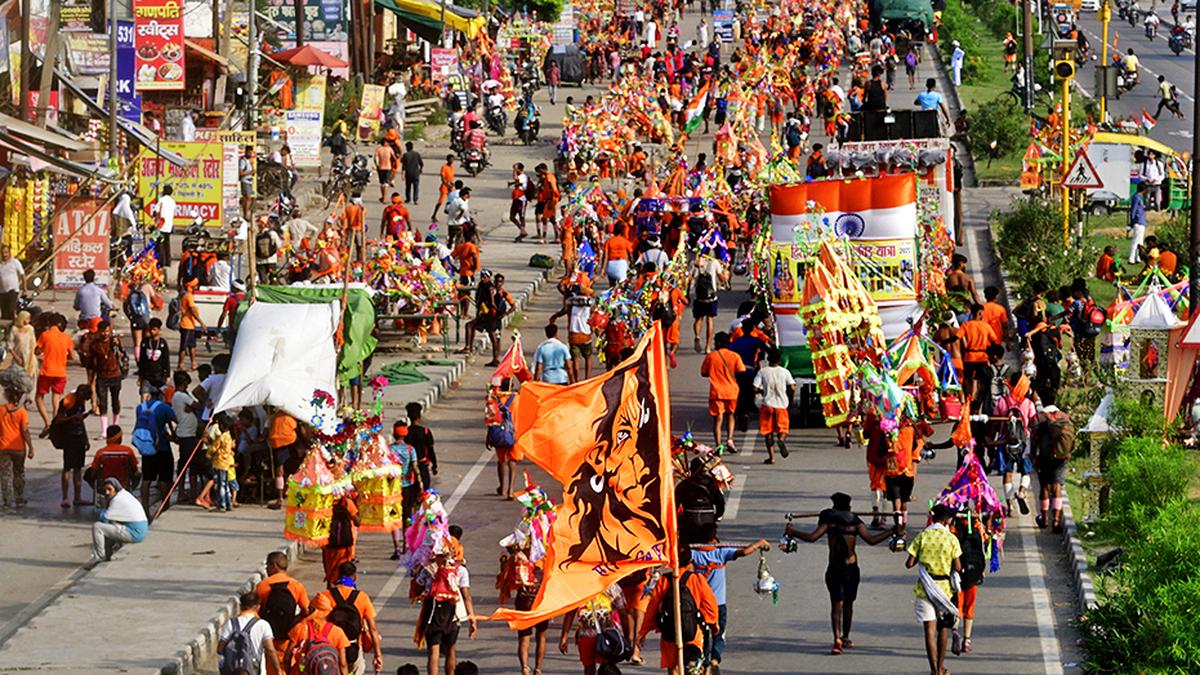
The Kanwar Yatra is more than a pilgrimage; it is a deeply spiritual journey that epitomizes devotion, resilience, and unwavering faith. Each year, millions of devotees embark on this arduous trek, walking barefoot over long distances to collect water from the holy Uttarvahini Ganga and offer it to Lord Shiva, affectionately known as Bholenath. This ancient tradition, vibrant and deeply rooted in Indian mythology and culture, has captivated the hearts of believers for centuries. The Kanwar Yatra is not just a testament to personal faith but a spectacular manifestation of collective spiritual fervor that transforms the landscape into a moving sea of orange-clad devotees, chanting hymns and exuding an aura of divine energy.
Imagine a scene where the rising sun bathes the horizon in hues of gold and crimson as thousands of pilgrims begin their journey at dawn, carrying brightly decorated Kanwars on their shoulders. The air is thick with the fragrance of incense and the resonant echoes of “Bol Bam,” a chant that reverberates through the hearts of all who participate. The Kanwarias, as these devotees are known, traverse miles through varied terrains—lush green fields, bustling towns, and serene riversides—each step powered by their unwavering devotion and the hope of spiritual fulfillment.
The Kanwar Yatra is not merely a physical journey but a deeply transformative experience, symbolizing the eternal quest for divine connection and inner peace. It is a tradition steeped in historical legends and spiritual significance, offering a profound glimpse into the rich tapestry of India’s cultural and religious heritage. As you delve into the mystical origins and captivating tales surrounding the Kanwar Yatra, you will discover a pilgrimage that transcends time, bringing together generations of believers in a shared expression of faith and devotion.

Legends and Historical Roots of the Kanwar Yatra
The Kanwar Yatra is steeped in an array of captivating legends and historical anecdotes that enrich its spiritual significance. According to one of the most fascinating tales, the tradition was initiated by Ravana, the demon king of Lanka. In his quest to gain invincible powers, Ravana would embark on a daily pilgrimage to Gangotri, collecting sacred water from the Ganges and offering it to Lord Shiva at Mount Kailash. His hope was to earn Shiva’s favor and secure his blessing for the conquest of Lanka. This legend paints a vivid picture of devotion and determination, demonstrating the lengths to which Ravana went to seek divine approval.
Another enthralling story ties the Kanwar Yatra to Lord Ram, revered as Maryada Purushottam. It is said that Lord Ram himself undertook the arduous journey to bring water from the Uttarvahini Ganga to offer it to Baba Baidyanath, showcasing his unwavering faith and devotion. Additionally, some believe that the warrior sage Parshuram initiated this sacred tradition, while others attribute its origins to the dutiful son Shravan Kumar, who carried his ailing parents on his shoulders, thereby epitomizing filial piety and devotion.
The Evolution of Kanwar Yatra
In its early days, the Kanwar Yatra was the exclusive domain of sadhus and sanyasis, who viewed this pilgrimage as a rigorous form of hatha yoga. During the Bhakti period, these ascetics would traverse formidable terrains—dense forests, roaring rivers, and towering mountains—often facing perilous challenges. The journey was fraught with danger, including threats from wild animals and the lack of basic amenities such as food and shelter. Yet, undeterred by these hardships, these spiritual warriors chanted “Har Shiv” with every step, their Kanwars swaying rhythmically on their shoulders, embodying their unwavering resolve and devotion.
As time passed, the Kanwar Yatra transcended the boundaries of asceticism, spreading its roots among householders, thanks to the influence of the Mithilaanchal residents. The great poet Vidyapati, a fervent devotee of Shiva, immortalized this tradition in his poetic scriptures. His devotion was so profound that Bholenath himself is said to have lived with Vidyapati in the guise of Ugna, a humble servant. This rich literary heritage has kept the spirit of the Kanwar Yatra alive through the ages, inspiring countless devotees to undertake this sacred journey.
The Role of Pilgrimage Priests
The pilgrimage priests of Baidyanath Dham play a pivotal role in preserving and promoting the Kanwar Yatra tradition. Their dedication ensures that this spiritual event remains vibrant and accessible to all. With the advent of better facilities and infrastructure, the number of participants has grown exponentially. During the auspicious month of Shravan, thousands of pilgrims converge on Baidyanath Dham, each day offering Gangajal to Bhole Baba and earning Akshay Punya, or eternal merit. The Puranas extol the virtues of this pilgrimage, equating the spiritual rewards of offering water on foot to those of performing the grand Ashwamedha Yagna.
The Rituals and Types of Kanwars
The Kanwar Yatra is a strictly Satvik (pure) religious ritual, emphasizing purity and devotion to Lord Shiva. Participants are required to abstain from any form of intoxicants, reflecting the spiritual sanctity of the journey. Traditionally, there are two main types of Kanwars: Baikunthi and Khada Kanwar. In recent times, the Dak Kanwar has emerged, although it lacks scriptural endorsement. Despite modern challenges such as economic constraints and time limitations, devotees are encouraged to commit to the Baikunthi Kanwar, which upholds the purity and devotion intrinsic to the pilgrimage.

Special Rules for Kanwarias
Devotees, known as Kanwarias, adhere to strict rules during the Kanwar Yatra to maintain the sanctity and purity of the pilgrimage:
- While chanting the Sankalp Mantra, fill the Kanwar with Ganga water.
- Chant mantras and bow before placing and lifting the Kanwar.
- Always keep the Kanwar at a higher place and sit at a distance from it.
- Maintain a significant distance from the Kanwar when smoking, urinating, or defecating.
- After resting, eating, or other activities, bathe before picking up the Kanwar again.
- Avoid using oil, soap, leather items, shoes, slippers, or glass items.
- Protect the Kanwar and yourself from dog contact.
- Follow celibacy and avoid luxuries.
- Stay absorbed in religious sentiments, chanting Bol Bam with devotion.
- Promote mutual benevolence and cooperation, remain truthful, and avoid deceit and fraud.
The Kanwar Yatra is a pilgrimage like no other, a profound spiritual odyssey that transcends mere ritual to become a deeply transformative experience. Imagine yourself amidst a sea of saffron-clad devotees, each step a testament to unwavering faith, each chant of “Bol Bam” resonating with divine fervor. This journey, marked by its rich historical roots and vibrant legends, is not just a walk but a sacred dance of devotion, weaving together the ancient and the contemporary in a tapestry of spiritual awakening.
As you traverse the path of the Kanwarias, the landscapes around you come alive with stories whispered by the winds and rivers. The very air is thick with the essence of devotion, carrying the fragrance of incense and the echoes of ancient hymns. Each moment on this journey is a step closer to the divine, an opportunity to immerse yourself in a tradition that has been lovingly passed down through generations.
Visualize the awe-inspiring sight of the Ganges, its waters shimmering under the golden rays of the sun, as you fill your Kanwar with its sacred essence. Feel the weight of the Kanwar on your shoulders, not just as a physical burden but as a symbol of your devotion, your prayers, and your deepest desires. As you walk, the rhythmic sway of the Kanwar becomes a meditation in motion, a dance of dedication that aligns your spirit with the divine.
Upon reaching Baidyanath Dham, the culmination of your pilgrimage, you are greeted by the majestic sight of the temple complex. Its intricate carvings and towering spires stand as a testament to centuries of devotion and craftsmanship. As you offer the holy Gangajal to Lord Shiva, you feel a profound connection to the countless devotees who have walked this path before you, their prayers interwoven with yours in a timeless tapestry of faith.
The Kanwar Yatra is more than a journey; it is a profound encounter with the divine, a pilgrimage that transforms you from within. It invites you to step out of the mundane and into the sacred, to leave behind the noise of everyday life and embrace the serene whispers of the divine. Whether you are a seasoned pilgrim or a curious traveler, the Kanwar Yatra offers a unique blend of spirituality, culture, and community, leaving an indelible mark on your soul.
This pilgrimage is a celebration of unwavering faith, a vibrant testament to the power of collective devotion. It is an invitation to immerse yourself in a tradition that is both ancient and ever-renewing, to experience firsthand the transformative power of devotion. The Kanwar Yatra beckons you to embark on a journey that transcends the physical, offering a path to spiritual enlightenment and a deeper connection with the divine.
So, embrace the sacred tradition of the Kanwar Yatra, let your steps be guided by faith, and allow your soul to be uplifted by the timeless chants of “Bol Bam.” This is more than a journey; it is a pilgrimage to the heart of devotion, a sacred dance with the divine that will leave you forever transformed.
For more insights on Travel Viewpoint, visit the Archive Section for other issues, also check out the Travel Viewpoint Facebook Page.

The Rise of Homestays in India
July 30, 2024 in City Guide
India has always been a popular place for tourists looking for something different to do because of its rich cultural history and varied scenery. People’s choices about how to see this interesting country have changed a lot in the last few years. Homestays, which are more personal and engaging, are slowly taking the place of standard lodgings like hotels and spas. Both Indian and foreign tourists are following this rising trend, which shows that people want to get to know India’s real character outside of the normal tourist spots.
Why homestays are becoming more popular?
You can stay with local families, experience their way of life, and learn a lot about the culture of the area through homestays, which is something hotels can’t do. In contrast to hotels, where the experience is often the same, each homestay is different, adding a personal touch that makes each stay special.
This is the best option for tourists who want to connect with the places they visit on a deeper level. They not only give you a place to sleep, but also a look into how people in the area live their daily lives. Homestays let you see India through the eyes of the people who live there, whether it’s through sharing food, taking part in traditional activities, or just having deep talks.
Common Issues in India Homestays
Homestays are becoming more popular, but they can be hard to do. Sometimes, inconsistent quality and service can happen because there aren’t any standard rules. Some tourists also worry about their safety and privacy. But because more people want to travel in a more real way, more homestay providers have started to follow best practices to make sure that guests have a safe, comfortable, and enjoyable stay.
The future of homestays in India looks bright as more people want to travel in ways that make a difference. This trend will continue to grow thanks to government programs that encourage rural and environmentally-friendly tourism. Soon, homestays will be an important part of India’s tourist scene.
How Homestays Work
The Indian Tourism Ministry’s 2018 rules say that homestays are guesthouses where the owners also live. They give a more personal experience than bed and breakfasts that are run by agencies or companies.
A homestay is a type of family-run lodging where local families with extra space and a desire to host tourists open their homes to them. In these places, guests can often look forward to home-cooked meals, local tips, and a real experience in the host’s culture. What makes homestays different from hotels and hostels is that you can talk to the host directly.
Homestays are better for tourists who want to learn more about the culture and traditions of a place than about getting normal services. In business housing, the host-guest relationship is usually one-way, but in homestays, people get to know each other on a deeper level. You share food, stories, and sometimes even the weird things that happen in everyday life with the family.
A one-of-a-kind experience is Indian homestays.
A stay in an Indian homestay is a very rewarding experience. People who travel often find kindness and welcome in these places, which isn’t always the case elsewhere. Indian homestays often do nice things for you without being asked, like giving you a plate of pakoras, bringing your bags, or teaching you how to cook.
Immersion in a culture is a given. The experience is personal and memorable, whether you take part in local events, learn traditional recipes from the host mother, or just relax with a cup of ginger tea and listen to family stories. Some tourists stay at the same homestays year after year because they feel close to the hosts and want to stay there again.
What are the costs of staying in a homestay in India?
There is no doubt that homestays are a unique and engaging experience, but they are not always the most affordable choice. Prices can run from 1500 to 2000 rupees ($22 to 28) per day for a single tourist or a couple in cities like Bangalore, Pune, Sikkim, or Hyderabad. Prices can be very different in more rural places. For example, in Himachal Pradesh, some homestays charge as little as 550 rupees ($8 per night), but they usually don’t have many services.
Prices tend to be higher in places that a lot of people want to visit, like Coorg, Chikmagalur, or Dharamshala. You can expect to pay around 28 rupees ($2000) per night, but if you look around, you might find cheaper choices.
If you’re on a tight budget, you might find better deals in less-visited or faraway places, like some towns in the Northeast or South India. In busy places like Bangalore, Delhi, Goa, Hyderabad, or Kolkata, on the other hand, even simple rooms can be expensive—2000 rupees per day is the norm.
Finding homestays and making reservations
Travelers can use sites like Booking.com or HomestaysofIndia.com to find the best rental. There are a lot of different places to stay on these websites, from simple guesthouses to fancy bed and breakfasts. To make sure you’re getting the real homestay experience you want, you should read the summaries and reviews very carefully.
Each homestay is different. Some are part of bigger sites that cater to a wide range of visitors, while others are smaller and more private. As a “Genius” member on sites like Booking.com, people who travel a lot can get extra benefits like free food, room upgrades, and savings at places that participate.
This is a new way to travel through India.
When visiting India, homestays are a nice change from the usual places to stay. They let visitors experience the country in a very personal and important way. As this trend continues to grow, it’s clear that homestays will become an even bigger part of India’s tourism business. They offer a more real and rich travel experience that goes beyond just seeing places.

Eat Right, Skip Smart: Your Guide to the Holy Month of Sawan
July 30, 2024 in City Guide, Fairs & Festivals
With the start of the auspicious month of Sawan, worshippers get ready to honor this holy season with utmost devotion and careful dietary consideration. In accordance with the fortunate Preeti and Sarvartha Siddhi Yog, the month of Sawan will begin on Monday, July 22, and end on Monday, August 19, this year. Observances of fasting and special diets are observed by devotees of Lord Shiva at this time.
To keep one’s religion and health in pristine condition during Sawan, one must be aware of which foods to eat and which to avoid. For a full rundown of Sawan’s traditional eating habits, including what to eat and what to avoid, have a look at the following information.
Sawan’s Holy Month holds significance
During the Hindu holy month of Sawan, followers of Lord Shiva engage in a number of rituals. Mondays (Sawan Somvar) are a popular day for fasting, when many people avoid drinking water and eating certain foods. In addition to praying and presenting sacrifices to Lord Shiva, some devotees go on pilgrimages or engage in elaborate ceremonies.
During Sawan, it is customary to “follow a Saatvik diet”—a vegetarian diet that prioritizes fresh, unprocessed foods.
Here are some recommended foods for Sawan observance.
The following foods have been recommended by qualified dietitians and certified educators, along with the health advantages they provide:

Fresh Fruits and Vegetables: Incorporate a variety of fresh fruits and vegetables into your diet. These foods are abundant in essential nutrients, fiber, and antioxidants. Opt for fruits such as bananas, apples, and pomegranates, along with vegetables like cucumber, pumpkin, bottle gourd, and spinach. They can be enjoyed as salads, juices, or cooked dishes.
Nuts and Seeds: Nuts and seeds provide healthy fats, protein, and essential minerals. Almonds, cashews, walnuts, flaxseeds, and chia seeds are all suitable choices. Soak them overnight, eat them in the morning, or garnish your meals.
Flax Seeds: Flax seeds are a tiny powerhouse packed with omega-3 fatty acids, enhancing heart health. They are also an excellent source of fiber, aiding in satiety and promoting gut health. You can add ground flax seeds to chutneys, curries, or salads.
Kuttu (Buckwheat): A substitute for grains like rice and wheat, often avoided during Sawan. Buckwheat is a beneficial source of complex carbohydrates, providing sustained energy and stable blood sugar levels. It is also rich in protein and fiber, promoting satiety and gut health.

Sabudana (Tapioca Sago): A staple during Sawan, sabudana offers readily available energy. Due to its high glycemic index, portion control is essential for diabetics. To slow down sugar absorption, pair sabudana with protein sources like lentils or nuts, as well as plenty of vegetables.
Samak Rice (Little Millet): This gluten-free grain is packed with nutrients like fiber, iron, and magnesium. Its high fiber content aids digestion and regulates blood sugar levels, making it suitable for diabetics.
Bottle Gourd (Lauki): A versatile vegetable that has a high water content and is low in calories and carbohydrates. It is also a beneficial source of vitamins and minerals, keeping you hydrated and nourished during fasting periods.
Foods to Avoid During Sawan
Non-Vegetarian Food: Refrain from consuming non-vegetarian foods such as meat, fish, and eggs. This period of fasting emphasizes spiritual practices and traditionally involves abstaining from all animal products. Avoiding these foods helps cleanse the body and mind, aligning with the sanctity of the month.
Onions and garlic: In many traditions, onions and garlic are excluded from the diet during Sawan fasts. These ingredients are believed to generate body heat and can potentially distract the mind from spiritual practices.
Excessive Oil and Spices: When preparing meals, aim to use minimal oil and spices. Excessive oil can result in stomach discomfort and a feeling of heaviness, while too many spices might lead to acidity or digestive issues. Opt for simple and light dishes to facilitate a smoother fasting experience. Focusing on easily digestible foods can help maintain comfort and balance throughout the fasting period.
Advice for Maintaining a Healthful Diet During Sawan

- Stay Hydrated: Drink plenty of water throughout the day. You can also include coconut water as an electrolyte.
- Avoid Skipping Meals: If not strictly fasting, eat smaller, more frequent meals to maintain energy levels and prevent blood sugar crashes.
- Include Healthy Fats: Sources like nuts, seeds, and avocados promote satiety and provide essential nutrients.
- Enhance Flavor with Spices: Use spices like cumin, coriander, turmeric, and ginger instead of relying on salt for added taste and potential health benefits.
- Eat a Variety of Foods: Consume a wide variety of fruits, vegetables, and whole grains, such as kuttu or Samak rice, to ensure a nutritious range of vitamins, minerals, and fiber.
By adhering to these dietary guidelines and observing the traditional practices, devotees can maintain their health and spiritual commitment during the holy month of Sawan.
For more insights on Travel Viewpoint, visit the Archive Section for other issues, also check out the Travel Viewpoint Facebook Page.

Embrace Divinity at Baidyanath Jyotirlinga Temple
July 30, 2024 in Jharkhand, Pilgrimages
Baidyanath Jyotirlinga serves as a beacon of spirituality and devotion, drawing millions of pilgrims from across India and beyond to the town of Deoghar in Jharkhand. This revered temple, also known as Baba Dham, is one of the twelve Jyotirlingas, considered the most sacred abodes of Lord Shiva. According to ancient legends, worshipping at Baidyanath Jyotirlinga has the power to absolve devotees of their sins and grant their deepest desires, making it a place of immense spiritual significance.
The temple complex is an architectural marvel, reflecting the grandeur and intricacy of ancient Indian temple design. The main shrine, adorned with exquisite carvings and flowers, emanates an aura of divine tranquility. The sanctum sanctorum houses the Jyotirlinga, where devotees offer their prayers and seek blessings. Lush greenery surrounds the temple complex, contributing to the serene and meditative ambiance.
Baidyanath Jyotirlinga is not just a religious site; it is a cultural landmark that embodies the rich heritage of India. The temple is the epicenter of the grand Shravan Mela, held annually during the Hindu month of Shravan (July–August), attracting thousands of devotees who undertake the arduous Kanwar Yatra to offer holy water from the Ganges to Lord Shiva. This vibrant festival showcases the deep-rooted traditions passed down through generations, showcasing faith, devotion, and community spirit.
Visiting Baidyanath Jyotirlinga offers a unique opportunity to experience the confluence of spirituality, history, and culture. The journey to this sacred shrine is not just a pilgrimage but a transformative experience that leaves an indelible mark on the hearts of those who seek the divine. Whether you are a devout follower or a curious traveler, a visit to Baidyanath Jyotirlinga promises a profound connection with India’s spiritual essence.
Historical Significance of Baidyanath Jyotirlinga
Baidyanath Jyotirlinga also called Baba Dham, Jyotirlinga holds immense historical and mythological significance. According to legend, the demon king Ravana worshipped Lord Shiva at this site to gain invincible powers. Pleased with Ravana’s devotion, Shiva granted him a Jyotirlinga. However, a series of divine interventions led to the establishment of the Jyotirlinga in Deoghar, marking the site as sacred. This story underscores the temple’s deep roots in Hindu mythology and its importance in the Shaiva tradition.
Architectural Marvel of Baidyanath Temple
The Baidyanath temple complex is an architectural gem, showcasing the intricate craftsmanship of ancient Indian temple architecture. The main temple, dedicated to Lord Shiva, is constructed in the Nagara style, characterized by its tall, curved spires. The sanctum sanctorum houses the Jyotirlinga, enshrined in a small silver yoni, symbolizing the goddess Shakti. The temple’s walls and pillars are adorned with extensive carvings depicting various deities, mythical creatures, and scenes from Hindu epics.
Adjacent to the main temple, there are 21 other temples dedicated to different gods and goddesses, including Parvati, Ganesha, and Hanuman, creating a vibrant and spiritually charged environment. The temple authorities and the local community meticulously maintain the entire complex, reflecting their dedication and reverence.
Rituals and Festivals at Baidyanath Jyotirlinga
Baidyanath Jyotirlinga is the epicenter of numerous rituals and festivals, the most prominent of which is the Shravan Mela. This month-long festival, held during the Hindu month of Shravan (July–August), attracts millions of devotees, known as Kanwariyas, who undertake the Kanwar Yatra. Pilgrims collect holy water from the Ganges at Sultanganj, located approximately 105 kilometers away, and carry it to Baidyanath Jyotirlinga to offer it to Lord Shiva. The entire route is filled with makeshift camps, providing amenities and medical aid to the pilgrims, symbolizing the spirit of community and devotion.
The temple’s daily rituals include the Abhishekam (ritual bathing of the Jyotirlinga) with water, milk, and other sacred substances, followed by the chanting of Vedic hymns and devotional songs. Devotees also perform special pujas to seek blessings for health, prosperity, and spiritual fulfillment.
Spiritual Experience at Baidyanath Jyotirlinga
Visiting Baidyanath Jyotirlinga also called Baba Dham, Jyotirlinga, is a deeply spiritual experience. The temple’s serene ambiance, coupled with the fervent devotion of the pilgrims, creates an atmosphere of profound reverence and tranquility. The sound of temple bells, the fragrance of incense, and the sight of devotees engrossed in prayer evoke a sense of divine presence.
Many devotees believe that a visit to Baidyanath Jyotirlinga can bring about significant positive changes in their lives, offering relief from ailments and fulfillment of desires. The temple is also a place for meditation and introspection, providing a refuge from the chaos of everyday life.
Accessibility and Accommodation in Deoghar
Deoghar is well-connected by rail, road, and air. The nearest railway station is Baidyanath Dham (Deoghar) Railway Station, which is well-linked with major cities like Kolkata, Patna, and Delhi. The nearest airport is Deoghar Airport, which offers regular flights from major cities.
The town of Deoghar offers a range of accommodation options, from budget lodges to luxury hotels, ensuring a comfortable stay for pilgrims and tourists. Numerous eateries and restaurants serve traditional vegetarian cuisine, catering to the dietary preferences of visitors.
Baidyanath Jyotirlinga in Deoghar is more than just a religious landmark; it is a profound symbol of unwavering faith, rich cultural heritage, and spiritual solace. This sacred temple, one of the twelve Jyotirlingas, holds a special place in the hearts of millions of devotees who visit each year in search of divine blessings and spiritual fulfillment. The temple’s deep historical and mythological roots, combined with its architectural splendor, make it a remarkable destination for both pilgrims and travelers.
For the devout, Baidyanath Jyotirlinga offers a unique opportunity to connect with Lord Shiva in an atmosphere charged with devotion and reverence. The rituals and festivals, especially the vibrant Shravan Mela, provide a vivid illustration of India’s rich tapestry of traditions and communal spirit. The Kanwar Yatra, in particular, showcases the lengths to which devotees go to demonstrate their piety, highlighting the intense spiritual fervor associated with this holy site.
The architectural beauty of the temple complex, with its intricate carvings and majestic spires, speaks volumes about the craftsmanship of ancient Indian artisans. Each element of the temple, from the sanctum sanctorum housing the revered Jyotirlinga to the numerous shrines dedicated to various deities, reflects a deep sense of devotion and meticulous attention to detail. The temple complex, set amidst lush greenery, offers a serene and contemplative environment, perfect for meditation and introspection.
A visit to Baidyanath Jyotirlinga is also an opportunity to immerse oneself in the cultural heritage of India. The town of Deoghar, with its hospitable locals and vibrant traditions, provides a welcoming atmosphere for visitors. The local cuisine, festivals, and customs offer a glimpse into the rich cultural mosaic of the region, enriching the overall travel experience.
Moreover, the temple’s accessibility and the range of accommodation options available in Deoghar make it a convenient destination for pilgrims and tourists alike. Whether you are seeking spiritual enlightenment, historical knowledge, or simply a peaceful retreat, Baidyanath Jyotirlinga caters to diverse interests and needs.
In essence, Baidyanath Jyotirlinga also called Baba Dham, Jyotirlinga is not just a destination; it is a journey of faith, devotion, and cultural exploration. It stands as a testament to the enduring power of spirituality and the rich cultural legacy of India. Whether you are a devout follower, a history enthusiast, or a curious traveler, a visit to Baidyanath Jyotirlinga promises a profound and transformative experience, leaving an indelible mark on your heart and soul.
For more insights on Travel Viewpoint, visit the Archive Section for other issues, also check out the Travel Viewpoint Facebook Page.
July 2024
July 30, 2024 in Table of Content
Eat Right, Skip Smart: Your Guide to the Holy Month of Sawan
Embrace Divinity at Baidyanath Jyotirlinga Temple
Divine Steps of the Kanwar Yatra
Top 5 Destinations for Sawan 2024
The Rise of Homestays in India
June 2024
June 23, 2024 in Table of Content

Kumaun, nestled in the majestic Himalayas, offers a serene retreat for nature enthusiasts and adventure seekers alike. With its picturesque hill stations, ancient temples, and breathtaking landscapes, Kumaun tourism promises an unforgettable experience amidst the tranquility of the mountains.
June 2024
Gwaldam : – A less known Jewel of Kumaon
Gwaldam is a small hill station in Uttarakhand. From Gwaldam, you can get fascinating views of Nanda Ghunti, Nanda Devi and Trishul. Gwaldam lies about 20 km from Baijnath. The roads are well-maintained and give a thrilling driving experience.The most famous trekking expedition here is the Roopkund Lake trek. One of the lesser explored hill stations, quite untouched by the ravages of the modern life, Gwaldam is a perfect place for the wandering souls.
Mukteshwar: A weekend trip in Kumaon
Mukteshwar is an offbeat hill station in uttarakhand. in this video we cover all the tourist spot in mukteshwar such as Mukteshwar Dham Temple, Bhalu Gaad Waterfall and have some authentic kumaoni food in dinner.
Make a plan to visit Ranikhet during holidays
Brahmatal Trek: Explore the Serene Himalayan Beauty
If you feel you have witnessed all the thrills of hiking then frozen alpine lake is worth a try. This trek offers an opportunity to spend a shivering night camping near the Bekaltal lake between Oak forests. The trail surges through snow slopes to Brahmatal top touching the sky views of Nanda Ghunti and Trishul peaks.
An easy to moderate trail best for all types of trekkers. One of the most popular Winter Treks, this snowy trek deserves to be on everyone’s trekking bucket list.
Exploring Munsyari, Uttarakhand:
culinary delights, attractions, and activities
Munsiyari is a sub-division headquarters in the Pithoragarh District of Uttarakhand, India. It’s a popular destination for adventure seekers and high-altitude trekkers, and is also a popular skiing spot. The name “Munsiyari” translates to “a place with snow”
Fair & Festivals
- Raja Parba: A festival celebrated in the Indian state of Odisha, especially by women, to mark the onset of the monsoon season. It usually falls in June.
- Ganga Dussehra: Observed mainly in the northern parts of India, particularly in states like Uttar Pradesh and Bihar, this festival celebrates the descent of the river Ganges to Earth. It typically falls in June, although it may sometimes occur in late May.
- Sindhu Darshan Festival: Celebrated in the Ladakh region of Jammu and Kashmir, this festival is dedicated to the River Indus. It usually occurs around June 1st to June 3rd.
Explore Ranikhet: Kumaun’s Himalayan Haven
June 1, 2024 in Hill Station, Uttarakhand
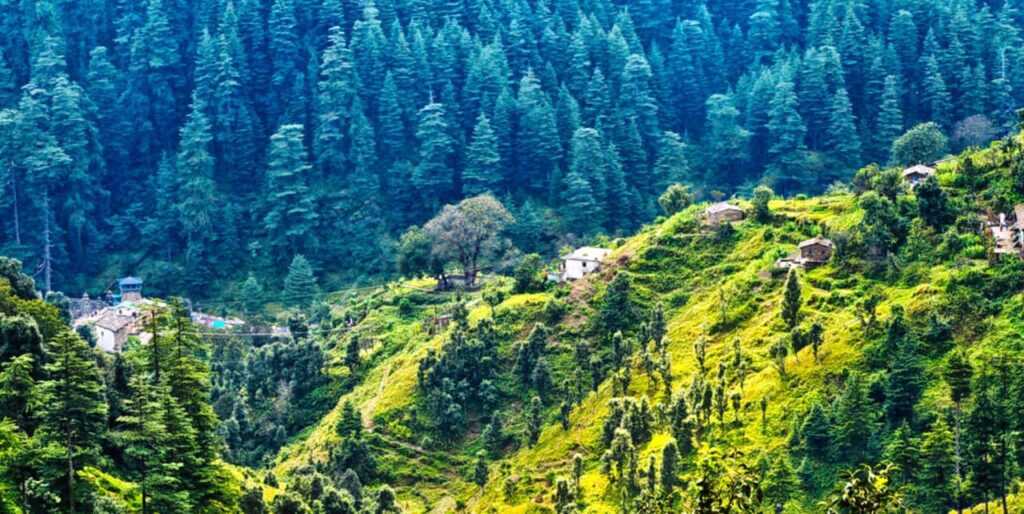
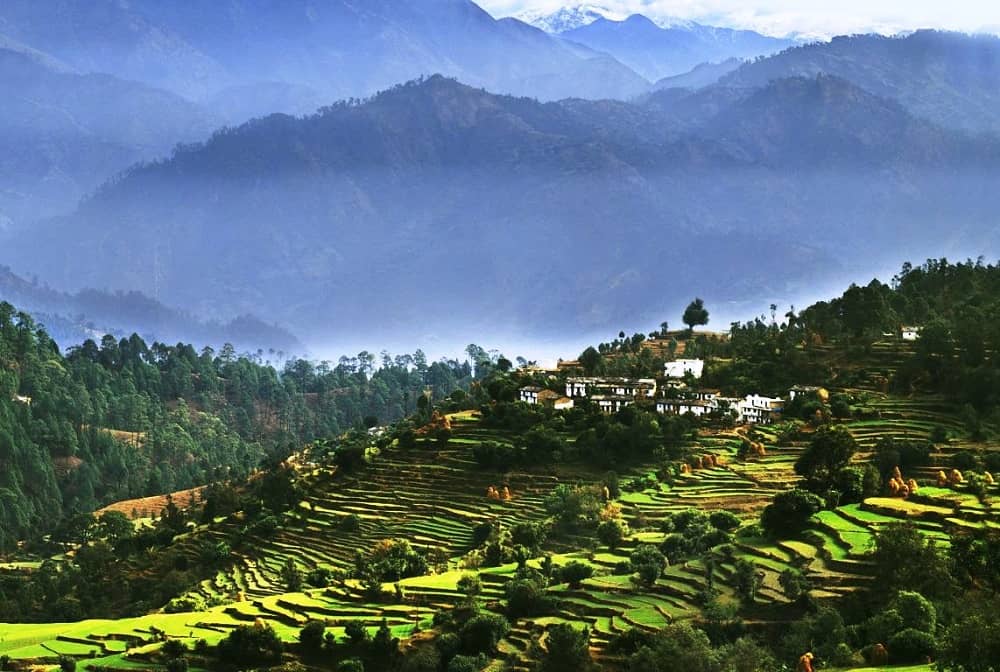
Nestled amidst the pristine Himalayan ranges in the Kumaun region of Uttarakhand, Ranikhet stands as a picturesque hill station enveloped in natural beauty and tranquility. Known for its lush forests, majestic mountain vistas, and colonial charm, Ranikhet has long been a favorite destination for travelers seeking respite from the chaos of urban life. With its pleasant climate, panoramic views, and rich cultural heritage, Ranikhet offers an unforgettable retreat into the lap of the Himalayas.
Ranikhet’s history is steeped in tales of valor, romance, and colonial legacy. Legend has it that the town derives its name from a local legend of Queen Padmini, who fell in love with the beauty of the region and made it her abode. Ranikhet’s colonial past is evident in its architecture, with quaint cottages, churches, and bungalows dotting the landscape. Visitors can delve into the town’s history by exploring landmarks such as the Jhula Devi Temple, Mankameshwar Temple, and the Kumaon Regimental Centre Museum, which showcases the rich military history of the region.
Ranikhet is now renowned for its scenic beauty, with panoramic views of the snow-capped Himalayan peaks dominating the skyline. The town is surrounded by dense forests of oak, pine, and deodar, home to a diverse array of flora and fauna. Nature enthusiasts can embark on leisurely walks amidst the verdant forests, where every step reveals a new marvel of the Himalayan wilderness. The nearby Chaubatia Orchards, with its apple, peach, and apricot trees, offer a tranquil retreat amidst blooming flowers and fragrant fruit orchards.
Ranikhet is a haven for those seeking solace and serenity amidst the mountains. The town’s serene ambiance and crisp mountain air make it an ideal destination for meditation, yoga, and wellness retreats. Visitors can rejuvenate their senses amidst the tranquil surroundings, with options ranging from yoga sessions at scenic viewpoints to Ayurvedic massages and spa treatments at luxurious resorts. Ranikhet’s peaceful atmosphere and natural beauty provide the perfect setting for relaxation and rejuvenation of mind, body, and soul.
Cultural Immersion:
Ranikhet provides travelers with a unique opportunity to immerse themselves in the vibrant culture and traditions of the Kumaoni people. The town is dotted with charming villages where one can witness age-old customs and rituals come to life. Visitors can partake in local festivals such as Uttarayani and Nanda Devi Fair, which celebrate the cultural heritage of the region with colorful processions, traditional music, and dance performances. Moreover, the warmth and hospitality of the locals ensure that every visitor feels welcome and cherished, creating memories that last a lifetime.
No visit to Ranikhet is complete without savoring the delectable flavors of Kumaoni cuisine. The town’s eateries offer a tantalizing array of dishes made from locally sourced ingredients, ranging from the hearty bhatt ki churkani to the mouthwatering bal mithai and singodi. Visitors can also sample refreshing beverages such as rhododendron juice or traditional chai, brewed with aromatic spices that warm the soul on chilly mountain evenings.
Outdoor Adventures:
For adventure enthusiasts, Ranikhet offers a plethora of outdoor activities that promise an adrenaline rush amidst the Himalayan heights. The town is a popular destination for trekking, with trails leading to nearby attractions such as the Bhalu Dam, Tarikhet, and the Majhkhali village. Adventure seekers can also indulge in activities such as paragliding, mountain biking, and horse riding, which offer thrilling experiences against the backdrop of breathtaking mountain vistas.
As Ranikhet continues to attract visitors from far and wide, it is essential to prioritize sustainable tourism practices to preserve its pristine natural heritage for future generations. Local initiatives such as waste management programs, conservation efforts, and eco-friendly tourism initiatives play a crucial role in ensuring the long-term sustainability of the town. By respecting the local environment and culture, travelers can contribute to the preservation of Ranikhet’s natural beauty while enjoying a memorable and responsible travel experience.
Ranikhet, with its scenic beauty, rich history, and warm hospitality, offers a quintessential Himalayan experience that leaves a lasting impression on all who visit. As we embark on a journey to this enchanting hill station, let us cherish the timeless beauty of the Himalayas, embrace the simplicity of life in the mountains, and create memories that transcend time and space. Ranikhet beckons, inviting travelers to unravel its mysteries and embark on a transformative journey amidst the splendor of Kumaun’s Himalayan haven.

Brahmatal Trek: Explore the Serene Himalayan Beauty
June 1, 2024 in Adventure, Uttarakhand
Trekking in the Himalayas is an experience like no other, offering adventurers a chance to immerse themselves in the awe-inspiring beauty of nature while conquering challenging trails. Among the myriad trekking routes in Uttarakhand, the Brahmatal Trek stands out as a captivating journey into the heart of the Himalayas. With its breathtaking landscapes, diverse flora and fauna, and rich cultural heritage, the Brahmatal Trek promises an unforgettable adventure for trekkers of all skill levels.
Unveiling the Route:
The Brahmatal Trek takes trekkers on a mesmerizing journey through the Garhwal region of Uttarakhand, starting from the quaint village of Lohajung and culminating at the pristine Brahmatal Lake. The trail winds its way through dense forests, alpine meadows, and snow-capped peaks, offering panoramic views of majestic Himalayan giants such as Trishul, Nanda Ghunti, and Mt. Kamet along the way. With its moderate difficulty level and varied terrain, the Brahmatal Trek is suitable for both seasoned trekkers and novices looking to explore the Himalayas.
Day-wise Itinerary:
Day 1: Lohajung to Bekaltal
The trek begins in the picturesque village of Lohajung, where trekkers can soak in the scenic beauty of the surrounding mountains before embarking on their journey. The trail leads through dense forests of oak and rhododendron, gradually ascending to the serene Bekaltal Lake. Trekkers can camp by the lakeside, surrounded by towering peaks and shimmering waters, as they prepare for the adventures ahead.
Day 2: Bekaltal to Brahmatal Base Camp
The second day of the trek takes trekkers deeper into the wilderness as they ascend towards the Brahmatal Base Camp. The trail offers breathtaking views of the Garhwal Himalayas and passes through snow-covered meadows, where trekkers may encounter herds of grazing yaks. Upon reaching the base camp, trekkers can witness the majestic beauty of Mt. Trishul and prepare for the final push to Brahmatal Lake.
Day 3: Brahmatal Base Camp to Brahmatal Lake and Return
The highlight of the trek is reached on the third day as trekkers make their way to the enchanting Brahmatal Lake. The trail winds through pristine snowfields and dense forests, offering glimpses of rare Himalayan wildlife such as musk deer and Himalayan Monal. As trekkers reach the shores of Brahmatal Lake, they are greeted by the sight of its crystal-clear waters shimmering against the backdrop of snow-clad peaks. After soaking in the beauty of the lake and capturing memories to last a lifetime, trekkers retrace their steps back to the base camp for a well-deserved rest.
Day 4: Brahmatal Base Camp to Lohajung
The final day of the trek sees trekkers descending from the base camp back to the village of Lohajung, where they bid farewell to the majestic Himalayas and the memories of their adventure. The trail offers one last opportunity to soak in the natural beauty of the region, with panoramic views of the surrounding mountains and valleys.
Experience the Wilderness:
The Brahmatal Trek is not just about conquering peaks and covering miles; it’s about immersing oneself in the pristine wilderness of the Himalayas. Trekkers have the opportunity to witness the diverse flora and fauna of the region, from ancient forests teeming with life to alpine meadows carpeted with wildflowers. The trail is also home to rare Himalayan wildlife such as snow leopards, Himalayan black bears, and elusive red pandas, adding an element of excitement to the adventure.

Cultural Encounters:
Beyond its natural beauty, the Brahmatal Trek offers trekkers a chance to interact with the local communities and learn about their rich cultural heritage. The villages along the trail are inhabited by warm and hospitable people who are proud of their mountain heritage and eager to share it with visitors. Trekkers can immerse themselves in the local customs and traditions, sample traditional cuisine, and listen to folklore and legends passed down through generations.
Preparing for the Adventure:
While the Brahmatal Trek is suitable for trekkers of all skill levels, proper preparation is essential to ensure a safe and enjoyable experience. Trekkers should invest in quality gear, including sturdy hiking boots, warm clothing, and a reliable backpack. It’s also important to acclimatize to the altitude gradually and stay hydrated throughout the trek. Hiring an experienced guide or joining a guided tour is highly recommended, as they can provide valuable insight into the terrain, weather conditions, and safety precautions.
The Brahmatal Trek offers trekkers an unparalleled opportunity to explore the pristine beauty of the Himalayas and immerse themselves in the rich cultural heritage of Uttarakhand. With its breathtaking landscapes, diverse flora and fauna, and moderate difficulty level, the trek promises an unforgettable adventure for those seeking to conquer new heights and create memories to last a lifetime. As trekkers embark on this epic journey into the heart of the Himalayas, they are sure to be rewarded with moments of awe, wonder, and inspiration at every turn.

Exploring Munsyari in Kumaun, Uttarakhand
June 1, 2024 in Hill Station, Uttarakhand
Tucked away in the majestic Himalayas of Uttarakhand, Munsyari stands as a hidden gem waiting to be discovered by intrepid travelers. Nestled in the picturesque region of Kumaun, this quaint hill station captivates visitors with its pristine natural beauty, awe-inspiring landscapes, and rich cultural heritage. From towering peaks to gurgling rivers and lush forests, Munsyari offers an unforgettable journey into the heart of the Himalayas.
Discovering Natural Wonders:
One of the highlights of a visit to Munsyari is the trek to Khaliya Top, which offers panoramic views of some of the highest peaks in the region, including Nanda Devi, Nanda Kot, and Panchchuli. The trek takes adventurers through dense forests, verdant meadows, and alpine pastures, culminating in a breathtaking vista that stretches as far as the eye can see. Watching the sunrise or sunset from Khaliya Top is a truly magical experience that leaves a lasting impression on all who witness it.
Another natural wonder not to be missed in Munsyari is Thamri Kund, a glacial lake located amidst pristine wilderness. Surrounded by towering mountains and lush greenery, Thamri Kund is a serene oasis that offers respite from the hustle and bustle of everyday life. Visitors can trek to the lake, picnic by its shores, or simply bask in the tranquility of nature’s embrace.
Immersing in Cultural Riches:
Munsyari is home to several indigenous tribes, including the Johar Valley tribes, who have inhabited the region for centuries. Visitors can immerse themselves in the rich cultural heritage of these tribes by exploring traditional villages, witnessing age-old customs and rituals, and interacting with the friendly locals. The warmth and hospitality of the people of Munsyari leave a lasting impression on visitors, offering a glimpse into a way of life that is deeply rooted in tradition and community.
The town of Munsyari is dotted with ancient temples and shrines that reflect the spiritual beliefs of the local community. The Nanda Devi Temple, dedicated to the goddess Nanda Devi, is a popular pilgrimage site that attracts devotees from far and wide. Other notable temples include the Kali Temple, the Maheshwari Kund Temple, and the Thamariya Temple, each with its own unique significance and architectural beauty.
Adventure Awaits:

For adventure enthusiasts, Munsyari offers a plethora of outdoor activities to satisfy every thrill-seeker’s appetite. The region is a paradise for trekkers and mountaineers, with trails leading to some of the most iconic peaks in the Himalayas. Whether it’s the Milam Glacier Trek, the Ralam Glacier Trek, or the trek to Khalia Top, there’s no shortage of adrenaline-pumping adventures to embark on in Munsyari.
Nature lovers will delight in the diverse flora and fauna that call Munsyari home. The region is a haven for birdwatchers, with a wide variety of avian species found in its forests and wetlands. Visitors can also embark on wildlife safaris to spot elusive Himalayan wildlife such as snow leopards, musk deer, and Himalayan black bears in their natural habitat.
Savoring Local Flavors:
No visit to Munsyari is complete without sampling the delicious flavors of Kumaoni cuisine. The region’s traditional dishes, such as bhatt ki churkani, aloo ke gutke, and bhang ki chutney, are a feast for the senses, tantalizing taste buds with their bold flavors and aromatic spices. Visitors can also indulge in sweet treats such as singori and bal mithai, made from locally sourced ingredients and bursting with authentic flavors.
As Munsyari gains popularity as a tourist destination, it is essential to prioritize responsible tourism practices to preserve its pristine natural beauty for future generations. Local initiatives such as waste management programs, conservation efforts, and community-led tourism initiatives play a crucial role in ensuring the long-term sustainability of the region. By respecting the local environment and culture, travelers can contribute to the preservation of Munsyari’s natural heritage while enjoying a memorable and responsible travel experience.
Munsyari, with its breathtaking landscapes, rich cultural heritage, and adventurous spirit, offers travelers a chance to embark on a Himalayan odyssey unlike any other. From trekking to Khaliya Top to immersing in the cultural riches of tribal villages, there’s something for everyone in this enchanting hill station. As visitors explore the natural wonders and cultural treasures of Munsyari, they are sure to be captivated by its timeless charm and left with memories to last a lifetime.
