



Best Yoga and Meditation Retreats in India to Visit This November
November 14, 2024 in Adventure

As the festive lights of Diwali begin to fade and the year edges toward its close, November becomes a natural pause, a time for reflection, rest, and renewal. Across India, the air turns crisp, the skies clear, and landscapes bloom in post-monsoon brilliance. For those yearning to disconnect from the digital din, recalibrate their routines, and reconnect with their inner calm, yoga and meditation retreats offer a perfect escape. These are not just vacations; they are meaningful journeys of the self.
India, the birthplace of yoga, is home to countless retreats nestled in mountains, forests, and coastal villages. Whether you’re a beginner exploring mindfulness or a seasoned yogi seeking depth, November offers the ideal climate and cultural atmosphere to embrace spiritual stillness.
Here are some of the most highly regarded and transformative yoga and meditation retreats to consider for your mindful journey this November.
1. Parmarth Niketan, Rishikesh (Uttarakhand)
Located on the banks of the sacred Ganga River, Parmarth Niketan is one of India’s most renowned ashrams. Surrounded by the Himalayas and steeped in spiritual energy, it offers a holistic experience of yoga, meditation, Vedic chanting, and Ayurveda.
Why It’s Ideal in November:
The cool mountain air, golden autumn foliage, and peaceful riverfront make Rishikesh especially serene this time of year. The post-monsoon freshness adds clarity to the mind and inspiration to the soul.
What to Expect:
- Daily yoga classes in traditional Hatha and Vinyasa styles
- Guided meditation and satsangs (spiritual discussions)
- Ganga aarti (fire rituals) every evening on the riverbank
- Opportunities for Ayurvedic treatments and nature walks
Perfect for: First-time spiritual seekers and travelers wanting a traditional ashram experience with community living.
2. Vana Retreat, Dehradun (Uttarakhand)
If you’re looking for a luxury wellness experience that merges tradition with comfort, Vana Retreat is a sanctuary of healing. Nestled in a sal forest near Dehradun, it integrates Ayurveda, Sowa Rigpa (Tibetan medicine), yoga, and meditation into curated wellness programs.
Why It’s Ideal in November:
Mild temperatures and clean mountain air enhance detoxification and deep rest. The peaceful surroundings invite stillness and introspection.
What to Expect:
- Personalized yoga and wellness consultations
- Structured silent periods and digital detox options
- Nourishing sattvic meals and herbal therapies
- A tranquil forest setting designed for healing
Perfect for: Professionals, creatives, or couples seeking structured healing with modern comforts.
3. Purple Valley Yoga Retreat, Assagao (Goa)
For those drawn to the ocean, warmth, and a global yoga community, Purple Valley offers an immersive yoga experience in a tropical paradise. Set in a lush Goan valley, this retreat draws internationally acclaimed Ashtanga teachers.
Why It’s Ideal in November:
November marks the start of Goa’s best weather, dry, sunny, and vibrant, without the high-season crowds. It’s a time when beaches are peaceful, and the environment supports physical rejuvenation.
What to Expect:
- Two-week Ashtanga intensives with international instructors
- Accommodation in Portuguese-style cottages surrounded by nature
- Organic vegetarian food, massage treatments, and beach excursions
- A like-minded global community with shared interests in wellness
Perfect for: Intermediate to advanced yoga practitioners who want a dynamic and globally connected retreat.
4. Tushita Meditation Centre, Dharamkot (Dharamshala, Himachal Pradesh)
Nestled in the forest above McLeod Ganj, Tushita is a Buddhist retreat center specializing in silent meditation courses based on Tibetan Mahayana teachings. It offers a powerful introduction to meditation in a monastic setting.
Why It’s Ideal in November:
The post-monsoon air is cool and crisp, and the autumnal beauty of Dharamshala offers the perfect ambiance for quiet reflection and forest walks. The tourist season slows, creating a more tranquil environment.
What to Expect:
- 10-day Introduction to Buddhism and Meditation courses
- Silence observed for the majority of the retreat
- Teachings from ordained Buddhist monks and nuns
- Simple accommodation and vegetarian meals
Perfect for: Those seeking a deep, silent, and spiritually intense retreat experience.
5. Isha Yoga Center, Coimbatore (Tamil Nadu)
Founded by Sadhguru, the Isha Yoga Center is a sprawling campus at the foothills of the Velliangiri Mountains. It offers scientifically structured inner engineering programs combining yoga, meditation, and breathwork.
Why It’s Ideal in November:
South India’s climate is particularly pleasant in November, with clear skies and lush green surroundings. It’s an ideal time for grounding practices and rejuvenation.
What to Expect:
- Inner Engineering programs led by certified teachers
- Visits to the iconic 112-ft Adiyogi statue
- Dhyanalinga temple for deep meditative energy
- Vegetarian meals and holistic wellness therapies
Perfect for: Those who resonate with a modern spiritual movement rooted in ancient yogic science.
6. SwaSwara, Gokarna (Karnataka)
Located near Om Beach, SwaSwara is a luxurious retreat that combines yoga, art, nature, and Ayurveda. It’s designed to be a sanctuary for holistic living and mindful exploration.
Why It’s Ideal in November:
The Western Ghats and coastal breeze make Gokarna a pristine destination in November. With the sea calm and forests blooming, it’s ideal for outdoor yoga and beach meditations.
What to Expect:
- Personalized yoga therapy and Ayurvedic consultations
- Guided art sessions and coastal hikes
- Eco-villas with private meditation spaces
- A slower pace designed for introspection and restoration
Perfect for: Wellness travelers looking for a multi-dimensional healing experience with comfort and beauty.
Final Reflection
November is a month of turning inward. As nature slows down, so too can we. Whether you find yourself in a silent forest monastery in Dharamshala or breathing by the sea in Goa, these retreats offer more than just yoga, they offer a space to heal, reflect, and realign with what truly matters. India’s ancient wisdom and natural beauty come together in these sanctuaries, reminding us that sometimes the best journeys are the ones that take us back to ourselves.
So pack light, travel slow, and let your November unfold with intention and breath.

Intriguing Facts About Festivals, Forts, and Forests
October 14, 2024 in City Guide
October in India marks a season of transitions, between rains and winter, dormancy and celebration, quietude and festivity. This month breathes new life into the country’s spiritual, historical, and ecological heartlands. While many travelers plan visits around well-known festivals or wildlife destinations, few are aware of the captivating details and traditions that make October a month of such rich complexity. From age-old rituals performed during Navratri to engineering marvels in historic forts and the biodiversity surge in freshly revived forests, October offers a wealth of underappreciated experiences.
Here is an immersive collection of “Did You Know?” facts that go beyond the surface and take you into the lesser-known yet fascinating layers of India’s cultural and natural world during October.
Festivals and Rituals
- Did You Know? In South India, particularly Tamil Nadu, Karnataka, and Andhra Pradesh, Navratri is celebrated through an artistic tradition known as Golu (or Bommai Golu). Families create elaborate displays of dolls arranged in themes that range from mythology and folklore to contemporary social narratives. These displays are built on step-like platforms, sometimes rising up to nine tiers—and become hubs of community interaction. Neighbors visit each other’s homes in the evenings, exchanging homemade sweets, singing devotional songs, and engaging in storytelling. The Golu tradition is as much about creativity and aesthetics as it is about devotion and social bonding.
- Did You Know? The traditional garba dance of Gujarat—now performed in massive stadiums and community centers, originated as a small, intimate ritual performed by women dancing in circles around a clay lamp symbolizing the feminine divine. The lamp, often placed inside a perforated earthen pot, represents life, fertility, and the cyclical nature of the universe. Today, this spiritual symbolism remains intact even as the scale has grown. Modern garba incorporates orchestras, elaborate lighting, costume contests, and crowd sizes that run into tens of thousands, all rooted in an ancient feminine worship practice.
- Did You Know? In Himachal Pradesh’s Kullu Valley, Dussehra doesn’t mark the end of the festival as it does in much of India, it begins on Vijayadashami. The valley comes alive with a week-long celebration where over 200 deities from nearby villages are brought to Kullu’s Dhalpur Maidan in intricately decorated palanquins. The deities are carried by barefoot devotees who walk for hours or days through hills and rivers. This unique gathering transforms the town into a spiritually charged convergence of mythology, music, and communal unity.
- Did You Know? The Ramnagar Ramleela in Varanasi isn’t confined to a single stage. This 200-year-old theatrical re-enactment of the Ramayana unfolds across multiple neighborhoods, temples, and ghats of the city. The actors and spectators move together, following Lord Rama’s journey in real-time across a vast area. The performances are often accompanied by traditional instruments and commentary, blending live theater with pilgrimage. It’s more than a show, it’s a mobile, immersive form of worship and community storytelling.
Historic Forts and Architecture
- Did You Know? The Kumbhalgarh Fort in Rajasthan is not only a UNESCO World Heritage Site but also home to the second-longest continuous wall in the world, after the Great Wall of China. The 36-kilometer-long wall snakes through the Aravalli hills and encloses more than 300 ancient temples, stepwells, and palaces. Constructed by Rana Kumbha in the 15th century, this architectural marvel was designed to be impregnable and served as a refuge for rulers during times of war.
- Did You Know? The imposing Mehrangarh Fort in Jodhpur, perched 400 feet above the blue city, is not just a testament to Rajput power, it houses one of the finest palace museums in India. Inside, you’ll find exquisitely preserved royal palanquins, intricately embroidered costumes, battle-worn armory, and centuries-old manuscripts. Its ramparts still display cannonballs from historic battles, offering a tangible connection to the fort’s past as a military stronghold.
- Did You Know? Golconda Fort in Hyderabad was engineered with a brilliant acoustic signaling system. A hand clap at the main entrance beneath the dome could be heard nearly a kilometer away at the top of the fort, known as Bala Hissar. This clever feature allowed guards to communicate warnings or messages across vast distances without modern technology. Combined with its rich history of diamond trade and the Qutb Shahi dynasty, Golconda is a fortress layered with science, wealth, and power.
- Did You Know? Located in the Sahyadri Hills of Maharashtra, Rajmachi Fort consists of two citadels, Shrivardhan and Manaranjan. Apart from its historical relevance during the Maratha rule, the fort is especially popular among trekkers during October. The trails, just washed clean by the monsoon, are carpeted with wildflowers, and the air is filled with the scent of damp earth and blooming grass. Few forts in India blend nature and history as effortlessly as Rajmachi.
Wildlife and Nature
- Did You Know? Come October, India’s prominent wildlife parks like Bandhavgarh, Ranthambore, Kanha, and Corbett reopen after the monsoon break. The forests are lush, the watering holes are full, and the animals are highly active. This period is especially favorable for spotting elusive species such as the Bengal tiger, Indian leopard, and sloth bear, thanks to the reduced foliage density and rejuvenated landscape.
- Did You Know? The Barasingha, or swamp deer, had dwindled to fewer than 70 individuals in the wild by the 1970s. Thanks to conservation efforts led by Kanha National Park in Madhya Pradesh, their population has rebounded to sustainable levels. It remains the only place on Earth where a viable population of wild Barasingha exists today, making it a flagship success of India’s wildlife conservation.
- Did You Know? At Kaziranga National Park in Assam, more than 70 percent of the world’s one-horned rhinoceroses roam the floodplains. October is a peak time for rhino sightings, as the park’s grasslands are trimmed back post-flood, making it easier to spot these gentle giants as they graze in the open.
- Did You Know? Satpura National Park, unlike most reserves, offers walking safaris and canoe rides. This intimate, low-impact approach allows visitors to witness nature without the rumble of a jeep. October’s soft light and cool weather enhance the chance of spotting sloth bears, hornbills, and even crocodiles gliding silently along the riverbanks.
Final Thought
India in October is a layered experience. Beyond the temples and tigers, the forts and festivals, there is a richness of narrative that few take the time to discover. Every tradition, every stone, every landscape has a story that stretches back centuries. These “Did You Know?” insights are invitations to slow down, look closer, and travel deeper. So whether you’re planning your next journey or simply curious about India’s vibrant October, remember that the most unforgettable experiences often lie in the details we almost overlook.
Why October is the Best Time to Explore India’s Fortresses
October 14, 2024 in City Guide

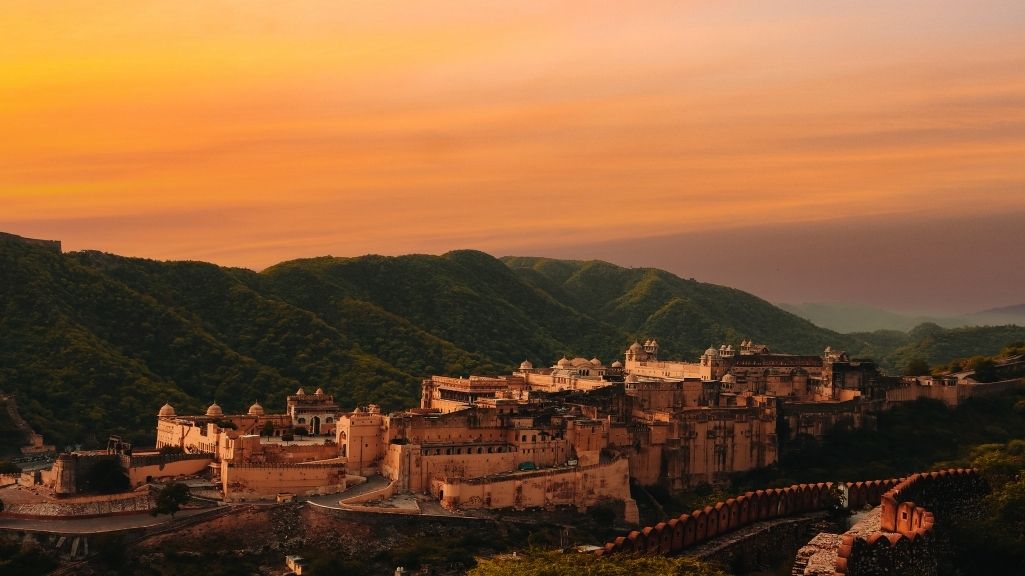
October is one of the most ideal months to explore India’s historic forts. With the retreat of the monsoon and the arrival of crisp, pleasant weather, the skies are clear, the landscapes are vibrant, and travel conditions are at their best. Historic forts are more than architectural marvels; they are living chronicles of India’s diverse past, each stone bearing witness to centuries of warfare, diplomacy, royalty, and resilience. Exploring these forts is like stepping into the pages of history where valor, strategy, culture, and architecture converge in dramatic settings.
In this guide, we focus on four iconic forts that offer deeply immersive and informative experiences for travelers in October: Mehrangarh in Rajasthan, Chittorgarh in Rajasthan, Golconda in Telangana, and Rajmachi in Maharashtra. Each has a unique story and structure, representing distinct eras and styles of Indian history.
1. Mehrangarh Fort, Jodhpur, Rajasthan
Perched atop a rugged hill, Mehrangarh Fort dominates the skyline of Jodhpur and stands as one of the most impressive and well-preserved forts in India. Built in the mid-15th century by Rao Jodha, the fort is an embodiment of Rajput valor and grandeur. Rising 400 feet above the city, the fort walls stretch over five kilometers and enclose several palaces, courtyards, and temples.
Why Visit in October:
October offers the perfect blend of cooler desert temperatures and clear blue skies. The heat is no longer oppressive, and the walk through the fort becomes more enjoyable. The view of the blue city below, framed by golden sandstone ramparts, is spectacular in the soft morning or late afternoon light.
Highlights:
- The museum houses collections of weapons, costumes, palanquins, and paintings.
- The Sheesh Mahal (Mirror Palace) and Phool Mahal (Flower Palace) showcase intricate Rajasthani craftsmanship.
- The Chamunda Mata Temple at the edge of the fort offers spiritual serenity with panoramic views.
- The fort often hosts cultural performances and festivals in October as part of Rajasthan’s tourism season.
2. Chittorgarh Fort, Chittorgarh, Rajasthan
Chittorgarh Fort is the largest fort in India by area and one of the most historically significant. A symbol of Rajput pride and sacrifice, the fort has witnessed numerous sieges and acts of heroic resistance, including the famed jauhar (self-immolation) by Rani Padmini. Spread over 700 acres and located atop a 180-meter hill, the fort houses several palaces, towers, temples, and reservoirs.
Why Visit in October:
October marks the beginning of tourist season in Rajasthan. The temperature is mild, and the lush post-monsoon greenery contrasts beautifully with the fort’s stone structures. The peaceful surroundings make it easier to reflect on the fort’s deep historical narratives.
Highlights:
- Vijay Stambh (Victory Tower), a 122-foot-high monument celebrating Rana Kumbha’s triumphs
- Kirti Stambh (Tower of Fame), dedicated to Jain traditions
- Padmini Palace and Rana Kumbha Palace, sites of legendary Rajput tales
- Gaumukh Reservoir, a sacred water tank continuously replenished by a spring
Walking through Chittorgarh is like walking through an epic poem. Every ruin, wall, and archway tells a tale of valor and sacrifice.
3. Golconda Fort, Hyderabad, Telangana
A striking contrast to the forts of Rajasthan, Golconda Fort offers a blend of military ingenuity and Deccan opulence. Originally a mud fort built by the Kakatiya dynasty in the 12th century, it was later expanded by the Qutb Shahi rulers in the 16th century. Known for its acoustical marvels, Golconda played a key role in South India’s medieval history and was once the center of the diamond trade.
Why Visit in October:
Hyderabad enjoys relatively pleasant weather in October, with temperatures dropping after the monsoon. The fort’s elevated pathways, stone staircases, and long walks become much more manageable and enjoyable in this climate.
Highlights:
- The engineering marvel of the entrance clap echoing all the way to the Bala Hissar pavilion
- Panoramic views of the city and surrounding landscape from the summit
- Light and sound shows that narrate the fort’s dramatic history
- Ancient water supply systems and secret tunnels add to the fort’s allure
Golconda Fort is an explorer’s paradise, where architecture, acoustics, and urban planning come together in a massive structure full of surprises.
4. Rajmachi Fort, Lonavala, Maharashtra
Unlike the grand forts of Rajasthan or the royal fortresses of the Deccan, Rajmachi Fort offers an adventurous and rugged experience. Located in the Sahyadri Hills near Lonavala, Rajmachi comprises two fortified peaks: Shrivardhan and Manaranjan. It is a favorite among trekkers and nature lovers, offering lush green trails and historical ruins shrouded in mist.
Why Visit in October:
October is ideal for trekking. The monsoon has just ended, leaving the forest trail lush and vibrant without being slippery. The air is fresh, the skies are clear, and the view from the top is breathtaking.
Highlights:
- The trail itself is scenic and filled with waterfalls, streams, and forested paths
- Ruins of fort walls, gateways, and watchtowers at the summit
- Buddhist caves and temple structures en route
- A sense of tranquility and isolation, ideal for introspective travelers
Rajmachi is not just a fort, but a journey through nature and time. It offers solitude and adventure for those willing to climb its forested slopes.
Additional Forts Worth Exploring in October
5. Kumbhalgarh Fort, Rajasthan
Famous for having the second longest continuous wall in the world, Kumbhalgarh is a UNESCO World Heritage Site and offers spectacular views of the Aravalli ranges. October makes the climb to the fort less arduous and more rewarding.
6. Gwalior Fort, Madhya Pradesh
Referred to as the ‘Gibraltar of India,’ Gwalior Fort rises dramatically from a rocky hill and is known for its detailed carvings and colorful Jain sculptures. The cooler October climate enhances the experience of walking across its vast complex.
7. Daulatabad Fort, Maharashtra
Built on a conical hill, Daulatabad Fort is a masterclass in defense architecture. With moats, drawbridges, and steep approaches, it was considered impenetrable. October is ideal for navigating its steep pathways without the discomfort of heat.
8. Jhansi Fort, Uttar Pradesh
Associated with the legendary Rani Lakshmi Bai, Jhansi Fort stands as a symbol of resistance and courage during India’s first war of independence. A visit in October provides a comfortable climate for exploring the fort and understanding its revolutionary significance.
Travel Tips:
- Start early in the day to avoid midday heat and capture the best light for photography.
- Wear comfortable walking shoes and carry water bottles, as exploring forts often involves long walks and climbs.
- Hiring a local guide can provide rich historical context and help uncover hidden details.
- October evenings can be cool, especially in desert and hill regions, so carry a light jacket.
- Check for local cultural festivals or events happening at these forts in October for an added experience.
Final Thoughts
India’s forts are more than remnants of stone and mortar. They are time capsules that contain echoes of royal courts, battlefield strategies, sacred rituals, and everyday life from eras long gone. October, with its favorable weather and post-monsoon greenery, offers the best conditions to immerse yourself in these majestic structures. Whether you are a history enthusiast, a photographer, a trekker, or a curious traveler, these forts provide stories and perspectives that are both enriching and unforgettable.

Wildlife Sanctuaries Reopening in October: What to See and When to Visit
October 14, 2024 in Wildlife & Nature
As the monsoon clouds begin to retreat and the landscape dries under a crisp October sun, India’s national parks and wildlife sanctuaries reopen their gates to travelers, wildlife enthusiasts, photographers, and nature lovers. October marks the beginning of the wildlife tourism season across much of the country. The rains have rejuvenated forests, filled rivers and watering holes, and brought fresh vegetation to life. This seasonal transformation is not just a visual delight but also a biological reset that makes the forests come alive with activity. Animals emerge more frequently to bask in the sun, feed in the newly greened meadows, and quench their thirst at brimming water sources. Birds begin their migratory journeys, filling the skies and canopies with songs and flashes of color. Safaris return in full swing, promising intimate glimpses into the wild that are hard to forget.
This month is ideal for wildlife exploration. The weather is pleasant and crisp, offering relief from the humidity of the monsoon. The terrain is lush and photogenic, filled with vibrant green foliage, gushing streams, and muddy trails imprinted with fresh animal tracks. Most importantly, the crowds are still relatively thin compared to the peak season of December to February, giving visitors a more serene and exclusive experience. Early October is especially favored by photographers and seasoned naturalists who want to see the jungle in its post-monsoon glory without the bustle of mainstream tourism. Here’s a detailed look at some of the best wildlife sanctuaries and national parks reopening in October, what wildlife you can expect to see, and the best times of the month to plan your visit.
1. Jim Corbett National Park, Uttarakhand
Jim Corbett is India’s oldest national park and among its most celebrated tiger reserves. Spread across the foothills of the Himalayas, the park covers diverse landscapes ranging from dense Sal forests and grasslands to riverine belts. October marks the reopening of all zones, including the famous Dhikala zone which remains closed during the monsoon due to heavy rainfall and road inaccessibility. With the park rejuvenated by months of rain, visitors can witness wildlife in a setting that feels almost untouched.
What to See:
- Royal Bengal Tiger, often seen near river crossings or forest clearings
- Asiatic Elephant herds moving through the grasslands
- Gharials and marsh crocodiles basking along the Ramganga River
- Over 600 species of birds, from raptors like crested serpent eagles to colorful hornbills and kingfishers
Best Time to Visit:
Mid to late October, once the internal roads have dried and safaris resume in full capacity. Early morning and late afternoon safaris offer the best chances to see predators and large mammals.
2. Ranthambore National Park, Rajasthan
Ranthambore is famous for its relatively high density of tigers and the dramatic ruins of Ranthambore Fort rising within its boundaries. The dry deciduous forest, interspersed with lakes and cliffs, offers a stunning backdrop for wildlife sightings. October is when the park begins welcoming tourists again, with its ten safari zones re-opening after being closed for the monsoon season. The lingering greenery adds contrast to the typically arid terrain of Rajasthan.
What to See:
- Tigers resting or patrolling around water bodies and trails
- Sloth bears, leopards, wild boars, and hyenas
- Peacocks in full display and flocks of parakeets and drongos
- Banyan groves and ancient temples that enhance the sense of wild mystique
Best Time to Visit:
Late October offers better road conditions and an increase in tiger sightings as animals begin to frequent known zones. Morning safaris tend to be cooler and quieter.
3. Bandhavgarh National Park, Madhya Pradesh
Known for having one of the highest densities of tigers in the country, Bandhavgarh is a favorite among wildlife photographers and serious animal trackers. Located in the Vindhya Hills, its compact yet diverse ecosystem includes meadows, bamboo thickets, and dense sal forests. Post-monsoon, the park is cloaked in lush greenery and animal tracks become easy to spot in the soft soil.
What to See:
- Bengal tigers, often spotted near water sources or hunting prey
- Indian bison (gaur), barking deer, sambar, and langurs
- Historical caves and the scenic Bandhavgarh Fort ruins perched on a plateau
Best Time to Visit:
Mid to late October is ideal, as the vegetation begins to thin and the animals become more visible. Morning safaris are particularly rewarding due to lower temperatures and higher activity.
4. Kanha National Park, Madhya Pradesh
The inspiration for Rudyard Kipling’s The Jungle Book, Kanha is a sprawling landscape of meadows, forests, and rivers. Known for its successful conservation of the Barasingha (swamp deer), the park has an aura of untamed beauty. October sees the return of safari activities after months of closure, and the scenery is particularly vivid with lush sal forests and sun-drenched clearings.
What to See:
- Tigers and leopards moving through forested paths
- The endemic Barasingha grazing in swampy meadows
- Indian roller birds, peacocks, owls, and flocks of parakeets
Best Time to Visit:
Mid-October to early November is best, when the foggy mornings begin to clear, and animals venture closer to open meadows and waterholes.
5. Kaziranga National Park, Assam
Kaziranga reopens in October after the monsoon floods subside. This UNESCO World Heritage Site is famous for hosting the world’s largest population of the endangered one-horned rhinoceros. The park, situated in the floodplains of the Brahmaputra River, turns into a paradise for photographers and birders as migratory species start to arrive.
What to See:
- One-horned rhinoceroses grazing in wetlands
- Wild buffaloes, swamp deer, and eastern swamp tigers
- Migratory birds including pelicans, storks, and bar-headed geese
Best Time to Visit:
End of October ensures that roads are accessible and safari vehicles can move through all zones. Foggy mornings can produce dramatic light for photography.
6. Pench National Park, Maharashtra and Madhya Pradesh
Straddling the borders of two states, Pench offers a tranquil and photogenic setting that appeals to both casual travelers and wildlife enthusiasts. The park is characterized by its undulating terrain, seasonal streams, and thick teak forests. As the monsoon recedes, wildlife begins to emerge in greater numbers.
What to See:
- Tigers, packs of wild dogs (dholes), and Indian civets
- Bird species like Malabar pied hornbills, woodpeckers, and green bee-eaters
- Dense greenery and quiet forest paths that make for ideal nature walks
Best Time to Visit:
Late October once the trails are cleared and jungle paths become navigable. Evening safaris often yield sightings of nocturnal animals.
7. Satpura National Park, Madhya Pradesh
Satpura is ideal for those who seek a deeper connection with nature. With options for walking safaris, canoe rides, and boat safaris, the park offers a different rhythm of wildlife watching. Post-monsoon, the terrain is full of life, and sightings of unique species are more frequent.
What to See:
- Sloth bears, Indian giant squirrels, leopards, and porcupines
- River-based ecosystems with crocodiles, turtles, and migratory birds
- Hills draped in mist and trails lined with medicinal plants and wildflowers
Best Time to Visit:
Second half of October is perfect for walking safaris and nature photography, especially when early mist gives a dreamlike quality to the landscape.
8. Sunderbans National Park, West Bengal
Reopening in late October, the Sunderbans is the world’s largest tidal halophytic mangrove forest and one of the most intriguing wildlife habitats. It is home to the elusive Royal Bengal Tiger, which swims between islands and leaves paw prints in the muddy banks. River safaris take visitors deep into mangrove-lined channels.
What to See:
- Tigers, estuarine crocodiles, fishing cats, and mudskippers
- Rare bird species like mangrove whistlers and black-capped kingfishers
- Mangrove forests with intricate root systems and tidal creeks
Best Time to Visit:
Last week of October onward, when tides are moderate, skies are clear, and boats can safely navigate deeper into the park.
Travel Tips for October Wildlife Trips:
- Book safaris and accommodations in advance, especially for core zones which often fill up quickly.
- Wear neutral-colored clothes like olive green or khaki to blend in with the environment.
- Carry binoculars and a good zoom camera for capturing distant animals and birds.
- Layer your clothing as October mornings can be cold, but afternoons may get warm.
- Respect wildlife ethics: avoid loud noises, do not litter, and follow the instructions of forest guides and rangers.
October is a gift for nature lovers and a turning point for Indian forests. The monsoon has done its work, and what remains is a refreshed, flourishing landscape teeming with life. Whether you are watching a tiger emerge from a bamboo thicket in Bandhavgarh, a rhinoceros grazing in Kaziranga’s tall grasses, or elephants bathing in the Ramganga River in Corbett, every sighting is a reminder of nature’s magnificence. Visiting wildlife sanctuaries in October is more than a seasonal activity. It is a return to silence, a lesson in patience, and a reminder of the wild world’s deep, untamed rhythm. For travelers looking to step away from city noise and step into the heartbeat of the natural world, there’s no better time or place.

Top 10 Navratri Festival Destinations for Cultural Immersion
October 13, 2024 in City Guide
Navratri, meaning “nine nights,” is one of India’s most vibrant and spiritually significant festivals. Celebrated with immense devotion and grandeur across the country, Navratri is dedicated to the nine forms of Goddess Durga. Each region of India has its own unique customs, dance forms, rituals, and stories associated with these sacred nights. For travelers seeking deep cultural immersion, Navratri offers a once-in-a-lifetime opportunity to witness India’s spiritual heartbeat through music, dance, rituals, and community gatherings.
From dazzling garba nights in Gujarat to ancient rituals in Himachal Pradesh, here are the top 10 destinations where you can experience the full spectrum of Navratri’s cultural beauty.
1. Ahmedabad, Gujarat: The Heart of Garba
If there’s one place where Navratri turns into a full-blown cultural explosion, it’s Ahmedabad. Known for its world-famous garba and dandiya nights, the city hosts electrifying dance events that go on till dawn. Dressed in traditional chaniya cholis and kediyus, thousands of participants dance in perfect rhythm around idols of the goddess. The atmosphere is nothing short of magical.
Highlights:
- Massive dance venues like GMDC Ground and University Ground
- Live folk music by top artists and orchestras
- Competitions for best costume, best dancer, and traditional decor
Why visit: Experience the purest form of community garba and witness the energy of thousands dancing in unison.
2. Vadodara, Gujarat: Royal Patronage and Cultural Fusion
Vadodara is another Navratri gem, known for its royal patronage and seamless blend of modern and traditional celebrations. The United Way Garba here is one of the biggest in Asia, attracting locals and tourists alike.
Highlights:
- Performances by classical and folk artists
- Presence of the Gaekwad royal family during festivities
- Decorated palace grounds and open-air garba venues
Why visit: For a royal and community-centered experience with a strong cultural vibe.
3. Mumbai, Maharashtra: Glamour Meets Devotion
In Mumbai, Navratri gets a Bollywood twist. The city hosts celebrity-attended dandiya nights, but it also features deeply spiritual traditions within communities. From local mandals to large-scale commercial events, Mumbai offers a diverse range of Navratri experiences.
Highlights:
- Famous events like Falguni Pathak’s dandiya nights
- Local festivities in suburbs like Borivali, Andheri, and Dadar
- Community-specific traditions like Golu displays in South Indian homes
Why visit: To enjoy a mix of traditional and modern Navratri experiences with celebrity flair.
4. Kolkata, West Bengal: Durga in Her Grandest Form
Although primarily associated with Durga Puja, the last four days of Navratri in Kolkata are grand and majestic. The city is adorned with massive themed pandals, cultural performances, and artistic excellence.
Highlights:
- Idol-making in Kumartuli
- Themed pandals in Bagbazar, College Square, and Maddox Square
- Sandhi Puja, Kumari Puja, and Sindoor Khela rituals
Why visit: For an artistic, spiritual, and emotionally charged experience of worship and celebration.
5. Delhi: Multicultural and Majestic
Delhi’s Navratri scene is eclectic, reflecting the city’s diverse communities. From Gujarati societies hosting garba to Bengali colonies celebrating Durga Puja, you get a little bit of everything.
Highlights:
- Ramlila performances across the city
- Garba and dandiya nights in cultural hubs like Dwarka and Rohini
- Bengali Durga Puja pandals in Chittaranjan Park
Why visit: To witness the melting pot of traditions and community celebrations.
6. Varanasi, Uttar Pradesh: Spiritual Heartbeat of India
In Varanasi, Navratri is soaked in spirituality. Devotees observe fasts, recite the Durga Saptashati, and visit Kashi’s many temples. The ghats come alive with evening aartis, and the energy during the final day of Vijaya Dashami is truly divine.
Highlights:
- Devotional music, chants, and recitations at temples
- Immersion of idols in the Ganga on Dashami
- The Ramnagar Ramleela, an elaborate re-enactment of the Ramayana
Why visit: For a spiritually uplifting and authentic experience of Navratri rituals.
7. Chennai, Tamil Nadu: The Grace of Golu
In the South, Navratri is known for the tradition of Golu, the artistic display of dolls on tiered steps. In Chennai, families open their homes to showcase their Golu decorations and offer traditional sweets to visitors.
Highlights:
- Themed Golu displays representing mythology and social themes
- Carnatic music and classical dance performances
- Kolu competitions and temple rituals
Why visit: To experience Navratri as an artistic, devotional, and community-oriented festival.
8. Mysuru, Karnataka: Navratri with Royal Splendor
Mysuru’s Dussehra (Dasara) celebrations begin during Navratri and are among the most royal in India. The Mysore Palace is illuminated, and the city hosts processions, concerts, and cultural events over ten days.
Highlights:
- Jumbo Savari procession on Vijayadashami
- Cultural programs at the palace
- Folk art, dance, and music performances
Why visit: For a majestic experience that blends history, art, and devotion.
9. Bhopal, Madhya Pradesh: Folk Traditions and Local Flavor
Bhopal offers a grassroots Navratri experience. While not as grand as Gujarat or Bengal, the city’s community pujas, local dandiya events, and folk performances make for a heartwarming immersion.
Highlights:
- Tribal and folk dances during Navratri nights
- Community garba events in local grounds
- Eco-friendly idol installations and cultural parades
Why visit: To enjoy Navratri in a more intimate, folk-inspired setting.
10. Jaipur, Rajasthan: Devotion in the Desert
Jaipur brings its regal charm to Navratri with devotion-filled temple rituals, vibrant dandiya nights, and traditional Rajasthani décor. Temples like the Shila Devi temple in Amber Fort are central to the celebrations.
Highlights:
- Sandhya Aartis and temple darshans
- Community fasting, garba, and bhajan evenings
- Folk performances in cultural centers
Why visit: For a colorful, devotional celebration in a royal setting.
Final Thoughts
Navratri is not just a festival. It’s a journey through India’s diversity of traditions, expressions of faith, and cultural unity. Each destination offers a distinct way to honor the divine feminine, from rhythmic dances in Gujarat to spiritual meditations in Varanasi. Whether you seek art, devotion, or sheer celebration, these ten places promise an immersive Navratri that speaks to every kind of traveler. All you need to do is pack your festive spirit and dive into the joy, rhythm, and devotion of these nine unforgettable nights.
Where to Experience the Most Grand Dussehra Celebrations in India
October 13, 2024 in City Guide

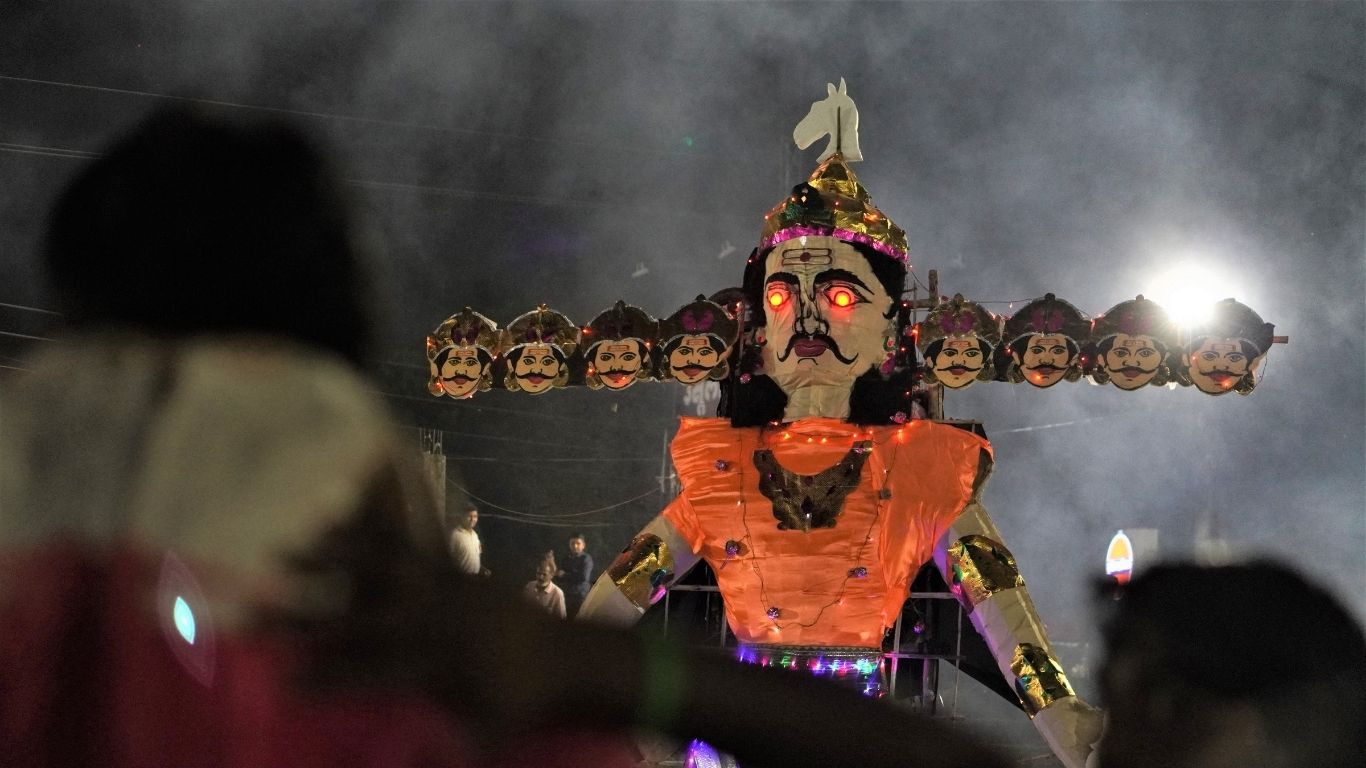
Dussehra, also known as Vijayadashami, is not just a festival in India, it’s a cultural phenomenon that paints the country with a vibrant palette of devotion, tradition, and grand processions. Celebrated on the tenth day of Navratri, Dussehra signifies the triumph of good over evil, commemorating Lord Rama’s victory over Ravana and Goddess Durga’s conquest of Mahishasura. For many Indians, this festival marks the beginning of positivity, the end of darkness, and the renewal of hope. While the festival is observed across the nation with local flavors, there are a few destinations where Dussehra is not just a celebration, but a grand spectacle, an unforgettable blend of history, performance, and deep-rooted faith. Whether you are a traveler, a photographer, or a cultural enthusiast, experiencing Dussehra in these places will leave you with lasting impressions.
1. Mysuru, Karnataka: The Royal Dussehra
Mysuru’s Dussehra is one of India’s most iconic celebrations. Rooted in the 400-year-old traditions of the Wodeyar dynasty, this ten-day event transforms the city into a glowing canvas of lights, music, and spiritual vibrancy. The Mysuru Palace becomes the nucleus of celebrations, illuminated with over 100,000 bulbs, casting a golden glow that can be seen from afar. The air in Mysuru during Dussehra feels electric, as every corner of the city joins in the festivities.
Highlights:
- The grand procession known as Jumbo Savari features caparisoned elephants, royal guards in traditional attire, folk dancers, music bands, and tableaux showcasing Karnataka’s rich culture.
- The idol of Goddess Chamundeshwari, the royal family’s revered deity, is carried atop a decorated golden howdah mounted on an elephant.
- Events include cultural programs at the palace, art exhibitions, traditional wrestling matches (Kusti), and a massive torchlight parade.
Walking through the palace grounds at night, with classical music playing in the background and the palace lit like a dream, feels like stepping into a bygone royal era. For travelers, it’s a rare chance to see royal traditions come alive in a grand and inclusive way.
2. Kullu, Himachal Pradesh: A Devotional Journey in the Hills
Kullu Dussehra stands apart because it begins when other Dussehra celebrations conclude. Set in the picturesque Dhalpur Maidan against the backdrop of the Himalayas, this week-long festival is less about the destruction of Ravana and more about the unity of local deities. Hundreds of village gods and goddesses, each carried in intricately carved palanquins and accompanied by their devotees, descend into the valley to pay homage to Lord Raghunath, the reigning deity of Kullu.
Highlights:
- The Rath Yatra of Lord Raghunath, where the deity’s idol is placed on a wooden chariot and pulled by devotees through the grounds.
- The presence of over 200 local deities creates a stunning visual of spiritual community and devotion.
- Folk performances, traditional Himachali music, local handcraft stalls, and vibrant attire add depth to the festival.
For photographers and cultural travelers, Kullu Dussehra offers rich visual storytelling and an intimate look into Himachal’s unique religious culture. The energy is spiritual and grounded, free from over-commercialization, yet grand in its own way.
3. Varanasi, Uttar Pradesh: The Sacred Spectacle
In the spiritual city of Varanasi, Dussehra blends piety, performance, and centuries-old storytelling. The city’s famed Ramleela performances—narrative plays depicting scenes from the Ramayana, are staged throughout the month, but the most legendary are those at Ramnagar Fort, where the entire town transforms into a live theater.
Highlights:
- The Ramleela in Ramnagar is a 200-year-old tradition, said to be the longest-running theatrical performance in the world.
- The actors and audiences move through different locations as each scene is enacted in real time, with thousands in attendance each evening.
- On Vijayadashami, giant effigies of Ravana, Meghnad, and Kumbhakarna are set ablaze amidst chants, drums, and fireworks, symbolizing the victory of virtue.
Being in Varanasi during Dussehra is an experience of immersion, where myth, devotion, and drama coalesce in one of the most sacred cities of India. Watching the Ramleela as Ganga’s breeze rustles through the crowd is a moment that connects you with the soul of India’s storytelling tradition.
Additional Destinations Worth Exploring
4. Bastar, Chhattisgarh: Tribal and Spiritual
The Bastar Dussehra is perhaps India’s longest-running Dussehra festival, stretching for 75 days. It is unique because it doesn’t celebrate Lord Rama’s victory but is dedicated to local tribal goddess Danteshwari. It reflects a blend of tribal customs, indigenous beliefs, and centuries of coexistence between forest traditions and Hindu rituals. The rituals are performed by tribal priests and the events include spiritual processions, chariot pulling, and elaborate night ceremonies.
5. Kota, Rajasthan: The Regal Street Festival
Kota Dussehra in Rajasthan transforms the city into a cultural carnival. It features a grand procession with folk dancers, performers on horseback, and religious tableaux, followed by a mela (fair) that includes local cuisine, shopping, and entertainment. The climax includes the dramatic burning of Ravana’s effigy.
6. Delhi: The Capital’s Cultural Melange
Delhi’s Dussehra offers a variety of experiences, from traditional Ramleelas at Ramlila Maidan to modern versions in residential parks. The effigy burning at Red Fort ground is among the city’s largest public events. It’s a family-friendly, accessible way to introduce yourself to the symbolism and festivities of Dussehra in a cosmopolitan setup.
7. Kolkata: The Grand Farewell to Durga
While Dussehra itself isn’t the centerpiece in Kolkata, the final day of Durga Puja (Vijaya Dashami) coincides with Dussehra and is marked with grand immersion processions and emotional farewells. Women participate in Sindoor Khela, smearing vermillion on each other, creating visually stunning moments.
Tips for Travelers
- Book accommodations early: These destinations attract thousands of visitors during the Dussehra week.
- Respect local customs: Many processions and rituals are rooted in deep spiritual traditions.
- Capture the essence: These events offer incredible photography opportunities, from royal elephants to folk costumes.
- Plan transportation: Due to crowds, road closures and delays are common. Use local guides or tour groups if possible.
- Carry traditional attire: Wearing ethnic clothing enhances the experience and is appreciated by locals.
Final Thoughts
Experiencing Dussehra in Mysuru, Kullu, Varanasi, or any of the lesser-known regions is more than watching effigies burn or deities paraded. It’s about becoming part of a living story of faith, identity, and celebration. These cities and towns don’t just celebrate Dussehra; they live it, breathe it, and invite you to join in with open arms. Whether you’re a spiritual seeker, cultural explorer, or curious traveler, witnessing Dussehra in its grandest forms is a journey into India’s soul, a story you carry long after the flames have faded.
Monsoon Treks for Photographers: Capturing India’s Green Glory
September 13, 2024 in City Guide

For photography enthusiasts, the Indian monsoon is a season of transformation, a time when familiar landscapes don a new cloak of mystery, color, and emotion. Trekking during this season presents unmatched opportunities to capture the raw, rain-drenched beauty of the outdoors. The misty mountain trails, vibrant foliage, flowing waterfalls, and dramatic skies combine to create dreamlike compositions. Whether you’re a DSLR-carrying professional or a mobile photography explorer, monsoon treks in India offer visual stories waiting to be told.
This article highlights some of the best monsoon treks tailored for photographers, along with tips to help you protect your gear and make the most of every frame.
Why Monsoon Treks Are a Paradise for Photographers
Monsoon changes the narrative of nature photography. Dry, arid lands come alive with vivid greens, water bodies swell to life, and every landscape seems to whisper secrets through the mist. The natural lighting is diffused and soft, eliminating harsh shadows. Here are a few photographic benefits of monsoon trekking:
- Diffused Lighting: Overcast skies produce soft, even lighting that’s ideal for capturing landscape textures.
- Misty Atmosphere: Fog adds depth and drama, creating a cinematic effect.
- Color Contrast: The greens are more vibrant, and flowers bloom in full force.
- Dynamic Skies: Thunderclouds and occasional rainbows provide dramatic backdrops.
- Wildlife Encounters: Frogs, insects, birds, and even reptiles are more active and visible.
Top Monsoon Treks for Photography
1. Valley of Flowers, Uttarakhand
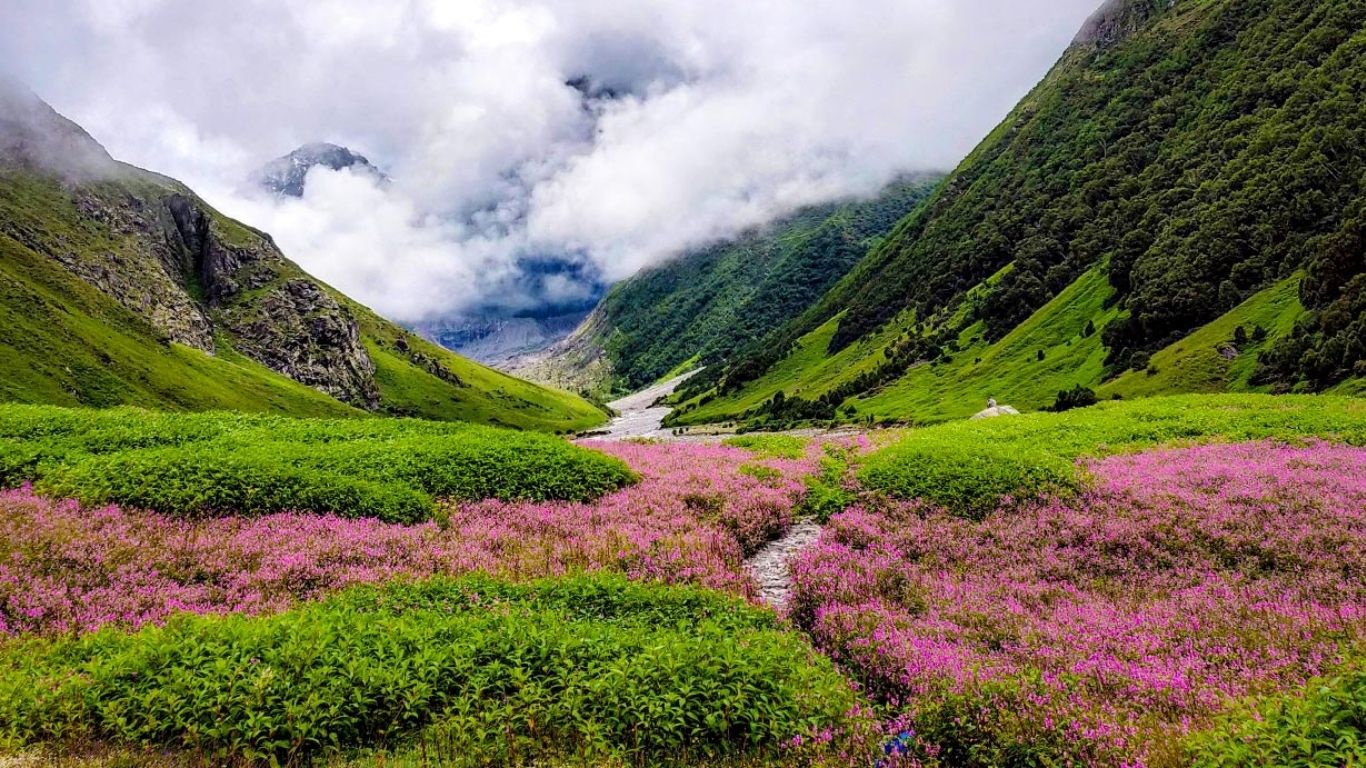
A UNESCO World Heritage Site, the Valley of Flowers is a burst of color amidst the Himalayas. From July to early September, this alpine valley blooms with hundreds of rare flowers. The contrast of bright flora against the grey sky and snow-capped peaks makes every shot spectacular.
Photography Tips:
- Use a macro lens or mobile macro mode to capture flower details.
- Arrive early to shoot without crowd interference.
- Fog and dew drops create stunning close-up opportunities.
2. Harishchandragad via Khireshwar, Maharashtra
Konkan Kada is a visual masterpiece in the monsoon. As clouds roll across this massive cliff, photographers can capture layers of fog, cliffs, and greens in one frame. The ruins of Harishchandreshwar temple and mossy plateaus also make for excellent subjects.
Photography Tips:
- Use a wide-angle lens for the cliff’s grandeur.
- Carry a tripod to capture long exposures of waterfalls en route.
- Play with leading lines created by stone steps and paths.
3. Kudremukh Trek, Karnataka
Kudremukh is a haven for those who love minimalist nature shots. Rolling meadows, horse-faced hilltops, and drifting clouds define this lush landscape. The vibrant terrain, dotted with rain-fed streams, makes this a favorite among landscape photographers.
Photography Tips:
- Try panorama mode for capturing the endless green hills.
- Use neutral density filters for stream and waterfall shots.
- Capture local life and cattle grazing for storytelling.
4. Dzükou Valley, Nagaland
This northeastern gem comes alive with rare lilies and green carpets during monsoon. The rolling valley, often covered in mist, provides an ethereal background. A less-traveled trail, it offers peace and pristine beauty, perfect for reflective photography.
Photography Tips:
- Capture the golden hour if the mist clears at dawn or dusk.
- Use a drone if permitted for aerial landscapes.
- Highlight cultural elements and traditional attire if photographing locals.
5. Tadiandamol, Coorg, Karnataka
Coorg’s highest peak, Tadiandamol, offers excellent opportunities for forest and mist photography. Shola forests, cloud-covered paths, and occasional viewpoints breaking through the mist make for a visual narrative.
Photography Tips:
- Focus on mood shots with fog enveloping trees.
- Use black-and-white filters to enhance the mystery of foggy trails.
- Capture reflections in puddles and leaves.
Essential Photography Gear for Monsoon Treks
- Weather-Sealed Camera or Housing: Invest in a camera with weather resistance or use protective covers.
- Lens Wipes & Microfiber Cloths: Wipe off fog and raindrops gently.
- Silica Gel Packs: Place them in your camera bag to absorb moisture.
- Dry Bag or Waterproof Backpack: Keeps all gear safe and dry.
- Power Bank: Cold weather drains batteries faster, so carry spares or power banks.
- Tripod: Lightweight and weather-resistant tripods help stabilize shots, especially in low light.
- Mobile Photography Gear: Clip-on lenses, waterproof pouches, and portable lights are great for smartphone shooters.
Composition Tips for Monsoon Photography
- Include Human Elements: A lone hiker or group in rain gear adds scale and story to landscapes.
- Use Leading Lines: Forest trails, ridgelines, and steps guide the viewer’s eye.
- Play with Reflections: Use puddles, lakes, and wet surfaces creatively.
- Capture the Motion: Waterfalls and flowing streams look dynamic with slow shutter speeds.
Safety Tips While Photographing in Monsoon
- Avoid setting up near cliffs or unstable rocks.
- Don’t open your bag in the rain unless under shelter.
- Prioritize safety over the perfect shot.
- Stay updated on weather forecasts and avoid risky locations during red alerts.
Making It Relatable: Your Journey Behind the Lens
Every photographer has a story behind the shot—the waiting, the walking, the moment of light peeking through mist. Monsoon treks aren’t just about capturing beautiful photos; they’re about learning to slow down, observe, and connect. That pause you take to wipe the lens becomes a moment to breathe and look around. That muddy slip becomes a laugh. The fog hiding the view becomes part of the story.
If you’re starting out, don’t worry about having the best gear. Some of the most powerful images come from unexpected angles and emotional spontaneity. Shoot with what you have. Let the season guide you. Use the rain not just as a backdrop, but as a character in your frame.
Traveling light can sometimes mean focusing more on composition and story. Instead of carrying every lens, choose one versatile one. Focus on timing, on natural light, on emotion. Let your photos tell what you felt—the chill of wind, the hush of rain, the smell of wet earth.
Many monsoon treks happen in places with minimal human interference. That silence, that slowness, offers rare clarity. As you trek, you’ll notice how photography becomes less about capturing and more about receiving. You don’t take photos. You accept them.
Monsoon treks aren’t just adventures; they’re moving art galleries. For photographers, this is the season when ordinary places look extraordinary, and every step brings a new frame to capture. With a little preparation and creative perspective, your camera can turn a simple trek into a timeless visual journey. Let the rain inspire your storytelling, let the mist frame your memories, and let the mountains reveal their monsoon mood through your lens.
Easy Trails to Start Your Hiking Journey
September 13, 2024 in City Guide

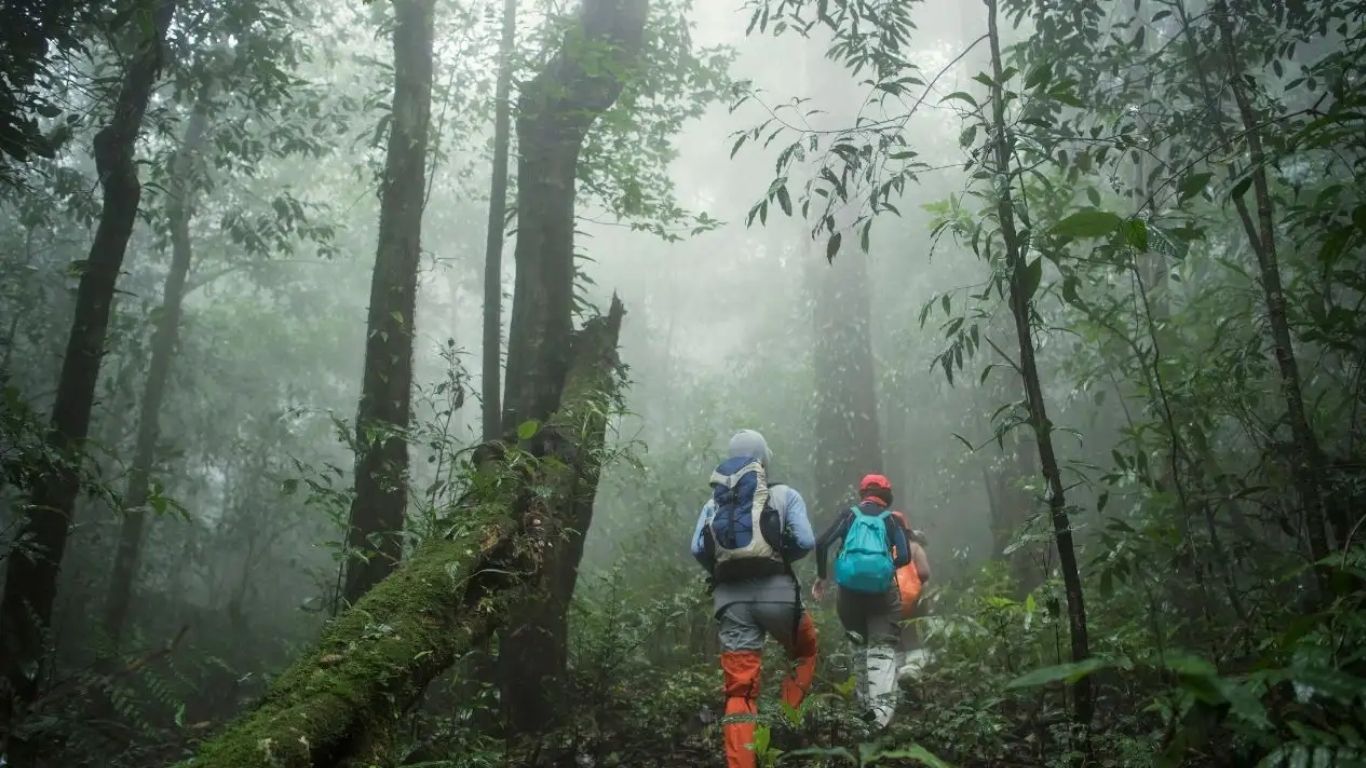
Monsoon transforms the Indian landscape in ways that are hard to describe but easy to fall in love with. Dry, dusty hills turn into emerald waves, rivers swell with new life, and waterfalls cascade with dramatic power. For those new to trekking, the monsoon season offers a perfect window to begin this journey. The environment is cool and comfortable, the scenery is exceptionally beautiful, and the trails come alive with color and sound. Unlike the scorching summer or the icy winters, the monsoon makes hiking more pleasant while presenting mild challenges that can help build a trekker’s confidence. This article is a curated guide to help first-time trekkers embrace monsoon trekking through easy yet visually stunning trails, especially accessible from urban hubs like Mumbai, Pune, and Bangalore.
Why Monsoon is Ideal for Beginners
The Indian monsoon doesn’t just bring rain, it breathes life into everything it touches. For new trekkers, this season acts as an ideal introduction to the world of hiking for several reasons. First, the temperatures are cooler, which reduces fatigue and makes walking uphill easier. Second, the trails during monsoon are often less dusty and more scenic, providing an almost magical experience with clouds drifting across the mountains and vibrant flora lining the paths. Most importantly, the shorter treks available during this season require minimal physical training, making them perfect for first-timers who want to test their stamina and comfort in the wild. The experience can be deeply immersive and rewarding, without being too physically taxing.
1. Lohagad Fort Trek, Maharashtra
Location: Near Lonavala
Duration: 2-3 hours (one way)
Difficulty: Easy
Lohagad Fort is one of the most accessible and beginner-friendly treks in Maharashtra. Just a short drive from Lonavala, the trek involves a gradual ascent with well-laid stone steps leading up to the fort. The total elevation is manageable at around 3,400 feet, making it suitable for individuals of all ages. During the monsoon, the entire path is enveloped in greenery, and small waterfalls spring up along the way, creating a fairytale-like setting. The view from the top is nothing short of spectacular, with Pawna Lake shimmering below and clouds often floating around you. It’s also a great spot for history buffs, as the fort has deep ties to Shivaji Maharaj’s Maratha Empire. You get nature, history, and a workout, all in one.
2. Devkund Waterfall Trek, Maharashtra
Location: Bhira Village, near Kolad
Duration: 2-3 hours (one way)
Difficulty: Easy to Moderate
The Devkund Waterfall trek is a hidden gem located near Bhira village, and it leads to one of the most picturesque plunge waterfalls in Maharashtra. The trail takes you through a dense forest, alongside river streams, and through narrow muddy paths. In the monsoon, this route is teeming with flora and small wildlife, enhancing the overall natural experience. While the terrain is mostly flat with a few undulating sections, the rain can make it slippery, so proper trekking shoes are essential. The final destination is a natural pool formed at the base of the waterfall, where many trekkers enjoy a refreshing break. This trek is a perfect mix of forest exploration and waterfall chasing, giving first-timers a rewarding sense of adventure.
3. Bhimashankar Jungle Trail, Maharashtra
Location: Bhorgiri Village
Duration: 3-4 hours
Difficulty: Easy to Moderate
This trail offers more than just a walk in the woods, it’s a spiritual and ecological journey. Located in the Sahyadri Hills, the Bhimashankar trail meanders through thick jungle canopies that form part of the Western Ghats, a UNESCO-recognized biodiversity hotspot. Trekkers can expect to walk through slippery forest paths, moss-covered rocks, and wooden bridges over small rivulets. The monsoon accentuates the greenery, making every step feel like a walk through a rainforest. The trek ends at the Bhimashankar temple, one of the twelve Jyotirlingas in India, adding a layer of cultural and spiritual significance to the adventure. For beginners, this trek offers the perfect combination of scenic beauty, physical activity, and soulful tranquility.
4. Skandagiri Trek, Karnataka
Location: Near Chikkaballapur (60 km from Bangalore)
Duration: 4-5 hours (round trip)
Difficulty: Easy
The Skandagiri trek is popular for a reason. Located just 60 km from Bangalore, this hill fortress offers a moderately easy climb with well-marked trails. Although night trekking is restricted during the monsoon for safety reasons, early morning treks can be equally captivating. Starting before sunrise, trekkers are often rewarded with a mystical ‘sea of clouds’ phenomenon where the peaks rise above the fog, creating a floating-island illusion. The trail passes through ruins of an old fort, small shrines, and rocky patches, making it a mini-adventure close to the city. It is a great starting point for those living in Bangalore who want to break away from routine without venturing too far.
5. Tadiandamol Trek (Base Route), Karnataka
Location: Coorg
Duration: 3-4 hours (base to mid-point)
Difficulty: Easy
Tadiandamol is the highest peak in Coorg and the third-highest in Karnataka, but don’t let that intimidate you. The base route leading up to the first few viewpoints is ideal for beginners. The trail starts near Nalknad Palace and gradually ascends through coffee plantations, shola forests, and grassy ridges. During the monsoon, mist floats across the path, creating an atmosphere that feels both eerie and enchanting. While seasoned trekkers may go all the way to the summit, beginners can enjoy the mid-level views and head back safely. The manageable inclines, scenic beauty, and clean air make this trek a soothing experience.
Tips for First-Time Monsoon Trekkers
- Footwear: Invest in waterproof trekking shoes with good grip to navigate muddy trails.
- Rain Gear: Carry a poncho or rain jacket and always use a backpack cover to protect your belongings.
- Backpack: A 20-30L backpack is sufficient. Pack light but don’t forget essentials.
- Clothing: Avoid cotton; wear synthetic or dry-fit clothes that wick away moisture.
- Nutrition: Bring ORS packets, energy bars, and dry fruits to stay hydrated and energized.
- Group Travel: Trek in a group or hire a local guide; it’s safer and more enjoyable.
- Check Forecasts: Always check the weather report and avoid treks during heavy rainfall alerts.
Embarking on your first trek can be both thrilling and nerve-wracking. But the monsoon season, with its natural beauty and serene atmosphere, offers a gentle yet unforgettable introduction to hiking. These beginner-friendly treks prove that you don’t need to conquer a Himalayan summit to feel the joy of the climb. With each step, you gain confidence, perspective, and a deeper connection with nature. Whether it’s the misty cliffs of Skandagiri or the forested paths of Bhimashankar, monsoon treks allow you to start your trekking journey with awe and ease.
So tie those laces, zip up your raincoat, and step into the wild. Your journey as a trekker begins here, and there’s no better season to start than the monsoon.
How to Prepare for a Monsoon Trek in India
September 13, 2024 in City Guide

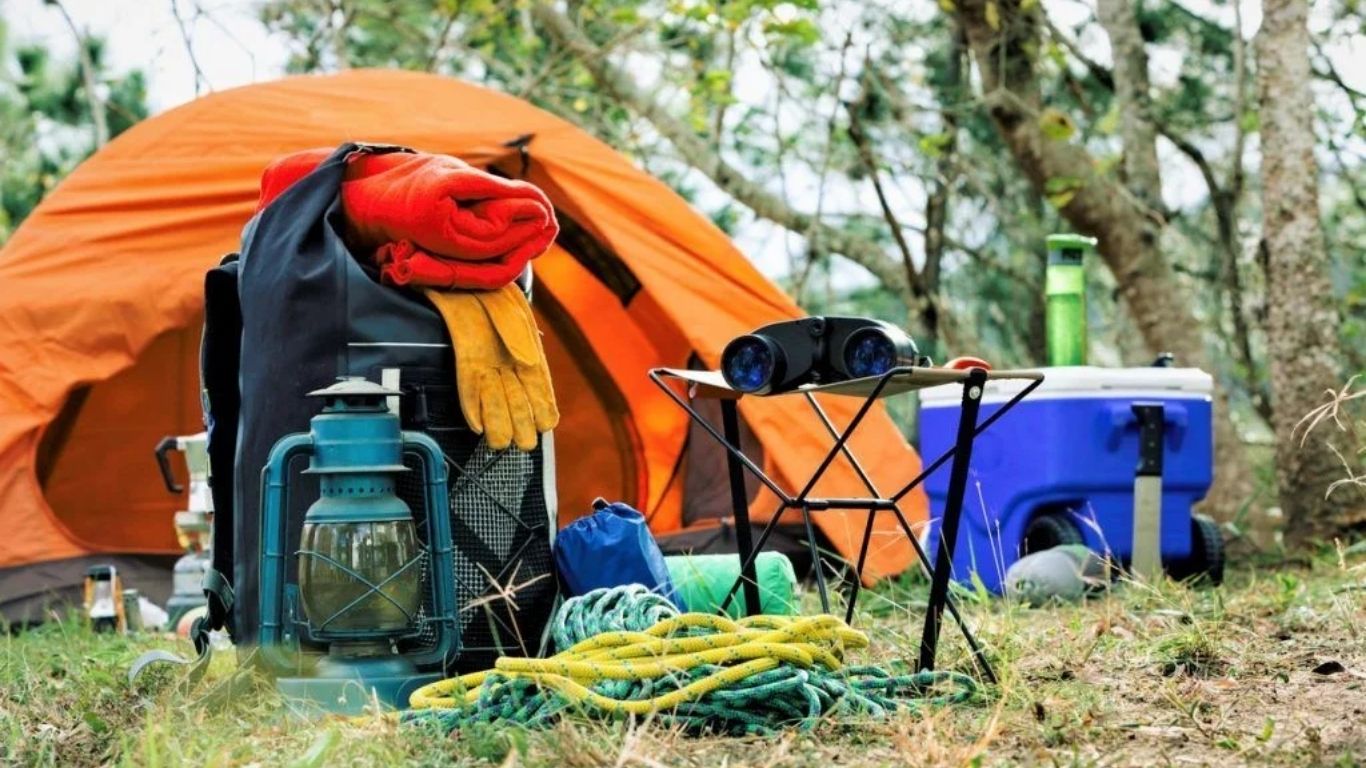
Monsoon trekking in India is a unique and exhilarating experience. With lush landscapes, misty trails, and the rhythmic patter of rain, it offers an immersive journey into the wild beauty of nature. However, trekking in the monsoon also comes with its own set of risks and challenges, including slippery terrain, leeches, flash floods, hypothermia, and sudden weather changes. Proper preparation, safety awareness, and respect for nature are crucial to ensure a safe and enjoyable trek. This comprehensive checklist will guide you through everything you need to know before heading out on a monsoon adventure.
1. Clothing and Footwear
Waterproof Trekking Shoes
- Choose high-ankle, waterproof trekking boots with excellent grip and deep tread soles.
- Look for breathable membranes like Gore-Tex to keep your feet dry while allowing sweat to escape.
- Avoid sports shoes or regular sneakers; they become slippery and waterlogged, increasing the risk of injury.
- Break in your shoes at least a week in advance to prevent blisters or discomfort during the trek.
Quick-Dry and Layered Clothing
- Wear moisture-wicking, quick-dry fabrics such as polyester or nylon that do not cling to your skin.
- Avoid cotton as it retains moisture, becomes heavy, and increases the risk of chafing and hypothermia.
- Use layered clothing for flexibility, a base layer for sweat management, a mid-layer for insulation, and an outer waterproof layer.
Rain Protection
- Pack a high-quality poncho or rain jacket with a large hood and full arm coverage.
- Use a rain cover for your backpack to keep your gear and electronics dry.
- Carry an extra set of clothes in a dry sack or ziplock bag to change into at camp.
- Gaiters can be used to keep water and mud out of your boots.
2. Trekking Gear
Backpack
- A 30-40L waterproof or water-resistant backpack is sufficient for a day or overnight trek.
- Ensure it has adjustable chest and waist straps for better balance and weight distribution.
- Pack items in waterproof inner pouches or ziplock bags for added security.
Trekking Poles
- Essential for balance on slippery trails and during stream crossings.
- Look for collapsible poles with anti-shock grips and adjustable length.
Headlamp and Extra Batteries
- Fog and dense forest cover reduce visibility, especially at dawn or dusk.
- Carry a headlamp instead of a torch for hands-free movement, and include extra batteries or a fully charged power bank.
3. Personal Essentials
First Aid Kit
- Include antiseptic cream, band-aids, gauze pads, crepe bandage, cotton, pain relievers, anti-inflammatory gel, and antiseptic wipes.
- Add ORS packets, antacids, anti-diarrheal medication, motion sickness tablets, and any personal prescriptions.
- Include safety pins, scissors, a digital thermometer, and a whistle.
Insect and Leech Protection
- Apply DEET-based or natural insect repellent on exposed skin to avoid mosquito and tick bites.
- For leeches, carry salt, Dettol, or neem oil solution in a small dropper bottle.
- Tuck your pants into your socks, wear leech socks if available, and avoid sitting directly on wet forest ground.
Hydration and Nutrition
- Carry a minimum of 2 liters of water in bottles or hydration bladders.
- Use water purification tablets, UV purifiers, or portable filters if relying on natural sources.
- Pack lightweight, high-calorie snacks like energy bars, dry fruits, jaggery, peanut chikki, and electrolyte powders to maintain stamina.
- Avoid caffeine and alcohol, which can dehydrate the body.
4. Navigation and Communication
GPS and Maps
- Download offline maps and GPS-enabled apps like Gaia GPS, AllTrails, or Maps.me.
- Carry a physical map and compass as a backup in case of device failure.
Emergency Contacts
- Share your complete trek itinerary and estimated return time with family or a trusted contact.
- Save emergency numbers for local forest departments, medical centers, and nearby police stations.
- Inform the local base camp or forest check post before you start the trek.
Mobile Network
- Be aware that many high-altitude or dense forest regions have poor or no signal.
- Use walkie-talkies for group communication or carry a satellite communicator like Garmin InReach or SPOT device in remote regions.
5. Weather Awareness
Monitor Weather Conditions
- Check real-time forecasts using reliable apps like Windy, IMD, AccuWeather, or Weather Underground.
- Avoid trekking during red or orange alerts for heavy rain, thunderstorm, or landslides.
Timing and Planning
- Start your trek early in the morning to avoid afternoon cloudbursts or thunderstorms.
- Keep buffer time in your itinerary for delays due to slippery paths or sudden weather shifts.
- Plan shorter routes and avoid overly ambitious multi-day treks unless fully supported.
Alternate Routes
- Study alternate trail exits or detours in case of flooding or landslides.
- Avoid trekking near rivers, cliffs, or waterfalls during heavy rain as the risk of flash floods and landslides increases significantly.
6. Environmental Care
Leave No Trace
- Carry a separate pouch or trash bag to pack out all your waste, including biodegradable items.
- Avoid using single-use plastics or leaving wrappers behind.
- Respect wildlife by maintaining silence and not feeding animals.
Respect Local Guidelines
- Follow rules set by local forest and wildlife departments.
- Do not trespass into protected or sacred areas.
- Be polite and respectful to local villagers and their customs. Ask before photographing people or property.
7. Group Management and Behavior
Group Size and Cohesion
- Ideal group size is 6-10 people to ensure mutual assistance and faster emergency response.
- Appoint a lead and sweep person to keep the group coordinated.
- Ensure no one is left behind or ventures too far ahead.
Trail Etiquette
- Yield to uphill climbers.
- Maintain a steady pace and take regular hydration breaks.
- Do not shout or play loud music; let the sounds of nature prevail.
Conclusion
Monsoon trekking in India is a soul-stirring experience, filled with wonder, challenge, and raw natural beauty. It rewards those who come prepared, not just physically but mentally and emotionally. With the right gear, mindfulness, and respect for nature, you can explore the forests and mountains safely and leave only footprints behind.
The rains add a layer of unpredictability and magic to every step. Embrace it. But always prioritize safety, tread carefully, and remember, the mountain will always be there, but you must return home safe to tell the tale.
Why Monsoon is the Best Time to Trek Tadiandamol – Karnataka’s Hidden Gem
September 13, 2024 in City Guide

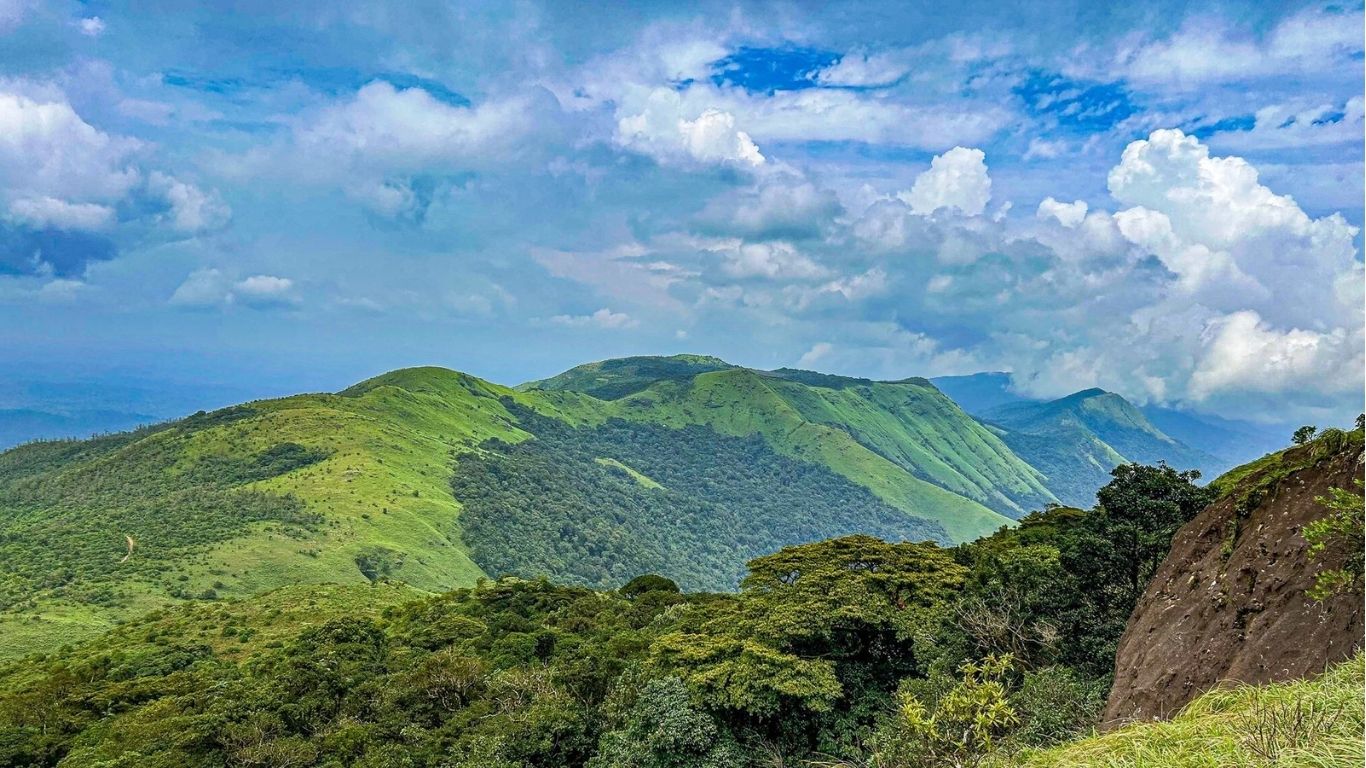
Tucked away in the heart of the Western Ghats, Tadiandamol is the highest peak in Coorg (Kodagu district) and one of the lesser-known trekking gems of Karnataka. Towering at 1,748 meters (5,735 feet), this peak offers a perfect balance of accessibility and wilderness. While it’s a rewarding destination throughout the year, the monsoon months between June and September transform this trail into a mystical escape filled with misty forests, vibrant greenery, and the rhythmic music of falling rain.
The Monsoon Transformation
Tadiandamol during the monsoon is not just a trek; it’s an immersion into nature at its wildest and most beautiful. The dry browns of the summer trail give way to a carpet of green. Water trickles down moss-covered stones, clouds hang low and dance over the peaks, and the entire route becomes a symphony of birdsong, insect calls, and rain-touched leaves.
The weather remains cool and pleasant, though rain can be frequent and unpredictable. The mist often veils the surrounding hills, opening up occasionally to reveal breathtaking vistas. Photographers and nature lovers find monsoon to be the best time to truly capture the magic of the Ghats.
What Makes the Trek Special
- Misty Trails: The shola forests along the route are dense and lush. Fog glides through the trees creating a magical, almost surreal environment.
- Wildlife & Flora: During monsoon, the biodiversity along the trail increases significantly. You’ll spot colorful mushrooms, ferns, wildflowers, and if you’re lucky, glimpses of rare birds and insects.
- Fewer Crowds: While Coorg gets its fair share of visitors, Tadiandamol is still relatively quiet compared to other monsoon treks like Kudremukh or Mullayanagiri.
- Rolling Meadows & Ridge Walks: The final section before the summit offers a scenic ridge walk with panoramic views, often wrapped in fog.
How to Reach
- Base Location: The trek starts from Nalknad Palace, which is about 40 km from Madikeri and 30 km from Virajpet.
- By Road: Easily accessible by road from major cities:
- Bangalore to Tadiandamol: ~275 km (6-7 hours)
- Mysore to Tadiandamol: ~125 km (3-4 hours)
- Public Transport: Buses and taxis are available from Madikeri or Virajpet to reach Kakkabe village, the closest stop. From there, a short ride or walk takes you to the base.
Ideal Itinerary
Day 1:
- Reach Madikeri or Virajpet by afternoon.
- Drive to a homestay or lodge near Kakkabe.
- Rest and prepare for the trek.
Day 2:
- Start early morning from Nalknad Palace (base).
- Trek duration: 3-4 hours ascent, 2 hours descent.
- Spend time at the summit (weather permitting) and descend by late afternoon.
Optional Day 3:
- Explore nearby attractions such as Chelavara Falls or visit coffee estates.
- Depart for Bangalore/Mysore.
Entry and Forest Permissions
As of recent updates, trekking to Tadiandamol requires permission from the forest department. A check post is located at the trailhead where you need to register. There may be restrictions on group size and plastic usage to preserve the ecosystem. It’s advisable to:
- Carry a government-issued ID.
- Avoid carrying disposable plastic.
- Respect local guidelines and stick to marked trails.
Where to Stay
Several homestays and eco-lodges are available in and around Kakkabe and Napoklu. Some popular options include:
- Honey Valley Estate
- Kabbe Holidays
- Palace Estate Homestay These accommodations often provide meals, local insights, and can help arrange guides or transportation to the base.
Trekking Essentials for Monsoon
- Waterproof trekking shoes with grip
- Raincoat or poncho and backpack cover
- Dry-fit clothes and an extra pair for change
- Sufficient water, energy snacks, and basic first aid
- Cap, insect repellent, and sunscreen
Safety Tips
- Start early to avoid trekking during heavy afternoon showers.
- Check weather forecasts before the trip.
- Avoid venturing into off-trail paths due to leeches and slippery conditions.
- Travel in small groups or hire a local guide if unfamiliar with the terrain.
Tadiandamol in monsoon is an experience that blends adventure, solitude, and serenity. It’s one of those places that hasn’t yet been taken over by commercial tourism, which makes it ideal for nature lovers seeking a raw and authentic trekking experience. As the rains wash over Coorg’s hills, Tadiandamol stands quietly majestic—inviting you to come walk its misty paths and listen to the forest breathe.
For those looking to experience the Western Ghats in their most primal form, this is a trek you shouldn’t miss.
