


January 2024
January 23, 2024 in Table of Content
- Flora and Fauna of Lakshadweep Islands
- Kalpeni Beach: An Enchanting Tropical Wonderland
- Bangaram Beach: An Oasis of Serenity and Raw Elegance
- The Agatti Island Beach: A Tropical Wonder That Never Gets Old
- Kavaratti Beach: A Peaceful Haven of Natural Beauty
- Snorkeling in Lakshadweep: An In-Depth Guide to Discovering the Underwater Paradise
Experience Lakshadweep’s Vibrant Culture & People
January 23, 2024 in Lakshadweep, Destinations

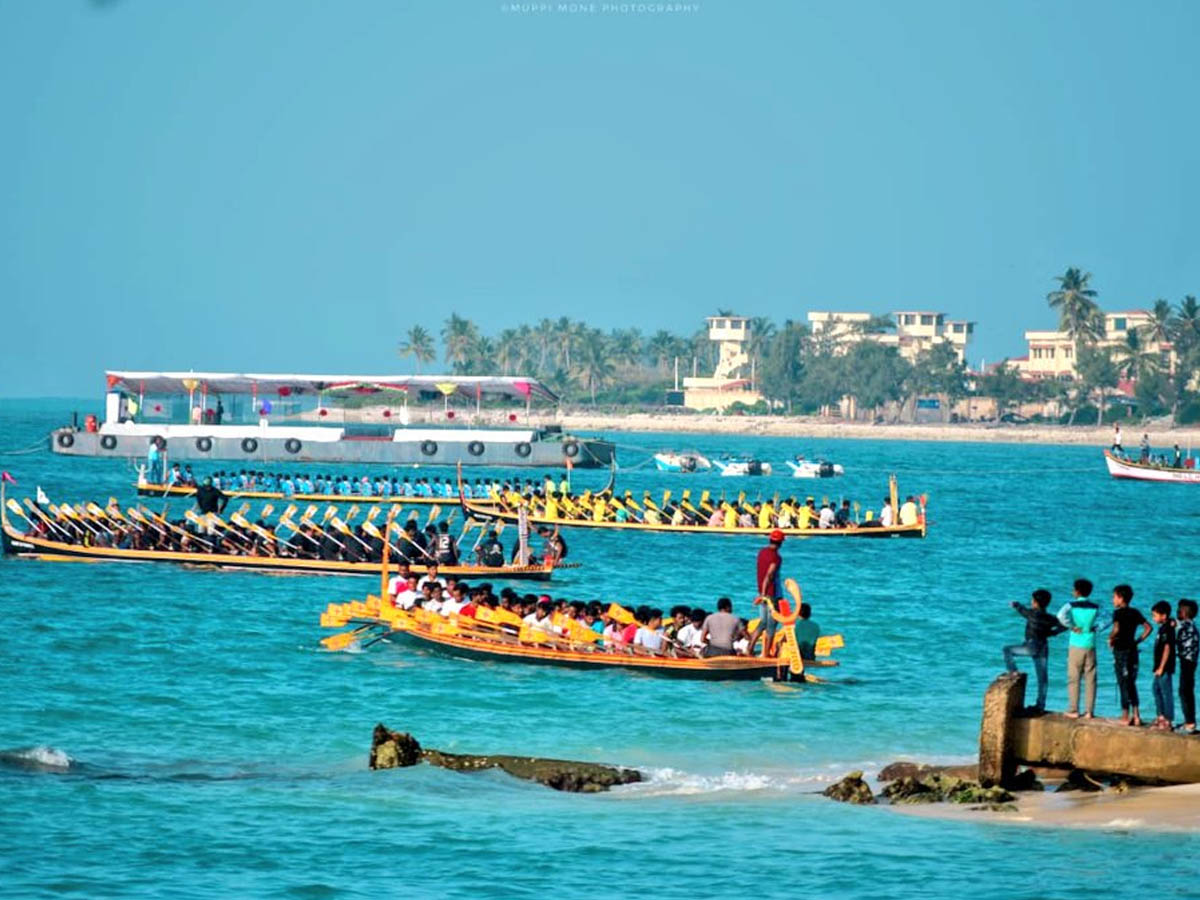
The beautiful archipelago of Lakshadweep sits serenely in the Arabian Sea, a place of cultural diversity and natural beauty. The different customs, beautiful scenery, and friendly people of Lakshadweep have contributed to the rich fabric of Indian culture on these 36 coral islands, which are a Union Territory. Join me on a voyage around these magical islands as I reveal the rich history, fascinating customs, and fascinating people that make this paradise location unique.
History, geography, and the peaceful cohabitation of many ethnic groups are the foundations of Lakshadweep’s cultural diversity. The indigenous inhabitants of the islands have long relied on the water for sustenance, and the islands’ palm-lined beaches and coral reefs provide a picturesque backdrop. Since the islands of Lakshadweep were formerly a part of the Maldives until the Portuguese acquired them in the 16th century, their main culture reflects the Maldivian influence.
The Lakshadweep people’s particular fusion of Islamic customs with their deep relationship with the sea is one of the most defining aspects of their culture. Islam has a significant impact on the people’s rituals, festivals, and everyday life. Lakshadweep is home to a large Sunni Muslim population, and their faith is on full display in their mosques, houses, and daily prayers.
Cultural fusion is what makes Lakshadweep unique, and the traditional houses of the inhabitants, called “Jali,” are a reflection of that. The exquisite wood carvings and elaborate windows of these coral-stone homes are a testament to the islanders’ talent as carvers. A blend of Maldivian and Keralan styles results in a one-of-a-kind look that is practical and beautiful. Coral and coconut wood, both of which are found in the area, are used because of the strong emphasis on sustainability and environmental friendliness in Lakshadweepan culture.
We experience the islanders’ characteristic warmth and generosity as we explore the cultural core of Lakshadweep. People in the group are very close to one another, and they form strong friendships via common celebrations, rituals, and everyday experiences. The warm hospitality and strong feeling of community among the Lakshadweep people shine through in their concerted attempts to save the island’s unique history and untouched natural beauty.
The islanders’ lifestyles revolve around fishing, an ancient profession. A mutually beneficial connection between humans and the ocean has developed via the preservation of traditional maritime expertise, which includes ways of navigating, fishing, and boat construction. In addition to providing a means of subsistence, the beautiful lagoons and coral reefs also foster a profound respect for and affinity with the natural world.

The vibrant island life is enriched by the joyful celebrations of Lakshadweep’s festivals, which have their origins in Islamic traditions. Observances of Eid-ul-Fitr and Eid-ul-Adha include communal gatherings, special meals, and prayers. Festivals bring people together, let them celebrate in one another’s company, and cement the ties that bind them as a community.
Cultural events and performances showcasing the region’s rich artistic past are also hosted by the islands. A vital part of Lakshadweep’s cultural expression is traditional dance styles including Kolkali, Lava, and Parichakali. The vibrant costumes and native music of the islanders tell tales of everyday life, mythology, and history via dance. Locals and tourists alike are enchanted by the beautiful spectacle created by the swaying dancers and the rhythmic beats of the drums.
Another important part of Lakshadweep’s culture is their language. The historical links to Kerala are reflected in the fact that Malayalam is the main language spoken on the islands. Although Maldivian Dhivehi and Malayalam are two distinct languages, the local dialect, Jeseri, is a hybrid of the two. The cultural variety of Lakshadweep is enhanced by its linguistic diversity, which provides insight into the historical and cultural interactions that have moulded the islands through the ages.
The cultural and educational institutions of Lakshadweep are vital in protecting and sharing the history of the area. History, traditional arts, and environmental importance of the islands are taught in schools, cultural centres, and museums. Keeping the younger generations informed about the traditions that make Lakshadweep unique is the responsibility of these institutions.
Cultural practices and ecological equilibrium in Lakshadweep are inseparable. Sustainable fishing techniques, conservation initiatives, and traditional farming practices are clear signs of the islanders’ reverence for nature. The coir business, which is fueled by the abundance of coconut trees, is another example of the community’s dedication to sustainable living. The delicate balance maintained by the residents of the islands is evident in the fragile nature, which they perceive as a pure paradise.
The islanders’ reliance on seafood in Lakshadweep cuisine reflects that. Traditional Lakshadweepi cuisine is built on fish, coconut, and other foods that are acquired from the surrounding area. Specialties like Tuna Biryani, Mas Huni, and Fihunu Mas, cooked to perfection by the islanders, are savoured on special occasions and as part of the islanders’ daily cuisine. Lakshadweepi food is a story of the rich oceans and generations of culinary creativity, told via its distinctive fragrances and tastes.
Finally, the Lakshadweep people and their culture are living proof that tradition, faith, and environment can coexist together. The cultural diversity and unspoiled natural beauty of the Lakshadweepi Islands are evidence of the hardiness and flexibility of the local population. We are reminded as we walk along coral-fringed shores and experience the archipelago’s vibrant traditions that Lakshadweep is more than just a bunch of islands; it is a living, breathing testimony to the resilience of a people who are strongly tied to their heritage and the limitless ocean that embraces them.

Flora and Fauna of Lakshadweep Islands
January 23, 2024 in Lakshadweep, Wildlife & Nature

A living testimony to the magnificent beauties of nature, the Lakshadweep archipelago is located in the Arabian Sea and boasts unsurpassed splendour. With its myriad of islets and 36 coral islands, this tropical paradise is home to a breathtaking variety of land and marine animals, as well as beautiful white sand beaches and sparkling lagoons. The unique ecosystems of the Lakshadweep islands are woven into the complex tales of the marine life, coral reefs, and avian marvels that inhabit this enormous expanse of blue seas.
A Symphony for the Waters of Lakshadweep Islands
Underneath the soothing touch of the Arabian Sea lies the enchanting coral reefs, the jewel in the crown of Lakshadweep’s fauna. These structures are essential to the marine biology of the archipelago because they are made of polyps that release calcium carbonate. Coral reefs in Lakshadweep are a popular destination for ecotourists and marine life lovers due to the breathtaking beauty of their complex structures and vivid colours.
Exploring Lakshadweep’s underwater world is like stepping into a fascinating kaleidoscope. Many different kinds of marine life abound in the coral gardens, and they all add their own unique colours and shapes to the beautiful ballet that is the underwater environment. From graceful angelfish to brilliant parrotfish and delicate butterflyfish, coral reefs are home to a dizzying assortment of fish species. Underwater, a mesmerising dance of organisms navigating intricate coral structures reveals the extraordinary beauty of biodiversity.
This underwater symphony is a real pleasure for snorkelers and scuba divers. Dive into the mysteries of the underwater world as the mild currents guide you through the intricate coral arches and overhangs. As moray eels and reef sharks monitor their territory, anemone fish dance delicately, capturing the eye in the coral gardens. Coral reefs in Lakshadweep are more than just pretty pictures; they’re a living ecosystem in which all the creatures play an important part in keeping everything in its proper place.
Sea turtles, who have been circling the globe for thousands of years, find refuge on the peaceful beaches of Lakshadweep. Species such as the hawksbill turtle and the green turtle rely on the islands as breeding sites. The female turtles follow a pattern that they alone know when it is time to lay her eggs on the warm beaches of the archipelago. The survival of these endangered species depends on the protection of these nesting locations, which conservation groups are working relentlessly to achieve. The cyclical rhythm of life in Lakshadweep is poignantly demonstrated by seeing the emergence of tiny turtle hatchlings, who make their way to the sea with a tenacity that defies their size.
The Enchantment of Birds of Lakshadweep Islands
The birds of Lakshadweep soar in the air as the sun sets over the island’s many coconut palms. A symphony of avian melodies reverberates through the verdant foliage of the islands, making them a paradise for birdwatchers. While the green pigeon injects life into the lush scenery, the white tern soars gracefully over the canopies thanks to its otherworldly plumage.
Many bird species flock to Lakshadweep because of its relative seclusion and variety of habitats. Birds that have flown great distances to reach this island seek refuge on the many coral atolls and islets that dot its surface. Lakshadweep is home to a diverse array of birds, including migrating species such as magnificent raptors and graceful waders.
Additionally, the islands are home to indigenous species that have evolved to thrive in this tropical paradise. The fragile ecological balance of Lakshadweep depends on the protection of these indigenous birds. The Lakshadweep bulbul and Lakshadweep whistling thrush are two indigenous species that represent the biological distinctiveness of the archipelago. The conservation efforts in Lakshadweep go beyond only protecting breeding places; they also involve building safe havens for these amazing birds, so that their hypnotic sounds will continue to fill the air.
Exploring Beyond the Coasts of Lakshadweep Islands
Although Lakshadweep’s sea habitats get all the attention, the land ecosystems are just as fascinating. The islands’ diverse flora, which includes both mangrove forests and coconut groves, provides a home for a wide array of terrestrial animals. Mangroves prevent coastal erosion and play an important role as fish nursery due to their complex network of roots and canals.
A wide variety of crabs and lizards, each tailored to the particular circumstances of Lakshadweep, make up the terrestrial fauna of the island. Because no one else has ever set foot on these islands, they have developed their own unique ecosystems and indigenous animals. Evidence of the ecological richness of the archipelago may be seen in the enigmatic Lakshadweep skink and the lively Lakshadweep day gecko.
The preservation of whole ecosystems is the goal of conservation programmes in Lakshadweep, which go beyond only protecting species. The mangrove forests that surround the islands are a perfect example of the interplay between land and water. In coastal ecosystems, mangroves are essential because they protect coastlines from erosion and serve as a nursery for fish. The mangroves of Lakshadweep play an important role in the ecosystem of the archipelago and are vital to the survival of several marine species.
The Complex Network of Life of Lakshadweep Islands

Local communities in Lakshadweep play a vital role in conservation efforts, which cannot be achieved via individual efforts. The locals here have a profound appreciation for the natural beauty of their islands and know how important it is to keep it that way for the generations to come. To save Lakshadweep’s biodiversity, a combination of traditional knowledge that has been passed down through many generations and contemporary conservation measures has been developed.
Activities like fishing and tourism are heavily regulated to ensure they have little environmental impact. Traditional, environmentally friendly fishing methods are an integral part of island life and will keep this important industry afloat for generations to come. Conservation efforts in Lakshadweep centre on finding a middle ground between human needs and animal preservation, with the goal of achieving harmonious cohabitation.
Climate Change: A Time for Urgent Response
Lakshadweep looms large over the globe, serving as a constant reminder of how vulnerable our home is in the face of the consequences of climate change. Sea acidity and warming waters endanger coral reefs, while shifting weather patterns affect when and where animals hatch and migrate. The critical need for immediate action to combat climate change and safeguard ecosystems is highlighted by the precarious equilibrium seen in Lakshadweep.
Finally, Lakshadweep’s fauna is a veritable symphony of life, formed by the seamless integration of the island’s marine and terrestrial ecosystems. Nature lovers and international conservationists alike will find paradise on these islands, thanks to their thriving coral reefs, abundant marine life, breathtaking birds, and unusual terrestrial wildlife. The animals of Lakshadweep are visually stunning and powerful reminders of how interdependent all life is. Let us not only see the magnificence of this archipelago, but also resolve to save the fragile ecosystems that constitute Lakshadweep a genuine gem of the Indian Ocean. Despite difficulties
The protection of Lakshadweep’s wildlife is becoming an international obligation due to the threats presented by human activities and climate change. The delicate treasures that beautify the islands of Lakshadweep are beckoned to be appreciated, respected, and protected for years to come by the captivating beauty of their nature.

Kalpeni Beach: An Enchanting Tropical Wonderland
January 23, 2024 in Lakshadweep, Beaches

Kalpeni Beach, a true jewel in the enchanting Lakshadweep archipelago, calls to everyone who seek pristine beauty and peaceful solitude. A feeling of calm washes over as soon as one steps foot on the white beaches of this perfect coastal sanctuary, and the tropical beauty of Kalpeni is revealed layer by layer.
Where blue seas meet smooth, white dunes and the air is filled with a tranquilly that takes visitors to a realm undisturbed by the tumult of contemporary life—that is Kalpeni, a tribute to the creativity of nature. For those lucky enough to stumble across it, the beach is a tranquil haven where beauty abounds at every bend.
Upon first glance, Kalpeni Beach is breathtaking. The soft, silky sand beneath your feet beckons you to let go of cares and embrace the unspoiled splendour of nature. Immerse yourself in the tropical allure of Kalpeni as the soft sound of the waves caressing the coast composes a calming background symphony.
The turquoise seas close to the shoreline transition to a deep sapphire as the ocean spreads out into the horizon, creating a beautiful palette that frames the beach. Unparalleled water purity exposes a diverse undersea tapestry, enticing snorkelers and scuba divers to investigate the thriving marine life below.
The coral reefs of Kalpeni are an ecological wonder that enhance the island’s aesthetic value and help maintain the island’s fragile ecological balance. As they swim amid the intricate structures, snorkelers may see the coral gardens’ rainbow of colours, which is home to a wide variety of fish species. These reefs will be around for future generations to enjoy because of the conservation initiatives that have been put in place to keep them that way.
Kalpeni Beach is the perfect place for beach bums to kick back, relax, and have fun. With its blue seas and coconut trees as a backdrop, this beach is perfect for sunbathing, shelling, and water sports. Time stands still there, and you can savour the little things in life more fully because of it.
Kalpeni unveils its actual grandeur as the day progresses. The beach becomes a tropical paradise as the sun’s warm rays illuminate the water. Coconut palms wave softly in the wind, casting a cool shade on those who seek it. The allure of Kalpeni goes beyond sight; it captivates every sensation, from the touch of the sand to the aroma of sea salt in the air.
Kalpeni Beach is a sight to see at sunset. The sky takes on a kaleidoscope of orange, pink, and gold as the sun sets. Sunset viewing at Kalpeni is one of those once-in-a-lifetime, unforgettable experiences that encapsulates the enchantment of the changing of the seasons. Long after the sun goes down, you’ll still feel at rest from the tranquilly and beauty of the moment and the surrounding nature.
Kalpeni is an integral part of the Lakshadweep Islands’ cultural tapestry, in addition to its inherent beauty. There is a community on the island that has managed to keep its customs alive for many years. From tasting traditional food to taking part in cultural activities that highlight Kalpeni’s rich legacy, visitors may fully immerse themselves in the local culture.
The cultural and historical importance of Kalpeni is reflected in its architecture. Traditional homes, characterised by elaborate woodwork and bright colours, are evidence of the islanders’ skill as carpenters. Human creativity and the unspoiled beauty of Kalpeni are brought together in perfect harmony by the architectural aesthetic’s seamless integration with the natural environment.
Kalpeni offers a variety of accommodations, from cosy beach cottages to more extravagant choices, guaranteeing that every traveller may discover the perfect escape. Locals’ warmth and friendliness make visitors feel more than simply like tourists; they become friends as they enjoy Kalpeni’s natural splendour.
A new spell begins to take hold of Kalpeni Beach as dusk approaches. As a result of the lack of artificial light pollution, the island becomes a veritable observatory for the stars at night. Under the tropical night sky, the soft lullaby of the waves lulls tourists into a peaceful slumber.
Rather than being only a tourist attraction, Kalpeni Beach is a harmonious display of tropical beauty and serenity. Kalpeni provides an oasis of tranquilly in the middle of a chaotic world, where visitors may lose themselves in the beauty of nature. It serves as a gentle reminder that even in the middle of our complicated contemporary lives, there are still spots where we may find peace in the little things: the sensation of sand under our feet, the soothing sound of waves lapping against the coast, and the breathtaking sight of a sunset painting the sky with a myriad of colours.
In conclusion, Kalpeni Beach is an ethereal haven, a place that goes beyond the mundane and whisks guests away to a world of wonder and tranquilly. If you’re looking for an underwater adventure, a chance to learn about local traditions, or just a break from the stresses of everyday life, Kalpeni is the place for you. It begs you to join its narrative, to find the enchantment inside its borders, and to depart with memories that will last well beyond the golden sands’ fading visibility.
Bangaram Beach: An Oasis of Serenity and Raw Elegance
January 23, 2024 in Lakshadweep, Beaches

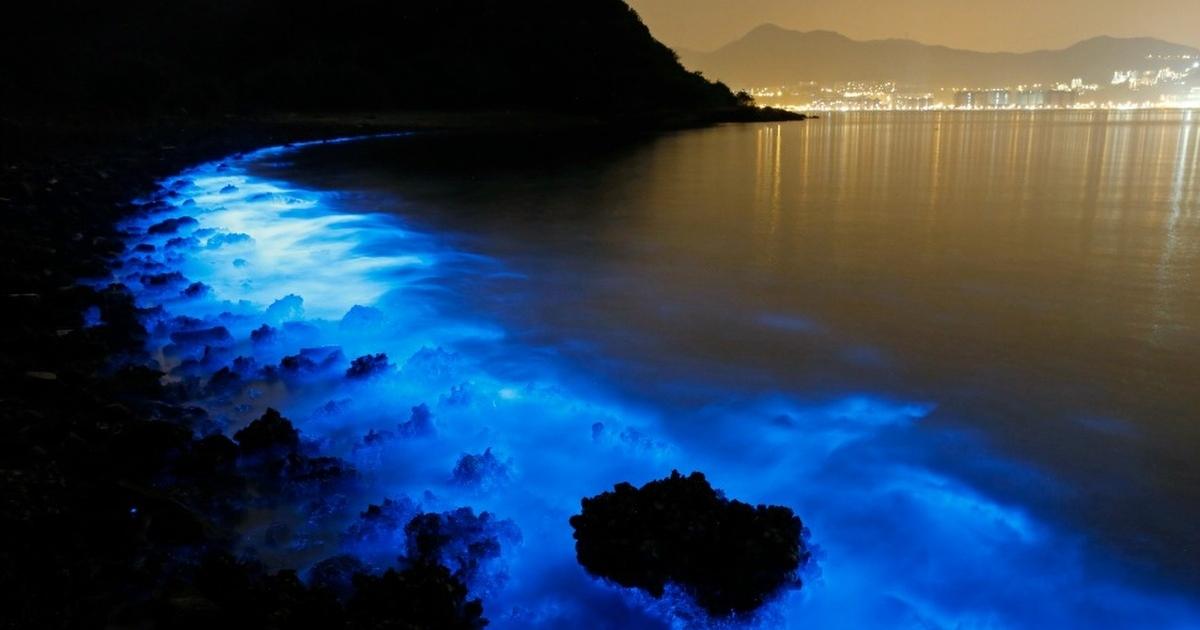
Bangaram Beach is a little-known jewel in the Lakshadweep island, just where the blue sky and Indian Ocean meet. Nature lavishes its pristine splendour onto the lucky few who dare to visit this paradisiacal location, which is sometimes called the Jewel of the Lakshadweep Islands.
A feeling of calmness envelops the spirit the moment it steps foot on Bangaram Beach’s fine beaches. A picture of tranquilly unfolds on the beach, where endless stretches of powdery white sand create a picturesque backdrop. The calming sound of the waves lapping against the coast invites guests to escape the hustle and bustle of everyday life and fully appreciate the breathtaking natural beauty that Bangaram has to offer.
Bangaram Beach is beautiful in its own right, but it’s even more appealing when you move into a world where nature’s untamed beauty triumphs over man-made structures. The powdery sand entices barefoot exploration, bringing guests into the present moment through a physical connection with the Earth. As the tropical sun casts its warm rays over the beach, the seas surrounding Bangaram change colour, forming a breathtaking visual symphony.
The coral reefs that surround Bangaram are evidence of the incredible underwater sights that may be discovered by divers. Divers and snorkelers may observe a veritable rainbow of marine life thanks to the abundance of colourful coral reefs that serve as homes for many different kinds of fish and other aquatic animals. Dive after dive, the breathtaking undersea scenery comes to life in breathtaking detail, thanks to the crystal clear water that provides unrivalled visibility.
To keep the fragile environment of Bangaram under check, preservation and conservation activities are of the utmost importance. To guarantee the durability of the coral reefs, which play a crucial role in the region’s biodiversity, they are meticulously safeguarded. As an example of how human beings and their natural surroundings may coexist in perfect harmony, Bangaram is a symbol of the need of environmental protection.
Bangaram Beach has a plethora of activities for anybody who would rather not let their feet dangle in the sand. As the swaying coconut trees line the shore, the beach transforms into a recreational paradise. Bangaram provides an experience as diverse as the blues that make up the surrounding seas, satisfying the wants of beachgoers with everything from relaxing strolls down the shore to exciting water sports.
Bangaram changes throughout the day, giving guests a show that can’t be topped by anything they’ve ever imagined. Bangaram Beach is known for its spectacular sunsets. Sunlight paints a magnificent show of orange, pink, and gold into the sky, which serves as a canvas for the sun’s ultimate masterpiece. If you are lucky enough to be there as the sun goes down at Bangaram, you will never forget the profound sense of wonder and amazement you felt.
Bangaram Beach is an integral part of the Lakshadweep Islands’ cultural fabric in addition to its stunning natural beauty. A tight-knit population has lived on the island for centuries, passing down its traditions and practices. From sampling regional specialties to taking part in festivals honouring the rich history of the area, tourists may fully immerse themselves in the culture.
The cultural and historical importance of the Bangaram Island region is reflected in its architecture. Traditional homes, characterised by elaborate woodwork and bright colours, are evidence of the islanders’ skill as carpenters. Human inventiveness and the unspoiled beauty of Bangaram are harmoniously fused by the architectural aesthetic’s seamless mix with the natural terrain.
Bangaram Island offers a wide variety of accommodations, from simple beach huts to five-star resorts, so that every traveller may discover the perfect escape. Guests are made to feel more than just visitors; they are welcomed as friends sharing in the beauty of Bangaram with the islanders, thanks to the warm and friendly hospitality of the people.
A tranquil atmosphere permeates Bangaram Beach as dusk descends. Bangaram becomes a celestial observatory when the city lights are turned out and the stars may be seen twinkling in the sky. The soothing lullaby-like waves make every night on Bangaram a revitalising retreat, lulling guests into a comfortable sleep.
If you’re looking for a place to recharge your spirit, go no farther than Bangaram Island. Bangaram provides a haven from the hectic pace of contemporary life, where visitors may relax and marvel at nature’s beauty. The sight of a sunset painting the sky with hues of awe is a reminder that even in the middle of everyday stress, there are places to find peace in the simplicity of life – the sound of waves caressing the coast, the feel of sand between your toes.
To sum up, Bangaram Beach is an idyllic sanctuary of perfect beauty, a place that goes beyond the typical and takes people on a journey of wonder and calm. Whether you’re looking for an underwater adventure, a chance to learn about local traditions, or just a break from the stresses of everyday life, Bangaram is the perfect place for you. It begs you to join its narrative, to find the enchantment inside its borders, and to depart with memories that will last well beyond the golden sands’ fading visibility.

The Agatti Island Beach: A Tropical Wonder That Never Gets Old
January 23, 2024 in Lakshadweep, Beaches

Agatti Island Beach, located in the Lakshadweep archipelago, is one of the most stunning coastline attractions in India. The serene atmosphere, endless blue waters, and powdery white sands of Agatti Island are a sight to see, and a testimony to the unspoiled beauty that Mother Nature can give us.
Stepping into the pristine beaches of Agatti Island Beach is like stepping into a tropical paradise. The gentle sand beneath your feet beckons you to escape the hustle and bustle of city life and sink into the tranquilly that this beach sanctuary offers. As if on cue, the waves gently lap at the coast, creating an atmosphere ideal for escaping into the arms of nature.
Agatti Island Beach is beautiful in its own right, but it’s the sense of entering a timeless refuge that really makes it special. The colours burst to life as the sun’s warm rays illuminate the shore; the sand becomes a golden tone, and the water becomes an enchanting blue. Nature has painted this hidden jewel with each brushstroke, and the result is a work of breathtaking beauty that only the lucky few will ever see.
The beach on Agatti Island leads to an underwater world of unmatched variety, and the island is famous for its coral reefs. As they explore the complex coral formations and come face to face with a rainbow of marine life, snorkelers and scuba divers enter a lively underwater paradise. Visitors can glimpse the beautiful underwater tapestry that lives under the surface thanks to the crystal-clear waters, which enable clarity that appears almost otherworldly.
The coral reefs that surround Agatti Island are more than simply pretty to look at; they’re also quite important to the local ecology. So that future generations might still enjoy the aquatic delights that Agatti has to offer, conservation initiatives are working hard to keep these fragile habitats safe.
Agatti Island Beach provides a plethora of land-based activities for anyone who would rather not leave the beach. A haven for leisure and enjoyment, the beach is bordered by verdant vegetation and coconut trees. At Agatti Island, you’ll find everything a beach bum could want: a place to play volleyball, read a book in the tropical sun, or take a relaxing walk down the shore.
Spectacular sunsets may be seen from Agatti Island Beach. The sun’s last masterpiece is painted on the horizon as the day winds down. As if in a cosmic ballet, the sky takes on a kaleidoscope of colour as shades of pink, purple, and orange harmonise. A spiritual experience, a time of contemplation and appreciation for the splendour of nature unfolds before one’s eyes as they watch the sunset in Agatti.
Nature enthusiasts will find Agatti Island Beach to be a sanctuary, but the cultural diversity of the area makes it much more than that. A tight-knit population has lived on the island for centuries, passing down its traditions and practices. Experience the rich cultural legacy of the Lakshadweep Islands firsthand by participating in cultural activities and indulging in traditional food.
Agatti Island’s cultural and historical importance is mirrored in its architecture. As reminders of the island’s rich cultural history, you may see traditional homes and mosques dotting the landscape. A beautiful symphony of human creativity and the surrounding natural beauty is created by the buildings’ flawless integration with the terrain.
There is a wide variety of accommodations on Agatti Island, from simple beach huts to five-star resorts. Visitors are made to feel like valued guests in this tropical paradise by the warm and welcoming hospitality of the inhabitants. The island is lovely, but that’s not all it has going for it. The locals are extremely kind and kind.
A new magic takes hold of Agatti Island Beach as darkness falls. As a result of the lack of artificial light pollution, the island becomes a veritable observatory for the stars at night. Visitors are lulled into a comfortable slumber by the soothing lullaby created by the distant murmur of the waves and the delicate rustle of palm leaves in the air.
For those seeking spiritual solace, Agatti Island is more than just a vacation spot. Agatti provides a haven from the concrete and disorder that surrounds us, a place where we may relax and marvel at nature’s beauties. The sight of a sunset painting the sky with hues of awe is a simple delight of existence; the sensation of sand beneath your feet; the sound of waves kissing the coast; and these locations provide peace amidst the difficulties of contemporary life.
Ultimately, Agatti Island Beach is an enduring masterpiece of tropical splendour, a place that goes beyond the typical and whisks guests away to a world of tranquilly and wonder. No matter what your desire is—diving into local customs, seeking adventure beneath the waters, or just getting away from it all—Agatatti Island is here to accommodate you. Be a part of its narrative, explore its beaches for the enchantment they hold, and depart with memories that will last long after the golden sands have disappeared from sight.
Kavaratti Beach: A Peaceful Haven of Natural Beauty
January 23, 2024 in Lakshadweep, Beaches

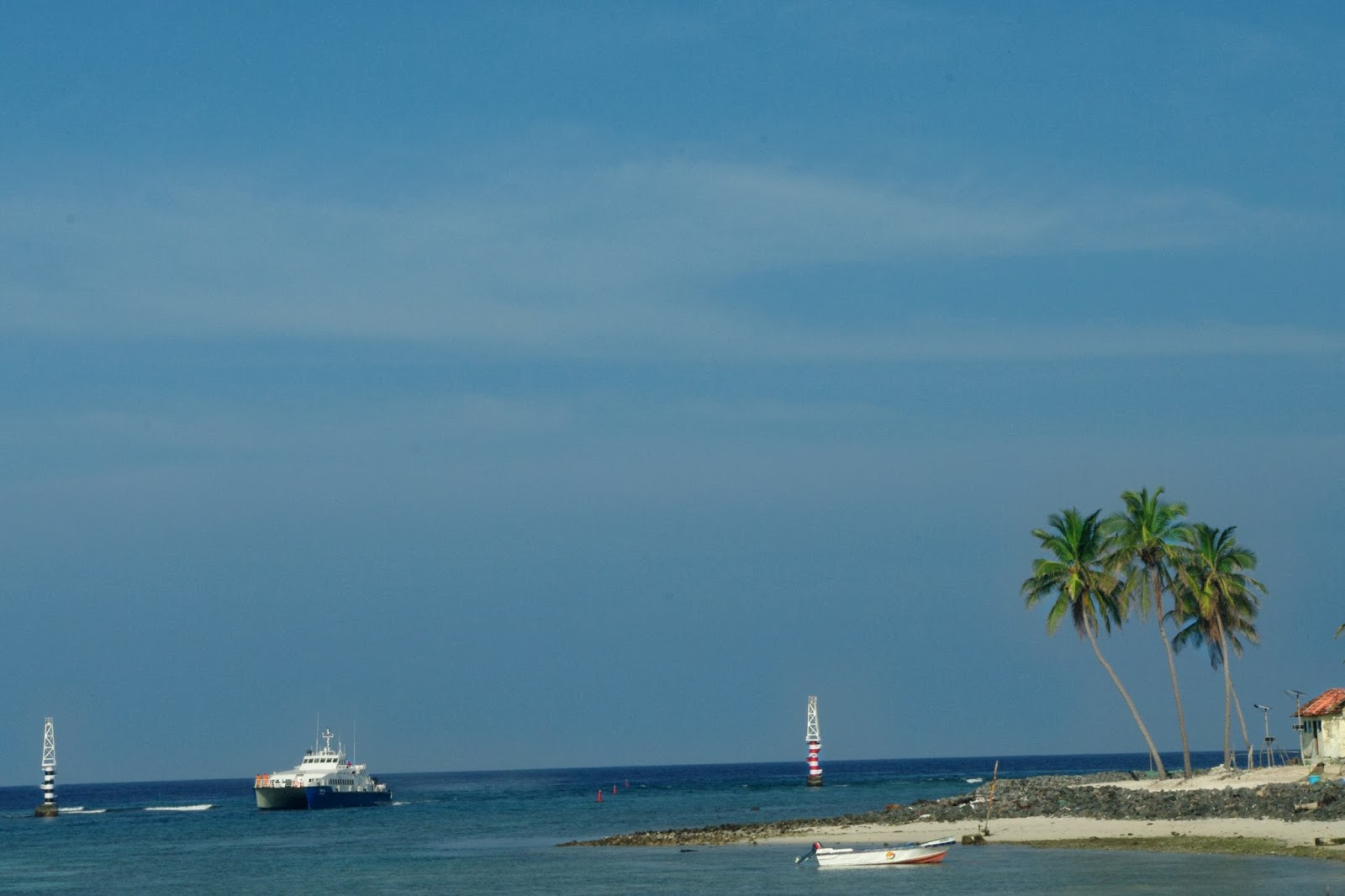
A haven of unparalleled natural beauty and tranquilly, Kavaratti Beach is located in the middle of the Lakshadweep archipelago. Visit Kavaratti, a tropical paradise with perfect white dunes, turquoise waters as transparent as glass, and verdant foliage that welcomes those in search of a break from the ordinary.
Kavaratti, the capital of the Lakshadweep Union Territory, is more than simply a beach; it is a place that engulfs tourists in a tranquil atmosphere and provides an ideal combination of cultural richness and natural marvels. Tourists from all over the globe flock to the island’s beach, which stretches down its shoreline, making it a true gem among the Lakshadweep Islands.
As soon as you lay eyes on Kavaratti Beach, you will be captivated. To relax and unwind, take remove your shoes and walk barefoot on the fluffy, fine sand that covers the beach. A symphony of noises arises when the soft waves crash on the coast, harmonising with the serene environment. The aroma of sea salt permeates the air, adding to the sensory delight of this seaside sanctuary.
The blue waves of Kavaratti Beach stand out because they seem to go on forever. The vivid marine life lurks just beneath the surface, its brilliant colours enhancing the already stunning scenery, and you can see it all thanks to the crystal clear water. Exploring the coral reefs and meeting the many marine animals that make this area their home is like entering a magical underwater kingdom for scuba divers and snorkelers.
In addition to sustaining local livelihoods and adding to the island’s biodiversity, the coral reefs that encircle Kavaratti play an essential role in the island’s environment. The current conservation initiatives are designed to maintain this fragile equilibrium so that the wonders of the underwater world can be enjoyed for years to come.
Kavaratti Beach provides a multitude of land-based activities for individuals who favour them. The possibilities are as diverse as the seas’ colours of blue: playing beach volleyball, doing yoga on the dunes, or just relaxing in the tropical heat. The beach undergoes a metamorphosis throughout the day, culminating in spectacular sunsets that splash the sky with a kaleidoscope of orange, pink, and purple hues. The spectacular sight of the sun setting over Kavaratti Beach is an unforgettable memory for anyone lucky enough to witness it.
Kavaratti Beach is more than just a beautiful place; it also has a rich cultural history. A tight-knit population has lived on the island for centuries, passing down its traditions and practices. Immerse yourself in the local culture of the Lakshadweep Islands by tasting traditional cuisine and dancing the folk dances that showcase the rich legacy of the islands.
The cultural and historical importance of the region is further demonstrated by the architectural marvels on Kavaratti Island. Representing the island’s Islamic history, the Ujra Mosque is a magnificent structure with elaborate woodwork. Visitors may have a taste of the many aspects of life on Kavaratti when they visit the mosque, which offers a tranquil and thoughtful atmosphere in contrast to the energetic beach.
There is a wide variety of lodging options on the island, from simple beach huts to five-star resorts, so that every traveller may find the perfect getaway. The warmth and friendliness of the islanders makes visitors feel more than just like tourists; they become friends as they share in the wonders of Kavaratti.
As the sun sets over Kavaratti Beach, a new enchantment emerges. Without the glare of city lights, the night sky is illuminated by the stars, painting a breathtaking vision of the cosmos. Peaceful slumber is bestowed upon guests by the lullaby-like sounds of the waves and the calming influence of the cold wind.
Kavaratti Beach is more than a vacation spot; it’s a spiritual haven. In a world where everything is moving at a breakneck speed, Kavaratti provides a respite by allowing visitors to relax and appreciate the natural beauty around them. It’s a gentle reminder that even in our fast-paced, technologically-driven world, there are still precious moments to be cherished, like stepping upon soft sand, listening to the gentle lapping of waves against the coast, and being captivated by the breathtaking sunset that transforms the sky into a tapestry of colour.
Ultimately, Kavaratti Beach exemplifies how nature can never fail to captivate and uplift the human soul. Beyond its surface, the beach is a sensory orchestra that enchants the senses and imprints itself permanently on the spirit. Whether you’re looking for an underwater adventure, a cultural immersion in the local traditions, or just a peaceful getaway from the hustle and bustle of everyday life, Kavaratti Beach is here to welcome you with open arms and offer an extraordinary experience that will take you away from it all.

Snorkeling in Lakshadweep: An In-Depth Guide to Discovering the Underwater Paradise
January 17, 2024 in Lakshadweep, Adventure
In the world of water sports, where the blue of the sky meets the turquoise of the ocean, snorkelling stands out as an unforgettable and unforgettable experience. Divers immersed in this artistic and scientific pastime swim through pristine waters while timing their breaths with the rhythm of a fin dance, a kaleidoscope of underwater colours, and the delicate tube of a snorkel. In this extensive discussion, we set out to understand snorkelling better, exploring its vocabulary, the tools it uses, and the fascinating underwater species it reveals.
Snorkelling is essentially a form of underwater ballet, a dance where the audience and the performer move in perfect harmony with the water’s enveloping liquidity. The diver, whose body is a patchwork of equipment, floats weightlessly on the water’s surface, free from the bonds of land. The gracefulness, equilibrium, and unification of the human soul with the watery vastness are all on display in this aquatic ballet.
Exploring the Lakshadweep Sea by Snorkel
The beautiful archipelago of Lakshadweep sits in the emerald seas of the Arabian Sea, a haven for thrill seekers and ecotourists. The 36 islands that make up Lakshadweep provide an enchanting underwater environment ideal for snorkelling. Underwater snorkelling in Lakshadweep is an enthralling activity, and this book will take you on an exploration of the top islands, marine life, necessary recommendations, and unique experiences that await you.
How to Get Your Permit and Enter Paradise
It is essential to be aware of the admission criteria before beginning your snorkelling trip in Lakshadweep. The ecological sensitivity and strategic placement of Lakshadweep need the acquisition of licences by tourists. These permits may be obtained from authorised travel agencies. To make sure you enter without any problems, it’s a good idea to check the newest requirements.
When to Go: The Timing Is Crucial
In order to have an unforgettable snorkelling experience in Lakshadweep, it is crucial to visit during the correct time of year. There are two main seasons in the archipelago, which contribute to its tropical environment. During the dry months of October through May, snorkelling is at its finest. The weather is nice, visibility is high, and the sea is quiet, so it’s the perfect time to explore the underwater delights.
In contrast, snorkelling is not recommended during the monsoon season (June–September) because to the high rains and turbulent waves. To get the most out of your underwater adventure, it is advised to arrange your trip during the dry season.
Island Selection: A Coral Reef Tapestry
There are countless islands in Lakshadweep, and snorkelling on each one is an adventure in and of itself. For those who love snorkelling, here are a few suggestions:
Bangaram Island is a snorkeler’s paradise due to its picture-perfect coral reefs and incredibly transparent seas. An fantastic location for scuba diving, the island has a rich marine environment with colourful coral formations.
Many people enjoy snorkelling at Agatti Island because of its beautiful turquoise lagoon and abundant coral gardens. Scuba divers and snorkelers will be captivated by the vibrant marine life in the shallow waters surrounding the island.
The unspoiled coral reefs and peaceful environment of Kadmat Island make it an ideal location for snorkelling in peace and quiet. The island provides a more private setting, perfect for snorkelers who want to lose themselves in the wonders of the ocean below.
The island of Kavaratti is the administrative centre of Lakshadweep, and it is known for its cultural sites as well as its excellent snorkelling. Snorkelers will have a blast exploring the diverse marine life that calls the coral reefs of Kavaratti home.
Underwater Life: A Spectacular Display of Form and Function
Underwater Lakshadweep is a paradise for those who love marine life and a veritable rainbow of hues. Small, colourful fish and large, magnificent sea turtles are only two of the many creatures that snorkelers may see. If you go snorkelling at Lakshadweep, you might see some of the following marine creatures:
The parrotfish is a colourful addition to coral reefs; it has a beak-like mouth and a variety of brilliantly coloured scales. The grazing behaviour of parrotfish is essential to the preservation of coral reef ecosystems.
You can’t miss the butterflyfish in Lakshadweep’s seas; they’re easily identifiable by their bright colours and intricate patterns. While snorkelling, you can’t help but be enchanted by their graceful motions.
The aquatic world is graced with the graceful presence of angelfish, which are embellished with exquisite designs. A favourite among snorkelers, they are known for their brilliant colours and distinctive forms.
Lakshadweep is a popular place for sea turtles to lay their eggs, and it is a truly enchanting experience to swim alongside these kind marine mammals while snorkelling. In the seas around the islands you could see hawksbill and green turtles.
With diverse Coral Species, Lakshadweep’s coral reefs offer a vibrant mosaic of coral life. While exploring the underwater gardens, snorkelers are treated to a breathtaking backdrop of hard corals, soft corals, and fascinating coral formations.
Snorkelling Equipment: A Must-Have for Any Aquatic Adventure

Having the proper snorkelling equipment is essential for a complete immersion in the underwater beauty of Lakshadweep. Although several resorts and trip companies offer equipment, it is always more comfortable and personalised to bring your own. The following is a list of things that every snorkeler must have:
- Mask: Underwater eyesight is severely impaired without a properly fitted mask. Opt for a long-lasting mask with a tempered glass lens and a silicone skirt for a snug fit.
- Snorkel: A good snorkel with a soft mouthpiece and a purge valve to make cleaning up a breeze is a need. To avoid getting wet when immersed, think about getting a dry snorkel.
- Fins: With fins, you can move about more easily and use less energy when snorkelling. Pick for fins that are a snug fit and provide you just the appropriate amount of thrust.
- Rash Guard or Wetsuit: Wearing a rash guard or a wetsuit may shield you from the sun and, in colder water, keep you warm. The best choice depends on the water temperature.
- Underwater Camera: Use an underwater camera to record the breathtaking underwater scenery of Lakshadweep. Models that are both small and waterproof are perfect for snorkelling excursions.
- Life Jacket: A life jacket is an additional safeguard to have on hand, particularly when venturing into uncharted water, regardless of how competent a swimmer you may be.
- Snorkeling Vest: A snorkelling vest, which can be inflated or deflated according to your preference, gives you more buoyancy when you’re snorkelling.
Expertly Guided Tours: Exploring the Underwater Paradise in Lakshadweep
There are a number of resorts and diving centres in Lakshadweep that provide guided snorkelling trips for individuals who want to learn more about the sport. Expert tour leaders know all the finest places to snorkel and have extensive knowledge of the local marine fauna. If you want to get the most out of your time underwater, meet fascinating marine creatures, and find hidden treasures, a guided trip is the way to go.
Scuba divers can gain a better appreciation for the marine ecosystem’s precarious balance by listening to tour guides discuss conservation initiatives in Lakshadweep. On top of that, they are a great resource for information on how to snorkel in an eco-conscious manner.
An incredible way for visitors to the Indian Ocean to snorkel is at Lakshadweep, where they can see the rich variety of marine life up close. The preservation and appreciation of our seas is exemplified by Lakshadweep, with its pristine coral reefs, abundant marine life, and responsible tourist activities. Whatever your level of experience is underwater, Lakshadweep will take you on a once-in-a-lifetime adventure to a tropical paradise.
Protecting Lakshadweep’s Underwater Wonderland via Conscientious Snorkelling
Snorkelers have a special obligation to protect the coral reefs and marine creatures that call the blue seas of Lakshadweep, a paradise on Earth. It is crucial to maintain responsible snorkelling practices for the sake of the fragile ecosystems that inhabit the ocean below, and it is also the right thing to do from an ethical standpoint. We explore the importance of ethical conduct, provide insights into the fragile marine environment of Lakshadweep, and present guidelines for fostering a sustainable coexistence between snorkelers and the submerged realm in this comprehensive guide to conscientious snorkelling.
It is essential to understand the fragility of the underwater ecosystems in Lakshadweep before investigating safe snorkelling techniques. The archipelago’s excellent coral reefs are famous for housing a wide variety of marine species. The biological complexity and rich variety of these ecosystems make them vulnerable to human interference, changing weather patterns, and careless leisure pursuits.
- Marine Rainforests: Coral Reefs
The Lakshadweep coral reefs are like tropical rainforests in that they support a diverse array of marine life and play a crucial role in maintaining a healthy ocean. The buildup of calcium carbonate, which is produced by coral polyps, creates these intricate and lively ecosystems. The reefs maintain a fine equilibrium in the marine food chain by providing refuge, habitat for reproduction, and food for many species.
- Biodiversity in the Sea: A Living Symphony
The seas of Lakshadweep are home to a wide variety of fish, turtles, mollusks, and crabs. The complex web of life in the ocean is supported by the interdependence of these creatures, which allows it to withstand and thrive.
- Rising Global Temperatures: A Dark Cloud Over Our Future

The marine ecosystems of Lakshadweep are strong, but they are under serious danger from the effects of climate change. Coral reefs face serious threats from climate change, acidification of the ocean, and other extreme weather occurrences. To reduce further pressure on these habitats, it is even more critical to practise responsible snorkelling.
Responsible Snorkelling: A Guide for Everyone
Snorkelers are like guardians angels for the delicate ecosystems of Lakshadweep, as they explore this perfect underwater world. If you want to help ensure the marine environment can continue to support life in the future, here are some rules on how to snorkel in a way that doesn’t harm it.
1. Get licences and Follow Regulations: Since Lakshadweep is a protected environment, the initial step in snorkelling responsibly is to get the required licences. Respect the authority of local authorities and conservation groups by following their rules and regulations. Learn the ins and outs of any regulations put in place to safeguard sensitive locations, such as restricted zones, seasonal closures, and more.
2. Choose Responsible Tour Operators: When you’re arranging your snorkelling trip, choose a tour operator or resort that puts an emphasis on responsible and sustainable operations. You should patronise businesses who share your values, adhere to ethical standards, and do your part to educate the public about marine life and ecosystems.
3. Learn What You Can About the Ocean: An knowledgeable snorkeler is a responsible snorkeler. Learn as much as you can about the ecosystems of Lakshadweep, its marine life, and coral reefs. Realising how delicate these ecosystems are makes you value them more and makes you want to do everything you can to keep them that way.
4. Practice Reef-Friendly Sunscreen Usage: The chemicals in sunscreens can be harmful to coral reefs, so it’s important to use sunscreens in a way that doesn’t harm them. To avoid contributing to coral bleaching, use reef-safe sunscreens that do not include oxybenzone or octinoxate. To reduce the need for sunscreen, use sun-protective rash guards and wear clothes with built-in UV protection.
5. Respect Marine Life: One of the most important things to remember when snorkelling responsibly is to keep your distance from the aquatic species you encounter. Keep your distance from marine turtles, fish, and other animals. Always stay out of the way and let the marine life around you act naturally.
6. Don’t Feed Wild creatures: When you feed marine creatures, you mess with their normal eating habits, and you might make them dependent on you. If you go snorkelling, please don’t feed the fish or any of the other animals you see. Allow nature to develop unimpeded by human interference.
7. Do Not Touch or Stand on Coral Reefs: Because they are fragile structures that take a long time to develop, coral reefs should not be touched or stood on. Any kind of physical touch, whether deliberate or accidental, can harm in an irreparable way. Keep off the coral by not stepping on it or touching it. Stay afloat and watch where you’re going to prevent bumping into the reef by mistake.
8. Carry Out What You Carry In: Responsible snorkelling goes beyond just being in the water. Remember to bring out what you bring in. Please properly dispose of any trash so that your visit is not left behind. Marine life can suffer greatly from trash such as plastics, wrappers, and other forms of detritus. Refrain from using disposable water bottles and instead bring along a refillable one.
9. Get Involved with Conservation Efforts: Think about joining a local conservation group or looking for a way to volunteer. Lakshadweep is home to several groups whose mission is to protect the ocean. The undersea ecosystem is being protected because of people like you who take part in beach clean-ups, educational outreach, and coral monitoring programmes.
10. Notify Local Authorities or Conservation Organisations of Environmental breaches: Notify the appropriate authorities or organisations if you observe any careless actions, environmental breaches, or suspicious activities that might endanger marine life or ecosystems. The delicate marine ecosystem of Lakshadweep depends on your constant attention.

Kerala Cuisine: An Exquisite Blend of Coconut, Spice, & Traditional Flavours
December 23, 2023 in Kerala
Kerala is a state in India that is sometimes referred to as “God’s Own Country.” It is located in the southwestern portion of the country, which is extremely green and colourful. The state of Kerala is a treasure trove of rich cultural history and a tapestry of varied customs, in addition to its stunning landscapes and tranquil backwaters. The excellent cuisine of Kerala is at the centre of this cultural tapestry. It is a voyage through the world of food that reveals the essence of the place via a symphony of flavours, smells, and textures.
The culinary landscape of Kerala is a fascinating combination of native products and the culinary methods of other countries, which is a monument to the historical and geographical influences that have shaped the state. From the verdant coconut palms that border the coastal sections to the rich plains where rice fields sway in the mild wind, the food is a reflection of the vast natural resources that the land possesses.
A significant component of Kerala’s culinary identity is the widespread use of coconut in a variety of forms, including grating, grinding, and pressing for the purpose of extracting milk. There is more to the coconut palm than just a tree in this place; it is a representation of nourishment and an essential component that gives the recipes their own distinctive personality. Coconut is the foundation of Keralan cuisine, from the oil that is used as the primary cooking medium to the creamy coconut milk that gives curries a rich texture. The coconut is the cornerstone of Keralan cuisine.
Rice is the staple food that serves as the foundation for the majority of meals in Kerala, and the state’s cuisine is intricately connected to the county’s agricultural methods. The diverse geography of the state makes it possible to cultivate a wide range of rice types, each of which brings a unique flavour and texture to the meals that are prepared. Whether it’s the fragrant and thin grains of Jeerakasala rice or the more robust Matta rice, the people of Kerala have perfected the art of transforming this unassuming staple into a canvas for the creative expression of their culinary skills.
An abundance of seafood may be found in Kerala as a result of the region’s distinctive topography, which is characterised by the Arabian Sea on one side and the Western Ghats on the other. The coastal villages have, over the course of several centuries, perfected the technique of translating the catch of the day into mouthwatering meals that highlight the inherent flavours and freshness of the marine bounty. The use of fish, prawns, crabs, and mussels in dishes like as stir-fries, grills, and curries results in a seafood feast that is unsurpassed in terms of both its flavour and its diversity.
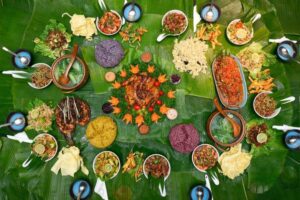
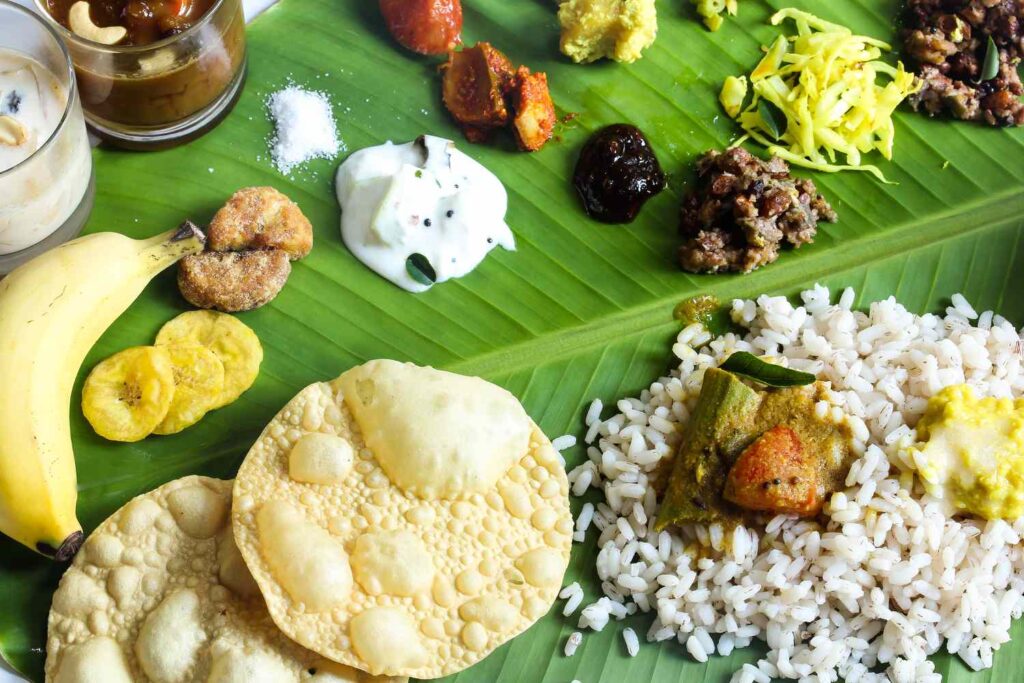
An extravagant vegetarian feast that is a celebration of flavours and textures, the Kerala Sadya is considered to be one of the culinary treasures of the state of Kerala. Presented on a banana leaf, the Sadya is a culinary adventure that includes a variety of dishes, each of which has been precisely prepared and arranged in order to provide a flavour combination that is in perfect harmony with the others. The Sadya is a collection of dishes that exemplify the culinary expertise of Kerala. These dishes include the tangy and spicy Rasam, the creamy Avial, the crisp and savoury Banana Chips, and the sweet and luscious Payasam.
Kerala’s cuisine is distinguished by a number of distinguishing characteristics, one of which is the use of spices. The culinary traditions of the state have been irrevocably established as a result of the state’s long history as a significant spice trade hub. As cooks deftly combine a symphony of flavours to produce the ideal equilibrium in each meal, the scent of freshly ground spices can be found wafting through kitchens. With the addition of mustard seeds, curry leaves, and fenugreek seeds, you may add a touch of pungency and bitterness to the dish. Black pepper, cardamom, cinnamon, cloves, and ginger are all spices that provide warmth and depth.
There is no way to have a full understanding of Kerala’s gastronomic environment without first trying some of the state’s most famous breakfast dishes. The traditional breakfast in Kerala is a robust event that often includes a variety of specialties that are designed to satisfy a wide range of preferences. A puttu, which is a cylindrical rice cake that is steamed, is frequently served alongside kadala curry, which is a spicy black chickpea stew. The rice pancake known as appam, which is light and lacy, is the ideal companion for the dish known as ishtu, which is a gentle and aromatic stew made with coconut milk and either vegetables or meat. In spite of the fact that they originated in South India, the ubiquitous Idli and Dosa have made their way into the culinary fabric of Kerala without any difficulty.
When one travels farther into the interior of Kerala, the food begins to take on regional characteristics. This is because each group in Kerala contributes its own distinctive flavours to the overall culinary tapestry. A peculiar cuisine that is characterised by the use of fragrant spices and rich, meaty meals is a product of the Malabar area, which has strong influences from both the Arab population and the Persian culture. This culinary masterpiece, known as biryani, is a fragrant rice dish that is stacked with spiced meat. It is a reflection of the fusion of native and foreign components that is characteristic of Malabar cuisine.
On the other hand, the Syrian Christian minority, which has a rich culinary legacy that dates back to ancient times, contributes its own unique flavour to the diversified cuisine culture that Kerala possesses. In meals such as the well-known Kerala Chicken Curry and the gently flavoured Meen Pollichathu, which is a traditional preparation of fish that is wrapped in banana leaves and grilled to perfection, coconut, spices, and indigenous ingredients are prominently featured.
Equally appealing is Kerala’s vegetarian food, which has a wide variety of dishes that highlight the state’s abundant agricultural resources at the same time. There is a wide variety of vegetarian dishes that can be found on the dining tables of Kerala. Some examples are Thoran, which is a dry stir-fry of vegetables with coconut, and Olan, which is a mild stew with pumpkin and black-eyed peas in coconut milk.
The celebratory foods of Kerala, which play an important part in the social fabric of the state, are another way in which the cultural variety of Kerala is expressed. Pookkalam, also known as flower carpets, Pulikali, also known as tiger dance, and, of course, the big version of Onam Sadya are just few of the foods that are included in the extravagant feast that is prepared for the harvest festival known as Onam, which is celebrated with a great deal of enthusiasm. By bringing people from different cultures together, the festival breaks down boundaries through the joy of cuisine and celebrations that are shared by all.
The diaspora of Kerala brings the flavours of their country to other parts of the world, demonstrating that Kerala’s culinary brilliance extends beyond the borders of the southern state. As people from Kerala move to other areas of the world and establish themselves there, they take with them the culinary traditions that have been handed down from generation to generation all throughout the world. The fragrant spices, the richness of coconut, and the depth of flavours continue to find expression in kitchens that are located far away from the verdant landscapes of Kerala.
In conclusion, the cuisine of Kerala is not only a collection of recipes; rather, it is a narrative that exposes the story of a place that is blessed with the bounty of nature and that has been formed by a rich tapestry of cultural influences. The gastronomic adventure of Kerala is a tribute to the peaceful coexistence of tradition and innovation. From the coconut-laden coastlines to the spice-scented hills, Kerala’s culinary journey will take you on a journey. There is a symphony of flavours that resonates with the warmth and hospitality that characterises the people of Kerala, and it is a celebration of variety. In the process of savouring the numerous flavours that this seaside paradise has to offer, one embarks on a gastronomic trip that goes beyond the confines of time and space, a voyage that takes them into the very essence of God’s Own Country.
