



Kashmir: A Paradise on Earth
September 3, 2023 in Jammu and Kashmir, Destinations

Nestled within the pristine embrace of the northernmost reaches of the Indian subcontinent, the ethereal landscape of Kashmir unfolds like a mesmerizing tapestry, weaving together the exquisite threads of Dal Lake, Gulmarg, Pahalgam, and the venerable Shankaracharya Temple. This celestial realm, often poeticized as the “Paradise on Earth,” boasts an opulence of natural wonders and cultural treasures that leave an indelible mark on those fortunate enough to traverse its enchanting terrain.
Dal Lake, a luminous jewel cradled in the lap of the Himalayas, stands as a testament to the serene beauty that graces the heart of Kashmir. Surrounded by the regal splendor of Mughal gardens, meticulously designed with symmetrical precision and adorned with resplendent blossoms, the lake emerges as a tranquil sanctuary. Here, the traditional Shikaras, ornately embellished wooden boats with vibrant canopies, glide effortlessly across the mirror-like surface, carrying with them the echoes of a bygone era and the mellifluous strains of poetic nostalgia.
Gulmarg, aptly named the “Meadow of Flowers,” unfolds like a panoramic masterpiece, captivating the beholder with its pristine allure. Draped in a mantle of immaculate white during the winter months, Gulmarg transforms into a veritable winter wonderland. The undulating slopes, blanketed in powdery snow, beckon enthusiasts to partake in the exhilarating ballet of skis, where each descent becomes a lyrical dance with nature. As snowflakes descend in graceful communion, Gulmarg stands as a testament to the harmonious marriage of natural splendor and human endeavor, a symphony composed by the hand of winter’s grace.
Pahalgam, ensconced within the picturesque embrace of the Anantnag district, unveils itself as a verdant haven of tranquility. Resting at the confluence of the Lidder River and the pristine Sheshnag Lake, Pahalgam is a testament to the unspoiled beauty of nature. The landscape, adorned with lush meadows and framed by the towering Himalayan peaks, paints a tableau of unparalleled beauty. Pahalgam beckons the weary traveler to relinquish the cacophony of urban life and immerse themselves in the symphony of nature, a retreat for introspection amidst the grandeur of creation.
The Shankaracharya Temple, perched majestically atop a hill overlooking the resplendent city of Srinagar, stands as a spiritual sentinel in the heart of Kashmir. Devoted to Lord Shiva and also known as the Jyeshteshwara temple, its ancient foundations bear witness to the eons that have unfolded beneath its venerable gaze. The ascent to this sacred abode, marked by a stone staircase of contemplation, becomes a pilgrimage in itself, inviting devotees and seekers to traverse not only the physical but also the metaphysical realms of existence.
Yet, the allure of Kashmir transcends the boundaries of its individual marvels, encompassing a diverse palette of landscapes that seamlessly meld together, creating a kaleidoscope of visual opulence. The snow-crowned peaks of the Pir Panjal Range, standing as silent sentinels, cast an enchanting spell over the entirety of the region.
The Chinar trees, with their resplendent foliage, create a living tapestry that bathes the land in hues of gold and crimson. Their leaves, akin to the finest silk, rustle in the gentle breeze, whispering tales of bygone eras when emperors and poets sought solace beneath their sprawling branches. The Mughal Gardens, architectural marvels against the backdrop of the Zabarwan Range, unfurl like ornate carpets, each step revealing the intricate design of Nishat Bagh, Shalimar Bagh, and Chashme Shahi.
As the sun dips below the horizon, Dal Lake undergoes a metamorphosis, casting a magical spell upon its surroundings. The vibrant hues of the floating gardens, known as “Rad,” reflect in the twilight, transforming the lake into a canvas of surreal beauty. The Nigeen Lake, often referred to as the ‘Jewel in the Ring,’ complements its counterpart with equal grace, offering a quieter retreat for those seeking solitude amidst the poetic silence.
However, the allure of Kashmir extends beyond its aesthetic grandeur to embrace a cultural tapestry as diverse as it is ancient. The vibrant handicrafts, including the legendary Pashmina shawls, Kashmiri carpets, and exquisite papier-mâché artifacts, bear testimony to the artistic finesse passed down through generations.
Kashmiri cuisine, a culinary odyssey of aromatic spices, tantalizes the taste buds and beckons connoisseurs to embark on a gastronomic pilgrimage. The Wazwan, a traditional feast, unfolds as a symphony of flavors, showcasing the culinary expertise of Kashmiri chefs. Each dish, from the aromatic Rogan Josh to the delectable Yakhni, weaves a narrative that reflects the cultural vibrancy of the region.
The melodic strains of traditional Kashmiri music, with the haunting notes of the Santoor and the soul-stirring verses of the Chakri, resonate through the valleys and meadows. It is a musical legacy that transcends time, echoing the sentiments of a people deeply connected to their roots and expressing the intricate emotions of a region where every note is a testament to the soulful resilience of its inhabitants.
However, the saga of Kashmir is not confined to the realms of aesthetic allure and cultural richness. It is a narrative etched with the ink of history, marked by the ebb and flow of civilizations and the resonance of geopolitical currents. The Vale of Kashmir has been witness to the rise and fall of empires, the echoes of which linger in the ancient walls of temples and mosques alike.
The political landscape of Kashmir, often a subject of global discourse, adds a layer of complexity to its narrative. The region has been a bone of contention between India and Pakistan, each laying claim to its sovereignty. This geopolitical tug-of-war has given rise to palpable tension, casting a shadow over the idyllic landscapes and infusing the air with a subtle yet persistent unease.
In recent times, concerted efforts have been made to foster peace and dialogue, acknowledging the aspirations and grievances of the people of Kashmir. The quest for a resolution continues, fueled by the collective desire to restore harmony to a land that has borne witness to both the ecstasy of natural beauty and the agony of political turmoil.
In conclusion, Kashmir, with its jewels of Dal Lake, Gulmarg, Pahalgam, and the Shankaracharya Temple, stands as a testament to the grandeur of nature and the resilience of its people. It is a land where the echoes of history harmonize with the melodies of tradition, creating a symphony that transcends the boundaries of time. As the world gazes upon this celestial realm, one cannot help but be captivated by the ethereal beauty and profound cultural tapestry that define Kashmir, a masterpiece painted by the hand of nature and shaped by the indomitable spirit of its people.

Magnificent Culinary Tour of Kashmir
September 3, 2023 in Jammu and Kashmir
When you go on a culinary journey across the stunning landscapes of Kashmir, you will discover a rich tapestry of flavours that will dance upon your tongue like a symphony of gastronomic excellence. The foods that are considered to be traditional in Kashmir are strongly based in the cultural legacy of the area. These dishes demonstrate an exquisite combination of fragrant spices, indigenous ingredients, and culinary proficiency. As we make our way across this culinary environment, we will investigate the culinary treasures that are served on the tables of the locals and find well-known restaurants that are gateways to the genuine Kashmiri gastronomic experience.
The iconic Wazwan is the first stop on the gastronomic adventure that is Kashmir. Wazwan is a culinary spectacle that goes beyond the concept of simple eating and becomes an adventure for the senses. The name “Wazwan” refers to a feast of epic proportions, which is distinguished by an elaborate array of foods that are both fragrant and flavorful. It is a symphony of flavour, with each dish being a note that has been meticulously choreographed and adding to the great composition of the gastronomic experience.
Rogan Josh is a meal that encompasses the spirit of Wazwan perfectly. It is a braised lamb dish that is considered to be a heavenly invention in the culinary arsenal of Kashmir. In addition to being cooked to perfection, the succulent chunks of lamb that have been marinated in a symphony of spices emit a smell that is both rich and delicious. The brilliant red colour, which is achieved by carefully combining Kashmiri red chilli powder with other spices, captivates the senses even before the first taste is taken. With its succulent flesh that is drenched in a rich sauce, it guarantees a gastronomic experience that is unrivalled and leaves a lasting impression on the taste senses.
With the Rogan Josh, you will find Yakhni, a curry made with yoghurt that is both aromatic and delicate, and it is the perfect compliment to the strength of the Wazwan. Including fennel, ginger, and cardamom, the meal is given a nuanced richness as a result of the delicate interaction of spices and their combination. This silky mixture is used to soak the soft bits of meat, which are often chicken or lamb. This creates a harmonic contrast that enriches the whole dining experience.
When we were looking for a vegetarian alternative to the carnivorous delights of Wazwan, we came across Dum Aloo, a potato delicacy that combines the earthy flavours of the tuber with a heady combination of fragrant spices. The culinary expertise of Kashmiri cooks is shown via the tiny potatoes, which are drenched in a sauce that is both luxurious and silky, and which is laced with asafoetida and fennel. Slow cooking, also known as “dum,” is a method that guarantees every mouthful is a surprise of complex flavours. This technique is a monument to the culinary creativity that is rooted in Kashmir’s gourmet tradition.
It is impossible to get a thorough understanding of Kashmiri cuisine without first indulging in the heavenly scent of the traditional Pulao, and more especially the Kashmiri Pulao. A symphony of flavours is created when fragrant basmati rice is supplemented with saffron, dried fruits, and a variety of aromatic spices. This produces a dish that takes the diner to a world of gastronomic joy. There is a compelling ballet of flavours that connects with the spirit, and it is created when the sweet notes of dried fruits combine with the savoury essence of the rice.
The traditional Kashmiri dumpling, also known as Modur Pulav, is a dish that deserves a place of honour among the culinary gems that Kashmir has to offer. The essence of luxury is embodied in these dumplings, which are infused with the gentle sweetness of caramelised sugar and supplemented with a mixture of dried fruits. Modur Pulav, which is served with the savoury pleasures of Wazwan, brings a touch of sweetness to the feast, so establishing a perfect balance that exemplifies the complexity of Kashmiri culinary traditions.
Kashmiri cuisine encompasses a wide variety of mouthwatering meals that are a reflection of the region’s diverse gastronomic environment. This food goes beyond the Wazwan feast. The scrumptious Gushtaba, which is sometimes referred to as the king of meatballs, is a gastronomic marvel that absolutely must be missed. In a thick and silky yogurt-based stew, tender meatballs made from minced lamb are cooked for a long period of time. Gushtaba is elevated to a world of culinary greatness by the fragrant spices, which include saffron and cardamom. As a result, it is an absolute need for cuisine fans who are looking for the pinnacle of Kashmiri cuisine to sample it.

The culinary journey of Kashmir also brings us to the delicious joys of Seekh Kebabs, which are juicy skewers of minced beef that are seasoned with a variety of spices. Before grilling the meat to perfection, the minced beef is marinated in a fragrant mixture of herbs and spices. This is the first step in the painstaking preparation process. A symphony of smokey flavours and soft textures that are a treat to the taste is the consequence of this approach.
Venturing farther into the depths of Kashmiri cuisine, we discover the alluring attraction of Nadru Yakhni, a delicacy that celebrates the immaculate beauty of the lotus stem. The lotus stems, which are obtained from the placid waters of Dal Lake, are converted into a wonderful delicacy by being cooked in a stew that is based on yoghurt for an extended period of time. The meal is given a subtle depth by the delicate infusion of spices, which includes cumin and fennel. This allows the natural flavours of the lotus stem to be brought out and shine through.
We find ourselves pulled to the beautiful world of Haak as the gastronomic adventure continues to develop. Haak is a meal that is considered to be the classic Kashmiri food, and it exemplifies the region’s preference for greens. Collard greens, which are referred to as Haak Saag in the region, are prepared by slow-cooking them with a variety of spices, such as asafoetida and mustard oil. This results in a side dish that is an excellent accompaniment to the bold and opulent flavours that are characteristic of Kashmiri cuisine.
If one want to go on a gastronomic journey through the culinary marvels of Kashmir, it is necessary to not only investigate the traditional dishes, but also the places that serve as entrances to this unrivalled culinary experience. Shamyana Restaurant, which can be found in the centre of Srinagar, is now considered to be one of the most prestigious names in the culinary scene of Kashmir. In addition to being well-known for its dedication to maintaining the genuineness of Kashmiri cuisine, Shamyana provides a carefully designed menu that expertly highlights the culinary gems that are prevalent in the area.
An additional jewel that can be found woven into the culinary fabric of Kashmir is the Mughal Darbar, a restaurant that has endured the test of time and has grown to become an institution. Mughal Darbar is renowned for its commitment to the culinary arts, as shown by the fact that it has a pedigree that spans decades and offers a menu that pays attention to the rich heritage of Kashmiri cuisine. Customers have the opportunity to indulge in the symphony of flavours that characterise Wazwan and to dig into the culinary traditions that have contributed to the formation of Kashmir’s gourmet identity.
In the centre of Srinagar, Ahdoos Restaurant shines as a shining example of culinary perfection, making it an ideal destination for people who are looking for a dining experience that goes beyond the typical. As a result of its long history, which spans more than a century, Ahdoos has become associated with the skill of preparing genuine Kashmiri delicacies. A dining experience that is both immersive and memorable is guaranteed by the restaurant’s dedication to employing only the highest quality ingredients and maintaining traditional methods of preparation because of this devotion.
In the last moments of the gastronomic journey across Kashmir, an unforgettable impression is left on the senses. Traditional Kashmiri meals, with their symphony of flavours and aromatic subtleties, are a monument to the cultural richness of the area as well as the culinary expertise of the region. This allows customers to go on a trip through the gastronomic legacy of a region where each dish is a celebration of history, heritage, and the beautiful craftsmanship of flavour. The discovery of prominent restaurants becomes a doorway to the true Kashmiri culinary experience, enabling customers to start on this adventure.

Culture, Craftsmanship, and Souvenirs in Kashmir
September 3, 2023 in Jammu and Kashmir
Not only does embarking on a tour through the magnificent landscapes of Kashmir include an examination of the spectacular natural beauty of the region, but it also extends an invitation to dig into the rich tapestry of the religious and cultural legacy of the region. The bustling marketplaces of Kashmir are a treasure trove of traditional handicrafts and artefacts, each of which tells a narrative of skillful workmanship that has been handed down through generations. These markets are located beyond the snow-capped hills and peaceful lakes of Kashmir. During this all-encompassing shopping excursion, we go through the local marketplaces, where we investigate the intricate details of Kashmiri workmanship and uncover the enduring appeal of souvenirs that perfectly capture the essence of this fascinating area.
The pulsating centre of Srinagar, the capital city of Kashmir, is a gateway to a multitude of local marketplaces that come to life with the vivid energy of craftsmen and merchants. Srinagar is a busy city filled with people. Lal Chowk, a busy bazaar where the pulse of Kashmir’s commerce pulses with a regular cadence, is one of the most well-known places in Kashmir. In this location, one may immerse oneself in a kaleidoscope of colours, fragrances, and textures as they make their way through a labyrinth of booths that are decorated with traditional handicrafts.
A mesmerising combination of modernism and history can be found at the Shankaracharya Temple Road Market, which is located right next to the well-known temple and is a popular tourist destination. This market, which is situated against the background of the Himalayan peaks, has a carefully selected assortment of Kashmiri handicrafts. These handicrafts include beautiful Pashmina shawls as well as handmade carpets. The air is thick with the scent of spices, and the vivid colours of the fabrics create a scene that is mesmerising for those who are passionate about shopping as well as collectors who are very particular about their collections.
Not only are the floating wonders of Dal Lake a sight to see, but they also provide a one-of-a-kind shopping experience in the form of the Floating Vegetable and Handicraft Market. A floating bazaar that lends an ethereal touch to the shopping experience is created by shikaras that are embellished with a wide variety of handicrafts and are situated against the serene waterways. An selection of handmade products, like as embroidered fabrics, traditional jewellery, and elaborately carved wooden artefacts, can be found here. These things, which all reflect the creative spirit of Kashmir, are available for purchase.
The Polo View Market, which is located in the centre of Srinagar, is a well-known destination that entices visitors with its extensive collection of authentic Kashmiri handicrafts. As one makes their way through the winding alleyways, the air gets imbued with the tantalising scent of spices and the melodious chiming of wind chimes that have been created. Polo View Market is a paradise for people who are looking for real Kashmiri souvenirs. It offers a wide variety of items, ranging from phirans that are elaborately embroidered to the well-known Papier-mâché artefacts that are representative of the creative tradition of the area.
Papier-mâché, a type of art that has thrived in Kashmir for generations, reveals itself as a witness to the Kashmiri region’s creative perfection. Paper pulp, glue, and natural colours are the three components that give rise to the delicate masterpieces that are painstakingly crafted by artisans. As a consequence, a wide variety of excellent artefacts have been produced. These artefacts include elaborately made boxes, trays, and ornamental items that are embellished with bright designs that represent stories from Kashmiri mythology and culture. Not only do the Papier-mâché sculptures provide the function as mementos, but they also serve as concrete symbols of Kashmir’s creative skill.
As the tour through the local marketplaces progresses, the beautiful artistry of Kashmiri carpets becomes a focal point of appreciation for the traveller. The Shawl Emporium, which can be found in Polo View Market, makes available a vast assortment of handwoven rugs that are a representation of the time-honored weaving traditions that are used in the area. The meticulous weaving of each carpet creates a symphony of colours and textures that captivates the discriminating shopper. These patterns span from conventional floral themes to geometric designs, and each carpet is a masterpiece in its own right.
The vibrant colours of Kashmiri textiles are not limited to carpets; they also include the Pashmina shawls, which are known all over the globe. The wool of the Pashmina goat, which is indigenous to the very high elevations of the Himalayas, is used in the production of these shawls, which are exquisitely woven and extremely soft. A spectacular assortment of Pashmina shawls that exhibit elaborate needlework and delicate workmanship can be found at the Jamawar Shawl Emporium, which is located in the centre of Srinagar with its enchanting atmosphere. Shawls are not only clothing; rather, they are enduring representations of elegance and legacy. They are often handed down from generation to generation as heirlooms.
Kashmir’s cultural tradition is also reflected in the time-honored technique of Kashmiri embroidery, which is referred to as “Kashida” in the region. The markets are ornamented with stores such as Kashmir Handicrafts, where experienced craftsmen create magic with needles and threads, adorning textiles with colourful flower designs and exquisite motifs. These shops are decorated with a variety of themes and patterns. The garments are transformed into wearable pieces of art that tell the stories of Kashmiri culture and history thanks to the colourful embroidery that gives them a touch of regality. Clothing is transformed into something more than simply clothing.
The royal allure of Kashmiri jewellery, which is distinguished by its elaborate patterns and fine details, is a gem that would be highly sought after by those who are looking for unusual adornments. Traditional Kashmiri ornaments, such as the uniquely crafted ‘Dejharoo’ earrings and ‘Jhoomar’ headpieces, are shown at the Zaina Kadal market, which is situated in the centre of Srinagar. The market is home to a wide variety of jewellery stores. Each item, which is crafted from gold or silver and embellished with precious stones, conveys a narrative of the historical grandeur and cultural legacy of Kashmir.
We are introduced to the magical world of Kashmiri woodwork when we explore the labyrinthine marketplaces of Kashmir. In this realm, talented craftsmen convert raw wood into wonderful artefacts. Intricately carved furniture, ornamental panels, and elegant screens are just some of the products that can be seen at the Badshah Chowk market, which is a centre for traditional woodcraft. The intricate designs, which include floral patterns and geometric motifs that represent the natural beauty of the region as well as the cultural significance of the area, highlight the skill that went into creating them.
It is impossible to get a comprehensive understanding of Kashmiri handicrafts without first diving into the world of traditional pottery. The Khanyar market, which is filled with lively stores, is where you can get the characteristic Kangri, which is a traditional clay pot that is wrapped in wicker and used to stay warm during the cold winters in Kashmir. Additionally, the market has a variety of hand-painted pottery, which includes bowls, plates, and ornamental pieces. Each item bears the signature of the expert hands of the craftsman who created it by hand painting.
The diverse culinary legacy of Kashmir is not only a treat for the taste senses, but it also provides an opportunity to find one-of-a-kind mementos by way of souvenirs. Saffron, dried fruits, and a wide variety of spices are only some of the spices that can be found at the spice markets, such as the Koshur Saal in Srinagar. These marketplaces provide a sensory experience that titillates the sense of smell. In order to ensure that the culinary trip extends beyond the bounds of the plate and pervades the home kitchen, visitors have the opportunity to delight in the purchase of real Kashmiri spices.
As far as traditional garments are concerned, the renowned Kashmiri phiran stands out as a garment that exemplifies the cultural uniqueness of the area. An assortment of these free, flowing dresses, which are distinguished by their vivid colours and elaborate needlework, can be seen in the Phiran Bazaar, which is located in the centre of Srinagar. The act of wearing a phiran is more than just putting on an item of clothing; it is a celebration of tradition and a link to the cultural roots that are deeply ingrained in the soil of Kashmir.
In order to dig even further into the core of Kashmiri handicraft, one needs investigate the regions of Sufiana Kari, which is a kind of art that incorporates complex embroidery on textiles. A world where experienced artists weave magic with threads and embroider textiles with beautiful designs that represent the rich tapestry of Kashmiri culture is revealed at the Zaina Kadal bazaar, which is well-known for the creative offers it provides. The artist uses each item, from scarves to shawls, as a canvas to express their creativity.
As the voyage through the local marketplaces of Kashmir comes to a conclusion, the shopping bags that are stuffed with items become containers of memories. They hold within them the spiritual echoes of a land that is rich in cultural wealth. As a result of this thorough experience, the traditional handicrafts, mementos, and artefacts that are bought become more than just mere goods; they become physical manifestations of the beauty, history, and workmanship that determine the enchanted world of Kashmir. Those individuals who are looking for more than just a souvenir but rather a genuine connection to the enduring legacy of this beautiful area will find that each artefact has a bit of the region’s soul, which is ready to be embraced by them.

Beyond the Peaks: Kashmir’s Exciting Adventure Haven
September 3, 2023 in Jammu and Kashmir, Adventure

When one sets out on a tour through the heavenly landscapes of Kashmir, they are not only able to discover the mesmerising natural beauty of the region, but they are also given the opportunity to participate in a wide variety of exciting adventure activities that push the limits of what is considered to be exhilarating. The area is a playground for adventure fans, providing a variety of experiences that will get your heart racing, such as hiking, skiing, river rafting, and other activities. Beyond the tranquil lakes and snow-capped summits, the region is a playground for adventure enthusiasts. During this in-depth examination of the many adventure opportunities that Kashmir has to offer, we travel across the undulating terrains and shimmering waterways, diving into the world of outdoor adventures that are sure to get your pulse racing.
Trekkers who are passionate about discovering the wilderness and uncovering the mysteries that lie concealed inside the steep heights are enticed by the Himalayan ranges, which are characterised by their towering peaks and snow-covered slopes. The region of Kashmir, which is known for its extensive network of hiking routes, is a paradise for those who want to get in touch with nature while also pushing the boundaries of their physical capabilities. Gulmarg, which is famed not only for its skiing slopes but also for its walking paths that wind their way through alpine meadows and deep pine woods, is one of the most famous trekking destinations in the world.
As a tribute to the splendour of Gulmarg’s hiking terrain, the route to Apharwat Peak, which is located at an elevation of more than 14,000 feet, stands as a testament. The climb, which is accompanied by breathtaking views of snow-capped peaks and green valleys, transforms into a pilgrimage for hikers who are looking to commune with the sublime. At the stunning top of Apharwat, where the broad views of the surrounding mountains spread like a masterpiece created by nature’s hand, the winding routes, which are surrounded by brilliant wildflowers, lead to the summit.
Outside of Gulmarg, the mesmerising Aru Valley reveals itself to be a sanctuary for hikers who are looking for tranquilly among the rocky splendour of the Himalayas. The journey to Lidderwat Valley, which is located at the foot of the Kolahoi Glacier, provides an opportunity to have a profound experience in the heart of Kashmir’s wild and mountainous terrain. Trekkers are accompanied by the crystalline waters of the Lidder River as they make their way down the trail, which creates a magnificent symphony that resonates with the rhythmic cadence of each step.
An invitation to the thrilling world of skiing is extended to individuals who are seeking for an experience that will get their heart racing while they are surrounded by snow-covered slopes in Kashmir. Gulmarg, which is sometimes referred to as the “Meadow of Flowers,” is transformed into a winter paradise, which is wrapped in a layer of beautiful snow that attracts skiing lovers from all over the world. The Gulmarg Ski Resort, which is located at an elevation of more than 8,600 feet, serves as the focal point of this spectacular endeavour.
Skiers are transported to the peak of Apharwat Peak by the world-famous Gulmarg Gondola, which is one of the highest cable cars in the world. Once there, they have access to a wide variety of skiing slopes that are suitable for both beginners and experienced skiers. Those who have the courage to overcome the snowy expanse will be left with an everlasting recollection of the exhilaration of sliding down fluffy slopes while being surrounded by beautiful conifers and the panoramic canvas of the Himalayan peaks.
When you journey into the heart of Kashmir’s adventurous scene, you will also have the chance to traverse the rushing rivers that wind their way through the region’s mountainous terrains. Those who are looking to battle the turbulent waters of the Sindh and Lidder rivers may have a thrilling adventure by participating in white-water rafting, which is an activity that is an adrenaline-fueled activity. This aquatic journey begins at the Pahalgam Rafting Point, which is located in the heart of Pahalgam’s stunning surroundings and serves as the entry point.
Rafting enthusiasts are invited to manoeuvre through the twists and turns of the Lidder River, which is known for its hard rapids. This creates an amazing experience that takes place in the middle of the unspoiled nature. During the rafting trip, the turbulent rapids, which are surrounded by the picturesque grandeur of pine-covered mountains, provide a new depth of thrill to the experience. This ensures that the adrenaline rush will continue to reverberate long after the rapids have been mastered.
The Sindh River, which flows through the scenic Sonamarg Valley, provides white-water rafting aficionados with yet another canvas to explore. The rapids on the river, which range from easy to difficult, are designed to accommodate persons with varied skill levels, making it a great location for paddlers of all experience levels, from beginners to seasoned professionals. A visual spectacle is created as the river travels through the beautiful surroundings of Sonamarg, which contributes to an overall improvement in the rafting experience.
In the ethereal landscapes of Kashmir, paragliding appears as a magnificent activity, which is perfect for those with an adventurous spirit who are looking to reach new heights. Paragliders will find themselves in a heaven when they visit the meadows of Gulmarg because of the breathtaking vistas and gentle slopes that they provide. An airborne symphony that captivates the senses is created as one experiences the excitement of flying over the blue sky, with the snow-capped peaks below and the broad meadows spreading like a brilliant tapestry.
During this adventure that defies gravity, the Gulmarg Paragliding Point, which is located at a height of roughly 8,825 feet, serves as the launchpad. In the moment that the paraglider lifts off, the landscape below is transformed into a beautiful painting of the craftsmanship that nature has achieved. The feeling of freedom, in conjunction with the breathtaking vistas of the Himalayan peaks and the undulating landscapes, raises the experience of paragliding in Gulmarg to the level of an adventure that cannot be forgotten.
People who are looking for an adrenaline rush and are attracted to the rough terrains of Kashmir might find consolation in the heart-pounding activity of mountain riding. A dynamic playground awaits cyclists who are willing to tackle the hard environments, and the undulating routes that wind their way through the meadows and woodlands provide this opportunity. Pahalgam, with its varied terrain and unspoiled beauty, has emerged as a paradise for mountain bike lovers, enticing them to ride around its route network that is filled with breathtaking scenery.
The Betaab Valley, which was given its name after the Bollywood film “Betaab,” which was filmed in the valley’s breathtaking scenery, serves as a starting place for mountain riding adventures. The paths, which are surrounded by verdant meadows and are surrounded by the peace and quiet of nature, provide motorcyclists who are looking for both excitement and tranquilly with an experience that is really immersing. As they make their way across the exciting landscape, cyclists are accompanied by the fresh mountain air that is scented with the aroma of pine.

Rock climbing is an ancient and contemplative activity that allows fans to test their mettle against the sheer cliffs and rock faces that characterise the landscape of Kashmir. Kashmir’s adventure palette includes rock climbing as one of its activities. Rock climbers who are looking to achieve new heights will find the Aru Valley to be a natural playground because of its tall cliffs and hard rock formations. Adding a significant depth to the experience of rock climbing in Kashmir is the feeling of success that comes along with it, in addition to the breathtaking vistas that can be seen from some lofty vantage points.
As the spirit of discovery finds consolation in the more tranquil realms of exploration, the age-old skill of fly fishing transforms into a peaceful pastime since it is practiced in Kashmir, which is known for its crystal-clear rivers and lakes. Anglers who are looking for a place to fish that is both challenging and peaceful will find the Lidder River to be an ideal destination. This river is famous for its clear waters and plentiful trout. A contemplative experience that goes beyond the simple act of fishing is created by the repetitive throwing of the fly while being surrounded by the music of nature.
The magical fascination of Kashmir extends to its beautiful lakes, which invite enthusiasts to go on a kayaking trip that reveals the tranquil beauty that is concealed beneath the depths of the lakes. With its placid waters and the Zabarwan Range serving as a breathtaking background, the Dal Lake transforms into a paradise for kayakers. Kayakers are able to experience a feeling of oneness with nature as they navigate through the floating gardens and old Mughal gardens that are located on the lake’s edge. This allows them to take in the tranquilly that permeates this heavenly domain.
In conclusion, Kashmir is a paradise for adventurers because of its breathtaking landscapes and varied terrain. It provides a wide variety of exciting activities that can be tailored to fit the preferences of every individual. The area invites individuals with an adventurous spirit to explore its wild beauty by offering a variety of activities, ranging from the exhilarating experiences of white-water rafting in Pahalgam to the soaring heights of hiking in Gulmarg. In Kashmir, every experience becomes a chapter in a story that is written by the courageous individuals who dare to explore its heavenly landscapes. Whether it is skiing down snow-covered slopes, paragliding in the blue skies of Gulmarg, or navigating the pure waters of Dal Lake, each adventure in Kashmir becomes a chapter in a story.
Unveiling Kashmir’s Wildlife
September 3, 2023 in Jammu and Kashmir, Wildlife & Nature
When you embark on a trip through the ethereal landscapes of Kashmir, you are not only treated to a visual feast for the senses; you are also immersed in a world where the splendour of nature blends in perfect harmony with the myriad of fascinating animals that make this heavenly area their home. Beyond the snow-capped peaks and pure lakes, Kashmir reveals a rich tapestry of biodiversity, providing a safe haven for a multitude of species that have adapted to the many environments that may be found inside this paradise on Earth. During this in-depth investigation, we dig into the fascinating realm of Kashmir’s wildlife, where every living thing makes a contribution to the ecological symphony that reverberates across the region’s green valleys and deep woods.
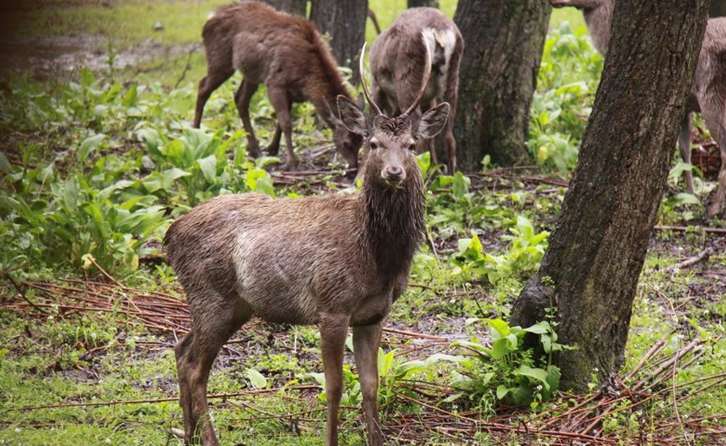
The dedication of Kashmir to the preservation of its wildlife is shown by the scenic Dachigam National Park, which is situated against the background of the Zabarwan Range. This sanctuary, which encompasses more than 140 square kilometres, has quickly become a safe haven for the endangered Hangul deer, which is also referred to as the Kashmir stag. The delicate balance that exists within Kashmir’s one-of-a-kind ecology is represented by the Hangul, which is characterised by its peculiar antlers and reddish-brown coat. The undulating landscape of the park, which is characterised by lush woods and alpine meadows, offers a great home for this magnificent animal.
As one travels further into Dachigam National Park, they will come face to face with the mysterious and elusive Snow Leopard, who is a master of camouflage in the harsh environment of the Himalayas. These lonely and evasive predators use the park’s rugged cliffs and rocky outcrops as a playground. Their existence leaves the Himalayan environment with an air of mystery because of their quiet presence. These elusive cats have been able to flourish because to Dachigam’s position as a protected region, which has created a refuge where their presence may be sensed. However, their essence continues to be buried in the mysticism of the mountains.
Dachigam is home to a number of notable inhabitants, one of which is the Himalayan Black Bear, which is characterised by a unique white chest mark in the form of a V. These bears exhibit a combination of power and agility as they search for food while roaming through the deep evergreen trees. An variety of resources for these omnivores is provided by the park’s rich flora, which includes oak, pine, and deodar trees. This ensures that they are able to live in harmony with the delicate balance that nature maintains.
Kashmir’s natural canvas is enriched with a symphony of colours and songs thanks to the avian tapestry that is found there. This tranquil expanse is transformed into a thriving avian sanctuary when the Hokersar Wetland, which is located on the outskirts of Srinagar, is used as a migratory home for a wide variety of bird species. During the winter months, a large number of migratory birds, including as Northern Pintails, Mallards, and Common Teals, congregate in Hokersar, presenting a multicoloured display against the background of the natural wetlands.
A wide variety of birds may be found in the sanctuary that is Wular Lake, which is one of the biggest freshwater lakes in Asia. The broad waters of the lake provide as a safe haven for a variety of species, including the exquisite Common Merganser, the Red-Crested Pochard, and the Tufted Duck. It is the responsibility of the Wular Lake Wetland Conservation Reserve to guarantee the conservation of these bird occupants by establishing a key habitat that allows their numbers to remain stable throughout the changing of the seasons.
An further musical note is added to the natural symphony of the area by the passionate cry of the Kashmir Flycatcher, which reverberates across the deciduous woods of Dachigam National Park. In the middle of the verdant flora, these brightly coloured birds, which have a distinguishing white eye ring and a plumage that is azure blue in colour, find refuge. They fly through the forest in search of insects. The park’s wide variety of habitats, which span from deep woods to alpine meadows, creates a setting that is perfect for the flourishing of these lovely flycatchers.
The elusive Himalayan Monal, which is sometimes referred to as the state bird of Jammu and Kashmir, is a bird that is known to adorn the meadows and alpine pastures of the area with its magnificent plumage. Against the backdrop of the Himalayan scenery, the male Monal, which is embellished with iridescent shades of green, blue, and copper, transforms into a living painting of colour. A sanctuary for these majestic birds, the Hemis National Park, which is located in the eastern part of the Ladakh area, provides them with the opportunity to grow in the environment in which they were born.
There is a wide variety of aquatic species that may be found in the pure waters of the Jhelum River and its tributaries, which contributes to the natural diversity of Kashmir’s rivers. It is in the tumultuous currents of these rivers that the elusive Kashmiri Mahseer, a kind of freshwater fish that is well-known for its tenacity and perseverance, flourishes. Anglers from all over the globe are attracted to the challenge of catching this valued fish, which contributes to the region’s status as a premium destination for those who are passionate about fishing.
The Indus River, which flows through the scenic valleys of Ladakh, reveals a distinct aspect of the aquatic variety that can be found in Kashmir. The elusive Snow Trout, which has adapted to the cold, clear waters of the Himalayan rivers, becomes a symbol of the pure and undisturbed ecosystems that are characteristic of this high-altitude area. The Hemis National Park, which is comprised of a network of rivers and streams, serves as a safe haven for the native fish species that are found there, so assuring the preservation of their living environments.
The secretive and nocturnal Kashmir Rock Agama is a quiet resident in the rocky outcrops of the area, which adds to the diversity of Kashmir’s fauna, which goes beyond the realms of terrestrial and avian animals and into the domain of reptiles. Given the mysterious hue it has
This lizard is able to handle the rough terrain with its nimble movements, blending in well with the earthy tones of the highlands. The existence of the agama injects an additional dimension of mystery into the rocky environments, where every crack and crevice has the potential to hide this evasive species.
The Red Fox is a carnivore that is both adaptive and resilient, and it thrives in the different habitats that are found in Kashmir. However, the study of Kashmir’s fauna would be completed without an encounter with the Red Fox. As it travels from the higher mountains of Gulmarg to the lower elevations of Pahalgam, the Red Fox transforms into a quiet observer of the shifting landscapes. The russet coat of the fox offers a striking contrast to the snow-covered slopes that are present throughout the winter season. Additionally, the fox’s adaptable movements demonstrate the suppleness that is necessary for life in the harsh terrains of Kashmir.
It is in the heart of the Himalayas that the elusive Himalayan Musk Deer seeks sanctuary. It is able to navigate the impenetrable woodlands with its lonely and secretive demeanour. As a result of the characteristic fang-like canines that the male Musk Deer has, it becomes a symbol of the region’s natural beauty and the untamed environment that defines its bounds. As a protector of these mysterious species, Dachigam National Park is responsible for guaranteeing the preservation of their habitats as well as the delicate balance of the environment that they call home.
Kashmir’s landscapes are adorned with a touch of fleeting beauty because to the wonderful world the butterflies inhabit. The meadows are transformed into a vivid palette of colours when butterflies visit the Valley of Butterflies, which is located close to Pahalgam. This valley serves as a refuge for a wide variety of butterfly species. Among the fluttering occupants that decorate the area, the Painted Lady, the Common Jezebel, and the Himalayan Fritillary are just a few examples. Together, they provide a mesmerising exhibition of the creative beauty that nature has.
As the sun begins to set over the valleys and meadows of Kashmir, the nocturnal dwellers begin to appear, lending an element of mystery to the animal tapestry that is found in this area. The Himalayan Palm Civet, with its tendency to live in trees and its tendency to keep to itself, becomes a resident of the deep woods that are found in this area. It is possible to detect the presence of the civet by the rustling of the leaves and the gentle padding of its swift movements, which contribute to the atmosphere of mystery that permeates the moonlight landscapes.
The investigation of Kashmir’s wildlife extends to the placid waters of Dal Lake, where the indigenous species of fish add to the region’s aquatic variety. Dal Lake is located in the heart of Kashmir. The delicate equilibrium that is characteristic of the aquatic ecosystems of Kashmir is reflected in the fact that the Saibling, a species that lives in cold water and has adapted to the temperature of the Himalayas, searches for refuge in the depths of the lake.
In conclusion, the variety of wildlife that can be found in Kashmir is an essential and captivating component of the natural beauty that can be found in the area. From the stately Hangul deer to the elusive Snow Leopard, from the vivid feathered occupants to the secretive reptiles and butterflies, each species contributes to the ecological equilibrium that characterises Kashmir’s untamed beauty. This harmony is what defines Kashmir’s untamed beauty. The dedication to animal protection, which is illustrated by sanctuaries like as Dachigam National Park and Hemis National Park, assures the preservation of these ecosystems and the delicate balance that maintains the many kinds of flora and fauna that inhabit this heavenly world. The voyage of discovery that is the exploration of Kashmir’s wildlife is a journey of discovery, where each meeting with a species adds a layer of awe to the rich tapestry of nature’s majesty in this paradise on Earth.

Darjeeling: A Cultural Maestro
August 4, 2023 in West Bengal, Destinations

Darjeeling, which is located in West Bengal and is surrounded by emerald hills, is distinguished not only as a picturesque location but also as a lively tapestry of culture and traditions that are just waiting to be discovered. In addition to its stunning surroundings, this quaint town invites visitors to explore its extensive cultural legacy, to participate in the traditions of the locals, and to create deep ties with the welcoming and diverse population that calls Darjeeling home.
Upon embarking on this cultural journey, the initial encounter with the spirit of Darjeeling is made possible by the entrancing strains of traditional music that are carried through the air. The melodious tunes of folk music frequently become the soulful soundtrack to the bustling streets of the town, and the local customs and traditions are tightly woven into the fabric of daily life because of the delicate weaving of these elements. An atmosphere that inspires a sense of celebration is created by the resonant beats of drums and the melodic melodies of traditional instruments. This ambiance invites tourists to immerse themselves in the cultural symphony that Darjeeling has to offer.
Engaging with the local community is absolutely necessary if one wishes to acquire a genuine understanding and appreciation of the cultural subtleties. The kaleidoscope of Darjeeling’s unique cultural past is reflected in the warmth of the people, who are dressed in vivid traditional costume. Darjeeling is characterised by its varied ethnic populations, which include Tibetans, Gorkhas, Lepchas, and Bhutias, among others. These communities all add to the city’s cosmopolitan fabric. Participating in activities with locals while dressed in their traditional garb offers a first-hand look at the pride and significance that are associated with these time-honored traditions.
One of the most important aspects of Darjeeling’s cultural mosaic is the vivid festivals that are scattered throughout the calendar. Each of these festivals brings a jolt of colours and a sense of excitement to the town. When the Gorkhas celebrate the Dashain festival, it is a great occasion that is characterised by rituals, feasts, and a sense of brotherhood among the participants. During the festival of Tihar, which is also referred to as Deepawali, the town is decked out with lamps and lights, which illuminate the streets and create an atmosphere of celebration. Visitors who take part in these events are able to not only observe the cultural wealth but also take part in the jubilant celebrations, which helps to cultivate a sense of togetherness and connection with the community that they are visiting.
As the sun rises above the Himalayan peaks, the monasteries that dot the landscape are filled with the reverberations of prayer wheels and chants that are performed by deeply religious individuals. Several monastic institutions can be found in Darjeeling, which is a region that has a significant Tibetan influence. Each of these institutions exudes a serene atmosphere that encourages reflection. A tranquil sanctuary is provided by the Yiga Choeling Monastery, which is situated on a hilltop and provides visitors with the opportunity to observe the daily rituals, engage in conversation with monks, and obtain an understanding of the spiritual traditions that are ingrained in the cultural ethos of the town.
It is absolutely necessary to pay a visit to the Himalayan Tibet Museum for individuals who are interested in gaining a more profound comprehension of the cultural origins of Darjeeling. Artefacts, documents, and artworks that tell the tale of the Tibetan diaspora are displayed at this institution, which is committed to the preservation of the Tibetan legacy. In addition to its role as a storehouse of cultural treasures, the museum also plays an educational role, providing visitors with a profound understanding of the history of the Tibetan population in Darjeeling as well as the challenges they have faced throughout the years.
In addition, the picturesque tea plantations that dot the landscapes of Darjeeling play a significant part in the formation of the cultural narrative around the town. The expansive tea gardens, with their verdant vistas, are not only gorgeous locations; rather, they are centres of cultural interaction. Engaging with the tea pluckers, who are mostly women dressed in brightly coloured garments, offers a peek into their day-to-day lives as well as the significant role they play in Darjeeling’s tea business. Where tales are spoken, traditions are handed down, and a sense of community is prevalent, the tea plantations transform into miniature representations of the cultural diversity that exists in the world.
The colourful marketplaces of Darjeeling emerge as cultural hotspots where the heartbeat of the town can be sensed as one wanders through the cobblestone lanes of the city. A genuine immersion into the culture of the area can be had by visiting the Mahakal Market, which is teeming with activity. The market is a sensory joy that encompasses the essence of Darjeeling’s cultural vibrancy. From the vivid assortment of traditional clothes and handicrafts to the aromatic spices and fresh fruit, the market is a sensual treat. This immersive cultural experience includes activities such as interacting with local sellers, gaining knowledge about traditional crafts, and delighting in the cuisine of the area.
It is imperative that you pay a visit to the Padmaja Naidu Himalayan Cultural Institute in order to delve into the core of Darjeeling’s cultural history. This institute, which was named after the daughter of Sarojini Naidu, is committed to the preservation and promotion of the cultural heritage of the region. The institution is a venue that conducts cultural programmes, art exhibitions, and seminars, which gives artists and performers the opportunity to exhibit their skills and showcase their talents. Visitors have the opportunity to watch traditional dances, musical performances, and art displays that capture the essence of Darjeeling’s cultural identity.
Colonial influences have left an indelible impression on the architecture and lifestyle of Darjeeling, which is a distinctive aspect of the town’s cultural tapestry. These influences have left an indelible mark on the town. Visitors will feel as though they have been transported to a bygone age by the colonial-era buildings, which feature charming aesthetics and elegant façade. The Chowrasta Mall, which is bordered by colonial grandeur, transforms into a cultural hub where both locals and tourists congregate to take in the allure of the past. The cultural exploration of Darjeeling is enhanced by the presence of a layer of historical richness that is derived from the colonial past that has been retained in the architecture and culture.
For the purpose of further enriching the cultural journey, engaging with local artisans and craftsmen becomes an endeavour that is both satisfying and beneficial. When it comes to their legacy and their artistry, the artisans of Darjeeling take great pride in their work, whether they are creating delicate woodwork or traditional handwoven textiles. Engaging in conversation with these highly trained artists not only provides insights into the artistic traditions of the region, but it also affords the opportunity to support and admire their handiwork, so helping to the preservation of Darjeeling’s cultural heritage.
The culinary scene of Darjeeling, which is strongly anchored in the flavours of the region and the traditions that have been passed down through generations, becomes an important avenue for cultural research. There is a gourmet trip that goes beyond merely providing nutrition that may be experienced at the bustling eateries, street food stalls, and traditional tea houses. Participating in culinary talks with local cooks, savouring traditional meals, and gaining a knowledge of the cultural significance of each flavour are all essential components of the cultural immersion experience that can be had in Darjeeling.
Homestays are a significant means of establishing a connection with the local community. These accommodations allow tourists to directly experience the warmth and friendliness of the people who live in Darjeeling. Having the opportunity to stay with local families offers a unique and personal perspective into the cultures, traditions, and daily life of the locals. A genuine connection with the heart of Darjeeling can be fostered by activities like as sharing meals, taking part in rituals performed by one’s family, and exchanging tales. These activities create a bridge that helps bridge cultural barriers.
In conclusion, Darjeeling presents itself as a cultural kaleidoscope, as it encourages tourists to investigate the complexities of its legacy, participate in the traditions of the locals, and establish links with the diverse population that it is home to. The people, their stories, and the complex tapestry of traditions are what define the actual spirit of Darjeeling. This is true even beyond the postcard-perfect landscapes that can be seen in the region. It is a voyage that transcends time and begs tourists to become not just observers but active participants in the living heritage of this charming hill town. Each step through the town becomes a cultural discovery, a journey that transcends time.

Uncover Darjeeling’s Adventurous Heart
August 4, 2023 in West Bengal, Adventure

Darjeeling, which is located in the state of West Bengal and is surrounded by beautiful hills, is a paradise for those who are interested in experiencing new things. It provides a wide variety of exciting activities that tempt those who are courageous in heart. Beyond its peaceful landscapes and cultural allure, Darjeeling reveals itself to be an adventure playground. It invites thrill-seekers to discover the untamed grandeur of the Eastern Himalayas with activities such as mountain biking, trekking, and a variety of other sports that are sure to get their adrenaline racing.
Trekking lovers will find the undulating landscape and spectacular peaks that surround Darjeeling to be a great background for their vacation destinations. The area is home to a vast network of hiking routes, each of which winds its way through lovely towns, thick woods, and breathtaking panoramas. Adventurers may reach the highest peak in West Bengal, which is located at a height of 11,941 feet, by following the Sandakphu climb, which is considered to be one of the most famous trekking routes. The path offers hikers stunning vistas of snow-covered peaks as they rise through rhododendron woods and small hamlets. Among the snow-covered summits is the towering Kanchenjunga, which is the third-highest mountain in the world.
A beautiful trip through Singalila National Park is offered by the Singalila Ridge trek, which is ideal for those who are looking for a trek that is of moderate level. During this walk, you will go through a variety of landscapes, ranging from deep woods that are rich with wildlife to verdant meadows that are covered with bright wildflowers. The chance to see the dawn over the Himalayas from the vantage point of Sandakphu is the most exciting part of the Singalila Ridge hike. This spectacular event colours the sky with shades of gold and pink, creating a mystical atmosphere that permeates the peaks that are in the vicinity.
At the same time when the adrenaline rush of trekking is getting your pulse racing, Darjeeling is revealing yet another adventurous gem: mountain biking. Those who are passionate about mountain biking will find that the tough trails and difficult terrains that surround the town provide them a playground that is packed with fun and excitement. An exhilarating mountain biking experience may be had on the Singalila Ridge thanks to its undulating trails and descents. While negotiating the twists and turns of the path, bikers are able to immerse themselves in the natural beauty of the area while experiencing the exciting ride through the lush woods and picturesque towns.
Those who are looking for a mountain biking trip that is not typical will find that the Dhotrey to Rimbik track offers an interesting challenging experience. Riders will go through picturesque towns, lush woods, and peaceful scenery on this course that is less often visited. The path, which is studded with natural barriers and a variety of terrains, promises to be an exhilarating experience that blends the pleasure of mountain biking with the discovery of Darjeeling’s hidden treasures.
Paragliding. Paragliding is an activity that enables thrill-seekers to fly through the sky and view the town’s stunning scenery from a bird’s eye perspective. The adventure spectrum in Darjeeling goes beyond trekking and mountain biking to include paragliding. There is no better place to begin a thrilling fall than from the vantage point of Tiger Hill, which acts as the launch spot for paragliding experiences. This location provides an unrivalled view of the dawn over the Himalayas. An experience that is really remarkable and resonant with the spirit of adventure is created by the combination of the refreshing mountain wind, the breathtaking vistas, and the pure adrenaline of paragliding flights.
As Darjeeling emerges as an adventure canvas, it extends an invitation to rock climbing lovers to confront the rough cliffs and granite faces that cover the area. Climbers are encouraged to put their talents to the test against the hard surfaces of Tenzing Rock, which was named after the great mountaineer Tenzing Norgay. Tenzing Rock is a natural rock structure that stands. Courses in rock climbing are available at the Himalayan Mountaineering Institute (HMI) in Darjeeling. These courses enable climbers of all experience levels to scale these challenging cliffs while being guided by professional instructors.
Rafting on the Teesta River, which winds its way through the steep landscape of Darjeeling, is an amazing adventure that can be found in the region. Rafters are able to have an exciting aquatic adventure on the Teesta River, which is characterised by furious rapids. Rafters are able to manoeuvre through hard lengths while being surrounded by the pure grandeur of the Eastern Himalayas. The several levels of rapids are designed to accommodate both inexperienced and seasoned rafters, assuring that those who are brave enough to ride the wild waters will have an experience that will get their heart racing.
Those who are looking for a more tranquil water excursion will find that kayaking on the Teesta River provides a one-of-a-kind view of the scenery that Darjeeling has to offer. In the quiet parts of the river, kayakers have the opportunity to paddle across the tranquil waters, surrounded by verdant vegetation and the Himalayan peaks in the distance. This is the perfect backdrop for your kayaking adventure. An activity that is both relaxing and energising, kayaking provides participants with the opportunity to interact with the natural beauty of the area. The river’s steady flow and the immersive sensation of kayaking combine to create this trip.
The range of activities that Darjeeling has to offer has expanded to include camping, giving those who are passionate about the natural world the chance to completely immerse themselves in the natural environment. As a result of its untouched landscapes and varied ecosystems, Singalila National Park transforms into a paradise for outdoors enthusiasts. An exquisite camping experience is created by the fresh mountain air, the symphony of nature, and the bright night sky. This experience enables people to reestablish a connection with the peace and quiet of the Himalayan environment.
Darjeeling’s toy train, which is a UNESCO World Heritage Site, provides a nostalgic ride through mist-shrouded hills and picturesque towns. This adds a cultural and historical component to the adventurous odyssey that is being experienced. The Darjeeling Himalayan Railway, with its historic steam engine and attractive track, provides passengers with a leisurely trip that provides an insight into the colonial history of the town as well as the magnificent splendour that surrounds it.
Darjeeling extends an invitation to those who are looking for an exciting experience to go on a night safari through the Mahananda Wildlife Sanctuary as the day transforms into the enchantingly beautiful colours of dusk. As participants go through the refuge’s pathways with the assistance of knowledgeable guides, the sanctuary transforms into a nighttime paradise that is teaming with a wide variety of flora and wildlife. A mysterious appeal is added to the adventure by the excitement of seeing elusive species under the cover of darkness. This creates an immersive experience for those who are brave enough to explore the woods after dusk.
As a conclusion, Darjeeling appears not only as a gorgeous location but also as an adventure paradise that captivates the spirit of discovery among its visitors. Every single adventure activity in Darjeeling transforms into a voyage of discovery, from the towering peaks of Sandakphu to the thundering rapids of the Teesta River. This town is a place where the excitement of the Himalayas and the tranquilly of nature come together, and it invites those who are looking for an adventure to enjoy the wild beauty that can be found inside the heart of West Bengal. A place that resounds with the call of the wild, Darjeeling beckons all those who are looking to embark on an exciting adventure among the stunning landscapes of the Eastern Himalayas. The broad variety of adventure possibilities that Darjeeling offers is a witness to the fact that it is a destination that resonates with the call of the wild.

Explore Darjeeling’s Multicultural Delights
August 4, 2023 in West Bengal

It is a culinary joy, providing a delightful assortment of local food that tantalises the taste buds and represents the rich cultural tapestry of the area. Darjeeling, which is nestled among the picturesque hills of West Bengal, is not only a refuge for stunning vistas, but it is also a gastronomic delight. As tourists make their way through the gorgeous alleys of Darjeeling, they start on a gastronomic trip that reveals the myriad of flavours and culinary traditions that are associated with this town.
Darjeeling’s indigenous cuisine is a reflection of its eclectic background, inspired by the merger of Nepali, Tibetan, Bhutanese, and Bengali culinary traditions. As a result of the numerous cultural influences that have moulded Darjeeling’s culinary environment, the scrumptious options vary from substantial and flavorful to delicate and fragrant. This provides a gourmet experience that connects with the varied cultural influences.
When exploring the cuisine of Darjeeling, it is impossible to avoid trying the famous momos since they are a staple. The culture of the town’s street cuisine has become associated with these exquisite dumplings, which were influenced by the culinary traditions of Tibet. The momos, which have a thin and soft outer shell that encases a juicy interior of spiced meat or veggies, are sometimes served with a tangy dipping sauce that adds an additional layer of flavour to the dish. Momos are widespread and can be found anywhere, from street sellers to quaint cafés. They are a convenient and satiating snack that can be enjoyed by both residents and visitors alike.
In order to go on a more thorough gastronomic trip, it is necessary to explore the domain of traditional cuisines from Nepal and Bhutan. In Darjeeling, the fermented leafy green dish known as Gundruk and the thick, dough-like staple known as Dhido, which is prepared from either buckwheat or millet, are two examples of the culinary variety that flourishes in the region. These traditional meals, which are characterised by their one-of-a-kind textures and intense flavours, provide a look into the culinary legacy of the indigenous groups who reside in this area.
A leisurely walk through the bustling marketplaces of Darjeeling shows a plethora of fresh food and fragrant spices, which paves the way for the manufacture of mouthwatering regional specialties. Street food vendors, which provide a wide range of regional delicacies, bring the streets to life with their sizzling sounds and enticing aromas. Warming the soul with its aromatic broth and healthful ingredients, the traditional Thukpa, which is a substantial noodle soup of Tibetan heritage, is a dish that is considered. As one makes their way through the crowded marketplaces, the aroma of spices and curries that are cooking in the oven penetrates the air, beckoning one to explore and discover new gastronomic experiences.
A symphony of flavours that fascinate the senses can be found in Darjeeling’s indigenous sweets, which are perfect for individuals who have a need for something sweet. The classic Sel Roti, which is a traditional doughnut made from rice, is a beloved indulgence, particularly during celebrations and other joyful opportunities. This delicious delicacy, when accompanied by a cup of Darjeeling tea, transforms into a lovely interplay of textures and flavours, therefore reflecting the convergence of culinary traditions in the area.
The culinary tapestry of Darjeeling encompasses not just the street cuisine that is available there, but also the cosy and welcoming atmosphere that can be found in the local restaurants. Keventer’s, an establishment that dates back to the colonial period, is a living and breathing monument to the town’s ongoing culinary tradition. The food at this well-known restaurant, which is known for its panoramic vistas and vintage allure, is designed to pay respect to the many cultural influences that have shaped Darjeeling. Keventer’s offers a gastronomic refuge where flavours from other continents come together, and it serves everything from traditional Indian cuisine to English breakfasts.
Glenary’s, a colonial-style bakery and café that emanates an old-world charm, is yet another culinary treasure that is worth mentioning. Glenary’s invites guests to engage in a great culinary experience by providing them with a tempting selection of freshly baked products, exquisite pastries, and fragrant coffee. Savouring both regional and foreign delicacies is made possible by the establishment’s illustrious past and sophisticated atmosphere, which together provide the ideal setting.
For those who are looking for a dining experience that is really immersive, the Windamere Hotel, which is a well-known establishment, provides a gourmet trip through the culinary legacy of Darjeeling. The historic hotel, which dates back to the 19th century, is home to a sophisticated dining room that places an emphasis on the use of regional foods and traditional recipes. With a cuisine that has been carefully selected to highlight the wide range of Darjeeling’s culinary traditions, the restaurant provides a refined dining experience that is set against the background of colonial allure.
In Darjeeling, the colourful Mahakal Market, which is a buzzing centre of indigenous flavours, offers a genuine look into the city’s gastronomic scene. Those who are keen to discover and experiment with local delicacies will find the market to be a treasure trove, since it has a wide variety of fresh vegetables as well as fragrant spices. Visitors are invited to immerse themselves in the rich tapestry of Darjeeling’s culinary legacy by taking advantage of the market’s sensory feast, which is created by the market’s bustling environment and broad selection of local sellers.
While in Darjeeling, it is essential to join in the custom of drinking the region’s world-famous tea in order to truly enjoy the food that is native to the area. Several of the charming tea houses and estates, such as the Makaibari Tea Estate and Nathmull’s Tea Room, provide a sophisticated experience for those who want to sample tea. Visitors are able to immerse themselves in the tranquil atmosphere of the tea gardens while sampling a selection of Darjeeling teas, each of which has its own distinctive flavour profile and scent.
However, the gastronomic adventure in Darjeeling is not restricted to traditional dishes; rather, it also incorporates influences from throughout the world, which reflects the international nature of the town. Glenary’s and Kunga Restaurant are two examples of restaurants that highlight the blending of regional flavours with foreign cuisines. These restaurants appeal to a wide variety of palates and tastes.
When the sun goes down behind the Himalayan ranges, the restaurants in the town come to life with the warm glow of ambient lighting, providing a mystical setting for dining in the evening. The Laden La Road, which is surrounded by quaint cafés and restaurants, transforms into a gourmet promenade where both residents and visitors congregate to savour the evening and enjoy the flavours of Darjeeling.
All things considered, Darjeeling’s regional cuisine is a gourmet adventure that goes beyond the simple act of eating. On the one hand, it is a celebration of the town’s culinary heritage, on the other, it is a reflection of historical influences, and it is a celebration of cultural variety. Darjeeling is a town that welcomes visitors to go on a gastronomic journey that resonates with the town’s dynamic character and enticing flavours. From the tantalising scent of momos on the streets to the polished elegance of cafes that date back to the colonial period, Darjeeling is a place that offers culinary adventures. It is a place in which each mouthful conveys a narrative, and each meal is a symphony of flavours that remains in the mind, therefore producing a gastronomic tapestry that is as varied and entrancing as the hills that surround Darjeeling.
