



Nainital – The City of Lakes
May 20, 2023 in Uttarakhand, Destinations
Amidst the picturesque Kumaon hills in the Indian state of Uttarakhand lies the enchanting city of Nainital. With its shimmering lakes, verdant forests, and breathtaking vistas, Nainital is rightfully known as “The Lake City.” This idyllic destination offers a perfect blend of natural beauty, serene surroundings, and a rich cultural heritage, making it a favorite among travelers seeking a peaceful retreat.
At the heart of Nainital’s allure are its magnificent lakes. The city has a cluster of pristine lakes, with Naini Lake taking center stage. Naini Lake is a captivating sight to behold, surrounded by lush hills on all sides. The emerald-green waters of the lake shimmer under the sunlight, creating a serene and tranquil ambiance. A leisurely boat ride on Naini Lake is a must-do activity, allowing visitors to soak in the panoramic views of the surrounding mountains and the town’s skyline dotted with colonial-era buildings. The enchanting beauty of the lake is heightened during the evenings when the lights from the surrounding buildings are reflected on the water’s surface, creating a magical atmosphere.
Apart from Naini Lake, there are other noteworthy lakes nearby, such as Bhimtal, Sattal, and Naukuchiatal, each with its unique charm and tranquility. These lakes offer a respite from bustling city life, with their peaceful surroundings and opportunities for boating, birdwatching, and leisurely walks along the lakeshore. The reflection of the verdant hills and the clear blue skies on the still waters of these lakes creates a postcard-perfect setting that lures visitors into blissful relaxation.

Snow View Point is one of the best places to enjoy the breathtaking views of the Nainital Valley and the snow-capped Himalayan peaks. The point can be reached by a short cable car ride from Mallital. Tiffin Top, also known as Dorothy’s Seat, is another popular tourist spot in Nainital. It is situated at an altitude of 2,292 m and offers stunning views of the surrounding mountains and valleys.
Nainital’s natural beauty extends beyond its lakes. The city is embraced by dense forests and rolling hills, offering ample opportunities for hiking, nature walks, and wildlife spotting. The famous Naina Peak, also known as China Peak, provides a panoramic view of the surrounding Himalayan ranges and the serene valleys below. The eco-friendly Nainital Zoo is home to various Himalayan wildlife species, including snow leopards, Himalayan black bears, and a wide range of bird species. Exploring the forested trails around Nainital allows visitors to immerse themselves in the tranquility of nature and witness the diverse flora and fauna that thrive in this pristine environment.
Nainital’s cultural heritage is deeply rooted in its rich history and the influence of various civilizations. The city was a popular summer retreat for the British during the colonial era, and remnants of that era can be seen in the architecture of the buildings that line Mall Road. Strolling along Mall Road, the bustling promenade that skirts the edge of Naini Lake is a delightful experience. The road is lined with shops, restaurants, and cafes, offering a glimpse into the local culture and a chance to savor the region’s flavors. The Tibetan Market near Mall Road is a haven for shoppers seeking handicrafts, woolen items, and traditional Tibetan artifacts.
Nainital is also home to several ancient temples that hold immense religious significance. The Naina Devi Temple, dedicated to Goddess Naina Devi, is perched atop the Naina Hill and is believed to be one of the 51 Shakti Peethas in India. The temple attracts devotees from far and wide who seek blessings and pay homage to the deity. The Hanuman Garhi temple, dedicated to Lord Hanuman, is another popular spiritual destination known for its panoramic views of the mountains and cityscape.
Nainital has a long history and was first mentioned in the Hindu epic, the Mahabharata. It is believed that the sage Vyasa had meditated in the Naini Lake. In the 18th century, the town became a popular summer retreat for the British colonists. The British built many bungalows and villas in the town, which can still be seen today. Nainital is also a cultural hub home to many schools and colleges. The town has a vibrant music and arts scene and hosts many yearly cultural events. Nainital is also a popular destination for adventure sports such as trekking, rock climbing, and paragliding.

Nainital is a great place to visit all year round. In the summer, the town is a great place to escape the heat of the plains, and in the winter, it is a perfect place to enjoy the snow. The town is also a popular destination for honeymooners and those looking for a romantic getaway.
To complete the Nainital experience, one must savor the local cuisine. The city offers a delectable array of Kumaoni dishes, a gastronomic delight. From the famous Baal Mithai (a sweet made from condensed milk) to Bhatt ki Churkani (a local lentil preparation), the flavors of Kumaon leave a lasting impression on the taste buds. Exploring the local eateries and indulging in Kumaoni delicacies is a must-do for food enthusiasts visiting Nainital.
Nainital, the Lake City, is a haven for those seeking solace amidst nature’s splendor. With its enchanting lakes, scenic landscapes, and rich cultural heritage, the city offers a perfect getaway from the hustle and bustle of everyday life. Whether you embark on a boat ride on Naini Lake, explore the surrounding forests, immerse yourself in the local culture, or simply unwind in the lap of nature, Nainital promises an unforgettable experience that will leave you yearning to return to its tranquil embrace.

Srinagar – The Mesmerizing Lake City
May 20, 2023 in Jammu and Kashmir, Destinations
Srinagar is a mesmerizing city in the heart of the Indian state of Jammu and Kashmir. Srinagar has earned the moniker “The Lake City” with its serene lakes, lush gardens, and breathtaking vistas, Srinagar has earned the moniker “The Lake City.” This enchanting destination offers a perfect blend of natural beauty, rich cultural heritage, and warm hospitality, making it a must-visit place for travelers seeking tranquility and a glimpse into the Kashmiri way of life.
The Jewel in the crown of Srinagar’s natural wonders is undoubtedly its beautiful lakes. The city boasts several stunning lakes, including the famous Dal Lake, Nigeen Lake, and Wular Lake.
- Dal Lake is the most popular lake in Srinagar and is also known as the Jewel in the Crown of Kashmir. The lake is situated in the city’s heart and surrounded by Mughal gardens. Dal Lake is a major tourist attraction often referred to as the Venice of the East.
- Anchar Lake is situated in the southern part of Srinagar and is the largest lake in the city. The lake is surrounded by willow and poplar trees and is a popular spot for picnicking.
- Wular Lake is situated northwest of Srinagar and is the largest freshwater lake in India. The lake is a popular spot for fishing and is home to various fish species.
- Nagin Lake is situated in the northeast of Srinagar and is the second-largest lake in the city. The lake is surrounded by mountains and is a popular spot for boating.
Apart from its lakes, Srinagar is renowned for its Mughal gardens, a testament to its rich history and architectural grandeur. The Nishat Bagh, Shalimar Bagh, and Chashme Shahi are among the most famous gardens in Srinagar, each boasting its distinctive style and charm. These meticulously manicured gardens were built during the Mughal era and are adorned with terraced lawns, vibrant flowerbeds, cascading fountains, and traditional pavilions known as “chattis.” As you stroll through the gardens, the fragrance of blooming flowers and the soothing sound of fountains transport you to a world of tranquility and serenity.

Srinagar’s cultural heritage is deeply rooted in its rich history and the influence of various civilizations. The city has been a center of trade and cultural exchange for centuries, attracting people from around the world. The historic Old City, with its narrow lanes and traditional architecture, is a treasure trove of ancient monuments, bustling markets, and religious sites. The Jama Masjid, one of the largest mosques in India, stands as a magnificent example of Indo-Islamic architecture and is a significant religious landmark for the local Muslim community. Exploring the Old City’s maze-like alleys, known as “galis,” offers a unique opportunity to immerse oneself in the vibrant local culture, witness traditional craftsmanship, and savor the flavors of authentic Kashmiri cuisine.
The city is also known for its rich culture and heritage. The city also has a vibrant art and music scene. There are many art galleries and museums in the city which showcase the work of local and international artists. The city is also a popular shopping destination. Many markets in the city sell a variety of local and international products. Srinagar is also home to many restaurants, cafes, and bars, which offer a variety of cuisines.
Srinagar’s cuisine is a delightful blend of flavors influenced by its geographical location and the merging of various culinary traditions. The traditional Kashmiri Wazwan is a culinary masterpiece that must be savored during a visit to the city. It is a multi-course meal consisting of several delectable dishes centered around aromatic rice, succulent meat preparations, and flavorsome curries. Using locally grown spices and ingredients lends a unique taste to the cuisine, with dishes like Rogan Josh, Yakhni, and Dum Aloo being the epitome of Kashmiri culinary excellence. A visit to Srinagar is complete with indulging in the flavors of this exquisite cuisine, which reflects the region’s rich cultural tapestry.
The lake city is teeming with opportunities for outdoor activities, from trekking and mountaineering to water sports and bird watching. Srinagar is in the heart of the Himalayas, surrounded by snow-capped peaks and lush valleys. The city is built around Dal Lake, a large freshwater lake popular for boating and fishing. In the summer, the temperature in Srinagar can reach up to 30 degrees Celsius, making it the perfect place to escape the heat.

There are numerous trekking and mountaineering routes in the vicinity of Srinagar. Popular treks include the Amarnath Cave Trek, which takes you to one of the holiest sites in Hinduism, and the Kalidhar Trek, which offers stunning views of the Himalayas. For those looking for a more challenging hike, the Pir Panjal Range provides plenty of options.
Dal Lake is also a great place to try water sports. Rent a kayak or canoe and explore the lake at your own pace, or sign up for a rafting or boating excursion. Bird watching is also popular in Srinagar, as the city is home to various birds, including ducks, ibises, and cormorants.
However, it is crucial to acknowledge the region’s geopolitical situation and occasional security concerns. Travelers should stay informed about the current situation and follow the advice of local authorities and their respective embassies while planning a visit to Srinagar. It is advisable to engage the services of a reputable tour operator who can ensure a safe and memorable experience.
Srinagar, the Lake City, stands as a testament to nature’s awe-inspiring beauty and its people’s indomitable spirit. With its breathtaking lakes, Mughal gardens, rich cultural heritage, and warm hospitality, Srinagar offers a unique and unforgettable experience to all who venture into its embrace. Whether you seek tranquility, adventure, or a deeper understanding of Kashmiri culture, this enchanting city has something to offer everyone. So pack your bags, embark on a journey to Srinagar, and immerse yourself in the magic of Lake City.
The Lavani Dance, Maharashtra
April 20, 2023 in Maharashtra
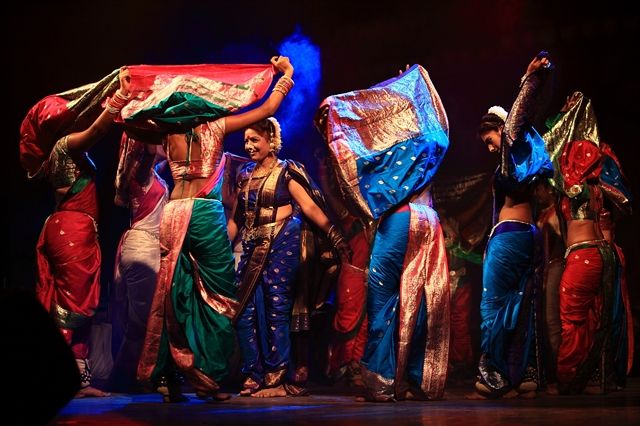
The Lavani dance, a vibrant and expressive folk dance form, hails from the western Indian state of Maharashtra. Known for its energetic movements, rhythmic beats, and soul-stirring music, Lavani is a captivating art form that embodies the rich cultural heritage of Maharashtra.
Lavani is a folk dance of Maharashtra which is traditionally performed to accompany a dholak or a manjira. The dance is known for its erotic and sensuous movements, often compared to a snake’s. The origins of the dance are unclear, but it is thought to have developed from a combination of the dances of the Maratha and the Bhil people. The dance was initially performed by men, but over time it has come to be associated with women. A solo dancer usually performs the dance, but sometimes groups of dancers will perform together. The dance is often performed at weddings and other festive occasions.
The popularity of Lavani dance has grown in recent years due to its inclusion in Bollywood films and television shows. The dance has also been featured in international films and stage productions. The popularity of Lavani dance has led to the formation of numerous Lavani dance groups in Maharashtra.
The Lavani dance is an important part of the culture of Maharashtra. It is a popular form of entertainment at weddings and other social gatherings. The dance is also used to tell stories and express emotions. Lavani is a key element of the Marathi theatre tradition.
Lavani is usually performed to accompany a dholak, a traditional percussion instrument. The dance form is known for its suggestive movements and erotic lyrics. Lavani has been criticized by some for its sexual overtones, but it is also seen as a symbol of Maharashtra’s culture and tradition.
Lavani is typically performed in two styles: tamasha and nritya. Tamasha style is more popular and is characterized by its fast tempo and energetic movements. Nritya style is slower and more graceful, often compared to classical Indian dances such as Bharatanatyam. Both styles of Lavani require great skill and athleticism, and dancers must maintain perfect rhythms while executing complex movements. Lavani is a demanding dance form, but it is also very rewarding, and dancers who can master it are highly respected.
The dance is characterized by its erotic and suggestive movements, and the performers are often decked out in colorful costumes and heavy jewelry. The costumes worn by Lavani dancers are usually very colorful and ornate and often include a lot of jewelry. The dancers typically wear a short skirt or dhoti (a traditional Indian garment) and a blouse that is often low-cut and revealing. They also often wear a dupatta (a scarf or shawl) around their shoulders, bangles, and other jewelry.
The jewelry Lavani dancers wear is typically very heavy and includes a lot of gold and silver. The dancers often wear necklaces, earrings, bracelets, and anklets. They also often wear a nose ring and a bindi (a red dot on the forehead). Lavani is a very sensual and erotic dance form, and the costumes and jewelry worn by the dancers reflect this. The colorful costumes and heavy jewelry add to the overall effect of the dance and make it even more visually appealing.

Lavani is a traditional dance form of Maharashtra known for its fast beats and erotic lyrics. The music used in Lavani is a mix of traditional and modern styles. It is typically accompanied by the dholak, a type of drum. The lyrics of Lavani songs are often suggestive and erotic, which is one of the reasons why the dance form is so popular. The songs are usually about love and longing, and the dancers often dress in traditional Maharashtra clothing. Lavani dance is often performed at weddings and other celebrations. It is also a popular form of entertainment at nightclubs and other venues. The dance is usually performed by women, but men can also participate.
Lavani has two main styles – the Tamasha style and the folk style. The tamasha style is more popular in urban areas, while the folk style is more popular in rural areas. Lavani dance is often performed at weddings and other festive occasions. It is also a popular form of entertainment at Maharashtra’s popular open-air musical theatre, the Tamasha. The steps and moves of the Lavani dance are quite simple. The basic step is a side-to-side movement of the feet, with the weight shifting from one foot to the other. This is often combined with a hip movement, which gives the dance its sensual quality. The arms are often used to accentuate the hip movements and add to the dance’s overall grace. There are also a few turns and spins involved, which add to the excitement of the dance. Lavani dance is a beautiful and sensual form of dance enjoyed by people of all ages.

The Matki Dance, Madhya Pradesh
April 20, 2023 in Madhya Pradesh
The Matki dance, a lively and energetic folk dance form, originates from the heartland of India in the state of Madhya Pradesh. This vibrant dance is performed during festive occasions and cultural celebrations, adding an element of joy and excitement to the atmosphere. The name “Matki” refers to an earthen pot, which is significant in this dance form.
The Matki dance is a popular folk dance in Madhya Pradesh, India. The dance is performed by the women of the Gond tribe, also known as the ‘Dangiya’ tribe. The word ‘matki’ means ‘pot’ in Hindi, and the dance is named after the earthen pots that the women carry on their heads during the performance. The dance is usually performed during the Holi festival and other festivals and weddings. The women wear colorful clothes and carry water pots on their heads, sprinkling water on the audience as they dance. They also sing traditional songs as they dance. The Matki dance symbolizes the Gond tribe’s culture and tradition and is an important part of their identity. The dance allows women to connect with their ancestors and celebrate life’s joys and sorrows.
It is a dance of celebration performed during weddings and other special occasions. The dance is performed by a group of women dancing around a pot (matki) filled with water. The dance is simple, with the women moving in a circle around the pot. As they dance, they clap their hands and sing traditional songs. The dance is lively, and the women often dress in colorful traditional clothing. The Matki Dance is a popular dance of Madhya Pradesh and is enjoyed by locals and tourists alike.
The dance is performed by the women wearing traditional dress. The women wear brightly colored clothes, and they also wear jewelry. The jewelry worn by the women includes necklaces, bracelets, and anklets. The women also wear flowers in their hair. The women dance in a circle, sing, and clap their hands to the beat of the music. The Matki Dance is a very colorful and vibrant dance form. The women who perform the dance look very beautiful in their traditional dress. The Matki Dance is a very popular dance form in Madhya Pradesh, also known as the Gondi Dance.
The music of the Matki Dance is based on the traditional folk music of Madhya Pradesh. The tempo is fast and lively, and the dance steps are simple yet elegant. The women move in a circle as they dance, and the Matki pots add an element of playfulness to the performance.
The dance is believed to have originated in the tribal areas of Madhya Pradesh and is still popular among the tribals living in these areas. The Matki Dance is performed during festivals and celebrations and is a popular tourist attraction. The dance is also popular among the youth and is often performed at college and university festivals. The dance is also performed at private parties and functions. The Matki Dance is a symbol of the rich cultural heritage of Madhya Pradesh and is a popular tourist attraction.
Efforts are being made to preserve and promote the Matki dance of Madhya Pradesh. Cultural organizations, government initiatives, and local communities are vital in sustaining this folk art form. Festivals and cultural events provide platforms for Matki dancers to showcase their skills, keeping the tradition alive and sharing it with a wider audience. Workshops, seminars, and collaborative efforts help pass down the knowledge and techniques of Matki dance to future generations.
The Matki dance of Madhya Pradesh is a vibrant and joyous celebration of folk culture and festivity. With its energetic movements, rhythmic beats, and the symbolic use of the Matki, this dance form encapsulates the essence of the region’s traditions and customs. Matki dance entertains and fosters a sense of community, unity, and cultural identity. It serves as a reminder of the deep connections between people, nature, and celebrations. As the dancers balance the Matki, move to the infectious beats, and express themselves through gestures, they create a visual spectacle that ignites the spirit of celebration and leaves a lasting impression. The Matki dance of Madhya Pradesh continues to enchant and inspire, preserving the cultural heritage and showcasing the artistic brilliance of this vibrant state.

The Ghoomar Dance, Rajasthan
April 20, 2023 in Rajasthan
The Ghoomar dance, an exquisite and captivating folk dance form, originates from the royal state of Rajasthan in India. Known for its graceful movements, colorful attire, and rhythmic footwork, Ghoomar holds a special place in the cultural tapestry of Rajasthan. This vibrant and joyous dance form is performed by women who twirl and spin gracefully, creating a visual spectacle that evokes the spirit of Rajasthan’s rich heritage.
Ghoomar is a traditional folk dance of Rajasthan, India. The dance is performed by women on special occasions, such as weddings and festivals. Ghoomar was originally performed only by the royal Rajput women of Rajasthan. However, over time, the dance has become popular among all the Rajasthani people. ‘Ghoomar’ comes from the Hindi word ‘ghoomna,’ which means twirling. The Ghoomar dance is performed to the beat of a traditional musical instrument called the Rajasthani ghoomar. The Ghoomar dance is slow and graceful, where the dancers move in a circle while twirling their veils. The Ghoomar dance is an important part of the Rajasthani culture. The dance is a symbol of the Rajasthani people’s pride and joy. The Ghoomar dance is also a way for Rajasthani women to express their love and devotion to their families and husbands.
The Ghoomar dance is usually performed to the beat of a traditional Rajasthani folk song called the Ghoomar song. The lyrics of the Ghoomar song are usually based on the themes of love and separation, and the song is often sung by a woman who is pining for her lover.
The dance has functioned on special occasions like weddings and festivals. The Ghoomar dance is a very graceful and elegant dance performed while the women wear traditional Rajasthani costumes. The traditional Ghoomar costume consists of a long, flowy skirt known as a lehenga or ghaghra, a blouse known as a choli, and a dupatta or odhni. The lehenga and choli are usually brightly colored and decorated with embroidery, mirror work, and other embellishments. The dupatta is worn over the head and covers the face of the dancer.
The Ghoomar dance is usually performed in Rajasthani folk songs sung by women. The dance is a group dance; the women form a circle and dance around each other. The dance is very graceful and elegant, and the women move their hands and feet in a synchronized manner. The Ghoomar dance is very popular in Rajasthan and is known all over the world. The traditional Ghoomar costume is beautiful and a must-have for any woman who wants to look her best on a special occasion.

The Ghoomar dance is performed by moving in a circle, and the dancers usually wear traditional Rajasthani clothing, such as lehengas and ghagras. The dance is often accompanied by traditional Rajasthani music, and the movements of the dance are very fluid and graceful.
The Ghoomar dance is acted to the beats of a traditional Rajasthani folk song, usually sung by the women themselves. The dance is a group dance, and the women dancers move in a circle, gracefully moving their arms and feet in sync with the music. The Ghoomar dance is elegant and beautiful, and the women performing it are decked out in traditional Rajasthani dresses, including a colorful lehenga (skirt) and a dupatta (scarf).
The Ghoomar dance of Rajasthan is a mesmerizing and culturally significant art form that celebrates femininity, tradition, and the region’s vibrant culture. With its graceful movements, spinning twirls, and colorful attire, Ghoomar embodies the essence of Rajasthan’s rich heritage. As women gracefully spin and dance, the Ghoomar creates a visual spectacle that captivates audiences and evokes a sense of pride in the cultural traditions of Rajasthan. It serves as a reminder of the deep-rooted customs, celebrations, and indomitable spirit of the Rajasthani people. The Ghoomar dance continues to enchant and inspire, preserving the cultural legacy of Rajasthan for generations to come.

The Dumhal Dance, Jammu & Kashmir
April 20, 2023 in Jammu and Kashmir
The Dumhal dance, a captivating and vibrant folk dance form, hails from India’s enchanting region of Jammu and Kashmir. With its unique blend of music, movements, and elaborate costumes, Dumhal showcases this picturesque state’s cultural richness and diversity. This majestic dance form is performed by the community of Gujjar-Bakarwal tribes, who gather to celebrate their traditions and heritage.
The dance is believed to have originated during the Mughal Empire and has been passed down through the generations. The Dumhal is a form of folk dance often performed at weddings and other celebrations. It is an energetic and lively dance; the performers often wear traditional clothing. The dance accompanies the music, and the dancers often use props such as sticks or swords. The Dumhal is a popular dance in the Jammu and Kashmir region, often used to entertain guests. It is a beautiful dance and a great way to experience the region’s culture.
The Dumhal is a popular folk dance of the Jammu and Kashmir region performed by men and women. The dance is often used as entertainment at weddings and other celebrations. The Dumhal is a highly energetic dance; the dancers wear brightly colored costumes. The dance is often performed to accompany drums and other traditional musical instruments. The Dumhal is believed to have originated in the Jammu and Kashmir region and is thought to be derived from the ancient folk dances of the region. The dance represents the joy and happiness of the people of the Jammu and Kashmir region.
The dance is performed by men and women and is often used to welcome guests or celebrate special occasions. The dance is performed in a circle, with the dancers moving in and out of the circle as they perform. The steps and moves of the Dumhal dance are simple, but the dance is very elegant and beautiful to watch. The Dumhal dance is believed to have originated in the Jammu and Kashmir region and is thought to be over 1000 years old. The dance is often performed at weddings and other special occasions and is a way for the people of Jammu and Kashmir to welcome guests and show their hospitality. The Dumhal dance is also used to celebrate the harvest and thank the gods for a good harvest.
The steps and moves of the Dumhal dance are simple, but they are performed with great grace and beauty. The dancers move in and out of the circle as they perform the dance, making the movements very elegant. The dance is often performed to traditional Jammu and Kashmiri music, which is very beautiful.
The dance is accompanied by various traditional music and instruments, which add to the event’s festive atmosphere. The most common instrument used in the Dumhal dance is the dholak, a drum type. The dholak is usually played by two people, one sitting on either side of the drum. The player on the right side of the drum keeps the beat while the player on the left plays various embellishments. Other instruments used in the Dumhal dance include the shehnai, a type of oboe, and the harmonium, a type of pump organ.

The Dumhal dance is usually performed to the accompaniment of traditional folk songs. These songs often tell stories or convey messages of love and friendship. The lyrics of the songs are usually in the Kashmiri language, though some songs may also be in Hindi or Urdu. The Dumhal dance is a cherished tradition of the people of Jammu and Kashmir and is a great way to experience the region’s culture.
The costumes worn during the Dumhal dance are very colorful and typically include a headdress, a scarf, and a long, flowing skirt. The headdress worn during the Dumhal dance is called a phenta. It is made of wool or goat hair and is decorated with beads, bells, and feathers. The Phenta is worn by both men and women to keep the head warm during cold winter. The scarf worn by the dancers is called a phiran. It is made of wool or cotton and is typically decorated with colorful embroidery. The phiran is worn by both men and women to keep the head and face warm during the cold winter months. The long, flowing skirt worn by the women during the Dumhal dance is called a choli. It is made of cotton or silk and is decorated with embroidery, beads, and sequins. The choli is worn over a short, tight-fitting skirt called a ghaghra.
The Dumhal dance of Jammu and Kashmir is a majestic and culturally significant art form that reflects the beauty and traditions of the region. With its unique movements, vibrant costumes, and symbolic significance, Dumhal holds a special place in the hearts of the Gujjar-Bakarwal community. This dance form is a means of expressing devotion, seeking blessings, and celebrating unity, culture, and heritage. As Dumhal dancers sway and stomp to the rhythmic beats, they weave together a tapestry of art, history, and spirituality. The Dumhal dance continues to enthrall audiences, preserving the rich cultural legacy of Jammu and Kashmir for generations to come.

The Bihu Dance, Assam
April 20, 2023 in Assam
Bihu, a popular folk dance from the northeastern state of Assam in India, is a vibrant celebration of life, culture, and the bounties of nature. It is an integral part of Assamese identity and is performed during the Bihu festival, a significant agricultural festival that marks the changing seasons.
This dance is mainly performed during the harvest season and during the festivals of Bihu. Bihu is a set of three different festivals celebrated in January, April, and October. The name of the three festivals are Rongali or Bohag Bihu, which is celebrated in April, Magh or Bhogali Bihu, which is celebrated in January and Kati or Kongali Bihu, which is celebrated in October. The Bihu dance is a lively and energetic dance performed to the beats of traditional drums and instruments. The dancers move in a circle, clapping their hands and singing traditional songs. This dance is mainly performed by the young people of Assam, as it is a very good way to express their joy and happiness.
The history of Bihu dance can be traced back to the Ahom kingdom, which was established in the 13th century. The Ahom kingdom was ruled by a group of people known as the Tai people. The Tai people had their own culture and traditions, different from the other people of Assam. The Ahom kingdom was very prosperous, and the people of Assam enjoyed a very good standard of living.
The Tai people brought their dance form to Assam, known as the Bihu dance. This dance was originally performed by the men of the Tai community. However, over the years, the community’s women also started participating in this dance. The Bihu dance slowly started becoming popular among the people of Assam and is now considered one of the state’s most important dances. The dance is performed during the Bihu festival, which is celebrated three times a year – in spring (Bohag Bihu), summer (Magh Bihu), and autumn (Kati Bihu). The Bihu dance is performed by both men and women and is a lively dance that involves a lot of energy and enthusiasm.

Bihu is a traditional folk dance of Assam, performed to mark the arrival of the Assamese New Year. It is also known as Magh Bihu or Bohag Bihu. The dance is accompanied by music, which is typically played on the drums and cymbals. The three steps involved in the Bihu dance are as follows:
- The first step is known as “Dhak,” which the men perform. They form a circle and beat the drums rhythmically.
- The second step is known as “Pepa,” performed by the women. They also form a circle and clap their hands to the beat of the drums.
- The third and final step is known as “Bihu,” performed by both men and women. They join hands and dance around the drum in a circle.
These three steps are repeated several times throughout the dance. The dance is usually performed during the harvest season but can also be seen at other festivals and celebrations.

The Bihu dance symbolizes joy and unity and is a great way to experience the culture of Assam. It is celebrated thrice in a year, viz. Rongali or Bohag Bihu in April, Magh Bihu in January, and Kati Bihu in October corresponded to the Assamese months of Bohag, Magh, and Kati. Bohag Bihu, also called the Spring Festival, is the most important and widely celebrated. Bihu is a folk dance of Assam performed to mark the different agricultural phases and express joy and happiness. The young men and women of the village dress up in traditional clothes and perform the Bihu dance to the beats of the dhol and to the tunes of the pepa, a traditional wind instrument.
The Bihu dance is performed in a circle, with the dancers moving in and out while clapping their hands and singing Bihu songs. The dance is accompanied by the music of the dhol, a traditional drum, and the pepa, a traditional wind instrument. The dancers move in a circle, clapping their hands and singing Bihu songs. The dance is a symbol of the joy and happiness of the Assamese people. The Bihu dance is an important part of the Assamese culture and is enjoyed by people of all ages. It is a great way to connect with the Assamese culture and celebrate the agricultural year’s different phases.
Bihu dance is not just a dance form but a celebration of life, culture, and the profound connection between people and nature. Rooted in Assam’s agricultural tradition, Bihu holds immense cultural significance and plays a crucial role in preserving and promoting the region’s rich heritage. As communities come together to perform this lively and energetic dance, Bihu continues to spread joy, strengthen social bonds, and keep alive the vibrant traditions of Assam for generations to come.
The Chhau Dance
April 20, 2023 in Jharkhand, Odisha, West Bengal
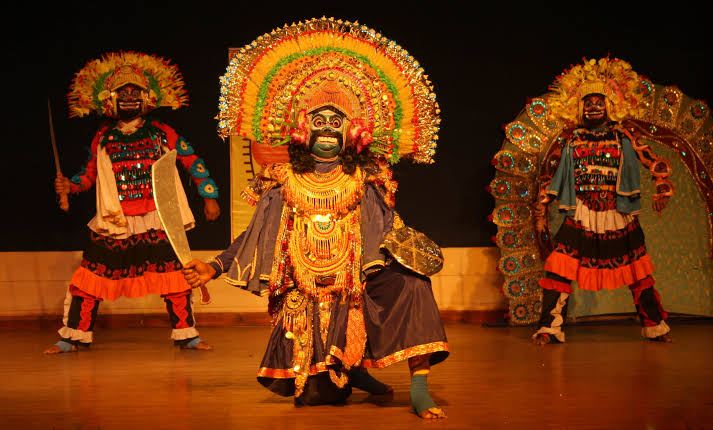
Chhau dance, a vibrant and expressive folk dance form, originates from the eastern states of India, primarily Jharkhand, Odisha, and West Bengal. Known for its dynamic movements, intricate masks, and elaborate costumes, the Chhau dance holds a unique place in Indian performing arts. This energetic and captivating dance form combines martial arts, storytelling, and mythology elements, creating a visual spectacle that mesmerizes audiences.
The Chhau dance is a traditional Indian performing art that originated in the eastern state of Odisha. It is a popular form of entertainment in the region and is often performed at festivals and other special occasions. The Chhau dance is characterized by its colorful costumes, energetic movements, and lively music.
The exact origins of the Chhau dance are unknown, but it is believed to date back several centuries. The dance was likely influenced by the folk dances of other cultures, such as the Chinese and Persian. The Chhau dance has also been influenced by the classical Indian dance form of Kathak. The Chhau dance is performed by both men and women. The dancers wear brightly colored costumes and often wear masks. The masks represent different animals, such as tigers, elephants, and snakes. The dancers also carry weapons, such as swords and spears.
The Chhau dance is usually performed to the beat of drums and other percussion instruments. The music is fast-paced and lively and often features the use of cymbals. The dance is typically performed in a large open space, such as a field or village square. The Chhau dance is a popular form of entertainment in Odisha and is often performed at festivals and other special occasions. The dance is also popular in other parts of India, such as West Bengal, Bihar, and Jharkhand.
The three main styles of Chhau dance are Purulia Chhau, Seraikella Chhau, and Mayurbhanj Chhau. Each style has unique features, and all are equally beautiful to watch.
- Purulia Chhau is the oldest and most well-known style of Chhau dance. It originated in the Purulia district of West Bengal, characterized by its energetic and acrobatic movements.
- Seraikella Chhau is a more graceful and elegant style of Chhau, originating from the Seraikella district of Jharkhand. It is known for its intricate footwork and beautiful costumes.
- Mayurbhanj Chhau is the most recent style of Chhau, originating in the Mayurbhanj district of Odisha. It is a fusion of the other two styles and is characterized by its use of props and colorful costumes.
The word “chhau” means “mask” in Sanskrit, and the dancers wear brightly colored masks representing different characters. The masks are made of light materials such as paper mache and cloth, covering the entire face except for the eyes. The costumes worn by the dancers are also very colorful and are traditionally made of silk. The dancers wear bells around their ankles and wrists, adding to the dance’s rhythmic sound. The dance is performed to the accompaniment of drums, cymbals, and other percussion instruments. The movements of the dancers are highly precise and synchronized with the music. The Chhau dance is a popular folk dance form in the eastern Indian state of Odisha. It is a highly stylized form of martial dance that combines acrobatics, athletics, and martial arts elements. The dance is performed by men and women of all ages and is often used to depict stories from Hindu mythology.

Chhau is a traditional Indian martial dance form that has existed for centuries. It is a highly energetic and acrobatic dance form performed with swords, spears, and other weapons. The dance is performed to the accompaniment of traditional Indian music, and the dancers wear brightly colored costumes.
The future of Chhau dance is very exciting. The popularity of the dance form is growing, and more and more people are becoming interested in learning and performing it. There are now many Chhau schools and organizations worldwide, and the dance is being performed in more and more countries. The popularity of Chhau is also growing in the West, and there are now several Chhau dancers and groups performing in the United States and Europe.
The future of Chhau dance is very bright. The popularity of dance is growing, and more and more people are becoming interested in learning and performing it. There are now many Chhau schools and organizations worldwide, and the dance is being performed in more and more countries. The popularity of Chhau is also growing in the West, and there are now several Chhau dancers and groups performing in the United States and Europe. The future of Chhau dance is very exciting, and the possibilities are endless.
Chhau dance is a mesmerizing and culturally significant art form showcasing India’s diversity and artistic brilliance. Rooted in mythology, folklore, and local traditions, Chhau embodies the spirit and heritage of the eastern states of Jharkhand, Odisha, and West Bengal. With its intricate masks, elaborate costumes, and dynamic movements, Chhau creates a visual spectacle that transports audiences to a world of mythology and cultural expression. As Chhau dancers breathe life into ancient tales and embody the characters they portray, this vibrant dance form continues to thrive and captivate audiences, preserving the rich cultural heritage of the region for generations to come.
The Karakattam Dance, Tamil Nadu
April 20, 2023 in Tamilnadu
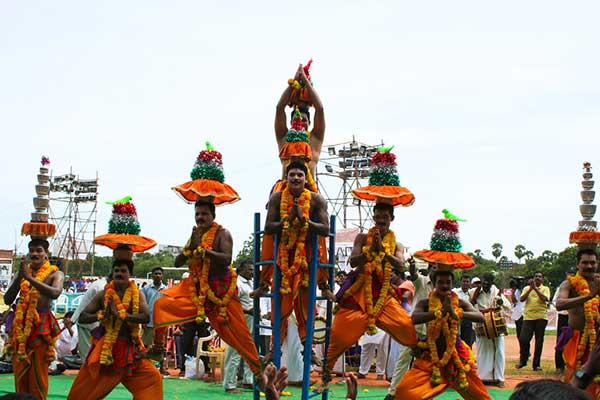
Karakattam, a vibrant and captivating folk dance form, originates from the southern state of Tamil Nadu in India. Known for its energetic movements, intricate footwork, and balancing acts, Karakattam holds deep cultural significance. It is performed on special occasions and festivals, showcasing the rich heritage and traditions of Tamil Nadu. The dance is performed by women who wear traditional Tamil clothes and use Karakattam sticks. The dance is usually performed during festivals, temple functions, and other special occasions.
The history of Karakattam can be traced back to the Sangam period when it was known as “Kuravai Natakam.” The dance was performed by women during festivals and temple functions. In the later years, the dance became popular in the region and was performed by both men and women. Karakattam is a popular folk dance of Tamil Nadu and is performed to accompany the music. The dance is performed by women who wear traditional Tamil clothes and use Karakattam sticks while dancing. The dance is usually performed during festivals, temple functions, and other special occasions.
The roots of Karakattam are rooted back to ancient Tamil literature and the tradition of folk storytelling. The term “Karakattam” is derived from the Tamil words “Karu” (meaning pot) and “Kattam” (meaning to balance or hold). The dance form originates in the ancient practice of balancing pots on the head while performing various rhythmic movements and dances. Over time, Karakattam evolved into a distinct art form, combining dance, music, and storytelling.
The Karakattam dance is usually performed during the Tamil month of ‘Margazhi’ (December-January) as part of the festive celebrations. It is also often performed during temple festivals. The dance is said to have originated in the village of Karakkal in the Kanyakumari district of Tamil Nadu.

The Karakattam dance is performed to music played on traditional instruments such as the ‘nadaswaram’ (a double reed wind instrument) and the ‘thavil’ (a percussion instrument). The music is fast-paced and lively, and the dancers move in a circle, keeping time with the beats. The pots the dancers balance on their heads are usually decorated with flowers and leaves. Sometimes, the pots may also be filled with water. As the dancers move, they sway and raise their arms, making the pots swing. The Karakattam dance is a popular folk dance form in Tamil Nadu and is often performed during temple festivals and other festive occasions.
The dance is believed to have originated during the reign of the Chola dynasty. It is said to have been performed by the women of the royal household to entertain the king and queen. Over the years, the dance has become popular among the people of Tamil Nadu. The dance is performed as a part of rituals associated with the Tamil month of Margazhi (December-January). It is also performed during weddings and other special occasions. The dance is said to bring good luck and is believed to be a source of entertainment and joy. It is also believed to be a means of communication with the gods. The dance is an important part of the Tamil culture and is enjoyed by people of all ages.
The future of Karakattam dance is looking bright as the traditional Tamil art form continues to gain popularity both in India and abroad. While the dance was once mostly performed by women in temples, it is now commonly seen at cultural events and festivals. There are a number of reasons for this growing popularity. First, dance is an excellent way to tell stories and convey messages. It is also a very visual art form, with the colorful costumes and make-up of the dancers adding to the overall effect.
Another factor is that Karakattam is a very versatile dance form. It can be performed too fast or with slow music, and the dance variations suit different occasions. For example, a special version of the dance is performed during weddings. As the popularity of the Karakattam dance continues to grow, we can expect to see more innovative performances and new dance variations. This is an exciting time for the art form, and we can only wait to see what the future holds for this unique and fascinating dance.
Karakattam dance is a captivating and mesmerizing folk art form that celebrates tradition, devotion, and the vibrant culture of Tamil Nadu. Karakattam continues to enchant audiences and preserve the region’s rich heritage with its intricate footwork, balancing acts, and expressive movements. As dancers gracefully balance pots on their heads and showcase their agility, Karakattam serves as a reminder of deep-rooted traditions, religious devotion, and the joyous celebration of life.
