


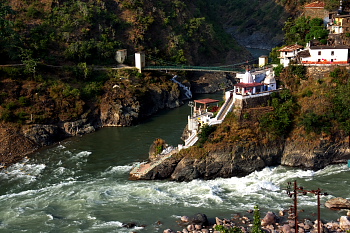
The Mandakini River
January 16, 2023 in City Guide
 Flowing through the picturesque landscapes of Uttarakhand, the Mandakini River is a divine waterway with deep spiritual significance. Nestled in the lap of the Himalayas, this holy river originates from the glacial meltwaters near Kedarnath, one of India’s most revered pilgrimage sites. Journeying through the rugged terrain of the Garhwal region, the Mandakini River enchants pilgrims and nature enthusiasts alike, leaving an indelible mark on their hearts and souls.
The Mandakini River derives its name from the mythical apsara (celestial nymph) named Mandakini, who is said to have descended from the heavens to bless the land with her presence. The river meanders through the scenic valleys, gushing through rocky gorges and serene meadows. It joins the Alaknanda River at Rudraprayag, where the confluence of these two sacred rivers creates a powerful spiritual energy that draws devotees from across the country.
The Mandakini River is best known for its association with the holy town of Kedarnath, one of the twelve Jyotirlingas (sacred abodes of Lord Shiva). According to Hindu mythology, Lord Shiva himself is believed to have manifested as a lingam (phallic symbol) at Kedarnath. The river flows close to the Kedarnath temple, adding to the spiritual aura and creating an ethereal ambiance that resonates with devotees. The river has great religious significance for Hindus and is considered a holy place. Hindus believe that bathing in the river will cleanse them of their sins. The river is also a popular place for pilgrims to visit.
The Mandakani River is also an important scientific site. The river is home to a number of rare and endangered species of fish, amphibians, and reptiles. The river is also a critical part of the water cycle in the region. The Mandakani River is a major tributary of the Ganges River. The river is approximately 1,600 kilometers (1,000 miles) long. The river originates in the Himalayan Mountains and flows through Uttarakhand, Uttar Pradesh, Bihar, and West Bengal.
The Mandakani River is an important source of water for irrigation and drinking water for millions of people. The river is also a critical part of the water cycle in the region. The Mandakani River is home to many rare and endangered fish species, amphibians, and reptiles. The river is also a critical part of the water cycle in the region.
 A pilgrimage to Kedarnath and the banks of the Mandakini River is considered a journey of spiritual awakening and transformation. Devotees undertake arduous treks and endure challenging terrain to reach the temple, seeking the blessings of Lord Shiva. The pristine waters of the Mandakini River are considered sacred, and pilgrims often take a holy dip to purify themselves before entering the temple premises. The pilgrimage experience is imbued with devotion, faith, and a deep connection to the divine.
Besides its religious significance, the Mandakini River is also an integral part of the region’s ecosystem and supports diverse flora and fauna. The river serves as a lifeline for the local communities, providing water for irrigation, agriculture, and sustenance. The fertile soil along the riverbanks facilitates the cultivation of crops like wheat, rice, and potatoes, contributing to the local economy and livelihoods.
The Mandakini River and its surroundings are blessed with unparalleled natural beauty. The snow-capped peaks, dense forests, and breathtaking vistas create an idyllic setting that captivates visitors. The river is surrounded by several picturesque spots, including Chorabari Tal (Gandhi Sarovar), Vasuki Tal, and Sonprayag, which offer scenic views and tranquil retreats for those seeking solace in nature.
The Mandakani River is also an important source of fish for the local people. The river is home to various fish species, such as the Mahseer, Catfish, Carp, and Barb. The river is also a popular spot for bird watching. Various bird species, such as the Kingfisher, Pelican, and Heron, can be seen in the river. The Mandakani River is also an important ecological resource. The river is home to a variety of plants and animals. The river is also a major source of food for the local people. The Mandakani River is also an important income source for the people in its vicinity.
The Mandakani River is also an important water source for the people in its vicinity. The river is also a major source of irrigation for the farmers in the region. The Mandakani River is also a major source of hydroelectric power for the region. The river has been dammed for this purpose, and the resulting reservoir is known as the “Mandakani Hydroelectric Power Plant”.
However, the Mandakini River and its fragile ecosystem face challenges, including environmental degradation and the effects of climate change. The rise in pilgrimage and tourism activities has put pressure on the river’s resources, leading to pollution and deforestation. It is crucial to raise awareness and implement sustainable practices to preserve the pristine nature of the Mandakini River and protect its delicate ecosystem.
Visiting the Mandakini River is an opportunity to witness the harmonious blend of spirituality and natural splendor. The serene ambiance, the rhythmic flow of the river, and the surrounding majestic mountains evoke a sense of awe and reverence. It is a chance to connect with the divine, find solace in nature’s lap, and experience the profound energy that permeates the atmosphere.
In conclusion, the Mandakini River is not just a waterway; it is a sacred embodiment of divinity and a testament to the awe-inspiring power of nature. It is a reminder of the delicate balance between human beings and the environment, urging us to protect and preserve the sanctity of this holy river. As we undertake our spiritual journeys and explore the majestic beauty of the Mandakini River, let us do so with gratitude, mindfulness, and a deep sense of responsibility toward preserving this precious natural and spiritual heritage.
The Kaveri River
January 16, 2023 in City Guide
 The Kaveri River, also known as the Cauvery, is one of the most revered waterways in India, holding deep religious and cultural significance. Flowing through the states of Karnataka and Tamil Nadu, the Kaveri River has shaped the landscape, supported livelihoods, and nurtured the spiritual beliefs of millions of people for centuries. From its source in the Western Ghats to its journey towards the Bay of Bengal, the Kaveri River weaves its way through history, mythology, and the people’s hearts. She is also known as the Dakshina Ganga or the South Ganga.
The Kaveri River originates from the Talakaveri hills in the Kodagu district of Karnataka. It flows through the verdant forests and picturesque landscapes of the Western Ghats before meandering across the plains of Karnataka and Tamil Nadu. The river covers a distance of approximately 800 kilometers, blessing the region with its fertile banks and life-giving waters.
The Kaveri River is considered holy because it is believed to be the abode of the Hindu god, Lord Shiva. It is also believed that the sage Agastya, who is said to have created the river, meditated on the banks of the Kaveri. The Kaveri River is also significant in the Hindu epic, the Ramayana. The river is said to have been created by the sage Agastya to quench Lord Rama’s and his army’s thirst.
The Kaveri River is also significant in the Hindu tradition of Lingam worship. The river is said to be the place where the first Lingam was created. The Lingam is a symbol of Lord Shiva. It is believed that worshipping the Lingam on the banks of the Kaveri River will lead to salvation. The Kaveri River is also a popular tourist destination. The river flows through some of the most picturesque places in South India. The Kaveri River is also home to some of the endangered species of animals. The river is a haven for birdwatchers and wildlife enthusiasts.
The Kaveri River is prominent in Hindu mythology and is considered a goddess and a divine presence. According to legend, the Kaveri River was created by Lord Brahma, the creator of the universe, to provide solace to mankind. The river is mentioned in ancient texts like the Ramayana and the Mahabharata, further enhancing its significance. Taking a holy dip in the Kaveri River is believed to cleanse one’s sins and grant spiritual enlightenment.
Pilgrimage along the Kaveri River is an integral part of the cultural fabric of South India. The river has numerous temples and pilgrimage sites, drawing devotees from far and wide. The famous Srirangam Temple in Tamil Nadu, dedicated to Lord Ranganatha, is on an island formed by the Kaveri River. It is considered one of the holiest temples in the region and attracts devotees throughout the year. Other revered sites along the Kaveri include Talakaveri, where the river originates, and Bhfagamandala, a confluence of sacred rivers.
 The Kaveri River is also associated with the age-old tradition of river bath festivals. The most notable among them is the Kaveri Pushkaram, a once-in-twelve-year festival that celebrates the auspicious entry of the river into the zodiac sign of Tula (Libra). During this festival, devotees take a holy dip in the river, perform rituals, and seek blessings. The festival celebrates spirituality and cultural heritage with grand processions, music, dance, and cultural performances.
Apart from its religious and cultural significance, the Kaveri River is vital to the region’s agriculture and economy. The river serves as a lifeline for farmers, providing water for irrigation and supporting the cultivation of crops such as paddy, sugarcane, and coconut. The fertile soil along the Kaveri basin has contributed to the region’s prosperity, with agriculture forming the backbone of the local economy.
However, the Kaveri River faces numerous challenges, including water disputes between Karnataka and Tamil Nadu. The river’s water resources are under pressure due to increasing population, urbanization, and agricultural demands. Efforts have been made to manage and distribute water resources more efficiently through agreements and water-sharing schemes, but the issue still needs to be solved and sensitive.
The river Kaveri is a lifeline to the people of Karnataka and Tamil Nadu. It provides water for irrigation, drinking, and industrial purposes. The river also supports the livelihood of a large number of people who are dependent on it for their daily needs. The river is also home to many fish, which are a major source of income for the fishermen living along its banks.
The river Kaveri is under threat from a number of factors. The increasing population and industrialization in the river’s catchment area have increased water demand. This has resulted in the river’s over-exploitation and led to a decline in the water level. The river is also under threat from pollution. The effluents from the industries and sewage from the urban areas are polluting the river and affecting water quality.
The government of Karnataka and Tamil Nadu have taken several measures to conserve the river, Kaveri. Many projects have been undertaken to increase water storage in the river. The construction of dams and canals has been taken up to improve the irrigation facilities in the river’s catchment area. The industrial units in the river’s catchment area have been directed to install effluent treatment plants to reduce the pollution of the river. The government has also launched a campaign to create awareness among the people about the need to conserve the river.
Visiting the Kaveri River offers a profound experience, blending spirituality, natural beauty, and cultural heritage. The serene surroundings, the river’s gentle flow, and the devotional atmosphere create a sense of tranquillity and connection with the divine. Taking a holy dip in the sacred waters, offering prayers at the temples, and participating in the festivals along the riverbanks allow individuals to immerse themselves in the rich spiritual heritage and feel the divine presence.
In conclusion, the Kaveri River is more than a physical waterway; it symbolizes spirituality, prosperity, and cultural heritage. It has shaped the lives of the people living along its banks for generations, providing them with sustenance, inspiration, and a sense of belonging. As we continue to cherish and protect the Kaveri River, let us honor its sanctity, promote sustainable practices, and ensure that future generations can experience the timeless divinity and prosperity it brings to the land and its people.
The Godavari River
January 16, 2023 in City Guide
 The Godavari River, known as the Dakshina Ganga or the Ganges of the South, is one of the longest rivers in India and holds immense religious significance in Hindu mythology. Flowing through the states of Maharashtra, Telangana, Andhra Pradesh, and Odisha, the Godavari River has nourished the land and shaped the region’s cultural tapestry for millennia. From its source in the Western Ghats to its confluence with the Bay of Bengal, the Godavari River has been revered as a sacred lifeline and a symbol of purity and divinity.
The Godavari River originates from the Brahmagiri Hills near Nashik in Maharashtra. It meanders through the Deccan Plateau, carving through vast plains, lush forests, and picturesque landscapes. Covering a distance of approximately 1,465 kilometers, the Godavari is the second-longest river in India after the Ganga. Its extensive network of tributaries, including the Pranhita, Indravati, Manjira, and Sabari rivers, adds to its grandeur and significance.
The Godavari River is one of the most sacred rivers in India. It is also one of the country’s longest rivers, often called the ‘Vruddha Ganga’ or the ‘Dakshin Ganga’. The river starts from the Trimbakeshwar Temple in Nashik, Maharashtra, and flows through the states of Maharashtra, Telangana, and Andhra Pradesh, and finally empties into the Bay of Bengal. The Godavari is considered one of the most holy rivers in Hinduism and is worshipped by millions of devotees across the country.
The Godavari is believed to have been first mentioned in the Rig Veda, one of the oldest sacred texts of Hinduism. It is also said to have been mentioned in the Ramayana and the Mahabharata, two of the most famous Hindu epics. The river is considered extremely holy and is often compared to the Ganges. The Godavari is sometimes referred to as the ‘Southern Ganges’.
There are many temples and shrines located along the banks of the Godavari. These include the Ramkund in Nashik, the Janardana Swami Temple in Nasik, the Tryambakeshwar Temple, the Godavari Temple in Rajahmundry, the Kotipalli Markandeya Temple, and the Papavinasam Temple. Millions of devotees visit these temples yearly to offer their prayers and dip in the holy river. The Godavari is also considered one of the most important rivers in Hindu mythology. According to legend, the gods created the river to provide water for the people of the earth. It is also said that the river was created by Lord Brahma, the creator of the universe. The Godavari is also an important pilgrimage site for Hindus. Every twelve years, the Kumbh Mela, one of the largest religious festivals in the world, is held at one of the four sites along the river.
In Hindu mythology, the Godavari River is considered to be a celestial entity and is associated with the legend of the descent of the river goddess Godavari Devi. It is believed that Lord Rama, the seventh avatar of Lord Vishnu, spent a significant part of his exile along the banks of the Godavari. The river is mentioned in ancient texts like the Ramayana, Mahabharata, and Puranas, which further amplify its sacred status.
Pilgrimage along the Godavari River is deeply ingrained in the region’s cultural fabric. The river is dotted with numerous pilgrimage sites, ghats (steps leading to the riverbanks), and temples attracting devotees from all the country’s corners. Nashik, Trimbakeshwar, Rajahmundry, and Bhadrachalam are among the most prominent pilgrimage destinations along the Godavari, where devotees undertake spiritual journeys, offer prayers, and seek blessings.
The Kumbh Mela, one of the largest religious gatherings in the world, is held on the banks of the Godavari River in Nashik every 12 years. During this auspicious event, millions of devotees gather to take a holy dip in the river, seeking spiritual purification and redemption. The riverbanks come alive with elaborate processions, religious discourses, and vibrant cultural performances, reflecting the deep connection between the people and the Godavari River.
 The Godavari River is also known for associating with the great Hindu sage, Gautama Maharishi. Panchavati, located near Nashik, is believed to be the place where Lord Rama and his wife Sita resided during their exile. The Parnashala, a cluster of five banyan trees, and the Ram Kund, a sacred tank, are revered sites where devotees pay homage and offer prayers. These places carry the essence of ancient mythology and serve as a spiritual retreat for seekers.
Apart from its religious significance, the Godavari River is crucial in sustaining the region’s economy and ecology. The river’s water is extensively used for irrigation, supporting agricultural activities, and contributing to the prosperity of the farmers in the region. The fertile alluvial plains along the Godavari basin are known for their agricultural productivity, cultivating crops like rice, cotton, sugarcane, and mangoes.
The river starts in the Western Ghats of Maharashtra, flows through Telangana and Andhra Pradesh, and finally empties into the Bay of Bengal. The river has a length of 1465 km and a basin area of 312,812 km2. The Godavari is considered one of the most sacred rivers in Hinduism and is also known as the “Dakshin Ganga” or the “Southern Ganga”.
The Godavari River has a rich and diverse ecosystem with many flora and fauna species. The river is home to many endangered and threatened species of animals, including the Indian gharial, the mugger crocodile, the river dolphin, and the Indian rhinoceros. The Godavari river basin is also home to many rare and endemic species of plants. Some of the important plants in the basin include the water lily, lotus, chestnut, hyacinth, and fern.
However, the Godavari River faces environmental challenges, including pollution and excessive sand mining, which affect its ecological balance. Initiatives such as the Godavari Action Plan and the Godavari River Basin Management Plan have been implemented to address these issues, aiming to preserve and restore the river’s health and vitality.
Visiting the Godavari River is an enchanting experience that offers a blend of spirituality, natural beauty, and cultural heritage. The serene surroundings, the river’s gentle flow, and the vibrant festivities create an atmosphere of tranquillity and devotion. Taking a holy dip in the sacred waters, witnessing the aartis (devotional rituals), and participating in the festivals along the riverbanks allow individuals to connect with their inner selves and experience the divine energy that permeates the atmosphere.
In conclusion, the Godavari River is more than just a physical entity; it is a testament to India’s deep-rooted spirituality and cultural heritage. It symbolizes the divine flow of life, nurturing the land and its people. As we continue to cherish and protect the Godavari River, let us honor its sanctity, preserve its purity, and ensure that future generations can experience the timeless divinity and cultural richness embodied by this sacred waterway.
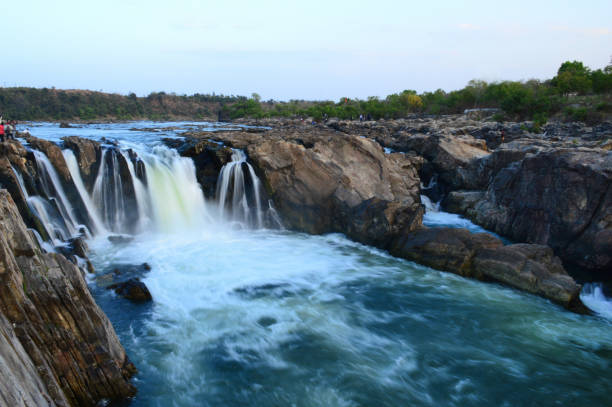
The Narmada River
January 15, 2023 in City Guide

Flowing through the heartland of India, the Narmada River is a sacred waterway that holds profound spiritual significance. Revered as one of the holiest rivers in the country, the Narmada carves its way through the states of Madhya Pradesh, Maharashtra, and Gujarat, blessing the landscape with its pristine waters and captivating beauty. Embarking on a journey spanning centuries, the Narmada River is not just a physical entity but a symbol of devotion, purity, and the timeless bond between humans and nature.
The Narmada River originates from the Maikal Hills in Amarkantak, Madhya Pradesh, where it is believed to emerge from the foot of Lord Shiva. It meanders through the central Indian plateau, gradually widening its course and flowing westward before emptying into the Arabian Sea. Along its 1,312-kilometer-long journey, the Narmada blesses the region with fertile plains, lush forests, and awe-inspiring landscapes.
The Narmada River has a rich spiritual heritage that dates back to ancient times. It is mentioned in several Hindu scriptures, including the Vedas and the Puranas, where it is hailed as a sacred river capable of purifying sins and bestowing blessings. The Narmada is often personified as a goddess, and devotees revere her as Narmada Maiyya, the mother who nurtures and protects all life.
The Narmada River is considered to be one of the most sacred rivers in Hinduism. A dip in the river is believed to cleanse one of all their sins. The river is also considered to be a holy place for pilgrimage. Every 12 years, a massive religious fair known as the “Kumbh Mela” is held at the confluence of the Narmada and the Shipra rivers. Millions of people come from all over the world to dip in the river and receive its blessings.
The Narmada River is also an important water source for the state of Madhya Pradesh. The river provides water to a large number of people for their daily needs, as well as for irrigation and other purposes. The river is also home to a number of hydroelectric power plants, which generate a significant amount of electricity for the state. The Narmada River is also an important water source for the people of India. It is one of the major rivers that provide water to the country and is used for irrigation, drinking, and other purposes. The river is also home to many fish and is a popular spot for fishing.
Pilgrimage along the Narmada River is a deeply transformative and spiritually rewarding experience. The Narmada Parikrama, a circumambulation of the river, is a sacred journey undertaken by devout pilgrims. The parikrama covers a distance of approximately 2,600 kilometres, tracing the river’s course from its origin to its confluence with the Arabian Sea. Pilgrims walk barefoot, chanting hymns and offering prayers, immersing themselves in the divine energy of the river and seeking spiritual enlightenment.
The banks of the Narmada are adorned with numerous temples, ashrams, and pilgrimage sites that attract devotees from far and wide. Omkareshwar, located on an island in the Narmada, is home to one of the twelve Jyotirlingas, the sacred abodes of Lord Shiva. Maheshwar, another renowned town on Narmada’s banks, houses the famous Maheshwar Temple, dedicated to Lord Shiva. These places resonate with spiritual vibrations, drawing devotees and seekers to experience the divine presence.
Buddhism began to spread through the Indian subcontinent in the 5th century BCE and soon became one of the major religions in the region. The Narmada River was an important part of the religious landscape and was considered to be a holy site. The river was believed to be the home of many gods and goddesses and was said to be where the Buddha himself had attained enlightenment. The Narmada River is still an important part of Buddhist religious practice today. Many pilgrims travel to the river to bathe in its waters, which are considered holy and cleansing. The river is also a popular destination for meditation and contemplation.
One of the most revered festivals associated with the Narmada River is the Narmada Jayanti, which marks the birth anniversary of the river. Devotees gather large numbers to offer prayers, take holy dips, and participate in processions along the riverbanks. The festival celebrates the river’s life-giving properties and its role in nurturing nature and humanity.
The Narmada River is a spiritual and cultural symbol and a lifeline for the communities residing along its banks. The river sustains agriculture, providing water for irrigation and supporting the growth of crops such as wheat, cotton, and soybeans. Fishing communities depend on the river for their livelihood, casting their nets to catch various freshwater fish. The fertile soil of the Narmada basin supports a diverse range of flora and fauna, contributing to the region’s biodiversity.
Despite its revered status, the Narmada River faces challenges in the form of pollution and environmental degradation. Industrial waste, untreated sewage, and deforestation have affected the river’s health. However, there have been efforts to revive and protect the Narmada through initiatives like the Narmada Clean-up Project and the Narmada Seva Yatra, which aim to raise awareness, promote sustainable practices, and restore the river’s pristine state.
Visiting the Narmada River is an opportunity to immerse oneself in the divine embrace of nature. The tranquil surroundings, the gurgling waters, and the spiritual fervour create a sense of serenity and connection with the sacred. Taking a dip in the Narmada is believed to cleanse one’s soul and bring blessings while witnessing the aartis (devotional rituals) and participating in the bhajans (devotional songs) further deepen the spiritual experience.
In conclusion, the Narmada River is not just a waterway; it is a spiritual and cultural emblem that resonates with the hearts and souls of millions. It embodies the eternal bond between humans and nature, reminding us of the interdependence and sacredness of all life. As we strive to protect and preserve the Narmada, let us honour its sanctity, cherish its beauty, and ensure that future generations can continue to experience the divine journey offered by this holy river.

The Ganga River
January 15, 2023 in City Guide
 The Ganga River, often called the Ganges, holds a revered place in the hearts and minds of millions of people in India and around the world. Considered one of the holiest rivers, it is believed to possess purifying powers and is worshipped as a goddess. Flowing through the vast plains of northern India, the Ganga is not just a physical entity; it is a spiritual and cultural lifeline that has shaped the civilization, mythology, and traditions of the Indian subcontinent for thousands of years.
The Ganges River is one of the most sacred rivers in Hinduism. It is also one of the most important rivers in Indian history and culture. The river is believed to be the home of the goddess Ganga, who is said to have descended from heaven to Earth to purify the souls of the departed. Hindus believe bathing in the Ganges River will wash away their sins and allow them to achieve salvation. The river is also believed to be where the ashes of the dead are scattered, which is why it is considered a holy pilgrimage place for Hindus.
The Ganges River is also an important economic resource for India. The river provides water for irrigation, drinking, and industry. It is also a major source of hydroelectric power. The Ganges River basin is one of the most densely populated areas in the world, and the river plays a vital role in the lives of the people there. The Ganges River has been a source of conflict in recent years. The construction of dams and other water-management projects has led to disputes between India and Bangladesh over the distribution of the river’s water. In addition, the river is threatened by pollution and the encroachment of human settlements. Despite these challenges, the Ganges River is important to India’s culture and history.
Originating from the Gangotri Glacier in Uttarakhand, the Ganga River traverses a journey of approximately 2,525 kilometres before merging with the Bay of Bengal. Its journey takes it through several states, including Uttarakhand, Uttar Pradesh, Bihar, and West Bengal, encompassing a vast and diverse landscape. Along its course, the Ganga nourishes the fertile plains, providing sustenance to millions of people and supporting a rich biodiversity.
The Ganga River is not merely a body of water but a cultural icon and a source of inspiration for poets, artists, and philosophers throughout history. It is often referred to as “Maa Ganga,” meaning Mother Ganga, signifying people’s reverence and respect for the river. The significance of the Ganga is deeply rooted in Hindu mythology, where it is believed to have descended from the heavens to cleanse the sins of humanity.
One of the most sacred rituals associated with the Ganga is taking a holy dip or bathing in its waters. Pilgrims from all over the country flock to the numerous ghats (steps leading to the riverbanks) along the Ganga to cleanse their sins and seek spiritual solace. The most revered ghat is Varanasi’s Dashashwamedh Ghat, where devotees gather to witness the Ganga Aarti, a captivating ritual involving fire, incense, and devotional chants. The aarti is a testament to people’s deep spiritual connection with the river, as they offer prayers and gratitude to the divine presence of the Ganga.
The Ganga is not only a spiritual haven but also a source of livelihood for millions of people. The river sustains a thriving ecosystem, providing diverse flora and fauna habitats. It supports agricultural activities by irrigating vast stretches of fertile land, contributing significantly to the region’s agricultural productivity. Fishing communities along the riverbanks rely on the Ganga for their livelihood, casting their nets in its waters and reaping the abundance of fish it provides.
However, over the years, the Ganga River has faced significant challenges in pollution and environmental degradation. Rapid urbanization, industrialization, and unchecked discharge of untreated sewage and industrial waste have affected the river’s health. Efforts have been made by the government, environmental organizations, and local communities to clean and restore the Ganga through initiatives like the Ganga Action Plan and the Namami Gange program. These initiatives aim to tackle pollution, promote sustainable practices, and rejuvenate the river to its former glory.
 The Ganga River is not just a physical entity but a cultural and spiritual tapestry that weaves together the diverse fabric of India. It symbolizes purity, divinity, and the interconnectedness of all life. The river has inspired countless works of art, literature, and music, reflecting its timeless and enduring appeal. From the ancient scriptures and mythological tales to the verses of poets and the melodies of bhajans (devotional songs), the Ganga River has left an indelible mark on the collective consciousness of the Indian people.
Visiting the Ganga River is an experience that transcends the physical realm. It is an opportunity to witness the confluence of devotion, spirituality, and natural beauty. Whether it is a boat ride along the river, a visit to the ghats, or a trek to its source in the Himalayas, being in the presence of the Ganga is a humbling and transformative experience. The river’s energy, history, and cultural significance profoundly impact all who encounter it.
In conclusion, the Ganga River is much more than a mere water body. It is a sacred lifeline that sustains India’s spiritual, cultural, and ecological well-being. It symbolizes purity, a source of inspiration, and a reminder of the interconnectedness of all life. As we strive to preserve and protect this sacred river, let us remember its profound role in our lives and ensure that future generations can continue to experience the beauty and divinity of the Ganga.

The Yamuna River
January 15, 2023 in City Guide
Flowing through the heart of North India, the Yamuna River holds a special place in the spiritual and cultural landscape of the country. Often referred to as the sister of the holy Ganga River, the Yamuna is considered one of the sacred rivers of India, bearing witness to centuries of civilization, mythological tales, and religious rituals. From its source in the pristine Yamunotri Glacier to its confluence with the Ganga at Allahabad, the Yamuna River weaves its way through history, leaving an indelible mark on the minds and hearts of millions.
The Yamuna River is also known as the “river of death” as it is believed to be where the souls of the dead go. The Yamuna River is also considered the place of rebirth for Hindus. The Yamuna River is one of the most sacred rivers in India and is worshipped by Hindus.
The Yamuna River originates from the Yamunotri Glacier, nestled in the Garhwal Himalayas of Uttarakhand. It flows through Himachal Pradesh, Haryana, Delhi, and Uttar Pradesh before meeting the Ganga River in Allahabad. The river courses through a diverse range of landscapes, including Uttarakhand’s rugged mountains, Haryana’s plains, and Delhi’s bustling city. Along its journey, the Yamuna nourishes fertile agricultural lands and supports numerous towns and cities along its banks.
In Hindu mythology, the Yamuna is considered a goddess and a divine presence. It is believed to be the daughter of Surya, the sun god, and the sister of Yama, the god of death. The river is mentioned in ancient texts like the Vedas, the Ramayana, and the Mahabharata, further accentuating its significance. The river is associated with Lord Krishna, who is said to have spent his childhood and youth in Braj, along the banks of the Yamuna. The river’s association with Lord Krishna has made it a focal point of devotion and pilgrimage for followers of the Vaishnavite tradition.
 The Yamuna River is located in northern India and is the longest tributary of the Ganges River. The Yamuna River is approximately 1,376 kilometres long, and its basin covers an area of 98,300 square kilometres. The Yamuna River is one of the most polluted rivers in the world.
The Yamuna River is considered holy because it is where the Hindu god, Vishnu, is believed to have rested on a snake after creating the universe. The Yamuna River is also where the Hindu goddess, Yamuna, is believed to have bathed. The Yamuna River is considered holy because it is where the Hindu god, Krishna, is believed to have played with the gopis. The Yamuna River is considered holy because it is where the Hindu god, Rama, is believed to have crossed while he was in exile. The Yamuna River is also where the Hindu goddess, Sita, is believed to have bathed after being abducted by the demon king, Ravana.
The Yamuna River holds immense spiritual significance, and millions of devotees undertake pilgrimages to its banks to seek blessings and cleanse themselves of their sins. The most famous and revered pilgrimage sites along the Yamuna include Yamunotri, where the river originates, and Vrindavan and Mathura, associated with Lord Krishna’s childhood. These places are thronged by devotees who take holy dips in the river, offer prayers, and immerse themselves in the devotional atmosphere.
The Yamuna’s ghats (steps leading to the riverbanks) hold great importance in religious ceremonies and festivals. The ghats of Vrindavan and Mathura, such as Keshi Ghat and Vishram Ghat, witness grand celebrations during festivals like Holi and Janmashtami. Devotees gather in large numbers to participate in the aartis (devotional rituals) and immerse themselves in the festivities, singing bhajans (devotional songs) and dancing in devotion to Lord Krishna and the Yamuna River.
The Yamuna River also plays a vital role in the ecological and economic landscape of the region. It serves as a lifeline for agriculture, providing water for irrigation and supporting a significant portion of the country’s agricultural production. Farmers depend on the river to cultivate crops such as wheat, sugarcane, and vegetables, which thrive in the fertile plains along its banks. The river also supports a rich biodiversity, serving as a habitat for various species of flora and fauna.
However, the Yamuna River faces significant challenges due to pollution and environmental degradation. Urbanization, industrialization, and untreated sewage discharge have affected the river’s health. Efforts have been made to clean and restore the Yamuna through initiatives like the Yamuna Action Plan and the Namami Yamuna Project. These initiatives aim to address pollution, improve wastewater treatment, and rejuvenate the river’s ecological balance.
Visiting the Yamuna River offers a glimpse into India’s rich spiritual heritage and cultural tapestry. The serene and picturesque surroundings, the grandeur of the ghats, and the devotion permeating the atmosphere profoundly impact visitors. Taking a holy dip in the river, witnessing the aartis, and exploring the ancient temples and pilgrimage sites along its banks offer a transformative experience, allowing one to connect with the divine and immerse oneself in the deep-rooted traditions mythology associated with the Yamuna River.
In conclusion, the Yamuna River is much more than a physical waterway. It is a sacred lifeline that symbolizes devotion, purification, and spiritual rejuvenation. Its significance in Hindu mythology, its role in the cultural and historical heritage of the region, and its ecological importance make it an integral part of the Indian ethos. As we strive to protect and restore the Yamuna River, let us remember the deep-rooted connection we share with this sacred waterway and ensure that future generations can continue to experience its divinity and sanctity.
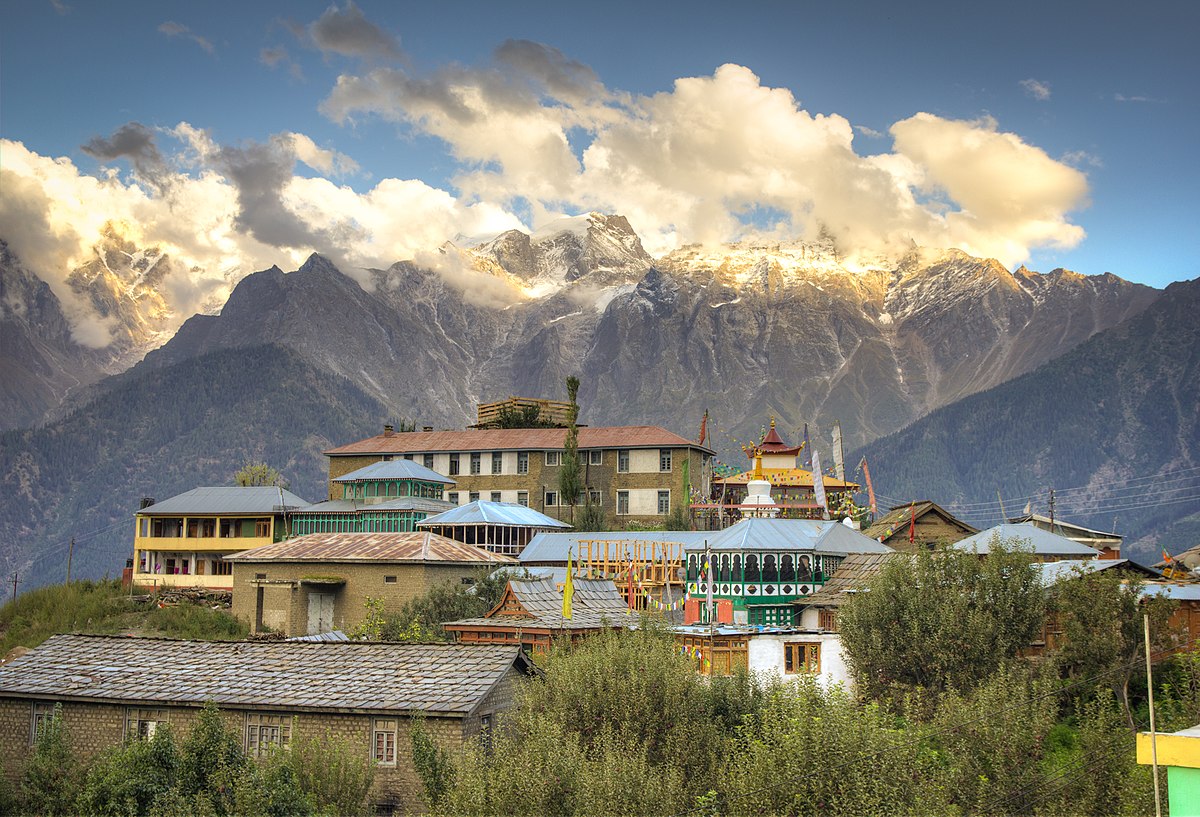
The Kalpa Village in Kinnaur, Himachal Pradesh
December 3, 2022 in Himachal Pradesh
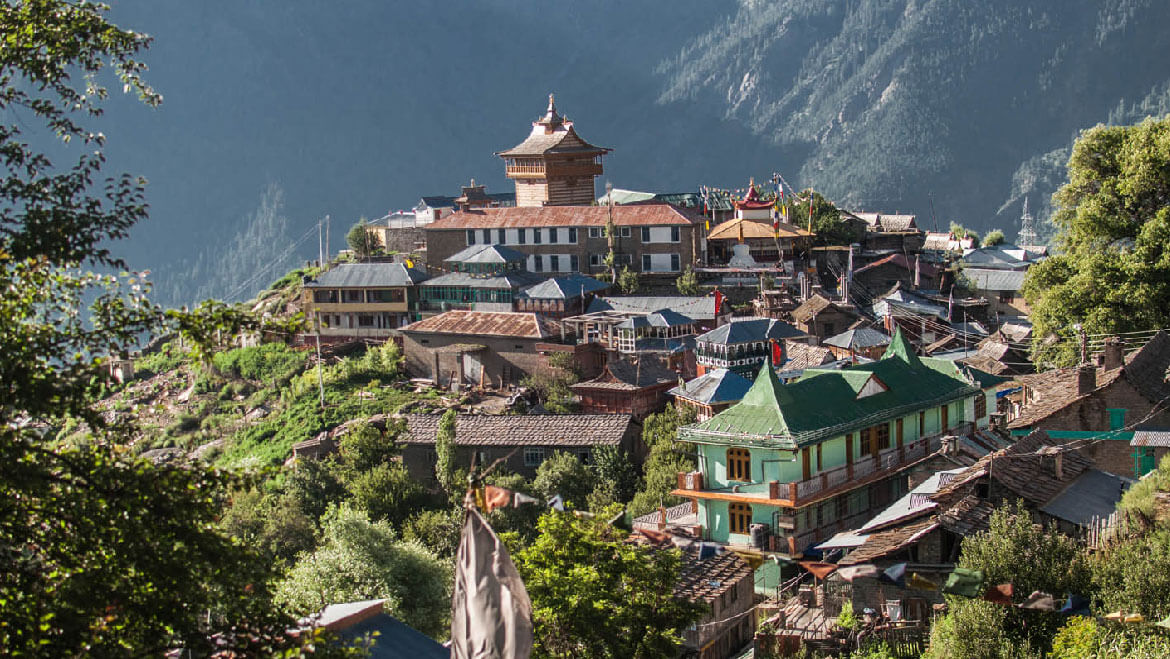 In the lap of the mighty Himalayas, Kalpa Village stands as a serene and picturesque destination in Himachal Pradesh. Situated at approximately 2,960 meters, Kalpa offers breathtaking vistas of snow-capped peaks, lush green valleys, and the gushing Sutlej River. Known for its tranquil ambience, rich cultural heritage, and awe-inspiring landscapes, Kalpa has become a popular getaway for nature lovers, adventure enthusiasts, and those seeking solace amidst the mountains.
Perched on a ridge overlooking the Kinnaur Kailash range, Kalpa offers panoramic views that leave visitors spellbound. The majestic peaks of Kinner Kailash, Jorkanden, and Raldang dominate the skyline, casting a mystical aura over the village. The play of sunlight on the snow-clad mountains during sunrise and sunset creates a mesmerizing spectacle, painting the landscape in hues of gold and orange. Kalpa’s tranquil atmosphere and awe-inspiring beauty make it an ideal destination for meditation, introspection, and reconnecting with nature.
One of the main attractions of Kalpa is its rich cultural heritage. The village is predominantly inhabited by the Kinnauri community, who have distinct customs, traditions, and ways of life. The Kinnauri people are known for their warm hospitality and vibrant festivals. Visitors to Kalpa can immerse themselves in the local culture by participating in traditional dances, witnessing folk performances, and tasting the delectable Kinnauri cuisine. The locals take great pride in preserving their traditions and are eager to share their heritage with visitors, adding to the village’s charm.
Kalpa is also famous for its apple orchards, which are integral to the region’s economy. The area’s fertile soil and favourable climate make it conducive for apple cultivation. Walking through the orchards during the apple season, usually from July to September, is a delightful experience, with the aroma of ripe apples filling the air. Visitors can savour the juicy and flavorful Kinnauri apples and learn about apple cultivation techniques from the locals.
 The village is dotted with ancient temples that hold immense spiritual significance. The Narayan-Nagini Temple, dedicated to Lord Vishnu and Goddess Nagini, is a prominent landmark in Kalpa. Its unique architecture and intricate wood carvings are a testament to the skill and craftsmanship of the local artisans. The Hu-Bu-Lan-Kar Monastery, located on the outskirts of the village, is another significant religious site. The monastery offers a tranquil ambience for meditation and reflection, and visitors can witness the chanting of Buddhist scriptures by the monks.
For adventure enthusiasts, Kalpa is a gateway to several trekking trails and expeditions. The popular trek to Kinner Kailash, a sacred peak revered by Hindus and Buddhists, is a challenging yet rewarding experience. The trek takes you through pristine valleys, dense forests, and high-altitude meadows, offering stunning views of the Himalayan ranges. The adrenaline rush of conquering the summit and the spiritual aura surrounding the peak make it a transformative journey.
Kalpa village is a great place to relax and enjoy the beauty of nature. The village has a peaceful and calm atmosphere, making it the perfect place to unwind and escape the hustle and bustle of city life. Accommodation options in Kalpa range from cozy guesthouses to homestays that offer a glimpse into the local way of life. Staying in traditional Himachali homes allows visitors to experience the warm hospitality of the locals and indulge in authentic Kinnauri cuisine. The homestays provide a comfortable and intimate environment where visitors can learn about the region’s culture, traditions, and stories from the hosts themselves.
Access to Kalpa Village is relatively easy, with good road connectivity from major cities in Himachal Pradesh. The nearest airport is Shimla Airport, approximately 244 kilometres away, while the nearest railway station is Shimla Railway Station, about 228 kilometres from the village. The best time to visit Kalpa is during the summer, from April to June, when the weather is pleasant, and the trekking routes are accessible. However, the village holds its charm throughout the year, with each season offering a unique experience to visitors.
One of the best things about Kalpa Village is its location. Nestled among the Himalayan mountains, the village offers stunning views of the surrounding landscape. Whether hiking to the nearby temples or just taking a stroll through the village, you’ll be mesmerized by the beauty of your surroundings. The village is also very charming, with traditional stone houses and narrow streets. The locals are incredibly friendly and always happy to help, making Kalpa Village feel like a home away from home.
In conclusion, Kalpa Village in Himachal Pradesh is a hidden gem that offers a tranquil retreat amidst the mighty Himalayas. With its awe-inspiring landscapes, rich cultural heritage, and warm hospitality, Kalpa provides an idyllic getaway for those seeking peace, serenity, and a closer connection with nature. So, pack your bags, embark on a journey to Kalpa, and surrender to this Himalayan haven’s enchanting beauty and tranquillity.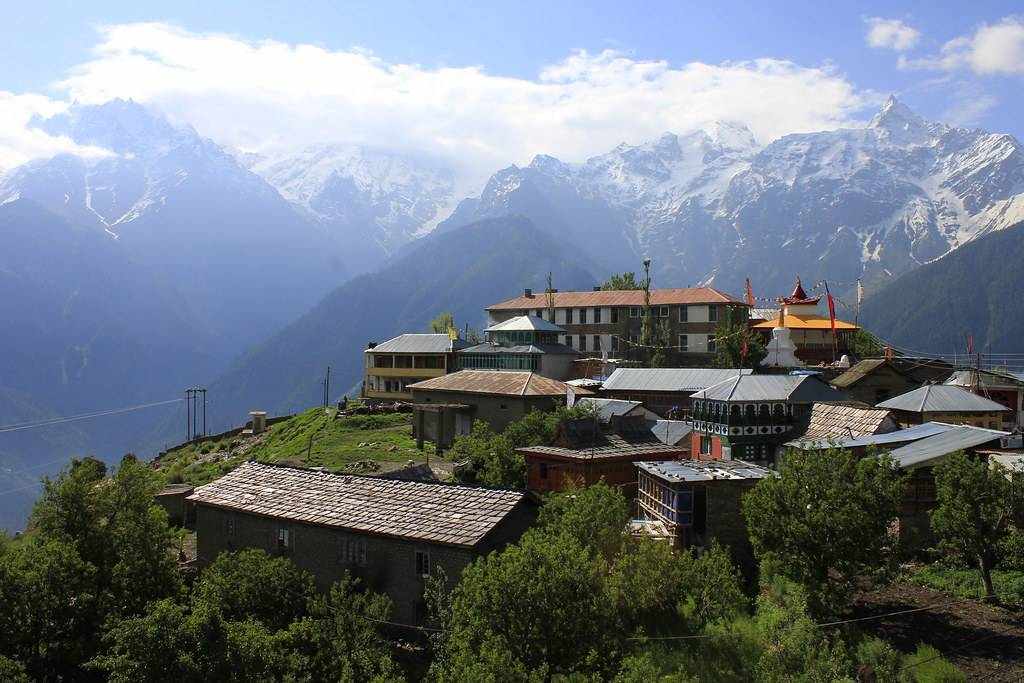
The Mana Village in Uttarakhand
December 3, 2022 in Uttarakhand
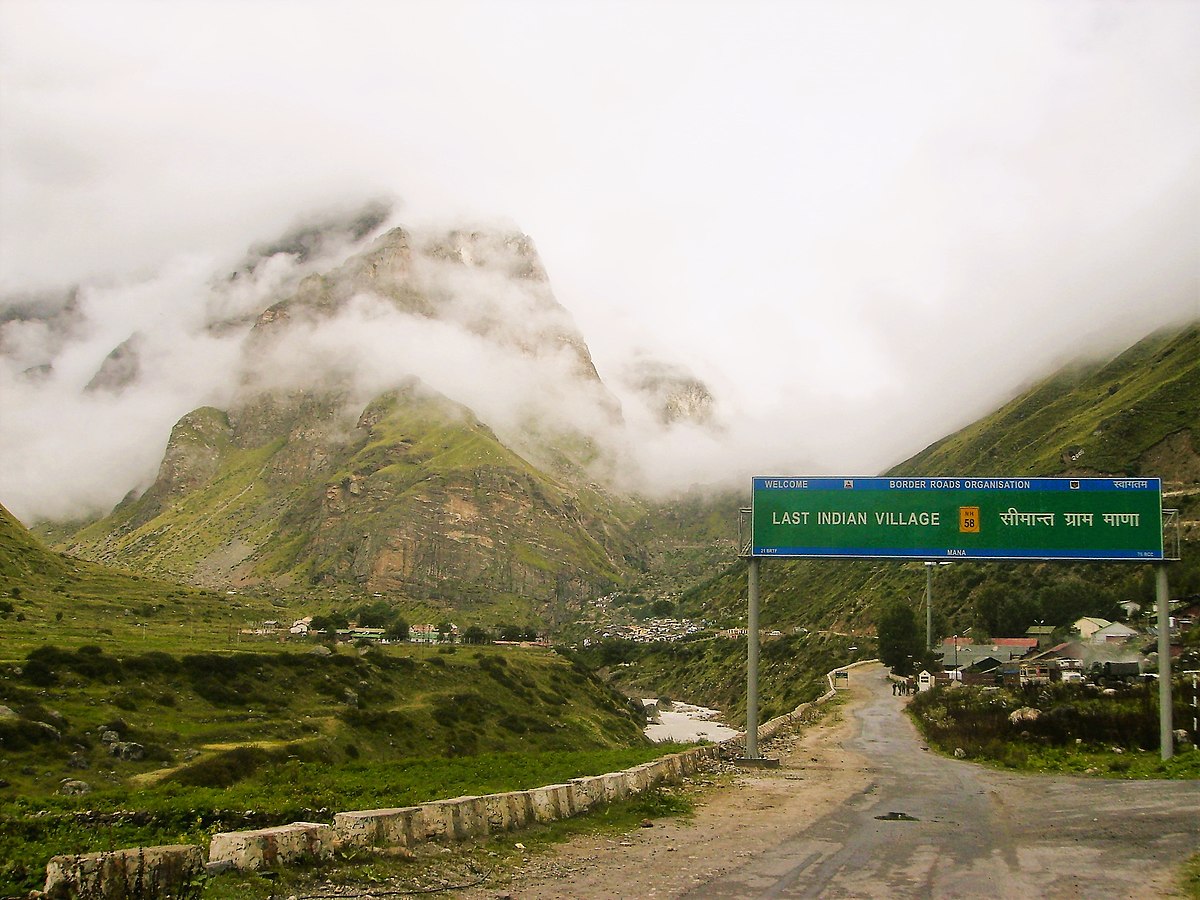
Tucked away in the lap of the majestic Himalayas, Mana Village stands as a testament to Uttarakhand’s raw beauty and rich cultural heritage. Situated at approximately 3,200 meters, Mana Village is known as the last inhabited village on the Indian side of the Indo-Tibetan border. With its breathtaking landscapes, spiritual significance, and intriguing history, Mana Village has become a popular destination for adventure seekers, spiritual seekers, and those seeking an offbeat experience.
Located near the renowned pilgrimage town of Badrinath, Mana Village serves as the gateway to the heavenly abode of the gods. It is believed to be the winter residence of Lord Badri, an incarnation of Lord Vishnu before the temple in Badrinath closes for the harsh winter months. The village holds immense spiritual significance for devotees who visit the holy shrine of Badrinath and seek blessings in this serene Himalayan setting.
The village is often called the “Land of the Gods” due to the large number of Hindu temples and pilgrimage centres located here. The state is home to the Himalayan Mountains, as well as the source of the Ganges River. Mana village is located in the Chamoli district of Uttarakhand.
The village is accessible only on foot, and the journey to Mana is arduous. However, the stunning views of the Himalayas, as well as the peace and tranquillity of the village, make the journey well worth it. Mana village has a population of just over 100 people. The village is located in a remote and isolated location and has been relatively untouched by modernity. The people of Mana live a simple and traditional lifestyle. Farming is the main occupation of the people here, and the village is home to a number of small shops and guest houses.
The village is a popular destination for trekkers and nature lovers. It is also the starting point for the popular Char Dham yatra, a pilgrimage to the four holy sites of Badrinath, Kedarnath, Gangotri, and Yamunotri.
One of the main attractions of Mana Village is its pristine natural beauty. Surrounded by snow-capped peaks, lush green meadows, and gushing rivers, the village offers a picturesque panorama that leaves visitors spellbound. The mighty Alaknanda River flows through the village, adding to its charm and providing a sense of serenity. The nearby Vasudhara Falls, a mesmerizing waterfall cascading from a height of 122 meters, is a popular trekking destination and a sight to behold.
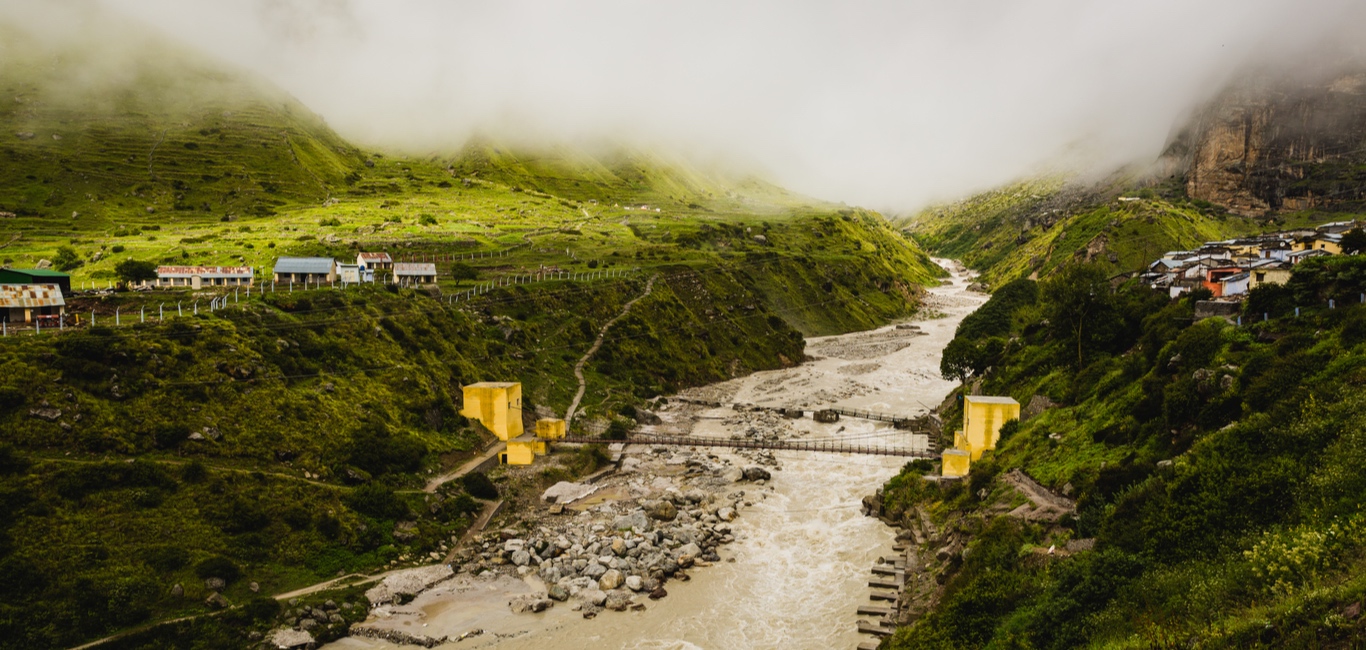 Mana Village is also known for its rich cultural heritage and intriguing history. The village is inhabited by the Bhotiya community, believed to be descendants of Tibetan traders. The Bhotiya people have preserved their unique traditions, customs, and way of life for generations. Visitors to Mana Village can witness their distinct culture, taste their traditional cuisine, and interact with the warm and hospitable locals.
The village is dotted with ancient temples and monasteries that bear testimony to its deep-rooted spirituality. The Vyas Gufa, a cave where the sage Veda Vyasa is said to have composed the Mahabharata, is a significant pilgrimage site. It is believed that Lord Ganesha himself wrote the epic as Vyasa recited it. The cave also offers a sense of tranquillity, making it an ideal spot for meditation and reflection. The village is home to the Badrinath Temple, one of Hinduism’s four main pilgrimage sites. The temple is dedicated to Lord Vishnu and is one of the most important temples in India. Thousands of pilgrims visit the temple yearly to offer their prayers and seek blessings.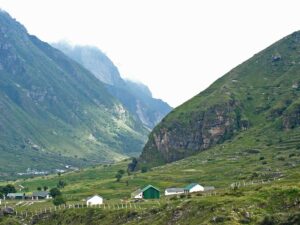
Another noteworthy attraction in Mana Village is the Ganesh Gufa, a small cave where an idol of Lord Ganesha is enshrined. This idol is believed to be self-formed and has been worshipped for centuries. Devotees flock to this cave to seek blessings and pay their respects. The cave is nestled amidst breathtaking surroundings, offering spiritual seekers a peaceful and serene environment.
Mana Village also serves as a base for several treks and expeditions in the region. The trek to the mystical Vasudhara Falls is popular with adventure enthusiasts. The trail winds through lush forests, picturesque landscapes, and scenic viewpoints, providing a thrilling and unforgettable experience. Trekking further leads to destinations like Satopanth Lake, an emerald green lake nestled at 4,600 meters, known for its pristine beauty and mythological significance.
Access to Mana Village is relatively easy, with good road connectivity from major cities in Uttarakhand. The nearest airport is Jolly Grant Airport in Dehradun, approximately 315 kilometres away, while the nearest railway station is Rishikesh, about 295 kilometres from the village. The best time to visit Mana Village is during the summer, from May to October, when the weather is pleasant, and the trekking routes are accessible. However, the village holds its charm throughout the year, with each season offering a unique experience to visitors.
In conclusion, Mana Village in Uttarakhand is a hidden gem showcasing the Himalayan region’s raw beauty, spirituality, and cultural richness. With its breathtaking landscapes, deep-rooted spirituality, and intriguing history, the village offers an unparalleled experience for those seeking adventure, tranquillity, and a glimpse into the ancient traditions of the Bhotiya community. So, pack your bags, leave behind the chaos of everyday life, and embark on a journey to Mana Village to explore the last inhabited village at the gateway to heaven.
The Malana Village in Himachal Pradesh
December 3, 2022 in Himachal Pradesh
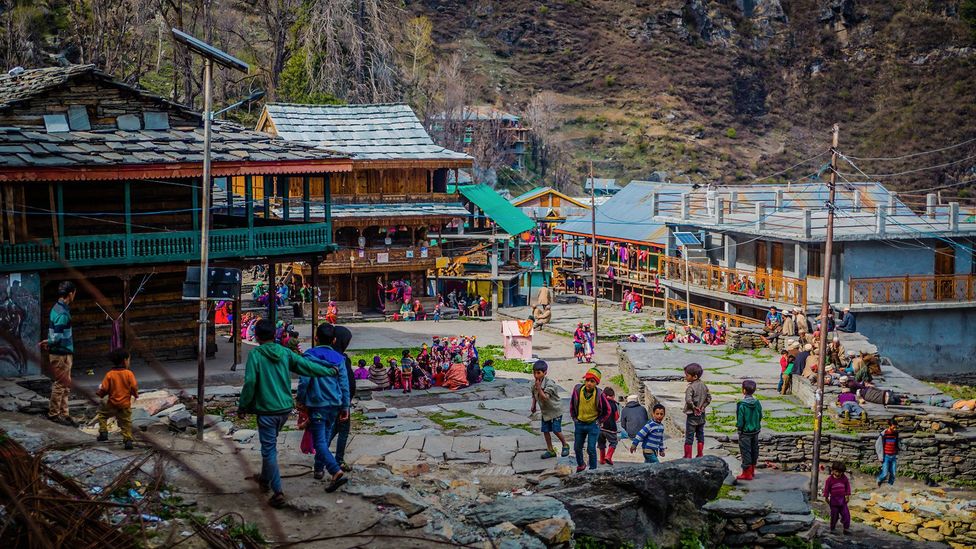
Hidden amidst the majestic mountains of Himachal Pradesh, Malana Village stands as a living testament to ancient traditions, rich history, and a unique social structure. Tucked away in the serene Parvati Valley, Malana has gained fame for its distinct culture, isolation, and the belief that its residents are descendants of Alexander the Great’s army. This remote village has captivated the imagination of travellers, anthropologists, and adventure seekers alike, drawing them into its enigmatic charm.
Situated at approximately 2,650 meters above sea level, Malana Village is surrounded by breathtaking landscapes that leave visitors awestruck. Nestled amidst lush green meadows, dense forests, and snow-capped peaks, the village offers a picturesque panorama that seems straight out of a postcard. The gurgling Malana River flowing through the valley adds to its charm and serenity. The pristine natural beauty of Malana makes it a haven for nature enthusiasts, photographers, and those seeking solace in the lap of untouched Himalayan beauty.
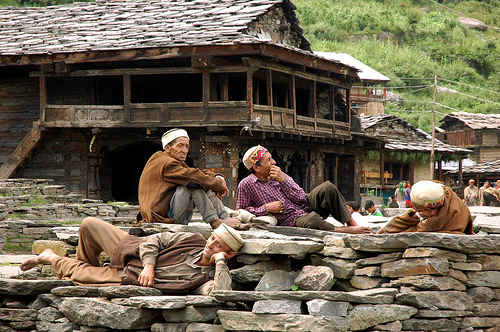
One of the most intriguing aspects of Malana Village is its unique social structure and distinct culture. The village is inhabited by the Malanis, who believe themselves to be the direct descendants of Alexander the Great’s soldiers. They have their own language, Kanashi, which is considered unrelated to any other known language. The Malanis have strict social rules and consider themselves superior to outsiders, leading to their isolation from the surrounding communities.
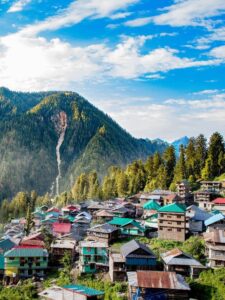 Malana Village is home to the Malani people, a small community of about 1,200 people living in northern India’s remote mountainous region of Himachal Pradesh. The Malana people are a Scheduled Tribe, meaning they are a historically marginalized community recognized by the Indian government as having unique cultural and social traditions. The Malana people are subsistence farmers, growing crops such as wheat, rice, and potatoes on the steep terraced hillsides of their village. They are also skilled weavers and make beautiful hand-woven fabrics used for their traditional clothing.
The Malana people have a rich cultural heritage and are proud of their unique traditions. They have their own language, a dialect of the Western Pahari language family. The Malani people also have traditional music and dance, which they perform at festivals and celebrations. One of the most important aspects of Malana culture is their religion. The Malana people are animists, meaning they believe everything in nature has a spirit. They worship the spirits of the mountains, rivers, and forests, as well as the spirit of their ancestors. The Malana people also strongly believe in magic and shamanism, and there is a village shaman who is consulted for important decisions and to perform rituals.
The village is known for its self-sufficient agrarian lifestyle. The Malanis primarily rely on agriculture and horticulture for their sustenance. They grow crops like wheat, barley, and potatoes, which thrive in the region’s fertile soil. Traditional farming methods are still followed, and the village takes pride in maintaining its ecological balance and organic practices. The village is also renowned for its high-quality cannabis, Malana Cream, which has gained international recognition.
The ancient traditions and customs of Malana have been preserved for centuries. The village has its own unique system of governance and justice known as the “Jamaat,” which is guided by a set of rules passed down through generations. The village council, known as the “Devta,” enforces these rules and ensures the smooth functioning of the community. The locals strongly believe in their ancient deity, Jamlu Devta, who is the village’s protector and guardian. Festivals and rituals dedicated to Jamlu Devta are celebrated with great fervour, offering a glimpse into the spiritual and cultural heritage of Malana.
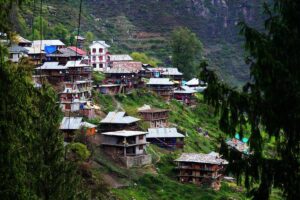 Despite its isolated location, Malana has managed to attract visitors worldwide. The village’s distinctiveness and mystique have piqued the curiosity of adventure seekers and anthropologists alike. The nearby Malana Trek, which leads to the Chandrakhani Pass, offers breathtaking views of the surrounding Himalayan peaks and an excellent opportunity for trekkers to immerse themselves in the region’s natural beauty. Travellers can also explore the quaint village, interact with the locals, and witness their way of life, offering a rare glimpse into a culture untouched by time.
Accommodation options in Malana Village are limited, with a few guesthouses and homestays available for visitors. Staying in the village provides a unique opportunity to experience the local culture up close and connect with the warm-hearted Malanis. However, visitors need to respect the customs and traditions of the village, follow local etiquette, and obtain necessary permissions to ensure a responsible and culturally sensitive visit.
 Access to Malana Village can be challenging, as it requires a trek of about 4 to 5 kilometres from the nearest road head at Jari. The nearest airport is Bhuntar Airport, approximately 50 kilometres away, while the nearest railway station is Joginder Nagar, about 150 kilometres from the village. The best time to visit Malana is during the summer, from April to June, when the weather is pleasant, and the trekking routes are accessible. However, the village holds its charm throughout the year, with each season offering a unique experience to visitors.
In conclusion, Malana Village in Himachal Pradesh is shrouded in mystique and allure. With its captivating landscapes, ancient traditions, and unique social structure, the village offers an offbeat and intriguing experience for those seeking to delve into the enigmatic realms of the Himalayas. A visit to Malana is not just a physical journey but also a cultural immersion, where one can witness the resilience and distinctiveness of a community that has managed to preserve its heritage despite the passing of centuries. So, pack your bags, tread on the less travelled path, and unravel Malana Village’s secrets for an unforgettable adventure in the heart of the Himalayas.
The Leo Village in Himachal Pradesh
December 3, 2022 in Himachal Pradesh
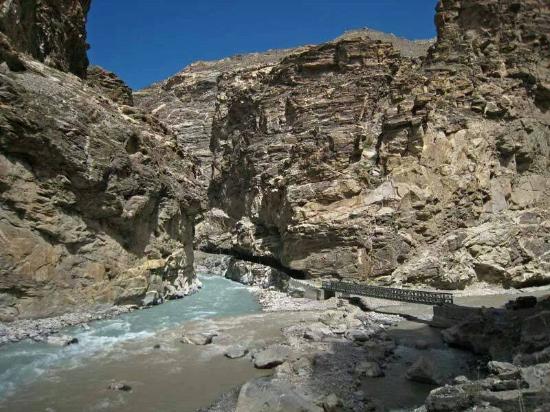
Leo Village is a testament to the pristine beauty and serenity the state is known for. It’s located in the picturesque district of Kullu. Leo Village is a hidden gem that offers visitors an escape from bustling city life and an opportunity to immerse themselves in the lap of nature. With its breathtaking landscapes, vibrant culture, and warm hospitality, Leo Village has become a popular destination for travellers seeking a tranquil retreat.
Leo Village is approximately 1,900 meters above sea level, making it an ideal destination for those who crave a cool and refreshing climate. The village is surrounded by snow-capped peaks, lush green meadows, and dense forests, creating a surreal ambience that enchants visitors. The crystal-clear Beas River flows through the village, adding to its natural charm and providing an opportunity for various water-based activities.
Set in the lap of the Dhauladhar range of the Himalayas, Leo Village in Himachal Pradesh is a quaint little hamlet that is fast becoming popular as a tourist destination. The village is also home to several rare and endangered species of animals like the Himalayan black bear, snow leopard and red fox.
The best time to visit Leo Village is between April and October, when the weather is pleasant, and the flowers fully bloom. The village can be accessed by road from the town of Dalhousie, about 72 kilometres away.
One of the main attractions of Leo Village is its stunning natural beauty. The village is a paradise for nature lovers, offering breathtaking views at every turn. The verdant valleys, dotted with colourful wildflowers, present a sight that is nothing short of magical. Trekking enthusiasts can explore the numerous trails that crisscross the region, leading to hidden waterfalls, tranquil lakes, and mesmerizing viewpoints. The Great Himalayan National Park, a UNESCO World Heritage Site, is located close to Leo Village, making it an excellent base for exploring this ecological treasure trove.
The cultural heritage of Leo Village is as captivating as its natural splendour. The village is predominantly inhabited by the indigenous people of Himachal Pradesh, who have preserved their traditions and way of life for generations. Visitors can immerse themselves in the vibrant local culture by participating in traditional dance and music performances, witnessing ancient rituals, and indulging in local cuisine. The warmth and hospitality of the villagers add an extra layer of charm to the overall experience, making visitors feel like they are part of the community.
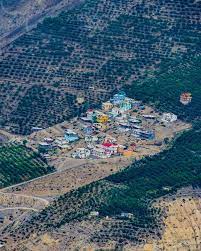 Accommodation options in Leo Village range from cozy homestays to eco-friendly resorts, all designed to blend seamlessly with the surrounding environment. The people of Leo Village are some of the most friendly and welcoming people you will ever meet. They are always ready to help out tourists and ensure a pleasant stay in their village. The villagers are also very proud of their culture and traditions and love sharing their knowledge with visitors.
One of the best things about the people of Leo Village is their passion for music. You can find villagers singing and playing music all around the village, and they are always happy to share their songs with visitors. If you are lucky, you might even see a traditional dance performance by the villagers.
The people of Leo Village are very hospitable, and they will always ensure you have everything you need during your stay. Whether you need help with directions or want to know more about the village, they will be more than happy to help you. Staying in a traditional Himachali home allows visitors to experience the local way of life up close, while resorts offer modern amenities and facilities amidst the wilderness. The accommodations are known for their warm hospitality, personalized service, and commitment to sustainable tourism practices, ensuring visitors’ memorable and responsible stay.
For adventure enthusiasts, Leo Village offers a plethora of thrilling activities. From paragliding over the lush valleys to rafting in the gushing Beas River, there is no shortage of adrenaline-pumping experiences. The village is also a popular destination for camping, with several campsites offering a chance to sleep under the starry sky and wake up to the melodious chirping of birds. Other activities include rock climbing, rappelling, and nature walks, providing something for everyone seeking an adventure-filled getaway.
Leo Village is not just a place for adventure and relaxation; it also holds immense spiritual significance. The region is dotted with ancient temples and monasteries that attract devotees and spiritual seekers from far and wide. The peaceful ambience of these sacred sites, coupled with the stunning natural backdrop, creates a tranquil environment for meditation, self-reflection, and soul rejuvenation. The famous Raghunath Temple, dedicated to Lord Rama, is a major pilgrimage site in the vicinity and is revered by locals and tourists.
Leo Village has gained popularity in recent years among offbeat travellers seeking to explore lesser-known destinations. Its relatively untouched landscapes and authentic local experiences have attracted photographers, nature enthusiasts, and adventure seekers who yearn for a unique, off-the-beaten-path experience. Despite its growing popularity, Leo Village has managed to maintain its pristine charm, thanks to the efforts of the local community and sustainable tourism initiatives.
The tiny hamlet of Leo in Himachal Pradesh is all set to get a face-lift. The Himachal Pradesh government has recently announced a major development project for the area, which includes the construction of a new road, a footpath, and a drinking water facility. This is great news for the villagers, as the current road is in a bad state, and the drinking water situation could be better. With the new road and water facility, the villagers will finally have access to basic amenities they have been lacking for so long.
The development project is a welcome move by the government and will go a long way in improving the villagers’ quality of life. It is also a sign that the government is committed to developing rural areas in the state.
Getting to Leo Village is relatively easy, with good road connectivity from major cities in Himachal Pradesh. The nearest airport is Bhuntar Airport, approximately 50 kilometres away, while the nearest railway station is Joginder Nagar, about 140 kilometres from the village. From there, one can hire a taxi or bus to reach Leo Village. The best time to visit is during the summer, from April to June, when the weather is pleasant, and the landscapes are adorned with blooming flowers. However, the village holds its charm throughout the year, with each season offering a unique experience to visitors.
In conclusion, Leo Village in Himachal Pradesh is a hidden gem showcasing nature, culture, and adventure. With its breathtaking landscapes, vibrant traditions, and warm hospitality, the village offers an escape from the monotony of city life and a chance to reconnect with the natural world. Whether trekking through pristine valleys, immersing in local customs, or indulging in thrilling activities, Leo Village has something to offer to every traveller seeking a truly unforgettable experience. So, pack your bags, leave the chaos behind, and embark on a journey to Leo Village to discover the tranquil beauty of Himachal Pradesh’s best-kept secret.
