


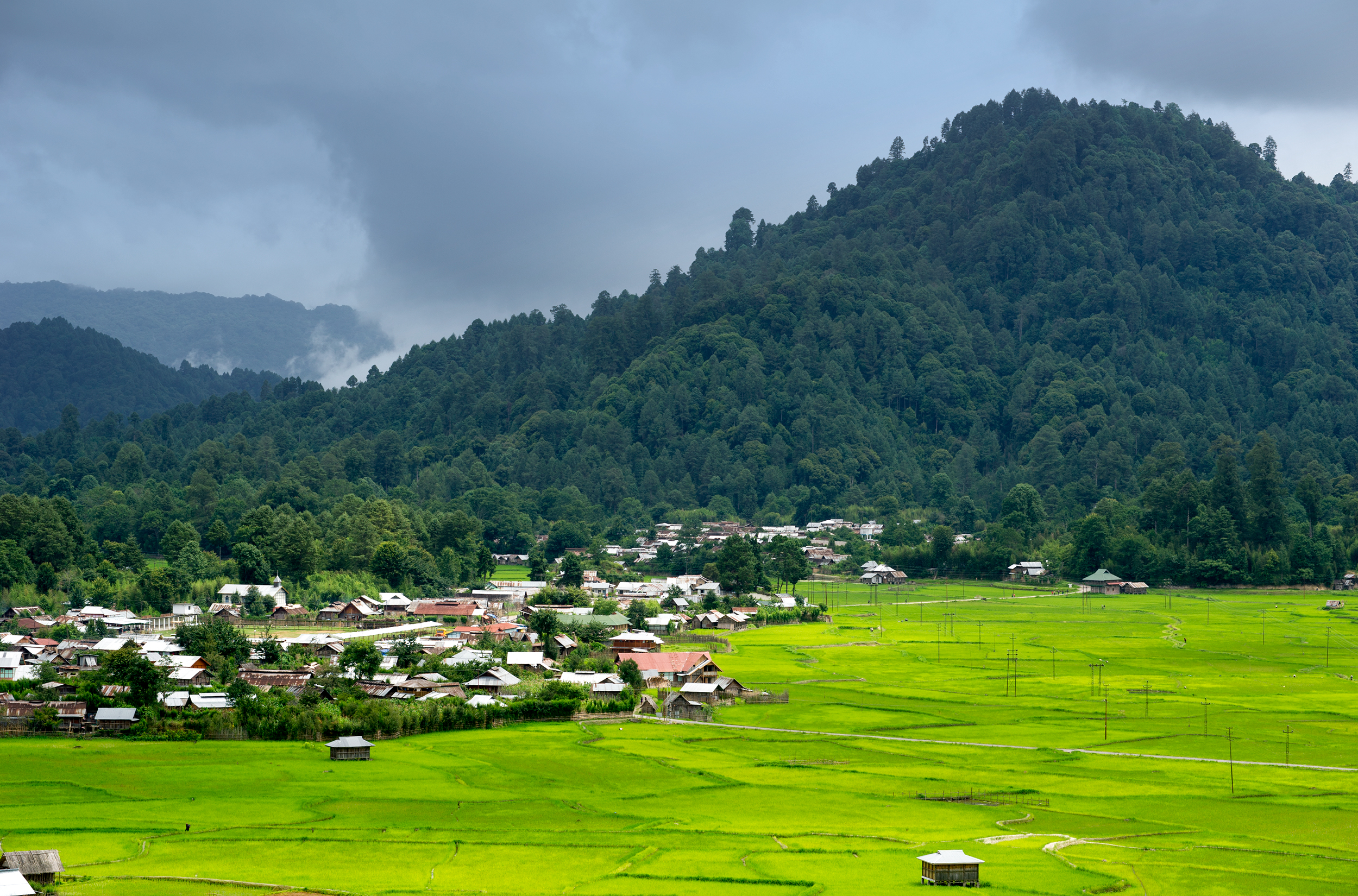
The Ziro Village in Arunachal Pradesh
December 3, 2022 in Arunachal Pradesh
Snuggled in the picturesque mountains of Arunachal Pradesh, India’s easternmost state, lies a hidden gem known as Ziro Village. Tucked away from the chaos of city life, Ziro is a serene and enchanting place that showcases the beauty of nature, the richness of indigenous cultures, and the warmth of its people. With its verdant landscapes, ancient traditions, and vibrant festivals, Ziro Village offers visitors a unique and immersive experience in the heart of the Eastern Himalayas.
Located in the Lower Subansiri district of Arunachal Pradesh, Ziro Village is approximately 5,000 feet above sea level. Surrounded by mist-covered mountains, lush green forests, and terraced rice fields, the village is a paradise for nature enthusiasts and adventure seekers. The mesmerizing beauty of the landscape, coupled with its pleasant weather throughout the year, makes Ziro a captivating destination for travelers.
One of the most striking features of Ziro Village is its vibrant indigenous culture. The Apatani tribe, the main inhabitants of Ziro, have preserved their age-old traditions and rituals, which are deeply rooted in their connection with nature. The Apatani people are known for their sustainable agricultural practices, with the intricate rice cultivation system being the backbone of their community.
The unique aspect of the Apatani farming system is the practice of wetland cultivation, also known as paddy-cum-fish culture. The villagers construct terraced fields irrigated using a complex network of bamboo pipes and channels. These paddy fields yield abundant rice and serve as fish farms, where a harmonious relationship is maintained between the cultivation of crops and the breeding of fish. Witnessing the Apatani farmers meticulously tending to their fields is a remarkable sight that showcases their deep understanding of nature’s balance.
Apart from agriculture, the Apatani people are renowned for their intricate handloom weaving and bamboo crafts. Visitors to Ziro Village can witness local artisans’ skillful weaving of traditional textiles and intricate bamboo baskets. These crafts serve as a means of livelihood and as a link to their cultural heritage, which is passed down through generations.
Ziro Village also offers many trekking and hiking opportunities for adventure enthusiasts. The surrounding mountains provide numerous trails that lead to breathtaking viewpoints and secluded villages. The trek to Talley Valley Wildlife Sanctuary, a biodiversity hotspot, is popular among nature lovers. Exploring the dense forests, spotting exotic flora and fauna, and camping under the starry skies make for an unforgettable experience in Ziro.
The cultural vibrancy of Ziro Village comes to life during the Ziro Music Festival, held annually in September. This four-day extravaganza brings together artists, musicians, and performers across the country and beyond. Against the mesmerizing Ziro landscape, attendees can immerse themselves in a fusion of music genres, from traditional folk to contemporary rock, while indulging in local cuisine and interacting with the friendly locals. The Ziro Music Festival has gained international recognition for its unique atmosphere and celebration of diversity.
For those seeking spiritual solace, Ziro Village is home to ancient and revered temples. The Kile Pakho, a sacred stone structure, and the Dolo Mando temple are important religious sites where visitors can experience the tranquil spirituality of the region. These temples serve as a reminder of the deep-rooted faith and cultural significance that permeate every aspect of life in Ziro.
Hospitality is a way of life in Ziro Village, and the locals welcome visitors with open arms. Staying in homestays, traditional bamboo huts, or eco-lodges is a popular choice, providing an authentic experience of living in harmony with nature and the local community. Sharing meals with the villagers, listening to their stories, and partaking in traditional festivals create memories that will last a lifetime.
The Ziro people are a tribe of the Tani group, indigenous to the Ziro valley in the Indian state of Arunachal Pradesh. The Ziro tribe is divided into four sub-groups – the Apatani, the Hruso, the Mishmi, and the Nyishi. The Ziro people are known for their unique customs and traditions, and their way of life has been largely untouched by modernization. The Ziro people are subsistence farmers, and their primary crops are rice, maize, and millet. The Ziro people are also skilled craftspeople, and their hand-woven textiles and woodcarvings are highly prized. The Ziro people are friendly and hospitable, and visitors to their village are always made to feel welcome. The Ziro people are proud of their culture and traditions and are happy to share them with others.
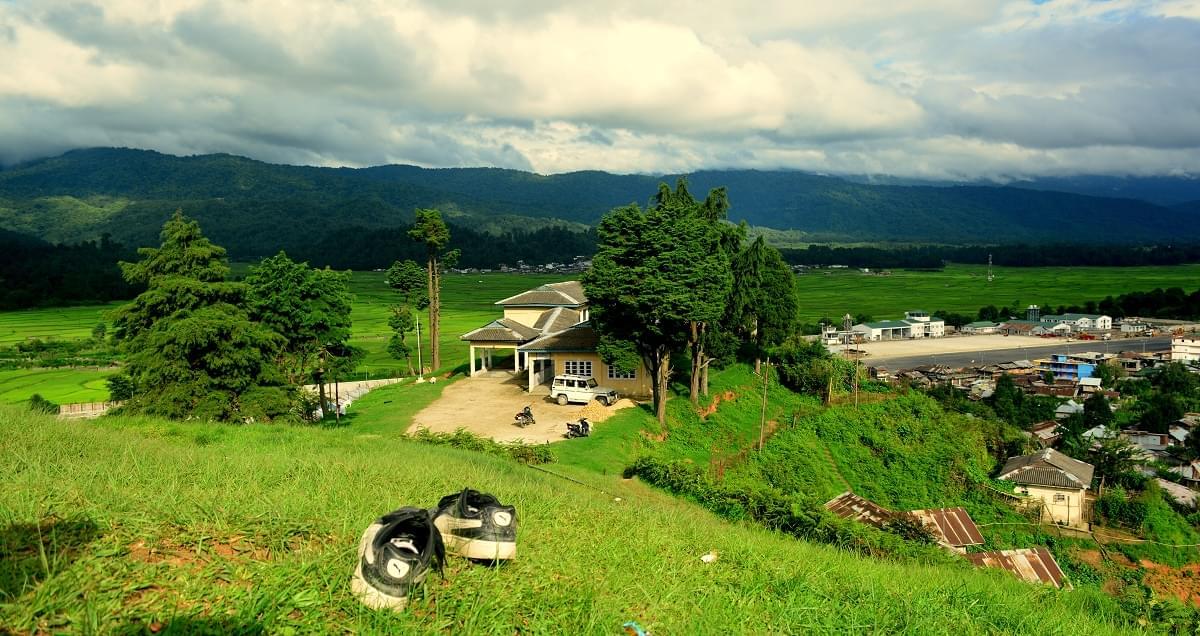 As the world becomes more connected and urbanized, Ziro Village is a sanctuary of natural beauty and cultural heritage. It is a testament to the resilience of indigenous communities and the importance of preserving our roots. A visit to Ziro Village is not just a journey into the heart of the Eastern Himalayas but also an opportunity to reconnect with nature, immerse oneself in diverse cultures, and appreciate the simplicity and beauty of a life in harmony with the land.
The flora and fauna of Ziro village are simply amazing. The village is home to various rare and endangered plants and animals. The forests of Ziro are home to some of the rarest and most endangered species of animals in the world. The red panda, snow leopard, musk deer, and Himalayan black bear are some rare animals found in the forests of Ziro.
The Himalayan mountains are also home to various rare and endangered plants. Some rare and endangered plants found in the Himalayan mountains include the blue poppy, Himalayan balsam, and the Himalayan cedar.
The Apatani Tribe is known for its unique culture and traditions. The tribe is known for its use of traditional methods of agriculture. The Apatani Tribe is also known for its unique way of life. The tribe has its own unique language and culture. The Apatani Tribe is also known for its unique way of dress. The women of the tribe wear a distinctive type of clothing known as the ‘Tirband.’ The men of the tribe wear a traditional type of clothing known as the ‘Dohar.’
The Apatani Tribe is also known for its unique system of agriculture. The Apatani Tribe is known for its use of the ‘jhum’ or ‘slash and burn’ method of agriculture. This method of agriculture is very labor intensive and is only used in areas with a shortage of land.
Arunachal Pradesh is a state in northeastern India. It is the largest state in the Northeastern Region and the 18th largest state in India. Ziro is a village in the Ziro Valley of the Lower Subansiri district in the Indian state of Arunachal Pradesh. The valley is about 5,000 feet (1,500 m) above mean sea level.
The climate of Ziro is temperate, with cool winters and mild to warm summers. The average temperature ranges from 15 to 20 °C in winter and 25 to 30 °C in summer. The average annual rainfall is about 1,500 mm. The vegetation of Ziro is mainly composed of evergreen and deciduous forests. The major tree species found in the area are oak, pine, fir, spruce, and hemlock. The area is also home to various animals, including tigers, leopards, bears, elephants, and rhinoceros.
Ultimately, the Ziro Valley is a beautiful place to visit and is home to some of the most beautiful scenery in India. The valley is also home to several wildlife sanctuaries and national parks, which make it a perfect place for nature lovers and bird watchers.
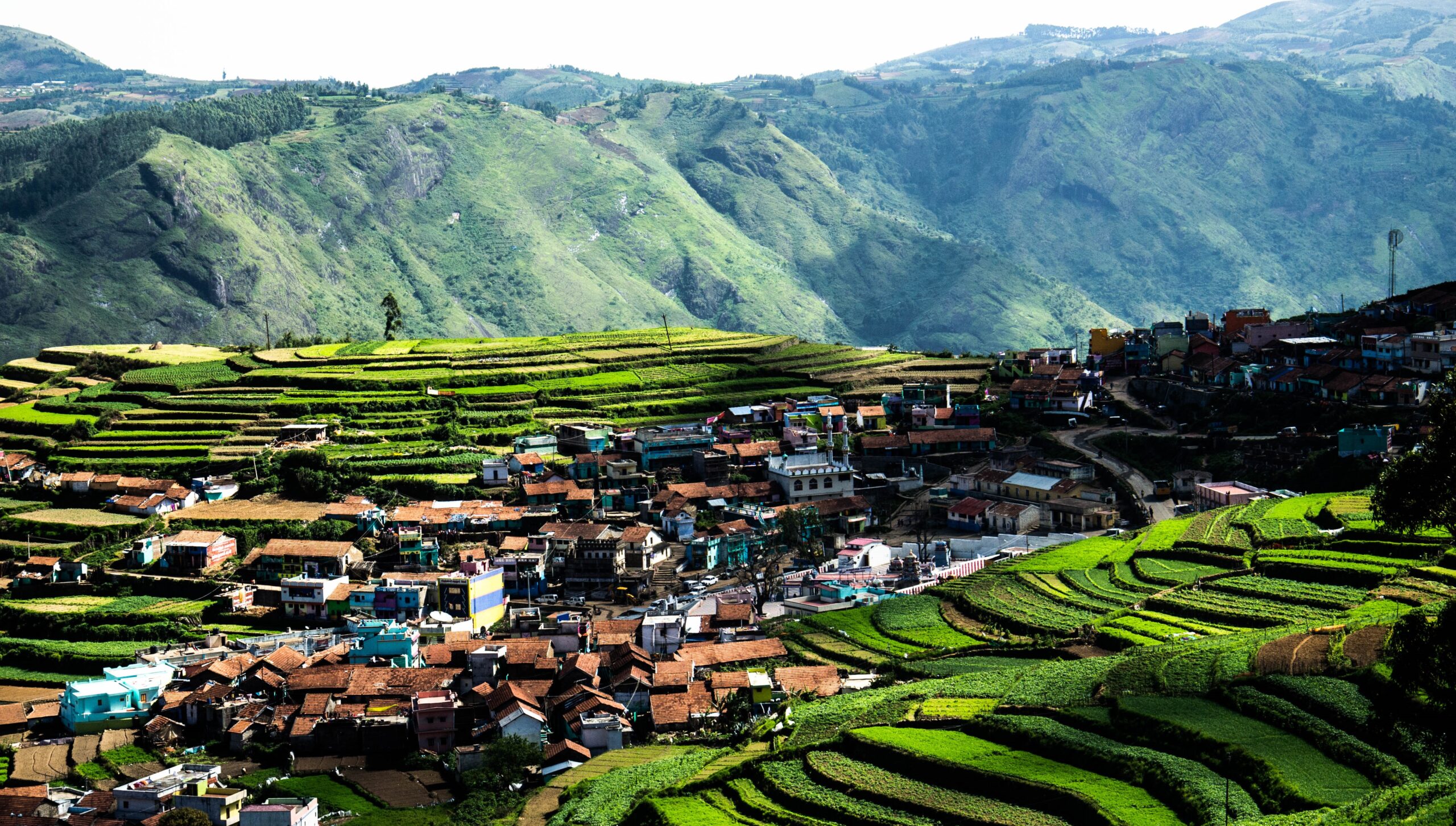
The Poombarai Village in Tamil Nadu
December 3, 2022 in Tamilnadu
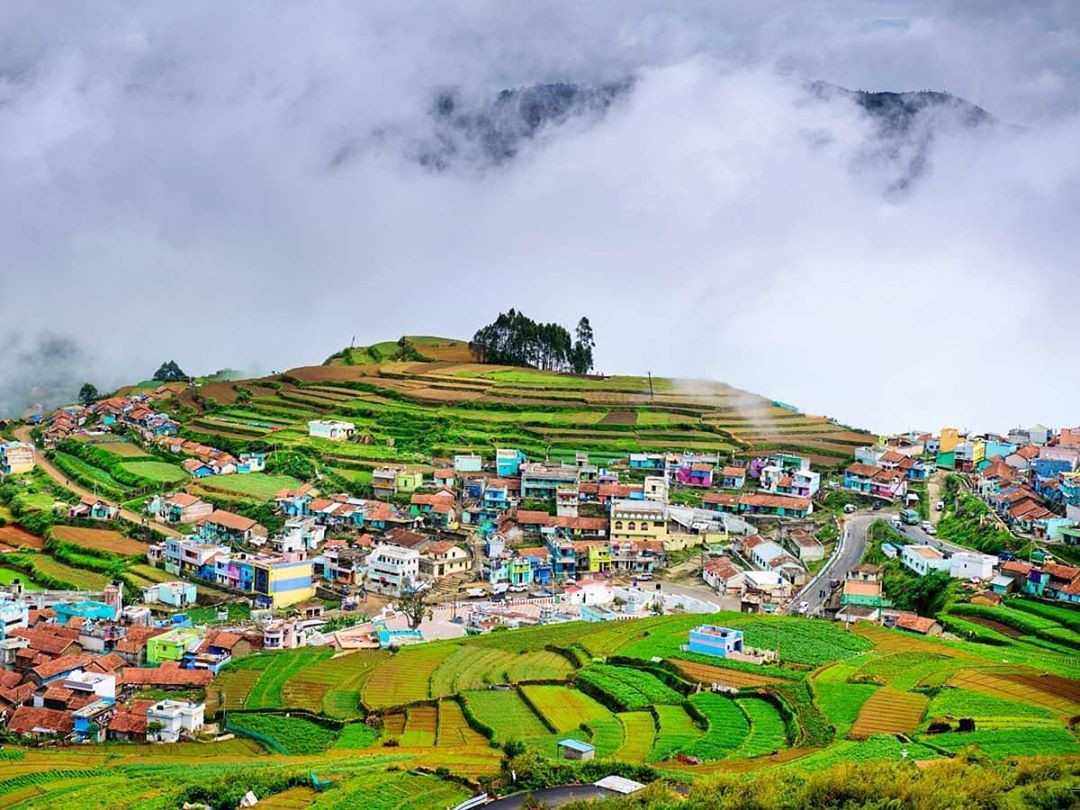
Cradled in the lap of the Western Ghats in Tamil Nadu, Poombarai Village is a hidden gem that offers a tranquil escape from the hustle and bustle of city life. Located near the popular hill station of Kodaikanal, Poombarai Village is known for its breathtaking landscapes, misty mountains, and serene atmosphere. With its rich biodiversity, cultural heritage, and panoramic views, Poombarai Village has become a favourite destination for nature lovers, photographers, and those seeking a serene retreat.
Situated at approximately 1,920 meters above sea level, Poombarai Village is blessed with a cool and pleasant climate throughout the year. The village is surrounded by verdant valleys, rolling meadows, and dense forests, making it a paradise for nature enthusiasts. The majestic Palani Hills serves as the backdrop, adding to the scenic beauty of the village. The area is also known for its abundant flora and fauna, with several species of rare and endemic plants and animals in the region.
One of the main attractions of Poombarai Village is its untouched natural beauty. The village offers breathtaking views of the surrounding valleys, with mist-covered mountains that seem to touch the sky. The grassy slopes, adorned with colourful wildflowers, present a picturesque sight that captivates visitors. Trekking enthusiasts can explore the numerous trails that wind through the hills, leading to hidden waterfalls, sacred groves, and panoramic viewpoints. The pristine beauty of the landscape is a treat for the senses and provides ample opportunities for relaxation and rejuvenation.
Poombarai Village, located in the Kodaikanal district of Tamil Nadu, is 1,000 metres above sea level and surrounded by lush green fields and tea plantations. The village is home to around 1,500 people, mostly farmers and labourers.
The day begins early morning, with the farmers heading to their fields to start their work. The village women begin their day by cooking breakfast for their families. After breakfast, the children head to school, and the women start their chores. In the afternoon, the villagers take a break from work and gather at the village square to socialize. The evening is spent preparing dinner and spending time with family.
The village of Poombarai is a beautiful and peaceful place. The villagers are friendly and welcoming, and the scenery is stunning. If you ever find yourself in Tamil Nadu, visit Poombarai village and experience the beauty of rural India.
Apart from its natural splendour, Poombarai Village also holds a rich cultural heritage. The village is predominantly inhabited by the indigenous Paliyar community, who have preserved their unique traditions and way of life for centuries. Visitors can immerse themselves in the vibrant local culture by interacting with the villagers, participating in traditional festivities, and witnessing folk performances. The warm hospitality of the locals adds an extra charm to the overall experience, making visitors feel welcome and at home.
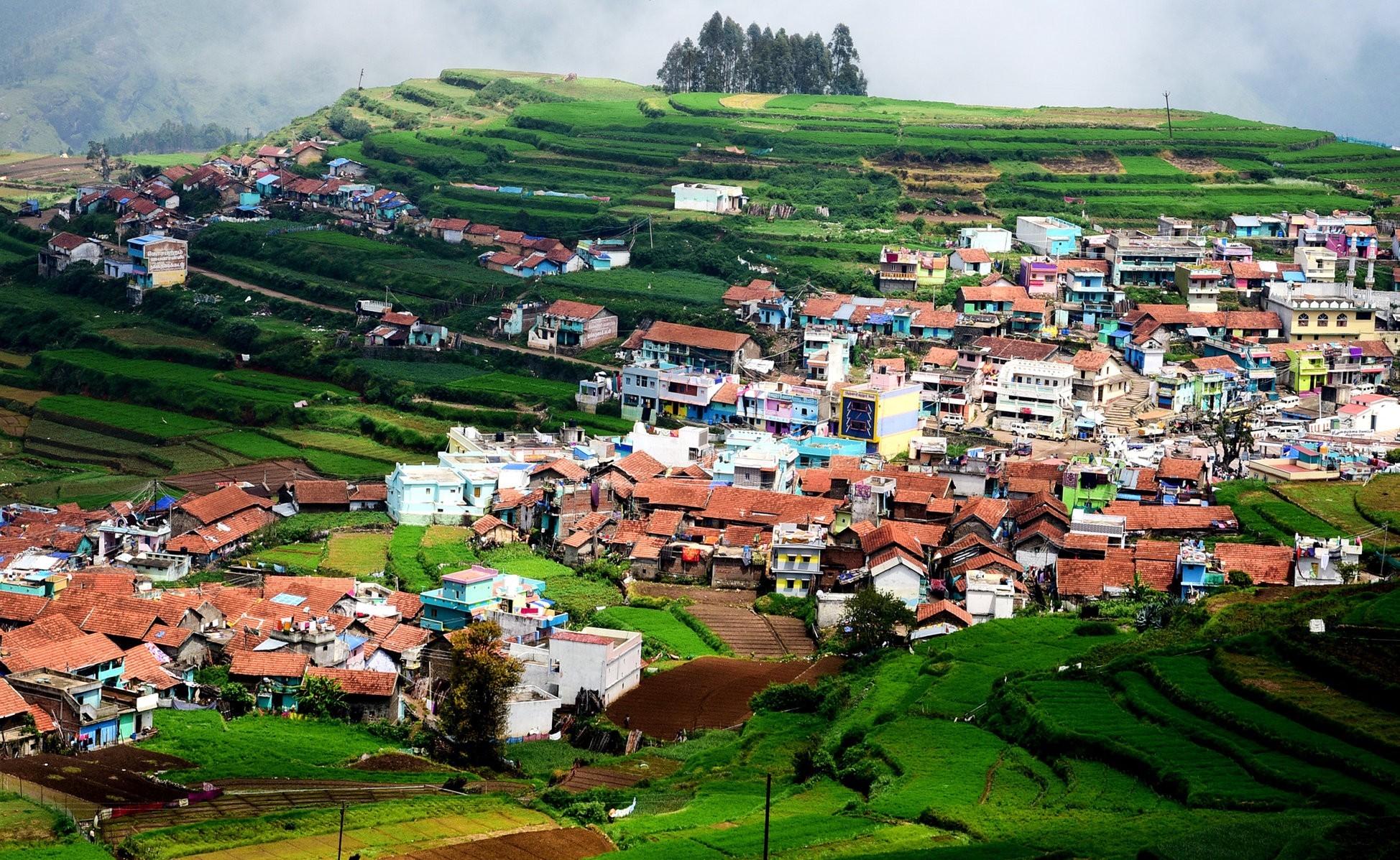 Accommodation options in Poombarai Village range from cozy homestays to guesthouses that blend harmoniously with the surroundings. Staying in a traditional Paliyar home allows visitors to experience the local way of life firsthand and gain insights into the customs and traditions of the community. The accommodations are known for their warm hospitality, delicious homemade food, and a chance to savour the region’s flavours. The peaceful ambience and personalized service ensure visitors a comfortable and memorable stay.
For nature enthusiasts and adventure seekers, Poombarai Village offers various activities to engage in. The surrounding forests are a haven for birdwatchers, with numerous species of birds, including endemic and migratory ones, spotted in the region. Wildlife enthusiasts can spot animals, such as sambar deer, Indian gaur, and langurs, in their natural habitat. Nature walks, guided treks, and camping are popular activities that allow visitors to immerse themselves in the wilderness and connect with nature on a deeper level.
Poombarai Village is also home to several sacred sites that hold spiritual significance. The village is dotted with ancient temples and shrines, where devotees come to seek blessings and offer prayers. The Kurinji Andavar Temple, dedicated to Lord Murugan, is a major pilgrimage site in the area and is known for its scenic location and annual Kurinji flower blooming, which occurs once every twelve years. The temple attracts many devotees and tourists alike, who come to witness the breathtaking sight of the hills covered in a carpet of purple flowers.
 Access to Poombarai Village is relatively easy, with good road connectivity from Kodaikanal and other major cities in Tamil Nadu. The nearest airport is Madurai International Airport, approximately 120 kilometres away, while the nearest railway station is Kodai Road, about 80 kilometres from the village. The best time to visit is during the summer, from April to June when the weather is pleasant and the flowers are in full bloom. However, Poombarai Village holds its charm throughout the year, with each season offering a unique experience to visitors.
One of the most notable changes in Poombarai has been the introduction of concrete roads. While the village had dirt roads before, they were often difficult to navigate during the monsoon season. The new concrete roads have made it easier for residents to get around, and they have also helped to boost tourism.
Another change that has taken place in Poombarai is the construction of new buildings. While the village has always had a few small shops and temples, there are now a number of new buildings, including a school and a hospital. The village is also home to a new hotel built to accommodate the increasing number of tourists visiting Poombarai.
While some residents are happy with the changes that are taking place in Poombarai, others are still determining. Some villagers worry that the village is losing its traditional charm and that the new developments will eventually price them out of their homes. Only time will tell how Poombarai will change in the years to come.
 In conclusion, Poombarai Village in Tamil Nadu is a hidden paradise that offers a serene retreat amidst the Western Ghats. With its breathtaking landscapes, rich cultural heritage, and abundant natural wonders, the village provides an ideal getaway for those seeking solace in nature’s embrace. Whether exploring the misty mountains, immersing in local traditions, or embarking on thrilling adventures, Poombarai Village promises an unforgettable experience for all who visit. So, pack your bags, escape the chaos of city life, and embark on a journey to Poombarai Village to discover the serenity and beauty of Tamil Nadu’s hidden treasure.
The Mawlynnong Village in Meghalaya
December 3, 2022 in Meghalaya
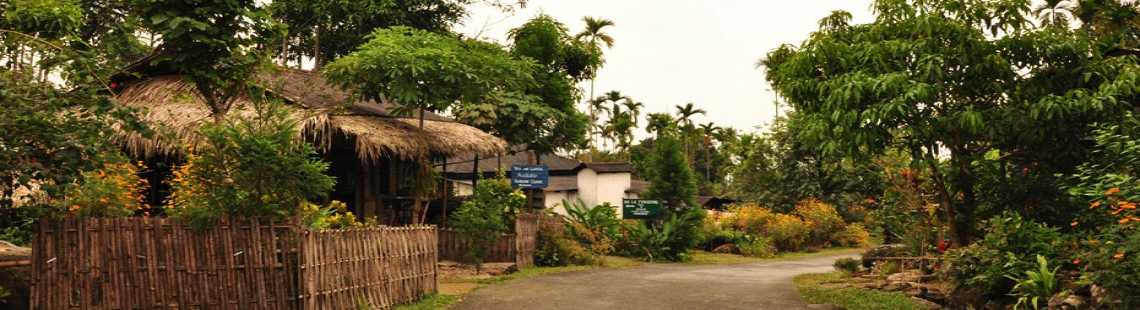
Tucked away in the northeastern part of India, in the verdant state of Meghalaya, lies a small village that has gained global recognition for its exceptional cleanliness and natural beauty. Mawlynnong Village, often called “Asia’s Cleanest Village,” is a shining example of community-driven initiatives and harmonious coexistence with nature. With its immaculate streets, vibrant gardens, and warm hospitality, Mawlynnong Village offers visitors a unique and inspiring experience.
Located in the East Khasi Hills district of Meghalaya, Mawlynnong Village is nestled amidst the lush greenery of the Khasi Hills near the border of Bangladesh. The village is inhabited primarily by the Khasi tribe, known for their strong sense of community and commitment to environmental conservation. Mawlynnong is a testament to their unwavering dedication to cleanliness and sustainable living.
One of the first things that strike visitors upon entering Mawlynnong is the pristine state of the village. The streets are impeccably clean, with every corner free from litter. The villagers take great pride in maintaining the cleanliness of their surroundings, and it is ingrained in their daily lives. Every morning, the residents sweep the streets with bamboo brooms, collect waste in bamboo dustbins, and ensure the village remains spotless.
The cleanliness drive in Mawlynnong Village is not just limited to the streets but extends to every aspect of life. Each household has a dedicated compost pit, transforming biodegradable waste into organic manure. Plastic waste is strictly banned in the village, and visitors are encouraged to dispose of any plastic items they bring before entering Mawlynnong. This commitment to eco-friendly practices has earned the village accolades and recognition worldwide.
Beyond its cleanliness, Mawlynnong Village is a haven for nature lovers. The village is enveloped by a breathtaking landscape of rolling hills, meandering streams, and cascading waterfalls. One of the village’s most iconic attractions is the living root bridge, a marvel of bioengineering where the roots of trees are trained to grow and intertwine to form a natural bridge over streams. These bridges, crafted over decades by the villagers, are functional and a testament to the symbiotic relationship between humans and nature.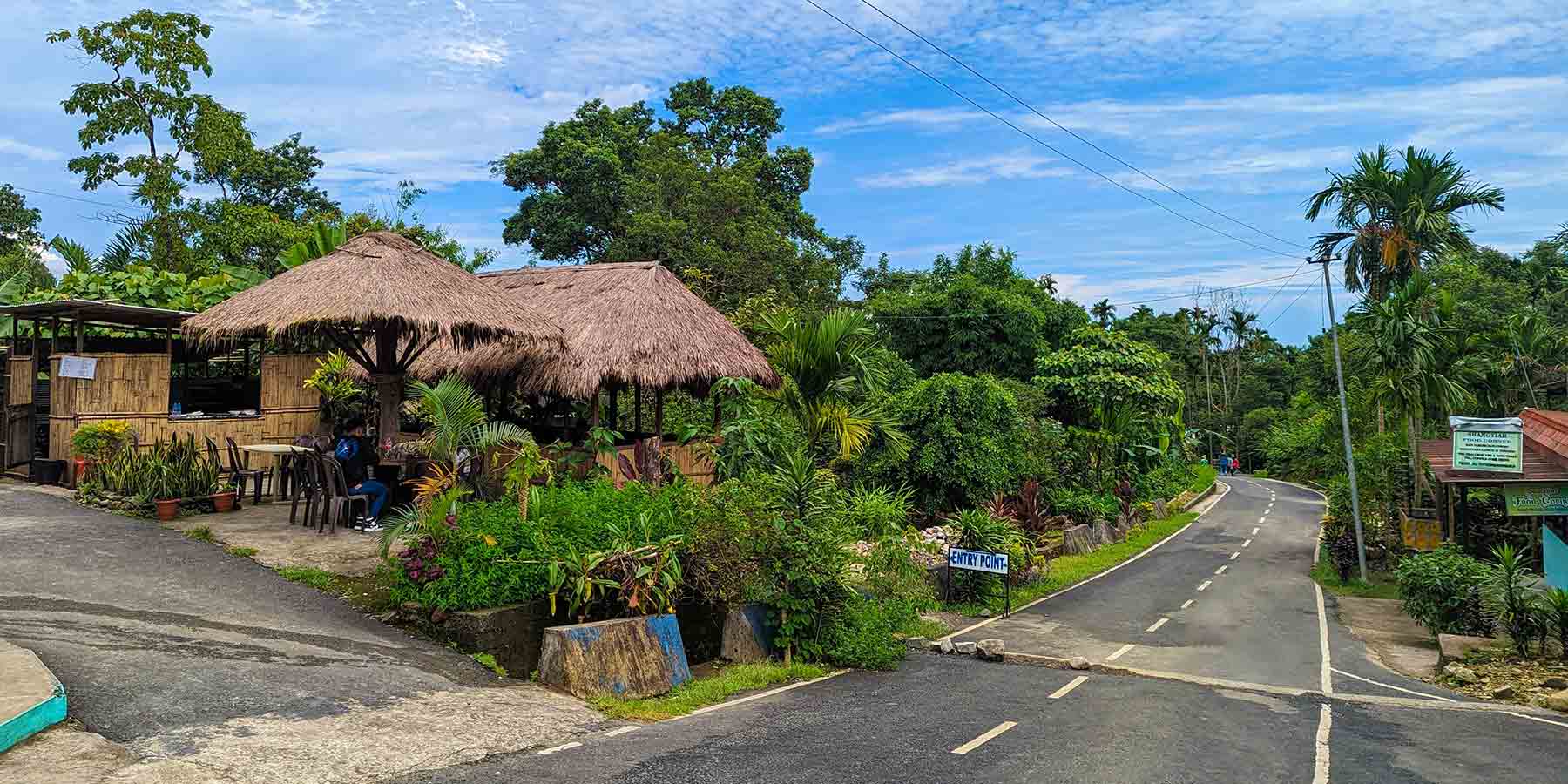
Another must-visit site in Mawlynnong is the Sky View, a bamboo platform offering panoramic countryside views. Visitors can witness the breathtaking beauty of the lush green valleys and the distant mist-covered hills from this vantage point. The experience is truly awe-inspiring and a testament to the natural wonders that Meghalaya has to offer.
The warm and welcoming nature of the villagers adds to the charm of Mawlynnong Village. The Khasi people are known for their hospitality and simple way of life. Visitors can interact with the locals, learn about their customs and traditions, and even participate in community activities. Homestays are a popular choice for accommodation, where visitors can experience the warm embrace of the Khasi culture firsthand.
The village is located in the East Khasi Hills district of Meghalaya and is about 90 km from Shillong. The village is home to about 500 people belonging to the War-Khasi tribe. The villagers are mostly farmers and grow crops like betel nut, oranges, areca nut, ginger, and turmeric. The village is also known for its cleanliness. The villagers have taken the initiative of keeping the village clean and have succeeded in doing so. The village was awarded the title of ‘Asia’s Cleanest Village’ by the Discovery Channel in 2003. The villagers are also very hospitable and welcome tourists with open arms. The villagers provide tourists who visit the village with accommodation and food. The villagers also inform the tourists about the places to visit in and around the village. The village of Mawlynnong is truly a place where one can experience the true meaning of hospitality.
Mawlynnong Village is not just a tourist destination but also a role model for sustainable tourism. The village has inspired other communities in India and beyond, showcasing the power of collective action and its positive impact on the environment. Many visitors leave Mawlynnong with fond memories and a renewed sense of responsibility toward keeping their surroundings clean and preserving the natural beauty around them.
The village of Mawlynnong was established in the early 19th century. The War-Khasi people are believed to have migrated to the area from central Asia. The village is located on a plateau at an altitude of 1,000 meters (3,281 feet). The climate is mild, and the village receives an annual rainfall of over 2,000 millimeters (79 inches).
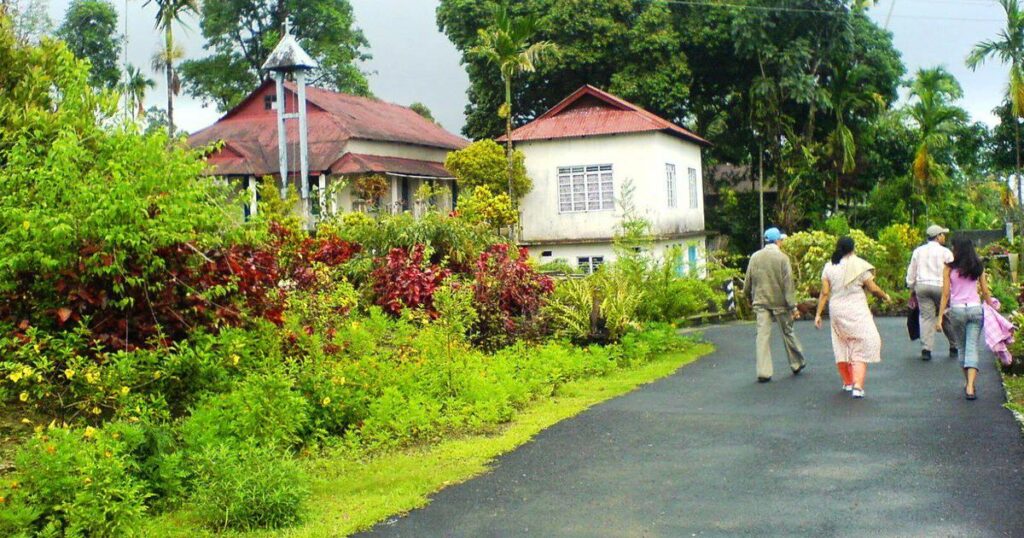 The War-Khasi people are subsistence farmers. They grow crops such as rice, maize, and potatoes. They also rear livestock, such as chickens and pigs. The village has a cooperative farm where crops are grown for sale. The village also has a small cottage industry making handmade baskets and brooms.
As the world grapples with environmental challenges, Mawlynnong Village is a shining beacon of hope. It demonstrates that a harmonious relationship with nature can be nurtured through conscious efforts, and a cleaner, greener future can be built. A visit to Mawlynnong Village is a humbling experience that reminds us of our responsibility to protect and cherish the natural wonders surrounding us.
In a world where cleanliness often takes a backseat, Mawlynnong Village serves as a reminder that with determination, awareness, and community participation, it is possible to create a sustainable and pristine environment. As more people discover the wonders of Mawlynnong Village, we hope that the spirit of cleanliness and environmental consciousness spreads far and wide, transforming our villages and cities into havens of beauty and sustainability.
In conclusion, Mawlynnong Village in Meghalaya is a beautiful and serene place known for its cleanliness. The village is situated on the top of a hill and is surrounded by lush green forests. The village has a population of about 500 people and is inhabited by the Khasi tribe. The village is well-known for its unique culture and traditions. The people of the village are very hospitable and welcoming. They follow a matrilineal system of descent and property inheritance. The village has a unique waste management system; the streets are lined with bamboo dustbins. There is a ban on smoking and alcohol in the village. The village is also home to the Living Root Bridges, a unique feature of the village. The village is a perfect example of sustainable living and worth visiting.
The Kuttanad Village in Alappuzha, Kerala
December 3, 2022 in Kerala
In the heart of the picturesque backwaters of Kerala, Kuttanad Village in Alappuzha is a true testament to the state’s natural beauty and cultural heritage. Known as the “Rice Bowl of Kerala,” this enchanting village is renowned for its vast paddy fields, interconnected waterways, and unique farming practices. With its serene surroundings, rich ecosystem, and traditional lifestyle, Kuttanad Village offers visitors a glimpse into a world untouched by time.
Located in the southern part of Kerala, Alappuzha is often called the “Venice of the East” due to its intricate network of canals, lakes, and lagoons. Within this mesmerizing landscape lies Kuttanad Village, which is believed to be one of the state’s oldest and most fertile regions. The village is named after Kuttan, a mythical character from the Hindu epic Ramayana, who is said to have reclaimed this land from the sea.
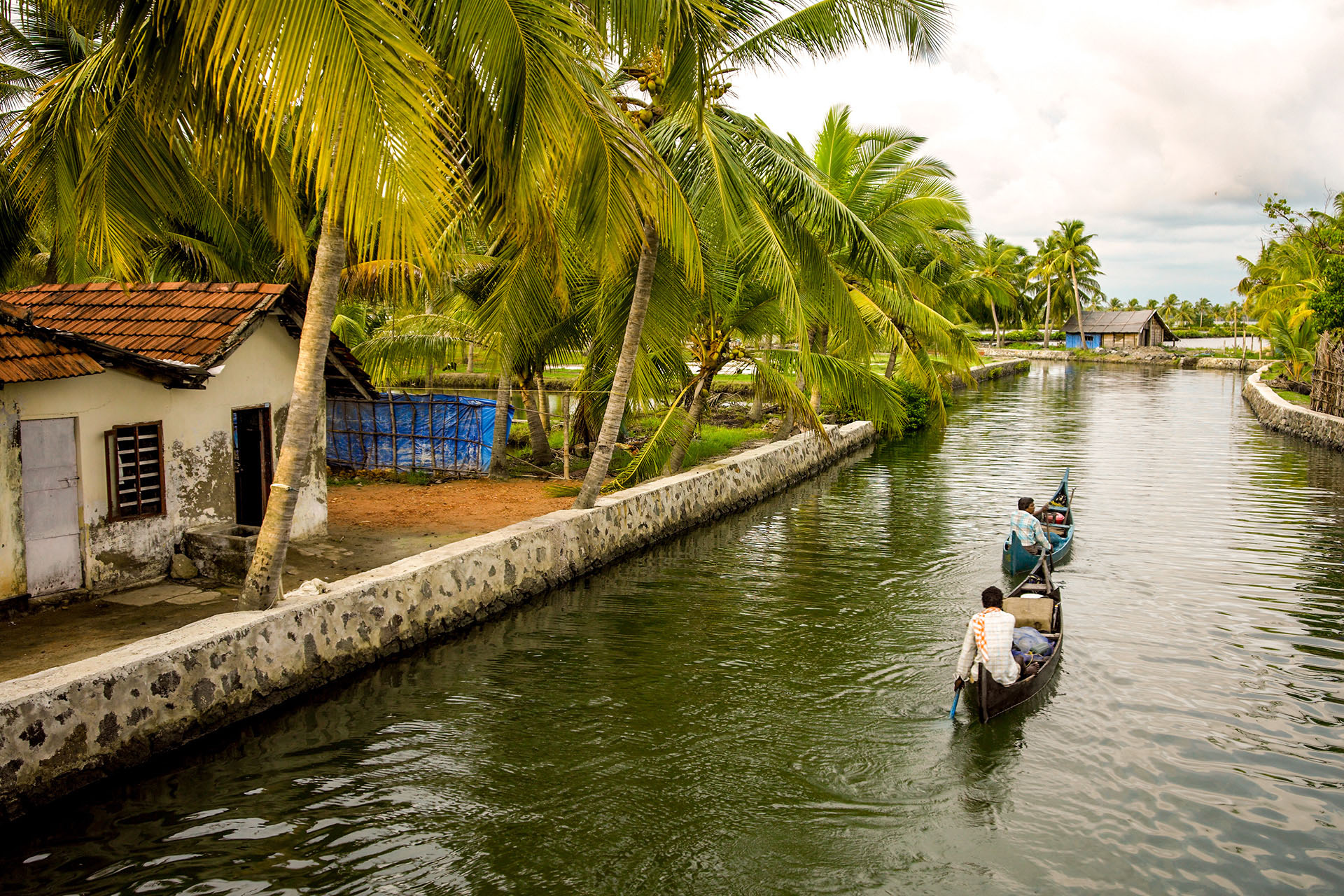
Exploring Kuttanad Village is like stepping into a different world. The best way to experience the beauty of this region is by taking a leisurely houseboat ride along the backwaters. Drifting through the narrow canals, surrounded by lush greenery and traditional houses, one can truly appreciate the tranquility and simplicity of life in this part of Kerala. The houseboats, or “kettuvallams,” are traditional boats converted into floating homes equipped with all modern amenities. Cruising on these houseboats offers a unique opportunity to witness the villagers’ daily lives and enjoy the delicious local cuisine.
The backwaters of Kuttanad are a network of canals, rivers, and lagoons that stretch from the town of Alappuzha to the southern tip of Kerala. The backwaters are used for transportation, fishing, and agriculture. They are also a popular tourist destination.
The most striking feature of Kuttanad Village is its unique farming system, known as paddy cultivation. The entire region is dotted with paddy fields, separated by narrow strips of land called “bunds.” These bunds serve as walkways and as barriers to retaining the water in the fields. The paddy fields of Kuttanad are often referred to as “below sea level farming” as they lie at an altitude lower than the surrounding water bodies. Kuttanad is one of the few places worldwide where farming is done below sea level. The land is reclaimed from the backwaters of the Vembanad Lake and is protected from floods by a system of dykes and canals. The village is home to a number of traditional industries, such as coir-making and fishing.
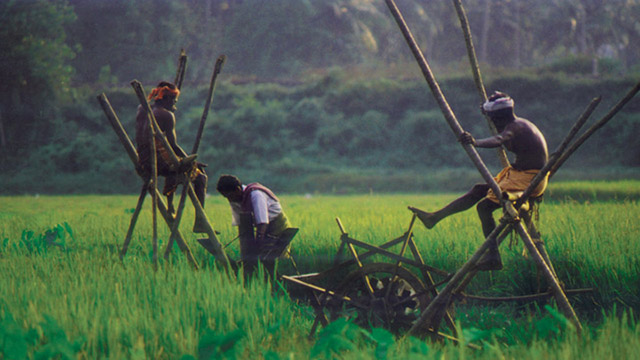 Kuttanad Village is remarkable because it is the only place in the world where farming is carried out below sea level. This innovative farming technique, which dates back several centuries, is made possible by a complex system of dykes, sluice gates, and canals that regulate the water levels in the fields. The farmers of Kuttanad have perfected this art over generations, adapting to the natural ebb and flow of the water to cultivate rice, bananas, vegetables, and other crops.
Kuttanad is a place of scenic beauty with its backwaters, paddy fields, and palm trees. The village is also home to a number of temples and churches. Kuttanad is a popular tourist destination in Kerala and is well-connected by road, rail, and air. The climate in Kuttanad is tropical, and the temperatures remain moderate throughout the year. The best time to visit Kuttanad is from October to March.
The village is 3 meters (9.8 ft) above mean sea level and is the lowest altitude region in India. Kuttanad Village also holds cultural significance with its rich traditions and festivals. The villagers take immense pride in their customs and celebrate various festivals yearly. The most famous among them is the Onam festival, a harvest festival showcasing Kerala’s vibrant culture and heritage. During Onam, the villagers decorate their homes with colorful flower carpets, perform traditional dances like Thiruvathirakali and Pulikali, and indulge in sumptuous feasts.
The people of Kuttanad are known for their friendly and hospitable nature. The village is a popular tourist destination famous for its scenic beauty and tranquil atmosphere. The village has around 20,000 people, most of whom are farmers. The main crops grown in Kuttanad are rice, cassava, yams, and bananas. The village is also home to many ducks, which are raised for their meat and eggs.
The people of Kuttanad are warm and friendly. They are known for their hospitality and love of food. The village is a popular tourist destination, and visitors are often treated to traditional Kerala meals cooked by the villagers. The people of Kuttanad are proud of their culture and traditions. They celebrate a number of festivals throughout the year, including Onam, the harvest festival. Onam is a time when the whole village comes together to celebrate the bounty of the harvest. The villagers dress in traditional clothes and perform traditional dances.
The people of Kuttanad are also known for their skills in handicrafts. The village is home to a number of artisans who create beautiful handcrafted items. These include baskets, statues, and jewelry. The people of Kuttanad are hardworking and resilient. They have faced many challenges in their lives, including floods and droughts. However, they have always bounced back and continued to work hard to make a living. The people of Kuttanad are an inspiration to all.
Kuttanad Village also holds cultural significance with its rich traditions and festivals. The villagers take immense pride in their customs and celebrate various festivals yearly. The most famous among them is the Onam festival, a harvest festival showcasing Kerala’s vibrant culture and heritage. During Onam, the villagers decorate their homes with colorful flower carpets, perform traditional dances like Thiruvathirakali and Pulikali, and indulge in sumptuous feasts.
For those seeking spiritual solace, Kuttanad Village has several ancient temples and churches steeped in history and mythology. The St. Mary Forane Church in Champakulam, believed to be one of the oldest Christian churches in India, is a remarkable architectural marvel. The Karumadi Kuttan, a black granite statue of Lord Buddha, is another important religious site in the village and attracts visitors from far and wide.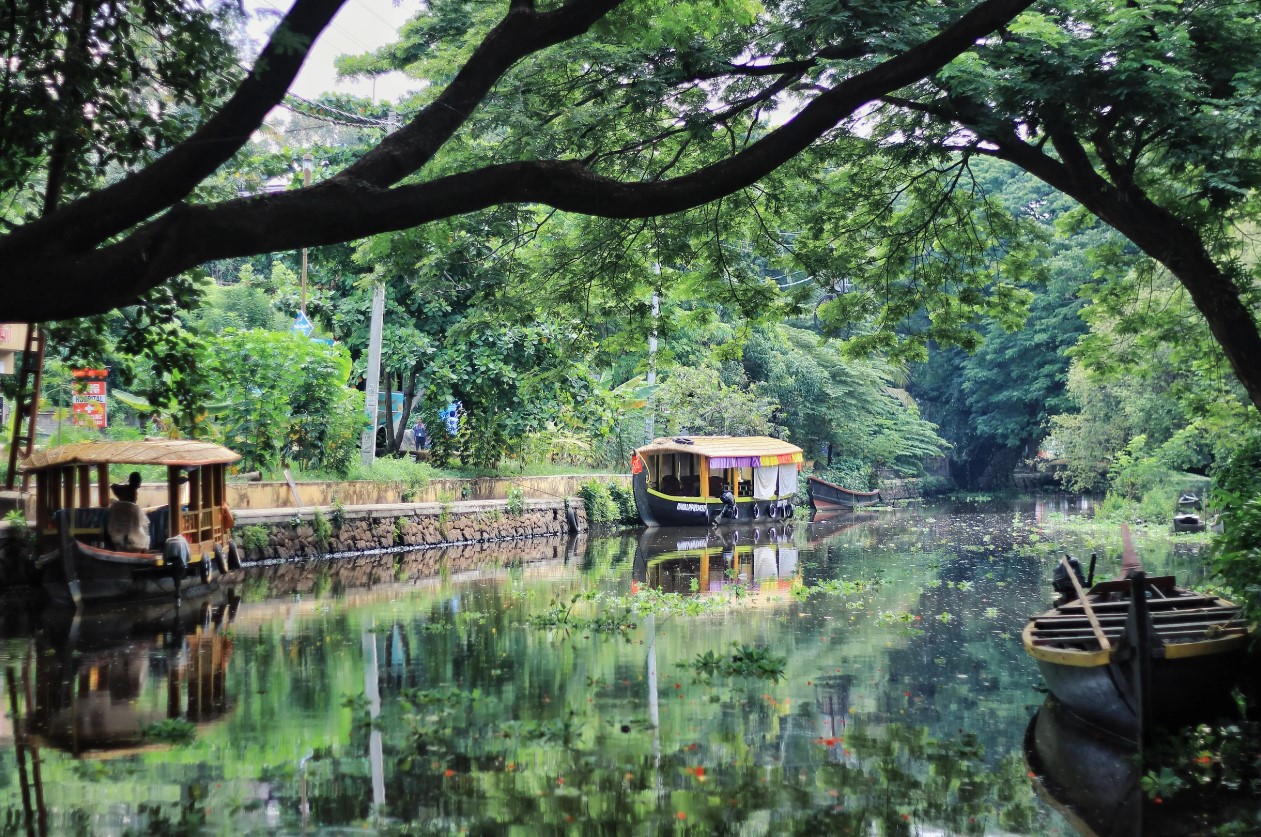
As a hub of the traditional coir industry, Kuttanad Village is also known for its exquisite, handcrafted coir products. The villagers skillfully weave coir ropes, mats, and baskets, which are functional and beautiful works of art. Visitors can witness the intricate process of coir-making and even purchase souvenirs to take back home.
The culture of Kuttanad is a unique blend of traditional Kerala culture and the culture of the village’s farmers. The village is known for its traditional music, dance, and delicious cuisine. The people of Kuttanad are warm and welcoming, and the village is a great place to experience the true culture of Kerala.
Kuttanad is a beautiful village in the Alappuzha district of Kerala. The village is famous for its scenic beauty and its abundant natural resources. The village is also home to a large number of migratory birds. Kuttanad is known as the Rice Bowl of Kerala because of its rich agricultural resources.
The village has a long history and was once a part of the Travancore Kingdom. The village was later annexed by the British Raj and became a part of the Madras Presidency. The village remained a part of the Madras Presidency until 1947 when India became independent. The village has a population of about 15,000 people. The majority of the population is Hindu. A small number of Muslims and Christians live in the village.
The village is well connected to the rest of Kerala by road and rail. The nearest airport is in Kochi. It is a popular tourist destination. The village is known for its beautiful backwaters and lush green paddy fields. The village is also home to a number of temples and churches.
The future of Kuttanad looks very bright. The village has a lot to offer tourists. The village is also home to a number of industries. The village has a good infrastructure and is well-connected to the rest of Kerala. The village has a bright future and will continue to prosper in the future.
In recent years, Kuttanad Village has become a sustainable tourism destination. The village promotes eco-friendly practices, such as organic farming and responsible tourism, to preserve its fragile ecosystem. Several homestays and resorts have sprung up in the area, offering tourists a chance to experience authentic village life while contributing to the local economy.
Kuttanad Village in Alappuzha is a place that embodies the true essence of Kerala’s natural beauty, cultural heritage, and traditional way of life. Its stunning landscapes, unique farming practices, and warm hospitality make it a must-visit destination for anyone seeking an escape from the chaos of modern life. Whether you cruise through the backwaters, explore the bird sanctuary, or simply immerse yourself in the tranquil surroundings, Kuttanad Village will leave you with cherished memories that will last a lifetime.
December 2022
December 1, 2022 in Table of Content
- The Kalpa Village in Kinnaur, Himachal Pradesh
- The Malana Village in Himachal Pradesh
- The Mana Village in Uttarakhand
- The Leo Village in Himachal Pradesh
- The Poombarai Village in Tamil Nadu
- The Ziro Village in Arunachal Pradesh
- The Mawlynnong Village in Meghalaya
- The Kuttanad Village in Alappuzha, Kerala
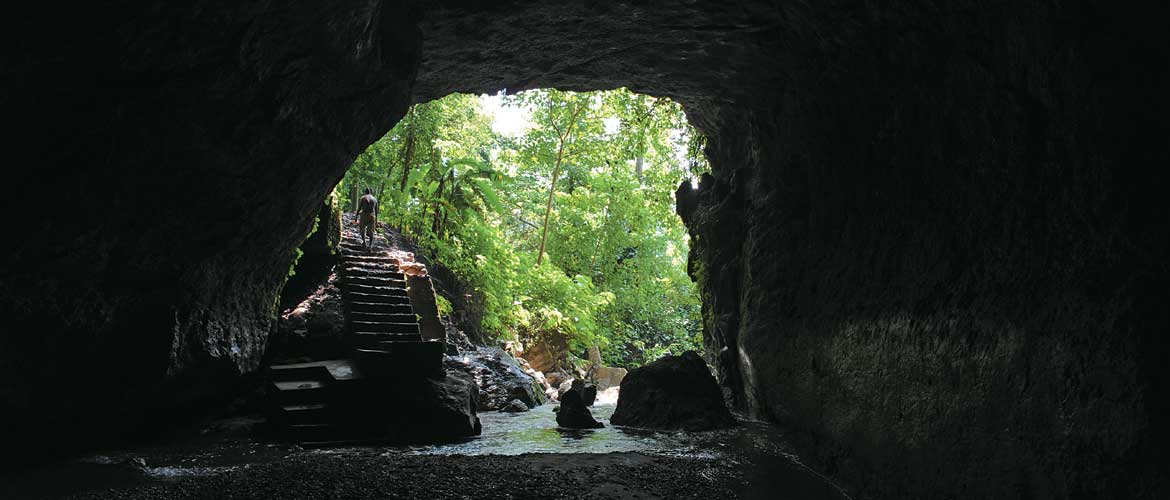
Siju Cave – In Siju Wildlife Sanctuary of Meghalaya
November 3, 2022 in Meghalaya
Amidst the lush green landscapes of Meghalaya, a state in northeastern India, lies a hidden treasure that enthralls explorers and nature enthusiasts alike – Siju Cave. Renowned for its vast expanse, mesmerizing formations, and rich biodiversity, this cave system is a testament to the geological wonders beneath the Earth’s surface.
Located in the village of Siju in the South Garo Hills district of Meghalaya, Siju Cave is one of the most remarkable caves in the region. It forms a part of the vast cave system that Meghalaya is celebrated for, offering visitors a glimpse into the subterranean wonders that exist within the state. Siju Cave’s unique features, geological formations, and ecological diversity make it a must-visit destination for adventurers and nature lovers.
As one enters Siju Cave, a sense of awe and wonder fills the air. The cave’s entrance leads to a vast network of chambers, galleries, and passages that stretch for kilometers beneath the Earth’s surface. The sheer size of the cave is awe-inspiring, inviting visitors to embark on an exploration like no other. Every step taken within Siju Cave reveals new wonders and surprises, immersing adventurers in a world of subterranean beauty.
Located in the East Khasi Hills district of Meghalaya, India, Siju Cave is one of the longest caves in the world. It is also one of the few caves that is still unexplored. Siju Cave is also known as the ‘Cave of Bats’ because of the large number of bats that live in the cave.
Siju Cave was discovered in 1925 by a group of British surveyors. However, it was only in the year 1940 that the cave was explored. The exploration was led by Dr. J. Clemens and Mr. H.E. St. Barbe. Several expeditions have been to Siju Cave since then, but the cave still needs to be explored.
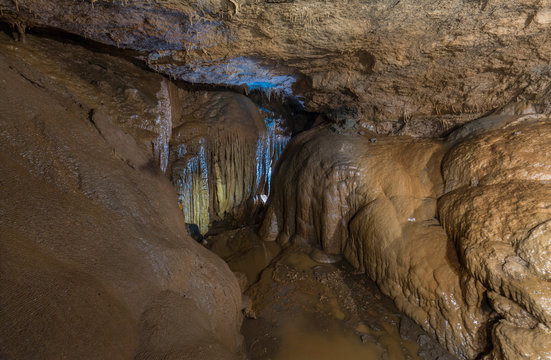 Siju Cave is located in the Siju Wildlife Sanctuary. The sanctuary is home to various wildlife, including tigers, leopards, elephants, and rhinoceros. The cave is situated at an elevation of about 1,000 feet (300 meters) above sea level. It is about 3 miles (4.8 kilometers) long and has a complex network of passages. The main passage of the cave is about 60 feet (18 meters) wide and 30 feet (9 meters) high.
The cave is characterized by a number of interesting features, such as stalactites, stalagmites, and flowstones. There is also a freshwater lake in the cave, which is home to a variety of fish. Siju Cave is a popular tourist destination. Visitors can explore the cave by boat or on foot. There are also a number of adventure activities that can be enjoyed in the cave, such as rock climbing and rappelling.
Siju Cave is renowned for its stunning limestone formations. Over thousands of years, the slow deposition of minerals has given rise to intricate stalactites, stalagmites, flowstones, and columns that adorn the cave’s walls and ceilings. Delicate formations hang from the ceiling like frozen curtains, while stalagmites rise majestically from the cave floor as if frozen in time. The interplay of light and shadow creates a surreal ambiance, accentuating the ethereal beauty of the cave.
One of the most captivating features of Siju Cave is the presence of an underground river, which adds an element of intrigue and adventure. The subterranean river flows through the cave, carving its way through the limestone and creating unique geological features. The sound of water echoing through the cave creates a soothing and mesmerizing experience, further enhancing the exploration of this natural wonder.
Beyond its geological marvels, Siju Cave is home to a thriving ecosystem. The cave’s dark and humid environment provides shelter to many species that have adapted to this unique habitat. Bats, in particular, play a vital role in the cave’s ecosystem, contributing to pollination, seed dispersal, and insect control. The sight of bats flying through the cave adds to the sense of adventure and highlights the interconnectedness of life within this hidden world.
Exploring Siju Cave is a journey that caters to adventurers of all levels. The main section of the cave is easily accessible, with a well-lit pathway that guides visitors through its chambers and passages. However, there are opportunities for the more adventurous to delve deeper into the cave, navigating through narrower and more challenging passages. These advanced explorations provide a thrilling experience for those seeking an adrenaline rush and a deeper connection with the cave’s mysteries.
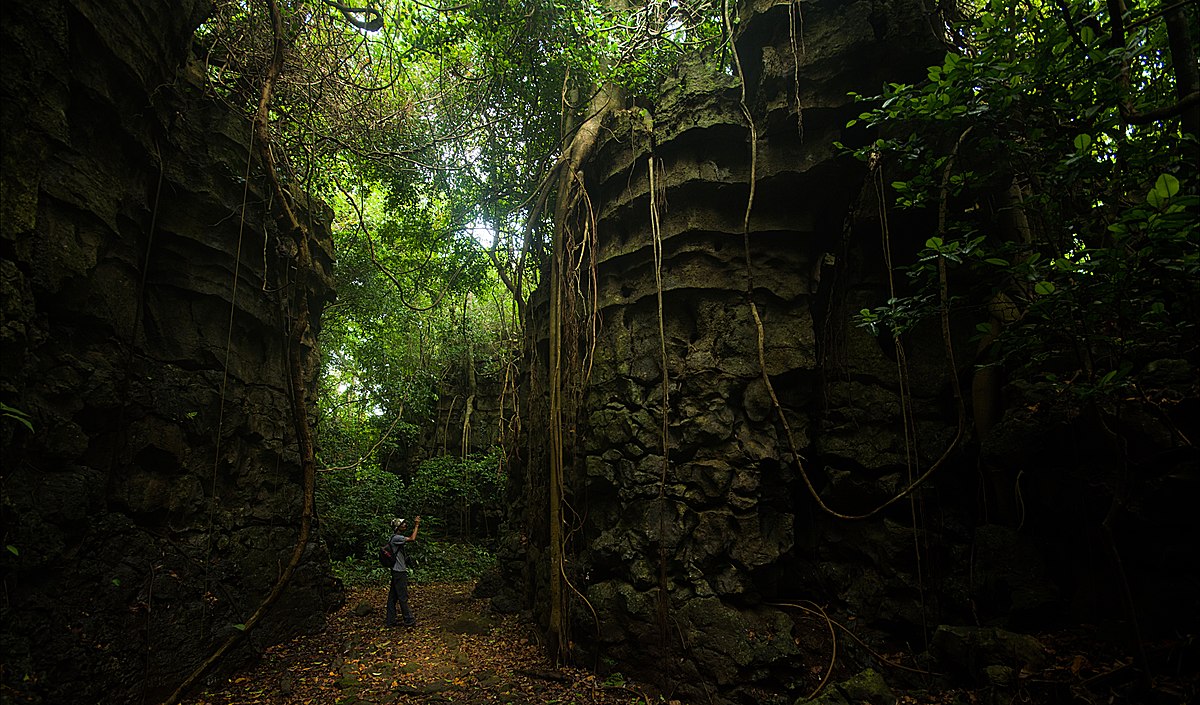 Siju Cave is not just a geological wonder; it also holds cultural significance. The cave has been a sacred site for the local Garo tribe for generations. It is believed to be the abode of their deity, and rituals and ceremonies are performed within its depths. The cave’s cultural importance adds a layer of spirituality and reverence, further enhancing its allure and captivating visitors with its storied past.
Preservation and conservation efforts are crucial in maintaining the delicate ecosystem of Siju Cave. Responsible tourism practices, such as minimizing human impact, adhering to designated pathways, and respecting the cave’s fragile formations, are essential for long-term sustainability. Local authorities and communities work hand in hand to promote awareness, educate visitors, and safeguard the cave’s natural and cultural heritage.
In conclusion, Siju Cave is a testament to Meghalaya’s extraordinary subterranean wonders. Its vast dimensions, captivating formations, and thriving ecosystem create an enchanting underground world that beckons explorers. As we continue to appreciate the beauty and significance of Siju Cave, let us embrace the responsibility of preserving and conserving this remarkable natural heritage for future generations to explore and cherish.
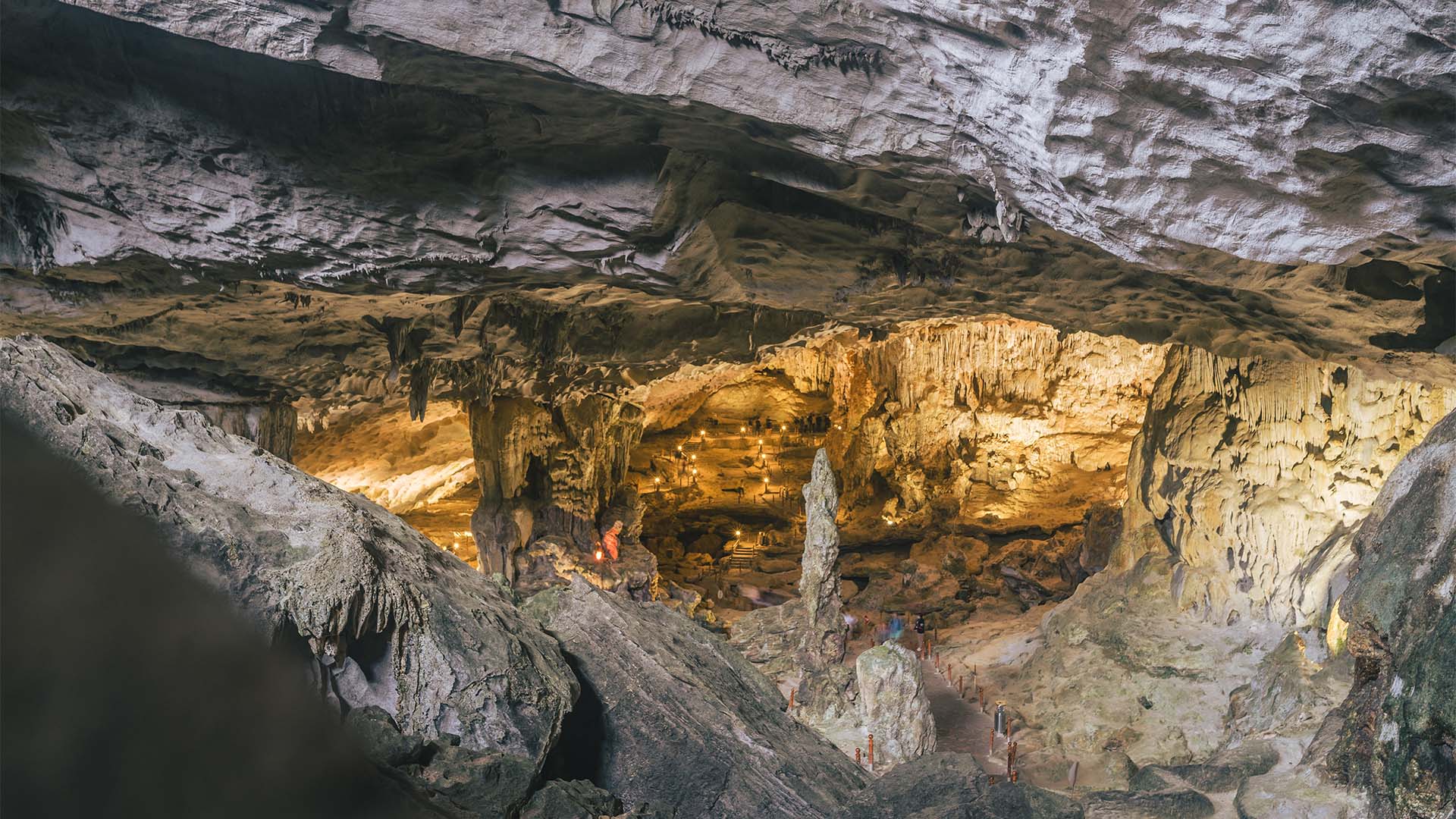
Tetengkol-Balwakol Cave – A Limestone Cave in Meghalaya
November 3, 2022 in Meghalaya
In the lush landscapes of Meghalaya, a state in northeastern India, lies a hidden marvel that captivates adventurers and spelunkers – Tetengkol-Balwakol Cave. Renowned for its vast dimensions, intricate formations, and rich biodiversity, this cave system is a testament to the geological wonders beneath the Earth’s surface.
Situated in the remote region of South Garo Hills, Tetengkol-Balwakol Cave is one of Meghalaya’s lesser-known but fascinating caves. Its remote location and challenging access have preserved its pristine beauty, offering a truly immersive and off-the-beaten-path adventure for those willing to explore its depths. Tetengkol-Balwakol Cave’s unique features, geological formations, and ecological diversity make it a hidden gem awaiting discovery.
Tetengkol-Balwakol Cave is renowned for its remarkable dimensions, making it one of the largest caves in the state. Its vast network of passages, chambers, and galleries spans several kilometers, creating a mesmerizing underground labyrinth that invites exploration. Venturing into this subterranean realm is like stepping into another world, filled with awe-inspiring sights and the unknown.
The cave is adorned with stunning stalactite and stalagmite formations that have developed over thousands of years. These mineral-rich formations, created through the slow deposition of calcium carbonate, create a breathtaking display of nature’s artistry. Delicate curtains of stalactites hang from the ceiling, while stalagmites rise majestically from the cave floor, forming a symphony of shapes and textures that mesmerize and inspire wonder.
The Tetengkol-Balwakol Cave is a limestone cave in the Jaintia Hills of Meghalaya, India. The cave is situated at 1,000 meters above sea level and is one of the largest caves in the Jaintia Hills. The cave is believed to be around 2,000 years old and is a popular tourist destination.
The cave is named after the two villages, Tetengkol and Balwako, located nearby. The cave is also known as the ‘cave of the seven sisters’ as it is said to be the home of seven sisters who were turned into bats by their brothers. The cave is home to various animals, including snakes, bats, and spiders. The cave is also home to many rare and endangered species of animals, such as the Indian Python, Indian Rat Snake, and the King Cobra.
The play of light within Tetengkol-Balwakol Cave adds to its enchantment. As sunlight filters through narrow crevices, casting ethereal rays, the cave’s formations come alive, shimmering, and sparkling with an otherworldly glow. The interplay of light and shadow creates a surreal ambiance that heightens the sense of adventure and discovery.
Beyond its geological marvels, Tetengkol-Balwakol Cave harbors a rich and diverse ecosystem. The cave provides refuge for various species that have adapted to thrive in the subterranean environment. Bats, in particular, play a crucial role in the cave’s ecology, contributing to pollination, seed dispersal, and controlling insect populations. Explorers may also encounter unique cave-dwelling invertebrates and witness the delicate balance of life within this hidden ecosystem.
Scientific exploration of Tetengkol-Balwakol Cave has revealed valuable insights into the Earth’s history and the geological processes that have shaped the region. Geologists and researchers study the cave’s formations, sediments, and fossils, piecing together the puzzle of the past. These findings provide crucial information about ancient climates, landforms, and the region’s evolution over time.
Exploring Tetengkol-Balwakol Cave requires a sense of adventure and a spirit of perseverance. The cave’s remote location and challenging terrain demand preparation, proper equipment, and a skilled guide. Navigating its labyrinthine passages and negotiating its rugged landscape can be physically demanding but immensely rewarding. The effort is worthwhile, as it offers an opportunity to witness a hidden world few have experienced.
Preserving the delicate ecosystem and pristine beauty of Tetengkol-Balwakol Cave is paramount. Responsible tourism practices, such as minimizing human impact, adhering to designated pathways, and respecting the cave’s fragile formations, are crucial to its conservation. Authorities and local communities work together to promote sustainable exploration, raise awareness, and safeguard this natural treasure for future generations.
In conclusion, Tetengkol-Balwakol Cave stands as a testament to the awe-inspiring geological wonders beneath Meghalaya’s surface. Its vast dimensions, intricate formations, and thriving ecosystem create an enchanting underground realm that beckons explorers and nature enthusiasts. As we continue to appreciate the beauty and significance of Tetengkol-Balwakol Cave, let us embrace the responsibility of preserving and conserving this extraordinary natural heritage for generations to come.
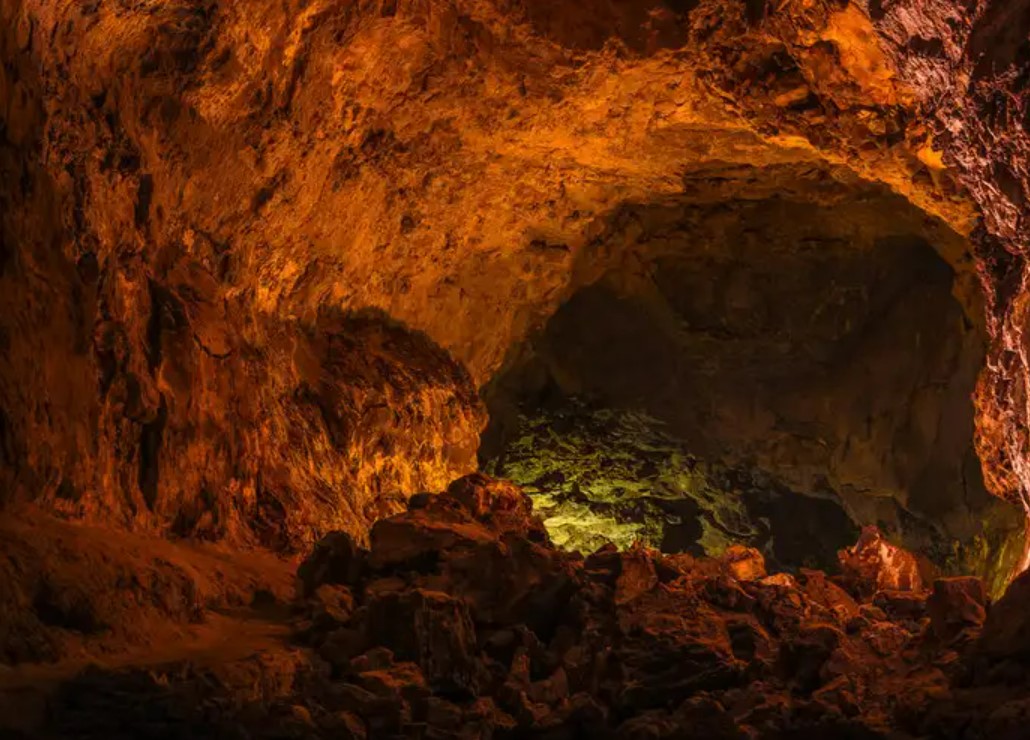
Krem Mawmluh Cave – One of Meghalaya’s most extensive cave
November 3, 2022 in Meghalaya
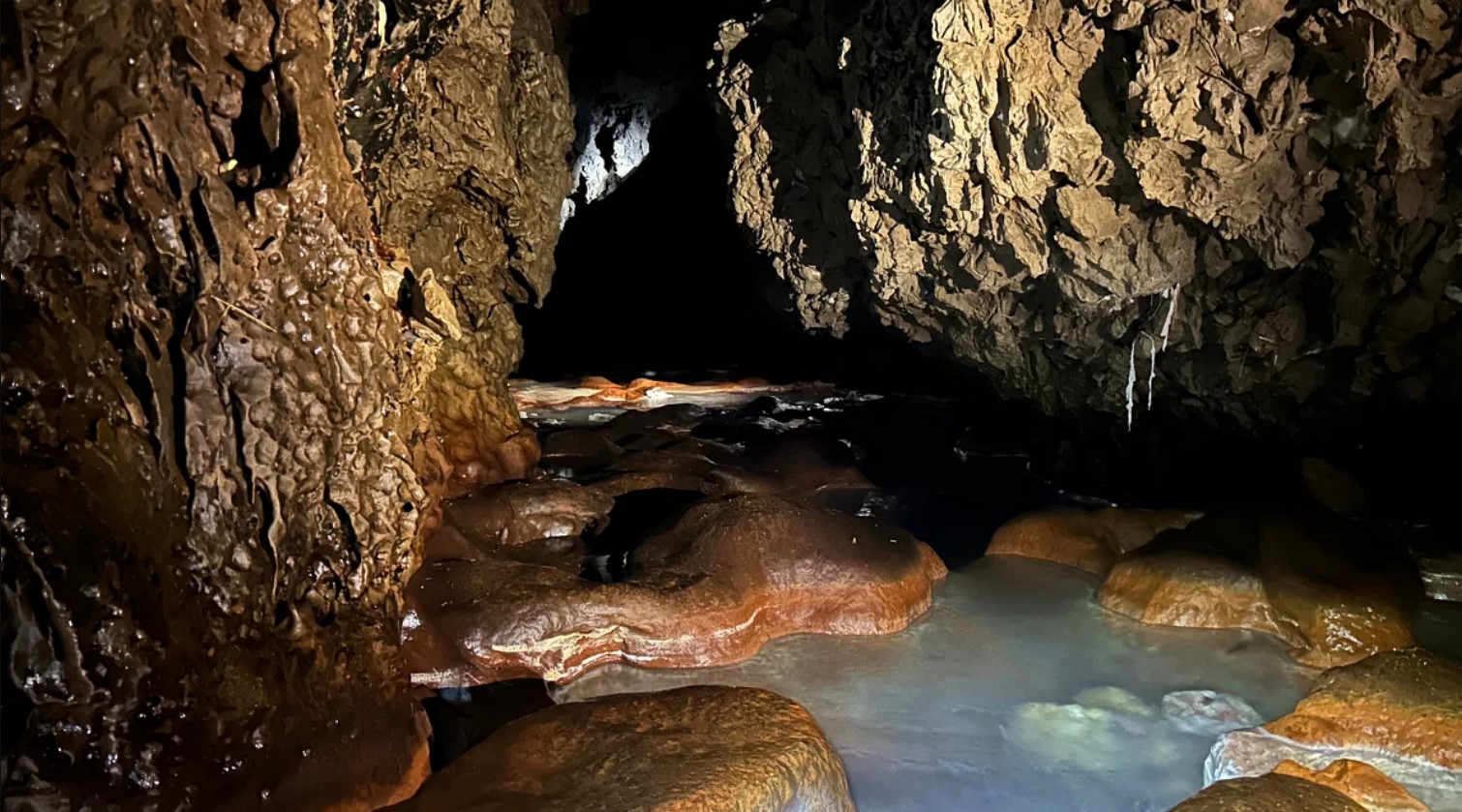 Amidst the verdant landscapes of Meghalaya, a state in northeastern India, lies a hidden subterranean gem that beckons explorers and nature enthusiasts – Krem Mawmluh Cave. Renowned for its grandeur, geological formations, and rich biodiversity, this cave is a testament to the extraordinary wonders beneath the surface.
Situated in the village of Mawmluh near Cherrapunjee, Krem Mawmluh Cave is one of Meghalaya’s most captivating and extensive caves. It forms a part of the vast Khasi Hills Cave System, which encompasses a network of interconnected caves. Krem Mawmluh Cave’s unique features, geological formations, and historical significance make it an enticing destination for adventurers and researchers.
As one ventures into the depths of Krem Mawmluh Cave, a mesmerizing world unfolds. The cave’s entrance leads visitors into a labyrinth of passages, chambers, and galleries stretching several kilometers beneath the Earth’s surface. The complex network of interconnecting tunnels adds an air of mystery and intrigue to the exploration, inviting visitors to discover its secrets.
Krem Mawmluh Cave boasts a stunning array of geological formations sculpted over millions of years. Stalactites, stalagmites, flowstones, and columns adorn the cave, creating a breathtaking spectacle that captivates the senses. The slow deposition of mineral-rich water has given rise to delicate and intricate formations that cling to the cave’s ceilings and rise majestically from the ground. Explorers are treated to a visual feast as they witness the mesmerizing shapes and textures nature has meticulously crafted over time.
Krem Mawmluh is a mysterious cave located in Meghalaya, India. It is one of the deepest and longest caves in the world and one of the most difficult to access. The cave is so remote that it is only accessible by a narrow path. A group of British cavers discovered the cave in the early 1990s. Since then, only a handful of people have been able to reach the bottom of the cave. The journey is extremely dangerous and has claimed the lives of two experienced cavers.
The cave is named after the village of Mawmluh, located nearby. “krem” means “cave” in the local Khasi language. Krem Mawmluh is located in the Jaintia Hills, a mountain range running through Meghalaya. The cave is at an altitude of 1,750 meters (5,740 feet). The entrance to the cave is a small, narrow opening that is just big enough for a person to squeeze through. From there, the cave descends rapidly, with steep drops and narrow passages.
The cave is over 9 kilometers (5.6 miles) long and has a total depth of 1,000 meters (3,280 feet). The cave’s main chamber is known as “The Cathedral” and is one of the largest known cave chambers in the world. The journey to the bottom of the cave is extremely difficult and dangerous. The cave is pitch black, and there are no handholds or footholds. The only way to progress is by abseiling (rappelling) down the sheer drops.
Due to the extreme difficulty of the journey, only a few people have ever reached the bottom of the cave. In 2010, a team of British cavers became the first to successfully map the cave. The cave is home to a number of unique species of animals, including blind fish, cave crickets, and glow-in-the-dark fungi.
The cave’s grandeur is accentuated by its colossal chambers. Expansive spaces within Krem Mawmluh Cave leave visitors in awe of the sheer magnitude of the underground world. Some chambers are so vast that they can accommodate large groups of people, immersing them in an atmosphere of awe and wonder. The echoes of footsteps and whispers serve as reminders of the cave’s immensity and the mysteries that lie within its depths.
Beyond its geological marvels, Krem Mawmluh Cave is home to a thriving ecosystem. The cave’s dark and humid environment protects numerous species, including bats, insects, and invertebrates that have adapted to the subterranean habitat. Bats, in particular, play a crucial ecological role within the cave, aiding in pollination, seed dispersal, and insect control. Visitors who navigate the cave may catch glimpses of these remarkable creatures as they flutter through the darkness, adding to the sense of adventure and intrigue.
Scientific exploration of Krem Mawmluh Cave has yielded valuable insights into the Earth’s history and the region’s geological processes. Researchers and geologists study the cave’s formations, sediments, and fossil records to unravel the secrets of the past. The findings within the cave provide valuable clues about ancient climates, ecosystems, and the region’s evolution over time.
Krem Mawmluh Cave also holds cultural and historical significance. Local communities in Meghalaya have a deep spiritual connection with caves, often associating them with mythical tales and cultural traditions. Krem Mawmluh Cave has witnessed centuries of human presence, serving as a shelter and a place of worship for indigenous communities. Explorers may encounter ancient artifacts, markings, or remnants of rituals, showcasing the cave’s cultural importance and the deep connection between humans and these mystical underground realms.
Preserving the delicate ecosystem and cultural heritage of Krem Mawmluh Cave is paramount. Conservation efforts, responsible tourism practices, and community involvement are vital in safeguarding the cave and its surroundings. Authorities and local communities work hand in hand to ensure sustainable exploration, minimize human impact, and raise awareness about the cave’s ecological and cultural significance.
In conclusion, Krem Mawmluh Cave stands as a testament to the geological wonders and hidden treasures beneath Meghalaya’s surface. Its awe-inspiring formations, vast chambers, and thriving ecosystem make it a destination that enchants and captivates all who dare to explore its depths. As we continue to appreciate the beauty and significance of Krem Mawmluh Cave, let us embrace the responsibility of preserving this remarkable natural and cultural heritage for future generations to marvel at and cherish.
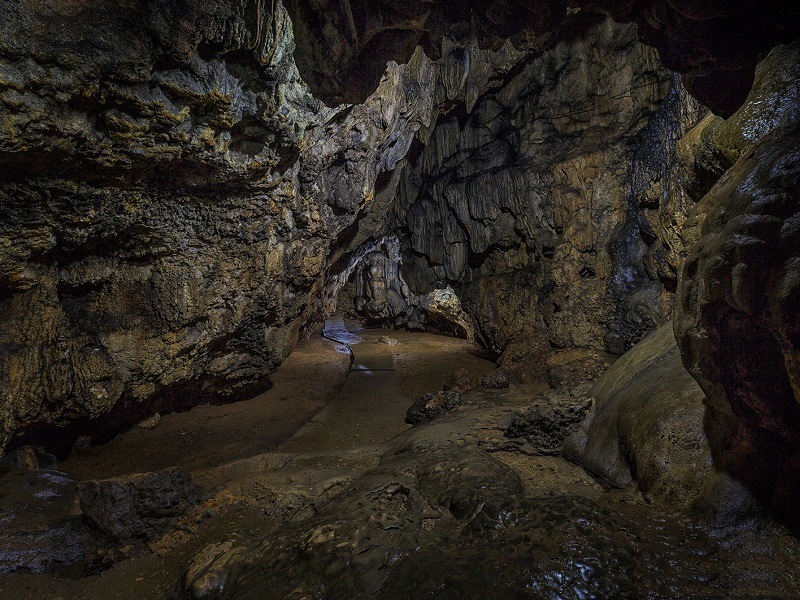
Mawsmai Cave – A Geological Marvel in Meghalaya
November 3, 2022 in Meghalaya
Nestled within the verdant landscapes of Meghalaya, a state in northeastern India, lies a hidden gem that lures adventurers and nature enthusiasts alike – Mawsmai Cave. Renowned for its mystical allure and awe-inspiring formations, this underground wonder showcases the geological wonders and rich biodiversity that Meghalaya is celebrated for.
Located in the village of Mawsmai, near Cherrapunjee, Mawsmai Cave is one of the most accessible and popular caves in Meghalaya. It forms a part of the fascinating Khasi Hills Cave System, which encompasses several other captivating caves in the region. Mawsmai Cave’s unique features and mesmerizing formations make it a must-visit destination for locals and tourists alike.
Upon entering Mawsmai Cave, visitors are transported to an enchanting subterranean world. The cave boasts a labyrinth of passages, galleries, and chambers, inviting adventurers to explore like no other. As sunlight filters through narrow openings, casting ethereal rays, visitors are greeted with a mysterious ambiance that ignites the imagination.
Mawsmai Cave is renowned for its impressive stalactite and stalagmite formations, created over centuries by the slow deposition of mineral-rich water. The cave’s damp and dark environment provides the perfect conditions for these formations to flourish, giving rise to stunning natural sculptures that adorn the cave’s walls and ceilings. Delicate curtains of stalactites hang from the ceiling, while stalagmites rise from the cave floor as if frozen in time.
The Mawsmai Cave is in the East Khasi Hills district of Meghalaya, India. It is one of the most popular tourist destinations in the state and is known for its spectacular limestone formations. The cave is believed to be over 200 million years old and part of the Krem Mawmluh cave system. It is one of the largest cave systems in Meghalaya and is home to various wildlife, including bats, snakes, and spiders. The cave was first discovered by British surveyor J.H. Hutton in 1881. However, it was not until 1887 that the first scientific exploration of the cave was conducted by Dr. A.C. Haddon.
Since then, the cave has been a popular destination for tourists and adventurers worldwide. In recent years, the cave has been developed for tourism by installing electric lights and a concrete walkway.
The play of light within the cave creates a mesmerizing spectacle. When illuminated, the stalactites and stalagmites glisten, casting surreal shadows that dance upon the cave walls. The natural formations take on various shapes and sizes, resembling cascades, pillars, and mythical creatures, inspiring a sense of wonder and exploration.
Mawsmai Cave is not just a geological marvel but also home to a thriving ecosystem. The cave’s dark recesses shelter various species, including bats and insects that have adapted to thrive in the subterranean environment. As visitors venture deeper into the cave, they may catch glimpses of bats flitting about, their presence adding to the intrigue of the experience. The cave’s inhabitants play a vital ecological role, contributing to pollination, seed dispersal, and nutrient cycling within the surrounding ecosystem.
 Exploring Mawsmai Cave is an adventure that caters to all levels of enthusiasts. The main section of the cave is easily accessible, with a well-maintained pathway and proper lighting. As visitors navigate the passages, they are accompanied by knowledgeable guides who share fascinating insights about the cave’s history, geology, and the unique flora and fauna that call it home. The guided tours ensure a safe and informative experience, enhancing the appreciation for this remarkable natural wonder.
While Mawsmai Cave may not be as expansive as some of the larger caves in Meghalaya, its accessibility and captivating beauty make it an ideal destination for both seasoned spelunkers and first-time explorers. The cave’s mystical ambiance and stunning formations offer a memorable adventure that captivates the senses and leaves visitors in awe of nature’s wonders.
Beyond its geological and ecological significance, Mawsmai Cave is culturally important to local communities. The cave is steeped in local folklore and legends, with stories passed down through generations that add a sense of mysticism and spirituality to the cave’s existence. Mawsmai Cave is often associated with ancient tales of gods and goddesses, deepening the cultural significance of this natural marvel.
Preserving the delicate ecosystem of Mawsmai Cave is paramount. Visitors are encouraged to follow responsible tourism practices, such as refraining from touching or damaging formations, not disturbing wildlife, and leaving no trace of their visit. Conservation efforts and community involvement play vital roles in safeguarding the cave’s ecological integrity and cultural significance.
In conclusion, Mawsmai Cave is a testament to Meghalaya’s geological wonders and natural beauty. Its enchanting formations, thriving ecosystem, and cultural significance make it a destination that captivates the hearts and minds of those who venture into its depths. As we continue to appreciate and explore Mawsmai Cave, let us also embrace the responsibility of preserving and conserving this extraordinary natural treasure for future generations.

Krem Liat Prah Cave – A must-visit for all cave enthusiasts in Meghalaya
November 3, 2022 in Meghalaya
Deep within the enchanting landscapes of Meghalaya, a state in northeastern India, lies a hidden gem that captures the imagination of explorers and scientists alike – Krem Liat Prah Cave. Known for its vast dimensions, remarkable formations, and rich biodiversity, this cave is a testament to the geological wonders beneath the Earth’s surface.
In the East Khasi Hills district of Meghalaya, Krem Liat Prah Cave is part of the prominent Jaintia Hills Cave System. This expansive cave network has gained international recognition for its extensive underground labyrinth and awe-inspiring beauty. Krem Liat Prah Cave, with its unique characteristics and grandeur, has become a prominent destination for spelunkers, researchers, and adventure enthusiasts. This cave is a popular tourist destination known for its unique rock formations and crystal-clear waters. The cave is also home to many rare and endangered species of animals.
Krem Liat Prah Cave is one of Meghalaya’s most popular tourist destinations. The cave is located in the East Khasi Hills district and is known for its unique rock formations and stunning views. The cave is also home to a number of legends and stories.
The cave’s name is derived from the Khasi words ‘krem’ meaning ‘cave’ and ‘liat prah’ meaning ‘river of rocks.’ The cave is believed to be over 500 million years old. It is one of the longest caves in Meghalaya and one of the deepest caves in the world. The cave is known for its unique rock formations. The rocks in the cave have been formed due to years of erosion. The cave is also home to a number of stalactites and stalagmites.
The cave is also known for its legends and stories. One of the most popular legends surrounding the cave is that of Liat Prah. It is said that Liat Prah was a young man who lived in the village of Nongriat. Liat Prah was in love with a girl from a nearby village. However, her parents did not approve of the relationship. To make the girl love him, Liat Prah decided to journey to the end of the world. He reached the Krem Liat Prah Cave and went inside. He kept walking until he reached the end of the cave. It is said that he found a pool of water at the end of the cave. He drank from the pool and then fell asleep. When he woke up, he found himself in a beautiful garden. The girl he loved was also there. They got married and lived happily ever after.
The legend of Liat Prah is one of the most popular stories associated with the Krem Liat Prah Cave. The cave is also known for its stunning views. The cave is a popular destination for tourists and is a must-visit when in Meghalaya.
Have you ever seen a beautiful cave that takes your breath away? You must see Krem Liat Prah Cave in Meghalaya if you still need to. This cave is one of the most beautiful natural wonders in India. Krem Liat Prah Cave is located in the Jaintia Hills of Meghalaya. The cave is about 10 kilometers from the town of Jowai. It is the largest cave in the Jaintia Hills and one of the largest in India. The cave is made up of limestone full of stalactites and stalagmites. The cave is also home to many bats. The cave is closed to the public, but arranging a tour through the Meghalaya Tourism Department is possible.
The Krem Liat Prah Cave in Meghalaya is a must-visit for all cave enthusiasts. This cave is one of the longest and deepest caves in the world and is home to some of the most amazing rock formations and cave art. The cave is located in the East Khasi Hills district of Meghalaya and is accessible via a short hike from the village of Mawlynnong. The cave is around 1.5 kilometers long and comprises a series of large chambers connected by narrow passages. The cave is also home to several bats and is a popular bird-watching destination.
The cave art in Krem Liat Prah is some of the most impressive and well-preserved in the world. The cave walls are covered with paintings of animals, humans, and geometric shapes, which are thought to date back to the Neolithic period. The cave art is a unique window into the lives and beliefs of the people who created it and is a must-see for all visitors.
The exploration of Krem Liat Prah Cave has its challenges. Navigating the complex cave system requires technical skills, proper equipment, and profound respect for the underground environment. The cave’s passages can be narrow and demanding, with sections that require careful maneuvering and a sense of adventure. Aspiring cave explorers are encouraged to seek guidance from experienced guides and prioritize safety throughout their expedition.
Krem Liat Prah Cave also holds cultural significance for the local communities in Meghalaya. The cave is embedded in the folklore and traditions of the indigenous Khasi people, who consider it a sacred place. Stories and legends passed down through generations add an aura of mystique to the cave, reinforcing the deep spiritual connection between the land and its people.
Preserving the delicate ecosystem and cultural significance of Krem Liat Prah Cave is paramount. Conservation efforts and responsible tourism practices are vital to protect the cave and its surroundings from unnecessary damage. By promoting sustainable exploration and fostering community involvement, we can ensure the preservation of this natural wonder for future generations to appreciate and study.
In conclusion, Krem Liat Prah Cave stands as a testament to the geological marvels and ecological diversity beneath Meghalaya’s surface. Its grandeur, remarkable formations, and rich biodiversity make it a captivating destination for adventurers, researchers, and those seeking to connect with the wonders of the natural world. As we continue to explore and appreciate Krem Liat Prah Cave, let us also commit to its conservation and safeguarding, preserving its magnificence for years to come.
