



Pratapgad Fort Trek, Maharashtra
February 20, 2023 in Maharashtra, Adventure
Nestled amidst the magnificent Sahyadri mountain range of Maharashtra, the Pratapgad Fort stands tall as a testament to the region’s rich historical heritage. The fort is located near the popular hill station of Mahabaleshwar. The fort offers a captivating trekking experience that combines adventure, history, and breathtaking natural beauty. With its ancient ruins, architectural marvels, and panoramic vistas, the Pratapgad Fort trek attracts history enthusiasts, nature lovers, and adventure seekers alike. In this article, we will embark on a journey to explore the captivating world of the Pratapgad Fort, unraveling its historical significance and the scenic wonders it holds.
Pratapgad Fort holds immense historical significance as it played a crucial role in shaping the history of Maharashtra. The fort was built in the 17th century by the Maratha ruler, Chhatrapati Shivaji Maharaj, as a strategic stronghold against the mighty Adil Shahi Sultanate of Bijapur. The fort’s construction was an architectural marvel designed to symbolize Maratha’s power and resilience.
The fort witnessed the historic Battle of Pratapgad in 1659, wherein Shivaji Maharaj’s forces defeated the vastly outnumbered Bijapur army. This victory secured the Maratha empire and established the fort’s prominence in Maharashtra’s history. The Pratapgad Fort stands as a symbol of Shivaji Maharaj’s military genius and his unwavering determination to defend his kingdom.
The Pratapgad Fort trek offers an exhilarating and rewarding experience to trekking enthusiasts, combining natural beauty, challenging terrains, and a glimpse into history. The trek starts from the base village of Bhose, which serves as the starting point for the ascent to the fort. The trail takes trekkers through dense forests, rocky patches, and steep inclines, providing a thrilling journey through nature’s splendor.
The trek can be classified as moderately difficult, suitable for experienced trekkers. It usually takes around 2-3 hours to reach the summit, covering a distance of approximately 3 kilometers. Along the way, trekkers are treated to breathtaking views of the hills, valleys, and the vast expanse of the Sahyadri mountains.

The trekking trail to Pratapgad Fort offers several notable sections, each with its attractions and highlights. Here are some of the major highlights of the trial:
- Bhavani Temple: En route to the fort, trekkers pass by the Bhavani Temple, dedicated to the Hindu goddess Bhavani. This ancient temple holds religious significance and is frequented by devotees. Trekkers often take a moment to seek blessings before continuing their ascent.
- Bale Killa: Bale Killa is the uppermost part of the Pratapgad Fort and is the main attraction for trekkers. It is the fort’s highest point and offers panoramic views of the surrounding landscapes. Trekkers from the top can marvel at the Sahyadri mountain range, lush green valleys, and the historic Raigad Fort in the distance.
- Bhawani Mata Mandir: Inside the fort complex, trekkers can explore the Bhawani Mata Mandir, a temple dedicated to the goddess Bhavani. The temple’s architecture reflects the Maratha style and offers a glimpse into the region’s cultural heritage. It is a serene spot for trekkers to seek solace and soak in the spiritual ambiance.
- Afzal Tower: The Afzal Tower, also known as the Afzal Buruj, is an impressive structure within the fort. It was constructed by Afzal Khan, the commander of the Adil Shahi Sultanate, during his failed attempt to negotiate with Shivaji Maharaj before the Battle of Pratapgad. The tower’s construction and strategic location showcase the military prowess of the time.
Pratapgad Fort holds not only historical but also cultural and mythological significance. The fort is a testament to the Maratha empire’s valor and the architectural brilliance of the era. It is a reminder of the Marathas’ struggle for independence and their unwavering spirit in the face of adversity. The region surrounding Pratapgad Fort is also steeped in mythology. It is believed to be where Lord Rama, the central figure of the epic Ramayana, rested during his exile. The fort’s association with this mythological tale adds to its cultural heritage and spiritual significance.
The best time to embark on the Pratapgad Fort trek is during the post-monsoon and winter seasons, from September to February. The post-monsoon season transforms the surroundings into a lush green paradise, with waterfalls in full flow and the fragrance of wet earth filling the air. The cool and pleasant weather during winter provides a comfortable trekking experience, allowing trekkers to enjoy the scenic beauty and breathtaking views to the fullest.

It is important to note that the trail can become slippery and challenging during the monsoon season. Trekkers should come prepared with appropriate gear, including sturdy shoes, rainproof clothing, and trekking poles for stability.
Preserving the natural and historical heritage of Pratapgad Fort is of utmost importance. Trekkers should practice responsible trekking and adhere to environmental guidelines. It is crucial to avoid littering and maintain the cleanliness of the fort and its surroundings. Supporting local communities by hiring local guides enhances the trekking experience and contributes to the nearby villages’ welfare. Local guides possess in-depth knowledge of the fort’s history, legends, and trekking routes, providing valuable insights and ensuring a safe and informative journey.
The Pratapgad Fort trek in Maharashtra offers a captivating blend of history, adventure, and natural beauty. From its historical significance as a symbol of Maratha power to the stunning vistas and cultural heritage it presents, every step of the trek is a journey through time and nature’s grandeur. The Pratapgad Fort trek provides trekkers with an opportunity to immerse themselves in the rich historical legacy of Maharashtra while also marveling at the breathtaking landscapes of the Sahyadris. So, wear your trekking shoes, embrace the spirit of adventure, and embark on an unforgettable trek to Pratapgad Fort, where history, nature, and tranquility merge in perfect harmony.

Shivneri Fort Trek, Maharashtra
February 20, 2023 in Maharashtra, Adventure
Nestled amidst the scenic Sahyadri mountain range of Maharashtra, the Shivneri Fort is a testimony to the region’s rich historical heritage. Located near Junnar, the fort offers a captivating trekking experience that combines adventure, history, and natural beauty. Shivneri Fort holds immense significance as it is the birthplace of the legendary Maratha warrior king, Chhatrapati Shivaji Maharaj. In this article, we will embark on a journey to explore the captivating world of the Shivneri Fort, unraveling its historical importance and the scenic wonders it holds.
Shivneri Fort holds a deep historical significance as it was a crucial stronghold during various periods of Maharashtra’s history. The fort dated back to the 17th century and was strategically built on a hilltop to provide a vantage point for surveillance and defense. It played a pivotal role in guarding the surrounding territories and trade routes.
One of the most significant aspects of Shivneri Fort is its association with Chhatrapati Shivaji Maharaj, the founder of the Maratha Empire. Shivaji Maharaj was born in 1630 and spent his early years within the fort’s walls. Here, he imbibed the principles of leadership, military strategy, and governance that would shape his remarkable reign. The fort holds immense sentimental value for the people of Maharashtra and is revered as the birthplace of their beloved king.
The Shivneri Fort trek offers an enchanting and immersive experience, blending adventure, history, and natural beauty. The trek starts from the base village of Junnar, which serves as the starting point for the ascent to the fort. The trail takes trekkers through scenic landscapes, dense forests, and rocky terrains, offering a thrilling journey through history and nature’s splendor.

The trek can be categorized as moderately difficult, suitable for novice and experienced trekkers. It usually takes around 2-3 hours to reach the summit, covering a distance of approximately 3 kilometers. Along the way, trekkers are treated to panoramic views of the surrounding valleys, lush greenery, and the majestic Sahyadri mountains.
The trekking trail to Shivneri Fort encompasses several noteworthy sections, each with its attractions and highlights. Here are some of the major highlights of the trial:
- Bhavani Temple: En route to the fort, trekkers pass by the Bhavani Temple, dedicated to the goddess. This ancient temple holds religious significance and serves as a place of worship for devotees. Many trekkers take a moment to seek blessings and offer prayers before continuing their ascent.
- Seven Doors: As trekkers approach the fort, they encounter the Seven Doors, also known as Saticha Darwaza. These gates are the entrance points to the fort and were strategically designed to make it difficult for invaders to penetrate the defenses. Each door is uniquely designed, showcasing the architectural brilliance of the time.
- Shivai Devi Temple: Inside the fort complex, trekkers can explore the Shivai Devi Temple, dedicated to the goddess Shivai. This temple holds immense significance as it is believed to be the birthplace of Chhatrapati Shivaji Maharaj. Devotees and history enthusiasts often pay their respects and offer prayers at this sacred site.
- Bale Killa: Bale Killa, the fort’s highest point, offers breathtaking views of the surrounding landscapes. Trekkers from the top can marvel at the expansive vistas of the Junnar region, the Sahyadri mountains, and the picturesque countryside. The panoramic views serve as a reminder of the fort’s strategic location and its importance in the region’s history.

Shivneri Fort holds not only historical but also cultural and mythological significance. The fort symbolizes Maratha’s pride, resilience, and spirit of independence. It serves as a constant reminder of the greatness and visionary leadership of Chhatrapati Shivaji Maharaj.
The region surrounding Shivneri Fort is also steeped in mythology. It is believed to be the birthplace of Lord Parashurama, one of Lord Vishnu’s incarnations. The fort’s association with this mythological tale adds to its cultural heritage and spiritual significance, attracting pilgrims and devotees from far and wide.
The best time to undertake the Shivneri Fort trek is during the post-monsoon and winter seasons, from September to February. The post-monsoon season paints the surrounding landscapes in vibrant shades of green, with waterfalls cascading down the hillsides. The cool and pleasant weather during winter provides a comfortable trekking experience, allowing trekkers to enjoy the scenic beauty and breathtaking views to the fullest. It is important to note that the trail can become slippery and challenging during the monsoon season. Trekkers should come prepared with appropriate gear, including sturdy shoes, rainproof clothing, and trekking poles for stability.
Preserving the natural and historical heritage of Shivneri Fort is of utmost importance. Trekkers should practice responsible trekking and adhere to environmental guidelines. It is crucial to avoid littering and maintain the cleanliness of the fort and its surroundings.
Supporting local communities by hiring local guides enhances the trekking experience and contributes to the nearby villages’ welfare. Local guides possess in-depth knowledge of the fort’s history, legends, and trekking routes, providing valuable insights and ensuring a safe and informative journey.
The Shivneri Fort trek in Maharashtra offers a unique blend of history, adventure, and natural beauty. From its historical significance as the birthplace of Chhatrapati Shivaji Maharaj to the stunning vistas and cultural heritage it presents, every step of the trek is a journey through time and nature’s grandeur. The Shivneri Fort trek provides trekkers with an opportunity to immerse themselves in the rich historical legacy of Maharashtra while also marveling at the breathtaking landscapes of the Sahyadris. So, wear your trekking shoes, embrace the spirit of adventure, and embark on an unforgettable trek to Shivneri Fort, where history, nature, and valor converge in perfect harmony.

Tikona Fort Trek, Maharashtra
February 20, 2023 in Maharashtra, Adventure
Nestled in Maharashtra’s picturesque Sahyadri mountain range, the Tikona Fort stands tall as a magnificent testament to the region’s rich historical heritage. Located near the popular hill station of Lonavala, the fort offers a captivating trekking experience that combines adventure, history, and breathtaking natural beauty. With its ancient ruins, panoramic vistas, and serene surroundings, the Tikona Fort trek attracts history enthusiasts, nature lovers, and adventure seekers alike. The trek offers stunning views of the surrounding hills and valleys and is a must-visit destination for anyone looking for an adventure in the Western Ghats.
The trek to Tikona Fort starts at the base village of Tikona-Peth, located approximately 10 kilometers from Kamshet. The village is accessible by road and is well-connected to major cities in Maharashtra. The trail starts with a gradual climb through dense forests and meadows. The trail then becomes steeper and more challenging as it approaches the fort.
The Tikona Fort, also known as Vitandgad, holds immense historical significance as it served as a prominent hill fort during different periods of history in Maharashtra. The fort dates back to the 16th century and was built by the Nizam Shahi dynasty. It was crucial in guarding the ancient trade routes that connected the Konkan region with the Deccan Plateau. Tikona Fort witnessed various rulers throughout history, including the Marathas and the Mughals. It changed hands multiple times due to its strategic location and was a coveted stronghold for controlling the surrounding territories. The fort’s name, Tikona, translates to “triangle” in Marathi, owing to its triangular shape when viewed from a distance.

As trekkers climb higher, they are treated to breathtaking views of the surrounding hills and valleys. The trek takes trekkers through a series of rock-cut steps and narrow passages, adding to the adventure and excitement of the trek. The trail is well-marked and well-maintained, making it safe for trekkers of all levels.
The trekking trail to Tikona Fort offers several notable sections, each with its attractions and highlights. Here are some of the major highlights of the trial:
- Trimbakeshwar Mahadev Temple: En route to the fort, trekkers pass by the Trimbakeshwar Mahadev Temple, dedicated to Lord Shiva. This ancient temple is believed to have been built during the Yadava period and adds a spiritual touch to the trek. Trekkers often take a moment to offer their prayers and seek blessings before continuing their journey.
- Steep Ascend: One of the thrilling aspects of the Tikona Fort trek is the steep ascend towards the summit. Trekkers encounter sections with rocky patches and inclines that require careful navigation. This adds an element of adventure and excitement to the trek, providing a sense of achievement upon reaching the top.
- Ruins of Tikona Fort: Upon reaching the summit, trekkers are greeted by the majestic ruins of the Tikona Fort. The fort’s walls, bastions, and gateways testify to its historical significance. Exploring the fort’s structures and remnants takes visitors on a journey through time, offering insights into its architecture and the lives of the people who once inhabited it.
- Viewpoints: Tikona Fort offers stunning viewpoints that provide panoramic vistas of the surrounding landscapes. From the top, trekkers can enjoy breathtaking views of Pawna Lake, Tung Fort, Lohgad Fort, and the lush greenery of the Sahyadri mountains. The picturesque beauty from these viewpoints is a treat for the eyes and a perfect opportunity for trekkers to capture memorable photographs.
The fort is magnificent, with its massive walls and fortifications. The fort has several entrances, each guarded by a large gate. The main entrance is located on the southern side of the fort and is guarded by a large bastion. The fort also has several structures and ruins, including a temple dedicated to Lord Shiva, a water tank, and several barracks.
Once trekkers reach the top of the fort, they are rewarded with stunning views of the surrounding hills and valleys. The fort offers panoramic views of the Western Ghats, and on clear days, one can even see the Tung Fort and Lohgad Fort in the distance. The fort has several exciting features, including a “Vitandgad Dari,” a cliff with a stunning view of the surrounding hills and valleys.
The trek down from the fort is equally challenging, and trekkers are advised to be cautious while descending. The trek ends at the base village of Tikona-Peth, where trekkers can rest and relax before heading back home.
The best time to embark on the Tikona Fort trek is during the post-monsoon and winter seasons, from September to February. The post-monsoon season paints the surrounding landscapes in vibrant shades of green, with waterfalls cascading down the hillsides. The cool and pleasant weather during winter provides a comfortable trekking experience, allowing trekkers to enjoy the scenic beauty and breathtaking views to the fullest. It is important to note that the trail can become slippery and challenging during the monsoon season. Trekkers should come prepared with appropriate gear, including sturdy shoes, rainproof clothing, and trekking poles for stability.

Apart from the trek to the fort, several other attractions near Tikona Fort are worth visiting. One of the most popular attractions is the Tung Fort, located approximately 12 kilometers from the fort. The fort is 3,400 feet above sea level and offers stunning views of the surrounding hills and valleys.
Another popular attraction near Tikona Fort is the Hadshi Temple, approximately 20 kilometers from the fort. The temple is dedicated to Lord Ganesh and is believed to have been built during the 18th century. The temple is a popular destination for pilgrims and tourists alike.
The Tikona Fort trek in Maharashtra offers a captivating blend of history, adventure, and natural beauty. From its historical significance as a strategic stronghold to the stunning vistas and cultural heritage it presents, every step of the trek is a journey through time and nature’s grandeur. The Tikona Fort trek provides trekkers with an opportunity to immerse themselves in the rich historical legacy of Maharashtra while also marveling at the breathtaking landscapes of the Sahyadris. So, wear your trekking shoes, embrace the spirit of adventure, and embark on an unforgettable trek to Tikona Fort, where history, nature, and tranquility converge in perfect harmony.
Rajmachi Fort Trek, Maharashtra
February 16, 2023 in Maharashtra, Adventure

Rajmachi Fort is a historical fort in the Sahyadri mountain range of Maharashtra, India. The fort is situated at an altitude of 826 meters and is a popular destination for trekkers and history buffs. The trek to Rajmachi Fort is moderate, covering a distance of approximately 15 kilometers and taking around 3-4 hours to complete. The trek offers stunning views of the surrounding mountains and valleys and is a must-visit destination for anyone looking for an adventure in the Sahyadri mountains.
The trek to Rajmachi Fort starts at the base village of Udhewadi, located approximately 90 kilometers from Mumbai. The village is accessible by road and is well-connected to major cities in Maharashtra. The trail starts with a gradual climb through dense forests and meadows. The trail then becomes steeper and more challenging as it approaches the fort.
As trekkers climb higher, they are treated to breathtaking views of the surrounding mountains and valleys. The trek takes trekkers through a series of rock-cut steps and narrow passages, adding to the adventure and excitement of the trek. The trail is well-marked and well-maintained, making it safe for trekkers of all levels.
The fort is magnificent, with its massive walls and fortifications. The fort has several entrances, each guarded by a large gate. The main entrance is located on the eastern side of the fort and is guarded by a large bastion. The fort also has several structures and ruins, including a temple dedicated to Lord Shiva, a granary, and several water cisterns.

The trekking trail to Rajmachi Fort encompasses several notable sections, each offering distinct attractions and highlights. Here are some of the major highlights of the trial:
- Kondhane Caves: En route to Rajmachi Fort, trekkers can explore the ancient Kondhane Caves, located near the base village of Kondhane. These rock-cut caves date back to the 2nd century BCE and are known for their intricate carvings and Buddhist sculptures. The caves offer a glimpse into the rich cultural heritage of the region.
- Shrivardhan Fort: Shrivardhan Fort is one of the twin forts of Rajmachi, the other being Manaranjan Fort. Trekkers can explore this fort as part of their trekking itinerary. Shrivardhan Fort is known for its impressive architecture and provides panoramic views of the surrounding valleys and the Sahyadri mountain range.
- Udaysagar Lake: As trekkers approach the summit, they are greeted with the serene beauty of Udaysagar Lake. This picturesque lake, surrounded by lush greenery, adds a touch of tranquility to the trek. It is an ideal spot for trekkers to take a break, relax, and immerse themselves in the natural splendor.
- Balekilla: Balekilla, the highest point of Rajmachi Fort, offers stunning panoramic views of the surrounding landscape. Trekkers can enjoy a bird’s-eye view of the lush valleys, cascading waterfalls, and the vast expanse of the Sahyadri mountains. The fort’s ruins, with its old walls and dilapidated structures, evoke a sense of the bygone era.
Once trekkers reach the top of the fort, they are rewarded with stunning views of the surrounding mountains and valleys. The fort offers panoramic views of the Sahyadri mountain range, and on clear days, one can even see the Mumbai-Pune expressway in the distance. The fort also has several exciting features, including a “Manoranjan Dari,” a cliff with a stunning view of the surrounding mountains and valleys.
The trek down from the fort is equally challenging, and trekkers are advised to be cautious while descending. The trek ends at the base village of Udhewadi, where trekkers can rest and relax before returning home.

The best time to trek to Rajmachi Fort is during the winter months, between November and February when the weather is cool and pleasant. During the monsoon months, the trek can be dangerous between June and September due to slippery trails and flash floods.
Apart from the trek to the fort, several other attractions near Rajmachi Fort are worth visiting. One of the most popular attractions is the Kondane Caves, a series of 16 rock-cut caves near the fort. The caves are believed to have been built in the 1st century BC and are a popular destination for history buffs and architecture enthusiasts.
Rajmachi Fort holds not only historical but also cultural and mythological significance. The fort is believed to have been named after the Rajmata, the queen of the Maratha ruler, Shivaji Maharaj. The fort’s association with Shivaji Maharaj and his Maratha Empire adds to its cultural heritage, inspiring visitors with tales of valor and courage. The region surrounding Rajmachi Fort is also steeped in mythology. It is believed to be where Lord Rama, the central figure of the epic Ramayana, rested during his exile. The ancient temples and shrines in the vicinity reflect the area’s spiritual significance.
The Rajmachi Fort trek in Maharashtra offers a captivating blend of history, adventure, and natural beauty. From its historical significance as a strategic outpost to the stunning vistas and cultural heritage it presents, every step of the trek is a journey through time and nature’s grandeur. The Rajmachi Fort trek provides trekkers with an opportunity to immerse themselves in the rich historical legacy of Maharashtra while also marveling at the breathtaking landscapes of the Sahyadris. So, wear your trekking shoes, embrace the spirit of adventure, and embark on an unforgettable trek to Rajmachi Fort, where history, nature, and tranquility merge in perfect harmony.

Lohgad Fort Trek, Maharashtra
February 16, 2023 in Adventure, Maharashtra

Lohgad Fort is a popular trekking destination in the Sahyadri mountain range of Maharashtra, India. The fort is located at an altitude of 1,033 meters and is a popular destination for adventure enthusiasts and nature lovers. The trek to Lohgad Fort is challenging, covering a distance of approximately 11 kilometers and taking around 3-4 hours to complete. The trek offers stunning views of the surrounding mountains and valleys and is a must-visit destination for anyone looking for an adventure in the Sahyadri mountains.
The trek to Lohgad Fort starts at the base village of Lohgadwadi, which is approximately 60 kilometers from Pune. The village is accessible by road and is well-connected to major cities in Maharashtra. The trail starts with a gradual climb through dense forests and meadows. The trail then becomes steeper and more challenging as it approaches the fort.
As trekkers climb higher, they are treated to breathtaking views of the surrounding mountains and valleys. The trek takes trekkers through a series of rock-cut steps and narrow passages, adding to the adventure and excitement of the trek. The trail is well-marked and well-maintained, making it safe for trekkers of all levels.
The trekking trail to Lohgad Fort comprises several noteworthy sections, each offering distinct attractions and highlights. Here are some of the major highlights of the trial:
- Ganesh Darwaza: Ganesh Darwaza serves as the entrance to the fort and marks the beginning of the trek. This intricately carved gateway dedicated to Lord Ganesha welcomes trekkers with its historical charm and cultural significance.
- Vinchu Kata: Vinchu Kata is a thrilling trail stretch characterized by steep cliffs and rocky patches. The term “Vinchu Kata” translates to “Scorpion’s Tail” due to the narrow and curving nature of the trail. This section adds an element of adventure and excitement to the trek, requiring trekkers to exercise caution and utilize their climbing skills.
- Laxmi Kothi: Laxmi Kothi, or Laxmi’s Palace, is a prominent attraction within the fort complex. It is a well-preserved structure showcasing the Maratha era’s architectural brilliance. The palace offers insights into the lifestyle of the royal inhabitants and provides a glimpse into the grandeur of the bygone era.
- Pavana Lake View: As trekkers ascend toward the fort’s summit, they are rewarded with breathtaking panoramic views of the serene Pavana Lake. This tranquil reservoir, surrounded by lush green hills, adds a touch of serenity and natural beauty to the trekking experience.
- Bhaja Caves: En route to Lohgad Fort, trekkers can explore the ancient Bhaja Caves, located near the base village. These rock-cut caves date back to the 2nd century BCE and offer a glimpse into ancient art and architectural marvels. The caves’ intricate carvings, sculpted pillars, and Buddhist stupas are a sight to behold.
The fort is magnificent, with its massive walls and fortifications. The fort has several entrances, each guarded by a large gate. The main entrance is located on the eastern side of the fort and is guarded by a large bastion. The fort also has several structures and ruins, including a temple dedicated to Lord Shiva, a granary, and several water cisterns.
Once trekkers reach the top of the fort, they are rewarded with stunning views of the surrounding mountains and valleys. The fort offers panoramic views of the Sahyadri mountain range; on clear days, one can even see the Tung Fort in the distance.
Lohgad Fort holds not only historical but also cultural and mythological significance. According to popular belief, the fort is associated with the legendary figure of Lord Hanuman, the monkey god. Lord Hanuman is believed to have visited the fort during his quest for the Sanjeevani herb mentioned in the epic Ramayana. The presence of the Vinchu Kata, resembling a scorpion’s tail, is said to be associated with Lord Hanuman’s visit.
Furthermore, the fort witnessed the valor and bravery of the Marathas during various battles, including the Battle of Lohgad. The heroic stories of the Maratha warriors add to the fort’s cultural heritage, inspiring generations with tales of sacrifice and indomitable spirit. The trek down from the fort is equally challenging, and trekkers are advised to be cautious while descending. The trek ends at the base village of Lohgadwadi, where trekkers can rest and relax before heading back home.
The best time to embark on the Lohgad Fort trek is during the monsoon and winter seasons, from June to February. The monsoon season transforms the surroundings into a lush green paradise, with waterfalls cascading down the hillsides and the fragrance of fresh foliage filling the air. The cool and pleasant weather during winter provides a comfortable trekking experience, offering clear views of the surrounding landscapes.
It is important to note that the monsoon season can make the trail slippery and challenging. Trekkers should come prepared with appropriate gear, including sturdy shoes, rainproof clothing, and trekking poles for stability.
Apart from the trek to the fort, several other attractions near Lohgad Fort are worth visiting. One of the most popular attractions is the Bhaja Caves, a series of 22 rock-cut caves near the fort. The caves are believed to have been built in the 2nd century BC and are a popular destination for history buffs and architecture enthusiasts.
Another popular attraction near Lohgad Fort is the Visapur Fort, about 5 kilometers from Lohgad Fort. The fort was built during the 14th century and was a strategic outpost during the Maratha Empire. The trek to Visapur Fort is challenging, but the stunning views of the surrounding mountains and valleys make it worthwhile.

The Lohgad Fort trek in Maharashtra offers a captivating blend of history, adventure, and natural beauty. From its historical significance as a stronghold of the Maratha Empire to the stunning vistas and architectural marvels it presents, every step of the trek is a journey through time and nature’s grandeur. The Lohgad Fort trek provides trekkers with an opportunity to immerse themselves in the rich historical legacy of Maharashtra while also marveling at the breathtaking landscapes of the Sahyadris. So, lace up your boots, embrace the spirit of adventure, and embark on an unforgettable trek to Lohgad Fort, where history, nature, and the thrill of exploration converge in perfect harmony.
Rajgad Fort Trek, Maharashtra
February 16, 2023 in Maharashtra, Adventure

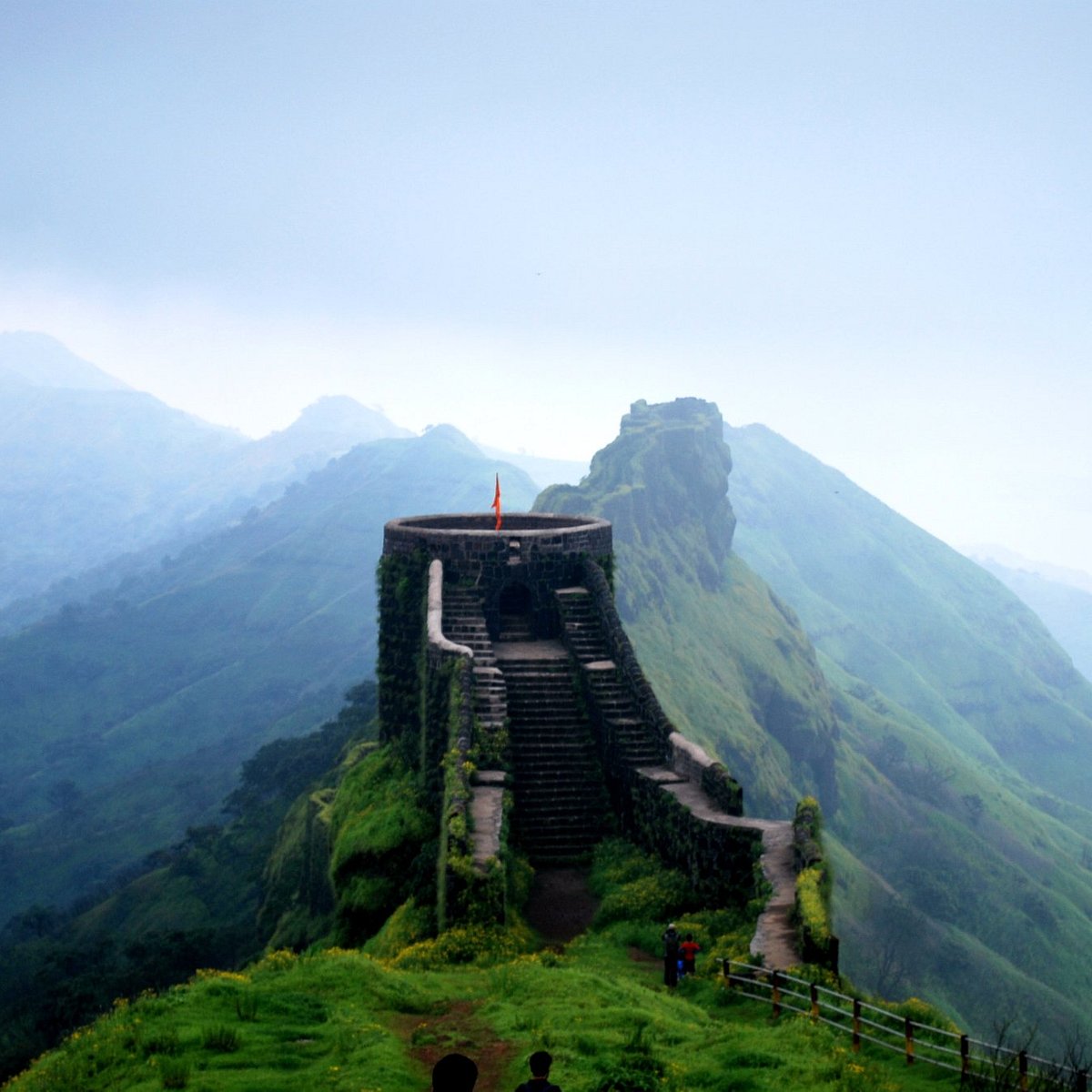
Rajgad Fort, located in the Sahyadri mountain range of Maharashtra, India, is a popular trekking destination for adventure enthusiasts. The fort, also known as the “King of Forts,” was built during the 17th century and served as the capital of the Maratha Empire under the rule of Chhatrapati Shivaji Maharaj. Today, the fort is a popular trekking destination, attracting trekkers from all over the world.
The trek to Rajgad Fort is challenging, covering a distance of approximately 13 kilometers and taking around 6-7 hours to complete. The trail is steep and rocky and requires specific fitness and stamina. However, the stunning views of the surrounding mountains and valleys make the trek worthwhile.
The Rajgad Fort holds great historical significance as it served as the capital of the Maratha Empire under the visionary leadership of the legendary warrior king, Chhatrapati Shivaji Maharaj. Built during the 17th century, the fort played a pivotal role in Shivaji’s strategic military operations and was the site of many crucial battles fought by the Marathas against the Mughal Empire.
The fort’s name, Rajgad, translates to “King’s Fort,” which is a fitting tribute to its royal past. It served as the administrative headquarters of the Maratha kingdom and witnessed several historic events that shaped Maharashtra’s history. The fort’s strategic location atop a hill provided a vantage point for monitoring the surrounding regions and symbolized the Maratha Empire’s power and resilience.
The trek starts at the base village of Gunjavane, which is about 60 kilometers from Pune. The village is accessible by road and is well-connected to major cities in Maharashtra. The trail starts with a gradual climb through dense forests and meadows. The trail then becomes steeper and more challenging as it approaches the fort.
As trekkers climb higher, they are treated to breathtaking views of the surrounding mountains and valleys. The trek also takes trekkers through a series of rock-cut steps and narrow passages, adding to the adventure and excitement of the trek.
The fort is magnificent, with its massive walls and fortifications. The fort has several entrances, each guarded by a large gate. The main entrance is located on the eastern side of the fort and is guarded by a large bastion. The fort also has several structures and ruins, including a temple dedicated to Lord Shiva, a granary, and several water cisterns.
Once trekkers reach the top of the fort, they are rewarded with stunning views of the surrounding mountains and valleys. The fort offers panoramic views of the Sahyadri mountain range; on clear days, one can even see the Torna Fort in the distance.

The fort also has several exciting features, including a “Maha Darwaja,” a massive gate that is said to have been built to prevent elephants from entering the fort. The fort also has a “Padmavati Machi,” a cliff offering a stunning view of the surrounding mountains and valleys. Some of the major attractions along the trail each offer their own unique charm and appeal:
- Pali Darwaza: The trek begins at the Pali Darwaza, the main entrance to the fort. This imposing gateway, adorned with intricate carvings, is a testament to the architectural brilliance of the Maratha era. As trekkers pass through the door, they enter a world steeped in history and grandeur.
- Chor Darwaza: The Chor Darwaza, or the Thief’s Gate, is another notable attraction on the trek. It gets its name from the hidden escape route that Shivaji Maharaj used during a surprise attack on the fort. This secret passage was ingeniously designed to confound and trap any intruders.
- Bale Killa: The fort’s highest point is known as Bale Killa or the Citadel. It offers a commanding view of the entire region, allowing trekkers to appreciate the strategic significance of Rajgad. The Bale Killa houses the ruins of various structures, including palaces, granaries, and water cisterns, which provide a glimpse into the glorious past of the Marathas.
- Padmavati Machi: Padmavati Machi is a picturesque plateau on the fort’s eastern side. It offers panoramic views of the Sahyadri ranges and the lush green valleys below. Many trekkers choose to rest and soak in the serene beauty of this spot before continuing their journey.
- Sanjeevani Machi: Sanjeevani Machi, on the fort’s western side, is a sprawling plateau that captivates visitors with its scenic charm. The gentle slopes, covered with wildflowers during the monsoon season, make it an ideal spot for a peaceful break amidst nature.
The trek down from the fort is equally challenging, and trekkers are advised to be cautious while descending. The trek ends at the base village of Gunjavane, where trekkers can rest and relax before heading back home.
The best time to embark on the Rajgad Fort trek is during the monsoon season, from June to September. The heavy rainfall during this period transforms the entire region into a lush green paradise, with cascading waterfalls and blooming wildflowers adding to the trek’s natural beauty. The cool and pleasant weather makes the ascent more comfortable, allowing trekkers to enjoy the journey to its fullest.
It is essential to note that the monsoon season can also make the trek trail slippery and challenging. Trekkers should come prepared with appropriate gear, including sturdy shoes, rainproof clothing, and trekking poles for stability.

Preserving the natural and historical heritage of Rajgad Fort is of utmost importance. Trekkers must practice responsible trekking and leave no trace behind. The Maharashtra government and local authorities have implemented measures to ensure the fort’s conservation, and visitors need to respect and abide by these guidelines.
Furthermore, hiring local guides can enhance the trekking experience while contributing to the nearby communities’ livelihood. Local guides possess in-depth knowledge of the fort’s history, legends, and trekking routes, providing valuable insights and ensuring a safe and informative journey.
The Rajgad Fort trek in Maharashtra offers an enchanting blend of history, adventure, and natural beauty. From its historical significance as the capital of the Maratha Empire to the breathtaking views from its summit, every step of the trek unravels the grandeur and magnificence of the past. The trek to Rajgad Fort is a journey that takes trekkers back in time, allowing them to relive the glorious era of the Marathas while immersing themselves in the captivating beauty of the Sahyadris. So, lace up your boots, embrace the spirit of adventure, and embark on an unforgettable trek to Rajgad Fort, where history and nature converge in perfect harmony.
Harihar Fort Trek, Maharashtra
February 16, 2023 in Maharashtra, Adventure

Harihar Fort, located in the Western Ghats of Maharashtra, India, is a popular destination for trekkers and hikers. The fort, also known as Harshagad, was built during the 6th century and is 3,676 feet above sea level. The fort was strategically built at the border of the Baglan region, which was ruled by the Mughals, and the rest of Maharashtra, which the Marathas ruled. This made the fort an important location for the Marathas during the 17th century.
The Harihar Fort is located in the Igatpuri taluka of the Nashik district. It is situated on a plateau on the Western Ghats. The fort is about 4,000 feet (1,219 meters) above sea level and is one of the highest forts in the Sahyadri range. The fort was built during the Yadava dynasty in the 13th century. It was later conquered by the Marathas. The fort is currently in ruins.
The Harihar Fort was built for the purpose of defense. The fort has three entrances, the main entrance being the Maha Darwaza. The fort has many bastions and watch towers. The fort has a temple of Lord Harihareshwar, the deity of the fort. There is also a sacred pond called the Harihareshwar Talav. The fort was conquered by the Marathas in 1670. The Maratha ruler Shivaji Maharaj renamed the fort as Harshagad. The fort was later captured by the British. The British used the fort as a prison. Mahatma Gandhi, Jawaharlal Nehru, and other freedom fighters were imprisoned here.
The fort is currently in ruins. The main entrance and the Maha Darwaza are in a state of disrepair. The temple of Lord Harihareshwar is in a dilapidated state. The sacred pond, the Harihareshwar Talav, has dried up. Today, the fort is a popular trekking destination, attracting adventure seekers from all over the world.
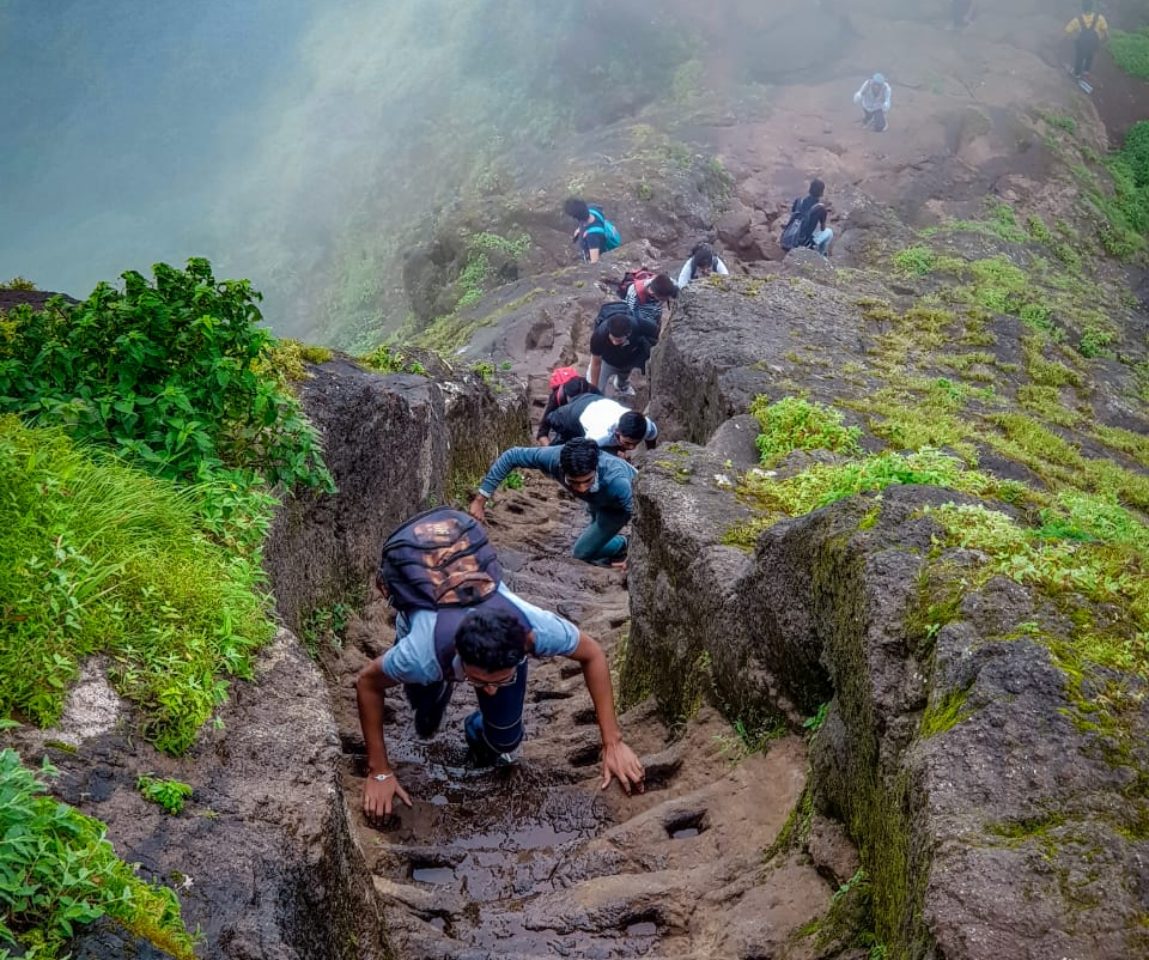
The trek to Harihar Fort is considered one of the region’s most challenging treks. The trek is approximately 13 kilometers long and takes about 6-7 hours. The trail is steep and rocky and requires specific fitness and stamina. However, the stunning views of the surrounding mountains and valleys make the trek worthwhile.

The trek begins at the base village of Nirgudpada, about 140 kilometers from Mumbai. The village is accessible by road and is well-connected to major cities in Maharashtra. The trail starts with a gradual climb through dense forests and meadows. The trail then becomes steeper and more challenging as it approaches the fort.
As trekkers climb higher, they are treated to breathtaking views of the surrounding mountains and valleys. The trek also takes trekkers through a series of rock-cut steps and narrow passages, adding to the adventure and excitement of the trek.
The fort is magnificent, with its massive walls and fortifications. The fort has two main entrances, one facing the east and the other facing the west. The eastern entrance is guarded by a large gate, which leads to a series of rock-cut steps that take trekkers to the top of the fort. The western entrance is less guarded and is often used by trekkers to exit the fort.
Once trekkers reach the top of the fort, they are rewarded with stunning views of the surrounding mountains and valleys. The fort offers panoramic views of the Sahyadri mountain range; on clear days, one can even see the Arabian Sea in the distance.
The fort has a number of temples and mosques. The most notable temple is the temple of Hanuman. The temple is located on the southern side of the fort. The mosque is located on the eastern side of the fort. The fort also has several structures and ruins, including a temple dedicated to Lord Shiva, a mosque, and several water cisterns. The fort was once a thriving city, and the ruins offer a glimpse into the life of the people who once lived there.

The trek down from the fort is equally challenging, and trekkers are advised to be cautious while descending. The trek ends at the base village of Nirgudpada, where trekkers can rest and relax before heading back home.
The best time to trek to Harihar Fort is during the winter months, between November and February when the weather is cool and pleasant. During the monsoon months, the trek can be dangerous between June and September due to slippery trails and flash floods.
Trekking to Harihar Fort is an adventure of a lifetime, offering trekkers the opportunity to experience the beauty of the Western Ghats and the thrill of conquering a challenging trek. The trek requires a certain fitness level and stamina, but the stunning views and sense of accomplishment make it worthwhile. So if you’re looking for an adventure, pack your bags and head to Harihar Fort!
To reach Harihar Fort in Maharashtra, follow these general directions:
By Air: The nearest airport to Harihar Fort is Mumbai’s Chhatrapati Shivaji International Airport. You can hire a taxi from the airport or use public transportation to reach the fort. The distance between Mumbai and Harihar Fort is approximately 220 kilometers.
By Train: The closest railway station to Harihar Fort is Igatpuri Railway Station. Igatpuri is well connected to major cities in Maharashtra and other parts of India. From Igatpuri, you can hire a taxi or take a bus to reach the fort. The distance between Igatpuri and Harihar Fort is around 45 kilometers.
By Road: Harihar Fort is located near Harshewadi village, approximately 40 kilometers from Igatpuri. You can reach Igatpuri by road from major cities in Maharashtra, like Mumbai, Pune, and Nashik. From Igatpuri, you can hire a taxi or take a local bus to reach the village of Harshewadi, the base village for the fort.
Once you reach the village of Harshewadi, you can start the trek to Harihar Fort. The trek is moderately challenging, involving steep rock patches and narrow staircases. It is advisable to wear appropriate trekking shoes and carry sufficient water and snacks. It’s also a good idea to hire a local guide who is familiar with the route and can assist you during the trek.
Please note that these directions are approximate, and it’s always a good idea to check for the latest information and local guidance before planning your trip.
The Krishna River
January 16, 2023 in City Guide
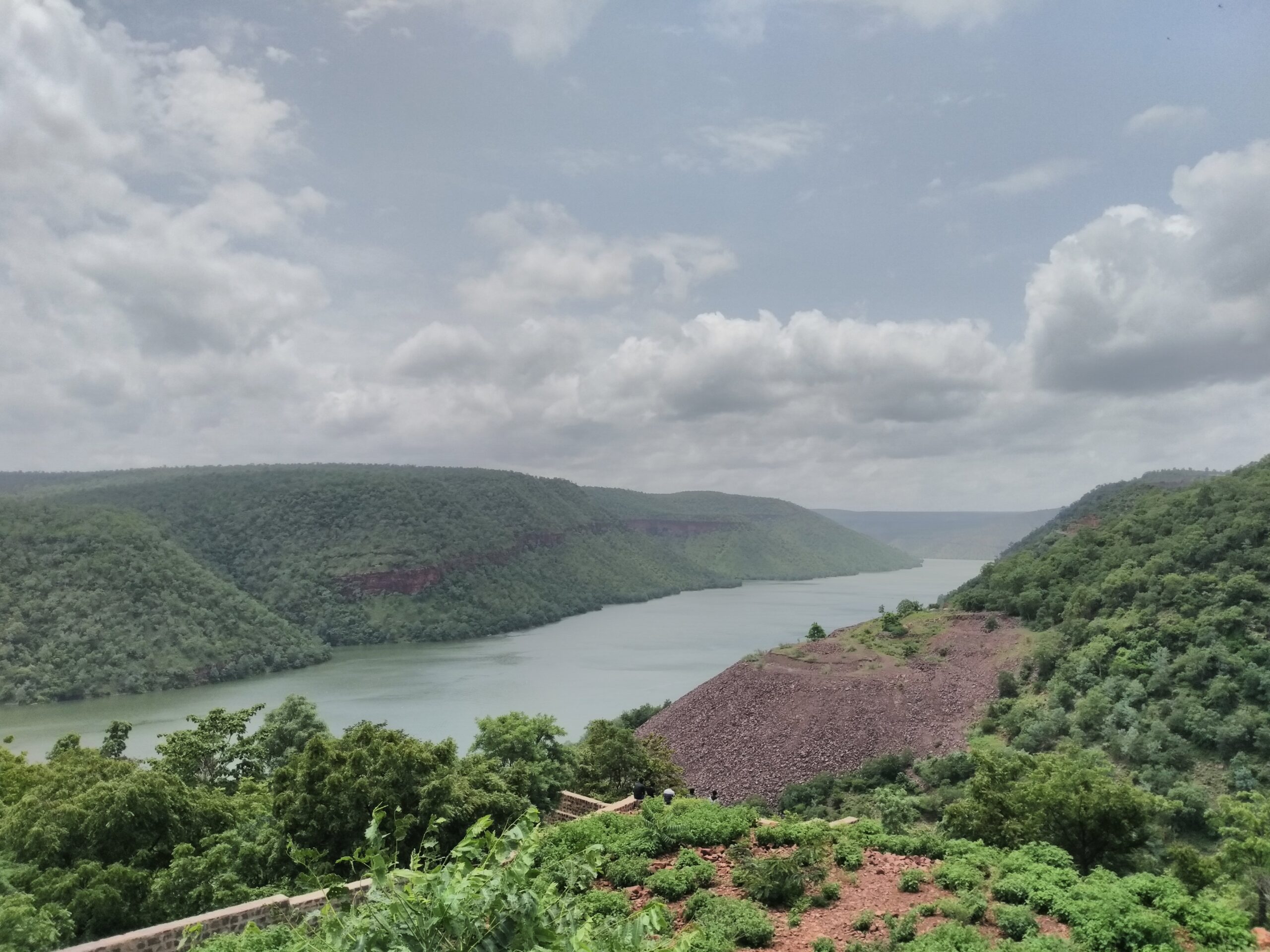
Flowing through the enchanting landscapes of South India, the Krishna River holds immense religious, cultural, and historical significance. Originating from the Mahabaleshwar hills in Maharashtra, this holy river embarks on a majestic journey, meandering through the states of Maharashtra, Karnataka, and Andhra Pradesh before finally merging into the Bay of Bengal. With its serene flow, picturesque surroundings, and deep-rooted spirituality, the Krishna River has been a lifeline for millions of people for centuries.
The Krishna River derives its name from Lord Krishna, one of the most revered deities in Hinduism. According to ancient texts and mythology, Lord Krishna is believed to have spent his childhood and early youth in the region surrounding the river, which adds to its sacred status. The river is associated with numerous stories and legends, enhancing its spiritual significance and cultural heritage.
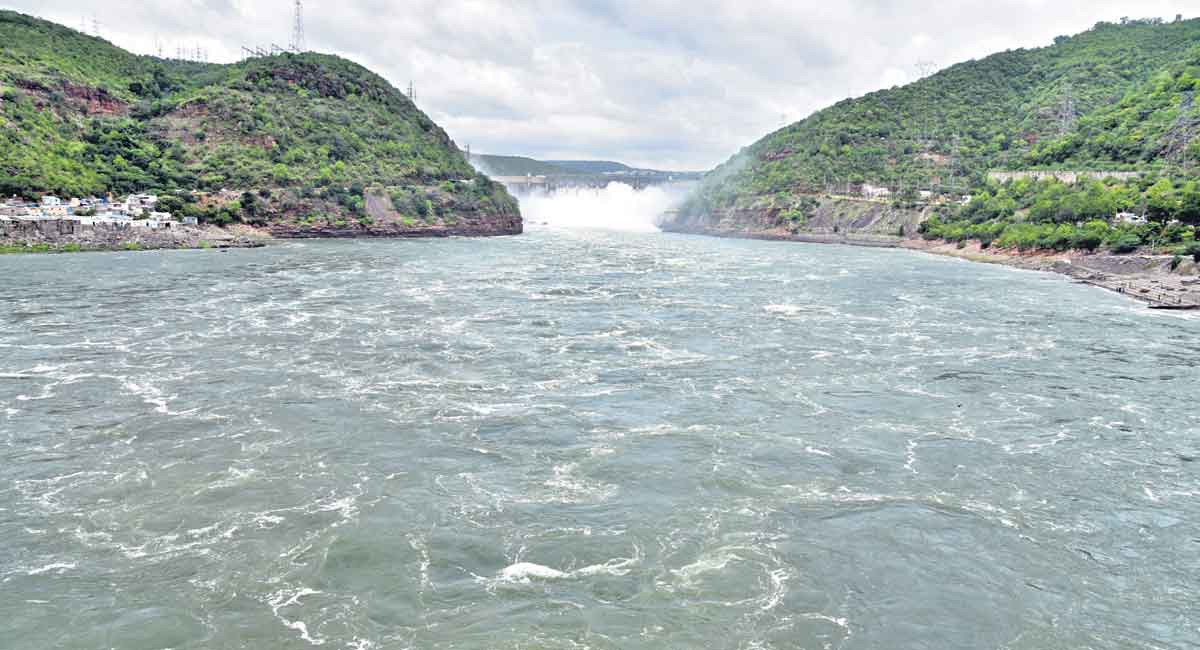
The river Krishna flows through the states of Maharashtra, Karnataka, Telangana and Andhra Pradesh. It is one of the longest rivers in India and one of the major rivers of the Deccan Plateau. The river is named after Lord Krishna, who is said to have been born on its banks. The river has great religious and historical significance. It is said to be where Lord Krishna performed many of his miracles. The river is also said to be the site of the battle between the Pandavas and the Kauravas and the place where Lord Krishna gave the famous Bhagavad Gita speech to Arjuna.
The river is also important for irrigation and water supply. The river basin is home to some of the most fertile land in India, and the river is used for irrigation in many parts of the country. The river is also a popular tourist destination. The banks of the river are home to many temples and other religious sites. The river is also popular for its scenic beauty, and many people visit it for its natural beauty.
The river Krishna is one of the most sacred rivers in India. It is said to have been created by Lord Krishna himself, and it is believed that bathing in the river will cleanse one’s soul. The river is also said to be the site of many miracles performed by Lord Krishna.
The river Krishna flows through the states of Maharashtra, Karnataka, Telangana and Andhra Pradesh. It is one of the longest rivers in India and one of the major rivers of the Deccan Plateau. The river is named after Lord Krishna, who is said to have been born on its banks.
The Krishna River basin has been a cradle of ancient civilizations and a cultural and economic growth centre. The region along the riverbanks is dotted with ancient temples, palaces, and architectural marvels that stand as testaments to the land’s rich history and cultural heritage. The famous Vijayanagara Empire, known for its architectural splendour and patronage of arts and culture, flourished near the Krishna River.
The Krishna River is also closely associated with the life and teachings of the philosopher-saints of the Bhakti movement. The riverbanks have been the abode of numerous renowned saints and poets who found inspiration and solace in the river’s tranquil ambience and divine energy. Their devotional compositions and hymns dedicated to Lord Krishna resonate along the riverbanks, creating an atmosphere of spirituality and devotion.
Pilgrimage along the Krishna River is an integral part of the religious and cultural fabric of the region. The river is revered as a goddess and is worshipped in temples dedicated to her. One of the most famous pilgrimage sites along the Krishna River is the city of Vijayawada in Andhra Pradesh, where the Kanaka Durga Temple stands atop the Indrakeeladri Hill. This temple attracts devotees from far and wide, especially during the annual festival of Navratri, when the riverbanks come alive with fervent devotion and celebrations.
The Krishna River is also associated with the Krishna Pushkaram, a grand festival that occurs once every twelve years. This festival is a celebration of the river’s auspicious entry into various zodiac signs, and it draws millions of pilgrims who converge along the riverbanks to take a holy dip, offer prayers, and seek blessings. The Krishna Pushkaram is a time of vibrant festivities, devotional rituals, cultural performances, and spiritual rejuvenation.
Besides its religious and cultural significance, the Krishna River plays a vital role in the region’s agriculture and economy. The fertile soil along its banks and abundant water resources support extensive agriculture, including cultivating rice, sugarcane, and various fruits and vegetables. The river’s water is harnessed for irrigation purposes, contributing to the region’s agricultural productivity.
However, like many other rivers in India, the Krishna River faces various challenges, including pollution, deforestation, and water disputes among different states. These issues threaten the river’s ecological balance, water quality, and the sustainability of its resources. Efforts have been made to address these challenges by implementing river conservation projects, water management initiatives, and awareness campaigns. The Government of India has launched the National Mission for Clean Ganga (NMCG) to clean the river. Several NGOs and grassroots organizations are working to create awareness about the need to protect the river. In Karnataka, the government has launched the Krishna River Restoration Project, which aims to rejuvenate the river and improve its water quality.
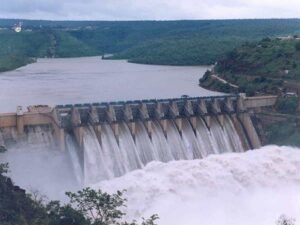
Visiting the Krishna River offers a unique experience, combining spirituality, natural beauty, and cultural heritage. The peaceful surroundings, the gentle river flow, and the temples’ serenity create an atmosphere of tranquillity and devotion. Taking a holy dip in the sacred waters of the Krishna River is believed to purify the soul and bestow blessings upon devotees.
In conclusion, the Krishna River is much more than a waterway; it symbolizes devotion, cultural heritage, and the nurturing power of nature. For centuries, it has been a source of spiritual inspiration, economic sustenance, and cultural vibrancy. As we cherish the sanctity of the Krishna River, let us strive to protect its purity, preserve its ecological balance, and uphold the values of reverence and gratitude for this sacred lifeline that nourishes both the land and the souls of the people.

The Alaknanda River
January 16, 2023 in City Guide
Flowing through the majestic landscapes of Uttarakhand in northern India, the Alaknanda River is a holy waterway with immense spiritual significance. Originating from the pristine glaciers of the Satopanth and Bhagirathi Kharak glaciers in the Garhwal Himalayas, this divine river carves its way through valleys, gorges, and picturesque towns, enchanting pilgrims and nature lovers alike. With its mesmerizing beauty and spiritual aura, the Alaknanda River has captivated the hearts and souls of people for centuries.
The Alaknanda River is considered one of the two headstreams of the sacred Ganga River, the other being the Bhagirathi River. The confluence of these two rivers at Devprayag marks the beginning of the Ganga, a river revered by millions across the nation. As the Alaknanda River descends from its glacial origin, it gathers momentum and flows through the revered pilgrimage sites of Badrinath, Joshimath, and Rudraprayag, blessing the land with its divine presence.
The origin of the Alaknanda is traditionally placed at the confluence of the Bhagirathi and the Mandakini rivers, which both rise from glaciers in the Garhwal Himalaya. The Bhagirathi is considered the main source stream of the Ganges, though its length is only about 230 kilometres (143 mi) long. The headwaters of the Alaknanda are formed by the confluence of two streams, the Vishnuganga and the Dhauliganga, at Devprayag in Uttarakhand. The Vishnu-Ganga is longer, at about 320 kilometres (199 mi), but it joins the Alaknanda at a lower elevation, about 1,000 metres (3,281 ft) below that of the Dhauliganga. The Alaknanda then continues southeast through the mountains for about 240 kilometres (149 mi) before joining the Ganges.
In Hindu mythology, the Alaknanda River is believed to be a celestial manifestation of the goddess Ganga. Legend has it that Lord Vishnu, in his incarnation as Vamana, took a holy bath in the river, and his footprints can still be seen at the sacred site of Hemkund Sahib. The river is mentioned in ancient texts like the Mahabharata and the Puranas, adding to its sacred status and significance.
The Alaknanda is considered the most sacred of all the rivers in India. Hindus believe bathing in the river will cleanse them of their sins and purify their souls. The river is also believed to be the abode of the goddess Ganga.
Pilgrimage along the Alaknanda River is a profound journey of devotion and self-discovery. The holy town of Badrinath, nestled on the banks of the river, is a major pilgrimage destination. It is believed to be the abode of Lord Vishnu in his form as Lord Badrinarayan. Pilgrims undertake arduous treks to reach Badrinath, seeking blessings and immersing themselves in the divine atmosphere. The riverbanks of the Alaknanda witness the confluence of countless devotees, who come to cleanse their sins and offer prayers to attain spiritual liberation.
The Alaknanda is formed at the confluence of the Satopanth and Bhagirath Kharak glaciers in the Uttarakhand Himalayas. The Bhagirath Kharak glacier is named after Bhagiratha, a legendary king who is said to have brought the Ganga down from heaven. The Alaknanda flows south from the Himalayas, through the Alaknanda valley, and joins the Bhagirathi at Devprayag. The Alaknanda is one of the main rivers of the Uttarakhand Himalayas and is an important tributary of the Ganga. The river has great religious significance in Hinduism. Several Hindu scriptures mention the river, including the Mahabharata and the Puranas.
The Alaknanda is also one of the main rivers of the Uttar Pradesh Himalayas and is an important tributary of the Ganga. The river has great religious significance in Hinduism. Several Hindu scriptures mention the river, including the Mahabharata and the Puranas. The Alaknanda is a glacier-fed river, and its main tributaries are the Mandakini, the Nandakini, and the Pindar. The Alaknanda valley has several glaciers, including the Satopanth and the Bhagirath Kharak. The Alaknanda river basin is also home to several important Hindu pilgrimage sites, such as Badrinath, Kedarnath, and Gangotri.
 The Alaknanda River is a spiritual abode and a sanctuary of natural beauty. Surrounded by snow-capped peaks, dense forests, and serene meadows, the river creates an idyllic setting that mesmerizes visitors. The Valley of Flowers National Park, a UNESCO World Heritage Site near the Alaknanda River, showcases a breathtaking array of alpine flowers, making it a paradise for nature enthusiasts. The tranquil ambience, the gushing sound of the river, and the awe-inspiring vistas create an environment of peace and serenity.
The Alaknanda River also plays a vital role in the region’s ecology and economy. The river’s water supports local agriculture, providing irrigation for wheat, rice, and potatoes. The fertile soil along its banks enables the cultivation of various agricultural produce. Furthermore, the river’s water resources have been harnessed for hydroelectric power generation, contributing to the region’s energy needs.
However, the Alaknanda River faces environmental challenges, including erosion, landslides, and the impact of climate change. Deforestation, pollution, and unsustainable tourism practices also threaten the river’s delicate ecosystem. It is crucial to implement sustainable measures and raise awareness to preserve the river’s pristine beauty and ecological balance.
Visiting the Alaknanda River is an immersive experience that connects profoundly with nature and spirituality. The cool breeze, the refreshing touch of the river’s waters, and the mystical ambience create a sense of tranquillity and harmony. Pilgrims and travellers can witness the timeless flow of devotion and feel the divine energy that emanates from the river and its surroundings.
In conclusion, the Alaknanda River is more than a geographical feature; it is a sacred pathway that intertwines spirituality, natural beauty, and cultural heritage. It represents the eternal flow of devotion and the profound connection between human beings and nature. As we cherish and protect the sanctity of the Alaknanda River, let us do so with a deep sense of reverence, gratitude, and responsibility, ensuring that its pristine beauty and spiritual significance are preserved for generations to come.
