


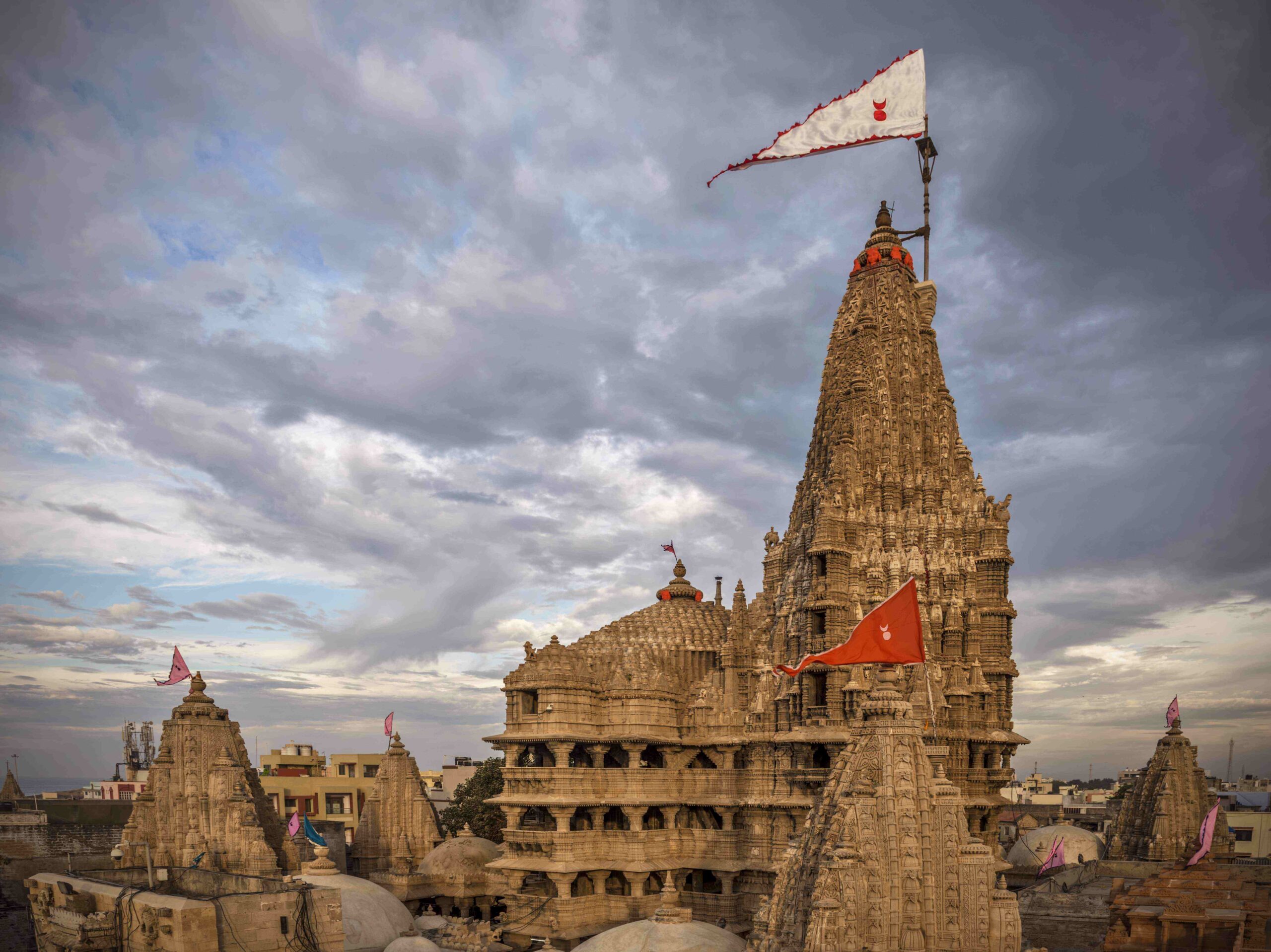
Dwarka – Where Divinity Reigns Supreme
June 22, 2023 in Destinations, Gujarat, Pilgrimages
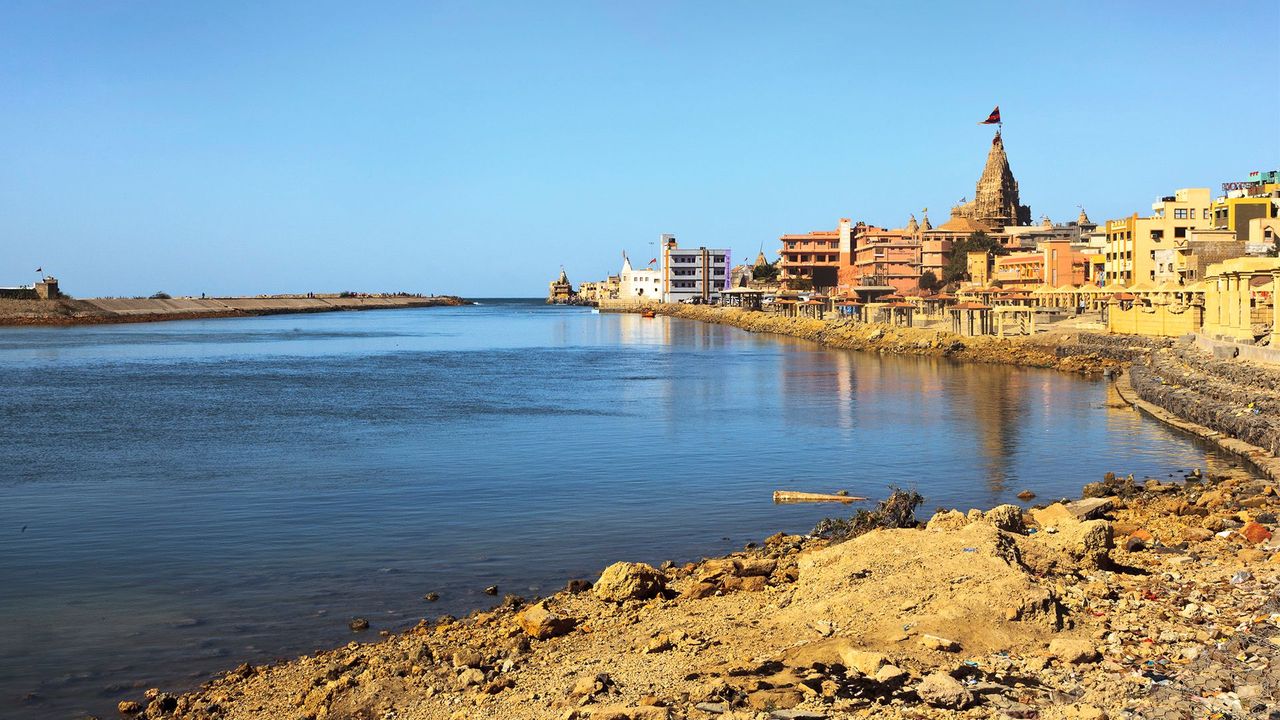
In the westernmost corner of India, where the sky kisses the sea, lies a city that exudes an aura of divine majesty – Dwarka. Known as the “Golden City” and “Dwarawati,” Dwarka holds a special place in Hindu mythology as the kingdom of Lord Krishna, the beloved deity revered for his wisdom, charm, and divine Leelas (miraculous play). Dwarka is not just a city; it is a sacred abode where the past merges with the present, and the spirit finds solace in the embrace of divinity. Join us on a vibrant journey through the sacred city of Dwarka, where the eternal light of devotion illuminates every soul.
A Journey through Myth and History:
The history of Dwarka is steeped in myth and legend, tracing its roots back to the Dwapara Yuga, an age of divine marvels. According to Hindu scriptures like the Mahabharata and the Puranas, Dwarka was the capital of Lord Krishna’s kingdom. The city’s grandeur and prosperity are described in vivid detail, making it a symbol of opulence and divine presence.
Dwarkadhish Temple – The Abode of Krishna:
At the heart of Dwarka stands the iconic Dwarkadhish Temple, dedicated to Lord Krishna, who is affectionately known as Dwarkadhish or the “Lord of Dwarka.” This ancient temple, adorned with intricate carvings and magnificent architecture, is a testament to the city’s devotion to Lord Krishna. Pilgrims and devotees throng the temple, seeking the blessings of the deity whose divine play continues to captivate hearts even after millennia.
The Gomti Ghat – A Pilgrimage to Purity:
The Gomti Ghat, overlooking the tranquil Arabian Sea, is one of the most revered ghats in Dwarka. It is believed that the River Gomti is a personification of the sacred Ganges, and a dip in its waters is said to cleanse the soul of all sins. Pilgrims immerse themselves in the waters and offer prayers to wash away their burdens, leaving their spirits purified and uplifted.
Nageshwar Jyotirlinga – A Symbol of Divinity:
Just a few kilometers from Dwarka lies the ancient Nageshwar Jyotirlinga Temple, one of the twelve sacred shrines dedicated to Lord Shiva. The Nageshwar Jyotirlinga, known as the “Lord of the Nagas,” symbolizes the divine interplay between Lord Shiva and the serpent deities. The temple’s serene ambiance and the majestic Shiva Linga inspire a sense of spiritual awakening among visitors.
Rukmini Devi Temple – A Tale of Eternal Love:
The Rukmini Devi Temple, dedicated to Lord Krishna’s divine consort, Rukmini Devi, is a symbol of their eternal love and devotion. The temple’s architecture, adorned with intricate carvings and colorful paintings, narrates the enchanting love story of Lord Krishna and Rukmini. Devotees flock to the temple to seek the blessings of Rukmini Devi, whose love for Lord Krishna is considered an epitome of devotion.
The Island of Legends:
A boat ride away from Dwarka lies Bet Dwarka, an island steeped in ancient tales and divine miracles. Legend has it that this island was the residence of Lord Krishna’s friend Sudama and the place where Lord Krishna met the sage Durvasa, a significant event in Hindu mythology. Today, Bet Dwarka is a pilgrimage site that captivates visitors with its pristine beaches, sacred temples, and timeless charm.
Dwarka’s Underwater Archaeological Discoveries:
Dwarka’s mythological significance was further reinforced by archaeological discoveries in the Gulf of Khambhat. The Dwarka Underwater Archaeological Excavations revealed remnants of ancient structures, confirming the existence of a submerged city off the coast of modern-day Dwarka. These discoveries have sparked curiosity and debates among historians and researchers, adding a sense of mystique to the city’s history.
The Vibrant Festivals of Dwarka:
Life in Dwarka is a continuous celebration of devotion and tradition, with festivals adding vibrancy to the city’s cultural fabric. Janmashtami, the birthday of Lord Krishna, is celebrated with great fervor and grand processions, attracting devotees from far and wide. Other festivals like Holi, Diwali, and Sharad Purnima infuse the city with a kaleidoscope of colors and joyful gatherings.
A Melody of Spirituality:
As the sun sets over the horizon, Dwarka dons an ethereal glow, and the city becomes a symphony of spirituality. The echoes of conch shells, the chants of devotees, and the aroma of incense fill the air, creating an atmosphere of serenity and devotion. Dwarka is a place where the divine and the earthly converge, where the heart finds solace, and the spirit finds its sanctuary.
In the sacred city of Dwarka, devotion and divinity reign supreme, and the timeless tales of Lord Krishna resound in every temple, ghat, and corner. Dwarka beckons pilgrims, travelers, and seekers to immerse themselves in its vibrant culture, mythology, and spirituality. Come, embark on a journey to Dwarka, where the soul finds its eternal light, and the spirit dances with the divine.
Mathura – Where Legends Embrace Divinity
June 22, 2023 in Destinations, Pilgrimages, Uttar Pradesh

In the heart of the mystical land of India lies a city steeped in legend and divinity – Mathura. Often referred to as the “Krishna Janmabhoomi,” Mathura is where the beloved deity, Lord Krishna, is believed to have taken his first earthly breath. The very air of this sacred city is infused with tales of miracles, divine love, and spiritual devotion. Let us embark on a vibrant journey through the enchanting realms of Mathura, where history, mythology, and spirituality converge to create a tapestry of wonder.
A Journey through Time:
Mathura’s history stretches back over three millennia, and its origins are lost in the mists of antiquity. This ancient city boasts a rich past, having witnessed the rise and fall of various dynasties, including the Mauryas, Kushans, Guptas, and more. It was during the time of Lord Krishna, around 5000 years ago, that Mathura flourished as a bustling kingdom and became the playground of divine Leelas (miraculous play) of Lord Krishna.
Krishna Janmabhoomi – The Sacred Birthplace:
At the heart of Mathura lies the revered Krishna Janmabhoomi, where Lord Krishna is believed to have been born. The divine aura surrounding this site is palpable, and millions of devotees worldwide pilgrimage to this hallowed ground. The main attraction is the Kesava Deo Temple, which is a testament to Lord Krishna’s birth and timeless impact on humanity.
Dwarkadheesh Temple – Where Love Resides:
Another jewel in Mathura’s crown is the Dwarkadheesh Temple, an architectural marvel dedicated to Lord Krishna. This stunning temple, adorned with intricate carvings and vibrant paintings, exudes a sense of divine grandeur. The temple’s inner sanctum is home to the exquisite idol of Lord Krishna, standing as a symbol of eternal love and devotion.
The Romance of Radha-Krishna – Love in the Air:
Mathura is about the divine Krishna and the eternal love shared between Lord Krishna and Radha. The iconic Radha Vallabh Temple is a testament to their divine love story. This temple captures the essence of Radha’s devotion, and devotees can feel the ethereal love that flows between Radha and Krishna in every corner of this sacred abode.
of Enlightenment – Vishram Ghat:
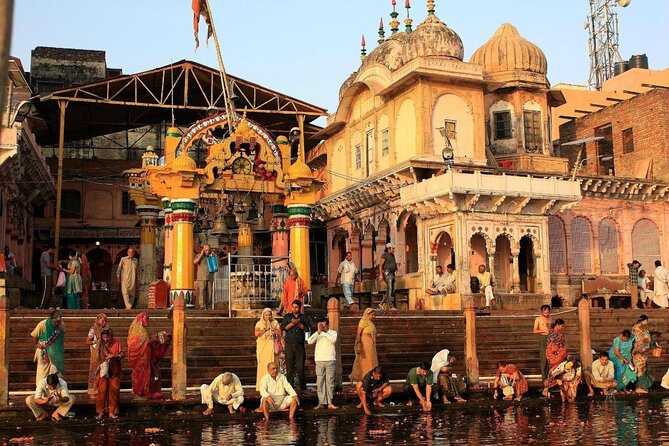
Vishram Ghat comes to life with a vibrant display of faith and devotion as the sun rises over the Yamuna River. This ghat holds immense significance, as it is believed that Lord Krishna rested here after slaying the demon Kansa. Pilgrims and Sadhus (holy men) gather here to take a holy dip in the sacred waters of the Yamuna, seeking spiritual purification and enlightenment.
The Mesmerizing Raas Leela – A Dance of Divinity:
The tradition of Raas Leela, a divine dance depicting the playful interactions between Lord Krishna and the Gopis (milkmaids), is an integral part of Mathura’s cultural fabric. The city comes alive with colourful Raas Leela performances during festive occasions like Holi and Janmashtami. The ethereal music, graceful dance moves, and the portrayal of divine love leave spectators spellbound, transcending the boundaries of time and space.
Living Heritage – Mathura’s Lively Bazaars:
Mathura’s bazaars are a living heritage that echoes the city’s vibrant culture and traditions. The colourful markets are filled with a kaleidoscope of handicrafts, textiles, and traditional artefacts. The bustling narrow alleys lead you on a sensory adventure, where the aroma of freshly prepared sweets and street food mingles with the sights and sounds of daily life.
Celebrating Life – Festivals in Mathura:
Life in Mathura constantly celebrates faith and devotion, and the city’s calendar is adorned with vibrant festivals. Janmashtami, the birthday of Lord Krishna, is a grand spectacle that attracts devotees from all over the world. The joyous festival of Holi, known as “Phoolon wali Holi” in Mathura, is a mesmerizing event where flowers replace colours, filling the air with fragrance and love.
Mathura’s Cuisine – A Gastronomic Delight:
The culinary delights of Mathura are an integral part of the city’s charm. The city is renowned for its lip-smacking sweets like peda, khurchan, and ghewar. The flavoursome street food, including kachori, samosa, and chaat, tantalize taste buds and leave foodies craving more.
Exploring Beyond – Glimpses of Vrindavan:

Just a stone’s throw away from Mathura lies the mystical town of Vrindavan, where Lord Krishna is believed to have spent his youth. Vrindavan is a place where the divine and the earthly seamlessly blend, and the residents’ devotion creates an aura of enchantment. The Banke Bihari Temple, ISKCON Temple, and Prem Mandir are prominent attractions that beckon visitors to experience the ethereal charm of Vrindavan.
Mathura – Embrace the Divine Dance:
As the veil of twilight descends upon the sacred city, Mathura dons a mystical cloak where legends and divinity come alive. It is a place where the eternal romance of Radha and Krishna reverberates in the hearts of devotees, where the Yamuna River mirrors the timeless tales of Lord Krishna’s divine leelas. With its sacred sites, cultural heritage, and vibrant festivities, Mathura embraces all who seek to bask in the divine dance of love and devotion.
In this land of legends and spiritual mystique, the seeker finds solace, the traveller finds wonder, and the heart finds its divine rhythm. Mathura, the sacred city, invites you to be a part of its enchanting tapestry, where the stories of Krishna’s divine play intertwine with the soulful devotion of its people. Come, immerse yourself in the embrace of Mathura, where the past and the present entwine in a vibrant dance of divinity.

Varanasi – Where Timeless Spirituality Flows
June 22, 2023 in Destinations, Pilgrimages, Uttar Pradesh

On the banks of the sacred river Ganges in the heart of India, Varanasi stands as a testament to centuries of history, spirituality, and cultural richness. This vibrant city, also known as Kashi or Benares, is revered as one of the oldest continuously inhabited cities in the world. From its labyrinthine alleys to its iconic ghats and ancient temples, Varanasi encapsulates the essence of Hinduism and serves as a pilgrimage site for millions of devotees.
One cannot help but be captivated by the mesmerizing ghats that line the Ganges River. Over eighty stepped embankments are the focal point of religious and social activities. As the sun rises, devotees flock to the ghats to partake in their morning ablutions, washing away their sins in the holy waters. The Dashashwamedh Ghat, the primary and most significant ghat, is renowned for its grand evening Ganga Aarti ceremony. Devotees, mesmerized by the rhythmic chants and the hypnotic dance of fire, pay homage to the river goddess, offering their prayers and floating tiny lamps, known as diyas, on the water’s surface. The spectacle is a sight to behold, evoking a sense of divinity and spiritual fervor.
The Ganga Aarti is a nightly Hindu religious ritual in which devotees offer prayers and gifts to the River Ganga in Varanasi, India. The aarti is performed at the Dashashwamedh Ghat, one of the most sacred ghats of the Ganges, by a group of priests who chant hymns and play traditional instruments. The ritual is also a popular tourist attraction and is often described as one of India’s most beautiful and moving ceremonies. The Ganga Aarti ceremony begins at sunset when the priests light many candles and lamps. They then place these lamps on a large metal plate, which is then carried down to the river. The plate is placed in the center of the river, and the priests stand on either side. They then chant mantras and offer prayers to the river goddess Ganga. After the prayers, the priests circle the lamps around the plate. They then float the lamps on the river, carrying them away by the current. The ceremony ends with lighting a large bonfire on the banks of the river.
Varanasi is home to many ancient temples, each with a unique architectural style and mythological significance. The Kashi Vishwanath Temple, dedicated to Lord Shiva, is the holiest shrine in Varanasi. Built-in the 18th century, it is a testament to the city’s devotion to Lord Shiva. Pilgrims from all corners of the world seek solace and blessings here, immersing themselves in the spiritual aura of the temple. The exquisite carvings, intricate spires, and the fragrance of incense fill the air, creating an ambiance that transcends time. Other notable temples in Varanasi include the Sankat Mochan Temple, dedicated to Lord Hanuman, and the Tulsi Manas Temple, famous for its walls adorned with the verses of the Ramcharitmanas, an epic poem composed by the saint-poet Tulsidas.
Wandering through Varanasi’s narrow alleys, one encounters a tapestry of colors, sounds, and aromas. The city is a treasure trove of traditional arts and crafts. The silk weavers of Varanasi are renowned for their intricate handloom sarees, known as Banarasi sarees. These sarees, woven with gold and silver threads, are sought after by brides and fashion enthusiasts. The alleys are also dotted with small shops that sell brassware, wooden toys, and intricate sculptures, showcasing the city’s rich craftsmanship. Exploring these markets offers a glimpse into the vibrant local life and the creative spirit that permeates every corner of Varanasi.

Varanasi is a city of spiritual significance and a hub of intellectual pursuits. The Banaras Hindu University (BHU), founded in 1916, is one of India’s most prestigious educational institutions. Spread across a sprawling campus, BHU boasts arts, sciences, engineering, and medicine faculties, attracting scholars worldwide. The Bharat Kala Bhavan, an art and archaeological museum within the university, houses a vast collection of paintings, sculptures, and textiles, providing a glimpse into the region’s rich cultural heritage. Varanasi has long been a learning center, nurturing great thinkers, poets, and philosophers.
As evening falls, the city unveils another facet of its allure. Embarking on a boat ride along the Ganges during sunset is an experience that lingers in the soul. As the oars gently break the water’s surface, one witness the city’s panorama bathed in golden hues. The ghats, temples, and bustling activities on the riverbanks create a beautiful symphony. The sounds of bells, chants, and devotional songs fill the air, blending with the gentle lapping of the water. Varanasi’s profound spirituality resonates in these moments, leaving an indelible mark on those fortunate enough to witness it.
The best time to visit Varanasi is between October and March when the weather is cool and pleasant. Avoid visiting during the summer months of April to June, when the heat and humidity can be unbearable. The most reasonable way to get around Varanasi is on foot. The narrow streets and alleyways can be challenging to navigate by car or rickshaw, and you’ll get a better feel for the city by exploring it on foot. Varanasi is well connected by air, rail, and road. The airport is about 20km from the city center, and there are regular flights to and from major cities such as Delhi, Mumbai, and Kolkata.
Varanasi, the sacred city, is a testament to the enduring power of faith and culture. It is a living, breathing tapestry of spirituality, history, and artistic expression. The city’s vibrant ghats, ancient temples, and bustling markets vividly depict a place where tradition seamlessly blends with the present. Varanasi beckons pilgrim, artists, scholars, and wanderers to embrace its charm and immerse themselves in its mystical aura. Mark Twain rightly said, “Benares is older than history, older than tradition, older even than legend, and looks twice as old as all of them put together.” Varanasi is an eternal city where time stands still and the divine whispers in every corner.

Rameshwaram – Where Divinity Meets the Ocean’s Embrace
June 22, 2023 in Destinations, Pilgrimages, Tamilnadu
Nestled on an enchanting island in the southern tip of India, Rameshwaram emerges as a captivating destination that blends spirituality, history, and natural beauty. This vibrant city, steeped in mythology and revered by devotees of various faiths, holds a significant place in the hearts of millions. Rameshwaram, known as the “Land of Lord Rama,” offers a soul-stirring journey where spirituality meets oceanic serenity. Let us embark on a vivid exploration of this sacred city, where the divine and the elemental converge.
Rameshwaram is inseparably intertwined with the epic Hindu saga of the Ramayana, making it a prominent pilgrimage site for followers of Lord Rama. The iconic Ramanathaswamy Temple is a testament to the city’s spiritual heritage. This magnificent temple, dedicated to Lord Shiva, is believed to have been established by Lord Rama. The temple complex, adorned with exquisite architectural elements, showcases the finest examples of Dravidian craftsmanship.
The highlight of the Ramanathaswamy Temple is its corridors, known as the “thousand-pillared hall,” adorned with intricately carved pillars that mesmerize visitors with their grandeur. Pilgrims flock to the temple to offer their prayers and seek blessings, immersing themselves in the divine aura that envelops the sacred abode of Lord Rameshwaram. The Ramanathaswamy Temple is also one of the twelve Jyotirlinga temples, where Shiva is worshipped as a lingam. The temple is also one of the Char Dhams, Hinduism’s four sacred pilgrimage sites. The temple complex includes several other shrines and buildings.
The Jyotirlinga of Rameshwaram is one of the twelve Jyotirlingas, the holiest Shiva temples. The lingam in the temple is believed to have been installed by Rama. The temple is also one of the panchabhuta lingams, representing the five elements of earth, water, air, fire, and space.
The Kashi Vishwanath Temple is another important temple in Rameshwaram. It is dedicated to Lord Vishwanath, the main deity of the city of Benares. The temple is situated on the banks of the Ganges River and is a popular pilgrimage site for Hindus. Rameshwaram is a popular pilgrimage city for Hindus and is known for its many temples and sacred sites. The Annamalaiyar Temple is a popular temple dedicated to Lord Shiva. It is located in the town of Tiruvannamalai and is one of the largest temples in India. The temple is situated at the base of a hill and has many unique features.
One of the most cherished experiences in Rameshwaram is the sacred ritual of bathing in the waters of the Agni Theertham. This pristine stretch of beach, where the Bay of Bengal gently kisses the shore, holds immense significance for devotees. According to legend, Lord Rama and his consort Sita bathed in these holy waters before embarking on their journey to Lanka. Devotees believe that a dip in the Agni Theertham cleanses the soul of sins and bestows divine blessings. As the sun’s golden rays dance upon the tranquil waters, pilgrims immerse themselves in the refreshing embrace of the sea, their hearts overflowing with devotion and reverence.
Rameshwaram’s ethereal beauty extends beyond its spiritual realm. The city is known for its captivating natural landscapes and breathtaking vistas. The Pamban Bridge, an engineering marvel, connects Rameshwaram to the mainland and offers awe-inspiring views of the azure waters below. As the train traverses the bridge, travelers are treated to a spectacle of the ocean stretching far and wide, with the clear blue sky above mirroring the vast expanse. It is a moment of sheer bliss where one feels a profound connection with the untamed beauty of nature.

Another natural wonder of Rameshwaram is Dhanushkodi Beach, located at the island’s southeastern tip. This secluded stretch of coastline is where the Bay of Bengal and the Indian Ocean merge, creating a confluence of energies that is both mystical and serene. The beach is surrounded by undulating dunes and is a haven for nature lovers and peace seekers. Standing at the edge of the land, with the mighty ocean on one side and the endless sky above, one feels a sense of insignificance in the face of nature’s grandeur.
Rameshwaram is also associated with the legend of the Setu (Adam’s Bridge), a mythical bridge believed to have been built by Lord Rama and his army to reach Lanka. This bridge, consisting of a chain of limestone shoals, stretches across the Palk Strait, connecting India to Sri Lanka. While the bridge is not visible today, it has been etched in the annals of mythology and continues to inspire awe and wonder. The area around Rameshwaram is dotted with several spots associated with the Ramayana, such as the Gandamadana Parvatham, where Lord Rama’s footprints are believed to be imprinted on a chakra-shaped rock.
The vibrant culture of Rameshwaram is reflected in its local traditions, festivals, and cuisine. The city’s culinary delights offer a sensory journey of flavors and aromas. The region is known for its delectable seafood, with dishes like crab masala, prawn curry, and fish fry tantalizing visitors’ taste buds. The local markets, bustling with activity, showcase a variety of handicrafts and souvenirs, including seashell jewelry, silk sarees, and intricately carved woodwork. Exploring these markets offers a glimpse into the region’s cultural richness and artistic heritage. One of the most important aspects of the city’s culture is its music. Carnatic music, the classical music of southern India, is particularly prevalent in Rameshwaram. The city also has several traditional dance forms, such as Bharatanatyam and Kathakali.

Another important aspect of Rameshwaram’s culture is its cuisine. The city is known for its seafood, as well as its traditional Tamil dishes. Rameshwaram is also famous for its sweets, such as the rasagulla and the jalebi. Rameshwaram is a popular pilgrimage destination for Hindus and is visited by millions of devotees yearly. The city is home to several temples, including the Ramanathaswamy Temple, one of India’s most important Hindu pilgrimage sites.
Rameshwaram, the sacred city, is a harmonious blend of spiritual significance, natural wonders, and cultural vibrancy. It is a place where devotion meets the sea, history converges with mythology, and the human spirit finds solace and inspiration. The city’s temples, beaches, and mythical landmarks create an atmosphere that transcends the ordinary and invites visitors to embark on a transformative journey. Rameshwaram beckons pilgrim, nature lovers, and seekers of inner peace to experience the divine grace and timeless beauty that reside within its sacred shores.
Ujjain – Where Time Dances with Divinity
June 22, 2023 in Destinations, Madhya Pradesh, Pilgrimages
Along the serene banks of the Kshipra River, Ujjain stands as an ancient city that exudes spirituality and history like no other. Known as Avantika in antiquity, Ujjain is a captivating kaleidoscope of culture, tradition, and religious significance. It is a city where time dances with divinity, past and present coexist harmoniously, and every stone seems to whisper the tales of ancient glory. Let us embark on a vibrant journey through the sacred city of Ujjain and uncover the treasures it holds within its folds.
A Tapestry of Myth and History:
Ujjain’s history stretches back to antiquity, and it has been mentioned in various ancient scriptures and texts, including the Vedas and the Puranas. According to Hindu mythology, Ujjain was founded by King Shiva and is also believed to be the residence of Lord Krishna’s nephew, Shri Krishna himself. With such divine associations, the city has naturally become a place of great pilgrimage and holds a special place in the hearts of millions of devotees.
Simhastha Kumbh Mela: A Spectacle of Spirituality:
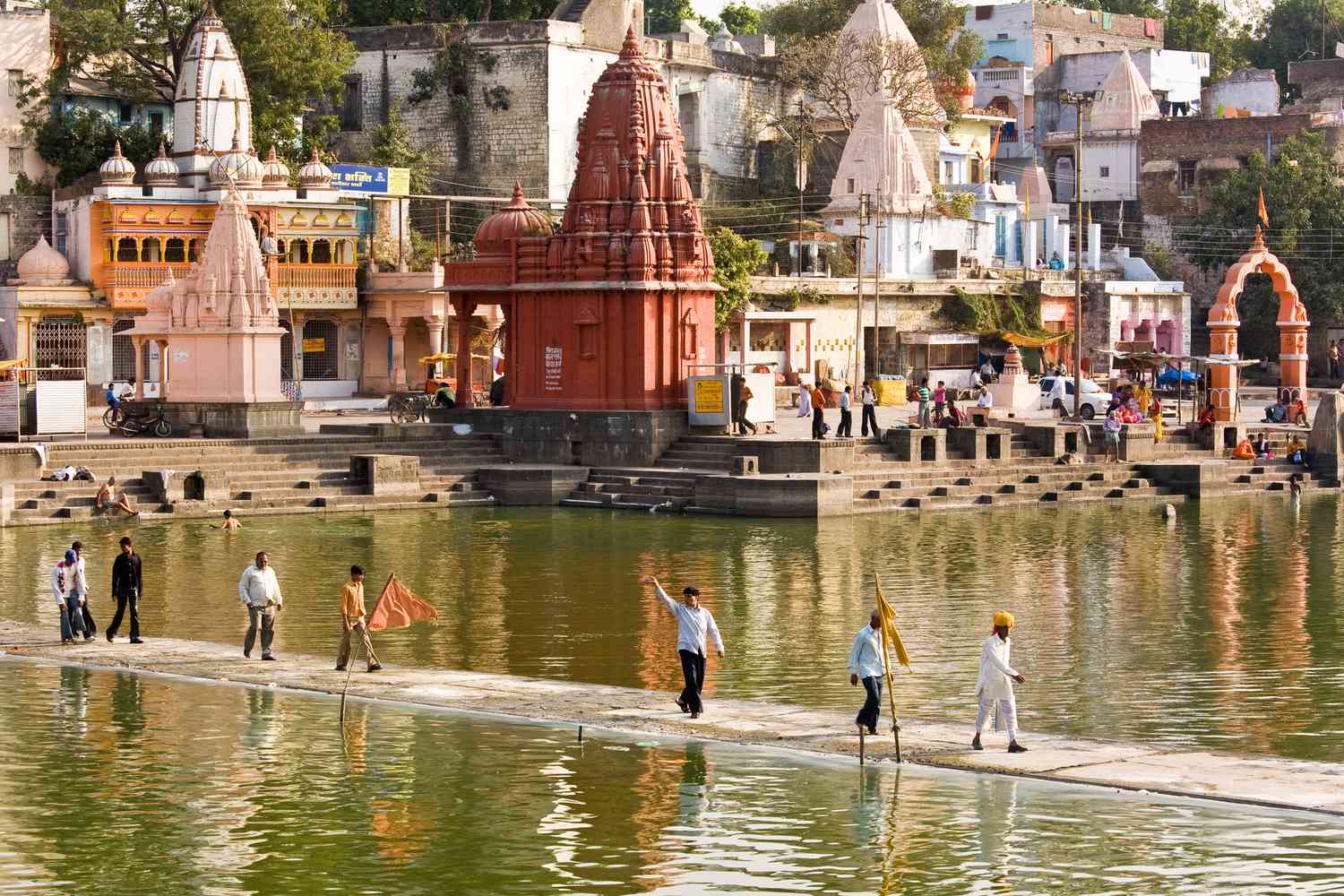
Ujjain is particularly renowned for hosting one of the largest religious gatherings in the world, the Simhastha Kumbh Mela. This grand event takes place every twelve years, attracting millions of pilgrims from around the globe. The Simhastha Kumbh Mela is a spectacle that showcases the vibrant tapestry of India’s spirituality, where devotees immerse themselves in the holy waters of the Kshipra River to cleanse their sins and seek blessings. The riverbanks come alive with saints, sadhus, and seekers, creating an unforgettable atmosphere of fervent devotion and cultural splendour.
Mahakaleshwar Temple: A Celestial Abode:
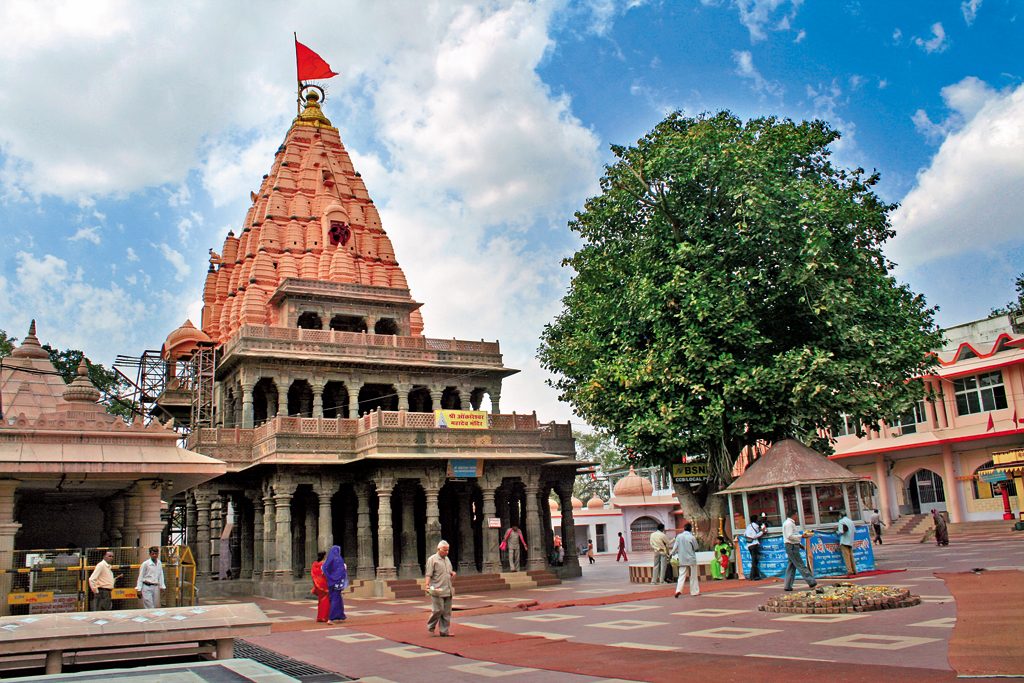
At the heart of Ujjain stands the iconic Mahakaleshwar Temple, a jewel in the city’s spiritual crown. This ancient temple is dedicated to Lord Shiva and is one of the twelve Jyotirlingas, the most sacred shrines of Lord Shiva scattered across India. The temple’s distinctive feature is its lingam (phallic symbol), which is believed to be one of the five elemental representations of Lord Shiva in his fierce form. The daily rituals, the rhythmic chants, and the mesmerizing evening aarti (worship) infuse the air with an aura of transcendence and serenity.
Breathtaking Temples: Hubs of Devotion:
Ujjain is dotted with numerous temples that reflect the city’s spiritual essence. The Kal Bhairav Temple, dedicated to the fierce manifestation of Lord Shiva, is another significant religious site where devotees pay their respects. The Sandipani Ashram, associated with Lord Krishna’s childhood, adds a touch of divine nostalgia to the city. The Harsiddhi Temple, the Chintaman Ganesh Temple, and the Gopal Mandir are other revered places of worship that beckon visitors to experience the divine embrace of Ujjain.
Astronomy and Timekeeping: The Ved Shala:
Beyond its spiritual significance, Ujjain has also been an eminent centre for learning and scholarship. The Ved Shala, an ancient observatory built by the legendary king Vikramaditya, is a testament to the city’s deep connection with astronomy and timekeeping. Here, the learned scholars of yesteryears studied the celestial bodies and predicted astronomical events with astonishing precision. Today, the Ved Shala remains a living heritage, reminding visitors of Ujjain’s rich intellectual and scientific legacy.
Cultural Extravaganza: Festivals of Colors and Lights:
Ujjain is a city that loves celebrating life, and its festive spirit is infectious. The city comes alive during festivals like Holi, where colours paint the air with joy and togetherness. Diwali, the festival of lights, illuminates every nook and cranny, turning Ujjain into a sparkling wonderland. The Kartik Mela, a month-long celebration held during November, attracts artisans, musicians, and performers from all over the country, adding a vibrant cultural extravaganza to the city’s spiritual aura.
Mysterious Siddhavat: A Sacred Banyan Tree:
The city also boasts a mysterious and sacred banyan tree called Siddhavat. Legend has it that this tree grants wishes to those who tie a sacred thread around its branches. As you stroll under its vast canopy, you can’t help but marvel at the air of mysticism that envelops this ancient symbol of hope and faith.
The Taste of Tradition: Ujjain’s Culinary Delights:
No journey to Ujjain would be complete without savouring its delectable culinary treats. The city’s gastronomic delights range from mouthwatering street food like poha, kachori, and Bhutto ka kees to sumptuous traditional thalis offering an array of flavours and textures. A visit to Ujjain is a true feast for the senses, leaving visitors spiritually nourished and gastronomically satisfied.
Ujjain: A Tapestry of Timeless Traditions:
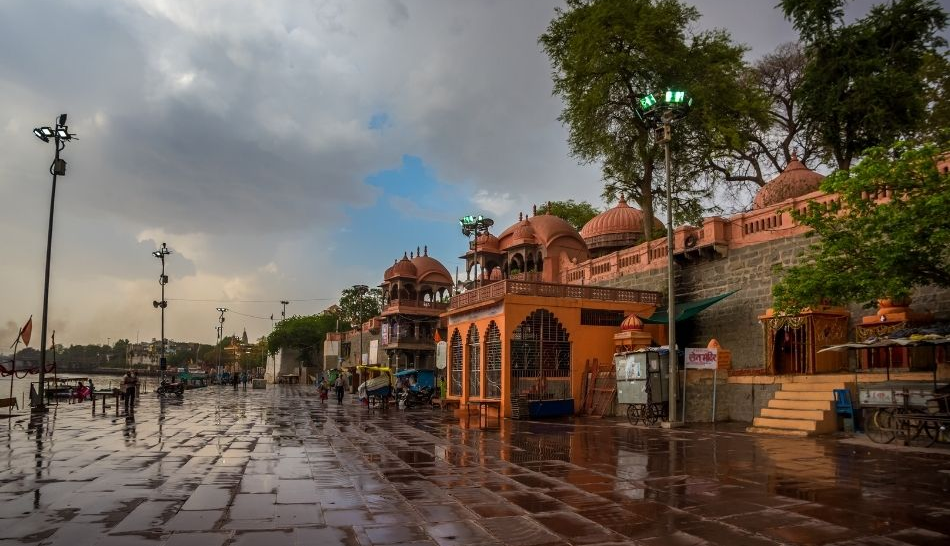
As the sun sets over the sacred city, the sound of temple bells and the hum of spiritual chants fill the air, creating a mystical ambience that transcends the boundaries of time. Ujjain is a living embodiment of India’s ancient cultural and religious heritage, where the threads of tradition and modernity are intricately woven together. This sacred city offers a spiritual journey where every step is an enchanting dance with divinity.
Whether you seek spiritual solace or are an avid explorer of history and culture, Ujjain beckons you with open arms. In the embrace of this sacred city, you will discover the roots of ancient India and a vibrant tapestry of life where time dances with divinity. Come, lose yourself in Ujjain’s enchanting charm, and immerse your soul in this sacred land’s timeless traditions.
Kodaikanal – The Lake City
May 20, 2023 in Tamilnadu, Destinations
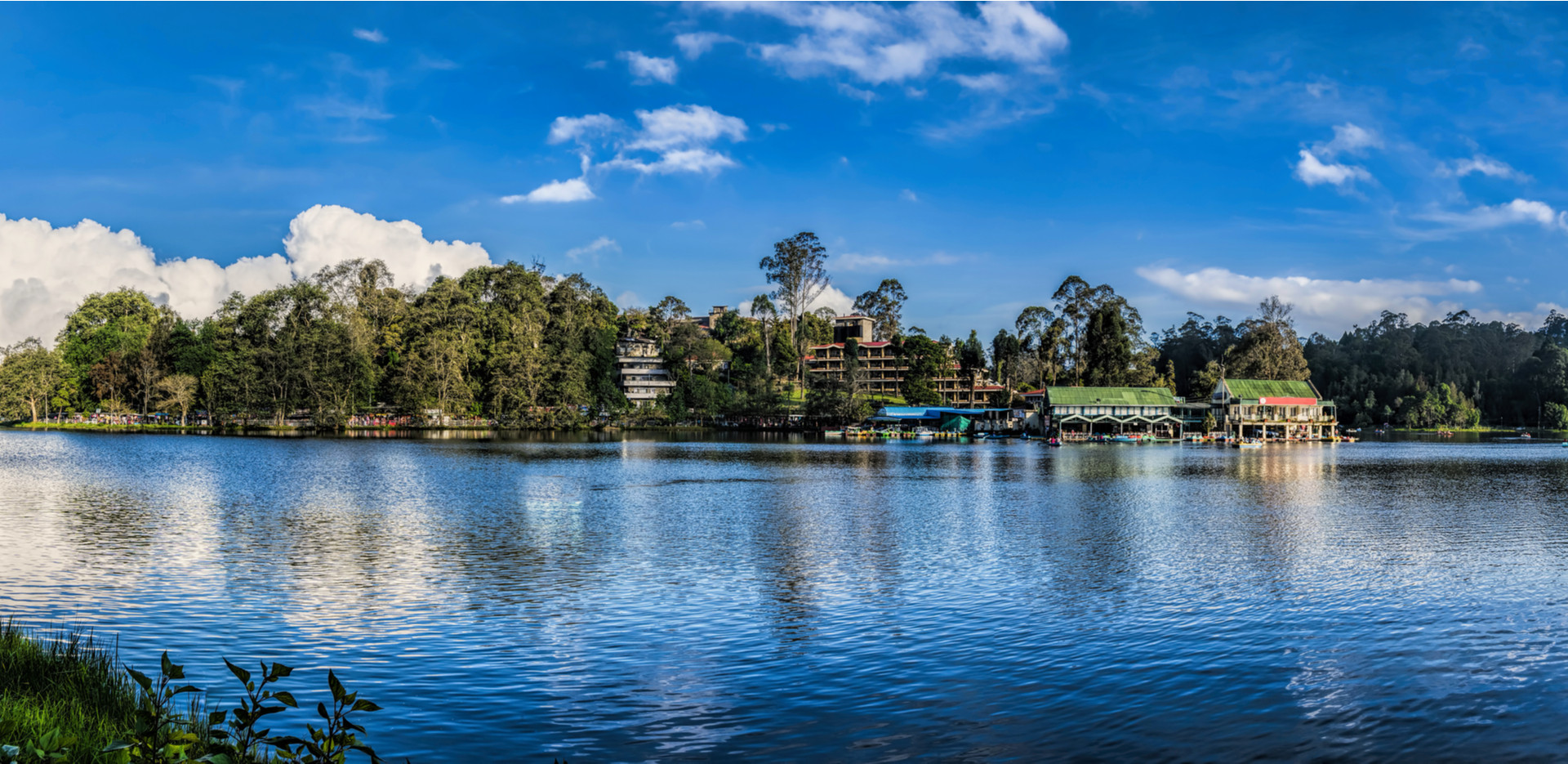
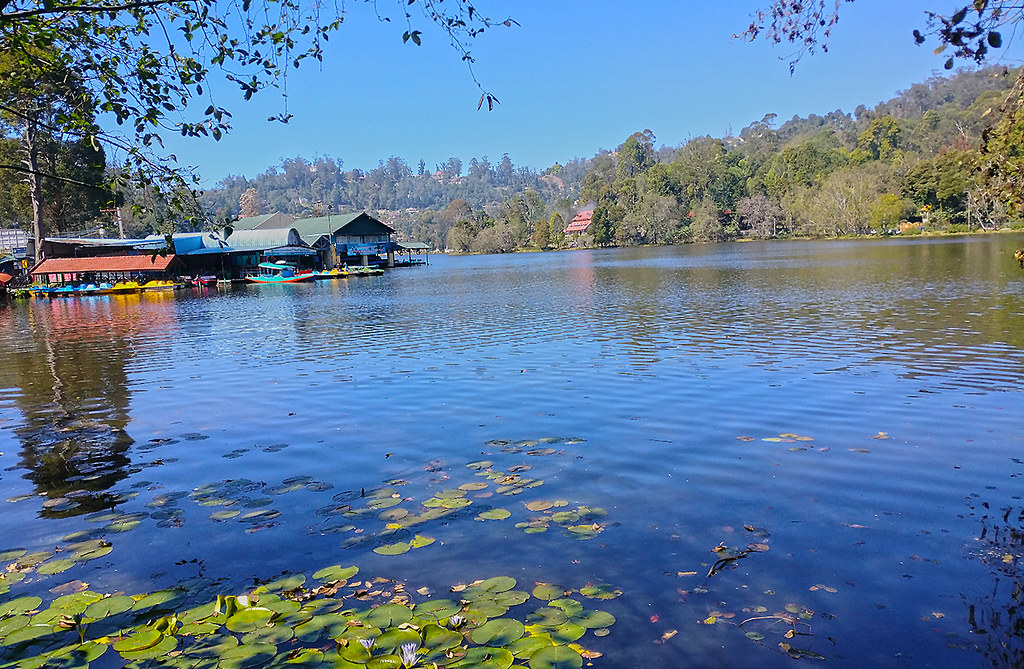
Amidst the verdant hills of the Western Ghats in the southern state of Tamil Nadu, India, lies a tranquil oasis known as Kodaikanal. Enchantingly called “The Lake City,” Kodaikanal is a haven of serenity and natural beauty that captures the hearts of all who visit. With its pristine lakes, misty mountains, and lush greenery, this picturesque hill station offers every traveller a deep and rejuvenating experience.
Kodaikanal was first established as a hill station by the British in 1845. It was initially a summer retreat for the British colonialists but soon became a popular tourist destination for Indians and foreigners. Today, Kodaikanal is one of India’s most popular hill stations and is visited by tourists from all over the world. The city is situated at an altitude of 2,133 meters above sea level and is surrounded by the Palani Hills. The climate in Kodaikanal is cool and pleasant all year round. The average temperature in the summer is around 20 degrees Celsius, and in the winter, it is about 10 degrees Celsius. The climate in Kodaikanal is cool and pleasant throughout the year, making it an ideal destination for a summer getaway. The best time to visit Kodaikanal is from April to June when the weather is incredible and the skies are clear.
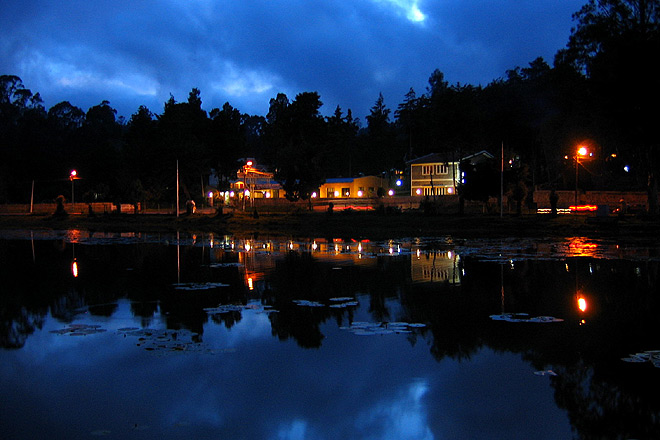
One of the defining features of Kodaikanal is its stunning lakes that dot the landscape like shimmering jewels. The star attraction among them is Kodai Lake, a man-made marvel that spreads across a vast area and serves as the city’s heart. The Kodai Lake is surrounded by lush green hills and vibrant flowers. The Kodai Lake offers a serene setting for visitors to relax and unwind. Boating in the lake’s tranquil waters is a popular activity, allowing visitors to soak in the breathtaking views of the surrounding landscape. As the sun sets, the lake takes on a mystical aura with its shimmering reflections, creating a magical ambience that leaves a lasting impression.
Besides Kodai Lake, Kodaikanal boasts several other pristine lakes that add to its allure. The Berijam Lake, nestled amidst dense forests and rolling hills, is a paradise for nature enthusiasts. Its crystal-clear waters and panoramic vistas make it an ideal spot for picnics and nature walks. The serene Mannavanur Lake, located in the picturesque village of Mannavanur, is another gem that offers a peaceful escape from bustling city life. These lakes offer visual delights and provide a refreshing respite from the scorching summer heat, making Kodaikanal a favoured destination throughout the year.
Kodaikanal’s natural splendour extends beyond its lakes to its verdant landscapes and mist-covered mountains. The town is blessed with an abundance of lush forests and meadows that are perfect for trekking and hiking adventures. The Coaker’s Walk, a scenic promenade along the edge of steep cliffs, offers breathtaking views of the surrounding valleys and the distant plains. The Pine Forests, with their towering trees and carpet of pine needles, create an ethereal ambience that transports visitors to a different realm. The Dolphin’s Nose, a rocky outcrop resembling a dolphin’s nose, provides a vantage point to behold the stunning panoramic views of the rolling hills and valleys below. Exploring these natural wonders is a must for anyone seeking solace in the lap of nature.
In addition to its natural attractions, Kodaikanal is steeped in a rich cultural heritage that adds depth to its charm. The town is home to several ancient temples that are architectural marvels and hold great religious significance. The Kurinji Andavar Temple, dedicated to Lord Murugan, is renowned for its Kurinji flower, which blooms once every twelve years, turning the hillsides into a sea of blue. The Pillar Rocks, a set of three towering granite pillars, are a testament to the town’s geological wonders and are surrounded by lush greenery and stunning viewpoints. These cultural landmarks link to Kodaikanal’s past and offer a glimpse into the customs and traditions of the region. The culture of Kodaikanal is a mix of the traditional Tamil and British colonial cultures. The town has a number of temples, churches, and mosques, reflecting the religious diversity of the population. There are also a number of schools and colleges which provide education in a variety of subjects. The town is well-known for its handicrafts, which include woodcarving, pottery, and leatherwork. It is also home to a number of industries, such as tourism, horticulture, and dairy farming.
The people of Kodaikanal are friendly and welcoming. The town has many hotels, restaurants, and cafes which cater to tourists. There are also many shops selling souvenirs and other items. Kodaikanal is a popular destination for both Indian and foreign tourists. The town receives a large number of visitors from all over the world.
Kodaikanal is also a hub for adventure enthusiasts, offering various activities to get the adrenaline pumping. Trekking to the breathtaking Vattakanal Falls or the majestic Silver Cascade waterfall provides an exhilarating experience amidst nature’s raw beauty. For the daring souls, the exciting sport of paragliding offers an opportunity to soar high above the hills and lakes, providing a bird’s-eye view of the stunning landscapes below. The town also offers opportunities for horse riding, cycling, and camping, allowing visitors to immerse themselves in the adventurous spirit of Kodaikanal.
No visit to Kodaikanal is complete without indulging in its delectable culinary offerings. The town is famous for its homemade chocolates, a delightful treat for any chocolate lover. The bustling streets are adorned with shops offering a variety of flavours and styles, making it a paradise for chocolate connoisseurs. The local cuisine of Kodaikanal is a tantalizing blend of traditional Tamil flavours and unique hill station specialties. From steaming hot idlis and dosas to piping hot soup and freshly brewed tea, the food in Kodaikanal is a culinary delight that satisfies both the taste buds and the soul.
With its serene lakes, misty mountains, and vibrant culture, Kodaikanal is a destination that leaves a lasting impression on every traveller. Whether you seek tranquillity amidst nature, thrilling adventures, or a glimpse into the cultural heritage of Tamil Nadu, Kodaikanal has something for everyone. As you breathe in the fresh mountain air and immerse yourself in the beauty of this hill station, you will find yourself enchanted by the captivating charm of “The Lake City.”

Bhopal – The City of Lakes
May 20, 2023 in Madhya Pradesh, Destinations
In India’s heart, Bhopal, known as “The Lake City,” is a vibrant and enchanting destination that effortlessly blends history, culture, and natural beauty. With its rich heritage, stunning lakes, and architectural marvels, Bhopal offers a unique experience to its visitors. It is one of the greenest cities in India and one of the few places where the natural environment is still intact. The city has a number of tourist attractions, including the Taj-ul-Masajid, one of the largest mosques in India, and the ancient Buddhist stupa of Sanchi.
The first thing that captures your attention upon arriving in Bhopal is the breathtaking beauty of its lakes. Bhopal is adorned with enchanting lakes, with the Upper Lake (Bada Talab) and Lower Lake (Chhota Talab) being the most prominent ones. These man-made lakes, built during the reign of King Bhoja in the 11th century, are not just a picturesque sight but also serve as a crucial water source for the city. The shimmering waters, surrounded by lush greenery and dotted with quaint islands, create a serene and tranquil ambience. Visitors can enjoy boating, water sports or simply soak in the peaceful atmosphere as they stroll along the lakeside promenades.
The lakes and the hills around them make Bhopal’s geography unique. The lakes help to regulate the temperature of the city and also provide a natural habitat for a variety of birds and animals. The hills offer a panoramic view of the city and the lakes.

Bhopal is a city with a rich history and culture. It was the capital of the former princely state of Bhopal and was ruled by the Nawabs of Bhopal. The town was founded in the 11th century by the Parmar Raja Bhoj and was later ruled by the Mughal Empire and the Maratha Empire. Bhopal became a princely state of the British Raj in 1818 and was annexed to the Indian Union in 1949. The city has several monuments, museums and galleries that reflect its rich past.
Bhopal is also a major educational and research centre. It is home to many institutions, including the Indian Institute of Science Education and Research, the National Institute of Fashion Technology, and the Maulana Azad National Institute of Technology.
Apart from its natural splendour, Bhopal boasts a rich historical and cultural heritage. The city is steeped in history, with traces of various dynasties that have ruled over it. One of the iconic landmarks of Bhopal is the magnificent Taj-ul-Masjid, one of the largest mosques in Asia. Its stunning architecture, adorned with intricate designs and graceful domes, is a testament to the grandeur of the Mughal era. The mosque was built by the Mughal Emperor Shah Jahan in the 17th century and is a fine example of Mughal architecture. The mosque is white marble and has a large central dome and four minarets. The Taj-ul-Masajid is open to visitors year-round and must-visit for all history buffs.
Another architectural gem is the Shaukat Mahal, an exquisite blend of Indo-Islamic and European styles. This enchanting palace, with its delicate latticework and intricately carved arches, stands as a living testimony to the artistic brilliance of the past.
Bhopal also houses several museums that glimpse its history and culture. The State Museum, also known as Bharat Bhavan, showcases a vast collection of artifacts, paintings, and sculptures that depict the rich cultural heritage of Madhya Pradesh. The Bhopal Archaeological Museum is another treasure trove, housing a diverse range of ancient artifacts, including sculptures, coins, and paintings, which offer insights into the region’s glorious past. These museums serve as a gateway to the bygone era, enabling visitors to delve deeper into the roots of Bhopal’s heritage.

The city’s vibrant culture is best experienced through festivals and traditional arts. Bhopal is renowned for its classical and folk music, celebrated through various festivals like the Bhopal Utsav and Tansen Music Festival. These events bring together famous artists from across the country, creating an atmosphere filled with melodious tunes and soulful performances. The city’s vibrant arts and crafts scene is reflected in the famous beadwork, embroidery, and zardozi (metal embroidery) that adorn clothing and accessories. Visitors can witness the skilled artisans and even purchase these exquisite creations as souvenirs.
Bhopal’s culinary scene is another aspect that must be addressed. The city offers various delectable delicacies that cater to every palate. From lip-smacking street food like spicy chaats, kebabs, and pani puri to the rich and aromatic flavours of the traditional Nawabi cuisine, Bhopal is a food lover’s paradise. The city’s iconic dish, “Bhopali Gosht Korma,” a slow-cooked mutton curry, is a must-try for anyone seeking an authentic culinary experience.
For nature enthusiasts, Bhopal has several lush green parks and wildlife sanctuaries nearby. The Van Vihar National Park is a sprawling expanse of natural beauty, home to a diverse range of flora and fauna. Visitors can take a safari ride through the park and witness animals like tigers, lions, bears, and various species of deer in their natural habitat. The Bhimbetka Rock Shelters, a UNESCO World Heritage Site, is another marvel near Bhopal. These prehistoric rock shelters showcase ancient cave paintings dating back thousands of years, providing a glimpse into the lives of our early ancestors.
With its blend of history, culture, and natural wonders, Bhopal is a city that leaves a lasting impression on its visitors. It is a testament to the beauty of the convergence of tradition and modernity. Whether you are a history buff, a nature lover, or an avid explorer, Bhopal offers something for everyone. So, pack your bags and get ready to immerse yourself in the captivating charm of “The Lake City.”

Shillong – The Lake City of Northeast
May 20, 2023 in Meghalaya, Destinations
One of the most fascinating features of Shillong is its stunning lakes, which dot the landscape and add to the city’s charm. The town has several mesmerizing lakes, including the famous Ward’s, Umiam, and Elephant Falls.
- Elephanta Falls is a set of three cascading waterfalls just outside the city. The best time to visit the falls is between June and September when the water flow is at its peak.
- Ward’s Lake, located in the heart of Shillong, is a serene oasis amidst the bustling city. Encircled by lush gardens and vibrant flower beds, the Lake provides a peaceful retreat where visitors can enjoy boating, leisurely walks, and picnics.
- Umiam Lake, also known as Barapani Lake, is a majestic reservoir surrounded by hills, offering breathtaking views and a tranquil environment. The crystal-clear waters of Umiam Lake, set against the backdrop of verdant landscapes, create a picture-perfect setting that calms the senses and rejuvenates the soul.
- Shillong Peak is the highest point in the city and offers stunning views of the surrounding hills and valleys. It is a popular spot for trekking and camping.
- Sweet Falls is another beautiful waterfall close to the city. It is best to visit the falls between June and September.
- Don Bosco Centre for Indigenous Cultures is a museum that houses a collection of artifacts and exhibits related to the indigenous cultures of Meghalaya.
- Mawsmai Cave is a popular tourist spot just outside the city. The cave is home to a number of stalactites and stalagmites.
Shillong’s cultural heritage is deeply ingrained in the traditions and lifestyle of the indigenous Khasi community, who have inhabited the region for centuries. The city is known for its vibrant music scene and deep-rooted love for rock music. Shillong has earned the reputation of being the “Rock Capital of India,” producing several renowned musicians and hosting music festivals that attract talent nationwide. The vibrant atmosphere and passion for music can be experienced at numerous live music venues and cafes in the city. Additionally, the Khasi people celebrate their unique customs and traditions through colourful festivals, such as the Nongkrem Dance Festival and the Wangala Festival, which showcase their rich cultural heritage and offer visitors a glimpse into their way of life.

Shillong’s natural beauty extends beyond its lakes. The city is home to numerous waterfalls that cascade down the hills, creating a breathtaking sight. The Elephant Falls, located just a short drive from the city centre, is a three-tiered waterfall surrounded by lush greenery. The gushing waters, surrounded by moss-covered rocks and tall trees, create a mesmerizing spectacle that captivates the senses. The Sweet Falls and Bishop Falls are other notable waterfalls in the region, each with unique charm and tranquil ambience. Exploring these waterfalls and immersing oneself in the serene surroundings offers a respite from the hustle and bustle of daily life and allows for a deep connection with nature.
Shillong’s landscapes also offer opportunities for adventure and exploration. The hills and valleys surrounding the city provide ample opportunities for trekking, hiking, and nature walks. The picturesque trails offer viewpoints offering panoramic views of the city, its surrounding hills, and the valleys below. The David Scott Trail and the Living Root Bridges trek are popular choices among nature enthusiasts, offering a chance to witness the region’s unique biodiversity and marvel at the incredible engineering feat of the living root bridges.

The culinary scene in Shillong reflects the city’s cultural diversity and the influence of Khasi cuisine. Visitors can indulge in authentic Khasi delicacies, such as Jadoh (a meat and rice dish), Dohneiiong (pork cooked in black sesame paste), and Tungrymbai (fermented soybean curry). Exploring the local markets and street food stalls is a delightful experience, offering a taste of the vibrant flavours and spices that define the region’s cuisine.
Shillong, the Lake City, offers a serene escape amidst nature’s splendour. With its pristine lakes, cascading waterfalls, and cultural richness, the city provides a perfect getaway for those seeking tranquillity and a deeper connection with the natural world. Whether you explore the scenic landscapes, immerse yourself in the local culture, or simply unwind by the lakeshores, Shillong promises an unforgettable experience that will leave you longing to return to its enchanting embrace.
Udaipur – The Venice of the East
May 20, 2023 in Rajasthan, Destinations
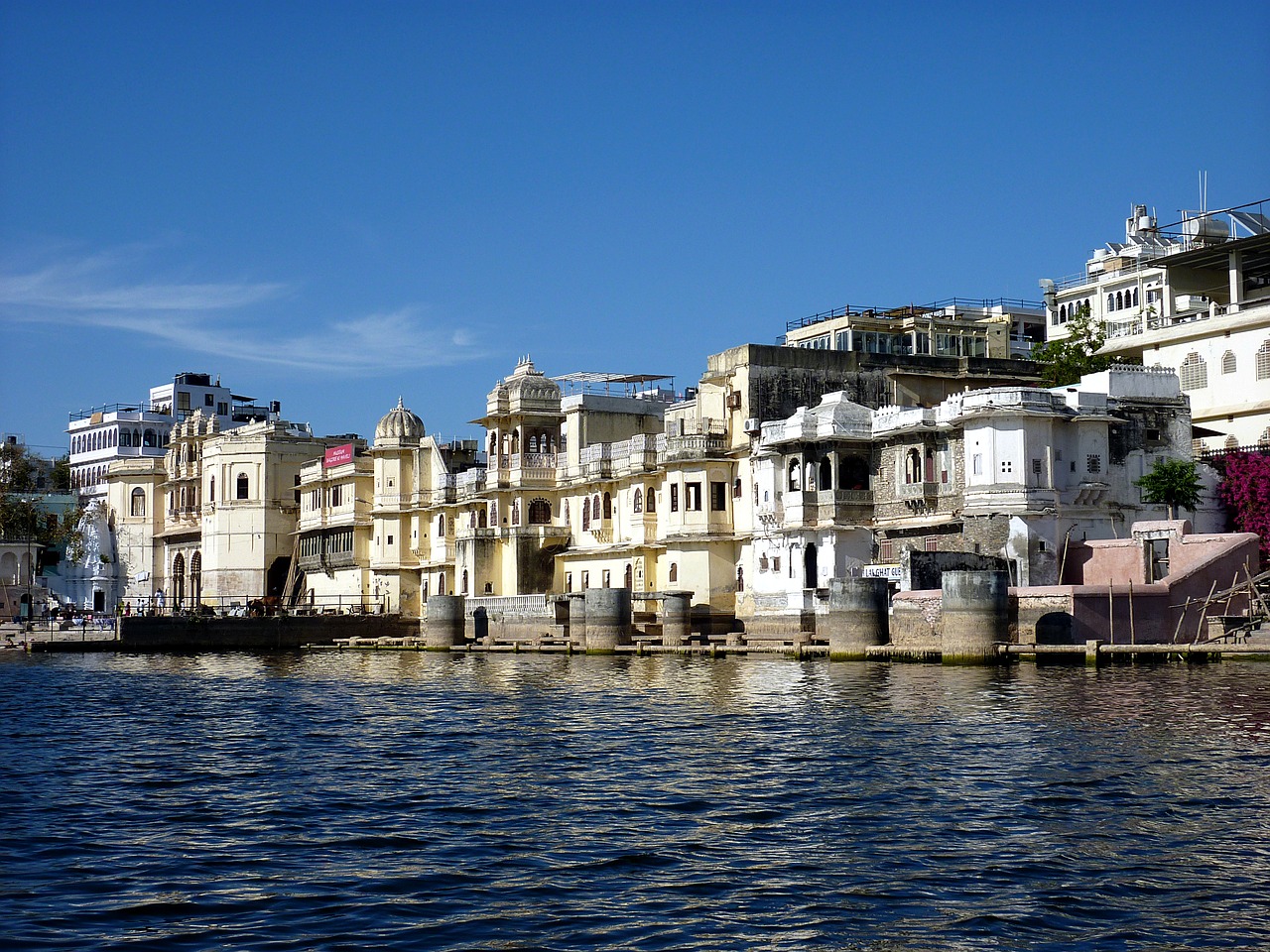
Nestled in the heart of Rajasthan, the royal state of India, lies the enchanting city of Udaipur. With its shimmering lakes, opulent palaces, and rich cultural heritage, Udaipur is rightfully known as “The Lake City.” This mesmerizing destination offers a perfect blend of regal grandeur, architectural splendor, and serene natural beauty, captivating the hearts of travelers from around the world.
Udaipur, the City of Lakes, is one of India’s most popular tourist destinations. It is also known as the Venice of the East. The city is located in the southern state of Rajasthan, at the edge of the Aravalli Range. Udaipur was founded in 1559 by Maharana Udai Singh II, of the Sisodia clan of Rajputs, as the final capital of the Mewar Kingdom. It was previously known as Mewar, founded in 734 AD by Maharana Udai Singh I.
The Mewar Kingdom was one of Rajasthan’s largest and most powerful kingdoms. It was ruled by powerful rulers who expanded the kingdom and built several forts and palaces. The kingdom reached its height under Maharana Pratap, who ruled from 1572 to 1597. Under his rule, the kingdom expanded to include most of Rajasthan. He was also a great warrior and is considered one of the most famous heroes in Indian history. The Mewar Kingdom declined in the early 18th century due to many factors, including weak rulers, internal strife, and invasions by the Marathas and the Afghans. In 1753, the kingdom was annexed by the Maratha Empire. However, the Marathas could not hold on to the kingdom for long, and the British soon took over it.
Udaipur remained the capital of the Mewar Kingdom until 1818 when it was annexed by the British. The Mewar rulers were given the title of Raja and were allowed to keep their lands. The city continued to grow under British rule and became a popular tourist destination in the early 20th century. Udaipur is a beautiful city with a rich history and culture. It is home to several palaces, forts, and temples, as well as a number of lakes. The city also has handicrafts, paintings, and silver jewelry.
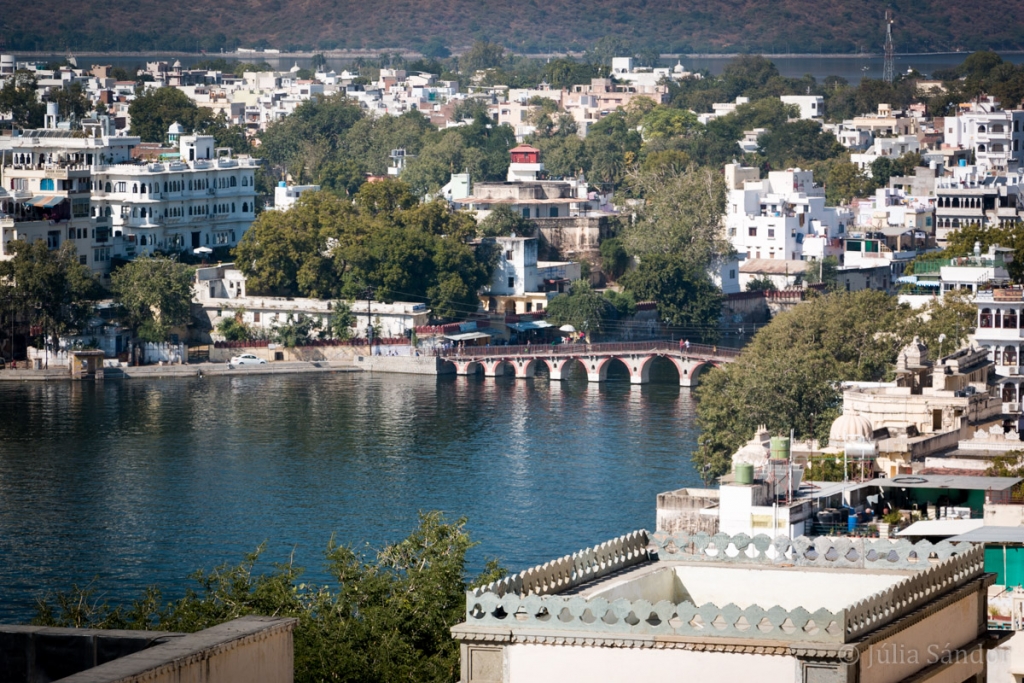
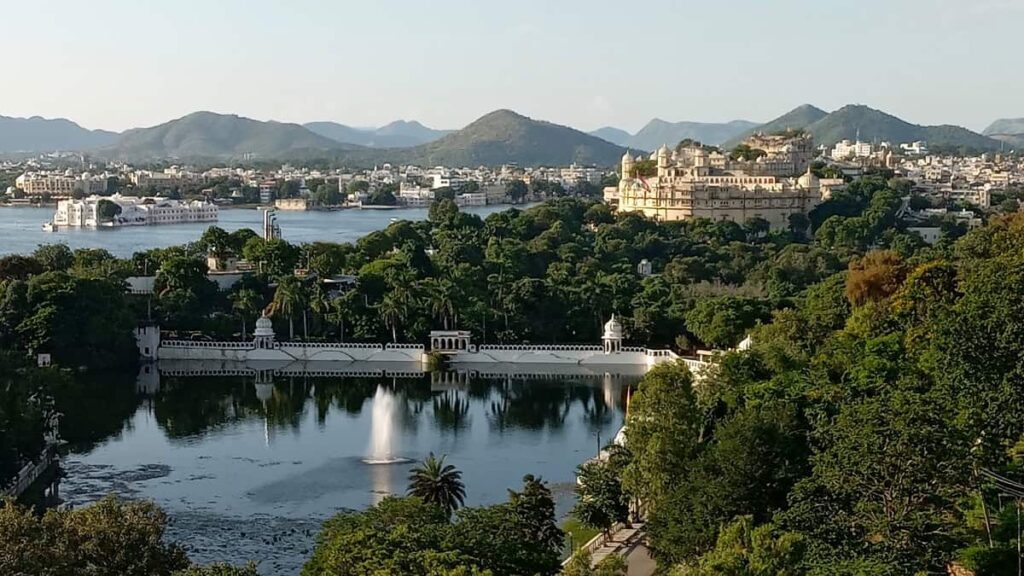
One must mention its iconic lakes to talk about Udaipur. The city has several picturesque lakes, including the famous Lake Pichola, Fateh Sagar Lake, and Udai Sagar Lake. Among these, Lake Pichola reigns supreme and is the centerpiece of Udaipur’s charm. The lake stretches across an expansive area, flanked by magnificent palaces, verdant hills, and ancient temples. A boat ride on Lake Pichola is a quintessential Udaipur experience, offering breathtaking views of the surrounding landscape and the ethereal beauty of the Lake Palace and Jag Mandir, two architectural marvels that seem to float on the tranquil waters. As the sun sets, the lake and its surroundings come alive with a golden hue, creating a magical ambiance that leaves visitors spellbound.
Udaipur’s palaces and forts testify to the city’s regal past and architectural brilliance. The City Palace, perched on a hill overlooking Lake Pichola, is a magnificent complex that showcases a fusion of Rajput and Mughal architectural styles. The palace is a labyrinth of courtyards, corridors, and opulent chambers adorned with intricate carvings, colorful murals, and mirrorwork. Exploring the City Palace is like stepping back in time, as each nook and cranny unveils tales of the Mewar dynasty’s valor, romance, and grandeur.
Another architectural gem is the majestic Jag Mandir, an exquisite marble palace on an island in Lake Pichola. Its stunning architecture and picturesque setting make it a popular venue for weddings and celebrations. The palace offers a tranquil retreat for visitors, with beautifully landscaped gardens, pavilions, and a serene ambiance that transports you to a bygone era of royalty.
Udaipur’s cultural heritage is deeply rooted in its vibrant traditions, colorful festivals, and artistic pursuits. The city is renowned for traditional Rajasthani handicrafts, particularly miniature paintings, exquisite textiles, and intricately designed silver jewelry. The bustling markets of Udaipur, such as Hathi Pol and Bada Bazaar, offer a treasure trove of handicrafts and souvenirs that allow visitors to take a piece of Udaipur’s rich culture back home.
For those seeking spiritual solace, Udaipur has an array of ancient temples that reflect the city’s religious diversity and architectural splendor. The Jagdish Temple, built in the Indo-Aryan style, is dedicated to Lord Vishnu and is a significant pilgrimage site. The temple’s intricately carved pillars, beautifully sculpted ceilings, and ornate spires leave visitors in awe of the craftsmanship that went into its creation. The Eklingji Temple, located in the nearby town of Eklingji, is another must-visit destination. This temple complex, dedicated to Lord Shiva, comprises 108 temples adorned with intricate carvings and ornamental archways, providing spiritual and architectural delight.
Udaipur is also known for its vibrant festivals, which showcase its exuberant culture and traditions. The most famous festival is the Mewar Festival, celebrated during the onset of spring. The festival is a riot of colors, with locals dressed in traditional attire, cultural performances, and a grand procession culminates in the Gangaur Ghat, where illuminated boats are set afloat on Lake Pichola, creating a spectacle of lights and reflections.
The culinary delights of Udaipur are a treat for the taste buds, with the city offering a rich tapestry of flavors and aromas. Rajasthani cuisine is known for its spicy curries, delectable sweets, and unique preparations like Dal Baati Churma, Gatte ki Sabzi, and Ker Sangri. Udaipur’s rooftop restaurants and heritage hotels serve authentic Rajasthani cuisine, allowing visitors to savor the royal flavors while enjoying panoramic views of the city’s architectural wonders.
The Lake City Udaipur offers a perfect blend of royalty, tranquility, and cultural richness. With its shimmering lakes, grand palaces, vibrant markets, and many artistic expressions, Udaipur is a destination that captures the essence of Rajasthan’s regal charm. Whether you seek to immerse yourself in history, indulge in artistic pursuits, or simply bask in the serenity of the lakes, Udaipur beckons with open arms, promising an unforgettable experience that will leave you longing to return to its majestic embrace.
