



Darjeeling’s Tea Tourism: A Symphony of Senses in the Champagne of Teas
August 4, 2023 in West Bengal

The town of Darjeeling, which is located in the undulating hills of West Bengal, is a place that exemplifies both tranquilly and the glorious beauty of nature. Nevertheless, in addition to its stunning vistas and historical charm, the area has carved out a special place for itself in the world of tea tourism. Tea lovers and tea aficionados alike are invited to go on a sensory trip through the complexities of the tea-making process by Darjeeling’s famed tea gardens, which are characterised by their verdant stretches of emerald green.
The very word of Darjeeling conjures up pictures of expansive tea plantations, where rows of tea plants that have been expertly cultivated form a mesmerising tapestry against the background of the Eastern Himalayas. A reputation that extends beyond national boundaries has been bestowed upon Darjeeling tea as a result of the region’s distinctive terrain and climate conditions, as well as the knowledge of tea growers who have been in the business for generations. The unusual flavour, delicate scent, and superb character of this tea have earned it the title of “Champagne of Teas,” and it is acclaimed for all of these qualities.
It is impossible to dig into the world of Darjeeling’s tea tourism without first appreciating the significant role that the renowned tea gardens that dot the landscape play in the industry. Castleton, Margaret’s Hope, Glenburn, and Happy Valley are just few of the legendary names that have become linked with the artistic quality of Darjeeling tea. few of these names are Happy Valley. The various flavour profiles that are characteristic of Darjeeling teas are a result of the fact that each estate in Darjeeling has its own distinct terroir.
The trip into the heart of Darjeeling’s tea culture starts with a visit to these prominent tea estates, where the air is filled with the intoxicating scent of newly harvested tea leaves. This is the beginning of the adventure. The Castleton Tea Estate, which is located at an elevation of four thousand feet, is a demonstration of the skill that is required to cultivate tea. Teas with muscatel overtones, which are characteristic of Darjeeling’s second flush teas, are produced, thanks to the estate’s verdant hills. Margaret’s Hope, which is surrounded by a foggy embrace, provides a magnificent experience with its high-altitude teas, which are renowned for their flowery and fruity overtones.
As tourists make their way through the expansive tea fields, they are able to see the delicate dance of tea pluckers. These trained individuals use their hands to choose the two leaves and a bud that are the essence of Darjeeling tea. This painstaking operation, which is sometimes referred to as “fine plucking,” ensures that only the freshest and most fragile leaves are selected, which contributes to the tea’s complex flavours. A cultural element is added to the sight of tea-making by the rhythmic rustling of tea pluckers who are clothed in colourful traditional clothing.
Visiting the tea farms also affords visitors the unique chance to see the complex process of tea production firsthand, which is an uncommon experience. There is a reverberation of the buzz of machinery and the rich perfume of tea leaves undergoing metamorphosis that can be heard emanating from the tea factories that are tucked among the beautiful hills. The path of brewing tea begins with the withering process, which involves spreading out newly picked leaves in order to dry them out and lower the amount of moisture they contain. After shedding part of their water content, the leaves go to the rolling stage, where they are gently twisted in order to release enzymes that catalyse the fermentation process. This step is the fourth and final stage.
During the fermenting process, which is an essential step in the production of Darjeeling tea, meticulous monitoring is performed in order to obtain the flavour profile that is desired. Darjeeling tea may be divided into three separate categories: first flush, second flush, and autumnal. These classifications are derived from the varying amounts of oxidation. The first flush, which is collected in the spring, is renowned for its light and flowery notes, whilst the second flush, which is harvested in the late spring and early summer, is characterised by a heavier body and a muscatel flavour. Teas collected in the autumn have a powerful flavour profile that has a sense of maturity. These teas are harvested later in the year.
The fire process is the culmination of the trip through the tea-making process. During this procedure, the tea leaves are exposed to regulated heat in order to halt the fermentation process and preserve the flavours. Because of this, there is a wide variety of Darjeeling teas, each of which has its own distinct personality and appeal. A sensory trip that resonates with tea enthusiasts all around the globe is unfolded by Darjeeling’s teas, which range from the delicate muscatel scent of a second flush tea to the briskness of a first flush tea when it comes to the tea.

Tea tourism provides visitors with an immersive experience that goes beyond the tea farms and includes the picturesque tea bungalows that are scattered throughout the region. These homes, which date back to the colonial period and are completely immersed in history, provide a look into the past of British planters who were responsible for shaping Darjeeling’s tea heritage. A magnificent refuge in the middle of the picturesque tea gardens is provided by accommodations such as the Glenburn Tea Estate and the Singtom Tea Estate. These accommodations provide visitors the opportunity to enjoy the peace and quiet of the hills while also participating in tea tasting sessions that have been carefully designed.
It is very necessary to pay a visit to the Tea Research and Development Centre in order to get a more in-depth understanding of the cultural fabric that comprises Darjeeling’s tea legacy. Insights into the continuous efforts to maintain and improve Darjeeling’s tea industry are provided by this institution, which is committed to developing the science and art of tea farming. The centre is responsible for doing research on novel tea kinds, production methods, and sustainable practices. This research helps to ensure that Darjeeling’s tea heritage will endure despite the changing trends that are occurring throughout the world.
Darjeeling’s tea tourism also includes participation programmes, which allow visitors to try their hand at picking tea leaves and get an insight of the complexities of tea processing. These programmes are available to people who are interested in gaining a hands-on educational experience. In addition to fostering a relationship between the tourists and the tea planters, these immersive experiences not only give a greater awareness for the labor-intensive nature of tea growing, but they also create a shared respect for the artistry that is involved in the production of Darjeeling tea.
Additionally, the allure of Darjeeling’s tea tourism is not limited to the hours of daylight. During the time when the light is sinking below the horizon, the mysterious charm of tea tasting sessions at night begins to unravel. The ethereal illumination of lanterns, the cold mountain wind, and the delicate perfume of tea being brewed all come together to create an atmosphere that is quite enchanting. As the night sky is filled with stars, guests take pleasure in the nuances of Darjeeling teas, with each taste connecting with the terroir and tradition of the area.
To summarise, Darjeeling’s tea tourism is an adventure that takes visitors deep into the heart of one of the most prestigious tea-producing areas throughout the globe. Every aspect of Darjeeling’s tea culture, from the world-famous tea plantations to the centuries-old tea-making practices, encourages visitors to go on a journey of the senses. The journey goes beyond only appreciating tea; it is an investigation into the landscapes, the people, and the stories that have contributed to Darjeeling’s transformation into a shining example of tea perfection. For those who are interested in immersing themselves in the art of tea-making, Darjeeling presents a world in which each cup of tea tells a story about the abundance of nature and the efforts of humans.

Darjeeling: A Symphony of Nature, Culture, & Colonial Charm
August 3, 2023 in West Bengal, Destinations
Darjeeling, which is located in the green hills of West Bengal, is a place that exemplifies both the extraordinary beauty of nature and the inventiveness of humans. This picturesque town, which is situated at an elevation of 6,710 feet, has earned the title of “Queen of the Hills,” and it has the ability to captivate the hearts of anybody who ventures into its embrace. Due to the fact that Darjeeling is renowned for its stunning scenery, cultural wealth, and colonial charm, it attracts tourists from all over the world who are interested in seeing its many attractions.
Even as the first rays of dawn delicately illuminate the eastern sky, it is impossible to avoid being drawn to Tiger Hill because of its magnetic attractiveness. This vantage point, which is located at an elevation of 8,482 feet, provides a breathtaking view of Kanchenjunga, which is the third-highest peak in the world. In the course of the sun’s ascent, its golden tendrils gradually reveal the magnificent peaks, illuminating the white tops with a warm light. There are pilgrims and enthusiasts alike who come to see this heavenly dance because of the ethereal beauty of this morning, which has come to be known as a legend.
In addition to being a wonder of engineering, the Batasia Loop, which is located in the heart of the green hills, is another gem in the crown of Darjeeling. A UNESCO World Heritage Site, the Darjeeling Himalayan Railway includes this spiral railway loop, which is an engineering accomplishment that dates back to 1919. It is an essential component of the railway infrastructure. Not only does the Batasia Loop provide an exciting trip for those who are passionate about toy trains, but it also gives a mesmerising 360-degree view of the mountains that are located in the surrounding area. These mountains are decked with colourful prayer flags that flutter in the wind from the mountains.
In the Padmaja Naidu Himalayan Zoological Park, there is a once-in-a-lifetime chance for anyone who are interested in being fully immersed in the region’s rich biodiversity. This zoological park, which was named after the renowned Padmaja Naidu, the daughter of Sarojini Naidu, is committed to the preservation of endangered Himalayan species as well as the creation of new generations of those species. Nestled against the background of the Eastern Himalayas, the park is home to a wide variety of unusual species, including the rare snow leopard, the well-known red panda, and a multitude of other remarkable animals. Visitors will be able to engage with the delicate ecosystems of the Himalayas via the creation of an immersive experience that is created by the lush vegetation and habitats that have been meticulously preserved.
As one makes their way through the cobblestone alleyways of Darjeeling, the Chowrasta Mall becomes apparent as the busy centre of the metropolitan area. A leisurely walk down this promenade, which is surrounded by colonial buildings, lively shops, and charming tea vendors, is something that tourists are encouraged to take pleasure in. The air is filled with the alluring scent of freshly brewed Darjeeling tea, which entices tea enthusiasts to indulge in the taste of the region’s most highly sought-after product. Residents of Darjeeling and visitors alike congregate in the Mall, which functions as a social centre, in order to take in the allure of Darjeeling’s eclectic cultural fabric.
An amazing ride over the mist-covered hills is what the Darjeeling Himalayan Railway, which is a wonder that is recognised on the UNESCO World Heritage List, offers to tourists. The miniature train, which is a representation of Darjeeling’s colonial history, travels through beautiful landscapes, small tunnels, and tall viaducts, providing a nostalgic view into a time that has long since passed. An immersive experience that goes beyond simple transportation and becomes a journey through time is created by the rhythmic chug of the steam engine, which, when combined with the panoramic vistas, produces, a journey through time.

The Mahakal Temple is a holy sentinel that overlooks Darjeeling, and it is a place of pilgrimage for those who have a passion for spiritual inquiry. This ancient temple, which is said to be devoted to Lord Shiva, emanates an atmosphere of devotion and tranquilly. By virtue of its location atop Observatory Hill, the temple not only provides a place of spiritual consolation but also commands a spectacular view over the town and the mountains that are in the surrounding area. The Mahakal Temple is an absolute must-see location for everyone who is looking for a place where the supernatural and the natural world may coexist in perfect harmony. It is a place where spirituality and scenic beauty come together.
As the day progresses, the Tibetan Refugee Self-Help Centre in Darjeeling, which is known for its brilliant colours, attracts people who are interested in art and craft. This facility, which was established in 1959, served as a safe haven for Tibetan refugees who were escaping political instability in their country of origin. At the present day, it serves as a demonstration of tenacity by exhibiting magnificent handmade artefacts, carpets, and traditional Tibetan crafts. Not only does the centre guarantee the protection of the extensive cultural legacy of the Tibetan diaspora, but it also offers a platform for the development of sustainable livelihoods.
In Darjeeling, the stunning landscapes are sprinkled with hidden jewels that are waiting to be discovered by those who are not afraid to take risks. An example of such a gem is the Peace Pagoda, which may be found tucked away on the slopes of the Jalapahar hills. The Japanese Buddhist monk Nichidatsu Fujii was responsible for the construction of this pagoda, which exudes a feeling of tranquilly and peace that is shared by all people everywhere. The Peace Pagoda offers a breathtaking panorama that covers Darjeeling town, the verdant tea plantations, and the Himalayan peaks in the distance, resulting in an environment that is conducive to meditation and not limited by national boundaries.
Darjeeling is just a short distance away from the bustling town of Mirik, which is nestled in the Himalayas and is surrounded by mountains. An oasis of peace and tranquilly is created by Mirik Lake, which is bordered by pine trees and tea plantations and reflects the blue sky above it. Guests are encouraged to take pleasure in boat trips and take in the breathtaking scenery that surrounds the Sumendu Lake, which is surrounded by a misty embrace. It is a mesmerising trip from Darjeeling to see the Bokar Monastery, which is set on the summit and lends a spiritual depth to the picturesque attractiveness of Mirik.
The Darjeeling Observatory Hill is a place that attracts those who are interested in stargazing and contemplation as the sun goes down behind the undulating hills. A heavenly tapestry is revealed when the night sky is clear, with stars glistening like diamonds against the background of the dark cloudy canvas. The Mahakal Temple, which is lighted in gentle tones, lends an air of mysticism to the atmosphere of the nighttime landscape. As a result of its breathtaking vista of the night sky and the town below, Observatory Hill transforms into a haven for contemplation and awe of the cosmos.
In conclusion, Darjeeling is a diamond in the crown of West Bengal because of the richness of its cultural heritage, the natural beauty of its surroundings, and the historical importance of its location. Every stop in this charming town reveals a different element of the town, from the well-known Tiger Hill to the serene Mirik Lake. There is a sensory feast that goes beyond the ordinary that can be found in Darjeeling. This may be experienced by taking a ride on the miniature train, drinking tea at the Chowrasta Mall, or seeking peace at the Peace Pagoda. It is a site where time seems to stand still, enabling tourists to completely immerse themselves in the enduring splendour of the Himalayas and create memories that will remain with them long after the trip is over.

Andaman & Nicobar Treasures and Artefacts
July 5, 2023 in Andaman and Nicobar
The Andaman and Nicobar Islands are a heavenly archipelago that are ornamented with a tapestry of historical landmarks and bustling retail locations. They are located in the romantic embrace of the Bay of Bengal. These islands, in addition to their turquoise waters and immaculate beaches, are home to stories from bygone eras and provide a treasure trove of indigenous handicrafts, thereby creating an experience that is both immersive and transcends time.
When one embarks on a voyage through the historical annals of the Andaman and Nicobar Islands, one discovers the profound impact that the Cellular Jail in Port Blair has left behind. This strong edifice is a quiet witness to the struggles and tribulations that were faced by a large number of freedom fighters. It is a sombre testament to the part that the island played in India’s struggle for independence. A story of self-sacrifice, resiliency, and the unconquerable spirit of the human character is told through the Cellular Jail, which is characterised by its towering wings and solitary cells.
The echoes of the past reverberate in the air as one travels through the hallways of this historical giant, taking tourists to a time when there was conflict and resistance. A theatrical journey that animates the walls with the voices of the inmates, their stories imprinted in the very fabric of the bricks, the sound and light performance at Cellular Jail is a theatrical experience that takes place at the detention facility. A powerful reminder of the sacrifices that were made in order to secure the freedom that we so frequently take for granted.
Ross Island is a green paradise that was previously the administrative headquarters of the British during their colonial control. It is located close to Cellular Jail and is a part of the surrounding area. In the middle of the verdant vegetation, the ruins of British building, which are in a state of disrepair but nonetheless evocative, stand together and tell stories of a bygone era. Despite the fact that they are now in ruins, the Church, the Ballroom, and the Chief Commissioner’s House all reflect the grandeur that once characterised this island.
The experience of exploring Ross Island is comparable to entering a time capsule, as the rustling of the leaves and the soft lapping of the waves carry with them the echoes of the past. While travelling to Ross Island, one is not only engaging in physical discovery, but also making a pilgrimage to the origins of the intricate history of the archipelago.
Beyond the domains of historical structures, the Andaman and Nicobar Islands invite aficionados to explore the world of indigenous handicrafts. These islands are located in the Indian Ocean. The colourful markets of Port Blair and Havelock Island become true treasure troves, offering a kaleidoscope of indigenous crafts that mirror the cultural richness of the islands. These markets are located on Havelock Island.
Andamanese workmanship is characterised by the existence of elaborately carved artefacts that convey stories of indigenous artistry. Woodcraft is a trademark of Andamanese craftsmanship. Carving wooden sculptures and ornamental items that serve as tangible manifestations of the archipelago’s natural beauty, the skilled artisans draw inspiration from the abundant flora and wildlife of the islands. These sculptures and things are made from wood.
The plentiful seashells that adorn the coastlines are transformed into intricate ornaments and decorative items through the process of shellcraft, which is another magnificent form of local art. The careful process of collecting, cleaning, and sculpting these shells into beautiful designs demonstrates the islanders’ enthusiasm for creating beauty from the richness that nature provides.
Across the islands, the vivid fabrics are a manifestation of the weaving traditions that have been passed down from the indigenous peoples. Jarawas, Onge, and Sentinalese are the people whose stories are told through the use of handwoven fabrics that are embellished with tribal designs and brilliant colours. There is the opportunity for tourists to indulge in the purchase of these traditional costumes, which can serve not only as mementos but also as tangible connections to the cultural legacy of the islands itself.
Jewellery made of pearls and coral, which is painstakingly handmade by local artists, has become an enduring representation of the oceanic allure of the islands. The Andaman and Nicobar Islands are a place where the abundance of the sea is transformed into wearable art. The iridescence of pearls and the intricate designs of coral adornments convey the soul of these islands.
One of the most prominent destinations for individuals who are looking for a genuine shopping experience is the Sagarika Government Emporium, which is located in Port Blair. In this location, a wide variety of handicrafts, textiles, and artefacts are brought together under one roof, providing a handpicked selection of the most exquisite masterpieces that the islands have to offer. The emporium not only serves as a venue for the development of local artists but also guarantees the genuineness and high quality of the products that are sold there.
When the rhythm of native life is present on Havelock Island, the beachside markets come to life. Visitors have the opportunity to peruse a wide variety of handcrafted jewellery, seashell ornaments, and artefacts inspired by tribal culture as they make their way around the stalls. These markets have a laid-back atmosphere that adds a charm to the shopping experience. It invites customers to carefully browse the items and engage in talks with the craftspeople who are selling them.
A trip to the Aberdeen Bazaar in Port Blair is an absolute necessity for everyone who is looking for a more thorough and comprehensive experience. An extensive variety of things, ranging from traditional handicrafts to contemporary novelties, can be found at this lively market, which is filled to the brim with shops and street vendors. A sensory feast is created as a result of the market’s dynamic atmosphere and the aroma of local delicacies that are carried through the air. This feast complements the visual delights that are present in the market.
In conclusion, the Andaman and Nicobar Islands provide a varied adventure that transcends the borders of time. These islands are home to historical landmarks as well as thriving retail areas. Both the Cellular Jail and Ross Island serve as devastating memories of the turbulent past of the archipelago. On the other side, the native handicrafts and marketplaces offer a present peek into the cultural wealth of the islands. To go on a comprehensive expedition, where each step is a discovery and every artefact is a chapter in the evolving tale of this paradisiacal world, is to investigate the historical and artistic aspects of the Andaman and Nicobar Islands. This is the journey that you will take if you choose to explore these aspects.

Explore the Diverse Flavors of Andamanese Cuisine
July 5, 2023 in Andaman and Nicobar

A gastronomic tapestry that is as rich and diverse as the natural wonders of the Andaman and Nicobar Islands can be discovered by embarking on a culinary journey through the territory of the Andaman and Nicobar Islands. It is a revelation to discover the indigenous cuisine of these beautiful islands, which weaves together a symphony of flavours that reflect the cultural fusion and geographical riches of this paradisiacal world.
The Andaman and Nicobar Islands, which are located at the intersection of the Bay of Bengal and the Andaman Sea, are home to a distinctive culinary legacy that draws inspiration from the indigenous peoples, historical influences, and the abundance of the waterways that surround them. As one explores further into the core of Andamanese cuisine, a sensory experience unfolds before them, giving a tantalising assortment of foods that are a reflection of the lively character of the islands.
Naturally, seafood is the star of the show when it comes to the culinary traditions of the Andaman Islands. The waters that surround the archipelago are so clean that they give an abundant harvest of marine delicacies, which serve as the basis for a great deal of the cuisine that is served there. As a result of their mastery of the art of translating the bounty of the sea into delectable culinary delights that excite the taste buds, the Andamanese have perfected the art of preparing juicy crab curries and aromatic fish stews.
It is the Andaman Fish Curry that is considered to be one of the most iconic meals that exemplifies the Andamanese culinary expertise. A curry that is a tribute to the islanders’ ability to harmonise robust flavours is one that is infused with a variety of spices, coconut milk, and the freshest catch of the day. The use of locally grown ingredients, such as fragrant curry leaves and hot green chilies, gives this culinary masterpiece a unique personality that sets it apart from other outstanding works of art.
From the realm of seafood to the realm of vegetarian delights, the Andaman and Nicobar Islands showcase the abundance of the fertile land by offering a broad selection of vegetarian delicacies. The tropical climate of the islands facilitates the growth of a wide variety of fruits, vegetables, and spices, all of which are included into the cuisine of the islands. “The quintessential Andamanese Banana Flower Curry,” which is made from the exquisite blossoms of the banana tree, is a culinary masterpiece that illustrates the resourcefulness of the islanders in transforming ordinary items into culinary masterpieces.
Andamanese people have absorbed influences from a variety of communities that have left their mark on the history of the archipelago. Though they have their roots in the cultural mosaic of the islands, they have also embraced these influences. In particular, the Burmese and Bengali groups have contributed their culinary heritage, which has resulted in the additional layers of complexity that are present in the regional cuisine. This results in a confluence of flavours that transcends geographical boundaries, resulting in the creation of a gastronomic symphony that resonates with each and every bite they take.
“The quintessential Andamanese Banana Flower Curry,” which is made from the exquisite blossoms of the banana tree, is a culinary masterpiece that illustrates the resourcefulness of the islanders in transforming ordinary items into culinary masterpieces.
Andamanese Bamboo Chicken is a wonderful delicacy that should not be missed on any culinary excursion through the Andaman and Nicobar Islands. These islands are home to some of the world’s most exquisite cuisines. Because it entails marinating chicken in a mixture of spices, wrapping it in banana leaves, and then frying it within bamboo shoots, this culinary marvel is a monument to the resourcefulness of the people who live on the island. The end product is a dish that is not only tasty but also succulent, and it perfectly encapsulates the inventiveness of the islands.
As the sun begins to drop over the Andaman Sea, the bustling night markets of Port Blair come to life with a wide variety of street food vendors, each of which offers a tantalising range of regional specialties. The alluring perfume of spices, the sizzle of hot pans, and the aroma of fish being grilled together create a sensory feast that is enjoyed by both neighbourhood residents and tourists alike. The night markets transform into a culinary paradise, where the Andamanese culture of hospitality is communicated via the medium of food. The dishes that are offered there range from crab masala to grilled lobster.
A great conclusion to the gourmet excursion is provided by the sweet delicacies that the islands have to offer. Desserts from the Andaman Islands are characterised by a perfect combination of sweet and savoury flavours, and they are frequently blended with tropical fruits and Native American ingredients. This wonderful dessert, known as the Coconut Ladoo, is made from grated coconut and jaggery, and it is a delightful treat that encompasses the essence of the culinary traditions that are associated with the islands.
Although the Andaman and Nicobar Islands are known for its traditional cuisine, they also provide a diverse selection of world cuisines, which is a reflection of the cosmopolitan nature of the archipelago. The culinary environment caters to varied palates, making the islands a paradise for food connoisseurs who are looking for a global gastronomic experience. The varieties of cuisines that are available range from Italian spaghetti to Thai curries.
In conclusion, the Andamanese cuisine is a gastronomic journey that goes beyond the borders of taste. It is a fusion of the numerous influences and abundant resources that are found throughout the archipelago. From the depths of the Andaman Sea to the fertile fields of the islands, each dish communicates a story of cultural history, ingenuity, and a profound connection to the natural wealth that surrounds this paradisiacal world. This is because each meal is a product of the Andaman Islands. It is like embarking on a voyage of flavours when you savour the local cuisine of the Andaman and Nicobar Islands. Each bite is a celebration of the rich tapestry of history, culture, and culinary creativity that the islands have to offer.

Adventures & Leisure in Andaman & Nicobar Islands
July 4, 2023 in Andaman and Nicobar, Adventure
The Andaman and Nicobar Islands are a universe of exhilarating encounters that are revealed when land and sea come together. These islands are tucked away in the azure embrace of the Bay of Bengal, and they stand as an ethereal tapestry of adventure thanks to their location. Not only is this paradisiacal archipelago a paradise for beach lovers, but it is also a paradise for people who are looking for thrills and people who are interested in water. In this excursion to the Andaman and Nicobar Islands, we go into the heart of adrenaline-pumping adventure sports, exquisite beaches, and a multitude of water-based activities that enhance the experience of being on the island to heights that have never been seen before.
As the sun casts its golden colours across the Andaman Sea, those who are interested in adventure find a safe haven in the kaleidoscope of activities that are scattered around the islands. Beginning on the sands of Radhanagar Beach, which is frequently regarded as one of the most beautiful beaches on the entire earth, the adventure will proceed. There are a wide variety of water-based activities that may be enjoyed thanks to the ivory sands and crystal clear waters available. When the tides begin to call, snorkelling becomes a gateway to the wonders that lie beneath the surface of the marine environment.
When you go snorkelling in the Andaman and Nicobar Islands, you are not just participating in an activity; you are experiencing a communion with an underwater universe that is filled with all kinds of marine life and coral reefs that are vivid. Schools of fish are seen swimming around the intricate coral formations, creating a rainbow of colours that can be seen beneath the gentle waves. Snorkelers who are looking for an immersed experience with the wonders of the water will find the Havelock Islands to be a real haven. Neil Beach and Elephant Beach are found on the Havelock Islands.
Scuba diving is becoming the pinnacle of exploration for those individuals who have a strong desire to dig even further into the realm of aquatic life. The islands are home to a myriad of diving sites, each giving visitors the opportunity to experience a different set of underwater wonders. Whereas the shallow waters of North Bay Island tempt divers with their brilliant coral gardens, the deeper waters of Dixon’s Pinnacle in Havelock seduce experienced divers with the allure of elusive marine animals and mesmerising topography. Both of these locations are located in Havelock.
Amidst the waves and currents that encircle the archipelago, those who are passionate about water sports are able to satisfy their need for excitement. Jet skiing along the gorgeous coasts of Port Blair or parasailing over the blue waters of Neil Island becomes a symphony of freedom and excitement. Both of these activities are very breathtaking. Due to the fact that the Andaman and Nicobar Islands have a tropical environment that is stable throughout the year, they offer aficionados the perfect canvas on which to indulge in these high-octane activities.
The islands disclose their hidden treasures as the journey progresses, and the hunt of thrills extends beyond the world of the water. During a trek, you will embark on an adventure into the verdant innards of the archipelago, where you will encounter deep rainforests and winding trails that lead to breathtaking perspective. Not only does climbing to Saddle Peak in Diglipur, which is the highest point in the archipelago, present a physical challenge, but it also provides an opportunity for spiritual communion with the unspoiled wilderness.
The creeks that are surrounded by mangroves on Interview Island are the perfect setting for kayaking, which is a form of “artistic ballet” between man and water. An personal connection with the peace and quiet of nature can be had by paddling through the winding canals that are surrounded by the brilliant colours of the mangrove vegetation. Not only does the intricate network of mangroves in the archipelago serve as a lovely backdrop, but it also functions as an essential ecosystem, demonstrating the delicate balance that exists between maritime and terrestrial environments.
The island of Neil is a hub for both adventurous sports and leisurely hobbies, making it an ideal destination for individuals who are looking for a combination of excitement and tranquilly. In addition to being an excellent location for kayaking, the beaches at Laxmanpur and Bharatpur are also great places to relax by the water’s edge. Discovering hidden coves and isolated beaches is accompanied by a calm music that is provided by the smooth beat of the waves.
Following the sun’s descent into the Andaman Sea, which casts a pleasant glow onto the islands, the journey continues into the domain of the night. Under the influence of bioluminescent waters, the nighttime experience is transformed into a mesmerising display, in which every movement in the water is embellished with a light that is reminiscent of the heavens. The act of paddling a kayak at night transforms into a poetic trip through the phosphorescent trails, a dance between the illumination and the darkness.
In the middle of this aquatic symphony, the Andaman and Nicobar Islands reveal a cultural tapestry that is woven with the traditions of the indigenous tribes, which include the Jarawas, the Onge, and the Sentinalese. Not only do the islands provide opportunities for exciting water-based activities, but they also provide a meaningful connection with the abundant heritage that has endured all the passage of time.
In conclusion, the Andaman and Nicobar Islands are a siren song that reverberates across the pristine beaches, crystal clear waterways, and verdant landscapes that entice anyone who is interested in experiencing new things. A one-of-a-kind experience is created when the natural splendour of these islands is combined with the thrill of adventure sports and water recreational activities. With activities ranging from the exhilaration of scuba diving to the peace and quiet of kayaking, the archipelago serves as a canvas for those who are looking for a thrill and those who are passionate about nature. It invites people to embark on an adventure where each wave brings with it the possibility of a new experience.
Island Hopping in The Andaman & Nicobar Islands
July 4, 2023 in Andaman and Nicobar

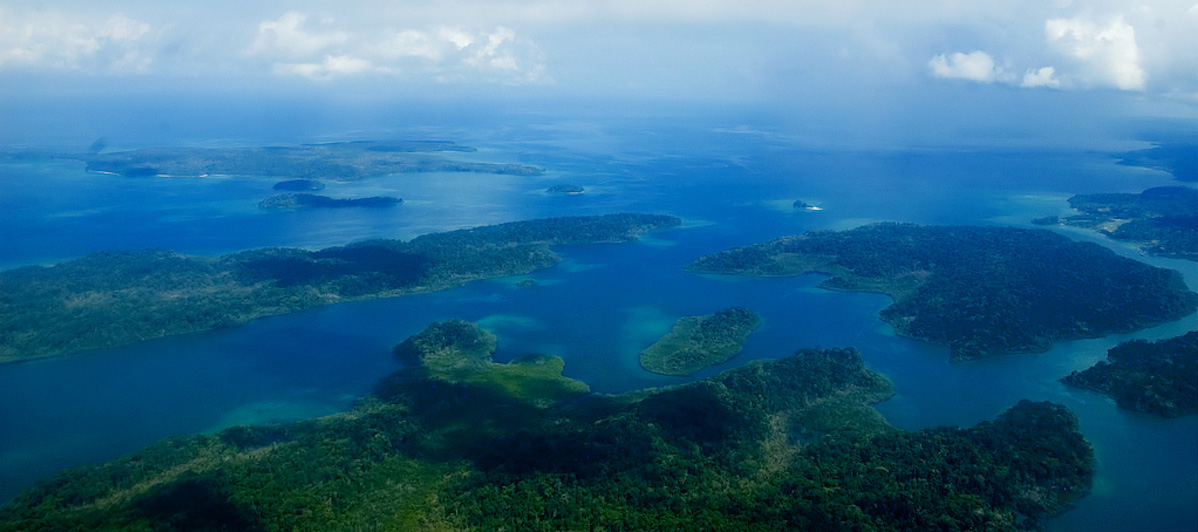
The Andaman and Nicobar Islands, which are found in the Bay of Bengal, are a paradisiacal realm that is just waiting to be discovered by those who are interested in exploring it. The islands are located in the Indian Ocean. An excursion through these virgin islands is equivalent to going out on a tour into the heavens, where each island is a bright diamond in the crown of the magnificence that nature has to offer. In this gorgeous archipelago, island hopping is more than simply following a trip agenda; it is an immersion into a patchwork of ecosystems, cultures, and history that unfolds like chapters in a captivating novel. Island hopping is so much more than just following a vacation itinerary.
In order to embark on this adventure, it is necessary to set sail from the capital city of Port Blair, which acts as a gateway to the countless marvels that are to come throughout the course of this journey. As it gets closer to its first target, which is Havelock Island, the boat is making its way across the waters that are a turquoise colour. It is well-known that Havelock Island is a mystical haven that is famous for its ethereal beaches, the most famous of which being Radhanagar Beach. A scene that is beyond the ordinary and on the edge of being amazing is created when the ivory dunes meet the azure expanse of the Andaman Sea at this particular point. The beach has been referred to as “Asia’s Best Beach,” which is a distinction that is well-deserved due to the beach’s pristine beauty. The beach has been accorded this status.
An invitation to discover the coral wonders that Neil Island has to offer is extended to anyone who are interested in visiting the island, which is situated beyond the lovely shoreline of Havelock. Bharatpur Beach is a real kaleidoscope of coral structures and vivid aquatic life, making it a great spot for snorkelers to visit. During the process of the dazzling aquatic tapestry blooming under the surface, viewers are transported to a realm that is otherworldly, creating an environment in which the workmanship of nature takes centre stage.
When one goes farther north, they will eventually get at Long Island, which is a gem that is not as well-known as other islands. It is possible to get an opportunity to appreciate the raw beauty of the Andaman Islands on Long Island, which is not crowded with people and so has not been impacted by mass tourism. This island is distinguished by its lush mangrove forests and its peaceful beaches, which combine to produce an atmosphere of solitude and tranquilly that is a soothing salve for the soul that has become worn out.
As a result of the intricate dance that takes place between the land and the water, the topography of the archipelago is a demonstration of this delicate ballet. The town of Diglipur, which is found in the North Andaman region, is home to a mountain that is known as Saddle Peak. In the entire archipelago, it is the highest peak that can be found. This terrestrial elevation offers beautiful views of the islands that are located in the area, and also serves as a reminder of the geological fabric that is responsible for the formation of the archipelago. The Ross and Smith Islands, which are situated in close proximity to one another and are linked by a natural sandbar, provide a mystical location for a holiday that is filled with tranquilly.
During the course of the trip, the attention moves to the Nicobar Islands, which are a group that is remarkably distinct from its Andaman counterparts in terms of the parallels and distinctions that exist between them. There is a more concealed and unexplored facet of the archipelago that can be discovered in the Nicobar Islands, which are visited by tourists on a less frequent basis than the other islands in the nation. The Great Nicobar Islands, which are the largest of the Nicobar Islands, are a delight for people who are interested in ecological diversity because of the green rainforests and one-of-a-kind flora and animals that can often be found there.

Campbell Bay is a stunning location that is well-known for its diverse ecosystems and unique animals. A trip to the Nicobar Islands would not be complete without a stop at Campbell Bay, as it is a spot that is noted for its beauty. Galathea National Park is a haven for people who have a profound appreciation for the natural world, and it is located in the midst of this breathtaking scenery. Visitors will be able to get a glimpse of the fauna that thrives in these outlying islands thanks to this attraction.
Whenever one is talking about the Andaman and Nicobar Islands, it is impossible to avoid delving into the cultural kaleidoscope that distinguishes these islands from other locations. The indigenous peoples of the archipelago, which include the Jarawas, the Onge, and the Sentinalese, respectively, contribute an additional layer of mystique to the narrative of the archipelago. There is a glimpse into the harmonious coexistence of humans and nature that can be seen in their ancient traditions, which have been kept in spite of the progress that has been made in recent times.
When it comes to transportation, this city, which acts as the capital, is not merely a hub; rather, it is a repository of history and tradition. One of the most important illustrations of the persistence of the human spirit is the Cellular Jail, which stands as a gloomy reminder of India’s struggle for independence. It is a vital element of the experience of island-hopping to study the remnants of the past that have been left behind. The Andaman and Nicobar Islands have been witnesses to the triumphs and miseries of history, and it is a part of the experience that is essential to the experience.
A midnight symphony is playing in the background as the sun sinks beyond the horizon, casting a golden glow over the Andaman Sea. This causes the islands to come to life with the music playing in the backdrop. A weird vision is produced as a result of the bioluminescent waters that illuminate the beaches, which is a reflection of the enchantment that the islands hold. The night markets in Port Blair and Havelock are a veritable feast for the senses, as they feature a wide variety of handicrafts and regional specialties that are all vying for the attention of shoppers.
A voyage into the heart of the opulence of nature and the resiliency of the human race is what island hopping in the Andaman and Nicobar archipelago is all about, to summarise. Each island in this tale of tranquilly and magnificence presents a different chapter in its own right, from the sun-kissed beaches of Havelock to the pure wildness of Long Island and the cultural tapestry of the Nicobars. Havelock is known for its beaches, while Long Island is known for its wildness. This excursion into the heavens is comparable to a symphony of experiences, a crescendo of beauty that continues to echo for a considerable amount of time after the adventure has breathed its last breath.
June 2023
June 28, 2023 in Table of Content
- Ujjain – Where Time Dances with Divinity
- Rameshwaram – Where Divinity Meets the Ocean’s Embrace
- Varanasi – Where Timeless Spirituality Flows
- Mathura – Where Legends Embrace Divinity
- Ayodhya – Where Legends Echo through Time
- Dwarka – Where Divinity Reigns Supreme
- Haridwar – A Gateway to the Divine Flow
Haridwar – A Gateway to the Divine Flow
June 22, 2023 in Destinations, Pilgrimages, Uttarakhand

Amidst the foothills of the majestic Himalayas, Haridwar stands as a testament to India’s timeless spirituality and ancient traditions. This vibrant city, located on the banks of the holy River Ganges, is considered one of the seven holiest places in Hinduism. Haridwar, which translates to “Gateway to the Gods,” beckons pilgrims and seekers of spiritual enlightenment from across the globe. Let us journey through this enchanting city, where vibrant rituals, mystic chants, and a deep connection to the divine unfold.
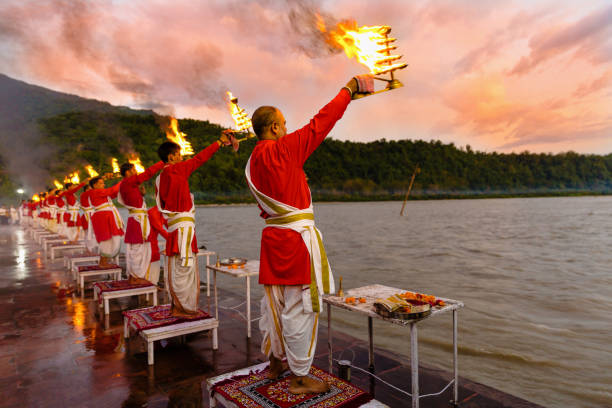
Haridwar is renowned for its iconic ghats, where devotees gather to cleanse their souls and seek blessings. The Har Ki Pauri ghat, adorned with countless flickering diyas and vibrant flowers, is the epicentre of spiritual activities in the city. As the sun sets, the ghat comes alive every evening with the divine Ganga Aarti ceremony. Devotees, clad in vibrant attire, gather to offer their prayers to the holy river. Priests, dressed in traditional attire, perform intricate rituals accompanied by soul-stirring hymns and the rhythmic clanging of bells. The air is thick with devotion as the flickering flames sway to the chants, creating an ethereal ambience that transcends the earthly realm.
The city is adorned with ancient temples that bear testimony to its rich religious heritage. The Mansa Devi Temple, perched atop the Bilwa Parvat hill, is a revered shrine dedicated to Goddess Mansa Devi. Pilgrims can reach the temple either by foot or via a cable car ride, offering breathtaking views of the city and the river. Another prominent temple is the Chandi Devi Temple, atop the Neel Parvat hill. Devotees climb the steep stairs or opt for a cable car ride to pay homage to Goddess Chandi Devi, believed to fulfil the wishes of her devotees. These temples serve as places of worship and vantage points to soak in the panoramic beauty of Haridwar.
The Kumbh Mela, held once every twelve years, is a spectacle that draws millions of devotees and spiritual seekers to Haridwar. Considered the largest religious gathering on Earth, the Kumbh Mela celebrates faith and spiritual awakening. Devotees take holy dips in the Ganges, believing it cleanses them of their sins and paves the way to salvation. The city becomes a vibrant tapestry of colours, sounds, and aromas as sadhus (holy men), pilgrims, and tourists worldwide converge to witness this grand event. The Kumbh Mela is a profound experience that leaves an indelible mark on the hearts and minds of those who partake in it.
Haridwar is a haven for spiritual seekers and a treasure trove of ancient knowledge and wisdom. The city is home to several renowned ashrams and spiritual centres where seekers can immerse themselves in yoga, meditation, and Vedic studies. The Patanjali Yogpeeth, founded by renowned yoga guru Baba Ramdev, offers an oasis of tranquillity where one can learn and practice various aspects of yoga and Ayurveda. The Shantikunj Ashram, founded by Pandit Shriram Sharma Acharya, is a spiritual and cultural institution that promotes holistic development and social upliftment through spirituality. These institutions serve as beacons of light, guiding individuals toward self-discovery and inner transformation.

Haridwar’s bustling markets offer a glimpse into the region’s rich cultural tapestry. The city is renowned for its exquisite handicrafts, including intricately carved wooden artefacts, brassware, and handwoven textiles. The bazaars are filled with the fragrance of incense, the vibrant hues of fabrics, and the melodious sounds of devotional music. The markets are a treasure trove for art enthusiasts and souvenir collectors, offering a chance to take home a piece of Haridwar’s cultural heritage.
Haridwar, the sacred city, weaves together spirituality, tradition, and mysticism into a vibrant tapestry that resonates with the hearts of all who visit. It is a place where the sacred and the mundane coexist, where ancient rituals blend seamlessly with modern aspirations. The city invites seekers from all walks of life to embark on a journey of self-discovery, to bathe in the divine grace of the Ganges, and to witness the eternal dance between the human and the divine. As the sun sets over the sacred river, the soul of Haridwar comes alive, offering solace, inspiration, and a profound connection to the divine.
Ayodhya – Where Legends Echo through Time
June 22, 2023 in Destinations, Pilgrimages, Uttar Pradesh
In the heart of the ancient Indian subcontinent lies a city that reverberates with echoes of myth and history – Ayodhya. Nestled along the banks of the sacred Sarayu River, Ayodhya holds a special place in the hearts of millions as the birthplace of Lord Rama, a beloved deity and an embodiment of righteousness. The city’s name itself means “unconquerable,” and it stands as a vibrant tapestry of spirituality, culture, and timeless tales. Let us embark on a vibrant journey through the sacred city of Ayodhya, where legends echo through time, and devotion finds its eternal abode.
A Journey through Myth and History:
Ayodhya’s history is interwoven with the rich tapestry of Indian mythology. According to the epic Ramayana, Ayodhya was the capital of the ancient kingdom of Kosala, ruled by the illustrious king Dasharatha, father of Lord Rama. It is here that the divine tale of Lord Rama’s birth, his exile, and his eventual return as a victorious king unfolded, leaving an indelible mark on the city’s spiritual landscape.
Ram Janmabhoomi – The Celestial Birthplace:
At the heart of Ayodhya stands the sacred site of Ram Janmabhoomi, the precise location where Lord Rama is believed to have taken his earthly form. This revered spot has been the focus of devotion for centuries and a symbol of the deep-rooted faith in Lord Rama’s divinity. The Ram Janmabhoomi Temple, dedicated to the birth of Lord Rama, is an architectural marvel that beckons pilgrims and history enthusiasts alike to witness its grandeur.
Hanuman Garhi – A Symbol of Devotion:
Perched atop a hillock, the Hanuman Garhi temple stands as a symbol of unwavering devotion to Lord Hanuman, an ardent devotee of Lord Rama. As the legend goes, Hanuman Garhi was the site from where Lord Hanuman guarded Ayodhya while Lord Rama was in exile. The temple’s divine aura, combined with its panoramic views of the city, makes it a cherished destination for devotees seeking blessings and solace.
Kanak Bhavan – A Palace of Love:
Kanak Bhavan, the legendary palace of Sita and Lord Rama, is a place where love, devotion, and myth intertwine. It is believed that Lord Rama gifted this exquisite palace to Sita, which has since been a symbol of their eternal bond. Kanak Bhavan boasts intricate architecture and stunning paintings, where visitors can experience the essence of divine love that transcends time.
The Ghats of Sarayu River – A Soulful Sojourn:
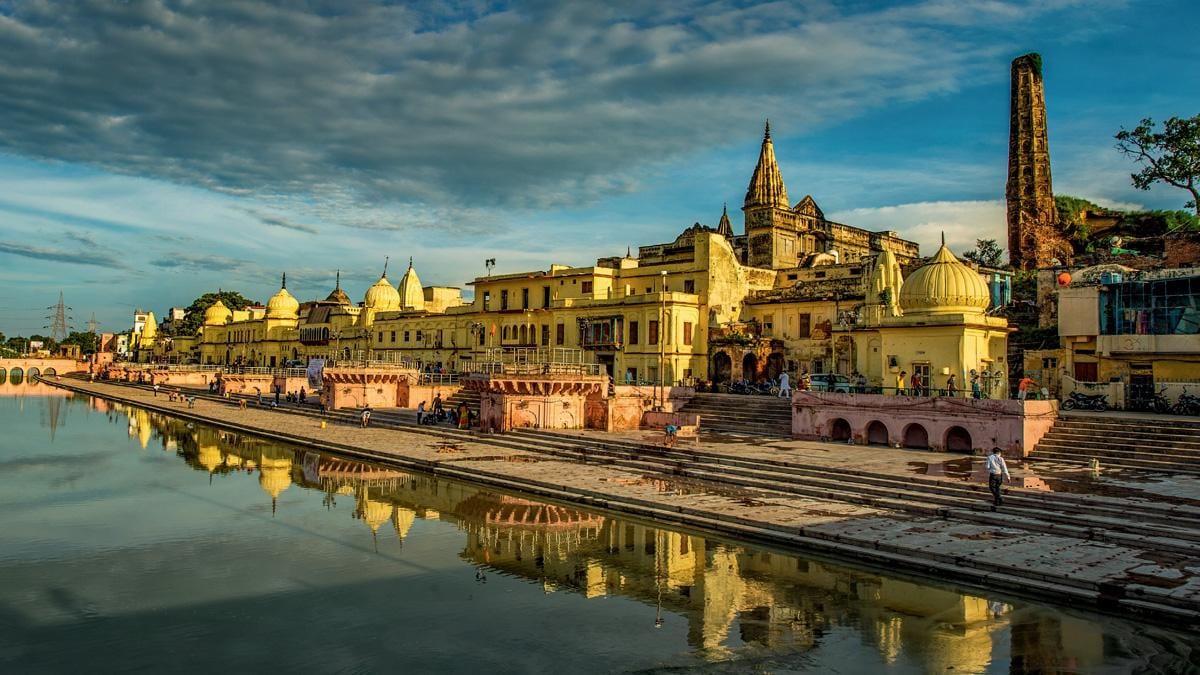
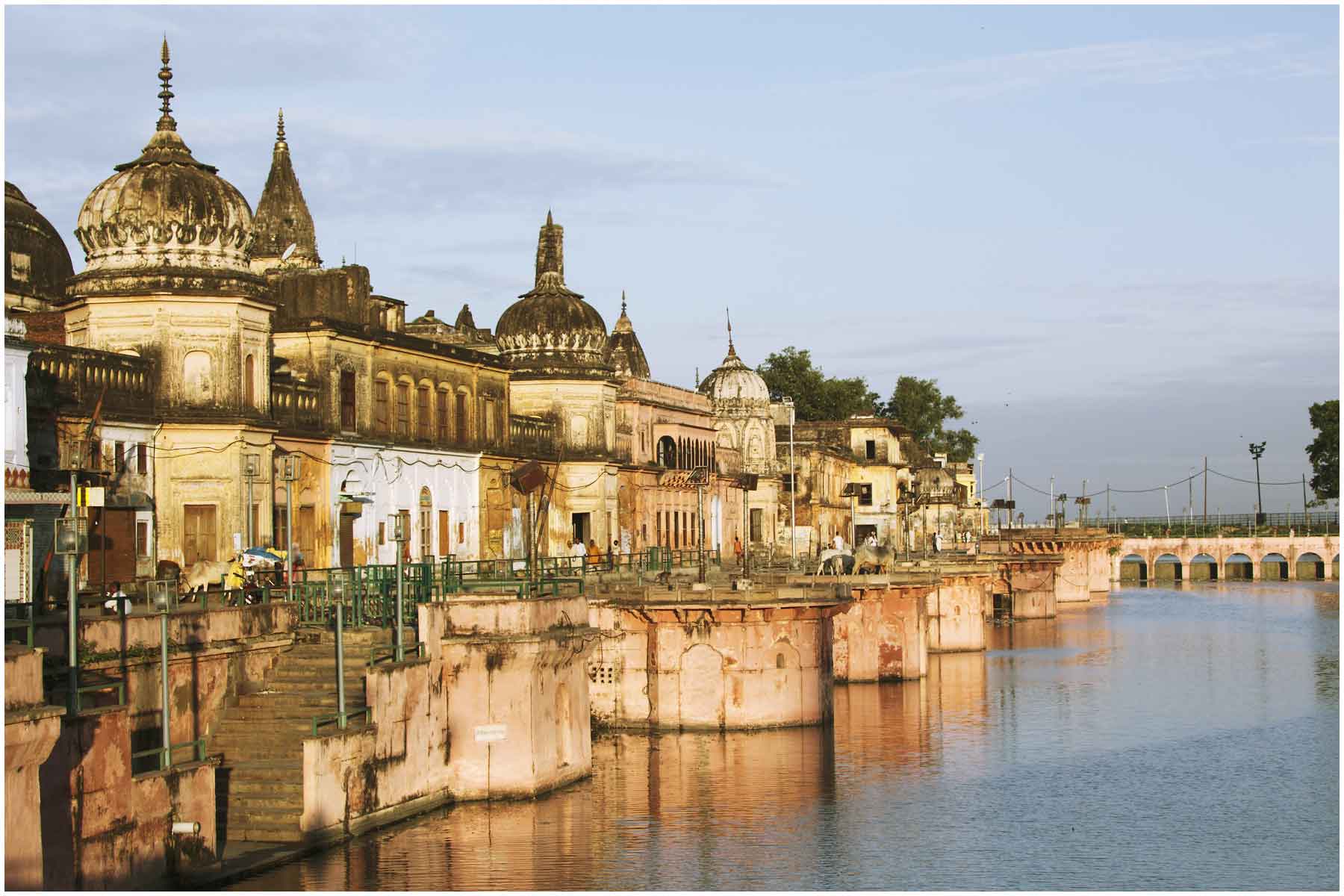
The sacred Sarayu River meanders through the city, its waters caressing the ghats that line its banks. The Sarayu Ghats, like the Saryu Aarti Ghat and Guptar Ghat, offer visitors a soulful sojourn, where one can engage in spiritual rituals, witness captivating Ganga Aarti ceremonies, or simply find solace in the serene surroundings.
Celebrating Festivals with Devotion:
Ayodhya comes alive with fervent celebrations during various festivals, each exuding a unique charm and devotion. Ram Navami, the birthday of Lord Rama, is celebrated with grand processions and religious fervor, attracting devotees from across the country. Deepavali, the festival of lights, transforms Ayodhya into a dazzling wonderland, symbolizing the victory of light over darkness.
A Living Heritage – Ayodhya’s Traditional Crafts:
Ayodhya’s cultural heritage is not just confined to its spiritual significance; it also boasts a rich tradition of arts and crafts. From intricate wood carvings to beautiful pottery, Ayodhya’s artisans preserve the city’s cultural legacy through their skilled craftsmanship. Exploring the local markets offers visitors a glimpse into the city’s artistic heritage and an opportunity to take home a piece of Ayodhya’s vibrant culture.
Sita Rasoi – A Divine Kitchen:
Located within the Janmabhoomi complex, Sita Rasoi is believed to be the kitchen where Sita Devi cooked meals for Lord Rama during their stay in Ayodhya. The temple offers a unique spiritual experience where devotees can offer prayers and seek blessings as they enter the divine kitchen.
The Mystique of Ayodhya:
Beyond its spiritual essence, Ayodhya is a city steeped in mystique, where time seems to stand still. The ancient temples, the serene river, and the tales of divinity create an atmosphere of tranquility and spiritual awakening. As visitors stroll through the winding streets and immerse themselves in the city’s aura, they can’t help but feel a connection to the timeless legends that have unfolded here.
The Confluence of Devotion:
As the sun sets over the sacred city of Ayodhya, the air is filled with a sense of tranquility and devotion. Ayodhya is not just a city; it is a confluence of devotion, culture, and ancient tales that echo through time. It is a place where the human and the divine unite, and the soul finds solace in the embrace of timeless spirituality.
In the sacred city of Ayodhya, the divine and the earthly coexist harmoniously, and legends find life in the hearts of devotees. Ayodhya beckons seekers, pilgrims, and travelers alike to immerse themselves in its vibrant tapestry of myth and devotion. Come, embark on a journey to Ayodhya, where the ancient tales of Lord Rama resonate in the soul, and the spirit finds its gateway to the eternal.
