


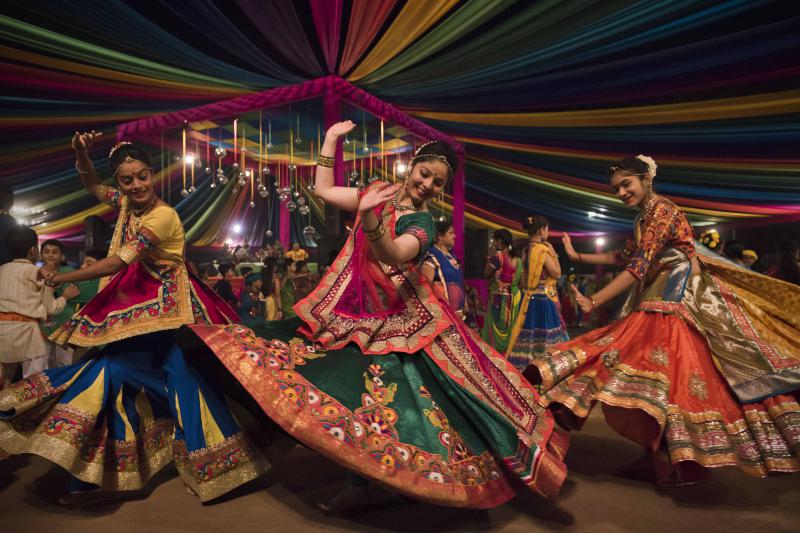
The Garba Dance, Gujarat
April 20, 2023 in Gujarat
Garba, an exuberant and rhythmic folk dance form, is integral to Indian culture and tradition. Originating from the western state of Gujarat, Garba holds immense significance during the Navratri festival, a nine-night celebration dedicated to the Hindu goddess Durga. This vibrant dance form is characterized by its fast-paced footwork, circular movements, and vibrant costumes. Explore the Garba dance’s history, significance, and various elements, shedding light on its cultural importance and the joyous spirit it brings to communities.
The roots of the Garba dance can be traced back to ancient times. The term “Garba” is derived from the Sanskrit word “Garbha,” meaning womb. It symbolizes the nurturing aspects of motherhood and the cycle of life. Garba originates in the folklore associated with the Hindu goddess Amba, also known as Durga or Shakti. It is believed that the dance form originated as a form of worship and celebration of the goddess during the festival of Navratri. Over time, Garba evolved into a social dance performed by men and women in communities across Gujarat.
The dance is performed around a central pole or statue of the goddess Durga and is said to represent the movement of the planets around the sun. Garba is typically performed in a circle, with the dancers moving clockwise and counterclockwise around the central pole. The dance is often accompanied by traditional Indian music, and the dancers wear traditional Indian clothing. There are many different steps and movements involved in Garba, and the dance can be performed either solo or in a group. Garba is a very popular dance form in India and is often performed at weddings and other special occasions.
Garba is a lively and energetic dance form characterized by its distinctive elements, such as costumes, music, instrument, and footwork. The details are listed below.
- Costumes: The attire worn during Garba is integral to the dance. Women traditionally wear a chaniya choli, a three-piece ensemble with a flared skirt, blouse, and dupatta (scarf). The chaniya choli is adorned with intricate embroidery, mirror work, and vibrant colors. Men usually wear a kediyu, a colorful top, and dhoti pants. The costumes add visual splendor to the dance, enhancing the festive atmosphere.
- Music and Instruments: Garba music, known as “Garba Raas,” is an essential dance component. It features a distinct rhythm and beat, often accompanied by traditional instruments such as dhol (drums), nagada (kettle drums), and harmonium (a small keyboard instrument). The melodies are usually derived from traditional folk songs or devotional hymns, creating a lively and energetic ambiance.
- Footwork and Movements: Garba is known for its intricate footwork and graceful movements. The dancers move in circular patterns, stepping rhythmically in sync with the music. The dance involves twirling, clapping, and hand gestures, creating a captivating visual spectacle. The footwork requires agility, coordination, and precision, making Garba a challenging dance form to master.
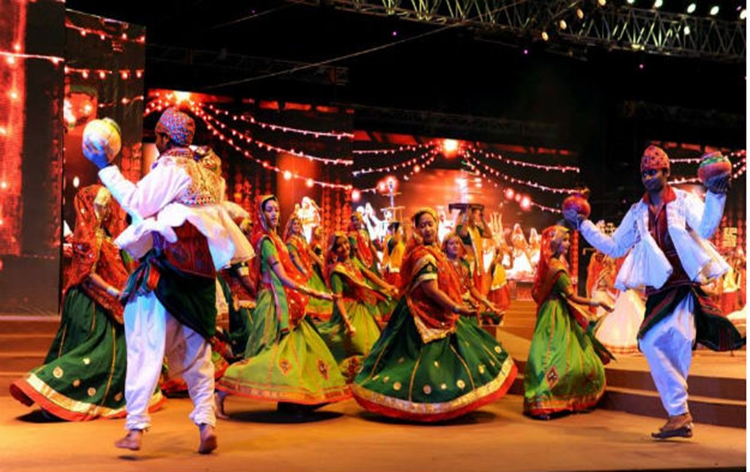
Garba dance holds immense cultural significance and is cherished as a symbol of community bonding, joy, and devotion. It serves as a medium to celebrate and showcase Gujarat’s rich heritage and traditions. Here are some key aspects of Garba’s cultural importance:
- Social Cohesion: Garba brings people together, fostering a sense of unity and belonging. It transcends age, gender, and social barriers, as individuals from all walks of life participate in the dance. Communities come together during Navratri, strengthening social bonds and creating a shared sense of celebration.
- Preservation of Folklore: Garba is deeply rooted in Gujarati folklore and mythology. This dance form passes cultural stories, legends, and traditions from generation to generation. Garba serves as a platform for preserving and promoting Gujarat’s cultural heritage, ensuring its continuity and relevance.
- Festive Spirit: Navratri and Garba radiate a festive spirit that engulfs Gujarat during the nine-night extravaganza. The vibrant costumes, foot-tapping music, and infectious enthusiasm create an atmosphere of joy and celebration. Garba catalyzes happiness, allowing people to break free from their daily routines and immerse themselves in festive fervor.
Garba dance is not just a dance form; it embodies culture, tradition, and spirituality. Originating from Gujarat, it has transcended regional boundaries and become a global phenomenon, captivating audiences with its vibrant energy and rich heritage. The dance’s historical roots, association with the Navratri festival, and cultural significance make Garba a cherished tradition in Indian society. As communities come together to perform this rhythmic dance, Garba continues to spread joy, foster unity, and keep alive the vibrant traditions of Gujarat for generations to come.

The Garhwal Mountain Range in Uttarakhand
March 20, 2023 in Adventure, Hill Station, Uttarakhand

Uttarakhand, a northern state in India, is blessed with breathtaking natural beauty and is home to the majestic Garhwal Mountain Range. This mountain range, situated in the western part of Uttarakhand, is a paradise for nature lovers, adventure enthusiasts, and spiritual seekers. With its towering peaks, pristine glaciers, cascading rivers, and spiritual significance, the Garhwal Mountain Range offers an enchanting experience for all who venture into its realm.
The Garhwal Mountain Range is a part of the larger Himalayan mountain system and stretches over a vast expanse of approximately 90,000 square kilometers. The range is characterized by rugged terrains, deep valleys, and snow-capped peaks. It has several prominent peaks, including Nanda Devi, Kamet, Trisul, and Badrinath. The region is crisscrossed by numerous rivers, including the holy Ganges, Alaknanda, and Bhagirathi, originating from glaciers and high-altitude lakes in the Garhwal Mountains. These rivers provide a lifeline to the local communities and opportunities for water sports such as rafting and kayaking.
The Garhwal Mountain Range is renowned for its rich biodiversity. The region is covered with dense forests comprising a variety of flora and fauna. The lower slopes are adorned with oak, rhododendron, and deodar trees, while the higher altitudes are home to coniferous forests. The mountains are also home to several animal species, including the elusive snow leopard, Himalayan musk deer, Himalayan tahr, and several species of birds. The Nanda Devi Biosphere Reserve, a UNESCO World Heritage Site, is situated in the Garhwal Range and serves as a sanctuary for rare and endangered species.

Conservation efforts have been initiated to protect the fragile ecosystem of the Garhwal Mountain Range. National parks and wildlife sanctuaries, such as Nanda Devi National Park, Valley of Flowers National Park, and Govind Pashu Vihar Wildlife Sanctuary, have been established to preserve the region’s unique biodiversity and provide a safe haven for wildlife.
The Garhwal Mountain Range holds immense spiritual significance for millions of people. The region is dotted with several ancient temples, ashrams, and pilgrimage sites that attract devotees and spiritual seekers worldwide. The famous Char Dham Yatra, which includes the sacred sites of Yamunotri, Gangotri, Kedarnath, and Badrinath, takes pilgrims through the breathtaking landscapes of the Garhwal Mountains. The town of Rishikesh, located at the foothills of the Garhwal Range, is known as the “Yoga Capital of the World” and attracts seekers of spiritual enlightenment and yoga enthusiasts. It is believed that the mountains’ tranquil atmosphere and serene surroundings create the perfect environment for meditation, self-reflection, and spiritual growth.
The range extends from the Satluj River in the west to the Kali River in the east, a distance of about 500 km. The average elevation of the range is about 3,500 m. The highest peak in the range is the Nanda Devi, which rises to a height of 7,817 m.
The Garhwal Himalayas are divided into two sub-ranges, the Greater Himalayas and the Lesser Himalayas. The Greater Himalayas, also known as the High Himalayas, include all the peaks that rise to an elevation of more than 7,000 m. The Lesser Himalayas, also known as the Lower Himalayas, include all the peaks that rise to an elevation of less than 7,000 m. The Garhwal Mountain Range is home to some of the most famous peaks in the world, including the Nanda Devi, Mount Kamet, and Mount Abu. The range is also home to several glaciers, including the Gangotri Glacier, the source of the Ganges River.
The Garhwal Himalayas are a popular destination for trekkers and mountaineers from all over the world. The range offers some of the world’s most challenging and beautiful trekking routes. The best time to visit the region is from April to October. The region is located at a high altitude, so it is important to be well-acclimatized before undertaking any strenuous activity. It is advisable to carry all the necessary supplies, such as food, water, and medicine, with you as there are limited facilities in the region’s remote areas. Always hire a reputable guide or porter when undertaking any trek in the region. Remember to respect the local culture and traditions while visiting the region.
The Garhwal Mountain Range in Uttarakhand is a natural beauty, adventure, and spiritual treasure trove. With its awe-inspiring peaks, lush forests, pristine rivers, and vibrant cultural heritage, it captivates the hearts and minds of all who visit. Whether you seek solace in nature, embark on thrilling adventures, or immerse yourself in spiritual practices, the Garhwal Mountains offer a transformative experience that will leave an indelible mark on your soul.
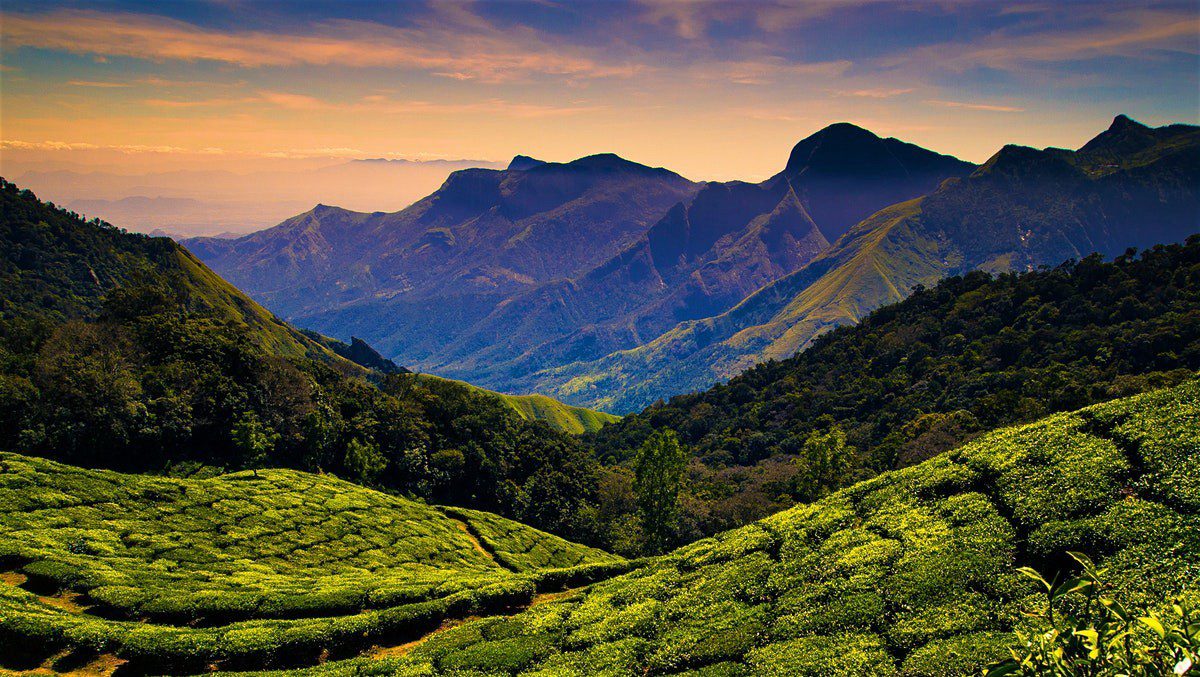
Nilgiris Hills – The Blue Mountains
March 20, 2023 in Adventure, Hill Station, Tamilnadu
Known as the “Blue Mountains,” this magnificent mountain range stretches across Tamil Nadu, Karnataka, and Kerala. In this article, we will delve into the wonders of the Nilgiri Hills, exploring their geographical features, unique biodiversity, cultural significance, and the myriad of experiences they offer visitors.
The Nilgiris form part of the Western Ghats, a UNESCO World Heritage Site. The Hills are among the oldest mountain ranges in the world. They had formed over 100 million years ago when the supercontinent of Gondwana broke up, and the Indian plate drifted northwards, colliding with the Asian plate. This collision caused the uplift of the Western Ghats, which led to the formation of the Nilgiri Hills.
The Nilgiri Hills are home to many endemic species, including the Nilgiri Tahr, which is found nowhere else in the world. The hills are also home to several tribes, such as the Toda, Kota, and Badaga, who have lived in the region for centuries. The Nilgiri Hills were declared a UNESCO World Heritage Site in 2007. This was in recognition of the region’s unique ecological and cultural values. The Nilgiri Hills are a key part of the Western Ghats, one of the world’s eight Hotspots of biological diversity.
The Nilgiri Hills are an important water source for southern India’s rivers. They are also a key link in the chain of mountain ranges from the Himalayas to the southern tip of India. The Nilgiri Hills are a popular tourist destination well-known for their scenic beauty. They offer various activities, such as hiking, bird watching, and elephant safaris.
The range extends approximately 150 kilometers (93 miles) in length and spans an area of about 5,000 square kilometers (1,930 square miles). The highest peak in the Nilgiri Hills is Doddabetta, standing tall at 2,637 meters (8,650 feet).
The region’s topography is rolling hills, deep valleys, and lush forests. The hills get their name from the bluish haze that envelops the landscape, created by the vast expanse of eucalyptus trees that cover the slopes. The Nilgiri Hills are also home to numerous rivers, including the Bhavani, Moyar, and Kabini, which originate from these mountains and provide a lifeline to the surrounding plains.
The Nilgiri Hills boast incredible biodiversity, hosting many plant and animal species. The region is a hotspot for endemic flora and fauna, making it a significant conservation area. The moist evergreen forests, shola-grassland ecosystems, and montane forests found in the Nilgiri Hills are home to several rare and endangered species.
The forests of the Nilgiri Hills are known for their diverse tree species, including the iconic Nilgiri tahr, an endangered mountain goat found only in this region. Other notable wildlife species include elephants, gaurs (Indian bison), sambar deer, lion-tailed macaques, and various bird species. The Nilgiri Hills are also famous for their tea and coffee plantations, adding to the region’s agricultural significance.
Efforts are underway to conserve the unique biodiversity of the Nilgiri Hills. Several national parks and wildlife sanctuaries, such as Mudumalai National Park, Bandipur National Park, and Silent Valley National Park, have been established to protect the region’s flora and fauna. These protected areas serve as havens for wildlife and provide opportunities for nature enthusiasts to explore the natural wonders of the Nilgiri Hills.
The Nilgiri Hills are a haven for nature lovers and hold immense cultural significance. The region is inhabited by several indigenous communities, including the Toda, Kurumba, and Badaga tribes. These communities have a rich cultural heritage and unique traditions deeply connected to the mountains.
The Toda tribe, in particular, has a distinct way of life centered around their sacred buffalo worship and traditional dwellings known as “munds.” Their intricate embroidery work, known as poothukuli, is a significant art form that reflects their cultural identity. Visitors to the Nilgiri Hills can immerse themselves in the local culture by interacting with these indigenous communities and experiencing their traditional lifestyle.
The Nilgiris are known for their scenic beauty and popular destination for trekking and hiking. There are a number of popular tourist spots in the Nilgiris, such as Ooty, Coonoor, and Kotagiri. The Nilgiris is also home to many wildlife sanctuaries and national parks, such as the Nilgiri Biosphere Reserve and the Mudumalai National Park.
The Nilgiris is a popular destination for both Indian and foreign tourists. Recently, the number of tourists visiting the Nilgiris has increased significantly. This is due to the growing popularity of adventure tourism in India, and the Nilgiris offers a number of opportunities for adventure activities such as trekking, hiking, and camping.
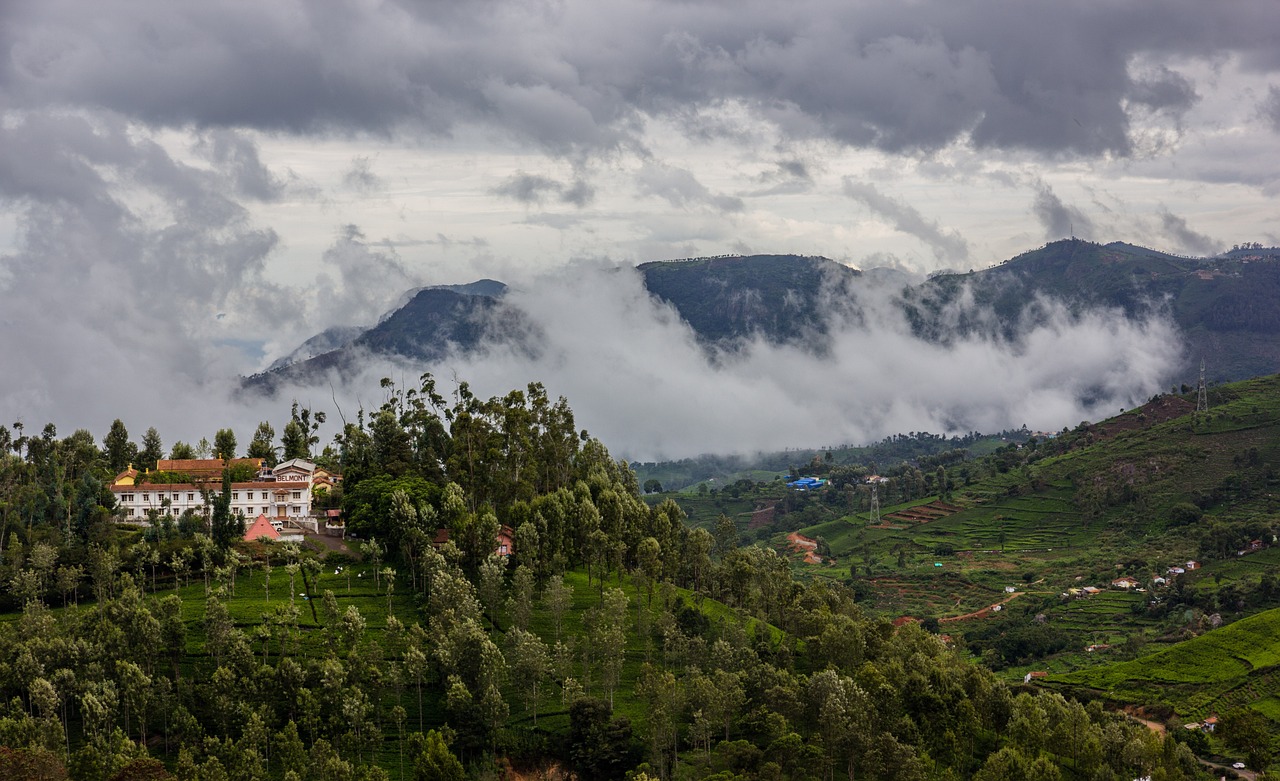
If you are planning a trip to the Nilgiris, there are a number of things to keep in mind. The best time to visit the Nilgiris is between October and February when the weather is cool and pleasant. It is advisable to book your accommodation in advance, as the Nilgiris is a popular tourist destination, and hotels can get booked up quickly.
When visiting the Nilgiris, there are a number of things to see and do. The Nilgiris offers a number of scenic hiking and trekking trails, and there are also a number of wildlife sanctuaries and national parks to explore. The Nilgiri Hills offer a wide range of tourist experiences, catering to different interests and preferences. Here are some of the popular attractions and activities in the region:
- Ooty: The hill station of Ooty, also known as Udhagamandalam, is the most famous tourist destination in the Nilgiri Hills. Visitors can enjoy scenic boat rides on Ooty Lake, ride on the Nilgiri Mountain Railway (a UNESCO World Heritage Site), and explore the beautiful botanical gardens.
- Tea and Coffee Plantations: The Nilgiri Hills are renowned for their tea and coffee plantations. Visitors can tour these plantations, learn about the production process of tea and coffee, and sample some of the finest teas and coffees.
- Wildlife Safari: The national parks and sanctuaries in the Nilgiri Hills offer thrilling wildlife safaris. Visitors can embark on jeep safaris or elephant rides to spot elephants, tigers, leopards, and other wildlife species in their natural habitats.
- Trekking and Hiking: The Nilgiri Hills provide ample opportunities for trekking and hiking enthusiasts. Trails like the Nilgiri Tahr Trail and the Avalanche Trail offer stunning views of the mountains, valleys, and waterfalls.
- Botanical Gardens: The region is home to several picturesque gardens, including the Government Botanical Garden in Ooty and Sim’s Park in Coonoor. These gardens showcase a diverse range of plants, flowers, and trees.
The Nilgiri Hills, with their mesmerizing landscapes, rich biodiversity, and cultural heritage, offer visitors a unique and unforgettable experience. From the misty mountains to the lush forests and vibrant tea plantations, the region captivates the senses and rejuvenates the soul. Whether exploring the national parks, interacting with indigenous communities, or indulging in the local cuisine, a journey to the Nilgiri Hills promises a delightful blend of nature, culture, and serenity.

The Mahuli Duduma Mountain Range, Malkangiri in Odisha
March 20, 2023 in Odisha, Adventure, Hill Station
The Mahuli Duduma Mountain Range, Malkangiri, is a mountain range in Odisha, India. The range extends about 150 km in length and 50 km in width. It is located in the Mahuli block of Malkangiri district. The Mahuli range has an average elevation of 1,000 meters.
The Mahuli range is home to a variety of flora and fauna. The forests in the range are home to elephants, leopards, tigers, bison, deer, and various bird species. The range is also home to the Mahuli waterfall, the tallest waterfall in Odisha.
The Mahuli Duduma Mountain Range is a popular tourist destination. The range offers a variety of trekking and camping opportunities. The Mahuli waterfall is a popular spot for picnics and photography.
Located in Malkangiri district, Odisha, India, the range forms the border between Odisha and Andhra Pradesh. It is the second-highest mountain range in Odisha after the Araku Valley. The range has an average elevation of 1,200 meters (3,900 ft).
The Malkangiri District is a picturesque district located in the southern state of Odisha. The district is blessed with natural beauty and is home to the Mahuli Duduma Mountain Range, a popular tourist destination. The district is also home to the world-famous Konark Sun Temple, and Puri is just a short drive away.

The Malkangiri District is a great place for those who love nature and want to explore the beauty of the Mahuli Duduma Mountain Range. The district is also home to several historical and religious sites, making it a perfect destination for those interested in history and culture.
The Mahuli Duduma Mountain Range is one of the most biodiverse areas in the world. It is home to many plants and animals, many of which are found nowhere else on Earth. The range is home to over 1,500 species of plants, including several endangered and endemic species. The forests of the Mahuli Duduma Mountain Range are some of the most dense and diverse in the world and are home to a wide variety of animals, including tigers, elephants, leopards, and many other rare and endangered species.
The Mahuli Duduma Mountain Range is one of the most important biodiversity hotspots in the world and is critical to the conservation of many rare and endangered species. The Mahuli Duduma Mountain Range is located in the Malkangiri district of Odisha, India. The range forms part of the Eastern Ghats and extends for about 150 km. It is the source of several rivers, including the Mahanadi, Godavari, and Krishna. The range is home to a number of endangered species, including the tiger, leopard, and elephant. It is also a major source of timber and other forest products.
The Mahuli Duduma Mountain Range is one of India’s most important mountain ranges. It is the source of the country’s most important rivers, including the Mahanadi, Godavari, and Krishna. The range is also home to a number of endangered species, including the tiger, leopard, and elephant. The Mahuli Duduma Mountain Range is a major source of timber and other forest products. It is one of the most important mountain ranges in India.
The Mahuli Duduma Mountain Range is located in Malkangiri district, Odisha, India. The range extends about 80 km in length and 20 km in width. It is the source of several rivers, including the Machkund River, which flows into the Godavari River. The range is home to several tribal groups, including the Bonda, Kondha, and Paraja. The range is also home to various flora and fauna, including several endangered species.
The Mahuli Duduma Mountain Range is under threat from a number of factors, including deforestation, mining, and the construction of dams and reservoirs. Deforestation is a major problem in the region, as the forests are cleared for timber, fuelwood, and agriculture. Mining is also a major threat, as the range is rich in minerals, such as bauxite, iron ore, and manganese. The construction of dams and reservoirs is also a major threat, as it can lead to the displacement of local communities and the flooding of forests.

Odisha’s government has taken steps to protect the Mahuli Duduma Mountain Range, including declaring it a protected area. However, more must be done to protect the range from its threats.
The Mahuli Duduma Mountain Range is located in the Malkangiri district of Odisha, India. The range extends for about 150 km in an east-west direction and about 50 km in a north-south direction. It is bounded by the Balimela Reservoir to the north, the Godavari River to the south, and the Bay of Bengal to the east. The Mahuli Duduma Mountain Range is home to the Duduma Falls, the highest waterfall in Odisha and located on the River Sileru. The range also contains the Mahuli Fort, built by the Maratha ruler Shivaji in 1676.
The Kangchenjunga Mountain Range
March 20, 2023 in Adventure, Hill Station

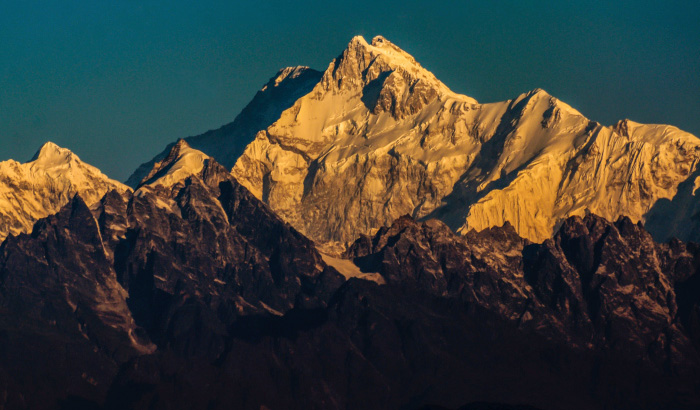
Nestled in the heart of the Eastern Himalayas, the Kangchenjunga Mountain Range stands as a testament to nature’s grandeur and awe-inspiring beauty. This magnificent mountain range is a paradise for trekkers, offering a unique blend of adventure, breathtaking landscapes, and cultural richness. In this article, we will explore the wonders of the Kangchenjunga Mountain Range, delving into its geographical features, significance, trekking opportunities, and the rich cultural heritage it encompasses.
The Kangchenjunga Mountain Range is located in the easternmost part of the Himalayas, spanning the border between Nepal and the Indian state of Sikkim. Named after its highest peak, Kangchenjunga, which translates to “Five Treasures of Snow,” the range boasts an impressive collection of peaks, glaciers, valleys, and alpine meadows.
At an elevation of 8,586 meters (28,169 feet), Kangchenjunga is the third-highest mountain in the world, surpassed only by Mount Everest and K2. The range stretches over 700 kilometers (435 miles), with multiple peaks exceeding 8,000 meters (26,247 feet). The region is known for its challenging terrains, extreme weather conditions, and diverse flora and fauna.
The region’s topography is rugged terrain, steep slopes, and deep valleys. Glaciers, such as the Zemu Glacier and the Talung Glacier, flow down the slopes of the peaks, adding to the landscape’s natural beauty. The Kangchenjunga Conservation Area, established to protect the region’s unique biodiversity, covers an area of approximately 2,035 square kilometers (786 square miles).
The Kangchenjunga Mountain Range holds immense cultural significance for the indigenous communities that inhabit its surroundings. The region is home to various ethnic groups, including the Limbu, Rai, Sherpa, and Lepcha communities. These communities have a deep spiritual connection with the mountains and consider them sacred.
The Lepcha people, in particular, revere Kangchenjunga as a deity and believe it to be the guardian deity of their land. Their culture and traditions are intertwined with the mountains, and they hold ceremonies and festivals to pay homage to the sacred peaks. The region is dotted with monasteries and stupas that reflect the strong influence of Buddhism in the local culture.
The Kangchenjunga region offers unparalleled trekking opportunities for adventure enthusiasts and nature lovers. Trekking in this pristine wilderness provides a chance to witness breathtaking landscapes, diverse ecosystems, and the traditional way of life of the local communities. Here are some of the popular treks in the Kangchenjunga Mountain Range:
- Kangchenjunga Base Camp Trek: The Kangchenjunga Base Camp Trek is a challenging and rewarding expedition that takes trekkers to the foot of the mighty Kangchenjunga. The trek starts from Suketar in Nepal and passes through remote villages, dense forests, and high-altitude meadows. Trekkers are treated to panoramic views of snow-capped peaks, pristine glaciers, and a wide array of flora and fauna.
- Goecha La Trek: The Goecha La Trek is one of the most popular treks in the Indian state of Sikkim, providing a stunning view of the Kangchenjunga massif. The trek starts from Yuksom and takes trekkers through rhododendron forests, mountain streams, and alpine meadows. The highlight of the trek is reaching the Goecha La Pass at an altitude of 4,940 meters (16,207 feet), offering a mesmerizing close-up view of Kangchenjunga and its neighboring peaks.
- Singalila Ridge Trek: The Singalila Ridge Trek is a breathtaking journey along the border of Nepal and India, showcasing panoramic views of Kangchenjunga, Everest, and other prominent peaks. The trek takes trekkers through the Singalila National Park, known for its vibrant rhododendron forests, alpine meadows, and diverse wildlife. The trek’s highest point, Sandakphu, offers a 360-degree view of the Himalayan range, including Kangchenjunga.
Preserving the pristine environment and delicate ecosystem of the Kangchenjunga Mountain Range is crucial for its long-term sustainability. Efforts are underway by the local governments, conservation organizations, and communities to promote responsible tourism and preserve the region’s natural and cultural heritage.

Trekkers are encouraged to follow responsible tourism practices, such as minimizing waste, using eco-friendly camping gear, and respecting the local culture and traditions. It is important to adhere to designated trekking routes, obtain necessary permits, and support local initiatives that contribute to the conservation of the environment.
The Kangchenjunga Mountain Range offers adventure enthusiasts a wide range of trekking and mountaineering opportunities. The region is famous for the Kangchenjunga Base Camp trek, which takes trekkers through breathtaking landscapes, remote villages, and alpine meadows. The trek provides a close-up view of the majestic Kangchenjunga and allows trekkers to experience the region’s natural beauty and cultural heritage.
For experienced mountaineers, climbing Kangchenjunga is a significant challenge. The mountain presents technical difficulties, including steep slopes, crevasses, and challenging weather conditions. Only a limited number of expeditions are permitted yearly, and climbers require advanced mountaineering skills and experience to undertake the ascent.
The Kangchenjunga Mountain Range is a testament to nature’s grandeur and the indomitable spirit of the Himalayas. Its towering peaks, glaciers, and pristine landscapes offer a breathtaking experience for trekkers, mountaineers, and nature lovers. The region’s rich biodiversity and cultural heritage add to its allure, making it a remarkable destination. Whether embarking on a trek to the base camp or attempting to conquer the summit, the Kangchenjunga Mountain Range provides an unforgettable adventure and a profound connection with the majesty of the natural world.
Zanskar Valley – The Hidden Gem of Ladakh
March 20, 2023 in Adventure, Hill Station

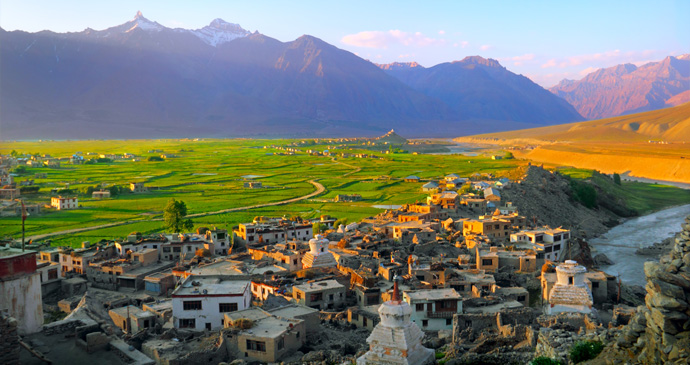
Nestled in the mighty Himalayas, the Zanskar region in Ladakh, India, is a rugged and remote land known for its dramatic landscapes and breathtaking mountain passes. The Zanskar Valley is surrounded by towering peaks, glaciers, and ancient monasteries, offering a unique blend of natural beauty and cultural heritage. This article will delve into the fascinating world of Zanskar’s mountain passes, exploring their significance, challenges, and the awe-inspiring experiences they offer to trekkers and adventure enthusiasts.
The Zanskar region is located in the eastern corner of the Indian state of Jammu and Kashmir. It is a high-altitude desert characterized by its barren terrain and extreme climatic conditions. The region is flanked by the Great Himalayan Range to the south and the Zanskar Range to the north. Within this rugged landscape lie some of the world’s most challenging and scenic mountain passes, which serve as lifelines for the local communities and attract trekkers from around the globe.
Mountain passes have been vital for the people of Zanskar since ancient times, connecting the isolated villages and serving as trade routes. These passes are the lifelines for the locals, providing access to basic amenities, such as food, fuel, and medical supplies. In winter, when the region remains cut off from the rest of the world due to heavy snowfall, these passes become frozen highways, allowing the locals to travel to neighboring regions.
In addition to their practical significance, the mountain passes of Zanskar also hold cultural and spiritual importance. Many ancient monasteries, such as the Phuktal Monastery and the Bardan Monastery, are located near these passes, serving as centers of Buddhist learning and meditation. The passes often feature prayer flags, chortens (Buddhist shrines), and mani walls (stone walls with inscriptions of Buddhist prayers), adding a spiritual aura to the treacherous terrains.
Prominent Mountain Passes in Zanskar:
- Shingo La Pass: Located at 5,090 meters, the Shingo La Pass is one of the most challenging and lesser-known passes in Zanskar. It connects the Zanskar Valley with the picturesque Lahaul Valley in Himachal Pradesh. The trek to Shingo La Pass offers panoramic views of snow-clad peaks, glaciers, and alpine meadows, making it a paradise for adventure enthusiasts and photographers.
- Singge La Pass: Situated at 5,050 meters, the Singge La Pass is another prominent pass in the Zanskar region. It connects the Suru Valley with the Zanskar Valley, offering breathtaking vistas of the surrounding mountains. The trek to Singge La Pass is known for its challenging terrain, high-altitude lakes, and encounters with rare wildlife, such as the Himalayan ibex and snow leopards.
- Sir La Pass: Located at an altitude of 4,850 meters, Sir La Pass is a relatively easier pass to cross than others in Zanskar. It connects the Darcha region of Himachal Pradesh with the Zanskar Valley. The trek to Sir La Pass takes trekkers through picturesque valleys, quaint villages, and mesmerizing alpine meadows, offering glimpses into the traditional Ladakhi lifestyle.
Trekking across the mountain passes of Zanskar is not for the faint-hearted. The region’s high altitude, unpredictable weather, and challenging terrains pose several risks and require careful planning and preparation. Trekkers are advised to undertake these expeditions with experienced guides or trekking agencies to ensure safety and proper acclimatization.
Proper physical fitness and endurance are essential prerequisites for tackling the demanding treks. Trekkers should undergo a fitness regime and acclimatization process before embarking on these high-altitude adventures. Carrying essential trekking gear, including proper clothing, sturdy footwear, camping equipment, and ample food and water supplies, is crucial.
It is also recommended to keep a close eye on weather forecasts and avoid crossing the passes during inclement weather conditions or heavy snowfall. Trekkers should be prepared for altitude sickness and take necessary precautions, such as gradual ascent, staying hydrated, and carrying medications like Diamox (under medical supervision).
 While exploring the mountain passes of Zanskar, it is imperative to practice responsible and sustainable tourism. The fragile ecosystem of the region is highly susceptible to environmental degradation. Trekkers should adhere to the principles of “Leave No Trace,” ensuring no litter is left behind and respecting the local flora and fauna.
Supporting the local communities by utilizing local services, such as guides, homestays, and locally sourced food, is an excellent way to contribute to the region’s sustainable development. It is important to respect the cultural sensitivities of the locals, seeking their guidance and permission when visiting sacred sites and monasteries.
The Zanskar region of Ladakh is a treasure trove for adventure seekers and nature lovers, with its awe-inspiring mountain passes and mesmerizing landscapes. The rugged terrains, ancient monasteries, and the indomitable spirit of the local communities make the Zanskar mountain passes an unparalleled destination for trekkers. Embarking on these challenging expeditions offers a physical adventure and an opportunity to witness the rich cultural heritage and awe-inspiring beauty of the Himalayas. So, gear up, prepare yourself, and experience the thrill of conquering the majestic Zanskar mountain passes.

Malshej Ghat – A Mountain Pass in Maharashtra
March 20, 2023 in Adventure, Hill Station, Maharashtra

Maharashtra, the western state of India, is not only known for its bustling cities and economic hub but also for its breathtaking natural landscapes. One such gem nestled in the Sahyadri Mountain Range is Malshej Ghat. This picturesque hill station is in the Thane district, approximately 130 kilometers from Mumbai. Malshej Ghat is a paradise for nature lovers, trekkers, and bird watchers, offering a serene retreat away from the chaos of city life. With its lush greenery, misty valleys, cascading waterfalls, and diverse wildlife, Malshej Ghat has become a popular destination for tourists seeking solace in nature’s lap.
Situated at an elevation of 700 meters above sea level, Malshej Ghat is surrounded by rugged hills and deep valleys, making it a visual delight. The region is known for its rich biodiversity and is a part of the Western Ghats, a UNESCO World Heritage Site. The Western Ghats are considered one of the eight “hottest hotspots” of biological diversity worldwide, and Malshej Ghat contributes to this ecological treasure trove. The region receives heavy rainfall during the monsoon season, resulting in the flourishing of lush green forests and numerous waterfalls.
Malshej Ghat is home to diverse flora and fauna, making it a haven for nature enthusiasts and wildlife photographers. The region is covered with dense forests comprising evergreen and deciduous trees. The monsoon season brings out the vibrant hues of the forest, with the trees adorned in shades of green and bursts of colorful blossoms. Some common tree species in the area include teak, jambul, shivan, and karanj.

The ghat is also known for its avian population, attracting bird lovers from afar. Malshej Ghat is a paradise for birdwatchers, with over 250 species of birds documented in the region. During the monsoon season, several migratory birds visit the ghat, including flamingos, quails, cuckoos, and whistling thrushes. The Harishchandragad Wildlife Sanctuary, located nearby, provides a safe haven for various bird species and is a popular spot for birdwatching.
One of the major attractions of Malshej Ghat is its mesmerizing waterfalls that come to life during the monsoon season. The gushing waterfalls cascading down the rocky cliffs create a spectacular sight and offer a refreshing experience for visitors. The most popular waterfalls in the region include the Pimpalgaon Joga Dam, Ajoba Hill Fort, and Shivneri Fort. These waterfalls not only provide a scenic backdrop but also serve as a natural shower for those seeking respite from the summer heat.
The valleys of Malshej Ghat are another highlight, offering breathtaking panoramic views. The mist-covered valleys create a mystical ambiance with their undulating terrains and lush greenery. The best time to witness the beauty of the valleys is early morning when the mist slowly lifts, revealing the hidden treasures beneath. The Jivdhan and Harishchandragad peaks provide a stunning backdrop to these valleys, adding to the overall charm of the place.

Malshej Ghat is a playground for adventure enthusiasts, providing ample opportunities for trekking and hiking. The rugged terrain and numerous forts in the vicinity make it an ideal destination for trekking expeditions. The Ajoba Hill Fort, Harishchandragad Fort, and Jivdhan Fort are some of the popular trekking routes in the region. These treks offer a blend of adventure, breathtaking vistas, and a chance to explore the historical significance of the forts.
For those seeking a more adrenaline-fueled experience, Malshej Ghat also offers paragliding opportunities. The clear skies and favorable wind conditions make it an excellent destination for paragliding enthusiasts. Soaring through the skies, one can witness the beauty of the landscape from a bird’s-eye view, an experience that will leave you spellbound.
Besides its natural splendor, Malshej Ghat also offers insights into Maharashtra’s local culture and cuisine. The region is inhabited by indigenous tribal communities whose simple yet vibrant way of life is worth exploring. Interacting with the locals gives visitors a glimpse into their customs, traditions, and folk art forms.
Regarding cuisine, Malshej Ghat offers a delectable spread of Maharashtrian delicacies. The local food includes diverse vegetarian and non-vegetarian dishes that tantalize taste buds. Some of the must-try dishes include pithla bhakri (a traditional Maharashtrian flatbread with gram flour curry), vada pav (a popular street food snack), and ukdiche modak (a sweet dumpling made of rice flour filled with coconut and jaggery).
As a region of immense ecological importance, Malshej Ghat must consciously preserve its natural beauty and protect its biodiversity. Several initiatives have been undertaken by the local authorities and environmental organizations to promote responsible tourism and sustainable practices. These efforts include waste management programs, tree plantation drives, and awareness campaigns to educate visitors about preserving the fragile ecosystem.
Visitors are encouraged to follow responsible tourism practices, such as avoiding littering, refraining from plucking flowers or disturbing wildlife, and respecting the local culture and traditions. By adopting such practices, tourists can contribute to preserving Malshej Ghat’s natural heritage for future generations to enjoy.
Malshej Ghat in Maharashtra is a nature lover’s paradise, offering a blend of stunning landscapes, diverse flora and fauna, and thrilling adventure activities. Whether it’s the gushing waterfalls, misty valleys, or the melodious chirping of birds, Malshej Ghat never fails to captivate the hearts of those who visit. The region’s rich biodiversity, cultural charm, and local cuisine make it a destination that should be on every traveler’s bucket list. So, pack your bags and embark on a journey to Malshej Ghat to witness the wonders of nature and create memories that will last a lifetime.

Irshalgad Fort Trek, Maharashtra
February 20, 2023 in Maharashtra, Adventure
Amidst the picturesque Western Ghats of Maharashtra, the Irshalgad Fort stands as a hidden gem, waiting to be explored by adventure enthusiasts and nature lovers. Located near the popular hill station of Matheran, Irshalgad offers a captivating trekking experience that combines breathtaking views, thrilling trails, and a sense of tranquility. In this article, we will embark on a journey to unravel the secrets of Irshalgad Fort, discover its historical significance, and delve into the scenic wonders it holds.
Irshalgad Fort, also known as Irshal Fort, carries a rich historical legacy that dates back to the Maratha Empire. The fort was strategically built during the reign of Shivaji Maharaj, the iconic Maratha warrior king, to guard the trade routes and defend the region. Its location on the Sahyadri mountain range provided a strategic advantage, enabling the fort to watch the surrounding areas.
The fort witnessed several battles and served as a crucial defense outpost during Shivaji Maharaj’s reign. It was vital in protecting the region from invaders and securing the Maratha Empire. Today, Irshalgad Fort is a testament to the Maratha valor and their indomitable spirit.
The Irshalgad Fort trek offers an exhilarating and rewarding experience, combining adventure, natural beauty, and serenity. The trek starts from the base village of Chowk, which serves as the starting point for the ascent to the fort. The trail takes trekkers through lush green forests, rocky terrains, and steep inclines, providing a thrilling journey through nature’s grandeur.

The trek can be classified as moderately difficult, suitable for both experienced and novice trekkers. It usually takes around 2-3 hours to reach the summit, covering a distance of approximately 3 kilometers. Along the way, trekkers are treated to breathtaking views of the hills, valleys, and the vast expanse of the Sahyadri mountains.
The trekking trail to Irshalgad Fort offers several notable sections, each with its attractions and highlights. Here are some of the major highlights of the trial:
- Prabalgad Fort: During the initial part of the trek, trekkers pass by the magnificent Prabalgad Fort. The fort’s imposing structure and rich history make it a fascinating sight. Trekkers often take a moment to admire the architectural marvel and capture its beauty before continuing their ascent to Irshalgad Fort.
- Ganesh Temple: En route to the fort, trekkers come across a small Ganesh temple dedicated to Lord Ganesha, the elephant-headed deity. This temple holds religious significance and is frequented by trekkers who seek blessings and offer prayers for a safe journey. The temple’s tranquil ambiance adds to the trek’s spiritual experience.
- Hanuman Temple: Inside the fort complex, trekkers can explore the Hanuman Temple, dedicated to Lord Hanuman, the monkey god. The temple holds cultural and religious importance and serves as a place of worship for devotees. It offers a serene spot for trekkers to rest, soak in the spiritual ambiance, and enjoy the panoramic views from the fort.
- Panoramic Views: Upon reaching the summit of Irshalgad Fort, trekkers are rewarded with breathtaking panoramic views of the surrounding landscapes. The vista includes the majestic Sahyadri mountains, lush green valleys, and the glistening waters of the nearby lakes. The beauty of the natural surroundings from the fort’s vantage point leaves trekkers awe-struck and serves as a reminder of the region’s pristine beauty.
The best time to undertake the Irshalgad Fort trek is during the post-monsoon and winter seasons, from September to February. The post-monsoon season paints the landscapes in vibrant shades of green, with waterfalls gushing down the hillsides. The cool and pleasant weather during winter provides a comfortable trekking experience, allowing trekkers to enjoy the scenic beauty and breathtaking views to the fullest.

It is important to note that the trail can become slippery and challenging during the monsoon season. Trekkers should come prepared with appropriate gear, including sturdy shoes, rainproof clothing, and trekking poles for stability.
Preserving the natural and historical heritage of Irshalgad Fort is of utmost importance. Trekkers should practice responsible trekking and adhere to environmental guidelines. It is crucial to avoid littering and maintain the cleanliness of the fort and its surroundings.
Supporting local communities by hiring local guides enhances the trekking experience and contributes to the nearby villages’ welfare. Local guides possess in-depth knowledge of the fort’s history, legends, and trekking routes, providing valuable insights and ensuring a safe and informative journey.
The Irshalgad Fort trek in Maharashtra offers an immersive experience that combines adventure, history, and natural beauty. From its historical significance as a Maratha defense outpost to the stunning vistas and serene ambiance it offers, every step of the trek is a journey into nature’s marvels. The trek to Irshalgad Fort allows trekkers to connect with Maharashtra’s rich historical heritage and marvel at the breathtaking landscapes of the Sahyadri mountains. So, put on your trekking shoes, embrace the spirit of adventure, and embark on an unforgettable journey to Irshalgad Fort, where history, nature, and tranquility converge in perfect harmony.
