
Mumbai in July is not the Mumbai of tourist brochures. The sky turns a heavy, bruised grey, the sea at Marine Drive throws spray over the promenade, trains run late, and on bad days whole neighbourhoods wade through knee-deep water. And yet this is the month we chose for our Mumbai issue. The monsoon shows the city as it really is: stubborn, generous, chaotic and endlessly inventive.
Why the rain
Most travel advice tells you to visit Mumbai between November and February, when the air is drier and the days are warm rather than steamy. That is sensible advice. But for many Mumbaikars, the monsoon is the season they love most. It is the season of cutting chai and hot bhajiyas at a roadside stall, of evening walks at Marine Drive with waves crashing against the tetrapods, of green hills around the city coming alive with waterfalls, and of a shared sense that everyone is getting through it together.
We wanted to capture that spirit while being honest about the practical difficulties. The monsoon brings real risks: flooding, disrupted transport, landslides on hill roads around the city, and waterborne illness. This issue tries to help you enjoy the season without being careless about it.
What is in this issue
Our published stories take you to the caves near Mumbai, the city’s beaches, its great temples, its famous landmarks, Marine Drive and the Bandra-Worli Sea Link. To these we have added four new pieces for July 2022.
- A single route from Colombo to Bandra that, in our view, explains how the city fits together.
- A three-day plan for Mumbai that avoids the checklist approach.
- An honest guide to what you can skip on a first trip.
- A quiet hour at Banganga Tank, an old water tank hidden beside Malabar Hill.
Travelling in the monsoon
- Check weather warnings from the India Meteorological Department and local news every morning; red alerts for very heavy rain are not uncommon in July.
- Avoid low-lying areas and subways during heavy rain, and never try to walk through deep floodwater.
- Allow extra time for every journey; suburban trains and roads can be badly disrupted.
- Keep a dry bag for your phone and documents, and wear sandals that can get wet.
- Drink only bottled or boiled water, and be careful with uncooked street food in the rains.
- Stay well back from the sea wall at high tide, especially on days of strong waves.
The monsoon as Mumbai lives it
Spend a wet week in the city and you begin to notice small rituals. Office workers carry two pairs of shoes, one for the commute and one for the desk. Street vendors switch from selling sunglasses to umbrellas and plastic raincoats overnight. Tea stalls seem to multiply. On weekends, families pack into local trains heading for the hills around the city to see the waterfalls, and the Western Ghats beyond Mumbai turn a green so bright it hardly looks real.
The sea becomes a spectacle. At high tide on stormy days, crowds gather at Marine Drive, Worli Sea Face and Bandra Bandstand to watch waves explode against the sea walls. It is thrilling, but every year the police warn people to keep back, and every year someone ignores them. Please watch from a safe distance.
The city also shows its kindness in the rain. When trains stop and roads flood, it is common to hear of strangers sharing food, gurdwaras and community groups opening their doors, and people walking each other home. Many residents remember the floods of 26 July 2005, when extraordinary rainfall brought the city to a standstill, and the way neighbours helped one another through that night.
Eating in the rain
The monsoon has its own menu. Kanda bhaji and vada pav taste better with rain on the roof. Roasted corn, rubbed with lime, chilli and salt, is sold from carts along the seafront. Masala chai, cutting-sized, is constant. In the Irani cafes that survive in the older parts of the city, a plate of bun maska with a cup of tea is a perfect way to wait out a downpour. Choose busy stalls where the food is cooked fresh and hot.
Who this issue is for
If you have only ever seen Mumbai in the dry season, we hope this issue makes you curious about how different it feels in July. If you are planning a first visit and can choose your dates, the cooler, drier months are easier, and the stories in this issue work just as well then. And if you live in Mumbai, we hope you recognise your city in these pages, and tell us what we missed.
Getting around
The suburban railway is the city’s lifeline, with the Western, Central and Harbour lines carrying millions of people every day. Avoid rush hours if you can, and use the first-class or ladies’ compartments only with the correct ticket. Black-and-yellow taxis and autorickshaws are widely available, and app-based cabs are common. In heavy rain, everything slows down, so plan only one or two things a day.
A city in transition
Mumbai is also a city under construction. New metro lines are being built across the suburbs, and the first stretches of some of them have only recently opened. Large road projects along the western shoreline and across the harbour are still years from completion. You will see barricades, diversions and building sites in many parts of the city. They can be frustrating, but they are part of the story of a city that is always changing.
A note on prices
We have not included prices in this issue. Fares, entry fees and menu prices change often, so please check them locally before you set out.
Thank you
Many of the ideas in this issue came from readers who live in Mumbai and wrote to tell us what visitors usually miss. Thank you for those letters. We hope this issue helps you see the city through their eyes.
Next month
In August we head into the hills and valleys beyond the plains, with a look at places that come into their own in the late monsoon.
Khushi Anand, Editor
More from Issue 39
- Journey To The Famous Caves Near Mumbai
- What’s Mumbai Without Its Beaches?
- Magnificent Temples To Visit Around Mumbai
- Famous Tourist Attractions In Mumbai
- Visit Mumbai’s Famous Marine Drive
- The Incredible Bandra Worli Sea Link of Mumbai
- Colaba to Bandra: The One Route That Explains Mumbai
- Three Days in Mumbai, Not a Checklist
- What to Skip on a First Trip to Mumbai
- Banganga Tank: The Quiet Place Beside Malabar Hill
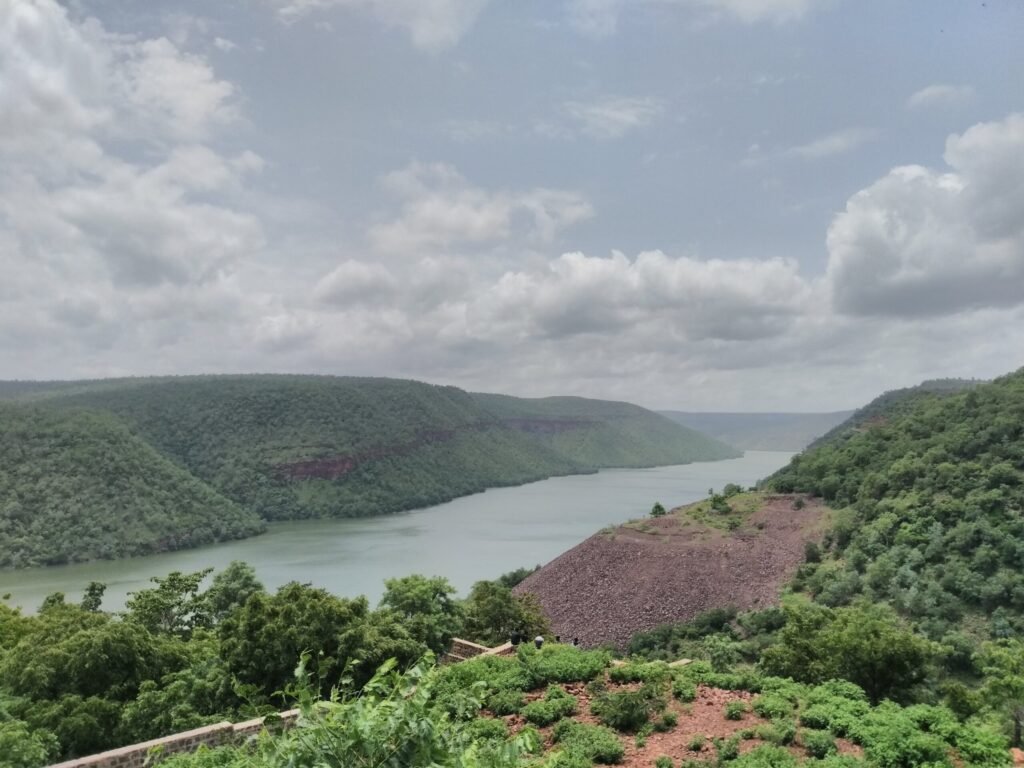
The Krishna River

17 Places To Visit In Colombo, Sri Lanka

Uncover Darjeeling’s Adventurous Heart
The Town You Sleep In
Why the base town shapes a monsoon waterfall trip more than any single fall, what to look for, and towns in Karnataka, Kerala and Goa worth considering.
One village ghat upriver
Train versus road that week
Markets before the 20th, not on it
Journeys Worth Discovering
Explore inspiring destinations, memorable journeys and travel stories from across India and beyond.
Explore destinations




