
There is no shortage of lists telling you the fifty things you must see in Mumbai. This is not one of them. Three days are enough to get a real feel for the city if you resist the urge to tick everything off, and give each day a theme and a neighbourhood. Here is a plan that mixes landmarks with the everyday life that makes Mumbai what it is.
A note for July 2022: this plan works in any season, but the monsoon is at its peak. Heavy rain can disrupt transport, so we have suggested indoor alternatives for each day. Check weather warnings every morning.
Before you start
Base yourself either in South Mumbai, around Colaba, Fort or Churchgate, or in Bandra in the western suburbs. South Mumbai puts you close to the heritage sights; Bandra is livelier in the evenings and better for food and cafes. The commute between them can take an hour or more in traffic, so it helps to plan days around one area at a time.
Day one: the old city
Start at the Gateway of India early, then walk through Colaba to Kala Ghoda. Spend the late morning at the Chhatrapati Shivaji Maharaj Vastu Sangrahalaya, which has fine collections of sculpture, miniature paintings and decorative arts. If it is raining, this is the place to be.
After lunch, walk through the Fort area: Horniman Circle, the Asiatic Society library with its grand steps, Flora Fountain, and the old banks and offices. Continue to Chhatrapati Shivaji Maharaj Terminus, the Victorian Gothic railway station. Stand across the road to take in the facade, then go inside to watch the crowds.
In the evening, walk to Marine Drive and sit on the sea wall as the lights come on along the Queen’s Necklace. In rough monsoon weather, keep back from the edge.
Day two: faith, markets and the shore
Begin at Crawford Market, formally Mahatma Jyotiba Phule Mandai, with its colonial building and bas-reliefs, and then wander into the bazaars beyond: spice lanes, brass and copper sellers, cloth markets and the crowded streets around Bhuleshwar. Go with an open mind and comfortable shoes. Mornings are easier than afternoons.
Take a taxi to Malabar Hill and walk down to Banganga Tank, an old temple tank surrounded by shrines and homes, and remarkably quiet. Then continue to Haji Ali Dargah, if the tide and weather allow. Nearby, Mahalaxmi Temple is busy with devotees, and Dhobi Ghat can be viewed from the bridge at Mahalaxmi station.
If it is pouring, swap the bazaars for the Dr. Bhau Daji Lad Museum in Byculla, the city’s oldest museum, set in a restored Victorian building in the Jijamata Udyan gardens.
Day three: the suburbs
Head north across the Bandra-Worli Sea Link to Bandra. Walk along Bandstand and up to Bandra Fort for views of the Sea Link. Visit Mount Mary Church, then explore the old village lanes of Ranwar and Chimbai, where Portuguese-style cottages survive among apartment blocks and street art decorates the walls.
In the afternoon, choose between two very different experiences. For green space, travel to Sanjay Gandhi National Park in Borivali, a large forest within the city limits, where the Kanheri Caves contain Buddhist rock-cut monuments dating back many centuries. In the monsoon, the forest is lush and the paths can be slippery; check whether trails and caves are open. Alternatively, stay in Bandra and Juhu, where Juhu Beach fills with families and snack stalls in the evening.
Where and what to eat
Mumbai is one of India’s great food cities. Over three days, try to include:
- Vada pav, the city’s signature snack, from a busy stall.
- Pav bhaji, especially at Chowpatty or Juhu.
- A meal in one of the old Irani cafes, with bun maska and chai.
- Coastal seafood such as fried bombil or a Malvani fish curry.
- Bhel puri and sev puri by the sea.
- A Parsi meal, if you can find one, for dishes like dhansak.
In the monsoon, choose busy places with fresh, hot food and avoid uncooked chutneys and raw salads from roadside stalls.
Getting around
The suburban trains are the fastest way to travel north and south, but they are extremely crowded at rush hour. Taxis, autorickshaws (only in the suburbs) and app-based cabs fill the gaps. Some new metro lines have recently started operating in the suburbs, and more are under construction, but they are not yet useful for most visitor routes. Expect diversions around construction sites.
If you have a fourth morning
Take a ferry from the Gateway of India to Elephanta Island, where the rock-cut cave temples, dedicated mainly to Shiva, are a UNESCO World Heritage Site. The great carved panel of the three-headed Shiva, often called the Trimurti or Maheshmurti, is one of the masterpieces of Indian sculpture. Note, though, that ferries are often suspended in the monsoon because of rough seas, so in July this may not be possible. In the drier months, allow at least half a day, wear good shoes for the steps, and carry water.
Practical rhythm for each day
Mumbai is tiring, especially in humidity. A good pattern is an early start, a slow, long lunch, a rest in the hottest or wettest part of the afternoon, and then a return outdoors for the evening, when the city is at its most sociable. Do not try to cross the city more than once a day. Traffic is unpredictable, and a short distance on the map can take an hour.
Safety and comfort
Mumbai is generally considered one of India’s safer big cities for visitors, but take the usual precautions with valuables in crowded places, especially on trains and in markets. Use metered taxis or app-based cabs at night. Women travelling alone often find the ladies’ compartments on trains more comfortable.
What to pack
- A compact umbrella and a light rain jacket.
- Sandals or quick-drying shoes.
- A waterproof pouch for your phone.
- Light, breathable clothes; it is humid even when it rains.
- Modest clothing for temples, mosques and the dargah.
Why not more?
Three days will not show you everything. You will miss Elephanta Island, the film studios, the long northern suburbs and the hill forts and waterfalls beyond the city. That is fine. A city like Mumbai is best understood in layers, and a slow first visit is the best way to make sure you will want to come back.
More from Issue 39
- Editor’s Letter: Mumbai in the Rain
- Journey To The Famous Caves Near Mumbai
- What’s Mumbai Without Its Beaches?
- Magnificent Temples To Visit Around Mumbai
- Famous Tourist Attractions In Mumbai
- Visit Mumbai’s Famous Marine Drive
- The Incredible Bandra Worli Sea Link of Mumbai
- Colaba to Bandra: The One Route That Explains Mumbai
- What to Skip on a First Trip to Mumbai
- Banganga Tank: The Quiet Place Beside Malabar Hill
Fog, Flights and the 31st
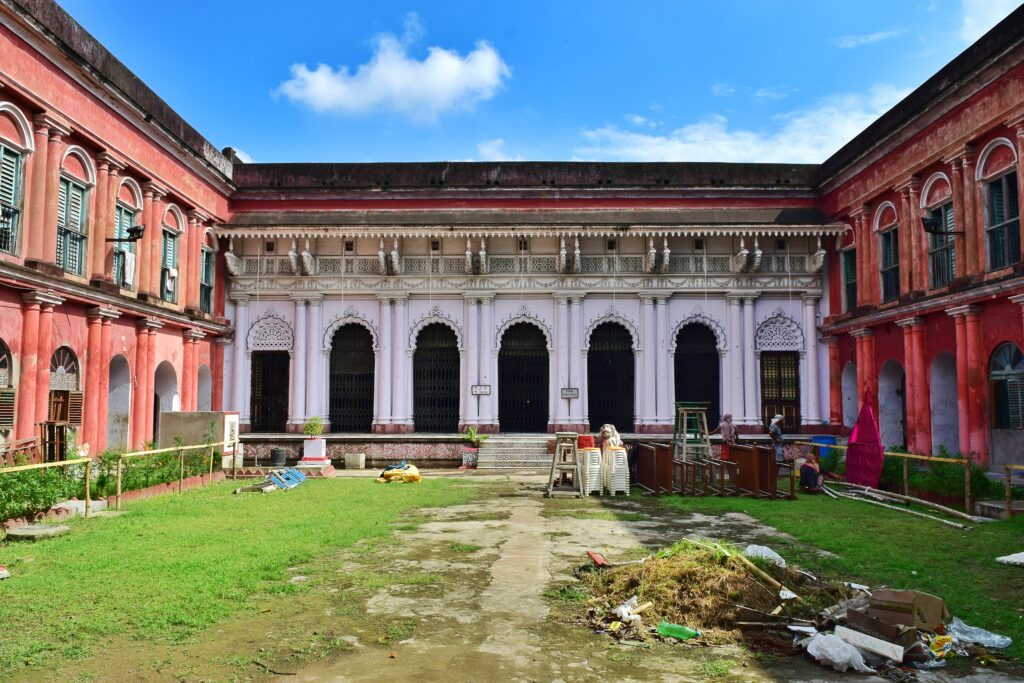
The Photograph of a Courtyard: North Kolkata’s Thakurdalans

The Rise of Homestays in India
The Town You Sleep In
Why the base town shapes a monsoon waterfall trip more than any single fall, what to look for, and towns in Karnataka, Kerala and Goa worth considering.
One village ghat upriver
Train versus road that week
Markets before the 20th, not on it
Journeys Worth Discovering
Explore inspiring destinations, memorable journeys and travel stories from across India and beyond.
Explore destinations




