
Dear reader,
Every Indian journey I remember well has a river somewhere in it. Sometimes the river is the destination: the ghats of Varanasi at first light, a boat drifting across the Brahmaputra at dusk, the Narmada running green below the marble cliffs at Bhedaghat. More often it is simply there, at the edge of the frame, the reason a town grew where it did, the reason a temple faces the way it does, the reason the bus stops for tea at that particular bridge. This August issue of Travel Viewpoint is about rivers, and about learning to notice them.
August is the right month for it. The monsoon is at full strength across most of the country, and our rivers are at their loudest and widest. The Ganga at Haridwar runs fast and brown with silt from the hills. The Godavari spreads across its delta. In Assam, the Brahmaputra reminds everyone who lives beside it that it has its own ideas about where its banks should be. A river in August is not a postcard. It is a living, sometimes frightening force, and we wanted this issue to respect that.
A different kind of travel year
I would be pretending if I wrote this letter as though this were an ordinary year. Most of us have travelled far less than we hoped to in 2020. Plans have been cancelled, trains have been fewer, and many of the places in these pages are still asking visitors to wait, or to follow careful local rules when they do come. Please check the current guidance of each state and district before you set out, and be patient with the communities who live along these rivers. Their safety comes first.
So think of this issue partly as a journey for the armchair, and partly as a list for the months ahead. Reading about a river is one of the oldest forms of travel there is. Pilgrims, traders and poets were writing about the Ganga and the Kaveri long before anyone printed a train timetable, and much of what we know about early India comes from people who followed water.
What is inside
We begin in the north-east with the Brahmaputra, the great river that enters India through Arunachal Pradesh and crosses the length of Assam before turning south into Bangladesh. Its sandbanks, river islands and the island of Majuli make it one of the most unusual river landscapes anywhere in the world. Our writer explains why it has been called a red river, and what it is like to cross it by ferry.
From there we travel to the peninsula. The Godavari, often described as India’s second-longest river, rises near Nashik in Maharashtra and crosses the Deccan to the Bay of Bengal. Pilgrims call it the Dakshin Ganga, the Ganga of the south. The Krishna, with its old name Krishnaveni, follows a parallel course and waters some of the most fertile land in the south. The Narmada, flowing west rather than east, is the lifeline of Madhya Pradesh and Gujarat, and the river that pilgrims walk around on the long parikrama.
We also look at the Mahanadi of Chhattisgarh and Odisha, at the Yamuna and its sacred bathing places, and of course at the Ganga itself, the river that most Indians picture first when they hear the word. There are pieces on the plants and wildlife that depend on our rivers, from river dolphins to the birds of the floodplains, and an honest look at floods and flood plains, because no story about Indian rivers in August is complete without them.
Why rivers still matter to travellers
There is a practical reason to care about rivers as a traveller, beyond their beauty. Rivers explain geography. If you understand where a river rises and where it is going, you understand why a road bends, why a city has an old quarter on one bank and a new one on the other, why the land is green here and dry there. On a long train journey across India, the rivers are the chapters. You cross the Yamuna, then the Ganga, then the Son, and slowly the country changes outside the window.
Rivers also explain faith. So many of India’s great pilgrimage towns sit on riverbanks, from Rishikesh and Prayagraj to Nashik, Ujjain and Srirangam, that it is impossible to travel for long without meeting people who have come to the water to pray, to scatter ashes, or simply to bathe. You do not need to share their beliefs to feel the weight of those places. Go early in the morning, stand back from the bathers, ask before you photograph anyone, and you will understand something about this country that no museum can teach.
And rivers explain food. The fish curries of Bengal and Assam, the rice of the Godavari and Krishna deltas, the wheat of the Gangetic plain: every regional kitchen in India is, in some way, a gift of the nearest river.
A gentle request
Many of our rivers are under great pressure. Pollution, sand mining, dams and plastic waste are changing them faster than at any time in their history. When you travel to a river, please carry your rubbish away with you, avoid single-use plastic offerings, and choose boatmen and guides from the local community. If you go rafting or swimming, go with licensed operators and listen to local advice, especially in the monsoon, when currents can be far stronger than they look from the bank.
Thank you
Thank you for staying with us through a strange year. Your messages, your memories of journeys past and your plans for journeys to come have kept this magazine going. I hope this issue reminds you of a river you love, and introduces you to one you have not yet met. When the time is right and it is safe to travel again, I hope you will go and sit beside it for a while. Watch the light on the water. Listen to it. That is reason enough for a journey.
With warm wishes from all of us at Travel Viewpoint,
Khushi Anand, Editor
More from Issue 16
- August 2020: Inside This Issue
- The Brahmaputra – Our Very Own Red River
- The Godavari – India’s Second Longest River
- The Narmada Life Line of Madhya Pradesh & Gujarat
- Floods and Flood Plains
- Travel The Ganges
- Flora and Fauna
- The Krishna – The Krishnaveni Of India
- Know More About The Mahanadi
- Have A Bath In The Sacred Yamuna!
- Flows of India
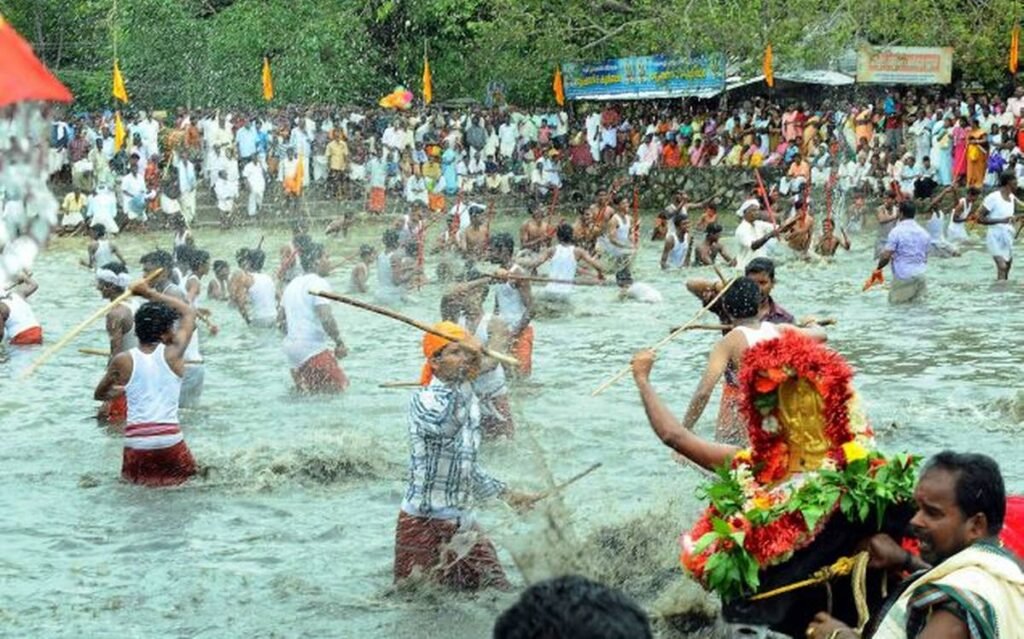
Ochira Kali
Navratri in Gujarat — issue index
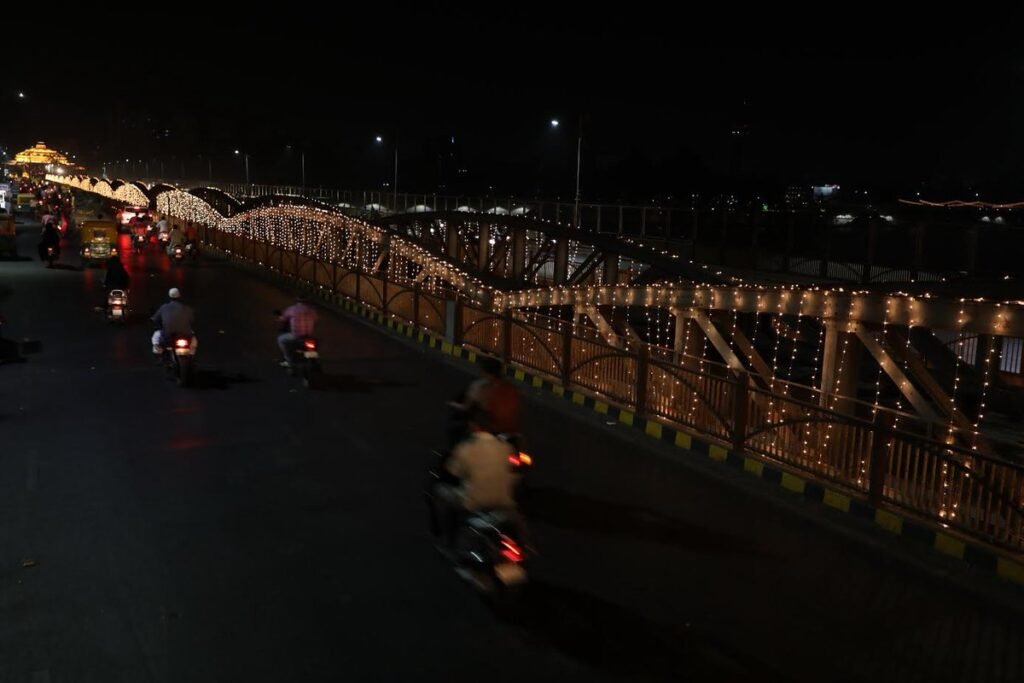
May Day, Gujarat
The Town You Sleep In
Why the base town shapes a monsoon waterfall trip more than any single fall, what to look for, and towns in Karnataka, Kerala and Goa worth considering.
One village ghat upriver
Train versus road that week
Markets before the 20th, not on it
Journeys Worth Discovering
Explore inspiring destinations, memorable journeys and travel stories from across India and beyond.
Explore destinations




