
Dear reader,
Every March, as the plains begin to warm and the first mango blossom appears on the trees outside my window, I find myself looking north. Not at a map, exactly, but at the idea of height: of cold air, thin light, and roads that bend back on themselves a hundred times before they deliver you somewhere that feels like the roof of the world. This issue of Travel Viewpoint is about travel in mountains, and it is the issue I have most wanted to put together since we began this magazine.
India is a country that is easy to imagine as flat. Our great cities sit on river plains and coastlines, and most of us grow up within sight of neither a snow peak nor a forested ridge. And yet the mountains shape almost everything about this land. The Himalaya catch the monsoon and send its water down the Ganga, the Yamuna, the Brahmaputra and the Indus. The Western Ghats wring rain out of the Arabian Sea and keep the south green. The Eastern Ghats, the Aravallis, the Satpuras, the Vindhyas and the Nilgiris each carry their own climates, communities and stories. To travel in the mountains is, in a quiet way, to travel to the source of the country.
What is in this issue
We begin close to home for many of our readers, with Malshej Ghat, the mountain pass in Maharashtra’s Sahyadri range where waterfalls pour off the cliffs in the rains and flamingos are reported in the valley in some seasons. From there we go to the far end of the map: Zanskar, the remote valley in Ladakh that still feels like a secret, reached by long roads and, in winter, by the famous frozen river.
We look up at the Kangchenjunga range, the third-highest mountain on earth and a sacred presence for the people of Sikkim and the Darjeeling hills. We come south to the Nilgiris, the Blue Mountains, with their tea estates, shola forests and the little toy train that still climbs to Ooty. We go to a corner few travellers know at all, the Mahuli and Duduma hills of Malkangiri in Odisha, where the Machkund river drops over the Duduma falls. And we spend time in the Garhwal Himalaya of Uttarakhand, the range of the Char Dham, of Nanda Devi’s neighbours, of valleys that have drawn pilgrims for centuries.
Alongside those pieces we have four new features. The first follows a single road, from Manali over the high passes to Leh, because there is no better way to understand how India’s mountains are stacked, valley after valley, climate after climate. The second is a three-day stay in Tawang, in Arunachal Pradesh, written as a slow visit rather than a list of sights. The third is a practical, honest piece on what to skip on your first high-altitude trip, from the rushed itinerary to the selfie at the pass without acclimatising. And the fourth takes you to Munsiyari, a Kumaon village facing the Panchachuli peaks, which offers what Nainital once did before the crowds arrived.
Why mountains, and why now
I have been asked, more than once, why a travel magazine should keep returning to the hills when so much of India’s travel is about cities, temples, beaches and food. My answer is simple. The mountains are where many of us first learned to travel. A school trip to Shimla or Mussoorie, a family holiday to Darjeeling or Kodaikanal, a college trek to a Sahyadri fort: for a great many Indians, these were the first journeys taken for the sake of the journey.
But the mountains have also changed. Roads now reach places that once needed days of walking. Hotels rise on slopes that were pasture a generation ago. Traffic jams form on passes. Some hill towns struggle with water, waste and landslides made worse by unplanned building. None of this means we should stop going; it means we should go differently. Throughout this issue, you will find us urging you to stay longer in fewer places, to walk where you can, to eat what local kitchens cook, to travel outside the peak weeks, and to respect the altitude and the weather rather than racing them.
A note on safety and humility
Mountains reward patience and punish haste. Please read our piece on high-altitude travel even if you think you know it all. Acute mountain sickness does not care how fit you are. Weather can close a pass in an afternoon. Roads that look short on a map can take a full day. Permits, where they apply, change from time to time, so check the current rules with the relevant state government or district administration before you set out. We have tried to be careful with every fact in these pages, and where details such as distances or altitudes vary between sources we have said so.
A thank you
This issue would not exist without the writers, photographers and readers who have shared their mountain stories with us over the years. Some of you wrote to us about a homestay host in Spiti who would not let you leave without a second cup of butter tea. Some told us about a forest guard in the Nilgiris who walked you to a viewpoint at dawn. Some sent us photographs of Kangchenjunga turning pink at sunrise from a Darjeeling rooftop. Those small, human moments are why we keep doing this.
I hope this issue sends you somewhere high this year, whether it is a Himalayan pass, a Western Ghats ridge, or simply a hill an hour from your home that you have never bothered to climb. Take a warm layer, a water bottle and a little more time than you think you need. Look up often.
Before you turn the page
One last request. When you go, travel as a guest rather than a customer. Carry your waste back down. Ask before you photograph people, prayer flags or shrines. Buy the woollens from the woman who knitted them rather than the shop that imported them. Hire the local guide even when the trail looks obvious, because the stories they tell are worth more than the fee. Mountain communities have welcomed travellers for a very long time; the least we can do is make sure that welcome survives us.
Write to us and tell us where you went. We read every letter, and the best of them often become the next story.
With warm wishes from the hills,
Khushi Anand, Editor
More from Issue 47
- March 2023
- Malshej Ghat – A Mountain Pass in Maharashtra
- Zanskar Valley – The Hidden Gem of Ladakh
- The Kangchenjunga Mountain Range
- Nilgiris Hills – The Blue Mountains
- The Mahuli Duduma Mountain Range, Malkangiri in Odisha
- The Garhwal Mountain Range in Uttarakhand
- Manali to Leh: The One Road That Explains India’s Mountains
- Three Days in Tawang, Not a Checklist
- What to Skip on Your First High-Altitude Trip in India
- Munsiyari: The Quieter Kumaon Village Beside Busy Nainital
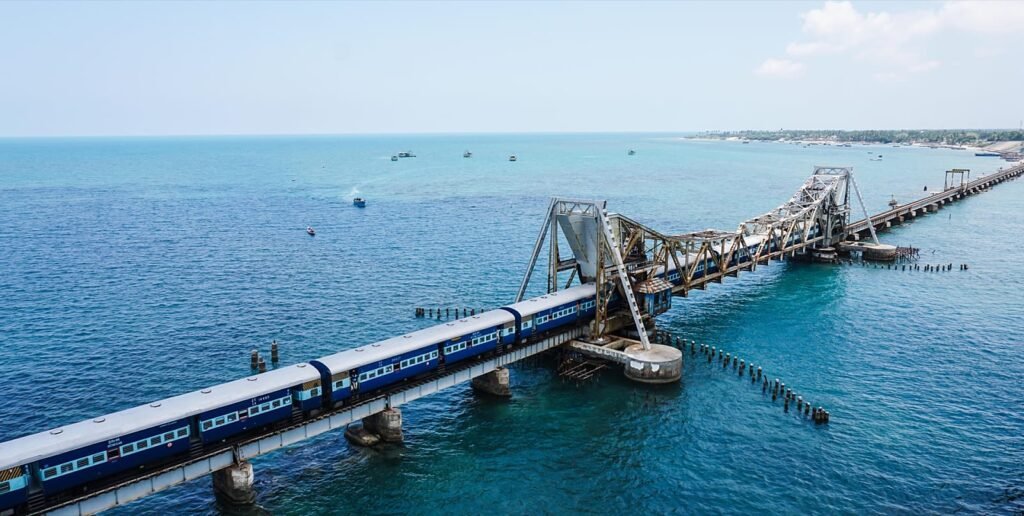
Rameswaram
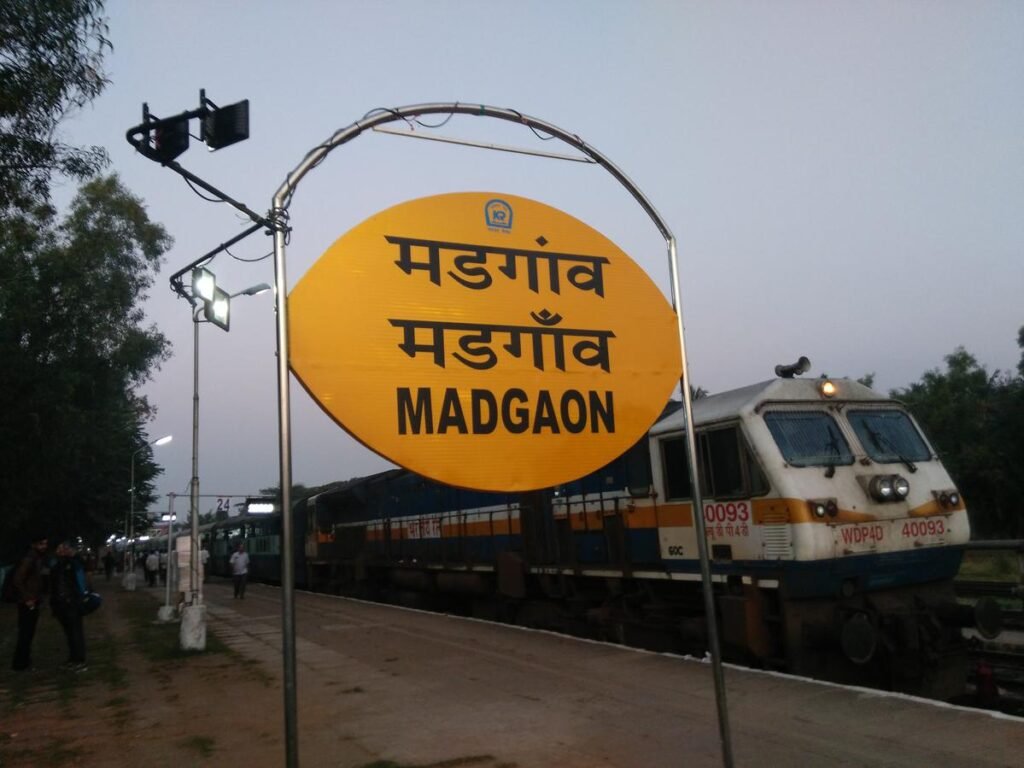
Explore Margao
The Town You Sleep In
Why the base town shapes a monsoon waterfall trip more than any single fall, what to look for, and towns in Karnataka, Kerala and Goa worth considering.
One village ghat upriver
Train versus road that week
Markets before the 20th, not on it
Journeys Worth Discovering
Explore inspiring destinations, memorable journeys and travel stories from across India and beyond.
Explore destinations




