
Your first trip into the high Himalaya is something you will remember for the rest of your life. You want those memories to be of turquoise lakes, prayer flags snapping in the wind and stars so dense they look like smoke, not of a pounding headache in a cold room or a frightening drive back down in the dark. Most first-trip problems come not from the mountains themselves but from what travellers try to squeeze into them. Here is our honest list of what to skip, and what to do instead, whether you are heading to Ladakh, Spiti, Sikkim’s high valleys, Tawang or the Garhwal and Kumaon Himalaya.
Skip: flying in and going straight up
The single most common mistake is flying into a high destination such as Leh, which sits at roughly 3,500 metres, and heading to a high pass or lake the next day. Your body needs time to adjust to lower oxygen. Doctors and the local authorities in Ladakh have long advised visitors who fly in to rest completely for the first day or so, and to take it easy for a couple more.
Instead: build in at least one full day of rest on arrival, and two or more easy days before going higher. Drink water, avoid alcohol, and walk gently around town. If you can, choose a route that climbs gradually by road, sleeping a little higher each night.
Skip: the “sleep high” itinerary
Many packages include a night at a high lake or camp early in the trip because it sounds romantic. Sleeping very high is where altitude sickness often hits hardest.
Instead: follow the old mountaineering principle of climbing high and sleeping low where you can. Visit the high lake by day and return to a lower base for the night until you are well acclimatised. If you do want to camp high, do it at the end of the trip.
Skip: ignoring the warning signs
Headache, nausea, dizziness, loss of appetite and poor sleep are classic signs of acute mountain sickness. They can be mild, but they can also be the start of something serious. Confusion, severe breathlessness at rest, a wet cough, or difficulty walking in a straight line are emergencies.
Instead: learn the signs before you travel, and watch your companions as well as yourself. Never go higher with symptoms. If they get worse, descend, even at night. Speak to a doctor before your trip, especially if you have a medical condition, and ask about medication. Know where the nearest health centre is.
Skip: the ten-sights-a-day plan
A first high-altitude trip is not the time to see everything. Distances are long, roads are slow, and every stop at altitude tires you more than you expect. Itineraries that cram several valleys, passes and lakes into a week leave you exhausted and spending most of your time in a vehicle.
Instead: pick one region and give it time. In Ladakh, for example, you might combine Leh with one valley, such as Nubra, and one lake, rather than trying to cover every corner. In Sikkim, focus on either the north or the west. You will see less, and experience more.
Skip: the wrong season for your plan
Mountain roads and passes have seasons. Many high Himalayan routes are closed for much of the winter, and the monsoon brings landslides to the outer ranges. Winter trips can be magical, but they require different planning, warmer gear and greater flexibility.
Instead: check road status and weather patterns for your specific route before you book anything that cannot be changed. Keep a spare day or two at the end of your trip in case a road closes. Never book a flight home for the same day you are coming off a pass.
Skip: self-driving on day one
Driving or riding at altitude on narrow, unpaved, unfamiliar roads, with water crossings, blind bends and heavy trucks, is a serious skill. Many first-time riders and drivers underestimate it, especially when they are also adjusting to thin air.
Instead: hire an experienced local driver for your first high-altitude trip, or join a reputable group with a support vehicle. Watch, learn, and save the self-drive for your second trip.
Skip: the crowd at the famous viewpoint at noon
Some viewpoints and lakes are crowded in the middle of the day, especially in peak season, with lines of vehicles and noise that rather defeats the purpose.
Instead: go early or late, or choose a quieter alternative nearby. The light is better in the morning and evening anyway. Ask your homestay host where they would go.
Skip: dressing for the photograph
Light jackets look good in pictures, but at altitude the temperature can fall sharply when the sun goes behind a cloud, and the wind on a pass can be bitter even in summer. Equally, the sun is far stronger than on the plains.
Instead: dress in layers, with a warm fleece or down jacket, a windproof outer layer, a hat, gloves and good shoes. Use sunscreen and lip balm, wear proper sunglasses, and cover your head in strong sun.
Skip: plastic bottles and leaving waste behind
Many high-mountain regions struggle with waste because there is little infrastructure to deal with it. Plastic water bottles pile up quickly.
Instead: carry a refillable bottle and use filtered water where it is offered. Carry your own rubbish back to a town with proper disposal. Avoid single-use plastic.
Skip: treating monasteries and villages as backdrops
High Himalayan communities often have deep religious traditions. Monasteries, stupas, mani walls and prayer flags are sacred objects, not props.
Instead: walk clockwise around stupas and mani walls, ask before photographing people, dress modestly, and keep your voice down in shrines. Stay in homestays where you can, and pay fairly for local services.
Skip: forgetting permits and paperwork
Many border areas, including parts of Ladakh, Sikkim, Arunachal Pradesh and Himachal Pradesh, require permits for some or all visitors, and the rules change.
Instead: check the current requirements with the relevant state or district authority before your trip, carry copies of your documents, and keep your identity proof with you.
What to do instead, in one line
Go slower, go lower at night, go with local knowledge, and go with respect. The mountains will still be there next year, and the year after that. You do not need to see all of them on your first trip.
More from Issue 47
- March 2023
- Editor’s Letter: Travel in Mountains
- Malshej Ghat – A Mountain Pass in Maharashtra
- Zanskar Valley – The Hidden Gem of Ladakh
- The Kangchenjunga Mountain Range
- Nilgiris Hills – The Blue Mountains
- The Mahuli Duduma Mountain Range, Malkangiri in Odisha
- The Garhwal Mountain Range in Uttarakhand
- Manali to Leh: The One Road That Explains India’s Mountains
- Three Days in Tawang, Not a Checklist
- Munsiyari: The Quieter Kumaon Village Beside Busy Nainital
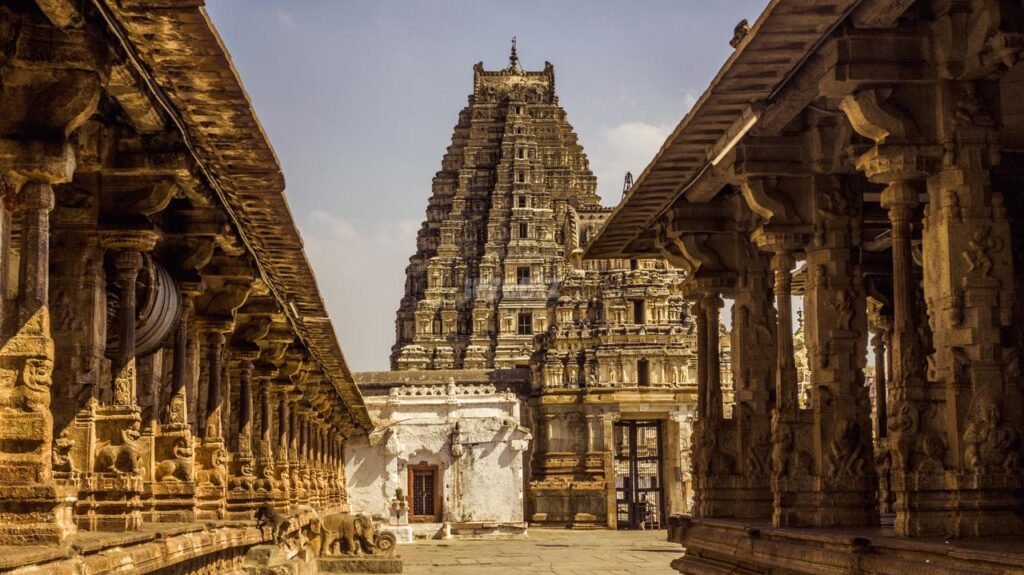
Must Visit Temples of South India

Wildlife of Bhutan

The Mahuli Duduma Mountain Range, Malkangiri in Odisha
The Town You Sleep In
Why the base town shapes a monsoon waterfall trip more than any single fall, what to look for, and towns in Karnataka, Kerala and Goa worth considering.
One village ghat upriver
Train versus road that week
Markets before the 20th, not on it
Journeys Worth Discovering
Explore inspiring destinations, memorable journeys and travel stories from across India and beyond.
Explore destinations




