
Kerala is one of the easier Indian states to travel in, with good infrastructure, a strong tourism industry and welcoming people. But a few practical choices make a big difference to how much you enjoy it: what you eat, where you stay and how you move between places. This guide covers all three, with tips for first-time visitors and those returning to see more.
Food: eat like a Keralite
Kerala’s cuisine is built on rice, coconut, spices and seafood, with strong regional and community variations. Hindu, Christian and Muslim communities each have their own traditions, and the food in the north, around Kozhikode and Kannur, differs from that in the south or centre.
Breakfast
Kerala breakfasts are a highlight. Try appam, a lacy rice pancake, with vegetable or meat stew. Puttu, steamed rice and coconut cylinders, is often eaten with kadala curry, made with black chickpeas. Idiyappam, string hoppers, and dosas are also common.
Meals
A traditional sadya is a vegetarian feast served on a banana leaf, with rice and many dishes including sambar, avial, thoran, olan, pickles, papadam and payasam. It is especially associated with festivals like Onam, but some restaurants serve sadya-style meals regularly.
Kerala fish curry, often made with kudampuli, a sour fruit, is a staple. Karimeen, pearl spot fish, is a backwater speciality, often fried or cooked in banana leaf. Prawns, crab and mussels are popular on the coast. Beef fry and chicken dishes are common in Christian and Muslim households and many restaurants.
In the north, Malabar cuisine includes biryani, pathiri, a thin rice bread, and many snacks.
Toddy shops
Toddy shops serve palm toddy, a mildly alcoholic drink, along with spicy food that is often excellent. They can be an authentic local experience, but some are rough and mostly male. Choose family-friendly ones if you are unsure, and drink responsibly. Alcohol rules in Kerala are regulated, so check what is permitted.
Food tips
Eat at busy places, drink bottled or filtered water and ask for less spice if needed. Coconut oil is used widely, which gives food its distinctive flavour. Vegetarians will find plenty of options, especially in sadya and South Indian restaurants.
Stay: choose your bases well
Kerala offers a wide range of accommodation.
Homestays
Homestays are one of the best ways to experience Kerala. Many families have opened their homes to guests, offering home-cooked food and local knowledge. Kerala Tourism has a classification system for homestays; you can look for approved properties. Read reviews and check facilities.
Heritage hotels
In places like Fort Kochi, old colonial buildings and traditional houses have been converted into hotels. They offer atmosphere and are usually well located for walking.
Plantation stays
In the hills, plantation bungalows and estate stays let you wake up among tea, coffee or spice gardens. They are often quiet and scenic, but may be remote.
Houseboats
A night on a houseboat in the backwaters is a classic Kerala experience. Choose licensed operators, check reviews and understand what is included. Houseboats usually cruise during the day and moor in the evening.
Resorts
Kerala has many resorts, from beachfront properties to Ayurvedic retreats. They offer comfort and facilities, but can feel removed from local life.
Choosing where to stay
Stay in Fort Kochi rather than Ernakulam if you want to explore the old town. Stay outside Munnar town for quieter hill views. In the backwaters, consider a homestay on the water as well as, or instead of, a houseboat. Book early for peak season, especially around Christmas and New Year.
Move: getting around Kerala
By air
Kerala has several airports, including Kochi, Thiruvananthapuram, Kozhikode and Kannur, with domestic and international connections.
By train
Trains run along the coast, connecting major towns such as Thiruvananthapuram, Kollam, Alappuzha, Ernakulam, Thrissur and Kozhikode. They are a comfortable and affordable way to travel between coastal destinations. Book in advance, especially for air-conditioned classes. Trains do not reach hill stations like Munnar.
By bus
Kerala State Road Transport Corporation buses and private buses connect most towns, including hill stations. They are cheap but can be crowded and slow, especially on hill roads.
By car
Hiring a car with a driver is popular for tourists, particularly for routes involving the hills. It offers flexibility and comfort. Use reputable agencies or drivers recommended by your stay, agree on rates and routes in advance, and avoid night driving in the hills.
By boat
Boats are part of life in Kerala’s backwaters. State Water Transport Department ferries connect villages and towns around Alappuzha, Kottayam and Kochi, and are an inexpensive way to experience the backwaters. In Kochi, ferries link Fort Kochi, Ernakulam and the islands; check what services are currently running.
Local transport
Auto-rickshaws are everywhere. In some cities, they use meters; elsewhere, agree on the fare first. App-based taxis operate in larger cities.
Planning your movement
Kerala is long and narrow. Travel along the coast is relatively easy by train. Travel into the hills takes longer by road. A good plan avoids zig-zagging between hills and coast too often. For example, Kochi, then Munnar, then Thekkady or Vagamon, then the backwaters, then back to Kochi or on to the south.
Limit long travel days, and plan quieter evenings after a long drive.
Practical tips
Carry some cash, though digital payments are common. Pack light clothes, a rain jacket and mosquito repellent. Dress modestly at religious sites. Respect local customs; Kerala is relatively conservative in some areas. Check temple rules, as some do not allow non-Hindus inside.
Budgeting
Costs in Kerala vary widely by season and type of stay. Peak months around Christmas and New Year are usually the most expensive, while the monsoon often brings lower rates. Houseboats, heritage hotels and resorts can take up a large share of a budget, so decide where you want to spend more and where simple stays will do. Ask what is included in each booking, such as meals, taxes and transfers, so there are no surprises.
Putting it together
A good Kerala trip combines local food at every meal, a mix of stays, perhaps a heritage hotel in Kochi, a plantation stay in the hills and a homestay or houseboat in the backwaters, and a sensible route with short travel days. Get these three things right, and Kerala’s famous calm will follow.
More from Issue 56
- December 2023
- Editor’s Letter: Kerala, Slow Water and Green Hills
- Tea Gardens in Kerala: A Verdant Symphony
- A Magical Journey in Kerala Houseboats
- Kerala Ayurveda: A Traditional Healing Art
- Kerala Cuisine: An Exquisite Blend of Coconut, Spice, & Traditional Flavours
- Kerala: A Symphony of Tradition, Diversity, & Timeless Culture
- Kochi to Munnar to Alappuzha: The Route That Explains Kerala
- Three Days in Fort Kochi, Not a Checklist
- What to Skip on Your First Trip to Kerala
- Vagamon: The Quieter Hill Station Beside Munnar
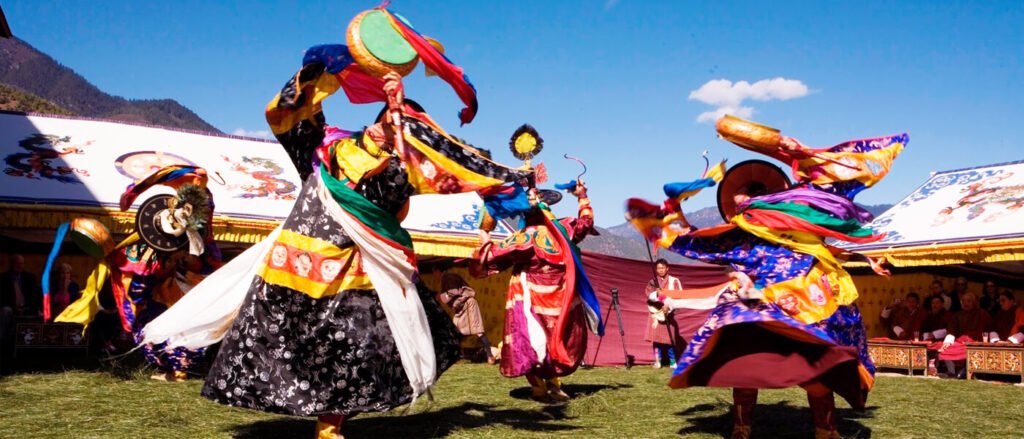
And Here’s The Nepalese Culture!
Diwali getaways index
Editor’s Letter: Sacred Cities of India
The Town You Sleep In
Why the base town shapes a monsoon waterfall trip more than any single fall, what to look for, and towns in Karnataka, Kerala and Goa worth considering.
One village ghat upriver
Train versus road that week
Markets before the 20th, not on it
Journeys Worth Discovering
Explore inspiring destinations, memorable journeys and travel stories from across India and beyond.
Explore destinations




