
Fort Kochi is small enough to walk across in an hour, but most visitors who spend just one day here leave with the feeling that they missed something. They are right. Fort Kochi is a place of layers: Portuguese, Dutch and British buildings, Jewish and Gujarati merchant quarters, Chinese fishing nets, churches, mosques, temples, spice warehouses, art cafés and fishermen’s homes. Three days give you time to notice the details. This is not a checklist, but a plan for walking, eating and watching.
Where Fort Kochi is
Fort Kochi is on the coast of Kochi, in the Ernakulam district of Kerala. It sits on a peninsula, connected to the mainland by bridges and ferries. Mattancherry, next door, is home to the old palace, the synagogue area, known as Jew Town, and many spice warehouses. The airport is some distance away on the mainland; allow enough time for the drive, which can be slow in traffic.
Day one: arrive and walk the waterfront
Arrive in the afternoon and check into a homestay or small hotel in Fort Kochi. Many are in old houses with verandas and courtyards, which suit the neighbourhood.
In the late afternoon, walk to the waterfront to see the Chinese fishing nets. These large cantilevered nets, operated by teams of fishermen, are one of Kochi’s most recognisable sights. They are thought to have been introduced centuries ago, though accounts of their origin vary. Watch the fishermen at work, and if they invite you, you may be able to help lower a net, sometimes for a small tip.
Stay for sunset over the harbour, as ships and ferries move through the channel. Then walk through the nearby streets, past old colonial buildings, and have dinner at a local restaurant. Fresh fish is the obvious choice; you can sometimes buy fish from the stalls near the nets and have it cooked at a nearby eatery, but check prices and hygiene first.
Day two: churches, palace and synagogue
Start early, before the heat. Walk to St Francis Church, which is often described as one of the oldest European-built churches in India. Vasco da Gama was originally buried here before his remains were taken to Portugal. The church is simple but historically important. Nearby, the Santa Cruz Basilica is grander, with a colourful interior.
Walk through the streets around Princess Street and Burgher Street, where you can see Dutch and Portuguese influences in the architecture. Stop for coffee and breakfast at one of the cafés.
Later in the morning, take an auto-rickshaw or walk to Mattancherry. Visit the Mattancherry Palace, also called the Dutch Palace, which contains Kerala murals depicting scenes from Hindu epics, as well as exhibits on the rulers of Kochi. Then walk to the Paradesi Synagogue, one of the oldest active synagogues in the Commonwealth, according to many sources, with its hand-painted floor tiles and chandeliers. Check opening hours: both the palace and synagogue usually close on certain days, and the synagogue is closed on Saturdays and Jewish holidays.
Spend the afternoon exploring Jew Town’s antique shops and spice warehouses. Some old godowns, warehouses, have been turned into galleries and cafés. You can still smell pepper, ginger and other spices in the air.
In the evening, attend a Kathakali performance at one of the cultural centres. Arrive early to watch the performers apply their elaborate make-up, a process that can take hours. The performance itself is a mix of dance, music and drama, often telling stories from the Mahabharata or Ramayana.
Day three: slow mornings and the edges of Fort Kochi
On your final day, take it slowly. Have a long breakfast, then rent a bicycle or walk to parts of Fort Kochi you have not seen. Visit the Indo-Portuguese Museum if it is open, or the Maritime Museum, which tells the story of Kochi’s naval and trading history. Check current status and timings.
Walk through the residential lanes, where fishermen’s homes, small temples and mosques sit side by side. Fort Kochi’s diversity is not just in its monuments, but in its everyday life.
In the afternoon, take a ferry from Fort Kochi to Ernakulam or Vypeen. The ferry is cheap and gives you views of the harbour, the fishing nets and passing ships. It is also how many locals travel. If you go to Vypeen, you can visit a beach or simply watch life on the waterfront.
Return to Fort Kochi for a final sunset and dinner.
Art and culture
Fort Kochi and Mattancherry have become known for contemporary art, partly due to the Kochi-Muziris Biennale, a major international art exhibition held in the city. Even outside Biennale periods, you will find galleries, street art and cultural spaces. Ask locally about current exhibitions.
Food to try
Kerala’s food is one of the joys of Fort Kochi. Try appam with stew, Kerala-style fish curry, fish moilee, karimeen, prawns, and beef or chicken fry. Vegetarians can enjoy sadya-style meals, avial, thoran and sambar. For breakfast, try puttu with kadala curry or idiyappam. Many cafés also serve international food, reflecting the town’s popularity with travellers.
Where to stay
Fort Kochi has many homestays and guesthouses, as well as heritage hotels in restored colonial buildings. Staying here, rather than on the mainland, means you can walk everywhere. Choose a quiet street if you are sensitive to noise. Book early in the peak season, roughly December to February.
Getting around
Walking is the best way to explore Fort Kochi. For longer distances, auto-rickshaws are easy to find; agree on the fare before you go. Bicycles can be rented. Ferries connect Fort Kochi to other parts of Kochi.
Practical tips
Fort Kochi can be hot and humid, so carry water, sunscreen and a hat. Dress modestly at religious sites. Keep an eye on your belongings in crowded areas. Respect residents’ privacy; Fort Kochi is a living neighbourhood, not a museum.
Why three days
In one day, Fort Kochi can feel like a list of sights. In three days, you begin to understand how its layers fit together. You notice the colour of the walls, the smell of spices, the sound of church bells and calls to prayer, and the rhythm of the fishing nets. That is the real Fort Kochi, and it is worth slowing down for.
More from Issue 56
- December 2023
- Editor’s Letter: Kerala, Slow Water and Green Hills
- Tea Gardens in Kerala: A Verdant Symphony
- A Magical Journey in Kerala Houseboats
- Kerala Ayurveda: A Traditional Healing Art
- Kerala Cuisine: An Exquisite Blend of Coconut, Spice, & Traditional Flavours
- Kerala: A Symphony of Tradition, Diversity, & Timeless Culture
- Kochi to Munnar to Alappuzha: The Route That Explains Kerala
- Three Days in Fort Kochi, Not a Checklist
- What to Skip on Your First Trip to Kerala
- Vagamon: The Quieter Hill Station Beside Munnar
- Kerala Travel: Food, Stay, and How You Actually Move
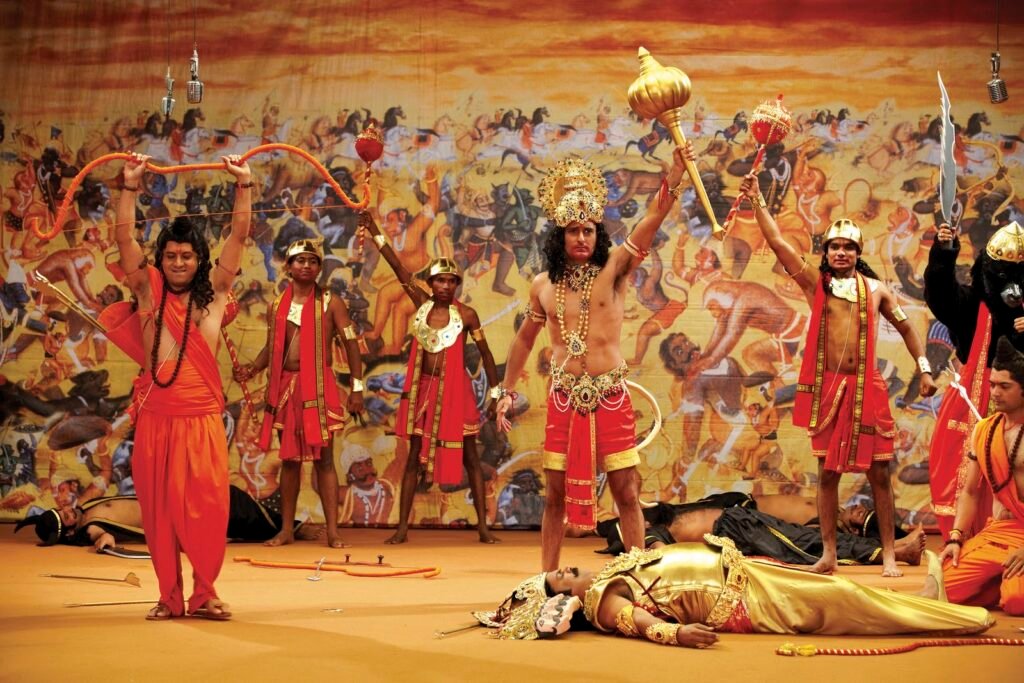
Ramnagar Ramleela
A quieter place beside the famous one: Tirthan Valley beside Kullu–Manali
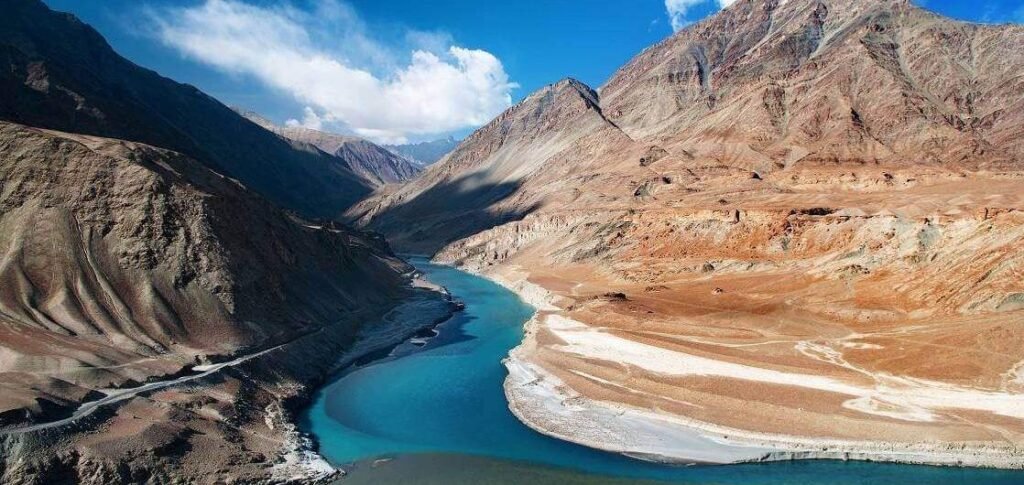
Top 10 Things To Do In Leh Ladakh
The Town You Sleep In
Why the base town shapes a monsoon waterfall trip more than any single fall, what to look for, and towns in Karnataka, Kerala and Goa worth considering.
One village ghat upriver
Train versus road that week
Markets before the 20th, not on it
Journeys Worth Discovering
Explore inspiring destinations, memorable journeys and travel stories from across India and beyond.
Explore destinations




