
Before the scooters, before the honking, before the weekend traffic jams on every bridge, Pune’s old city belongs to temple bells, flower sellers and the smell of fresh poha.
Pune is a city of two speeds. By mid-morning on a Saturday, the roads around the old city are a slow river of two-wheelers, cars and buses, and the Mutha river bridges are gridlocked. But get up early, very early, and you can walk the old peths (neighbourhoods) of the Peshwa city almost alone. This is our plan for a dawn walk through old Pune, finished before the traffic wakes up.
Why go early
Pune’s old city, the core around Shaniwar Wada and the peths named after days of the week (Shaniwar, Sadashiv, Narayan, Kasba, Budhwar, Raviwar and others), was laid out mainly in the seventeenth and eighteenth centuries, when Pune grew from a small town into the capital of the Peshwas, the chief ministers who ran the Maratha state. Its lanes were not built for cars. In the early morning, you can see its temples, wadas (old courtyard mansions) and markets the way they were meant to be seen, on foot. In April, when this issue is set, early morning is also the only truly cool time of the day.
Start: Kasba Ganpati
Begin at the Kasba Ganpati temple in Kasba Peth, considered the presiding deity (gramdevata) of Pune. Tradition links the temple to Jijabai, Shivaji’s mother, who is said to have had it built or restored after the family settled in Pune in the 1630s. Morning worship brings a steady stream of locals on their way to work. Remove your shoes and step inside quietly.
Shaniwar Wada
A short walk away is Shaniwar Wada, the fortified palace of the Peshwas, built from 1730 under Bajirao I. Much of the palace inside burned in a great fire in 1828, and today you see the massive walls, bastions and gateways, including the spiked Delhi Darwaja, with the stone foundations and gardens inside. The stories of the place, including the murder of the young Peshwa Narayanrao in 1773, are part of Pune folklore; some say the palace is haunted.
Shaniwar Wada opens later in the morning (check the current timings set by the Archaeological Survey of India), so on an early walk you will see it from outside, when the light on the walls is soft and the square in front is quiet. Come back later if you want to go in.
Through the peths
From Shaniwar Wada, walk south through Budhwar and Raviwar Peths. The lanes are lined with shops just opening their shutters: brass and copper vessels, saris, puja items, flowers. Look up: many buildings still have carved wooden balconies and the narrow fronts of old wadas. Some old wadas survive with courtyards intact; others have been rebuilt as apartment blocks. Ask before stepping inside any courtyard.
Tulshibaug and Mandai
Head to Tulshibaug, a busy market around the Tulshibaug Ram temple, an eighteenth-century temple with a tall spire. In the morning, the stalls set up with kitchen utensils, toys, bangles and household goods.
Then walk to Mahatma Phule Mandai, the city’s great vegetable and fruit market, housed in an octagonal building from the 1880s with a tall central tower. It is at its liveliest in the morning, when vendors arrange pyramids of vegetables and haggle with the first customers. In April, look for the first mangoes of the season.
Dagdusheth Halwai Ganpati
Finish at the famous Dagdusheth Halwai Ganpati temple, one of the most visited temples in Maharashtra, founded in the late nineteenth century by a sweet-maker, Dagdusheth Gadve, and his wife. Even early, there are devotees; the gilded idol is visible from the street. During the Ganeshotsav festival, usually in August or September, this area is packed day and night.
Pause too at the small shrines tucked between shops, each with its own morning visitors, and at the old public water fountains and wells that once served the peths. The neighbourhood names tell you how the city was planned: each peth was a market quarter, often named after the day its weekly market was held.
Breakfast
By now, you have earned breakfast. Old Pune is known for its simple breakfast places serving poha (flattened rice with onion and peanuts), upma, sabudana khichdi (sago with peanuts, especially on fasting days), misal pav and hot tea. Look for small, busy, long-established eateries in the peths; follow the crowd of locals. More ideas in our Pune food guide that is not a café list.
How to reach
The old city is in the centre of Pune, on the south bank of the Mutha. From most parts of the city, an auto or app cab will get you there quickly in the early morning. Pune Metro has stations near the old city area, including near Shaniwar Wada/Kasba Peth and Mandai on the newer underground stretch; check current routes and timings before relying on them early in the morning. Then walk; the whole route above is a few kilometres.
Best time
Start around first light and aim to finish by mid-morning. Weekdays are quieter than weekends for traffic, but Sunday mornings are peaceful too. October to February is the most pleasant season; in April and May, the early hours are essential. During Ganeshotsav, the old city is spectacular but extremely crowded.
Where to stay
Staying in or near the old city, around Deccan Gymkhana, Shivajinagar or the peths themselves, makes a dawn start easy. Options range from simple lodges and guesthouses to mid-range hotels. Koregaon Park and Camp are further but have a wider choice.
Tips
- Wear comfortable, easily removable shoes for temples.
- Carry small cash for flowers, offerings and breakfast.
- Dress modestly.
- Ask before photographing people, especially in temples and markets.
- Download an offline map; the lanes are a maze.
Where next
Once the traffic arrives, escape it. Head for a fort you can do before lunch (see one fort you can do before lunch), or spend a slow afternoon in the green lanes of the cantonment (see Camp, and the lanes behind it). For the Gandhi story, the Aga Khan Palace is across the river.
Dudhsagar Without the Convoy Myth

Jammu, The Winter Capital
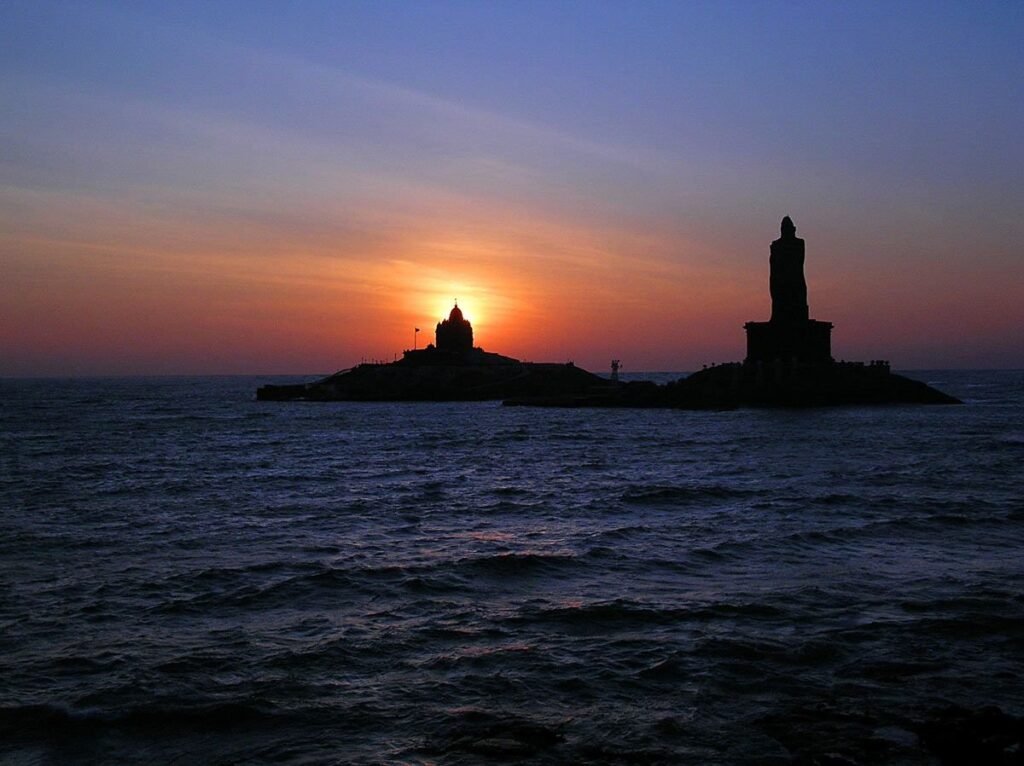
Kanniyakumari, the “lands end’
The Town You Sleep In
Why the base town shapes a monsoon waterfall trip more than any single fall, what to look for, and towns in Karnataka, Kerala and Goa worth considering.
One village ghat upriver
Train versus road that week
Markets before the 20th, not on it
Journeys Worth Discovering
Explore inspiring destinations, memorable journeys and travel stories from across India and beyond.
Explore destinations




