
Pune has more cafes than you could visit in a year. This is not a list of them. It is a guide to what the city actually eats, from misal at breakfast to a mastani on an April evening.
Every travel feed about Pune seems to show the same thing: latte art, avocado toast, a cafe in Koregaon Park. They are pleasant enough. But Pune is one of the great food cities of Maharashtra, and most of what it loves best is cheaper, older and far more interesting. This guide is organised by dishes and kinds of places, not by names. Use it to know what to order, and let locals point you to their favourite spot.
Breakfast: misal, poha and the art of the early plate
Pune wakes up to misal pav: a spicy curry of sprouted moth beans topped with farsan (crunchy fried snacks), chopped onion and lemon, eaten with soft bread rolls. Every neighbourhood has its misal place, and every Punekar has strong opinions about the right level of spice. The Pune style is often described as a little milder and sweeter than Kolhapur’s fiery version, but you will find all kinds.
Poha (flattened rice with peanuts, onion and turmeric), upma, sabudana khichdi (sago with peanuts, popular on fasting days) and thalipeeth (a savoury multigrain flatbread) round out the classic breakfast table. Look for small, busy breakfast rooms in the old city peths, and see our early morning walk.
Lunch: the Maharashtrian thali
The best way to understand the region’s food is a thali. A vegetarian thali might include varan bhaat (simple dal and rice with ghee), amti (tangy dal), a dry vegetable, a gravy vegetable, koshimbir (a fresh salad), pickles, chapati or bhakri, and a sweet. Many restaurants serve unlimited refills.
Look for:
- Puran poli: a sweet flatbread filled with jaggery and chana dal, served with ghee or katachi amti.
- Pithla bhakri: a rustic gram-flour curry with millet flatbread, the classic meal of the fort trails; see Sinhagad Fort.
- Shrikhand and amrakhand: thick, sweetened strained yoghurt, the second flavoured with mango.
- Sol kadhi: a pink drink of kokum and coconut milk, from the Konkan coast, cooling and digestive.
Non-vegetarians should look for a mutton thali in the Kolhapuri or Malvani style, with tambda rassa (red curry) and pandhra rassa (white curry), or a Konkan fish thali with fried pomfret or surmai.
Snacks: wada pav, bhel and bakarwadi
- Wada pav: a spiced potato fritter in a bun with chutneys, Maharashtra’s great street snack.
- Bhel and chaat: sold from carts in the evenings, especially near gardens and colleges.
- Bakarwadi: a spiral of crisp pastry filled with a sweet-spicy masala. Pune’s sweet shops are famous for it, and it makes a good gift to carry home.
- Sabudana wada: crisp sago and peanut fritters.
Camp’s bakeries and Irani cafes
Pune’s cantonment has its own food world: Irani cafes with bun maska and chai, and old bakeries known for shrewsbury biscuits, nankhatai and mawa cakes. See Camp, and the lanes behind it.
Sweets
Pune’s sweet shops are institutions, often family-run for generations. Look for modak (especially around Ganeshotsav), pedha, barfi and chakka (strained yoghurt) to take home. Many old sweet shops in the peths keep traditional hours, sometimes closing in the afternoon, so check before setting off.
The mastani
Pune’s signature summer drink is the mastani: a thick milkshake, usually mango in season, topped with a scoop of ice cream, nuts and sometimes cherries, served in a tall glass. Its name is often linked, by local legend, to Mastani, the companion of the Peshwa Bajirao I, though the drink itself is modern. In April and May, when Alphonso mangoes (hapus) arrive from the Konkan, a mango mastani is the best way to end a hot day.
Mangoes in April
April is mango season. Markets fill with Alphonso and other varieties. Buy from reputable sellers, ask whether fruit is naturally ripened, and expect high prices at the start of the season. Mango ras (pulp), eaten with puri or chapati, is a seasonal treat in many homes and some restaurants.
A word on Puneri manners
Pune is famous, and gently teased across Maharashtra, for its Puneri patya: blunt, witty signboards in shops and housing societies laying down the rules. Some old eateries have their own: no sharing tables at peak hour, no lingering, no substitutions, closed between lunch and evening. Take them in good humour. The food is usually worth it, and the signs are part of the experience.
Where to eat: kinds of places
- Old breakfast rooms in the peths: simple, busy, cheap.
- Thali restaurants: look for places serving Maharashtrian, Kolhapuri or Malvani thalis.
- Irani cafes and bakeries in Camp.
- Sweet shops in the old city.
- Street carts for wada pav, bhel and kulfi, especially in the evening.
- Dhabas on the highways when you head out of town for a fort or a day in the Deccan.
Best time
October to February is the most comfortable for food walks. April and May bring mangoes and mastani, but plan food walks in the early morning or evening. Ganeshotsav (usually August or September) brings modak and festival foods, and Diwali is the season for faral, crunchy festive snacks like chakli, chivda and karanji.
Tips
- Eat where locals queue.
- Ask for spice levels; “medium” can be hot.
- Carry small cash for carts and sweet shops, though digital payments are widely accepted.
- Some old shops close in the afternoon; plan around it.
- If you have dietary restrictions, ask; ghee, peanuts and jaggery are common.
The real Pune menu
The cafes are not going anywhere. But the real flavour of Pune is a spoon of misal at seven in the morning, a thali with endless refills at lunch, a bag of bakarwadi in your luggage, and a mango mastani on a hot April evening. Eat those, and you will have tasted the city.
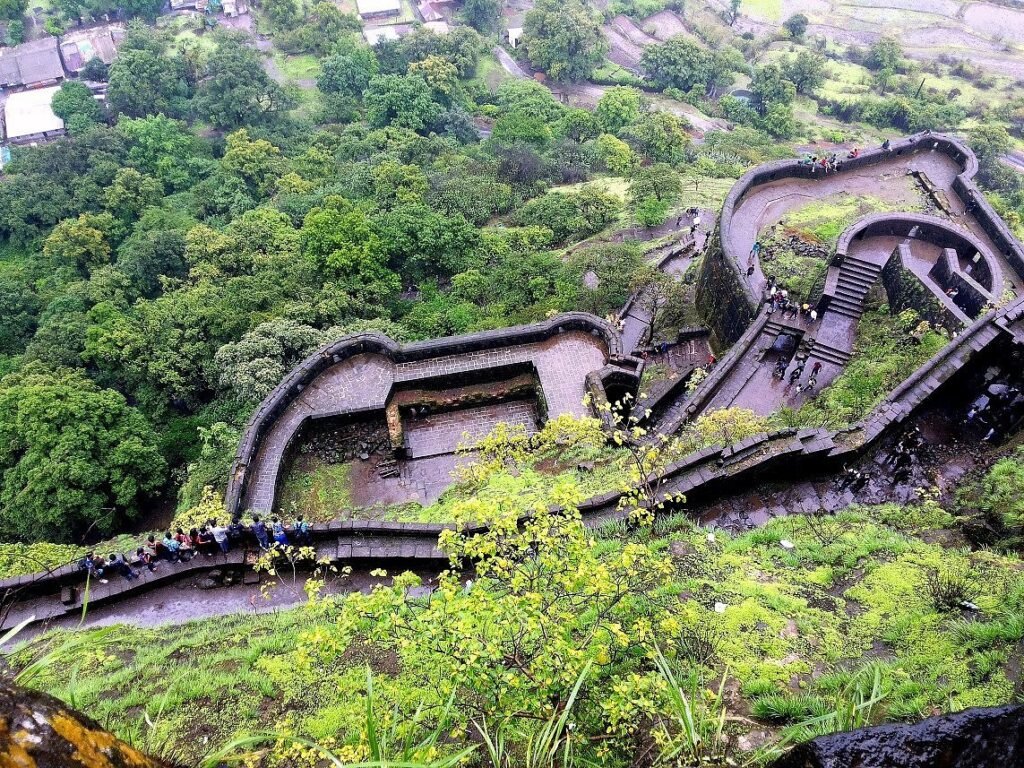
Lohgad Fort Trek, Maharashtra

Planning a Trip to Andaman, Lakshadweep or Diu
The Photograph From the First Hour
The Town You Sleep In
Why the base town shapes a monsoon waterfall trip more than any single fall, what to look for, and towns in Karnataka, Kerala and Goa worth considering.
One village ghat upriver
Train versus road that week
Markets before the 20th, not on it
Journeys Worth Discovering
Explore inspiring destinations, memorable journeys and travel stories from across India and beyond.
Explore destinations




