
Neil Island, officially renamed Shaheed Dweep in 2018, is the kind of place that makes a checklist feel faintly ridiculous. It is small enough to cycle around in a morning, its main village is a handful of lanes around a market, and the most important daily decision may be whether to watch sunrise at one end or sunset at the other. Many visitors give it a single night between Havelock and Port Blair. Three nights is better, and here is one way to spend them without turning the island into a to-do list.
Before you arrive
Neil is reached by ferry, usually from Port Blair or Havelock. Fast private boats and slower government ferries both serve the island, and in the busy season it is wise to book well in advance. Facilities are simpler than on Havelock: there are fewer ATMs, mobile data can be patchy, and some stays rely on generators at times. Carry some cash, a torch and any medicines you need.
Stays range from simple beach huts to a few more comfortable resorts. Many are clustered near Bharatpur, Laxmanpur and the stretch towards Sitapur. Choose based on whether you care more about swimming (Bharatpur side) or sunsets (Laxmanpur side).
Day one: arrive, slow down
Most ferries arrive at the jetty near Bharatpur Beach, which makes a natural first stop. Drop your bags, change and walk down to the water. Bharatpur has a sheltered lagoon with calm, shallow water on most days, and it is one of the better places on the island for a relaxed swim. Glass-bottom boat rides and snorkelling trips often leave from here; if the water is clear and you want to see coral without much effort, this is the easy introduction.
In the afternoon, rent a bicycle or scooter. Bicycles are the more pleasant choice on Neil, since distances are short and the roads are quiet. Ride through the village, past paddy fields and banana groves, and notice how much of the island is farmland. Neil has long been described as a vegetable garden for the region, supplying produce to Port Blair and Havelock, which explains the fields you will pass.
End the day at Laxmanpur Beach 1, on the western side, which is widely considered the island’s best sunset point. The beach is long and white, and as the light goes the colours can be remarkable. Bring water; the walk across the sand is longer than it looks.
Day two: the natural bridge and the tide
Check the tide table before you plan the morning. The natural rock formation known as the Natural Bridge, or Howrah Bridge in local slang, at Laxmanpur Beach 2 is best seen at low tide, when you can walk out across rocks and tide pools. At low water, the pools around the bridge are home to small fish, sea cucumbers, crabs and sometimes octopus. Local guides often wait near the path and can show you what to look for. Wear proper footwear; the rock and dead coral are sharp, and live coral should never be stepped on.
Late morning is for doing very little. Go back to your stay, read, nap through the hottest hours. Island trips are often ruined by trying to fill the middle of the day.
In the afternoon, head to Ramnagar Beach, a quieter strip on the island that many visitors miss. Depending on conditions, there can be decent snorkelling off the beach, though currents and visibility vary, and you should ask locally before going in. If you dive, Neil has a few dive operators, and sites around the island are sometimes described as less crowded than Havelock’s.
Spend the evening in the small market area near the jetty. Simple restaurants serve fish thalis, grilled seafood and North and South Indian standards. Prices and menus change from season to season, so do not be surprised if the place recommended on a blog has changed hands.
Day three: sunrise and a slow goodbye
Set an alarm. Sitapur Beach, on the eastern tip of the island, faces the open sea and is the classic sunrise spot. The ride there in the dark is short and the beach is usually almost empty. The water at Sitapur can be rough and is often not suitable for swimming, but the light on the limestone and the waves makes the early start worthwhile.
After breakfast, cycle back via the inland roads and take a last swim at Bharatpur if your ferry timing allows. If you have one more night, spend it doing exactly what you liked best on the first two days.
What three days on Neil feels like
Neil is not a place of big sights. Its pleasures are small and repeated: the same beach looking different at a different tide, the same lane familiar by the third evening, the shopkeeper who now recognises you. That is why one night here rarely feels like enough. You get the scenery, but not the slowness, and the slowness is the point.
Responsible travel on a small island
Small islands feel the impact of visitors quickly. Fresh water can be limited, so short showers matter. Plastic waste is hard to remove from islands, so carry a refillable bottle and decline unnecessary packaging. Never collect coral or shells, which is also generally prohibited under Indian wildlife and forest rules. Respect local customs in the village, dress modestly away from the beaches, and ask before photographing people.
When to visit
The main season usually runs from October or November to around May. December to March is often considered the most comfortable period, with calmer seas, though it is also when ferries and stays fill fastest. The monsoon months bring heavy rain and rough crossings, and boats can be cancelled at short notice.
Practical summary
Plan for three nights. Book ferries early. Rent a bicycle. Learn the tide times. Pick one sunrise and one sunset and do not try to collect every beach. Leave room for rain, for a long lunch, for the second swim you did not plan. Neil does not need you to be efficient. It works best when you are not.
More from Issue 51
- July 2023
- Editor’s Letter: Island Hopping, India Beyond the Mainland
- Island Hopping in The Andaman & Nicobar Islands
- Adventures & Leisure in Andaman & Nicobar Islands
- Explore the Diverse Flavors of Andamanese Cuisine
- Andaman & Nicobar Treasures and Artefacts
- Port Blair, Havelock, Neil: The Ferry Route That Explains the Andamans
- Three Days on Neil Island (Shaheed Dweep), Not a Checklist
- What to Skip on Your First Trip to Diu
- Divar Island: The Quieter Goa Island Across from Panaji
- Food, Stay and How You Actually Move Around the Andamans
- A Week on Majuli: Slowing Down on the Brahmaputra’s River Island
The Photograph From the First Hour
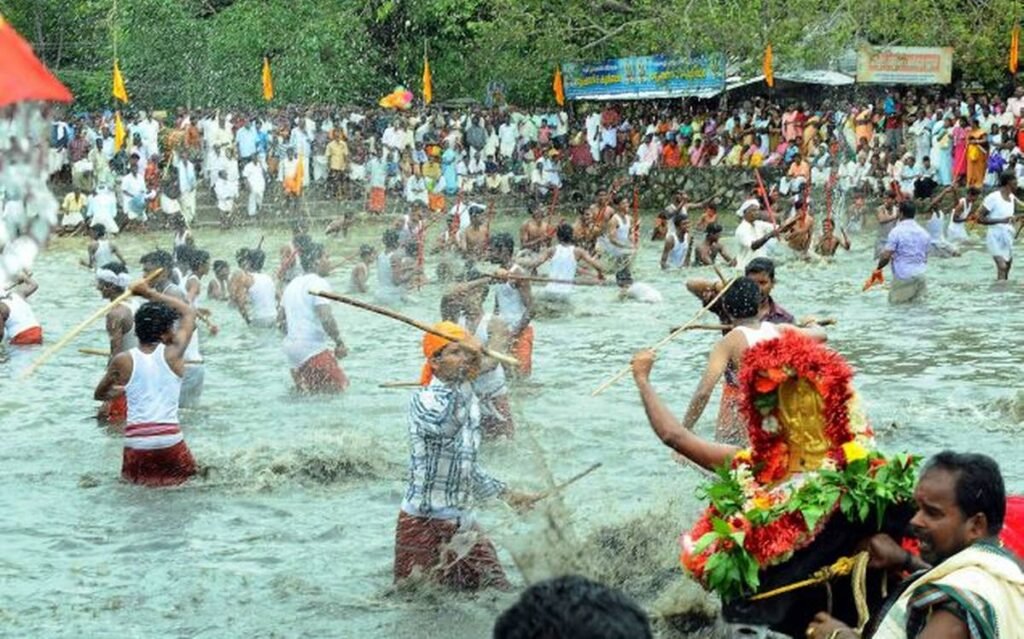
Ochira Kali
Three days, not a checklist: Gokarna, slowly
The Town You Sleep In
Why the base town shapes a monsoon waterfall trip more than any single fall, what to look for, and towns in Karnataka, Kerala and Goa worth considering.
One village ghat upriver
Train versus road that week
Markets before the 20th, not on it
Journeys Worth Discovering
Explore inspiring destinations, memorable journeys and travel stories from across India and beyond.
Explore destinations




