
Arrivals get all the planning. Departures decide how a trip ends. Here is how to time your exit from the fort, the beach, the market and the town itself.
Ask anyone about a trip and they will tell you how it began: the train pulling in, the first glimpse of the lake, the smell of the sea. Ask how it ended and the answer is usually vaguer, or worse, a story about traffic. On a short trip the final hours carry real weight. They are the last thing you remember, and they are the hours most likely to be squeezed by checkout times, packing and the anxiety of catching something on time.
This piece is about leaving well, at two scales: the hour you leave a single place during the day, and the hour you leave the town at the end of your seventy-two hours.
The small exits: leaving a sight
Most sights have a natural rhythm across the day, and the best time to leave is often just before that rhythm turns against you.
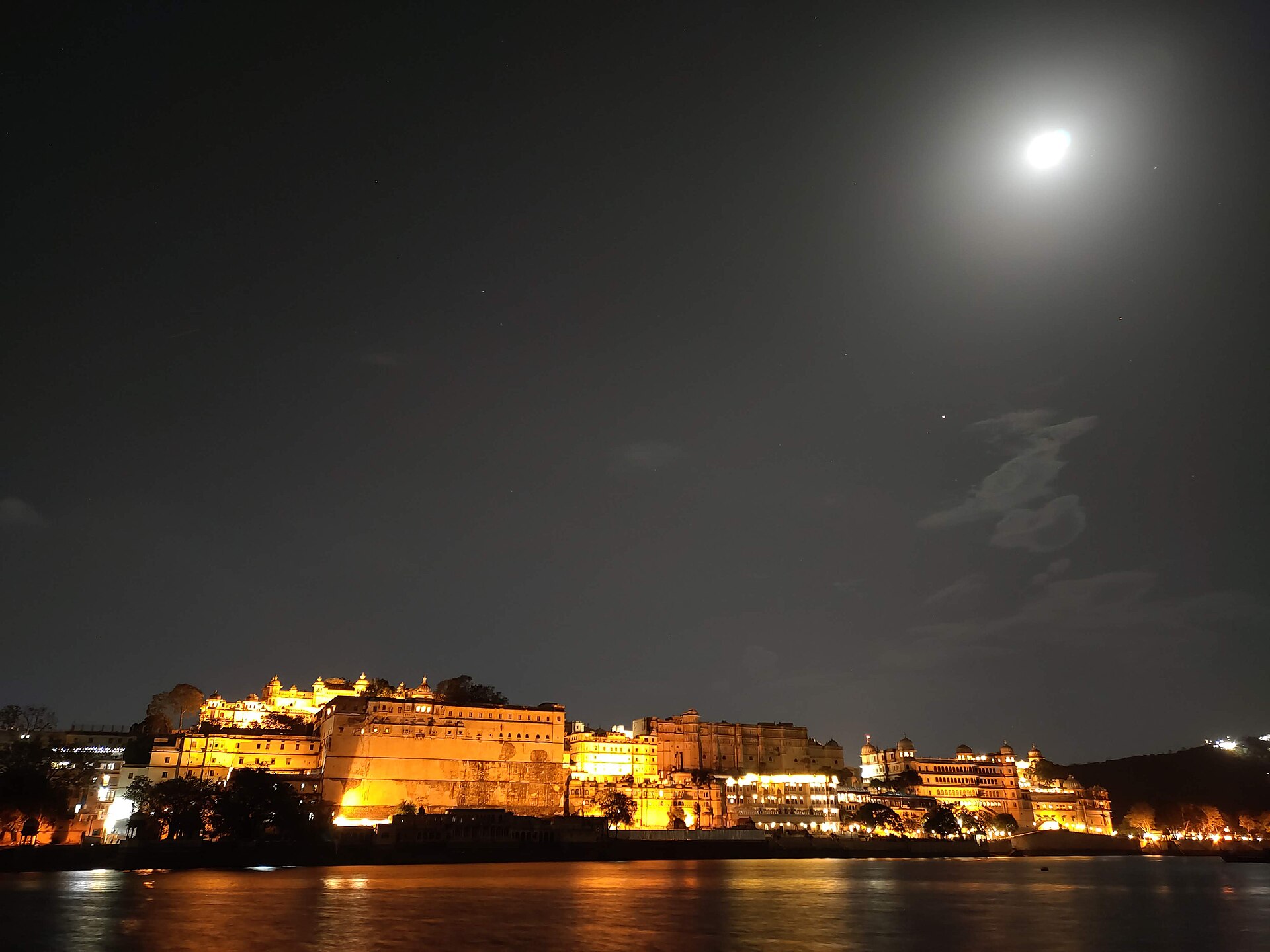
Ghats and lakefronts are at their best early. In Udaipur, the ghats around Lake Pichola are calm in the first hours of the morning, when people come to bathe and wash and the water is still. By late morning the light flattens and the crowds build. Leave before the heat, and come back in the evening if you want the other version of the place.
Markets have their own clock. Mysuru’s Devaraja Market is busiest and most vivid through the morning, when flowers, fruit and vegetables are fresh and the trading is serious. Leave once you feel the energy drop and the heat rise; a market at midday is mostly waiting.
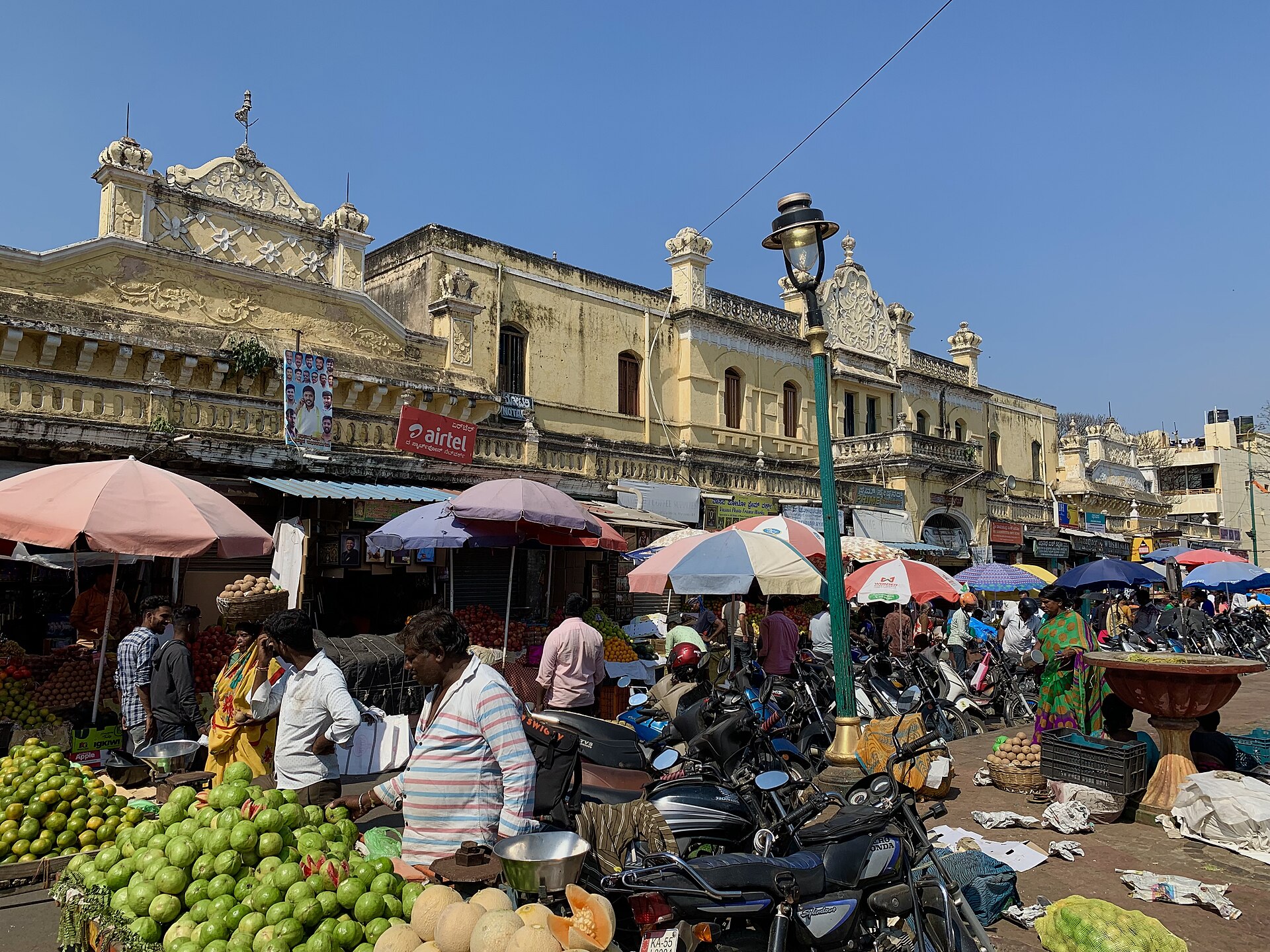
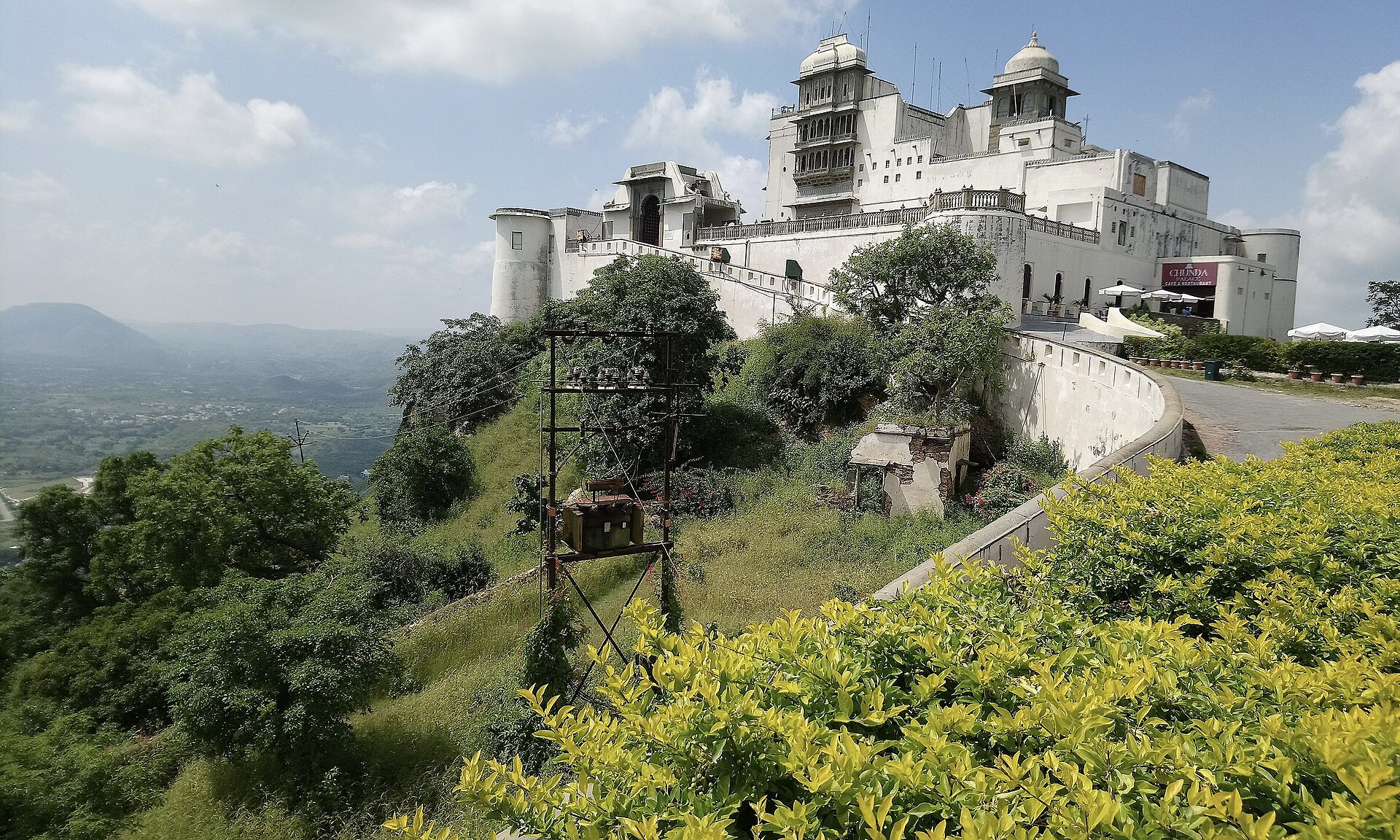
Viewpoints reward the opposite. Hilltop sights such as Chamundi Hill above Mysuru or the Sajjangarh palace above Udaipur are made for late afternoon. The mistake here is leaving the moment the sun touches the horizon. The best colour often comes in the minutes after sunset, and the descent is calmer once the first wave of visitors has gone. Check how late the site stays open and how you will get back down before you commit to staying.
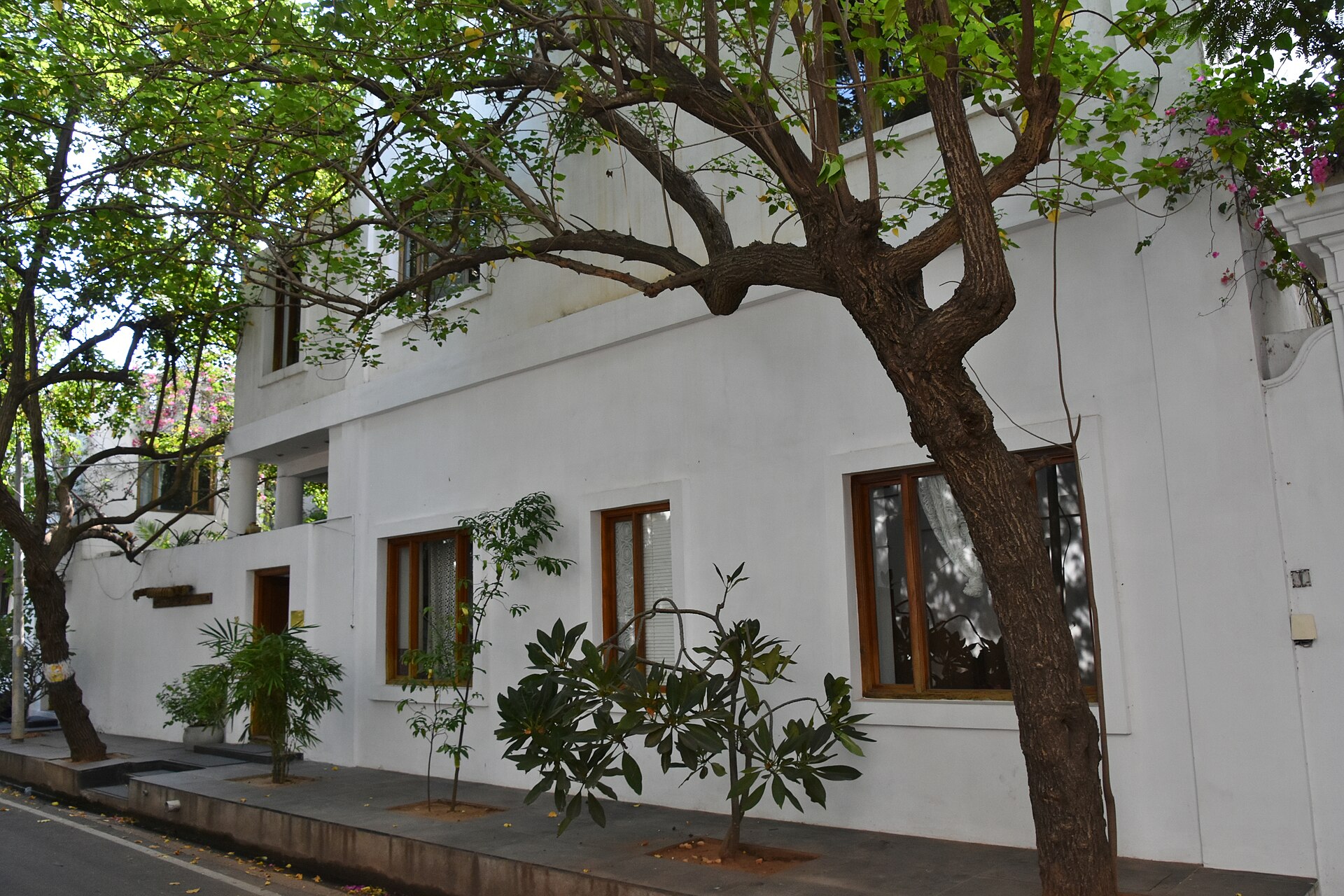
Beaches and promenades have two good windows: early morning and evening. Pondicherry’s seafront is at its most pleasant in the cool hours, when walkers and joggers have it to themselves. In the hot middle of the day there is little reason to be there.
Palaces, forts and museums are usually quietest at opening time and shortly before closing. If you arrive at opening, plan to leave before the tour groups peak. If you arrive late, be honest about how long you have; a rushed hour in a great museum is often less satisfying than a slow one somewhere smaller.
The rule of the second wave
A useful habit: when you notice the second wave of a place arriving, whether tour buses, school groups or the lunchtime crowd, take it as your signal. You have already had the best of it. Leave while you still like it, and you will carry that version home.
The big exit: leaving the town
Now the harder question. Your seventy-two hours are almost up. When should you actually go?
Work backwards from the departure. Start with the time your train, bus or flight leaves. Then add a realistic journey to the station or airport for that time of day, not the time it took at dawn. Then add a margin for the unexpected. In Indian cities, evening rush hours and festival traffic can stretch a short ride considerably. The result is the latest moment you can comfortably leave your hotel.
Then plan the last good thing. Look at the window between checkout and that moment. What fits into it without risk? It should be something close to your hotel or on the way to the station, something you can cut short without regret. A final breakfast at a favourite café, a short walk to a ghat, an hour in a garden.
Avoid the last-day anchor. It is tempting to save something important for the final afternoon. Unless it is very close to your departure point, resist. The anxiety of watching the clock will spoil it. Our Mysuru plan deliberately ends with the palace on the last full day, not in the hours before the train.
Night trains change everything
If you are leaving on an overnight train, the final day becomes a gift: a full day in town and no hotel night to pay for at the end. The challenge is luggage and energy. Ask your hotel whether you can leave bags after checkout, or whether a late checkout is possible; many will help if you ask in advance. Plan a slow last afternoon and an early dinner near the station. You want to board relaxed, not breathless.
Leaving at dawn
The opposite case, an early morning departure, needs care the night before. Pack fully, settle the bill, confirm your transport, and set the alarm earlier than seems necessary. Then give yourself one small reward: a short walk the evening before to somewhere you loved, so the trip has a proper last look rather than a dark taxi ride.
Weather and the monsoon exit
In August, much of India is in the monsoon, and rain adds its own uncertainty to departures. A heavy shower can slow traffic, flood an underpass or delay a train. On wet days, leave earlier than you think you need to, keep your tickets and identification somewhere dry and easy to reach, and check the status of your train before you set out. A little extra margin turns a stressful exit into a calm one.
Leave something undone
Finally, the most important rule of leaving is to leave something undone. A good short trip should end with a sense of unfinished business: the café you meant to try, the lane you did not walk down, the temple you saw only from outside. That is not failure; it is a reason to come back. The traveller who tries to finish a city in three days usually leaves exhausted. The one who leaves a little on the table usually leaves happy.
Time your exits as carefully as your arrivals and the shape of your trip will change. The last hour will stop being a scramble and become, instead, a quiet goodbye.
A first trek that stays under the cloud
Ram Path to Ram ki Paidi: The One Walk That Explains Ayodhya
The Town You Sleep In
Why the base town shapes a monsoon waterfall trip more than any single fall, what to look for, and towns in Karnataka, Kerala and Goa worth considering.
One village ghat upriver
Train versus road that week
Markets before the 20th, not on it
Journeys Worth Discovering
Explore inspiring destinations, memorable journeys and travel stories from across India and beyond.
Explore destinations




