
Ayodhya can feel like two cities at once. One is ancient: a sacred town of temples, maths and ghats, woven through with the stories of the Ramayana. The other is brand new: widened roads, fresh facades, a new airport and railway station, and the great Ram Mandir consecrated in January 2024. The best way to understand how these two cities fit together is to walk. And the one walk that explains Ayodhya runs along Ram Path, the city’s renewed main artery, and down through the old heart of town to Ram ki Paidi, the chain of ghats on the Saryu river.
This is not a single fixed route so much as a way of moving through the city. Distances are manageable on foot for most people, but e-rickshaws are everywhere if you need a break. Start early, go slowly and allow a full day.
Ram Path: the new face of an old city
Ram Path is the long road that runs through Ayodhya towards the river, widened and redeveloped in the years leading up to the temple’s consecration. Walking it, you see the scale of the transformation: uniform facades painted in warm colours, decorative lamp posts, new pavements and signage, and an endless stream of pilgrims, vehicles and vendors.
It is easy to be cynical about rapid redevelopment, and some residents have mixed feelings about what was lost along the way, as shops and homes were cut back to make room for the wider road. But walking Ram Path also shows you a town preparing to welcome millions of visitors a year, and doing so with obvious pride. Stop at a tea stall, watch the crowds and take in the energy of a city in the middle of reinventing itself.
Hanuman Garhi: the guardian on the hill
From Ram Path, turn off towards Hanuman Garhi, one of Ayodhya’s most important temples. Tradition holds that Hanuman lives here to guard the city, and many pilgrims visit him before going on to any other temple. The temple sits atop a mound and is reached by a flight of steps. It is often busy and loud, with devotees offering laddoos, bells ringing and monkeys watching from every ledge.
Keep a firm hold on your belongings and any food: the monkeys are bold. Dress modestly and be prepared to leave your shoes at a stall below.
Kanak Bhawan: the golden palace
A short walk from Hanuman Garhi brings you to Kanak Bhawan. According to tradition, it was a palace gifted to Sita by Kaikeyi after Sita’s marriage to Rama, and the present temple houses images of Rama and Sita adorned in gold. The building, with its graceful arches and courtyard, has a calmer feel than Hanuman Garhi. Devotional music often fills the air, and it is a lovely place to sit for a few minutes.
Dashrath Mahal and the old lanes
Close by is Dashrath Mahal, associated with Rama’s father, King Dasharatha. Like much of Ayodhya, the present structure is far younger than the legends attached to it, but it remains an important place of worship, with colourful gateways and an atmosphere of quiet devotion.
From here, let yourself wander the old lanes. This is the part of Ayodhya that the new roads have not reached: narrow alleys, small temples tucked into every corner, maths and ashrams where sadhus sit in courtyards, and shops selling sindoor, prayer beads, brass idols and pedas. Each temple seems to have its own story from the Ramayana. Ask, and someone will usually be happy to tell it.
The Ram Mandir
The new Ram Mandir, built in the Nagara style of temple architecture in pink sandstone, is the centrepiece of modern Ayodhya. For many visitors it is the reason for the whole journey. Standing in the queue among families from every part of India, many visiting for the first time and many visibly moved, is an experience in itself.
Security is strict. Phones, bags, electronic devices and many other items are generally not allowed inside, and there are facilities to deposit them before entry; confirm current rules, timings and any pass system before you visit, as these have changed since the temple opened. Weekdays and early mornings are usually less crowded than weekends and festival days.
Down to the Saryu: Ram ki Paidi
After the temples, walk down towards the river. Ram ki Paidi is a series of ghats along a channel of the Saryu, rebuilt and extended in recent years with long steps, fountains and lighting. In daylight it is a place for bathing and rituals; in the evening it fills with families strolling, children playing and pilgrims watching the river.
Ram ki Paidi is also the stage for Ayodhya’s Deepotsav, the spectacular festival of lamps held around Diwali, when vast numbers of earthen diyas are lit along the ghats in celebration of Rama’s return to Ayodhya. The event has set world records in recent years. If you are visiting in December, you will not see it, but the ghats are still beautiful at dusk.
Naya Ghat and the evening aarti
A short walk from Ram ki Paidi brings you to Naya Ghat and the main river front, where an evening aarti to the Saryu is performed. As the light fades, priests wave lamps over the water, bells ring and devotees float small leaf boats of flowers and lamps on the river. It is a gentle, beautiful end to the day, and a reminder that for all its new buildings, Ayodhya remains a river town.
Practical tips
- Start early. Temples are calmer in the morning and the light is lovely on the river.
- Wear slip-on shoes you can remove easily; you will take them off many times.
- Carry little: a small amount of cash, water and nothing you would mind depositing at a cloakroom.
- Use e-rickshaws for longer stretches, agreeing a fare first.
- Respect photography rules, which are strict at some temples.
- In December, mornings and evenings can be cold and foggy; carry a warm layer.
Why this walk explains Ayodhya
By the time you sit on the steps at the river, you will have seen both cities. You will have walked the bright new road, stood before the great new temple and seen the scale of modern devotion. You will also have climbed to Hanuman Garhi, rested at Kanak Bhawan, wandered the old lanes and watched the lamps on the Saryu, as pilgrims have done for centuries. Ayodhya is both, and the walk from Ram Path to Ram ki Paidi is where you feel them meet.
More from Issue 68
- December 2024
- Editor’s Letter: Ayodhya, a City Learning to Welcome the World
- Ayodhya: The Cradle of Indian Heritage
- A Day in Ayodhya: Perfect Itinerary for First-Time Visitors
- The Ramayana Connection: Walking Through Ayodhya’s Mythological Past
- Ayodhya’s Local Cuisine: What to Eat and Where to Find It
- Ayodhya Beyond Temples: Cultural Gems to Discover
- Exploring the Saryu River: A Spiritual and Scenic Experience
- Three Days in Ayodhya, Not a Checklist
- What to Skip on Your First Trip to Ayodhya
- Faizabad: The Quieter Nawabi City Beside Ayodhya
What to Skip on Your First April Trip in India
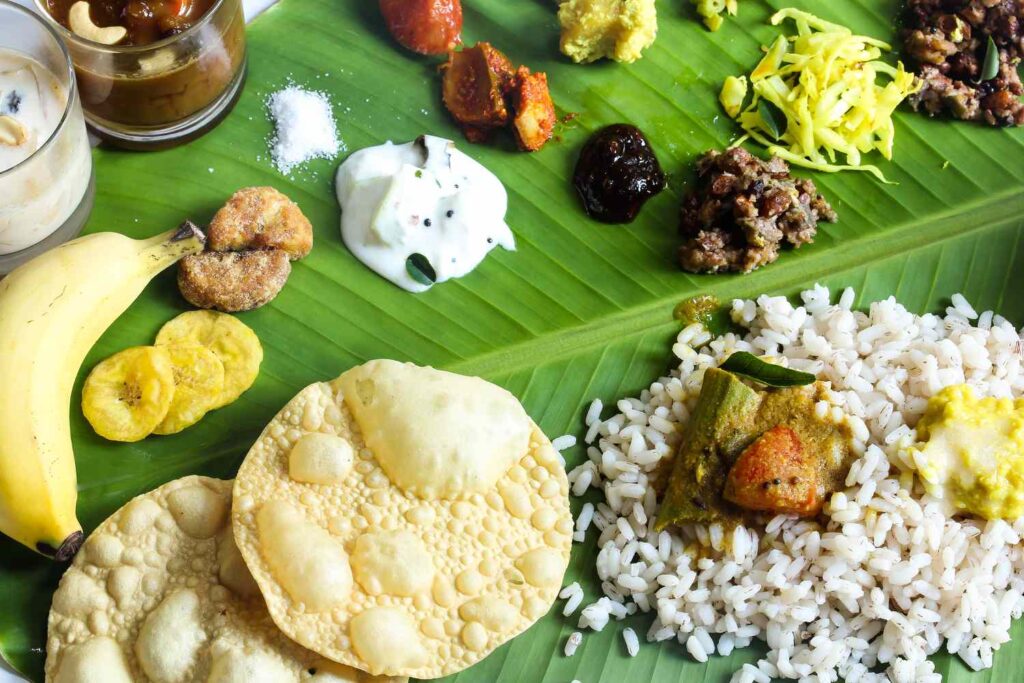
Kerala Cuisine: An Exquisite Blend of Coconut, Spice, & Traditional Flavours

Travel to Andaman by Ship
The Town You Sleep In
Why the base town shapes a monsoon waterfall trip more than any single fall, what to look for, and towns in Karnataka, Kerala and Goa worth considering.
One village ghat upriver
Train versus road that week
Markets before the 20th, not on it
Journeys Worth Discovering
Explore inspiring destinations, memorable journeys and travel stories from across India and beyond.
Explore destinations




