
Every three-day plan in this issue began as a messy list. Here is how we turned each one into a sequence you can actually follow, and how you can do the same for any city.
An itinerary looks effortless on the page. Day one, morning: this. Afternoon: that. Evening: somewhere with a view. What you do not see is the cutting room floor, the dozens of sights, cafés and detours that did not make it, and the arguments about which order the survivors should go in. For this issue we wanted to show our working. The method below is the one our writers used for Pondicherry, Udaipur and Mysuru, and it travels well.
Step one: write the long list, then stop
Every plan starts with a long list, and that is fine. Read widely: guidebooks, local blogs, the state tourism site, a friend who lived there for a year. Write down everything that sounds even slightly interesting. For Mysuru our first list had more than forty entries, from the obvious palace to a small museum one writer had heard about from a taxi driver.
The discipline is to stop collecting at some point. A list that keeps growing becomes a source of anxiety rather than a tool. Give yourself an evening, write it all down, and close the browser.
Step two: sort by kind, not by fame
Next, we sort the list into kinds of experience rather than ranking by popularity. Our categories are roughly these:
- Anchors: the one or two things that justify the trip, such as Lake Pichola in Udaipur or the French Quarter in Pondicherry.
- Walks: neighbourhoods best understood on foot, at a particular hour.
- Slow blocks: long lunches, a garden, a beach, a café; time with no agenda.
- Short hops: places outside town that need a vehicle and half a day, like Srirangapatna from Mysuru or Auroville from Pondicherry.
- Nice to haves: everything else.
This sorting immediately shows the shape of the trip. Three days can comfortably hold perhaps two anchors, three walks, three slow blocks and one short hop. Anything more and the trip starts to feel like work.
Step three: give each day one anchor
The single most useful rule we follow is one anchor per day, and no more. An anchor is the thing you would be sad to miss. Put it at the time of day it is best, not the time that is convenient. Ghats and lakes tend to be best early; markets are liveliest in the morning; hilltops and terraces are made for late afternoon.
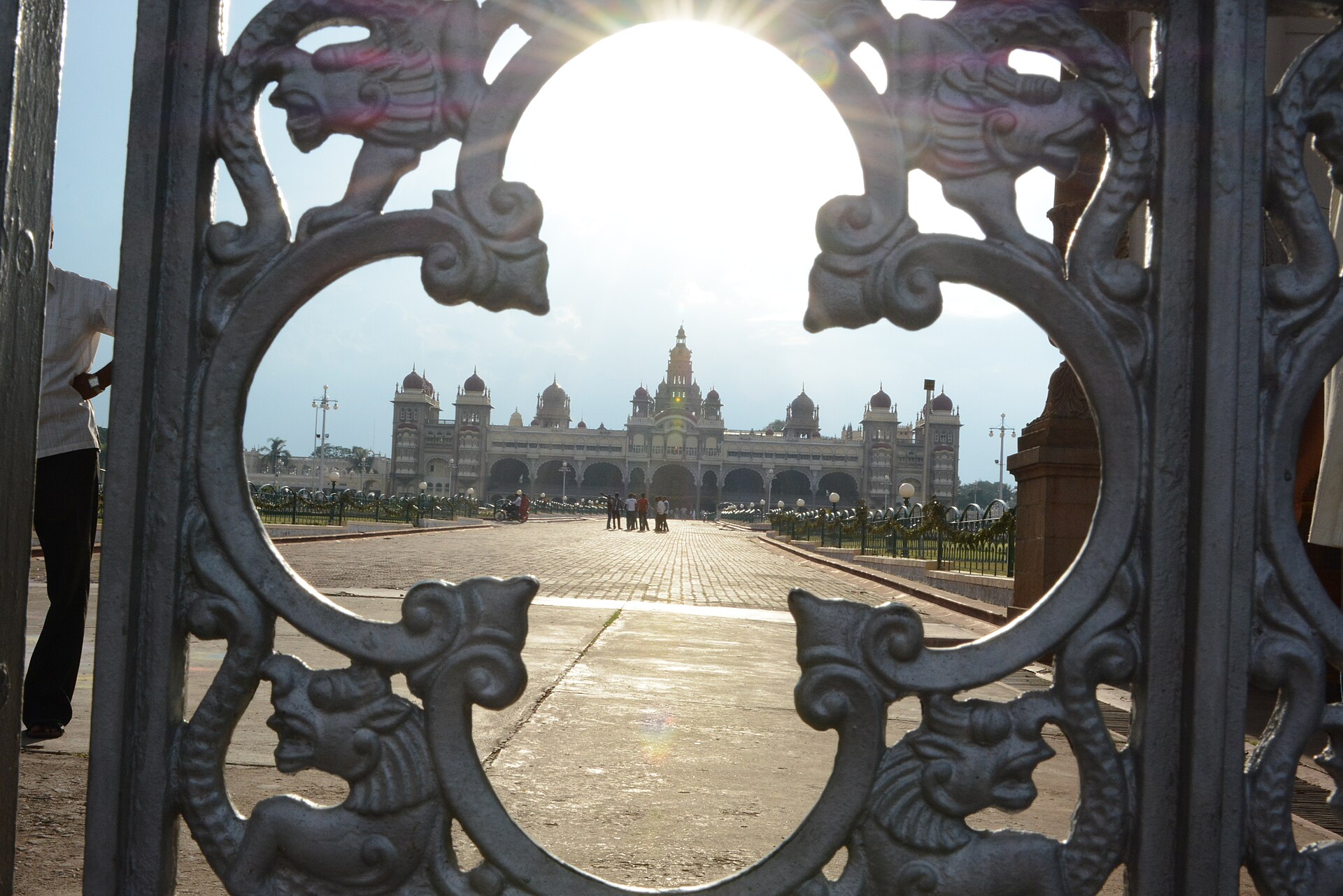
Once the anchor is fixed, the rest of the day arranges itself around it. If the anchor is a dawn walk, the afternoon must be slow. If it is a sunset viewpoint, the morning can be busy. This is why our Mysuru plan saves the palace for the last day: it is the anchor that means more once you have seen the market, the hill and the river towns that fed it.
Step four: cluster by geography
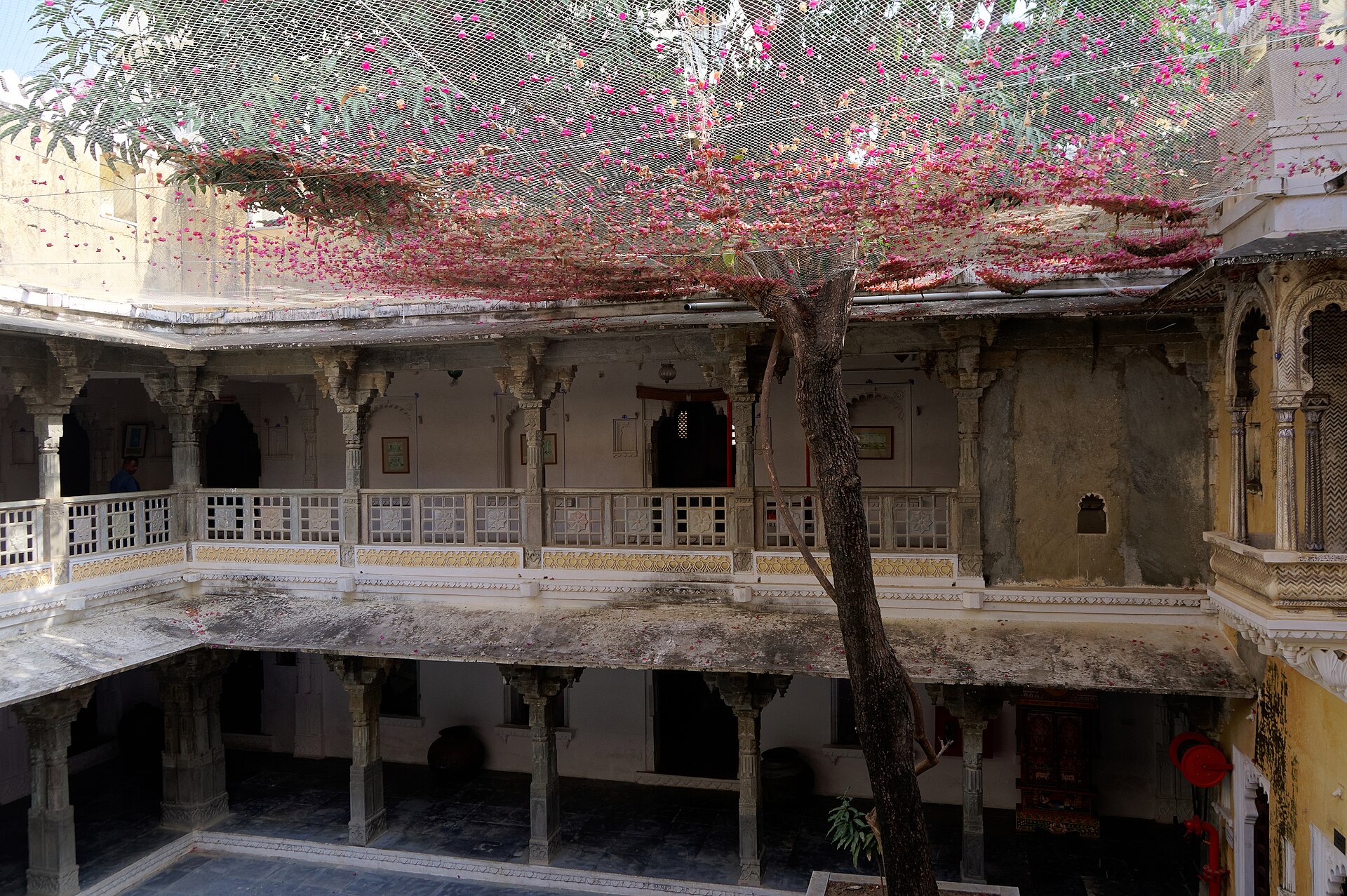
Indian cities can be deceptively spread out, and traffic turns a short distance into a long ride. We map every surviving item and group them into clusters that can be walked or reached in a single short trip. In Udaipur the old city around the City Palace and Gangaur Ghat forms one natural cluster; Fateh Sagar and the hills to the west form another. A good day stays mostly within one cluster and crosses to another only once.
Step five: protect the slow blocks
This is the step most itineraries skip. After placing anchors and walks, we deliberately block out time that does nothing. In practice that means a long lunch in the hottest part of the day, a rest at the hotel, or an hour on a bench somewhere. On a hot or wet August afternoon this is not indulgence; it is how you keep energy for the evening, which is often the best part of the day in India.
We also keep the first hour after arrival empty. Trains and flights rarely land on time, check-in can be slow, and nobody sees a place well in their first sixty minutes. Plan nothing for that hour except finding tea.
Step six: decide what you will drop
Before a plan is finished, our writers mark which items they would cut first if things went wrong. This sounds pessimistic; it is the opposite. Knowing in advance that you will skip a second museum if you are tired frees you to enjoy the first one. Our companion piece, What to Cut if You Arrive Late, goes into this in detail for all three cities.
Step seven: fix the exit
Finally, we plan the departure as carefully as the arrival. When does the last good train leave? How long will it really take to reach the station in evening traffic? What is worth doing on the final morning that does not risk the journey home? The last few hours shape how you remember a trip, and a rushed exit can sour three good days. We have a full piece on this too: The Hour You Leave Each Place.
Testing the plan
Each draft itinerary was then checked against reality. Writers who knew the cities walked the routes in their heads, and where possible on the ground. Distances were re-checked, and anything that depended on opening days or seasonal operations was flagged so that readers could confirm it before travelling. We deliberately avoided printing exact prices and timings, which change often; where they matter, we suggest checking the official site or asking at your hotel the evening before.
The plans were also read by someone who had never been to the city. If they could not picture a day, the day was too vague. If they felt tired reading it, it was too full.
Using the method yourself
You do not need to be a travel writer to do any of this. A notebook and a map will do. Write the long list, sort it by kind, choose one anchor a day, cluster by area, protect the empty hours, decide what to drop, and fix the exit. It takes an evening, and it changes the trip.
The result will not look like ours, and it should not. The best itinerary is the one shaped around how you like to travel: early riser or late diner, walker or sitter, collector of monuments or of conversations. The method simply makes sure those preferences survive contact with a short trip.
Three days is enough time to know a place a little. With a plan built this way, it can also be enough time to enjoy it.

Magnetic Hill In Leh : A Zero Gravity Place Of India

Where to see Ramlila performances across India?
The Town You Sleep In
Why the base town shapes a monsoon waterfall trip more than any single fall, what to look for, and towns in Karnataka, Kerala and Goa worth considering.
One village ghat upriver
Train versus road that week
Markets before the 20th, not on it
Journeys Worth Discovering
Explore inspiring destinations, memorable journeys and travel stories from across India and beyond.
Explore destinations




