
There is a picture almost everyone who visits Jaisalmer takes home: a line of camels silhouetted against an orange sky on the crest of a dune. It is a lovely picture. It is also only one way to meet the Thar, and for many people not the best one. If riding a camel appeals to you, do it thoughtfully. If it does not, or if you would rather spend your desert hours differently, here is the good news: camels are optional.
The trouble with the package
Around the Sam dunes, west of Jaisalmer, camel rides, jeep “safaris” and evening cultural programmes are often sold together as a package with a night in a desert camp. Some camps are run carefully and some are not. Around festival time, especially during the Desert Festival at the turn of January and February, the most popular dunes can feel more like a fairground than a wilderness, with music, vehicles and hawkers everywhere.
None of that is a reason to avoid the desert. It is a reason to think about what you actually want from it.
Walk the dunes
The simplest way to experience the Thar is on foot. Pick a quieter dune area away from the main camp strip, ask your host where locals go, and walk out in the late afternoon. Sand is tiring to walk on, so keep it short and slow. Climb to a crest, sit down, and watch the light. You will notice things a ride never gives you time for: beetle tracks, the ripple patterns the wind leaves, the way the sand changes colour as the sun drops. Khuri, south-west of Jaisalmer, is often mentioned as a smaller and quieter alternative to Sam, though it has grown busier in recent years too.
Visit a desert village
The Thar is one of the more densely populated deserts in the world, and its villages are what give it life. Many homestays and guides around Jaisalmer can arrange a respectful visit to a nearby village, where you may see houses plastered with mud and dung, water stored carefully, cattle and goats, and daily life built around scarcity. If you go, go with someone the village knows, ask before taking photographs, and treat it as a visit rather than a show.
Look for wildlife
The Desert National Park, which covers a large area near Jaisalmer and Barmer, protects a rare arid grassland and is one of the last refuges of the critically endangered great Indian bustard. Most visitors never see a bustard, and you should not expect to; access to the core breeding areas is restricted. But the park and its surroundings are also home to chinkara gazelles, desert foxes, raptors and seasonal migratory birds, and a morning drive with a licensed guide is a different, quieter desert from the one around the camel stands. Check current entry rules and permitted zones with the forest department before planning.
Wait for the stars
Away from the lights of the camps and the city, the Thar’s night sky can be extraordinary in winter. If you stay at a smaller camp or village homestay, ask your hosts to switch off unnecessary lights after dinner. Lie back on a blanket and let your eyes adjust for twenty minutes. On a clear moonless night the Milky Way can be visible; around the full moon you will see less of the stars but the dunes themselves will glow.
Go to the old places
Some of the most memorable desert visits are to places that are not about sand at all. The abandoned village of Kuldhara, south-west of the city, is one of many settlements associated with the Paliwal Brahmins, who are said to have left the area centuries ago; the exact reasons are told in different ways, and the legends attached to the site are best enjoyed as legends. Bada Bagh, with its royal cenotaphs on a ridge just outside Jaisalmer, is beautiful at sunset. Lakes such as Gadisar remind you how much life in the desert has always depended on water.
If you do ride a camel
Camels have been central to life in the Thar for centuries, and many families still depend on them for income. A ride can be a genuine pleasure and a way to support that livelihood. A few things to look for:
- Healthy animals: alert, with no visible wounds or sores from saddles or nose pegs.
- Reasonable loads: one adult per camel is kinder than two.
- Rest and shade: animals should not be worked in the midday heat with no break.
- A handler who cares: you can usually tell from how they speak to and touch their animal.
If something looks wrong, it is fine to walk away. Shorter rides, at gentle pace, are often more enjoyable than long ones anyway.
A word on dune vehicles
Jeep and buggy rides over the dunes are popular around Sam, and our older post on dune bashing in Jaisalmer describes the experience. They are loud and fun, but they also churn up the dunes and disturb the quiet for everyone else. If you choose one, pick an operator with good safety practices and keep it short.
Eat like the desert
Thar cooking is shaped by scarcity: ker sangri made from desert beans and berries, bajra rotis, kadhi, and plenty of buttermilk. A simple home-cooked meal at a village homestay, eaten by lamplight, often turns out to be a bigger highlight of the trip than the cultural show at a large camp. Ask what grows locally and how it is dried and stored for the long dry months.
A desert of your own
The Thar is not a theme park and does not need to be consumed in a single package. Give it some time, and let it be quiet. Walk to the top of a dune at the end of the day, eat a simple meal in a village, wait for the stars. Ride a camel if you want to. But know that the desert will still be generous with you if you do not.
For more ways to see Jaisalmer slowly, read Jaisalmer When the Fort Is Still a Neighbourhood, and for a route that combines the Thar with Kutch, see our three-night itinerary.
More from Issue 82
- Issue 82 index: Desert Festivals
- The Rann at the edge of the tent city
- The hour the White Rann is empty
- Three nights, two deserts
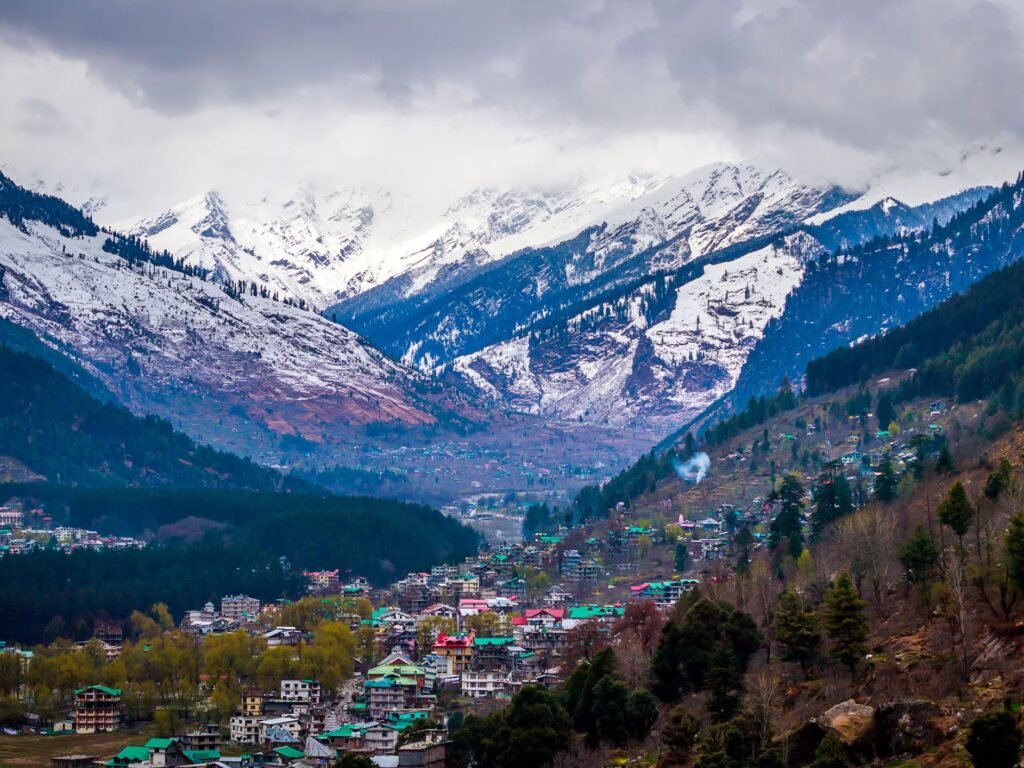
“Manali” India’s Adventure Playground
One village garba
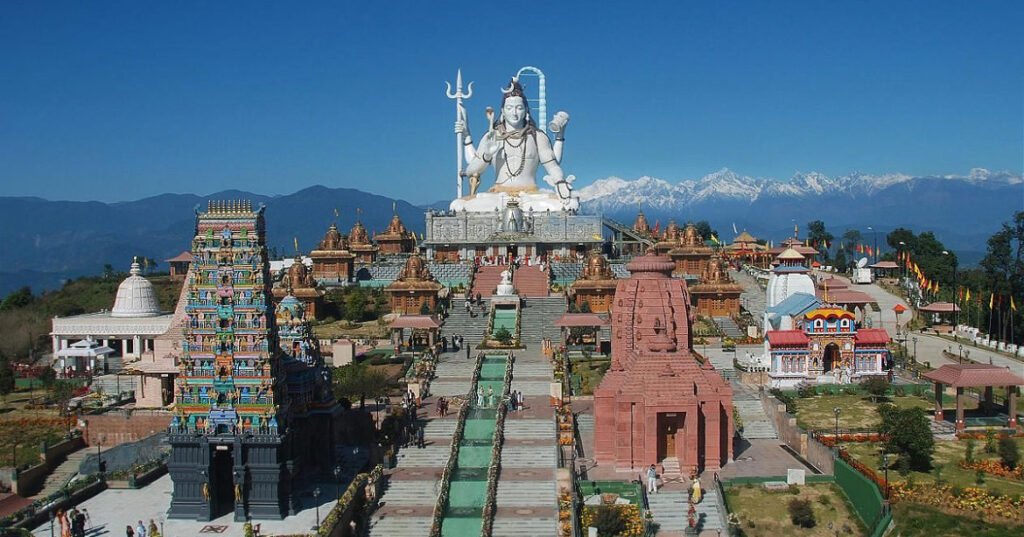
Add Namchi Tourism To Your Sikkim Bucketlist
The Town You Sleep In
Why the base town shapes a monsoon waterfall trip more than any single fall, what to look for, and towns in Karnataka, Kerala and Goa worth considering.
One village ghat upriver
Train versus road that week
Markets before the 20th, not on it
Journeys Worth Discovering
Explore inspiring destinations, memorable journeys and travel stories from across India and beyond.
Explore destinations




