
There is a photograph that almost everyone who visits Varanasi during Dev Deepawali wants to take. It shows the long curve of the ghats lit with thousands of lamps, the river reflecting them, perhaps a boat or two in silhouette, and the full moon rising. It is a beautiful image, and versions of it are everywhere. This piece is about a different photograph: the one you take from the steps, among the people, close to the lamps. It is harder, more personal, and often more memorable.
Why the steps
Photographs from the river or from rooftops show the scale of Dev Deepawali, but they flatten it into a pattern of lights. From the steps, you see what the festival is made of: hands lighting wicks, families placing lamps in rows, children cupping a flame from the wind, priests in the aarti, old women sitting quietly with their offerings. These are the details that tell the story.
Respect first
Before anything else, a few principles.
- Varanasi’s ghats are religious and cremation sites. Never photograph cremations at Manikarnika or Harishchandra ghats. This is both a matter of respect and, often, of local rules.
- Ask before photographing individuals, especially in close-up. A gesture towards your camera and a smile is often enough; accept a refusal without argument.
- Do not interrupt rituals to get a better angle. Do not step over offerings or lamps.
- Do not use flash during the aarti or at close range on people praying.
- Do not pay people to pose, or stage scenes. It distorts what you are seeing and can create expectations for future visitors.
Finding your spot
On the festival evening, find your place on the steps early, before the crowds peak, and plan to stay there. The best spots are not necessarily at Dashashwamedh, where the main aarti draws the densest crowds. Ghats a little to the north or south often have their own lamp lighting and are easier to work in. A spot a few steps up from the water gives you a view down to the river and along the line of lamps.
On the eve, and the morning after, you will have more freedom to move and compose. Many of the best photographs of Dev Deepawali are taken on these less crowded occasions.
Light
The light on the festival evening comes from many sources: dusk, the moon, thousands of oil lamps, electric decorations, the aarti flames and, sometimes, fireworks. It is dim and warm, with deep shadows.
- Start photographing at dusk, when there is still blue light in the sky and the first lamps are being lit. This short window often produces the most balanced images.
- After dark, use the lamps as your main light. Faces lit from below by a diya can be beautiful.
- Expect high contrast. Expose for the highlights, the flames, and let the shadows fall away.
- Modern phones handle low light surprisingly well. Hold still, brace against a wall or step, and use night mode.
- With a camera, a fast prime lens is useful. Raise the ISO rather than relying on a tripod, which will be impractical in the crowd.
Composition
- Look for leading lines: rows of lamps running down the steps, the edge of a ghat, the curve of the riverfront.
- Use foreground lamps to frame a wider scene.
- Photograph hands: lighting, holding, placing lamps.
- Include people at a distance as part of the scene, rather than only in close-up.
- Look for reflections in the water at the bottom of the steps.
- Try vertical frames; the ghats’ steps and towers lend themselves to them.
The aarti
The evening aarti is one of the most photographed rituals in India. The priests’ synchronised movements with large brass lamps make dramatic images. On Dev Deepawali the crowds are huge, and good positions are taken hours in advance. If you want to photograph the aarti, consider doing so on another evening, when you can get closer and take your time. On the festival night, you may choose to simply watch.
Drones
Drone flying in Varanasi, especially over crowds, religious sites and during festivals, is typically restricted and may require permissions from the authorities under India’s drone rules. Do not fly a drone on Dev Deepawali unless you have the necessary permissions, and expect that they will be hard to get.
The morning after
Return to the steps at dawn after Dev Deepawali. Burnt-out lamps, wax and oil stains, scattered marigold petals, pilgrims bathing in the mist, sweepers starting work: these make quieter, often more poignant photographs than the festival itself.
Telling the story in a sequence
Instead of trying to capture Dev Deepawali in one frame, think in sequences. Photograph the eve: steps being swept, lamps being counted. The afternoon: marigold sellers, oil being poured. Dusk: the first wicks lit. Night: the river of light and the faces beside it. Dawn: the aftermath. Together, a small set of images like this tells the story far better than a single panorama, and it is the kind of photo essay that rewards the time you have spent in the city.
Sharing images of people
If you plan to publish or share photographs in which people are identifiable, think about how they would feel seeing themselves online. A pilgrim at prayer or a family at a private moment may not want that. When in doubt, choose images where faces are not the subject, or ask permission and, for any commercial use, get a signed release.
Editing honestly
When you edit, keep the warmth of the lamplight, but resist over-saturating the colours or adding effects that change the scene. Varanasi does not need exaggeration.
Gear and safety
Carry as little as possible: one camera or phone, one lens, a spare battery, and a small bag worn in front. Keep your gear secure in crowds. Be careful on wet or oily steps, and watch for lamps underfoot. Do not climb on railings, boats or structures for a better angle.
What to come home with
The photograph from the steps is rarely the one that will get the most attention online. It is the one you remember: a face in lamplight, a child’s hands, the rows of diyas leading down to the water. It is a picture of a festival made by people, and it is worth slowing down for.
More from Issue 79
- Dev Deepawali index
- Editor’s letter: Varanasi & Dev Deepawali
- The ghats the night before, not only the night of
- A boat you should not book
- The old city in the afternoon
- What the lamps do to the lanes
- Three nights is the whole trip
- A priest’s morning, told by a guest
- Silk, not a shopping list
- Dates and the crowd calendar
- One village ghat upriver

Nainital – The City of Lakes
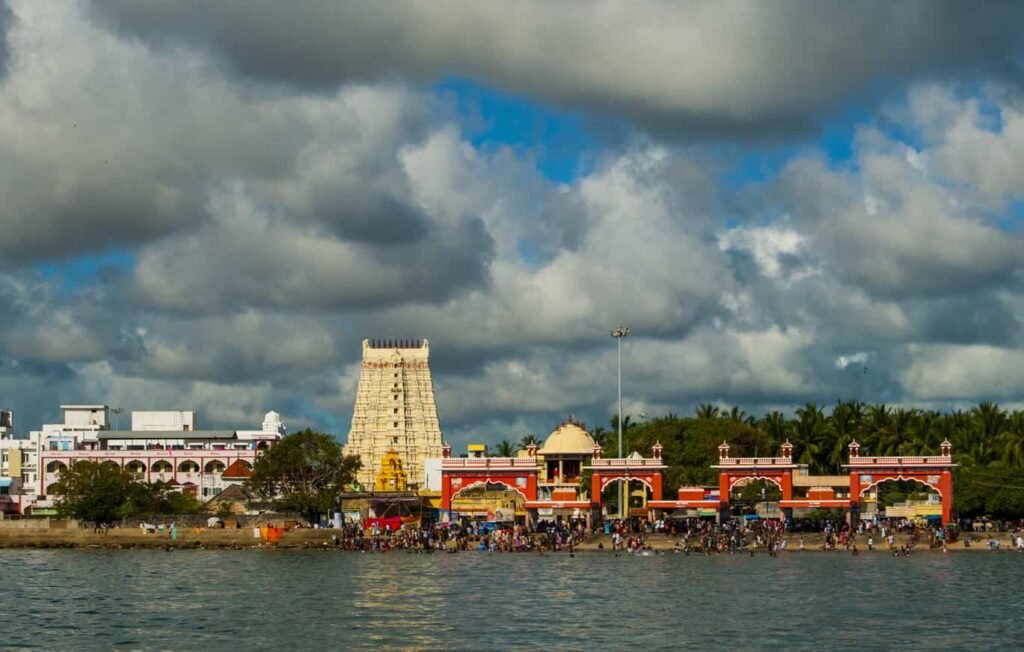
Rameshwaram – Where Divinity Meets the Ocean’s Embrace

Maharashtra ‘The Great Nation’
The Town You Sleep In
Why the base town shapes a monsoon waterfall trip more than any single fall, what to look for, and towns in Karnataka, Kerala and Goa worth considering.
One village ghat upriver
Train versus road that week
Markets before the 20th, not on it
Journeys Worth Discovering
Explore inspiring destinations, memorable journeys and travel stories from across India and beyond.
Explore destinations




