
Itineraries get most of the attention in travel writing, but on a mountain trip, three practical questions shape almost everything: what you eat, where you sleep and how you get from one place to the next. Get these right and even a simple trip feels rich. Get them wrong and the most beautiful valley can feel like a chore. This guide covers the practical side of a slow mountain summer in the Indian Himalaya, with a focus on Himachal Pradesh and Uttarakhand, where most June travellers head.
How you actually move
Trains to the foothills
For many travellers, the most comfortable way to start a hill trip is by train to a foothill town. Kalka is the gateway for Shimla, Haridwar and Dehradun serve the Garhwal hills and Mussoorie, and Kathgodam is the railhead for Nainital and much of Kumaon. Pathankot serves parts of western Himachal and the routes towards Dharamshala. From these railheads, buses and taxis continue into the hills.
The narrow-gauge Kalka–Shimla railway, part of the Mountain Railways of India UNESCO World Heritage listing, is a slow and memorable way to reach Shimla. It is popular in June, so book early. Similarly, the Kangra Valley railway from Pathankot is a scenic option, though services can be affected by track work and monsoon damage; check before planning around it.
State buses
State transport buses, such as those run by HRTC in Himachal and UTC in Uttarakhand, connect most towns and many villages. They are inexpensive, run by drivers who know the roads, and are often the most reliable way to get around. Overnight Volvo and semi-sleeper buses run from Delhi to major hill hubs. Local buses can be crowded and slow, but they are part of the experience of travelling slowly.
Timetables change, and online information is not always up to date. Ask at bus stands or at your homestay for current timings.
Shared and private taxis
Shared taxis, often jeeps or SUVs, run between towns on many routes, leaving when full. They are faster than buses and cheaper than hiring a car. For more flexibility, hire a private taxi with a local driver. Local taxi unions in some towns set fares for standard routes; ask for the rate before you set off.
Driving yourself
Self-driving offers freedom but comes with challenges. Mountain roads demand concentration, and June traffic can be heavy. Parking in hill towns is limited and often expensive. If you drive, avoid night driving, use lower gears on descents and give way to uphill traffic and large vehicles where possible.
Walking
Above all, walk. Many of the best experiences in the hills are at walking pace: forest paths, village lanes, ridge walks. Plan your days so that you can walk from your stay rather than needing a vehicle for everything.
Where to stay
Homestays
Homestays have transformed mountain travel in recent years. Himachal and Uttarakhand both have state schemes to register and promote homestays, and many families now host travellers in their homes. A good homestay offers a warm room, home-cooked meals and hosts who will tell you which path leads to the waterfall and when the bus really leaves.
Ask questions before booking: is there road access, hot water, power backup and mobile network? How far is the nearest shop? Is food included? Recent reviews are often the best guide.
Small guesthouses and heritage stays
In towns like Landour, Shimla, Nainital and Mcleodganj, small guesthouses and heritage properties offer character and comfort. Some are old colonial bungalows or traditional houses that have been restored. They can be more expensive, but they often provide a quieter experience than larger hotels.
Government rest houses and tourism hotels
State tourism corporations, such as HPTDC in Himachal and GMVN and KMVN in Uttarakhand, run hotels and tourist bungalows, often in excellent locations. Facilities vary, but they can be good value. Book through official websites where possible.
Staying longer
If you can, stay three nights or more in each place. Many homestays offer better rates for longer stays, and you get the chance to settle in. This is also the key to the workation trend: hill towns are good places to work for a week or a month, as long as you check internet reliability first.
What you eat
Himachali food
Himachali home cooking is hearty and often based on local grains, lentils and dairy. Look out for siddu, a steamed wheat bread often stuffed with a filling such as poppy seeds or walnut, popular in the Kullu and Shimla areas. Madra, a yoghurt-based dish made with chickpeas or kidney beans, is a classic from the Chamba and Kangra regions. Dham, a traditional festive meal served on leaf plates at weddings and celebrations, includes dishes such as rajma, madra and sweet rice; it is not always available to visitors, but if you are invited to one, accept.
Garhwali and Kumaoni food
Uttarakhand’s mountain food uses local grains such as mandua (finger millet) and jhangora (barnyard millet). Kafuli, a green leafy dish, and phaanu, a lentil preparation, are staples in Garhwal. In Kumaon, look for bhatt ki churkani, made with black soybeans, and aloo ke gutke, spiced potatoes. Bal mithai, a fudge-like sweet coated in sugar balls, is associated with Almora.
Dhabas and roadside stops
Roadside dhabas are an essential part of mountain travel. Choose busy ones, where food turns over quickly. Simple meals of dal, rice, roti and seasonal vegetables are usually the best option. Maggi noodles and tea are the classic mountain snack, and you will find them almost everywhere.
Eating responsibly
Choose local food over packaged snacks. Carry a refillable bottle and fill up from safe sources; many homestays offer boiled or filtered water. Avoid single-use plastic where you can.
Practical tips
- Cash: Carry cash for small homestays, dhabas and buses. Digital payments are common in towns but not everywhere.
- Network: Mobile signal varies by provider and area. Download offline maps.
- Health: Carry basic medicines, including for motion sickness on winding roads.
- Weather: June is generally pleasant, but rain can arrive, especially towards the end of the month. Pack a light rain jacket.
- Emergencies: In India, 112 is the national emergency number.
The slow way works
A slow mountain trip is mostly about logistics done well: a comfortable train or bus ride, a homestay where you stay several nights, and meals that taste of the place. These choices also spread your money to local families and reduce your footprint on fragile mountain towns. That is what makes a summer escape meaningful.
More from Issue 74
- Escape the Heat: June 2025 Issue Index
- Editor’s letter: Escape the Heat with Meaningful Mountain & Slow Travel Experiences in India
- Hill Stations to Beat the Heat in June: Discover India’s Coolest Escapes
- Destinations with Magical June 21st Sunrises
- Best Places to Settle for a June Workation
- Discover Hidden Villages of the Himalayas for a June Retreat
- Spiritual Sojourns in Summer: Pilgrimages to Take in June
- The one route that explains slow mountain travel: Shimla to Kalpa along the Sutlej
- Three days, not a checklist: Landour and Mussoorie, slowly
- What to skip on a first summer trip to the hills
- A quieter place beside the famous one: Tirthan Valley beside Kullu–Manali
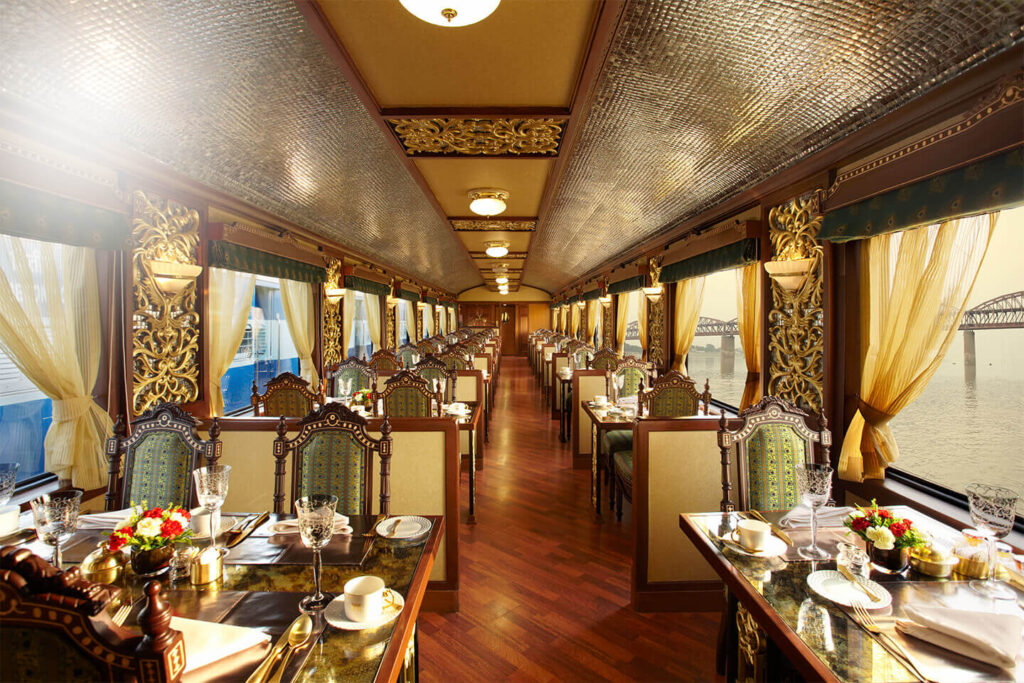
The Maharajas Express

The Great Living Chola Temples
A less-driven spur off the main highway
The Town You Sleep In
Why the base town shapes a monsoon waterfall trip more than any single fall, what to look for, and towns in Karnataka, Kerala and Goa worth considering.
One village ghat upriver
Train versus road that week
Markets before the 20th, not on it
Journeys Worth Discovering
Explore inspiring destinations, memorable journeys and travel stories from across India and beyond.
Explore destinations




