
There is a particular kind of quiet that settles over a traveller the first time the clouds lift off Kanchenjunga. It is not silence exactly. In Gangtok there are still taxis climbing the switchbacks, prayer flags snapping on the ridgelines, and somewhere a pressure cooker whistling in a kitchen. But the mountain, when it shows itself, rearranges everything around it. You stop talking. You stop planning. For a few minutes you simply look. That feeling, more than any list of sights, is what this March 2024 issue of Travel Viewpoint is about.
Sikkim is one of India’s smallest states and one of its most layered. Squeezed between Nepal, Tibet and Bhutan, with West Bengal to the south, it climbs from subtropical river valleys only a few hundred metres above sea level to the snows of the third-highest mountain on Earth. In a single day’s drive you can move from cardamom groves and bamboo to pine and fir, and then to alpine meadows where yaks graze beside frozen streams. Few places in the country pack so much altitude, ecology and culture into so little ground.
Why Sikkim, and why March
We chose March deliberately. Late winter is loosening its grip, the skies in many years are still reasonably clear, and the rhododendrons begin to flower in the middle altitudes. Sikkim’s state tree is the rhododendron, and the state is home to a large number of rhododendron species; by late March and into April and May, hillsides around places like Varsey, Yumthang and the higher reaches of the south and west can turn red, pink and cream. Timing varies by altitude and by year, so we have tried throughout this issue to tell you what tends to happen rather than promise what will.
March is also a month of transition for access. Some high roads in the north can still be affected by snow, while lower circuits are wide open. That makes it a month that rewards flexibility, a theme you will find repeated in almost every story here. Sikkim is not a place to over-schedule. Roads close, clouds roll in, a landslide somewhere changes the day. The travellers who love it most are usually the ones who leave room for that.
What is in this issue
Our news desk opens with Sikkim in March: Rhododendron and Permits, a practical look at what flowers, where, and which paperwork you need before you go. We follow it later with Protected-Area Permit Notes, a closer guide to the permit system that governs much of the north and some border areas. Indian travellers need permits for certain zones, and foreign nationals need a Restricted Area Permit to enter the state at all, with further permissions for protected areas. Rules change, so treat these pieces as a starting map and always confirm with the Sikkim Tourism department or your registered tour operator before you travel.
Gangtok in Three Nights is our case for treating the capital as more than a transit stop. MG Marg, the pedestrian heart of the city, the monasteries on the hills around it, and the viewpoints at dawn deserve unhurried time. North Sikkim: What a First Trip Can Hold is honest about the long drives and the altitude, and about how much a first-timer can realistically take in. The Road to Yumthang follows the valley route north through Lachung, where the scenery changes almost by the hour.
In the south, Ravangla and Namchi When the Flowers Start explores two towns that many visitors rush past, with their great statues, tea country and gentle walks. Pemayangtse Before the Coaches argues for arriving early at one of Sikkim’s oldest and most important monasteries, near Pelling in the west. A Homestay in Kewzing celebrates the village homestays that have become one of the best ways to understand rural Sikkim. One Monastery Morning, Not Seven makes the case for depth over box-ticking, and Lachung Market, Not a List closes the issue in a small mountain village where everyday life matters more than sights.
The way we want you to travel
If there is one argument running through these pages, it is this: go slower than you think you should. Sikkim’s roads are narrow and mountainous, and distances that look short on a map can take far longer than you expect. Altitude deserves respect; the higher passes and valleys of the north sit at elevations where acute mountain sickness is a real risk, and a gradual ascent with rest days is wiser than a dash. Drink water, listen to your driver, and do not let a schedule push you higher than your body is ready to go.
Sikkim has also earned a reputation for caring about its environment. The state is widely known for its commitment to organic farming and for efforts to cut down on plastic. Travellers can match that spirit by carrying a refillable bottle, saying no to unnecessary packaging, and choosing locally run stays. The money you spend in a family homestay or at a village tea stall stays in the valley in a way a packaged tour rarely does.
Culture here is equally worth slowing down for. Sikkim is home to Lepcha, Bhutia and Nepali communities, among others, each with its own language, food, faith and festivals. Monasteries sit beside Hindu temples; prayer wheels turn near roadside shrines. Ask before you photograph people or the inside of a shrine, walk clockwise around stupas and prayer wheels, and dress modestly in religious spaces. Small gestures of respect open doors.
A note on what we could not verify
As always, we have tried to be careful. Road conditions, permit procedures and opening hours in Sikkim change often, sometimes at short notice after weather events. Where we were unsure, we have said so. We have avoided quoting prices, because they move quickly and vary by season and operator. Please check current information locally before you commit to a plan, and treat the mountains with the patience they ask for.
Thank you
This issue would not exist without the drivers, homestay hosts, monks, guides and shopkeepers whose knowledge is folded into every page. Thank you also to you, our readers, for letting us take you somewhere a little higher and a little slower this month. Next month we stay in the Himalaya and head west to Himachal Pradesh. Until then, may your clouds lift at exactly the right moment.
With warm regards from the hills,
Khushi Anand, Editor
More from Issue 59
- March 2024
- Sikkim in March: Rhododendron and Permits
- Gangtok in Three Nights
- North Sikkim: What a First Trip Can Hold
- Ravangla and Namchi When the Flowers Start
- The Road to Yumthang
- Pemayangtse Before the Coaches
- A Homestay in Kewzing
- Protected-Area Permit Notes
- One Monastery Morning, Not Seven
- Lachung Market, Not a List
Food in a Malnad kitchen
Editor’s Letter: February, and the Art of Travelling Lightly
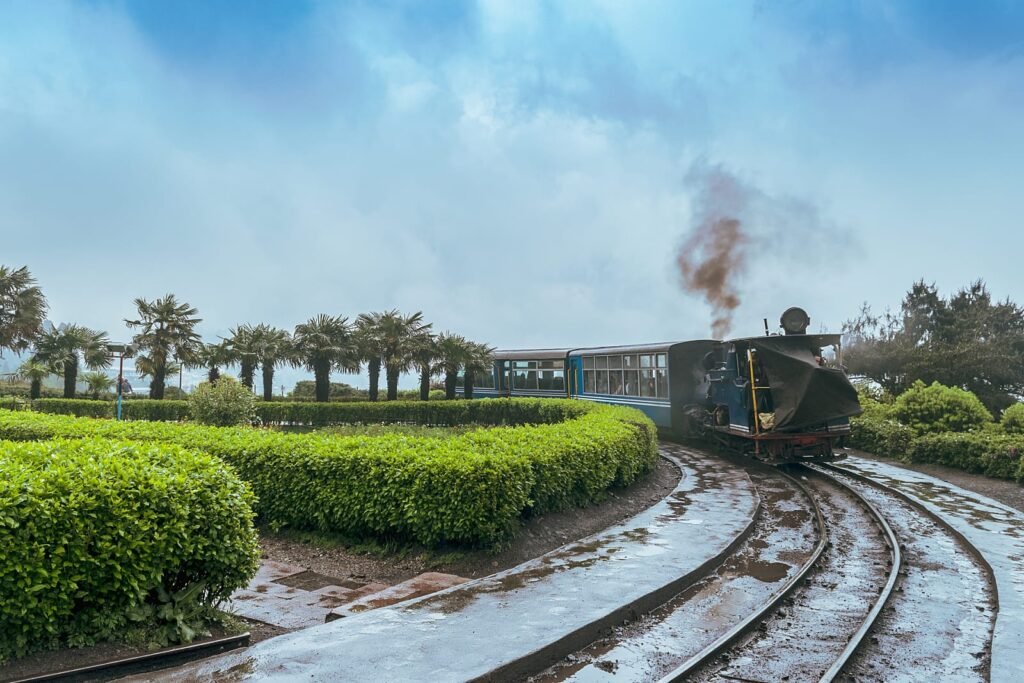
Darjeeling “The Queen Of Himalayas”
The Town You Sleep In
Why the base town shapes a monsoon waterfall trip more than any single fall, what to look for, and towns in Karnataka, Kerala and Goa worth considering.
One village ghat upriver
Train versus road that week
Markets before the 20th, not on it
Journeys Worth Discovering
Explore inspiring destinations, memorable journeys and travel stories from across India and beyond.
Explore destinations




