
March is one of the most interesting months to plan a trip to Sikkim. Winter is easing in the valleys, the first rhododendrons begin to colour the middle hills, and the high north is slowly waking up from snow. It is also a month when the practical side of travel in Sikkim, above all permits and road access, matters as much as the scenery. This short news guide brings both together so you can plan with realistic expectations.
The rhododendron season begins
The rhododendron is Sikkim’s state tree, and the state is home to many species, from small shrubs to trees several metres tall. Flowering does not happen all at once. It moves up the mountains with the warmth, so lower and middle elevations tend to bloom first, and the higher valleys follow later in spring.
In a typical year, March is when the early flowering begins in parts of the south and west, with the display usually building through April and into May at higher altitudes. Places travellers most associate with rhododendrons include the Barsey (Varsey) Rhododendron Sanctuary in West Sikkim, the Yumthang Valley in the north, and forest trails around the Singalila ridge. Yumthang in particular is often celebrated for its spring flowers, though at that altitude the main bloom is generally later than March.
Exact timing changes every year with snowfall and temperature, so treat any “peak bloom” date with caution. If flowers are the main reason for your trip, it is worth asking a local operator or homestay what they are seeing in the weeks before you travel, rather than relying on a fixed calendar.
Where to look in March
- Barsey (Varsey) Rhododendron Sanctuary: an easy-to-moderate forest walk in West Sikkim, popular in spring.
- Lower forests around Ravangla and the Maenam hill area in South Sikkim.
- Roadside slopes on the drives between Gangtok, Pelling and the southern towns, where early blooms can appear at mid altitude.
- The higher north, including Yumthang, is better treated as a late-spring flower destination.
Permits: the essentials
Sikkim welcomes visitors, but much of the state lies close to international borders, and access to several areas is controlled. The rules differ for Indian citizens and foreign nationals, and they change from time to time, so this is a general overview only.
Indian citizens
Indian travellers do not need a permit to enter Sikkim or to visit Gangtok and much of the south and west. However, permits are required for several protected areas, especially in the north and east. These typically include places such as Tsomgo (Changu) Lake and Nathu La, the Lachung and Yumthang region, Lachen and Gurudongmar Lake, and parts of the Zuluk and Old Silk Route area. Permits are commonly arranged through registered tour operators or travel agents, who submit the paperwork with identity documents and photographs.
Foreign nationals
Foreign visitors need a Restricted Area Permit (RAP) to enter Sikkim. This has traditionally been issued at entry points and through Indian missions and designated offices, and visitors then need additional Protected Area Permits for specific restricted zones. Some areas may only be open to foreigners in groups or through registered operators, and certain border areas may not be open to foreign nationals at all. Check the latest position with the Sikkim Tourism department or an Indian mission before travel.
Practical tips
- Carry several copies of your photo ID and passport-sized photographs.
- Book north and east Sikkim excursions through a registered operator, who will usually handle permits.
- Allow a buffer day in Gangtok in case permits take longer than expected.
- Keep your permit and ID with you at all times on the road; check posts are common.
Road conditions in March
March can be a mixed month on the roads. The lower and middle routes, such as those connecting Gangtok with the south and west, are generally open. Higher routes in the north and around Nathu La can still be affected by snow, and closures can happen at short notice. Landslides are more typical of the monsoon, but disruptions are possible in any season in the Himalaya.
The practical advice is simple: build flexibility into your itinerary. If you have your heart set on a high-altitude destination, have a backup plan, and do not be surprised if an operator asks you to wait a day or change route for safety reasons.
Weather and what to pack
March in Gangtok is usually cool by day and cold at night, while the higher north is still very cold, and sub-zero temperatures are possible at altitude. Pack layers rather than a single heavy coat: a warm fleece or down jacket, a windproof outer layer, thermal innerwear, gloves and a warm hat. Good walking shoes with grip are essential for monastery steps and forest trails. Sunscreen and sunglasses matter more than many visitors expect, because UV exposure rises with altitude.
Altitude and health
Many of Sikkim’s most famous northern sights sit at high altitude, and acute mountain sickness can affect anyone regardless of fitness. Ascend gradually, rest in places like Lachung or Lachen before going higher, drink plenty of water and avoid alcohol early in the trip. If you develop symptoms such as a severe headache, nausea or breathlessness at rest, descend and seek medical advice. Travellers with heart or lung conditions should consult a doctor before planning high-altitude excursions.
Responsible travel in spring
Sikkim is known for its organic farming policy and its efforts to reduce plastic. In flower season, the best thing a visitor can do is look and not pick. Stay on marked trails in sanctuaries, carry your waste back out, and use refillable water bottles where possible. Many homestays and villages are happy to share local knowledge about where the blooms are; that conversation is often a better guide than any website.
The bottom line
March is a beautiful and slightly unpredictable month for Sikkim. The first rhododendrons are a reason to go, and the quieter roads before the main spring rush are another. Sort permits early, keep your plans flexible, and expect the high north to be a work in progress. Do that, and the season will reward you with fresh colour and clear mountain mornings when the weather allows.
Please note: permit rules, road access and bloom timings in Sikkim change frequently. Always confirm current information with Sikkim Tourism or a registered local operator before you travel.
More from Issue 59
- March 2024
- Editor’s Letter: Sikkim
- Gangtok in Three Nights
- North Sikkim: What a First Trip Can Hold
- Ravangla and Namchi When the Flowers Start
- The Road to Yumthang
- Pemayangtse Before the Coaches
- A Homestay in Kewzing
- Protected-Area Permit Notes
- One Monastery Morning, Not Seven
- Lachung Market, Not a List
River Cruises
A guest note from the passenger seat
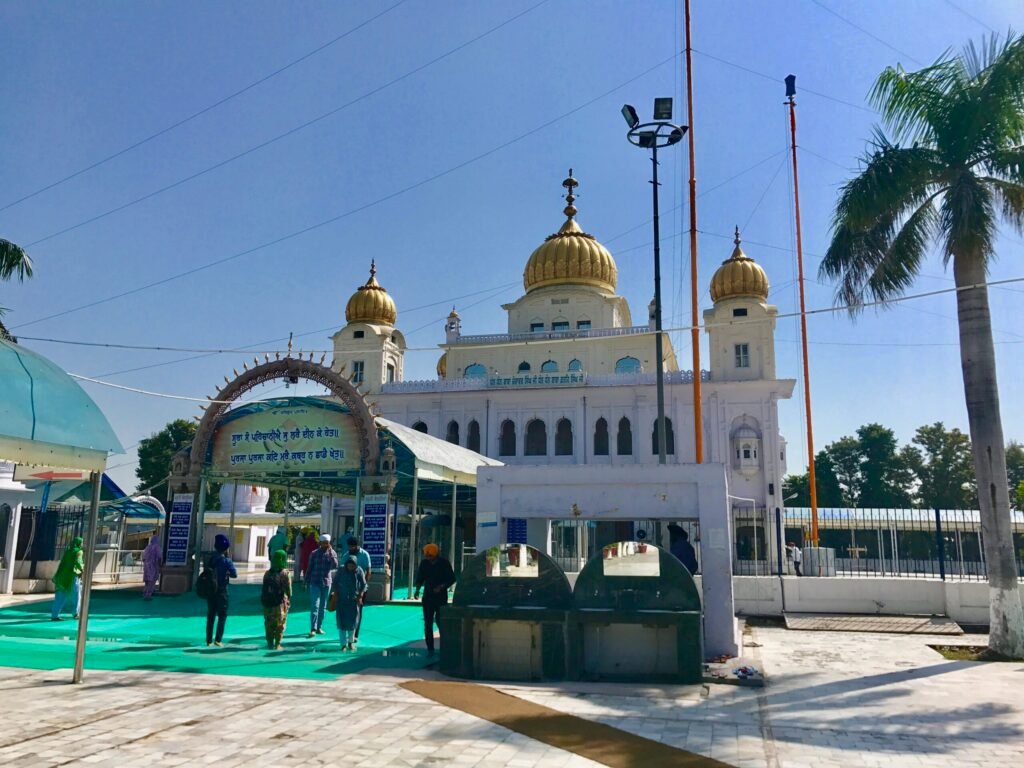
Fatehgarh Sahib, Sacred Pilgrimage Site
The Town You Sleep In
Why the base town shapes a monsoon waterfall trip more than any single fall, what to look for, and towns in Karnataka, Kerala and Goa worth considering.
One village ghat upriver
Train versus road that week
Markets before the 20th, not on it
Journeys Worth Discovering
Explore inspiring destinations, memorable journeys and travel stories from across India and beyond.
Explore destinations




