
By mid-afternoon, Galle Fort can feel like a stage set. Tour buses park outside the gates, groups stream along the ramparts, and the lanes fill with people looking for the same few photographs. But stay into the evening and the fort changes. The day visitors leave, the light turns gold over the Indian Ocean, and the old town becomes a place where people actually live. This is a guide to Galle Fort after the crowds.
A note for June 2022: Sri Lanka is in a severe economic crisis, with fuel shortages, power cuts and protests in some cities. Visitor numbers are lower than usual, and some businesses in the fort have reduced hours. Please check current travel advice before you go, and be patient with any disruptions.
A little history
Galle’s fort was first fortified by the Portuguese in the sixteenth century and greatly expanded by the Dutch in the seventeenth century, who built the massive bastions and walls that still stand. The British later took control. The Old Town of Galle and its fortifications are a UNESCO World Heritage Site, valued as an example of a fortified city built by Europeans in South and Southeast Asia, blending European architecture with South Asian traditions.
Inside the walls, the grid of streets holds churches, mosques, a Buddhist temple, old merchants’ houses, warehouses and the lighthouse. People of many communities still live here, and the fort is a working neighbourhood rather than a museum.
Why the evening is special
The late afternoon light on the walls is the first reason. The second is the calm. As day-trippers return to their buses for the drive back to Colombo or the beach resorts, the fort quietens. Families come out to walk on the ramparts, children fly kites, couples sit on the walls watching the sea, and the call to prayer drifts from the Meeran mosque. It is the time when Galle feels most like itself.
A walk around the ramparts
A complete circuit of the ramparts is a pleasant walk of an hour or so at a gentle pace. Start near the clock tower by the main gate and head toward the sea.
- Sun Bastion and Moon Bastion, near the main gate, give you a sense of the scale of the defences.
- Flag Rock, at the southern tip, was once a signal station. It is a popular sunset spot, and you may see local divers jumping from the rocks for tips from onlookers.
- The lighthouse, a white landmark near Point Utrecht Bastion, is one of the fort’s most photographed sights.
- The walls along the western side face the open ocean and catch the last light.
Watch your step; the ramparts have uneven surfaces and few railings.
Inside the walls
Wander the lanes rather than following a set route. Look out for the Dutch Reformed Church, the old Dutch Hospital building near the eastern ramparts, the Meeran Jumma Mosque with its striking white facade, and the Sri Sudharmalaya Buddhist temple. Many old houses have wide verandahs, thick walls and tiled roofs designed for the heat.
The fort has many small shops selling crafts, gems, textiles and antiques. Be cautious with expensive gem purchases unless you know what you are buying, and get a certificate from a reputable source.
A suggested evening
Arrive in the fort in the early afternoon and check in, then rest through the heat. Around four, walk the lanes while the shops are still open and the sun is lower. By five, head to the ramparts near the Sun and Moon bastions and walk slowly south, past the old Dutch Hospital and toward the lighthouse. Aim to reach Flag Rock about half an hour before sunset and find a spot on the wall. After the sun goes down, wander back through the quiet streets, stop for dinner on a verandah, and finish with a last look at the ocean from the western walls, where the waves break white in the dark.
Photography tips
- The western ramparts catch the best evening light.
- The lighthouse looks good both from the walls and from the small beach below.
- Blue hour, just after sunset, gives soft light on the white buildings.
- Be considerate when photographing people, especially at prayer times near the mosque.
Where to eat
The fort has cafes and restaurants serving everything from Sri Lankan rice and curry to seafood and international dishes. Menus may be shorter than usual this year because of shortages. For a quiet evening, look for a rooftop or verandah table, and do not be surprised if a power cut interrupts dinner with candlelight.
Staying inside the fort
Spending at least one night inside the walls is the best way to enjoy Galle after dark. The fort has boutique hotels in restored colonial buildings as well as smaller guest houses. Staying overnight also means you can walk the ramparts at dawn, when they are almost empty and cool.
Beyond the fort
Galle is a good base for exploring the south coast. Unawatuna, a short drive or tuk-tuk ride away, has a sheltered bay. The beaches toward Mirissa and Weligama are popular for surfing and, in season, whale watching. Inland, tea and cinnamon plantations give a different view of the region. Check transport availability before planning day trips, given current fuel shortages.
When to go
The southwest coast is generally driest from around December to April. The southwest monsoon brings rain to this coast from roughly May to September, though there can still be dry spells. Evenings in the fort can be lovely at any time of year if you catch a gap in the weather.
Getting there
Galle is on the Coastal Line from Colombo, and the train ride along the sea is scenic in its own right. The Southern Expressway also links Colombo and Galle by road. In the current situation, the train may be the more reliable option, though it can be crowded.
A responsible visit
Galle Fort is a living community, not a theme park. Be respectful when photographing homes and residents, dress modestly when visiting religious sites, and avoid climbing on fragile walls. This year in particular, spending your money in small, local businesses directly supports people who depend on tourism.
The evening that stays with you
Picture the last of the sun dropping into the ocean beyond Flag Rock, the lighthouse turning pale against a pink sky, a breeze off the water, and a quiet lane lit by a single lamp. That is the Galle Fort worth staying for.
More from Issue 38
- Editor’s Letter: Sri Lanka in a Hard Year
- 17 Places To Visit In Colombo, Sri Lanka
- Best Places To Visit In Kandy, Sri Lanka
- 20 Things To Do In Nuwara Eliya, Sri Lanka
- Things To Do In Sigiriya In Sri Lanka
- Top 10 Places To Visit In Bentota, Sri Lanka
- Visit Yala National Park In Sri Lanka
- Kandy to Ella Without a Rush
- A First Meal in Jaffna
- Sri Lanka Entry and Rail Notes Before You Fly
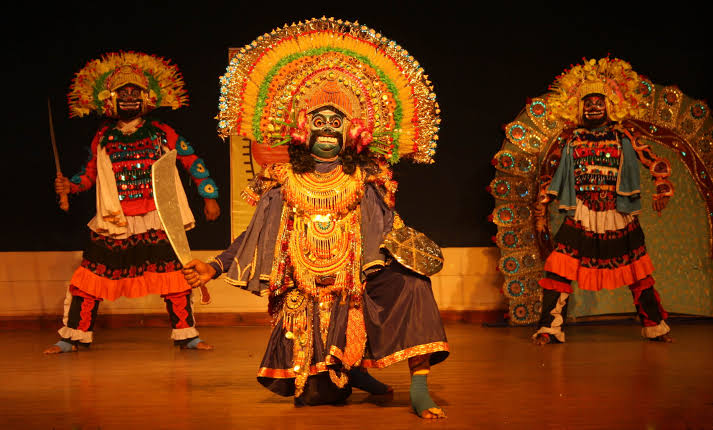
The Chhau Dance

Offbeat January Travel Ideas for the Curious Wanderer
A boat you should not book
The Town You Sleep In
Why the base town shapes a monsoon waterfall trip more than any single fall, what to look for, and towns in Karnataka, Kerala and Goa worth considering.
One village ghat upriver
Train versus road that week
Markets before the 20th, not on it
Journeys Worth Discovering
Explore inspiring destinations, memorable journeys and travel stories from across India and beyond.
Explore destinations




