
Planning a trip to Sri Lanka in mid-2022 involves more homework than usual. The country is in a deep economic crisis, with shortages of fuel, cooking gas and medicines, regular power cuts, and ongoing protests. Rules on entry have also changed several times since the start of the pandemic. This page gathers the practical points we think travellers should check before they fly, with a particular focus on getting around by rail.
Everything below is general guidance as of June 2022. Rules and conditions are changing quickly. Please confirm every point with official sources, your airline and your accommodation shortly before you travel.
Read the travel advice first
Before anything else, read your own government’s current travel advice for Sri Lanka. Several governments have updated their advice this year because of the economic situation and protests. Advice can affect whether your travel insurance is valid, so check that too. Look for a policy that covers medical treatment, evacuation and trip disruption, and read the exclusions carefully.
Visas and the ETA
Most visitors need an Electronic Travel Authorisation (ETA) before arrival. It is applied for online through the Sri Lankan government’s official ETA website. Use only the official site; there are many third-party sites that charge extra fees for the same service. Check the current fee, validity and the documents you need when you apply, as these have changed over time and some nationalities have special arrangements.
Health requirements
Covid-19 entry rules for Sri Lanka have been relaxed in recent months, particularly for fully vaccinated travellers. Requirements for testing, vaccination certificates and health declarations have changed several times, so check the latest guidance from Sri Lankan health and immigration authorities and from your airline before departure. Carry your vaccination certificate in both digital and printed form.
Money
The Sri Lankan rupee has lost a great deal of value this year, and prices are rising rapidly. Card payments are accepted at larger hotels and some restaurants, but cash is still essential in many places. ATMs exist in towns, though some may be out of service during power cuts. Bring a reasonable amount of cash in a major foreign currency and check the current rules on declaring and exchanging money. Use authorised exchange outlets.
Because of inflation, we have not included prices in this guide. Ask hosts and operators for current rates and confirm them before services begin.
Fuel and transport
Fuel shortages are the single biggest practical challenge for visitors at the moment. Long queues at fuel stations are common, and private drivers and tuk-tuk operators may struggle to refuel. This makes long road transfers less reliable and can affect pickup times and prices. Some travellers are basing their routes around the railway for this reason.
- Ask your driver or tour operator how they are managing fuel before you commit to a long route.
- Allow extra time for every road journey.
- Consider fewer bases and longer stays.
- Keep your accommodation’s phone number handy so they can help arrange onward travel.
Rail basics
Sri Lanka Railways runs the national network. The main lines most visitors use are the Main Line from Colombo to Kandy and the hill country through to Badulla, the Coastal Line from Colombo south to Galle and Matara, and the Northern Line to Jaffna. Trains are slow by international standards but scenic, and in the current crisis they are an increasingly important option.
- Reserved seats are available on many long-distance trains in first and second class and in some observation saloons. They can sell out, especially on the hill-country route.
- Unreserved tickets can be bought at the station on the day. Carriages can be very crowded.
- Timetables can change, and delays are common. Check at the station or with official sources.
- Keep your ticket until you leave the station at your destination.
Arriving at the airport
Bandaranaike International Airport at Katunayake is about an hour north of Colombo by road in normal traffic, and it is close to the beach town of Negombo. Many travellers spend their first night in Negombo to avoid a late drive. Arrange your airport pickup in advance and confirm it the day before, since fuel availability can affect drivers at short notice.
Power cuts
Scheduled power cuts have been a feature of daily life this year. Ask your accommodation whether they have a generator or solar backup, and plan accordingly.
- Carry a power bank and a small torch.
- Download maps and documents for offline use.
- Charge devices whenever power is available.
Health and medicines
Some medicines are in short supply. Bring enough of any prescription medication for your whole trip, plus extra, in original packaging with a copy of the prescription. Pack a basic first-aid kit. Dengue is present in Sri Lanka, so use mosquito repellent and cover up at dawn and dusk.
Safety and protests
Protests have taken place in Colombo and other cities, and curfews have at times been imposed at short notice. Avoid demonstrations and large crowds, follow the instructions of local authorities, and monitor local news. Most travellers who keep away from protest sites report that daily life in tourist areas continues, but the situation can change quickly.
Respecting local customs
- Cover shoulders and knees when visiting temples, and remove shoes and hats.
- Never pose with your back to a Buddha statue for photos, and avoid Buddha tattoos being on display, which can cause serious offence.
- Ask before photographing people.
Being a considerate visitor
In a time of shortages, behave as a guest would in any household under pressure. Do not hoard scarce goods, be patient in queues, and spend locally where you can. Many Sri Lankans depend on tourism, and responsible visitors are welcome, but understanding and flexibility are essential.
A final checklist
- Official ETA approved and printed.
- Current health entry rules checked with your airline.
- Insurance confirmed as valid for current advice.
- Cash in a major currency, plus cards.
- Medicines for the whole trip, plus extra.
- Power bank, torch and offline maps.
- Accommodation contacted about power, fuel and meals.
- Train reservations where possible, with spare time built in.
Sri Lanka in 2022 is not a destination to visit on a whim. But with careful planning and a flexible mind, it remains a place of extraordinary beauty and hospitality.
More from Issue 38
- Editor’s Letter: Sri Lanka in a Hard Year
- 17 Places To Visit In Colombo, Sri Lanka
- Best Places To Visit In Kandy, Sri Lanka
- 20 Things To Do In Nuwara Eliya, Sri Lanka
- Things To Do In Sigiriya In Sri Lanka
- Top 10 Places To Visit In Bentota, Sri Lanka
- Visit Yala National Park In Sri Lanka
- Kandy to Ella Without a Rush
- A First Meal in Jaffna
- Galle Fort After the Day-Trippers

Independence Day

Monsoon Treks for Photographers: Capturing India’s Green Glory
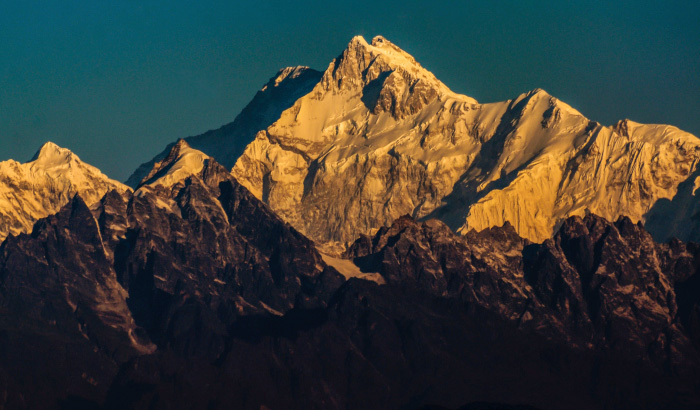
The Kangchenjunga Mountain Range
The Town You Sleep In
Why the base town shapes a monsoon waterfall trip more than any single fall, what to look for, and towns in Karnataka, Kerala and Goa worth considering.
One village ghat upriver
Train versus road that week
Markets before the 20th, not on it
Journeys Worth Discovering
Explore inspiring destinations, memorable journeys and travel stories from across India and beyond.
Explore destinations




