
If you have only one day to understand Mumbai, spend it travelling north along the western edge of the island city, from Colaba to Bandra. The route passes the colonial core, the great bay of Marine Drive, the old mill lands, the temples and dargahs of the shore, and finally the suburb that has become the city’s creative heart. It is not the fastest way to see the sights, but it is the best way to understand how Mumbai grew.
A note for July 2022: this is the height of the monsoon. Heavy rain can disrupt roads and trains, and parts of the route along the sea can be dangerous at high tide. Check weather warnings before you set out, and be ready to change plans.
How the city fits together
Mumbai began as seven islands that were joined over centuries by land reclamation. The southern tip, around Colaba and the Fort area, was the early colonial centre. As the city grew, it spread north along the peninsula, through the mill districts of central Mumbai, into the suburbs beyond Mahim Creek. The route described here follows that growth, roughly from oldest to newest.
Start: Colaba and the Gateway
Begin early at the Gateway of India, the arch built to commemorate the visit of King George V and Queen Mary and completed in 1924. It faces the harbour and, across the road, the Taj Mahal Palace hotel, one of Mumbai’s most famous buildings. Early morning is the calmest time here, before the crowds and the boat touts arrive. Colaba Causeway, a short walk away, is busy with shops and stalls later in the day.
Kala Ghoda and the Fort
Walk north into the Kala Ghoda area, the city’s art district. The Chhatrapati Shivaji Maharaj Vastu Sangrahalaya, formerly the Prince of Wales Museum, is one of India’s great museums. Nearby are the Jehangir Art Gallery, the David Sassoon Library, and a cluster of Victorian Gothic buildings. Further north, the Oval Maidan is lined on one side by Victorian Gothic buildings, including the High Court and the University, and on the other by Art Deco apartment blocks. Together they form the Victorian Gothic and Art Deco Ensembles of Mumbai, a UNESCO World Heritage Site.
If you have time, detour to Chhatrapati Shivaji Maharaj Terminus, the grand railway station that is itself a World Heritage Site.
Marine Drive
From the Oval Maidan it is a short walk west to Marine Drive, the long curving promenade along Back Bay. Its Art Deco buildings face the sea, and the curve of streetlights at night gave it the name Queen’s Necklace. In the monsoon, waves can break over the sea wall. Walk it slowly, and in rough weather stay well back from the edge.
Chowpatty and Malabar Hill
At the northern end of Marine Drive lies Girgaum Chowpatty, a city beach better known for its evening snack stalls and for the immersions during Ganesh Chaturthi than for swimming. Above it rises Malabar Hill, one of the city’s wealthiest neighbourhoods. The Hanging Gardens and Kamala Nehru Park offer views back over the bay. On the other side of the hill, hidden among apartment buildings, is Banganga Tank, an old temple tank that feels a world away from the traffic.
Haji Ali and Mahalaxmi
Continue north to the Haji Ali Dargah, a mosque and tomb on an islet reached by a narrow causeway that is passable at low tide. In heavy seas the causeway can be unsafe, so check the tides and follow local guidance. Nearby is the Mahalaxmi Temple, dedicated to the goddess of wealth, and further inland the Mahalaxmi Racecourse and the Dhobi Ghat, the open-air laundry that is one of the city’s most photographed sights.
Worli and the Sea Link
From Worli you can cross to Bandra on the Bandra-Worli Sea Link, the cable-stayed bridge that opened in 2009 and cut travel time across Mahim Bay dramatically. It is a toll road for vehicles only; you cannot walk across. Taxis and cabs use it regularly, and the views of the city’s skyline from the bridge are memorable.
Bandra
End your day in Bandra. Walk along Bandstand promenade and visit Bandra Fort, also known as Castella de Aguada, a Portuguese-era fort with views back toward the Sea Link. Mount Mary Church on its hill is an important place of pilgrimage. The lanes of Ranwar and Chimbai, with their old cottages and street art, hint at Bandra’s village past. Finish at one of the many cafes or restaurants on Hill Road or around Pali Hill.
Getting around
You can do this route in a mix of walking, taxis and short train hops. Black-and-yellow taxis are plentiful in South Mumbai, and app-based cabs are widely available. The Western Railway suburban line runs parallel to much of the route, from Churchgate north through Grant Road, Mumbai Central, Mahalaxmi and on to Bandra. Avoid trains at rush hour if you are not used to the crowds.
Doing the route in the rain
In a heavy monsoon spell, shorten the day. Keep the museum in Kala Ghoda as your indoor anchor, take a taxi rather than walking long stretches, and save Haji Ali for a calmer day when the causeway is safe. Marine Drive in a storm is dramatic but best seen from a distance or from a cafe window. Carry a compact umbrella, a waterproof bag and a spare pair of socks, and do not attempt flooded underpasses on foot.
Timing the day
- Gateway and Colaba: early morning
- Kala Ghoda museums: late morning
- Marine Drive and Chowpatty: lunch and early afternoon
- Malabar Hill and Banganga: mid-afternoon
- Haji Ali and Worli: late afternoon
- Bandra: sunset and evening
A route that explains a city
By the time you are watching the sun drop behind the Arabian Sea from Bandstand, you will have travelled through four centuries of history: colonial ports, Victorian ambition, Art Deco glamour, faith of many kinds, and the restless modern city. It is not everything Mumbai has to offer, but it is the best single introduction we know.
More from Issue 39
- Editor’s Letter: Mumbai in the Rain
- Journey To The Famous Caves Near Mumbai
- What’s Mumbai Without Its Beaches?
- Magnificent Temples To Visit Around Mumbai
- Famous Tourist Attractions In Mumbai
- Visit Mumbai’s Famous Marine Drive
- The Incredible Bandra Worli Sea Link of Mumbai
- Three Days in Mumbai, Not a Checklist
- What to Skip on a First Trip to Mumbai
- Banganga Tank: The Quiet Place Beside Malabar Hill

A complete guide to IRCTC’s Char Dham Yatra that is starting this June

Gwalior-The Ancient Capital City
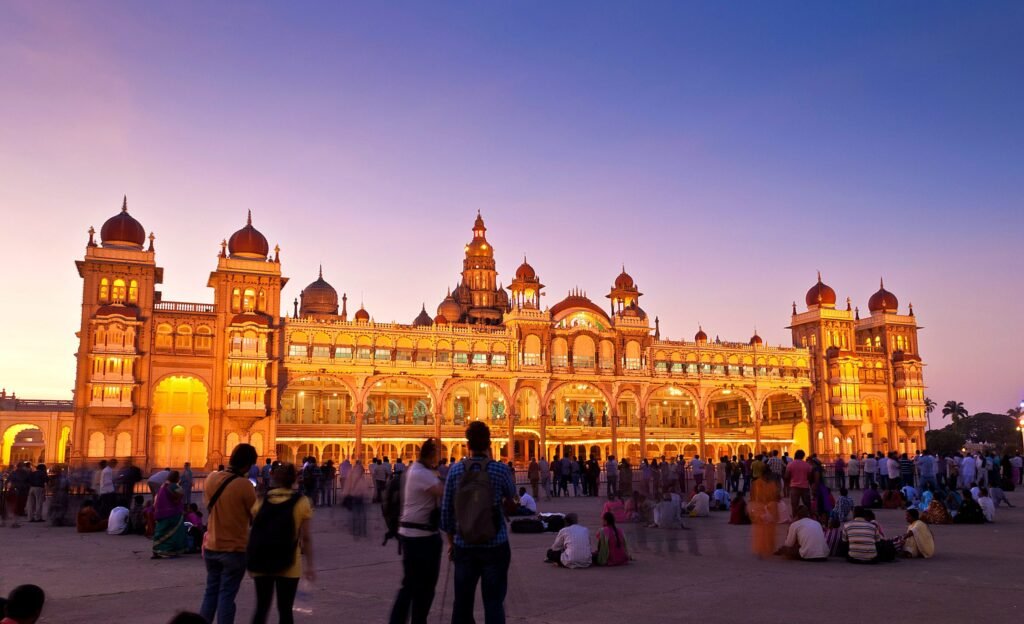
Mysore, ‘the cultural capital’ of Karnataka
The Town You Sleep In
Why the base town shapes a monsoon waterfall trip more than any single fall, what to look for, and towns in Karnataka, Kerala and Goa worth considering.
One village ghat upriver
Train versus road that week
Markets before the 20th, not on it
Journeys Worth Discovering
Explore inspiring destinations, memorable journeys and travel stories from across India and beyond.
Explore destinations




