
When the south-west monsoon finally loosens its grip on India’s west coast, usually by late September or October, the landscape is transformed. Paddy fields glow green, rivers run full, estuaries brim with fresh water and the forests of the Western Ghats drip with life. For birders, this is one of the most rewarding times of the year. Resident birds are active and often breeding or just finished, and the first winter migrants begin to arrive from the north.
This guide covers the stretch of coast from the Konkan in Maharashtra through Goa to coastal Karnataka, with ideas on where to look, what you might see and how to plan a gentle birding trip in October.
A note before you go: weather in October can still be unsettled, with occasional heavy showers, especially early in the month. Check forecasts and be flexible.
Why the post-monsoon is special
The monsoon brings an explosion of insects, fruit and seeds, which in turn supports a wealth of birdlife. As the rains ease, visibility improves, trails become walkable again and birds are easier to see. Wetlands that were flooded begin to settle, creating shallow margins where waders feed. From October, migratory ducks, waders, warblers, flycatchers and raptors start appearing, building up through November and December.
The Konkan coast
The Konkan, running south from near Mumbai through Raigad, Ratnagiri and Sindhudurg, combines beaches, creeks, mangroves, laterite plateaus and forested hills.
Look for:
- Mangrove and creek birds such as kingfishers, herons, egrets and, with luck, the mangrove whistler or collared kingfisher in suitable habitat.
- Raptors including the white-bellied sea eagle along the coast and brahminy kites over creeks.
- Waders on mudflats as the season progresses.
- Forest birds like the Malabar pied hornbill, Malabar grey hornbill and various bulbuls in wooded areas.
The laterite plateaus of the Konkan, which bloom with wildflowers after the rains, can also be good for larks, pipits and buntings.
Goa
Goa is one of India’s best-known birding destinations, and much of its birding can be enjoyed on short outings from a beach base.
Places often recommended by birders include:
- Bhagwan Mahavir Wildlife Sanctuary and Mollem National Park, in the forests of the Western Ghats, for hornbills, trogons, flycatchers and woodpeckers.
- Bondla Wildlife Sanctuary, a smaller forest area.
- The Carambolim Lake and other wetlands near Old Goa, for ducks, jacanas, purple swamphens and waders as the winter season builds.
- The Dr. Salim Ali Bird Sanctuary on Chorao Island, in the mangroves of the Mandovi estuary, best explored by boat or on foot along designated paths.
- Coastal headlands and river mouths for terns, gulls and sea eagles.
Many visitors join local birding guides, who know the best spots and the seasonal patterns. Look for guides with good recent reviews.
Coastal Karnataka
South of Goa, the coast of Uttara Kannada and Dakshina Kannada districts is less visited but rich in birds. The Western Ghats come close to the sea here, so forest and coastal birding can be combined.
Highlights may include:
- The forests around Dandeli and Anshi, part of the Kali Tiger Reserve, famous among birders for great hornbills and Malabar pied hornbills.
- River and estuary systems such as the Kali, Sharavathi and Aghanashini, with kingfishers, ospreys and waders.
- Paddy fields and wetlands, where storks, ibises and egrets feed.
Endemics of the Western Ghats
One of the great attractions of birding on the west coast is the chance to see species endemic to the Western Ghats or to south-western India. Depending on location and habitat, these may include:
- Malabar grey hornbill
- Malabar parakeet
- Crimson-backed sunbird
- Flame-throated bulbul
- White-cheeked barbet
- Malabar whistling thrush, known for its human-like song
Not every species will be found in every area, so a local guide or a regional field guide is invaluable.
How to plan a trip
A comfortable plan might combine two or three bases over a week, for example a forest stay in the Western Ghats, a coastal base in Goa and a wetland visit. Early mornings are best for birding, with activity dropping by late morning. Afternoons can be used for rest, and evenings for a second, shorter outing.
A sample week
Here is one possible way to structure a relaxed birding week as the monsoon lifts:
- Days one and two: a forest stay near Dandeli or in the Goa sanctuaries, with early morning walks and drives for hornbills and forest birds.
- Day three: travel to the coast, with a stop at a river estuary or paddy fields on the way.
- Days four and five: Goa, combining a boat trip through the mangroves of Chorao with visits to Carambolim and nearby wetlands.
- Days six and seven: a quieter stretch of the Konkan coast, for creeks, beaches and laterite plateaus.
This is only a template. Distances can be longer than they look on a map, and roads in the Ghats can be slow after the rains, so build in rest time.
Reading the weather
October on the west coast can bring bright mornings followed by sudden afternoon thunderstorms. Birds often become very active just after a shower, when insects emerge. Keep an eye on the sky, carry a dry bag for your binoculars and phone, and do not hesitate to wait out a storm under cover. The light after rain can be superb for watching and photographing birds.
What to take
- Binoculars are essential; a pair of 8x or 10x magnification is ideal.
- A field guide to the birds of the Indian subcontinent or a reputable birding app.
- A light rain jacket and quick-drying clothes.
- Leech socks for forest trails in the early post-monsoon period.
- Insect repellent and sunscreen.
- A notebook or app to record your sightings.
Birding responsibly
- Keep a respectful distance from nests and roosting birds.
- Do not use playback calls excessively, as they can stress birds.
- Stay on paths, especially in sensitive habitats like mangroves.
- Avoid disturbing flocks of waders or ducks.
- Support local guides, homestays and community conservation initiatives.
Beyond the birds
Birding on the west coast is about more than ticking off species. It is a chance to experience a landscape at its most alive: frogs calling from paddy fields, butterflies swirling over flowering shrubs, rivers rushing through forest and the light changing over the Arabian Sea at dusk. Go slowly, and the coast will reward you.
More from Issue 42
- Editor’s Letter: The Forests Reopen
- Wildlife Tour In Nepal
- Ranthambore National Park
- Sariska National Park
- Bandipur National Park
- Nagarhole National Park
- Dandeli Wildlife Sanctuary
- Indian National Parks That Reopen in October
- A Night in a Forest Rest House
- Core-Zone Rules After the Rain

Saga Dawa
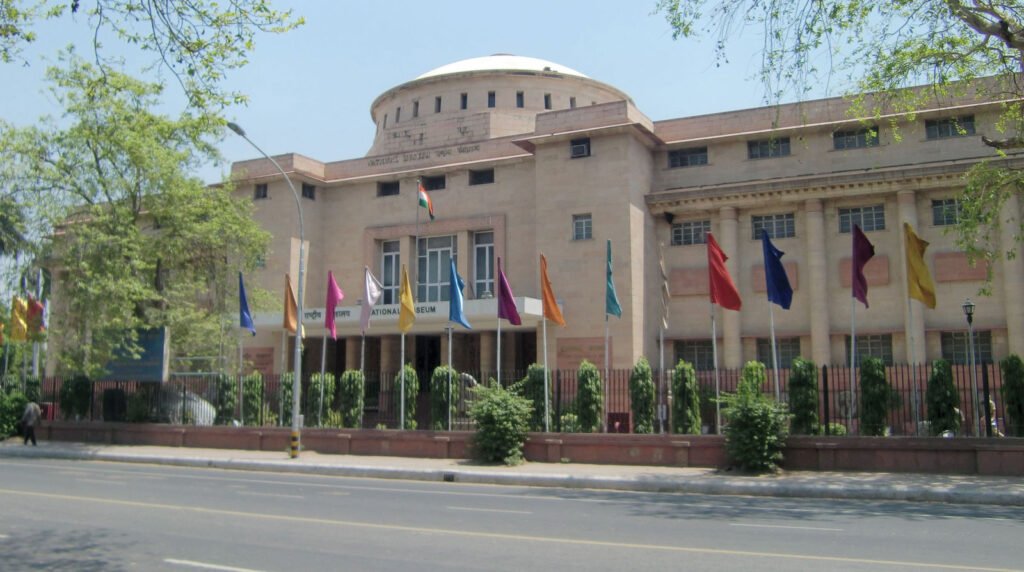
Museums & Art Galleries of Delhi
Beyond the Jhulas: Quieter Days at Kunjapuri, Neelkanth and Vashishta Gufa
The Town You Sleep In
Why the base town shapes a monsoon waterfall trip more than any single fall, what to look for, and towns in Karnataka, Kerala and Goa worth considering.
One village ghat upriver
Train versus road that week
Markets before the 20th, not on it
Journeys Worth Discovering
Explore inspiring destinations, memorable journeys and travel stories from across India and beyond.
Explore destinations




