
For many couples in South India, and for plenty from elsewhere, the road from Bengaluru to Coorg is the start of a honeymoon. It is a journey of roughly 250 to 270 km, depending on the route, usually taking around five to six hours by car without long stops. Done in a rush, it is just a drive to the hills. Done slowly, with a night in Mysuru and stops along the way, it becomes a route that explains the old Mysore region: from a fast-growing city through a royal town and farmland into the coffee hills of Kodagu.
Leaving Bengaluru
Bengaluru is a city of traffic, start-ups and pubs, but also of old gardens, bakeries and neighbourhoods with long histories. If you have a day, Lalbagh and Cubbon Park are pleasant for a morning walk, and the city’s restaurants offer an easy introduction to South Indian breakfast. But for most honeymooners, the real trip begins when you leave the city behind.
Leave early to avoid traffic. The highway towards Mysuru has been upgraded in recent years, and travel times have improved, but road conditions and traffic can still vary. Once you are out of the city, the landscape turns to fields, coconut palms and small towns.
Stops on the way to Mysuru
The road passes through towns known for local specialities. Channapatna is famous for its lacquered wooden toys, a craft with a long history; a small toy makes a charming keepsake from a honeymoon. Maddur is associated with the snack known as Maddur vada, a crisp fried savoury that many travellers stop to try.
Near Mysuru, Srirangapatna sits on an island in the Kaveri river. It was the capital of Tipu Sultan, and its fort ruins, temple and the Daria Daulat Bagh summer palace tell the story of a turbulent period in South Indian history. The Ranganathaswamy temple is an important pilgrimage site. Nearby, the Ranganathittu bird sanctuary on the Kaveri is a peaceful place for a boat ride among nesting birds in season.
A night in Mysuru
Mysuru deserves at least one night. The Mysore Palace, home of the Wadiyar dynasty, is the city’s grand landmark, and on many evenings, especially Sundays and holidays, it is illuminated with thousands of lights. Check the current schedule; the sight of the palace lit up is a memorable one for couples.
The Devaraja Market is a colourful, busy place, with flowers, fruit, incense and sandalwood products. Chamundi Hill, overlooking the city, has a temple and views over Mysuru. The city is also known for its silk, and for the sweet called Mysore pak.
Mysuru is calmer than Bengaluru, with wide roads and a slower pace. A night here breaks the journey and lets you arrive in Coorg rested.
From Mysuru to the hills
Beyond Mysuru, the road heads west towards the Western Ghats. The fields gradually give way to forest and then to the first coffee estates. The Tibetan settlement at Bylakuppe, near Kushalnagar, is one of the largest in India, and its monasteries, including the Namdroling Monastery, often called the Golden Temple, are a striking sight. Visitors are generally welcome, but dress modestly and behave quietly.
Near Kushalnagar, the Dubare elephant camp on the Kaveri is popular with visitors. Ethical concerns around animal tourism are worth considering, so observe rather than participate in activities you are unsure about. The Kaveri Nisargadhama, a forested river island nearby, is a quieter stop.
Arriving in Coorg
Madikeri, the main town of Kodagu, sits in the hills with views over the surrounding valleys. Raja’s Seat, a viewpoint with a garden, is a classic spot for sunset. But Coorg is less about its town than its estates. Many visitors stay in homestays on coffee plantations, where you can walk among coffee bushes, pepper vines and shade trees, and learn how coffee is grown and processed.
Kodava culture is distinctive, with its own language, festivals, cuisine and traditions. Food here often includes pork curry, rice dumplings and bamboo shoot dishes, along with local coffee. Many homestays serve home-cooked meals, which can be one of the highlights of a stay.
Abbey Falls near Madikeri, the Talacauvery source of the Kaveri river, and Bhagamandala are other well-known sights. Treks and walks in the hills offer views of the Western Ghats, though some may require permits or guides.
A slower alternative through Hunsur
Some travellers prefer a quieter road from Mysuru towards Coorg through Hunsur and the farmland of the region, passing villages and fields of tobacco, sugarcane and other crops. It is not necessarily faster, but it shows a side of rural Karnataka that the main road can hide. If you have time and a driver who knows the route, it is a pleasant variation. Nagarhole National Park lies not far from this side of Kodagu, and some couples add a night near the forest for a safari, booked through official channels.
Planning the journey
- Leave Bengaluru early, and plan a night in Mysuru.
- Allow time for stops; the journey is part of the experience.
- Monsoon, roughly June to September, brings heavy rain to Coorg. It is beautiful, but roads can be slippery and leeches are common on walks.
- The cooler months, roughly October to March, are popular. Coffee blossom season, often in early spring, brings fragrant white flowers to the estates, depending on rainfall.
- Book homestays in advance, especially at weekends and holidays.
- Hire a car with a driver if you do not want to drive. Buses also connect Bengaluru, Mysuru and Madikeri.
Why this route works for a honeymoon
The road from Bengaluru to Coorg offers a little of everything: city, history, palace, river, monastery, and finally the hills. It lets you ease into your trip, rather than jumping from a wedding into a remote retreat. By the time you reach a coffee estate in the hills, you have travelled through the layers of the region and arrived at a place where time seems to slow down.
That slowing down is the real gift of a honeymoon. Coorg’s misty mornings, quiet walks and home-cooked meals are perfect for it, and the journey there makes the arrival even sweeter.
More from Issue 55
- November 2023
- Editor’s Letter: Honeymoon Travels, Romance Without the Rush
- The Story of Coorg: A Romantic Journey Through the Heart of India
- Hampi, India’s Perfect Honeymoon Haven
- Wayanad, Bekal, and Silent Valley: An Exquisite Honeymoon Haven in India
- Visit Gangtok, a breathtaking romantic tapestry
- A Romantic Getaway in the Sundarbans
- Bengaluru to Coorg via Mysuru: The Honeymoon Route Through Old Mysore
- Three Days in Pelling for Couples, Not a Checklist
- What to Skip on Your First Honeymoon in India
- Anegundi: The Quieter Village Across the River From Hampi
- Honeymoon in India: Food, Stay, and How You Actually Move
Permits and the inner line
What to wear, and what not to film
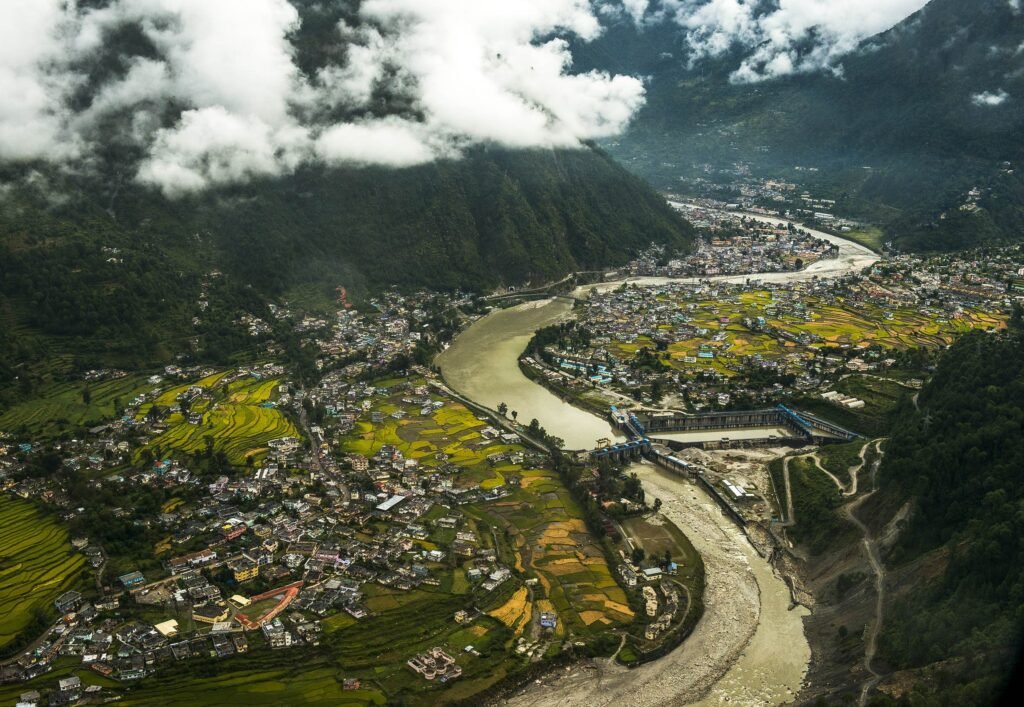
The Ganga River
The Town You Sleep In
Why the base town shapes a monsoon waterfall trip more than any single fall, what to look for, and towns in Karnataka, Kerala and Goa worth considering.
One village ghat upriver
Train versus road that week
Markets before the 20th, not on it
Journeys Worth Discovering
Explore inspiring destinations, memorable journeys and travel stories from across India and beyond.
Explore destinations




