
Diwali is a wonderful time to travel, but it is also a time when much of India closes for the holiday and when demand for transport and accommodation peaks. If you are planning a Diwali getaway, it helps to know what is likely to close, when prices tend to rise, and how to plan around both. This is our practical guide for the 2025 festival.
The 2025 dates
The main Diwali festival days in 2025 are expected to run roughly as follows, though regional calendars differ and you should confirm local dates:
- Dhanteras: Saturday, 18 October.
- Naraka Chaturdashi / Choti Diwali: Sunday, 19 October or Monday 20 October, depending on the calendar.
- Lakshmi Puja (main Diwali): Monday, 20 October in most calendars; some places observe 21 October.
- Govardhan Puja: around Wednesday, 22 October.
- Bhai Dooj: around Thursday, 23 October.
- Chhath Puja follows, around 25 to 28 October.
Public holidays vary by state. Central government and many state government offices observe a holiday for Diwali; banks follow state-specific holiday lists. Check the official holiday calendar for the state you are visiting.
What closes
On the main Diwali day, and often on the day after, many businesses close. This can include:
- Banks, on the days notified as holidays in each state.
- Government offices and many private offices.
- Many small shops, especially in the evening of Lakshmi Puja, when owners go home for the family puja.
- Some restaurants and dhabas, particularly family-run ones.
- Some museums and monuments, though many remain open; check individually.
- Stock markets close for regular trading on Diwali, though a short special trading session, known as Muhurat trading, is traditionally held in the evening.
Conversely, some shops open longer hours in the days before Diwali, especially those selling sweets, gifts and puja items.
What stays open
Transport generally keeps running, though schedules may change. Hospitals, pharmacies and emergency services remain open, as do most hotels. Large chain restaurants in cities may stay open. Tourist sites are often open, but check before you go, especially for smaller museums and monuments.
Surge fares and higher prices
Demand for travel peaks in the week before Diwali and again before Chhath. That has several effects:
- Airfares on popular domestic routes often rise significantly as the festival approaches. Booking well ahead usually helps; last-minute fares can be several times the off-peak price.
- Train seats on popular routes fill quickly once booking opens. Festival special trains are often added.
- Private bus fares on busy routes can rise sharply in peak demand.
- App-based cab services may apply surge pricing on festival evenings when demand is high and drivers are fewer.
- Hotel rates in popular getaway destinations often climb over the long weekend.
We will not quote specific prices, which vary enormously by route, date and booking time. But the general pattern is consistent: the closer you book to the festival, and the closer your travel date is to the peak days, the more you are likely to pay.
How to plan around it
- Book flights and trains as early as possible.
- Travel a few days before the rush and return a day or two after.
- Consider flying or travelling on the main festival day itself, when demand can be lower.
- Compare modes of transport; a train or bus may be cheaper than flying.
- Book accommodation early and confirm directly with the property before you travel.
- Withdraw cash and sort out any banking before bank holidays.
- Stock up on any medicines or essentials before the festival days.
Domestic tourist sites
Popular destinations, from hill stations to beaches to heritage towns, can be very busy over the Diwali long weekend. Expect queues at major monuments and attractions, crowded viewpoints and full parking. Plan visits to major sites early in the morning, and have a backup plan for crowded days.
A note on cancellations and refunds
With high demand comes the temptation to book multiple options and cancel later. Before you do, check cancellation policies carefully. Some fares and room rates are non-refundable, and some booking platforms charge cancellation fees. Read the fine print and keep records of your bookings.
Travelling for Chhath
If your trip extends into the Chhath period, be aware that trains and buses to Bihar, Jharkhand and eastern Uttar Pradesh are often extremely crowded in the days before. If you are not travelling for Chhath yourself, it may be wise to avoid those routes during that window.
Safety on festival nights
Roads can be busy and unpredictable on festival nights, with people out visiting and celebrating. If you are driving, take extra care, and avoid driving late on Diwali night. Be mindful of firecrackers in the streets.
Patience as a strategy
The single best piece of advice for travel at Diwali is to expect delays and plan for them. Allow extra time for every journey, keep a buffer day if you have a connection, and accept that some things will close when you least expect it. With a little patience, the closures become part of the festival: a reminder that for millions of people, this is a time to stop working and go home.
Checklist before you leave
- Confirm your train, bus and flight bookings.
- Confirm your accommodation directly.
- Check the state holiday list for bank and office closures.
- Carry cash and a payment card.
- Check the opening times of any sites you plan to visit.
- Keep a list of emergency numbers and the nearest hospital.
If something goes wrong
Even with good planning, things can go wrong in festival week. A train may be delayed for hours, a flight may be cancelled, or a hotel may lose a booking. Keep the contact details of your airline, railway enquiry services and accommodation saved on your phone and on paper. Know your rights to refunds or rebooking under the relevant rules, which differ for airlines and railways. Above all, keep calm and stay courteous: staff in festival week are usually overwhelmed, and patience often gets a better result than anger.
Shops and services in small towns
In smaller towns, closures can be more complete than in cities. A town with a single ATM, one pharmacy and a handful of restaurants may effectively shut for a day or two around Lakshmi Puja. If you are heading somewhere remote, arrive with enough cash, carry basic medicines, and ask your hosts in advance about meals on the festival days. Many homestays cook for guests over Diwali, but it is better to ask than to assume.
Plan well, book early and travel off-peak where you can, and the closures and surge fares of Diwali week need not spoil your festival.
More from Issue 78
- Diwali getaways index
- Editor’s letter: Diwali Getaways
- A hill Diwali that is not a mall
- Varanasi can wait — this is the small-town version
- One courtyard, one diya, one neighbour
- Fireworks, smoke and the towns that skip them
- Train versus road that week
- A guest week in a family house
- Markets before the 20th, not on it
- A less-lit town worth the detour
- What to carry for a night of lamps
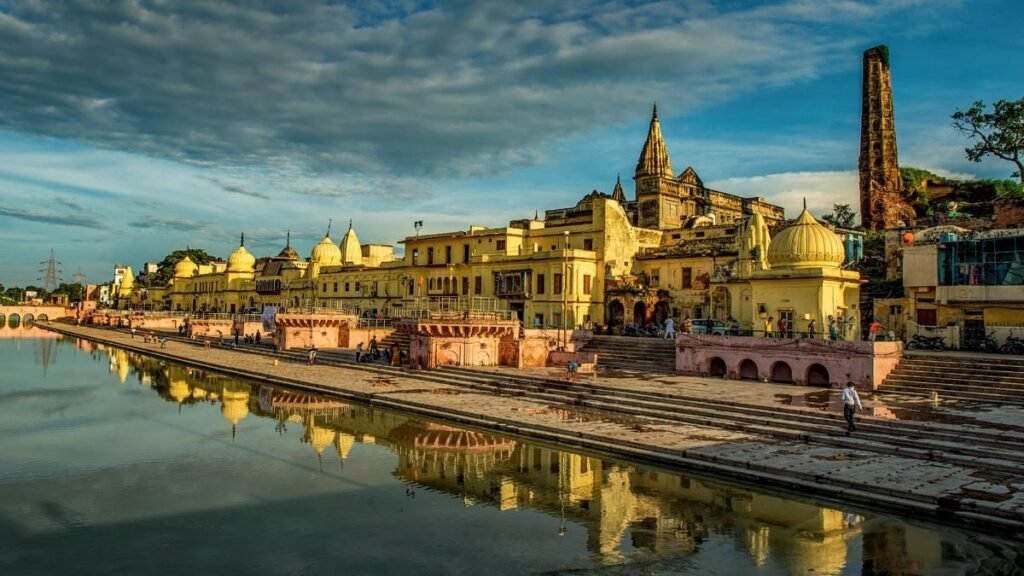
Ayodhya – Where Legends Echo through Time

The Mighty Rohtasgarh Fort in Bihar
Escape the Heat: June 2025 Issue Index
The Town You Sleep In
Why the base town shapes a monsoon waterfall trip more than any single fall, what to look for, and towns in Karnataka, Kerala and Goa worth considering.
One village ghat upriver
Train versus road that week
Markets before the 20th, not on it
Journeys Worth Discovering
Explore inspiring destinations, memorable journeys and travel stories from across India and beyond.
Explore destinations




