
Varanasi on a festival night is extraordinary, and we devoted the whole of our November issue to Dev Deepawali on its ghats. But Varanasi is not the only place in India where the river, the lamps and the old rituals come together, and on Diwali itself it is not always the gentlest choice. If you want the feeling of a sacred town lit up for the festival without the scale of a great city, consider the small-town version.
This article is about the idea of the small sacred town at Diwali, with one example we think is worth your time: Chitrakoot, on the border of Uttar Pradesh and Madhya Pradesh.
Why a small town
The great pilgrimage cities have their own magic at Diwali, but they also have crowds, traffic restrictions and, in some years, enormous official celebrations that draw visitors from across the country. Ayodhya’s Deepotsav, for example, has become a huge state-organised event with record-breaking numbers of lamps. If you want that spectacle, go. But if you want something quieter, a smaller town can offer a more personal festival: one where you can sit on the steps of a ghat, watch a family float a lamp, and not feel like part of an audience.
Chitrakoot: a river, a hill and a story
Chitrakoot is closely tied in Hindu tradition to the Ramayana. It is believed to be where Rama, Sita and Lakshmana spent a significant part of their years of exile. The town sits along the Mandakini river, with ghats, temples and the sacred hill of Kamadgiri at its heart. Pilgrims walk the parikrama path around Kamadgiri, a circuit of roughly five kilometres, believed to fulfil wishes.
Because of that Ramayana connection, Diwali, which celebrates Rama’s return to Ayodhya, carries special weight here. Around the festival, Chitrakoot traditionally hosts a large fair and many pilgrims come to take a dip in the Mandakini and offer lamps, a practice known as deepdan. On the main days the town can be very busy indeed, so this is a small town with a big festival rather than an empty one. The difference is that the scale is human. You can walk everywhere, the river is at the centre of things, and the rituals are done by pilgrims and residents rather than staged.
The evening on the Mandakini
The heart of the experience is Ramghat, the main ghat on the Mandakini. In the evening, lamps are floated on the water and an aarti is performed on the steps. On Diwali, the river can be covered in small flickering diyas carried slowly on the current. Boats are available to take you out on the water, though we would advise caution on the busiest nights and recommend agreeing a price before you board.
Away from Ramghat, the quieter ghats and temples along the river are worth exploring in the late afternoon, before the evening crowds arrive. Look out for the small shrines tucked into the riverbank and the old trees that shade them.
Beyond the river
Chitrakoot is spread out and includes sites on both sides of the state border. Places often visited include Kamadgiri and its parikrama, Hanuman Dhara, a temple set high on a rocky hillside reached by a long flight of steps, Sati Anasuya ashram in the forest upstream, and Gupt Godavari, a pair of caves with water flowing through them. Distances between sites mean you will want a local driver or an auto-rickshaw for a day. Ask your guesthouse to recommend someone reliable.
When to arrive, and where to stay
If you want to see Diwali at Chitrakoot without being overwhelmed, arrive a day or two early. The days before the festival are when the town prepares: the stalls go up, the ghats are cleaned, families arrive with their bundles, and the mood builds. On the main day itself, expect heavy crowds at the ghats and around Kamadgiri, and plan to stay close to your accommodation.
Accommodation in Chitrakoot is modest. There are dharamshalas, simple hotels and some state tourism properties. Book well ahead for the festival. Do not expect luxury; expect clean, basic rooms and the sound of bells in the morning.
Getting there
The nearest railway station is Chitrakoot Dham (Karwi), which is linked to several major cities. Satna, in Madhya Pradesh, is another common railhead, with road connections onward. Prayagraj is the nearest large city for many travellers and is a few hours away by road. Train timings change and festival trains are often added, so check current schedules close to your date.
How to be a good visitor
Chitrakoot is above all a pilgrimage town. Dress modestly, remove your shoes where asked, and keep a respectful distance from rituals. Ask before photographing people, especially at the river. If you float a lamp yourself, buy one made of leaves or clay from a local seller rather than anything plastic. Carry water, keep your valuables close in the crowds, and be patient: festival towns run on their own time.
Other small towns to consider
Chitrakoot is our example, but it is not the only option. Many small towns along India’s rivers and in its old pilgrimage regions celebrate Diwali beautifully, and each has its own customs. Some are tied to Rama, some to Lakshmi, some to Kali, and in parts of the country the main festival night is devoted to a different deity altogether. Ask friends from different regions where they spend Diwali, and you will find a long list.
A simple two-day plan
On the first day, arrive by midday, settle in and walk down to Ramghat in the late afternoon. Watch the evening aarti from the steps, then eat a simple meal near the river. On the second day, start early with the parikrama of Kamadgiri while the air is still cool, then hire a driver for Hanuman Dhara, Sati Anasuya and Gupt Godavari. Return in time to see the lamps go onto the Mandakini in the evening. If you have a third day, keep it free: festival towns reward the traveller who has nowhere urgent to be.
The small-town version of a sacred Diwali is not a lesser Varanasi. It is a different experience: closer, simpler, and in its way just as luminous. Varanasi can wait for another month. This Diwali, try the town on the Mandakini.
More from Issue 78
- Diwali getaways index
- Editor’s letter: Diwali Getaways
- A hill Diwali that is not a mall
- Varanasi can wait — this is the small-town version
- One courtyard, one diya, one neighbour
- Fireworks, smoke and the towns that skip them
- Train versus road that week
- A guest week in a family house
- Markets before the 20th, not on it
- Closures and surge fares
- A less-lit town worth the detour
- What to carry for a night of lamps

Ayodhya Beyond Temples: Cultural Gems to Discover

The Kuttanad Village in Alappuzha, Kerala
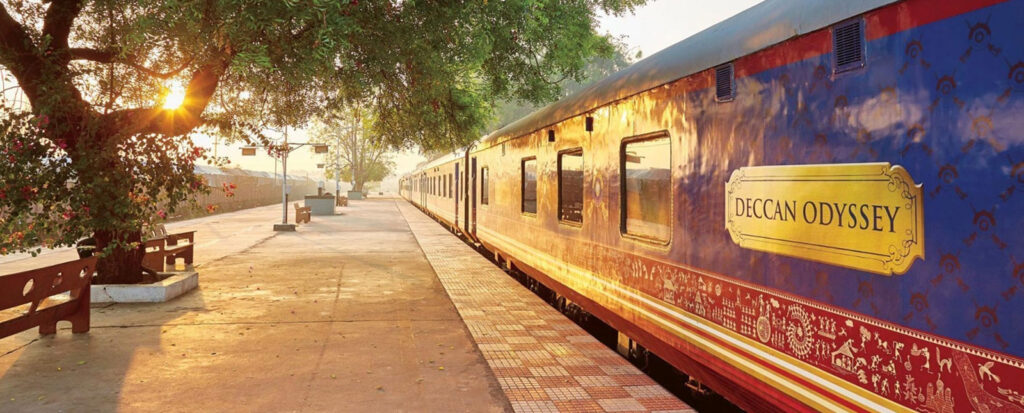
The Deccan Odyssey
The Town You Sleep In
Why the base town shapes a monsoon waterfall trip more than any single fall, what to look for, and towns in Karnataka, Kerala and Goa worth considering.
One village ghat upriver
Train versus road that week
Markets before the 20th, not on it
Journeys Worth Discovering
Explore inspiring destinations, memorable journeys and travel stories from across India and beyond.
Explore destinations




