
Across the Teesta valley from Darjeeling, on a ridge at around 1,250 metres, sits Kalimpong. It is lower, warmer and noticeably calmer than its famous neighbour, and it is often treated as a day trip or a stopover on the way to Sikkim. That is a pity. Kalimpong has its own character: a market town shaped by trade with Tibet, home to old schools, churches and monasteries, nurseries full of orchids and cacti, and views across the hills to Kanchenjunga on clear days.
A trading town
Kalimpong’s history is closely linked to trade routes between India and Tibet. Before the mid-twentieth century, mule caravans carried wool and other goods from Tibet through the Nathu La and Jelep La passes, and Kalimpong was one of the key markets where they were traded. Bhutan controlled the area until the mid-nineteenth century, when it passed to British India after the Anglo-Bhutan war, according to most histories.
The town’s markets still carry a little of that atmosphere. The Haat Bazaar, held on certain days of the week, brings in people from surrounding villages to sell vegetables, spices, local cheese and household goods. Kalimpong is also known for its lollipops, made locally, and for a hard local cheese.
Monasteries and churches
The Zang Dhok Palri Phodang monastery, on Durpin Hill, was consecrated by the Dalai Lama in the 1970s, according to most accounts, and holds Tibetan scriptures. Its location on the ridge offers fine views. The Tharpa Choling monastery is older and belongs to the Gelugpa tradition. The Thongsa Gompa is one of the oldest in the area.
Kalimpong’s Christian heritage is equally visible. Dr. Graham’s Homes, founded in 1900 by the Scottish missionary John Anderson Graham, is a school and home for children, with a chapel and campus spread over a hillside. The MacFarlane Memorial Church, with its distinctive towers, is one of the town’s landmarks. St. Teresa’s Church is notable for its wood carvings, which echo Buddhist monastery styles.
Flowers
Kalimpong has long been known for its nurseries. Orchids, cacti, gladioli and other plants are grown here and sent across India. Some nurseries welcome visitors, and the Pine View Nursery has been one of the best known for its cactus collection. Spring is the best time to see the flowers.
Views
Deolo Hill, the highest point in town, offers views of the Teesta river, the surrounding hills and, on clear days, Kanchenjunga. It has a park and accommodation. Durpin Hill provides another vantage point. Both are best visited early in the morning.
Beyond town
From Kalimpong, roads lead to quieter villages and hamlets such as Lava, Lolegaon and Rishop, which are known for forests, trekking and views, and to the Neora Valley National Park. The Teesta river below the town is popular for rafting in the right season. These places need more time, but they are among the most peaceful corners of the region.
Why choose Kalimpong
Kalimpong is not an alternative to Darjeeling so much as a complement to it. It offers a quieter base, fewer crowds, a warmer climate and a different history. If Darjeeling is about tea and the toy train, Kalimpong is about trade, flowers, schools and monasteries.
For travellers heading to Sikkim, it also makes a natural halt, as roads to Gangtok and beyond pass nearby.
A walking day in Kalimpong
One good way to spend a day is to start at Deolo Hill for sunrise, then descend through the town to the Haat Bazaar if it is a market day. Visit the Zang Dhok Palri Phodang monastery on Durpin Hill late in the morning, and spend the afternoon at a nursery and at Dr. Graham’s Homes. End with a slow walk back through the market area at dusk, when shops light up and people gather for tea and snacks.
On a second day, visit the older monasteries, the churches, and the Kalimpong Arts and Crafts Centre if it is open, to see local weaving and woodwork. Leave the afternoon free. Kalimpong is a town where unplanned time pays off.
Kalimpong and Darjeeling together
If you are planning a first trip to the hills, consider splitting your time: three nights in Darjeeling, two in Kalimpong. Travel between them along the Teesta valley, stopping at the river. The contrast between the two towns, one busier and more famous, the other quieter and more rooted in trade and community, makes each more interesting.
Getting there
Kalimpong is usually reached from Siliguri or New Jalpaiguri by road, a journey of around two to three hours along the Teesta valley. From Darjeeling, the road descends to the Teesta and then climbs again, taking around two to three hours. Shared jeeps and private taxis are available. During the monsoon, landslides along the Teesta can disrupt travel, so check conditions before you go.
Where to stay
Accommodation ranges from simple guesthouses in town to heritage properties and homestays on the hills around. Staying on Deolo or Durpin Hill gives better views; staying in the town centre puts you closer to markets and restaurants.
Food
Kalimpong’s food draws on Nepali, Tibetan, Lepcha and Bengali traditions. Momos, thukpa and noodle soups are everywhere. Local cheese and Kalimpong lollipops make simple souvenirs. Try local cafés for a cup of Darjeeling or Sikkim tea.
When to go
The months from March to May and from October to December are generally the most pleasant. The monsoon months bring heavy rain and landslides. Winters are cool but usually less harsh than in Darjeeling.
Practical notes
Carry some cash, since ATMs can be busy and network connections patchy. Dress in layers, as mornings and evenings can be cool even in warmer months. Ask permission before photographing inside monasteries and churches, and remove shoes where required.
Slowing down
Most people come to Kalimpong for a few hours and then move on. If you have the time, give it two or three nights. Walk the markets, visit a nursery, sit on the hill at sunrise, and talk to people. You may find that the quieter town across the valley becomes the part of the trip you remember best.
More from Issue 52
- August 2023
- Editor’s Letter: West Bengal, From the Hills to the Delta
- Darjeeling: A Symphony of Nature, Culture, & Colonial Charm
- Darjeeling’s Tea Tourism: A Symphony of Senses in the Champagne of Teas
- Explore Darjeeling’s Multicultural Delights
- Uncover Darjeeling’s Adventurous Heart
- Darjeeling: A Cultural Maestro
- Siliguri to Darjeeling Along the Toy Train Line: The Route That Explains North Bengal
- Three Days in Murshidabad, Not a Checklist
- What to Skip on Your First Trip to Darjeeling
Shimla to Spiti: The One Route That Explains Himachal Pradesh
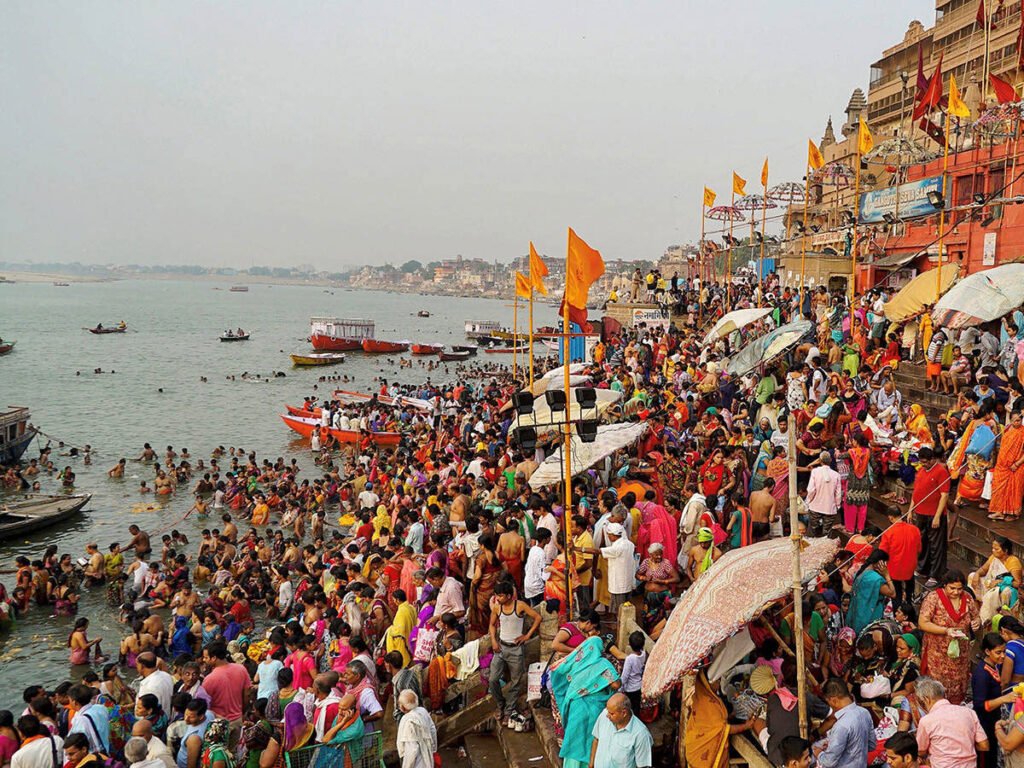
Ganga Dussehra
Three Days in Rishikesh, Not a Checklist
The Town You Sleep In
Why the base town shapes a monsoon waterfall trip more than any single fall, what to look for, and towns in Karnataka, Kerala and Goa worth considering.
One village ghat upriver
Train versus road that week
Markets before the 20th, not on it
Journeys Worth Discovering
Explore inspiring destinations, memorable journeys and travel stories from across India and beyond.
Explore destinations




