
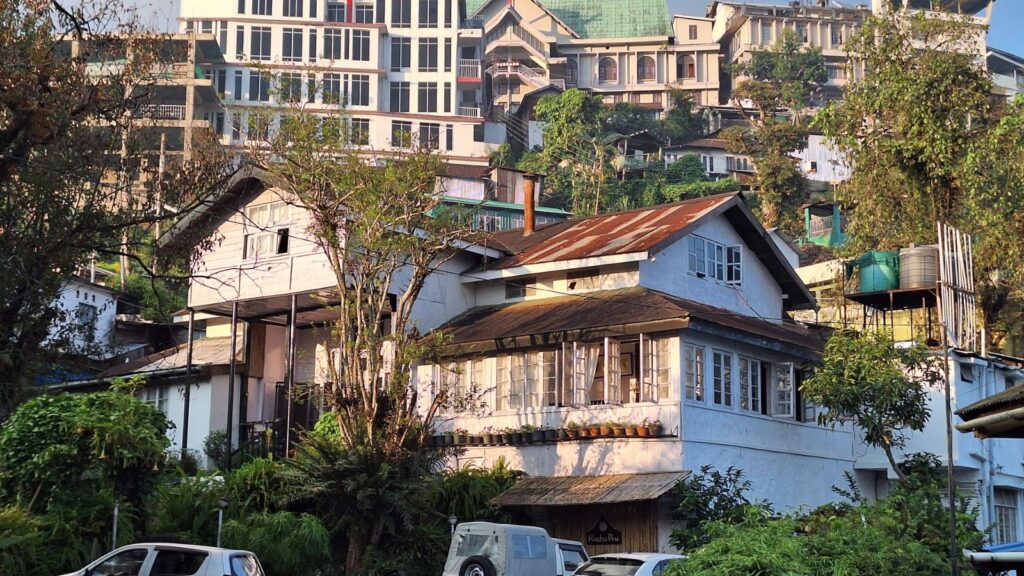
The morning the festival is quiet
Before the crowds arrive, the Kisama grounds are calm: smoke from morung kitchens, performers drinking tea, carvings you can actually look at. Why early mornings are the best of Hornbill.
10
Before the crowds arrive, the Kisama grounds are calm: smoke from morung kitchens, performers drinking tea, carvings you can actually look at. Why early mornings are the best of Hornbill.
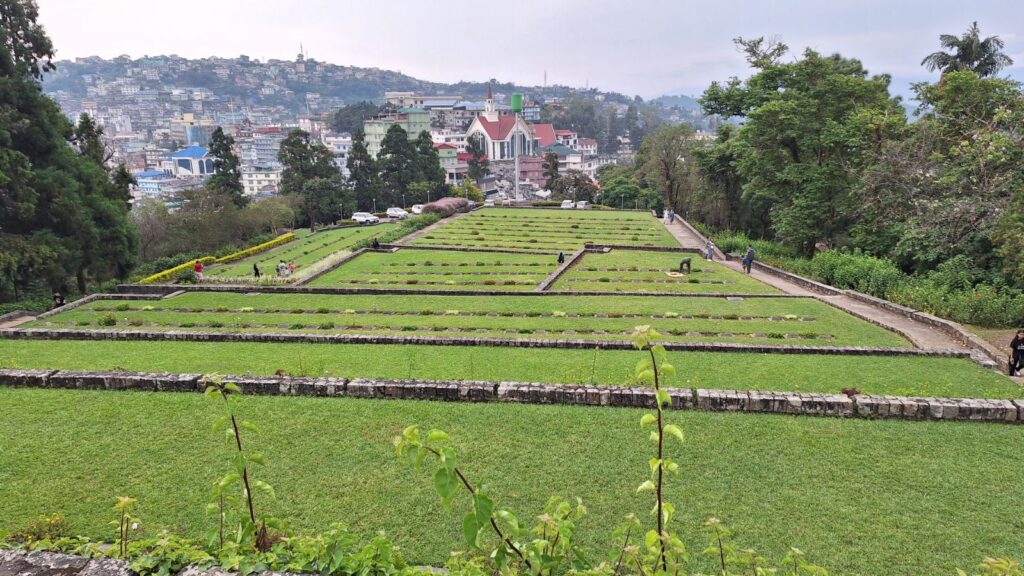
Give Kohima a full, slow day before the Hornbill Festival: the War Cemetery, Kohima Village, the market and Aradura Hill, and why that context changes how you see Kisama.
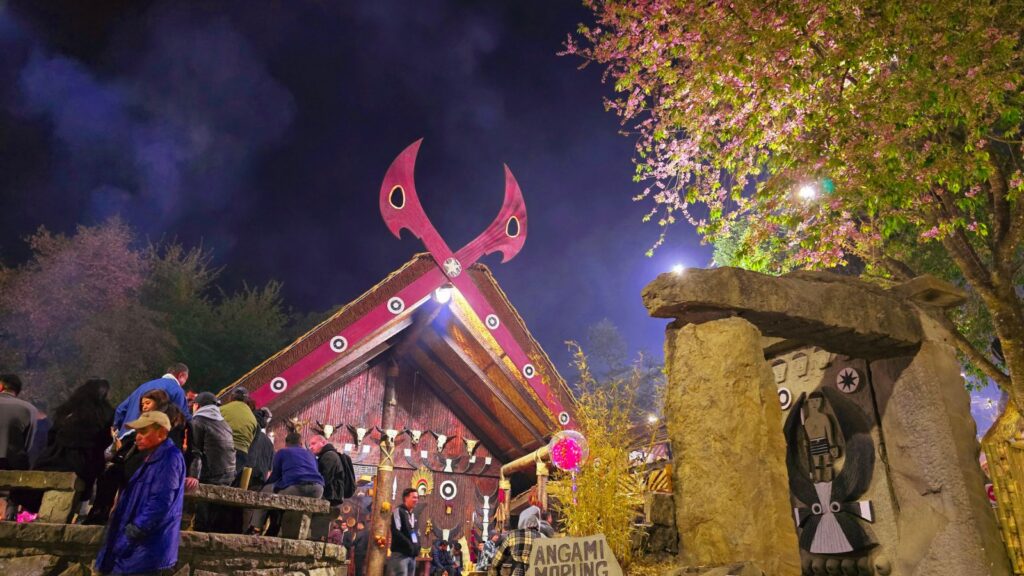
Instead of listing every Naga tribe’s costume, we try to understand one: the Angami of Kohima, their villages, khels, terraces, gates, Sekrenyi festival and the questions worth asking.
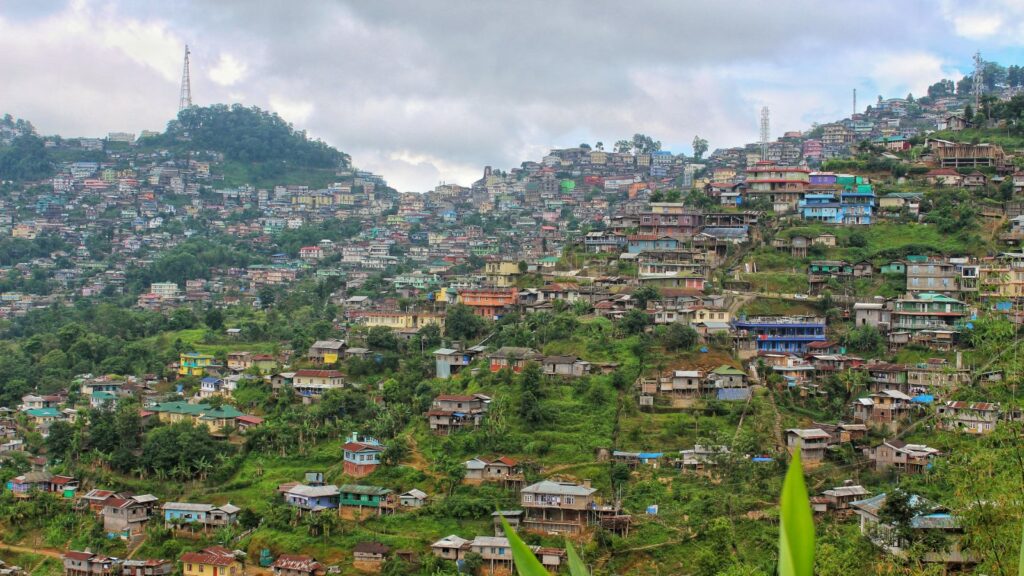
Step away from the Kisama arena for one night in a Naga village homestay: the hearth, the dinner table, the cold morning walk, and how it changes the festival.
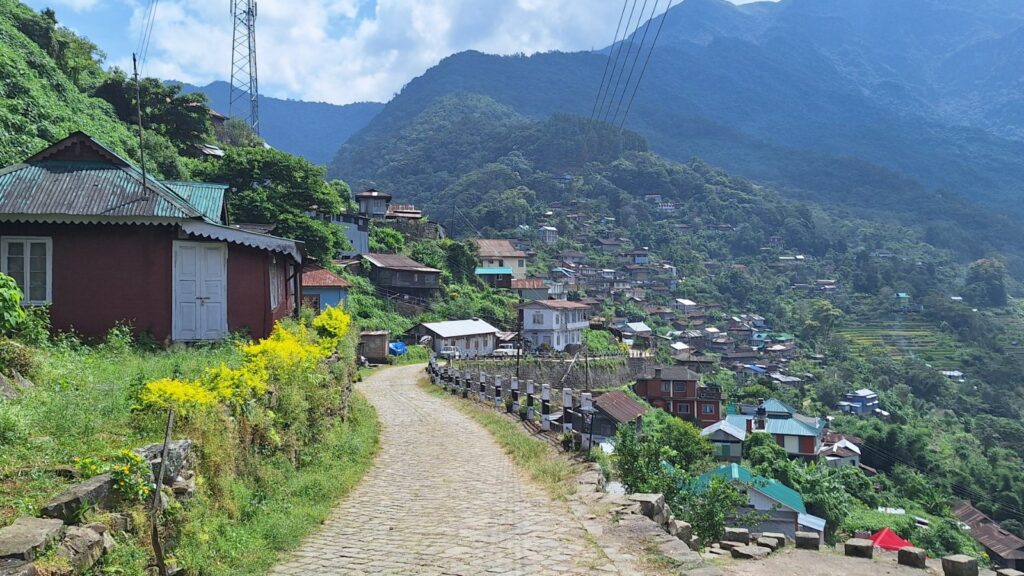
How to photograph people at the Hornbill Festival and in Nagaland respectfully: asking first, children and elders, money, light, captions and when to put the camera down.
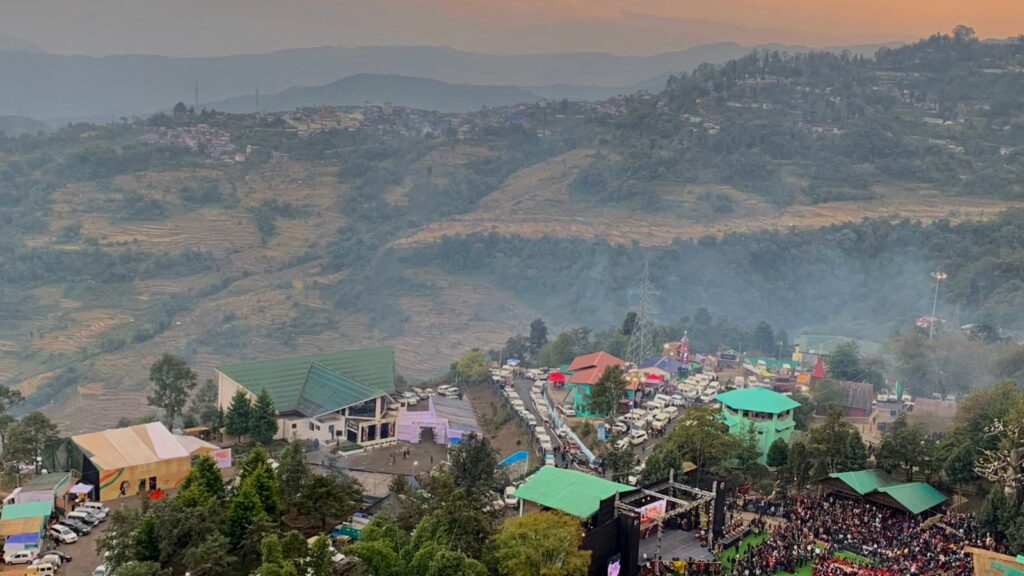
How a Hornbill Festival day at the Naga Heritage Village in Kisama tends to run, why mornings are best, and why the hour you leave matters as much as when you arrive.
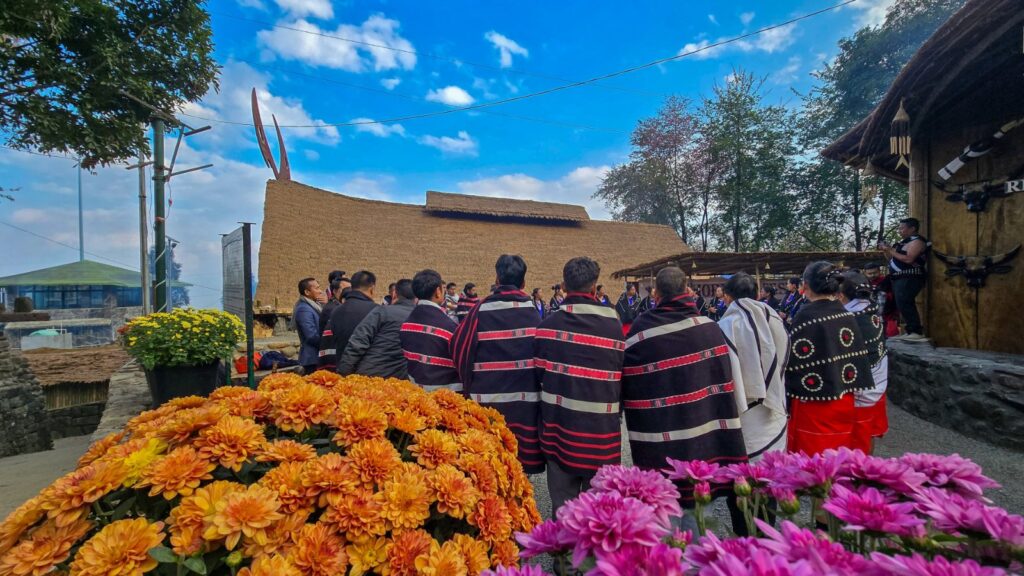
Our December 2025 issue goes to Nagaland for the Hornbill Festival, and asks you to treat it as a beginning: Kohima, village nights, food, permits, roads and portraits with permission.
Smoked pork, axone, bamboo shoot and the king chilli: a guide to eating well during the Hornbill Festival, at the Kisama morungs, in Kohima and in a village home.
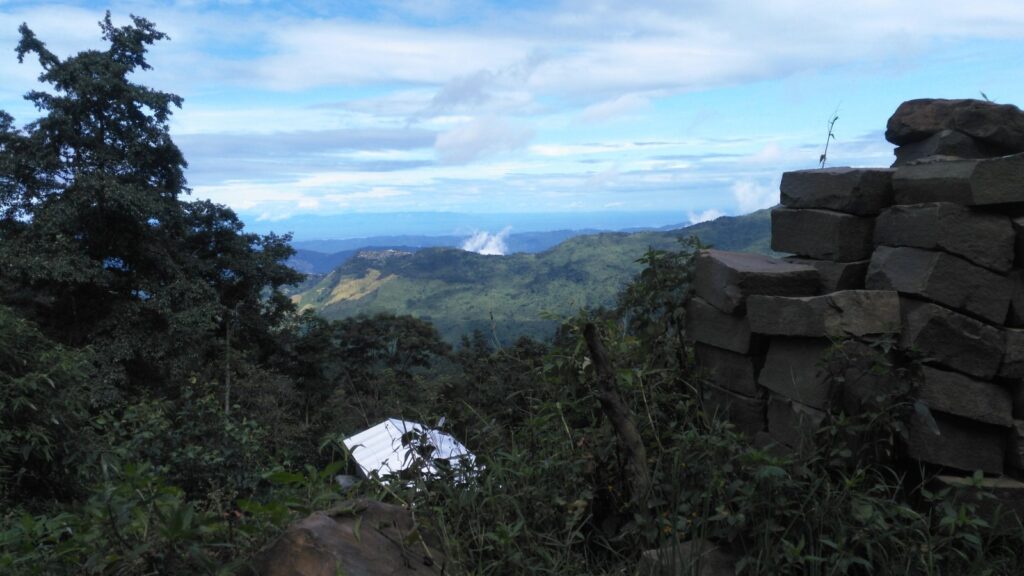
A plain-language guide to Nagaland’s Inner Line Permit for the Hornbill Festival: who needs one, how to apply online, what to carry, and the rules for foreign travellers.
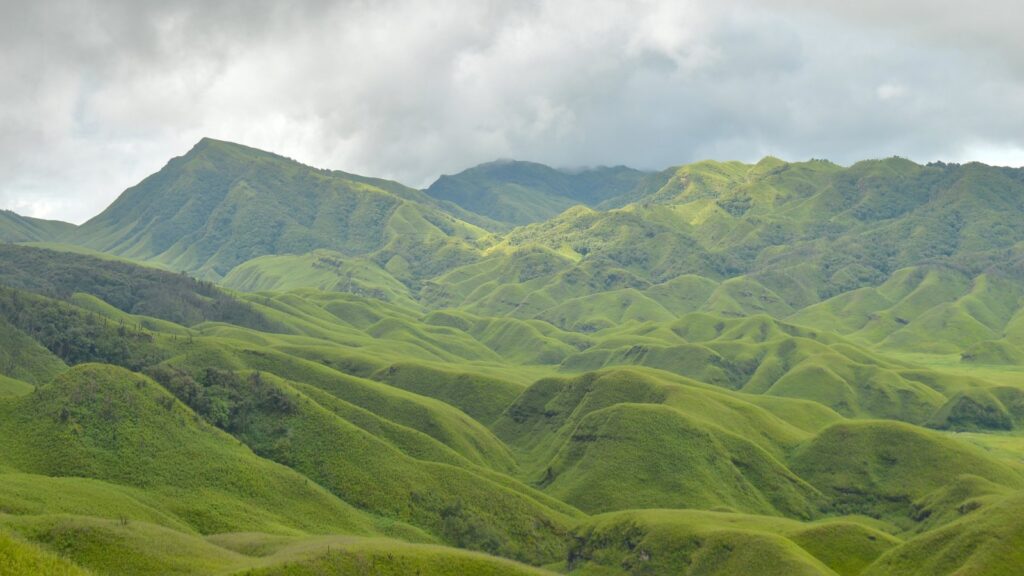
Issue 80, December 2025: every story in our Nagaland and Hornbill Festival issue, from Kohima and permits to Kisama, Naga food, village nights and respectful portraits.
