
Most Hornbill Festival guides include a list. Seventeen or so tribes, each with a name, a district and a line about its dress: this one wears red, this one has a particular headgear, this one is known for warriors. It is useful, up to a point. But a costume list tells you very little about the people inside the costumes, and it can leave visitors with the idea that Naga culture is something you look at rather than something people live.
So this issue we have tried something different. Rather than a list of all the tribes, here is a slower attempt to understand one of them, the Angami, whose homeland includes Kohima and the villages around it, including Khonoma and Kohima Village. Everything here is a starting point. The best explanation of the Angami will always come from Angami people themselves, and we hope you will have the chance to hear it from them in person.
Who the Angami are
The Angami are one of the major Naga tribes, living mainly in Kohima district and neighbouring areas. Historically they have been divided into regional groups, and many villages are further divided into khels, or clan quarters, each with its own identity, history and responsibilities. When you walk through an old Angami village, you are often walking from one khel to another without realising it.
The Angami language belongs to the Tibeto-Burman family, as do the other Naga languages, but each tribe’s language is distinct, and even within a tribe there can be dialect differences between villages. Nagamese, a creole, and English are widely used as common languages across the state.
Land and terraces
One of the first things you notice in Angami country is the terraced fields. The Angami are known for wet-rice terrace cultivation on the hillsides, with water channelled carefully down from one level to the next. Khonoma’s terraces are among the best known. These fields are not scenery; they are the result of generations of labour, and their maintenance is tied to village organisation and shared work.
Land in Naga society is closely bound up with identity, clan and village. That is part of why questions about land, outsiders and permits are so sensitive, and why the Inner Line Permit system still matters to many people here.
The village and its gates
Older Angami villages were often built on hilltops for defence, and many have carved wooden gates at their entrances. These gates can carry images of warriors, weapons, mithun heads, the sun and moon, human figures and other symbols. They mark the village’s identity and history, and some are associated with particular khels.
Inside the village you may see stone platforms and sitting circles, memorial stones and old house sites. Stones in particular have deep meaning in Angami tradition, often associated with feasts of merit, the commemoration of ancestors or important events. If you see one, do not climb on it or sit on it unless invited.
Feasts, merit and status
In the past, an Angami man could gain status in his community by hosting a series of feasts of merit, providing food and drink to the village. These feasts were tied to the right to wear certain ornaments or to build particular features on his house, and they redistributed wealth through the community. Today these practices have changed greatly, but the idea that status comes from generosity and service to the community still echoes in many conversations.
Sekrenyi, not Hornbill
The Hornbill Festival is a modern, state-organised event that brings all the tribes together. The Angami’s own major festival is Sekrenyi, traditionally celebrated in February. It is often described as a festival of purification and renewal, involving ritual bathing, the sanctification of the body and spirit, feasting and song. In many villages it is a significant annual event.
If you want to understand how the Angami celebrate on their own terms, rather than for a mixed audience at Kisama, Sekrenyi is worth learning about. Exact dates and practices vary from village to village, so check locally.
Faith and change
Today the large majority of Angami people, like most Nagas, are Christian. Baptist missionaries arrived in the Naga hills in the nineteenth century, and the church is now central to community life. Many traditional practices were set aside after conversion; some have been revived or reinterpreted as cultural heritage rather than religious ritual.
This is one reason why conversations about “tradition” can be complicated. A young Angami performer at Hornbill may be a devout Christian who sees the dance as heritage, not worship. An elder may remember the old ways with affection or with ambivalence. Both are part of the same story.
Dress, briefly
Since this is not a costume list, we will keep this short. Angami traditional dress includes shawls with specific patterns and colours, some of which once indicated status or achievement, as well as ornaments, armlets and headgear for men and distinctive jewellery for women. If you are curious about a particular shawl or ornament, ask the person wearing it what it means to them. You will learn far more than from any guidebook paragraph, including this one.
Asking well
Here are a few questions that tend to open real conversations with Angami hosts, guides and performers:
- Which village and khel are you from?
- What does this gate or carving mean?
- How are the terraces maintained, and who does the work?
- How is Sekrenyi celebrated in your village?
- What has changed most since your grandparents’ time?
Avoid questions that treat people as exhibits, such as “Are you a real headhunter?” Headhunting was abandoned long ago and is a painful and complex subject, not a party fact.
Why one tribe
Understanding one tribe a little better does not make you an expert on Nagaland. It does, however, change the way you see all the others. At Kisama, every morung represents a people with their own language, villages, festivals, histories and debates. Once you have tried to understand one, the arena stops being a parade of costumes and becomes a gathering of communities, each with a story as deep as the Angami’s.
More from Issue 80
- Hornbill index
- Editor’s letter: Nagaland & the Hornbill Festival
- Kohima before the stadium
- A village night that is not the main stage
- Kisama, and the hour you should leave
- Food you will not find on the poster
- Permits and the inner line
- A first Hornbill, written by a guest
- What December roads do
- The morning the festival is quiet
- A portrait with permission
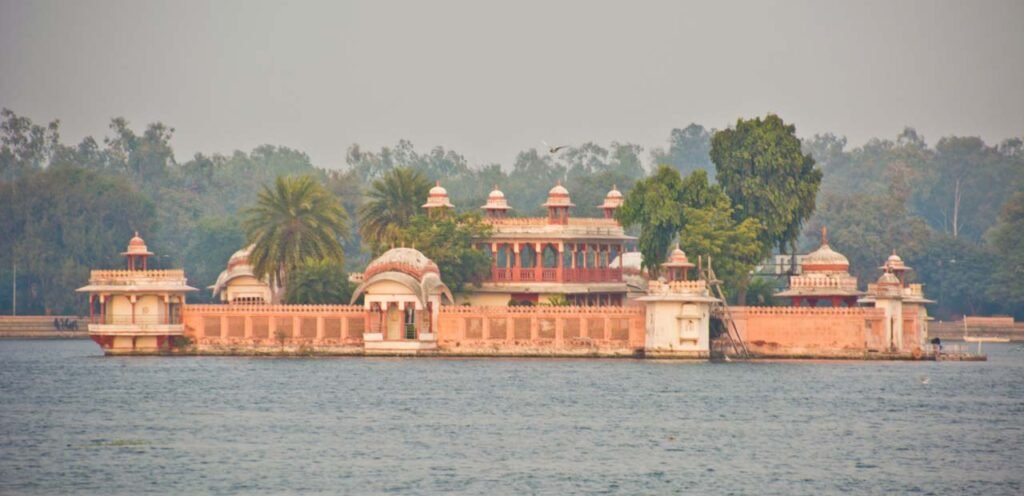
Kota
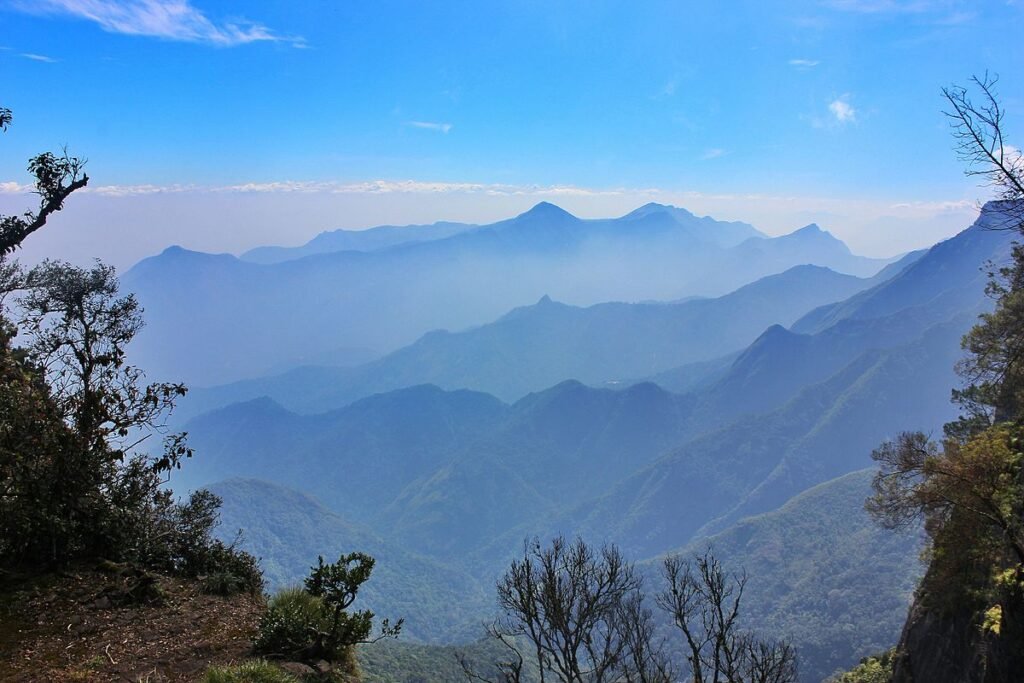
Kodaikanal, the Princess of Hill Stations
Manali’s Old Village, Not the Mall Road
The Town You Sleep In
Why the base town shapes a monsoon waterfall trip more than any single fall, what to look for, and towns in Karnataka, Kerala and Goa worth considering.
One village ghat upriver
Train versus road that week
Markets before the 20th, not on it
Journeys Worth Discovering
Explore inspiring destinations, memorable journeys and travel stories from across India and beyond.
Explore destinations




