
At the Hornbill Festival, there are moments when it feels as if there are more cameras than people. A warrior in full regalia steps out of a morung and is immediately surrounded by lenses. A young dancer adjusting her necklace finds a phone a few inches from her face. An elder sitting quietly on a bench is photographed dozens of times without anyone saying a word to him.
Most of those photographs will be forgotten within a week. The ones that last, the portraits people actually remember, are almost always the ones made with time, conversation and permission. This piece is about how to make those.
Why permission matters here
Asking permission before photographing someone is good practice anywhere. At Hornbill it matters even more. Naga communities have a long and complicated history with outsiders photographing them, from colonial-era ethnographers to modern visitors. Many images taken in the past presented Nagas as exotic, primitive or warlike, and some of those images still circulate. People are aware of this, and many are understandably wary of being turned into a picture without their say.
The festival performers have chosen to present their traditions publicly, but that does not mean they have agreed to be photographed by anyone, at any moment, in any way. Off the stage, they are people taking a break, eating, talking and getting ready.
How to ask
Start with a greeting, not a camera. Say hello, smile, and if you can, ask a question that is not about photography: which village someone is from, what a carving means, whether the food is good today. Many conversations will end there, and that is fine.
If the moment feels right, ask simply: “May I take your photograph?” Gesture to your camera if language is a barrier. Accept the answer, whatever it is, without trying to persuade. A no is not a challenge.
If the answer is yes, take a few frames, not fifty. Show the person the photograph on your screen if they want to see it. Thank them.
If someone asks for a copy, take their number or social media handle and actually send it. It is a small act that means a lot, and it is surprising how rarely visitors follow through.
Children and elders
Be especially careful with children. Ask a parent or guardian, not the child, and accept a no without fuss. Avoid photographing children in ways that make them look like props, and do not offer sweets or money in exchange for a picture.
With elders, slow down further. Many older people have strong feelings about being photographed. Show respect by sitting with them for a while before asking, or by asking through a younger family member or a guide who can explain who you are.
Money and photographs
You may be asked for money in exchange for a photograph, especially at the busiest times. Whether to pay is your decision, but be aware that paying for portraits can change the relationship between visitors and communities in ways that are hard to undo. Many photographers prefer to buy something from a stall, to send prints, or to contribute to a community fund where one exists, rather than handing over cash for a single picture.
Never promise payment or prints you do not intend to deliver.
Making a better portrait
Good portraits at Hornbill are usually made away from the main arena, where performers are busy and the background is cluttered. The quiet morning hours, before the crowds arrive, are ideal. People have more time, the light is softer and the morungs offer beautiful natural backdrops of carved wood, bamboo and thatch.
Think about the background. A carved post or a smoky kitchen tells a story; a crowd of other photographers does not.
Use natural light. Morning and late afternoon light at Kisama can be lovely. Avoid flash, which can be intrusive and is rarely flattering.
Include context. A portrait does not have to be a close-up of a face. A person at work, cooking, carving, drumming or laughing with friends can say far more than a posed frame.
Let people choose how they want to be photographed. Some will want to pose formally in full dress; others will prefer a more relaxed picture. Respect their choice.
Telling the truth with your pictures
When you share your photographs, think about how you describe the people in them. Use their names if they gave them and are happy for you to use them. Name the tribe correctly, and do not guess if you are not sure. Avoid captions that call people “primitive”, “fierce” or “untouched”.
Remember that many people you photograph will have smartphones and social media accounts. They may find your photograph online. Make sure that, if they do, they would be comfortable with what you wrote.
Photographing ceremonies and sacred spaces
Some performances at the festival re-enact rituals or ceremonies. Follow the lead of organisers and performers about when photography is welcome. Outside the festival, in villages and churches, ask before photographing anything that looks ceremonial or sacred, and assume the answer may be no.
Drone photography is a separate issue. Rules on flying drones in India are strict and can be stricter near official events and sensitive areas. Check current regulations and get any required permissions before you consider it.
When to put the camera down
Some of the best moments at Hornbill are the ones you do not photograph: a conversation by a fire, a joke shared with a performer, a song sung for friends rather than an audience. If you are always looking through a lens, you will miss them.
So by all means make portraits. Make them slowly, kindly and with permission. But leave space in your days for simply being there. The photographs will be better for it, and so will your memory of the trip.
A short checklist
- Greet first, ask second, shoot third.
- Accept a no without argument.
- Ask a parent before photographing a child.
- Take a few frames, then show and thank.
- Send copies you promised.
- Caption with names and tribes only if you are sure.
More from Issue 80
- Hornbill index
- Editor’s letter: Nagaland & the Hornbill Festival
- Kohima before the stadium
- A village night that is not the main stage
- Kisama, and the hour you should leave
- Food you will not find on the poster
- Permits and the inner line
- A first Hornbill, written by a guest
- What December roads do
- The morning the festival is quiet
- One tribe’s explanation, not a costume list

Beyond the Peaks: Kashmir’s Exciting Adventure Haven
Ahmedabad nights and a quiet morning after
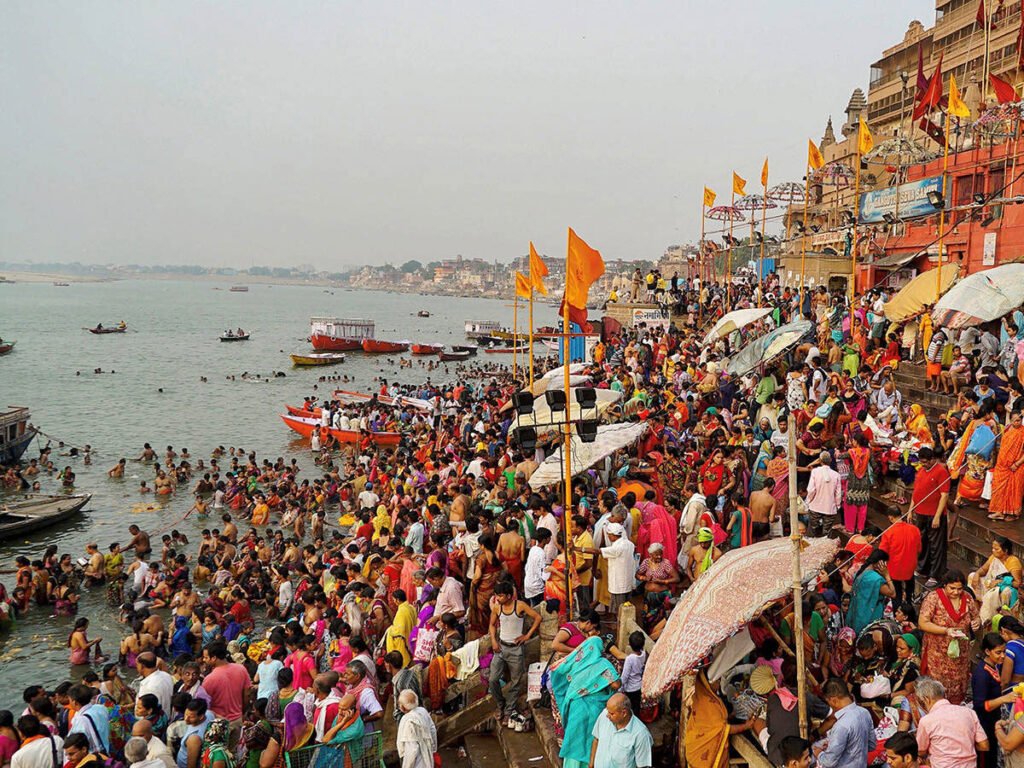
Ganga Dussehra
The Town You Sleep In
Why the base town shapes a monsoon waterfall trip more than any single fall, what to look for, and towns in Karnataka, Kerala and Goa worth considering.
One village ghat upriver
Train versus road that week
Markets before the 20th, not on it
Journeys Worth Discovering
Explore inspiring destinations, memorable journeys and travel stories from across India and beyond.
Explore destinations




