
There is a moment, most mornings during the Hornbill Festival, when the Naga Heritage Village at Kisama is almost silent. The gates have opened, but the crowds have not arrived. Smoke rises from the morung kitchens. A drum is being tested somewhere, a single beat and then nothing. Performers sit on benches in half their costumes, drinking tea, adjusting a headdress, scrolling on their phones. A cleaner sweeps the path outside a morung. The hills behind are still holding the morning mist.
This is the festival before it becomes a festival, and it is, for many people who have been more than once, the best time to be there.
Why mornings are different
Hornbill is built around afternoon performances in the main arena, when troupes from Nagaland’s tribes perform songs, dances and re-enactments in front of large crowds. That is what most visitors come for, and it is worth seeing. But the arena is, by its nature, a stage. You watch from the stands, at a distance, along with everyone else.
In the morning, the grounds are a place rather than a stage. People are getting ready, and you can move among them. Conversations happen naturally. A performer might show you how a piece of jewellery is fastened. A cook might tell you what is in the pot and offer you a taste. An elder sitting outside a morung might be happy to talk about the carvings on the posts, especially if you ask a real question rather than simply pointing a camera.
What you might see
Each morung at Kisama is built in the architectural style of a particular tribe, and the mornings are the best time to look at them properly. Notice the carved posts and beams, the gables, the use of bamboo, thatch and timber. Look at the symbols: mithun heads, hornbills, human figures, the sun and moon. Many of these have specific meanings in the tribe’s traditions.
You may also see preparations that are not part of any programme: cooking fires being lit, rice being washed, meat being cut, drums being moved, performers rehearsing a few steps. Sometimes a group will practise a song while they wait, and you will hear it as it is sung among friends rather than for an audience.
And you will see the ordinary details of festival work: volunteers checking passes, vendors setting up stalls, children running between the morungs, a tired official with a clipboard. These details are part of the festival too.
How to behave in the quiet
The quiet morning is not a private show. People are working. Be the guest you would want in your own home while you are getting ready for a big occasion.
Ask before you photograph anyone, and do not hover. If someone says no or simply turns away, accept it and move on.
Do not walk into a morung’s private areas, kitchen or changing space without being invited.
Keep your voice low. The mornings are quiet because people are concentrating, not because they are waiting for you.
If someone offers you food or tea, accept graciously and offer to pay if it is a stall. If it is hospitality, thank them warmly.
Getting there early
Arrange transport the evening before. Taxis can be scarce in the early morning, especially in peak years. If you have hired a driver for the day, agree a start time that gets you to the grounds soon after the gates open; ask locally what time that is, because it can vary.
Dress warmly. December mornings in the Naga hills are cold, and Kisama’s hillside can feel colder than the town, particularly in the shade. A warm jacket, a hat and gloves are not excessive.
Eat something before you leave, or plan to eat at the grounds once the stalls open. Carry water.
Making the most of it
Go with a question in mind. You might want to understand how one tribe’s morung differs from another, or what a particular song is about, or how a particular dish is made. A focused question makes conversations easier, and people are generally more willing to talk to someone who is genuinely curious.
Spend time at fewer morungs rather than racing round all of them. Sit for a while. Watch. Let people get used to your presence before you ask anything.
If you are a photographer, this is the time for considered portraits, made with permission and with time to talk first. Our piece on portraits in this issue goes into this in more detail.
When the quiet ends
By late morning, the grounds begin to fill. Tour groups arrive, then families, then the large afternoon crowds. Performers finish dressing and gather near the arena. The sound changes, from the occasional drum and conversation to a constant hum of people, music and loudspeakers.
That is the moment to move to the arena if you want a good seat for the afternoon. You will watch the performances with a different eye, having seen the people behind them a few hours earlier, drinking tea and adjusting their headdresses like anyone getting ready for a long day.
Quiet mornings in town, too
The festival’s quiet hours are not only at Kisama. Kohima itself is calm early in the day, before the traffic builds. A walk through the War Cemetery at first light, a cup of tea at a roadside stall as shops open, or a slow climb up to a viewpoint as the mist lifts off the ridges can be as memorable as anything you see at the grounds. If you are staying in a village, the early hours are when you will see daily life at its most natural: smoke from kitchen fires, people walking to the fields, children heading to school. Many visitors come to Nagaland for a festival and leave remembering its mornings.
On the last morning
If you can, come back on your last day for one more quiet morning. It is a gentle way to say goodbye to the festival, and by then you may recognise a few faces. A nod of recognition from someone you spoke to earlier in the week can be one of the nicest moments of the whole trip.
More from Issue 80
- Hornbill index
- Editor’s letter: Nagaland & the Hornbill Festival
- Kohima before the stadium
- A village night that is not the main stage
- Kisama, and the hour you should leave
- Food you will not find on the poster
- Permits and the inner line
- A first Hornbill, written by a guest
- What December roads do
- One tribe’s explanation, not a costume list
- A portrait with permission
Three Days of Mysuru Dasara, Not a Checklist
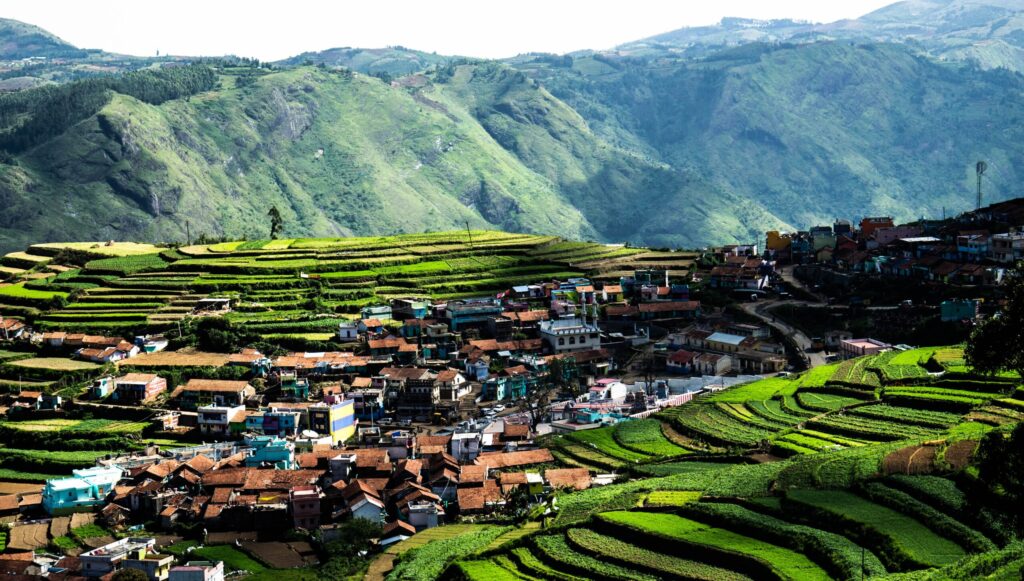
The Poombarai Village in Tamil Nadu

The Godavari – India’s Second Longest River
The Town You Sleep In
Why the base town shapes a monsoon waterfall trip more than any single fall, what to look for, and towns in Karnataka, Kerala and Goa worth considering.
One village ghat upriver
Train versus road that week
Markets before the 20th, not on it
Journeys Worth Discovering
Explore inspiring destinations, memorable journeys and travel stories from across India and beyond.
Explore destinations




