
Mysuru’s Dasara is one of the grandest festivals in India, and it can easily overwhelm a first-time visitor. There are palace illuminations, temple rituals, cultural programmes, food fairs, sporting events and, on the last day, the famous Jamboo Savari procession. You could try to see it all. We suggest something different: three unhurried days that give you the heart of the festival without the exhaustion.
Before you go
Mysuru Dasara, also known as Nada Habba, the state festival of Karnataka, is held over the ten days of Navaratri, ending on Vijayadashami. It celebrates the victory of Goddess Chamundeshwari over the demon Mahishasura, after whom, according to tradition, the city is named. The festival’s modern form owes much to the Wadiyar rulers of Mysore, who made it a royal celebration in the city, building on traditions associated with the Vijayanagara empire.
In 2024, Navaratri begins in early October and Vijayadashami falls in mid-October. Plan your three days to end on Vijayadashami, and book accommodation well ahead; hotels in Mysuru fill quickly in the festival season. Check the official Mysuru Dasara website for the final schedule of events and for information on passes for the main procession and the torchlight parade.
Day one: Chamundi Hills and the palace by night
Begin early with a visit to Chamundi Hills, the hill that rises above the city to the south-east. At the top stands the Chamundeshwari temple, dedicated to the city’s guardian goddess. Many devotees climb the long flight of stone steps from the base of the hill; about two-thirds of the way up stands a huge monolithic Nandi, the bull of Shiva, carved from a single rock. If you climb, start early, carry water and take your time. The temple can be very busy during Navaratri, so be patient.
Spend the afternoon resting or exploring the quieter streets of the old city. Then, as dusk falls, head to Mysore Palace. During Dasara, the palace is illuminated each evening with tens of thousands of bulbs, transforming the Indo-Saracenic building into a glowing outline against the night sky. Find a spot on the lawns or in the surrounding streets, and watch as the lights come on. It is one of the most beautiful sights in India.
Day two: market, art and Srirangapatna
On the second morning, walk through the Devaraja Market near the palace. This is the old commercial heart of the city, with stalls piled high with flowers, fruit, spices, incense and the famous Mysore jasmine. During Dasara, it is especially colourful. Buy a string of jasmine for your hair or a packet of sandalwood incense, and stop for strong filter coffee in a small café.
Later, visit the Jaganmohan Palace, which houses an art gallery with paintings including works by Raja Ravi Varma, or the Rail Museum if you are travelling with children. In the afternoon, drive about half an hour to Srirangapatna, the island town in the Kaveri river that was once the capital of Hyder Ali and Tipu Sultan. See the Ranganathaswamy temple, the remains of the fort, and the Daria Daulat Bagh summer palace with its painted walls.
In the evening, visit the Dasara exhibition grounds opposite the palace, where stalls sell crafts, textiles, food and toys, and rides keep families entertained late into the night. You might also catch one of the cultural programmes held at venues across the city during the festival, featuring classical music and dance.
Day three: Jamboo Savari and the torchlight parade
The last day is Vijayadashami, and the city’s attention turns to the Jamboo Savari. The procession begins at Mysore Palace in the afternoon, after rituals and the offering of flowers to the goddess. At its centre is a caparisoned elephant carrying the golden howdah with the idol of Goddess Chamundeshwari. Around it march other decorated elephants, horses, camels, folk dance troupes, bands, and tableaux representing the districts of Karnataka.
The procession travels several kilometres through the city to the Bannimantap grounds. Watching it is a choice: you can buy a pass for a seat inside the palace grounds, where the procession starts, or find a spot along the route. Both are crowded; arrive early, carry water and stay with your group.
In the evening, the festival ends with the torchlight parade at Bannimantap, a display of horsemanship, marching bands and fireworks. Passes are usually required for seating.
Where to stay and how to move
The most convenient places to stay are around the palace and the old city, from where you can walk to the illuminations, the market and the exhibition grounds. These areas are also the most expensive and the first to sell out, so book early. Quieter options lie further out, towards Chamundi Hills or the newer residential areas, which are a short auto-rickshaw ride from the centre. A few travellers prefer to base themselves in Srirangapatna or at a homestay in the countryside and come into the city each day; this works well if you do not mind the traffic.
Mysuru is well connected by train and road with Bengaluru, roughly three to four hours away depending on traffic, and the city also has a small airport with limited flights. During Dasara, trains and buses from Bengaluru fill up, especially on the final days, so reserve in advance. Within the city, many roads near the palace are closed or diverted on procession day; plan to walk the last stretch and agree a meeting point with your group in case you get separated.
Food to try
Mysuru is the home of the Mysore pak, a rich sweet made with gram flour, ghee and sugar, and of the soft, spongy Mysore masala dosa. Try both. Look for bisi bele bath, a spiced rice and lentil dish, and finish every meal with filter coffee.
Practical tips
- Book accommodation and passes well in advance.
- Use auto-rickshaws or walk in the old city; traffic is heavy during Dasara.
- Dress modestly for temples and remove shoes where required.
- Keep valuables secure in crowds.
- Carry a light shawl for cool evenings.
Not a checklist
Three days in Mysuru during Dasara are not about seeing everything. They are about the moments: the first bulbs flickering on at the palace, the smell of jasmine in the market, the elephants swaying past on the final afternoon. Go slowly, eat well, and let the city share its festival with you.
More from Issue 66
- October 2024
- Editor’s Letter: Dussehra, When the Whole Country Tells One Story
- Where to Experience the Most Grand Dussehra Celebrations in India
- Top 10 Navratri Festival Destinations for Cultural Immersion
- Wildlife Sanctuaries Reopening in October: What to See and When to Visit
- Why October is the Best Time to Explore India’s Fortresses
- Intriguing Facts About Festivals, Forts, and Forests
- Mysore Dasara
- Kullu Dussehra: The One Valley Route That Explains the Festival
- What to Skip on Your First Dussehra Trip
- Bastar Dussehra: The Quieter, Older Festival Beside the Famous Ones

Visit Lal Kuan Market For Kites

17 Places To Visit In Colombo, Sri Lanka
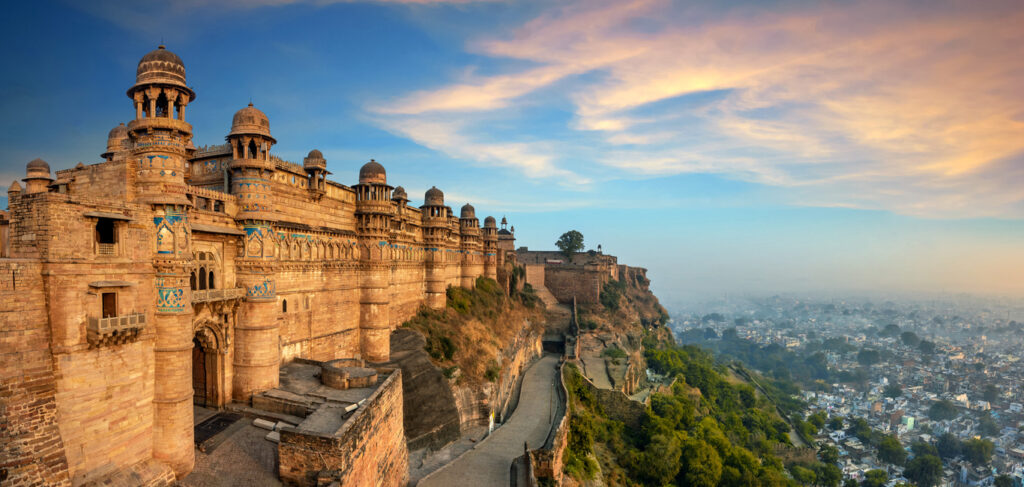
Gwalior Fort: A Gem in Madhya Pradesh
The Town You Sleep In
Why the base town shapes a monsoon waterfall trip more than any single fall, what to look for, and towns in Karnataka, Kerala and Goa worth considering.
One village ghat upriver
Train versus road that week
Markets before the 20th, not on it
Journeys Worth Discovering
Explore inspiring destinations, memorable journeys and travel stories from across India and beyond.
Explore destinations




