
A first pilgrimage in Sawan can be overwhelming. The crowds are vast, the weather is unpredictable, roads are diverted and temples are at their busiest. With a little planning, though, the experience can be deeply rewarding. This is a candid guide to what you can skip on your first Sawan pilgrimage, and what to do instead. It is written for devotees and curious travellers alike, and it is not meant to discourage anyone from the rituals that matter to them.
Dates and rules change every year. In the northern calendar, Sawan in 2024 was expected to run from around 22 July to around 19 August, but regional calendars differ. Please check locally.
Skip: the busiest days, if you have a choice
Mondays in Sawan, Sawan Shivratri and the weekends around them draw the largest crowds at Shiva temples. Queues can last many hours, and crowd density can become dangerous.
Instead: if your faith does not require a specific day, visit on a Tuesday, Wednesday or Thursday. Go early in the morning, when temples are usually calmer and the heat is lower.
Skip: trying to visit several jyotirlingas in one trip
The twelve jyotirlingas are spread across India, from Kedarnath in the Himalaya to Rameswaram in the far south. Attempting several in one Sawan trip means long journeys in monsoon conditions and huge crowds at every stop.
Instead: choose one or two temples and give them time. A single, unhurried darshan is often more meaningful than a rushed circuit.
Skip: Himalayan shrines during heavy rain without a plan
Kedarnath and other mountain shrines are especially vulnerable in the monsoon. Landslides, flash floods and road closures are common in July and August, and weather can change quickly.
Instead: if you plan a mountain pilgrimage, follow official advisories, register where required, carry rain gear and leave spare days. Be ready to postpone if warnings are issued. Many pilgrims prefer to visit mountain shrines in May, June, September or October.
Skip: driving the Kanwar routes during the yatra
During the Kanwar Yatra, highways in western Uttar Pradesh, Haryana, Delhi and Uttarakhand may be closed to vehicles or heavily diverted. Journeys can take far longer than expected.
Instead: check police traffic advisories before you set out. If you are not taking part in the yatra, avoid travelling on these routes in the peak days before Sawan Shivratri, or use trains where possible.
Skip: paying touts for “VIP darshan”
At busy temples, people may offer to help you skip queues for a fee. Some are genuine, but many are not, and paying unofficial intermediaries can lead to scams.
Instead: use only official temple websites or counters for any special darshan tickets, where they exist. Many major temples, such as Kashi Vishwanath and Mahakaleshwar, have official booking systems; check current rules.
Skip: carrying valuables and bags into crowds
Large crowds attract pickpockets, and many temples do not allow bags, phones or leather items inside.
Instead: carry only what you need. Use official locker or cloakroom facilities where available. Keep cash and identity documents in a secure pouch.
Skip: ignoring your health
Long queues, heat, humidity and fasting can lead to dehydration and exhaustion. Walking barefoot on wet roads can cause blisters and infections.
Instead: drink water regularly, eat light, rest when you need to and carry basic medicines. If you are fasting, consult a doctor if you have health conditions. Older pilgrims and children need extra care in crowds.
Skip: single-use plastic and offerings in the river
Sawan produces vast amounts of waste: plastic bottles, packets and flowers wrapped in plastic. Much of it ends up in rivers.
Instead: carry a refillable bottle, use cloth bags and dispose of flowers and offerings at designated collection points rather than throwing them into rivers in plastic.
Skip: treating pilgrims as a spectacle
The Kanwar Yatra and temple queues are colourful and photogenic, but they are acts of devotion.
Instead: watch respectfully. Ask before photographing people, do not obstruct walkers or touch kanwars, and avoid playing loud music or behaving disruptively near temples.
Skip: arriving without somewhere to stay
Pilgrimage towns fill up quickly in Sawan, and the cheapest rooms near major temples are often booked weeks ahead. Arriving late at night without a booking can leave you searching in the rain.
Instead: book in advance, ideally somewhere with flexible cancellation. Dharamshalas and ashram guesthouses can be good options; check their rules on curfews and check-in times. Homestays slightly outside the busiest areas are often calmer and better value.
Skip: arriving late in the day
Many first-time pilgrims arrive in the afternoon and head straight for the temple, joining the longest queues in the worst heat.
Instead: arrive the day before, rest, and go to the temple early the next morning.
Skip: rigid plans
Sawan is the height of the monsoon. Trains can be delayed, roads can close and temple timings can change.
Instead: keep your plans flexible. Book accommodation that allows changes, and leave a spare day at the end of your trip.
Skip: ignoring local customs
Many pilgrimage towns become stricter during Sawan. Meat, eggs and alcohol may be unavailable or restricted, and dress codes are often expected at temples.
Instead: eat sattvic food, dress modestly, remove shoes where required and follow temple instructions. Ask locally if you are unsure.
Skip: only the famous temples
The great temples of Varanasi, Deoghar, Ujjain and Haridwar draw the largest crowds. But every town and village in north India has its own Shiva temple, and many are celebrated quietly in Sawan.
Instead: consider visiting a smaller temple near your home or destination. Places like Jageshwar in Kumaun, or old village shrines, can offer a calmer and more intimate experience of the month.
A better first Sawan pilgrimage
The best first Sawan pilgrimage is a calm, well-planned one. Choose your days carefully, give each temple time, look after your health and respect both the place and the people around you. Skip the rush and the touts, and you will find the heart of the month: faith, rain and the quiet sound of water poured on the lingam.
More from Issue 63
- July 2024
- Editor’s Letter: Sawan, the Month the Rain Comes for Shiva
- Explore India’s Magnificent Temples: A Journey Through History & Art
- Eat Right, Skip Smart: Your Guide to the Holy Month of Sawan
- Embrace Divinity at Baidyanath Jyotirlinga Temple
- Divine Steps of the Kanwar Yatra
- Top 5 Destinations for Sawan 2024
- The Rise of Homestays in India
- Haridwar to Neelkanth: The Kanwar Road That Explains Sawan
- Three Days in Varanasi in Sawan, Not a Checklist
- Jageshwar in Sawan: A Quieter Shiva Shrine in the Deodar Forest

September 2019
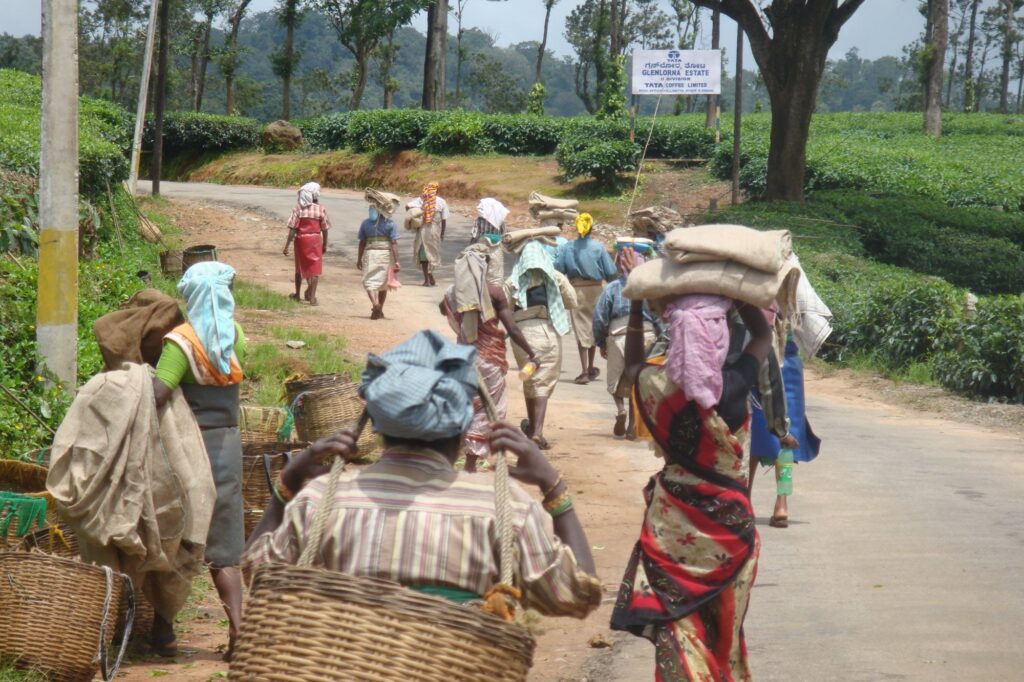
Coorg When the Estate Is Working

Maharashtra ‘The Great Nation’
The Town You Sleep In
Why the base town shapes a monsoon waterfall trip more than any single fall, what to look for, and towns in Karnataka, Kerala and Goa worth considering.
One village ghat upriver
Train versus road that week
Markets before the 20th, not on it
Journeys Worth Discovering
Explore inspiring destinations, memorable journeys and travel stories from across India and beyond.
Explore destinations




