
Tawang is not a place you arrive at casually. It sits in the far north-west of Arunachal Pradesh, close to the borders with Bhutan and Tibet, at an altitude usually given as around 3,000 metres. Getting there from the plains of Assam is a long, winding journey over Sela Pass, and most travellers spend at least one night on the way. So when you finally reach it, the temptation is to rush: tick off the monastery, the lakes, the war memorial and the pass, and drive back down. This is a plea to do the opposite. Give Tawang three unhurried days and it will give you far more than a checklist.
Before you go
Indian citizens need an Inner Line Permit to enter Arunachal Pradesh, and foreign nationals need a Protected Area Permit. Both are issued by the state government, and the process, including online applications, has changed over the years, so check the current requirements before you plan. Roads can be affected by landslides in the monsoon and by snow in winter. Many travellers prefer the spring months and autumn, when skies are often clearer, but weather here is never guaranteed.
The usual route is from Guwahati or Tezpur through Bhalukpong, Bomdila or Dirang, and then over Sela Pass into the Tawang valley. Breaking the journey at Dirang or Bomdila helps with acclimatisation as well as tiredness.
Day one: the monastery and the town
Spend your first morning at Tawang Monastery, one of the largest Buddhist monasteries in India. It belongs to the Gelug school of Tibetan Buddhism and is generally dated to the seventeenth century, founded by Merak Lama Lodre Gyatso in the time of the fifth Dalai Lama. Its full name is often given as Galden Namgey Lhatse. Set on a ridge above the town, it looks out over the valley like a walled village, with monks’ quarters, a library, a school and a great assembly hall containing a tall gilded image of the Buddha.
Do not rush through. Arrive early, when monks are moving to prayers and the light comes in low. Sit quietly at the back of the assembly hall if you are permitted. Walk the outer lanes. If the small museum is open, spend time with its old manuscripts and objects. Remove your shoes where asked, walk clockwise around shrines and stupas, and ask before photographing anyone.
In the afternoon, wander down into the town. Tawang is small enough to cover on foot, with steep lanes, prayer wheels, and shops selling woollens, butter lamps and dried yak cheese. Look for momos, thukpa, and local dishes made with buckwheat or chilli and cheese. Eat where local families eat. Sleep early; you are high up.
Day two: lakes and the road towards Bum La
The second day belongs to the high country north of town. Several glacial lakes lie along the road towards Bum La, the pass on the border with Tibet. Among the best known is Sangetsar Lake, which many visitors call Madhuri Lake because a song from a Hindi film was shot there. Its still water, with dead tree trunks standing in it, was reportedly created by an earthquake. Pankang Teng Tso, often shortened to PT Tso, is another lake on the way.
Bum La itself is a military area, and access for civilians depends on separate permissions arranged through the local administration and the army. Rules and opening days change, so do not assume you can go. Even if you cannot, the drive up through the lakes and high pastures, often above 4,000 metres, is extraordinary. Take warm clothes, water and snacks, and turn back if anyone in your group feels unwell.
In the evening, return to town and visit the Tawang War Memorial, built to honour the soldiers who died in the 1962 conflict between India and China. It is a sober, moving place. A light and sound show has been held there in the evenings in the past; ask locally whether it is running.
Day three: quieter corners
On your last day, slow right down. Visit the Urgelling Gompa, a short distance from town, traditionally associated with the birthplace of the sixth Dalai Lama, Tsangyang Gyatso, a poet as well as a spiritual leader. Smaller nunneries and gompas around the valley, such as the Ani Gompa associated with nuns, are worth a visit if you have local guidance.
Alternatively, ask your host about a walk to a village outside town, where Monpa families farm barley, maize and potatoes and where the houses are built of stone and wood. The Monpa people are the main community of the Tawang region, with their own language, dress and crafts. Handmade paper, woven textiles and wooden bowls are part of local tradition; look for them at cooperatives rather than generic souvenir shops.
If the weather is clear, spend late afternoon at a viewpoint above town and watch the light fade on the monastery and the surrounding ridges. This is what three days are for.
Coming back over Sela
Sela Pass, at a height usually given as about 4,170 metres, is often snowy even outside winter and has a lake near the top. Take your time at the pass on the way down, but not too long: the cold and altitude are real. The newer Sela Tunnel has been built to make the route more reliable through the year; ask locally which road your driver will take.
Why slow is better here
Tawang rewards those who stay. The monastery has a different feel at dawn, at noon and at dusk. The lakes look different in sun and in cloud. The people you meet on day one may invite you for tea on day three. And at this altitude, your body simply needs time.
Practical notes
- Carry your permit and identity documents at all times; there are checkpoints.
- Cash is useful, as ATMs and card payments may be unreliable.
- Mobile networks can be patchy; tell someone your plans.
- Dress modestly at monasteries and remove hats inside shrines.
- Do not leave plastic behind; waste is a growing problem in mountain towns.
Three days in Tawang will not show you everything. But it will show you enough to understand why people come back.
More from Issue 47
- March 2023
- Editor’s Letter: Travel in Mountains
- Malshej Ghat – A Mountain Pass in Maharashtra
- Zanskar Valley – The Hidden Gem of Ladakh
- The Kangchenjunga Mountain Range
- Nilgiris Hills – The Blue Mountains
- The Mahuli Duduma Mountain Range, Malkangiri in Odisha
- The Garhwal Mountain Range in Uttarakhand
- Manali to Leh: The One Road That Explains India’s Mountains
- What to Skip on Your First High-Altitude Trip in India
- Munsiyari: The Quieter Kumaon Village Beside Busy Nainital

The Wonderful ‘Patiala’ City
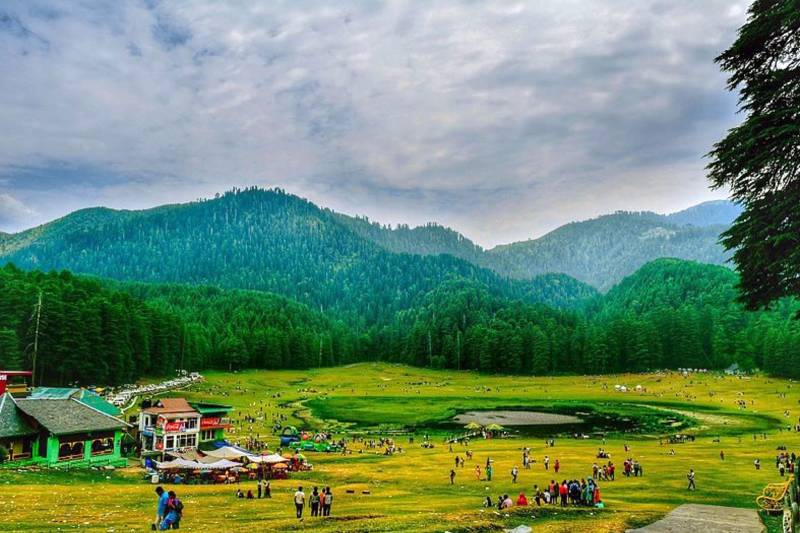
Dalhousie: A Beautiful Himalayan Retreat in Himachal Pradesh
Leeches, landslides and the honest packing list
The Town You Sleep In
Why the base town shapes a monsoon waterfall trip more than any single fall, what to look for, and towns in Karnataka, Kerala and Goa worth considering.
One village ghat upriver
Train versus road that week
Markets before the 20th, not on it
Journeys Worth Discovering
Explore inspiring destinations, memorable journeys and travel stories from across India and beyond.
Explore destinations




