
Every big city has places that look good on a list but disappoint in person, and Mumbai is no exception. This is not a guide to avoiding the city’s great sights. It is a gentle, honest note on what you can safely skip, shorten or save for another trip, so that a first visit leaves room for the experiences that matter.
A note for July 2022: during the monsoon, some of these suggestions matter even more, because rain and traffic shrink the time you have each day.
Skip: trying to see the whole city
The single biggest mistake first-time visitors make is trying to cover Mumbai from end to end. The city stretches for many kilometres from Colaba in the south to the far northern suburbs, and crossing it can take hours. Pick one or two areas per day and accept that you will miss things. You will enjoy the city far more.
Skip: the beach as a swimming beach
Mumbai’s city beaches, such as Girgaum Chowpatty and Juhu, are wonderful places to watch the city at play, eat street food and see the sunset. They are not good places to swim. The water is often polluted, currents can be strong, and in the monsoon swimming is dangerous and is often prohibited. Go for the atmosphere, not the sea. If you want a beach holiday, the coasts of Konkan, Goa or Kerala are better choices.
Shorten: Gateway of India in the middle of the day
The Gateway is worth seeing, but at midday it is crowded, hot or wet, and full of touts and photographers offering instant prints. Go early in the morning or around sunset instead, spend twenty minutes, and move on to Colaba or Kala Ghoda.
Skip: rush-hour local trains, at least at first
Riding a Mumbai local is a quintessential experience, but riding one at peak hour on your first day is not. The crowds can be overwhelming, and getting on and off at busy stations takes practice. Try a mid-morning or early-afternoon train instead, ideally on a short hop, and you will get the experience without the stress.
Skip: the Bollywood studio package, unless you really love film
Tours that promise behind-the-scenes access to the Hindi film industry vary widely in quality. Some are interesting, many involve long drives to see a set that may be empty, and very few include any actual stars. If you are a film enthusiast, research carefully and read recent reviews. Otherwise, watching a new Hindi film at a single-screen cinema can be a more memorable way to feel the city’s love of movies.
Rethink: Dhobi Ghat walk-throughs
Dhobi Ghat, the vast open-air laundry near Mahalaxmi, is fascinating to see from the bridge above. Some tours offer walks inside. If you take one, go with a respectful local guide, ask before taking photographs, and remember that this is a place of hard work, not a tourist attraction. Many visitors find the view from the bridge enough.
Rethink: slum tours
Tours of Dharavi, one of Asia’s largest informal settlements, are popular and divisive. Some operators run thoughtful tours that focus on Dharavi’s small industries, recycling and community life, and put money back into local projects. Others are less careful. If you choose to go, research the operator, ask how the community benefits, and follow any rules against photography. It is equally valid to decide not to go.
Skip: overpriced souvenir shops near the big sights
Shops near the Gateway and other landmarks tend to sell the same mass-produced items at inflated prices. If you want souvenirs, Colaba Causeway has plenty of stalls for bargaining, and the markets around Crawford Market and the Fort area offer more variety. For crafts with a clear origin, look for government emporiums or well-reviewed design shops.
Save for another trip: Elephanta in the monsoon
Elephanta Island’s cave temples are extraordinary, but ferries from the Gateway are often suspended in the monsoon because of rough seas. If you are visiting in July, save Elephanta for a drier season. If you do find ferries running, check the return times carefully.
Save for another trip: hill forts and waterfalls
The Western Ghats around Mumbai are spectacular in the monsoon, with trekking trails to forts and waterfalls. But they can also be dangerous: paths are slippery, rivers swell suddenly, and accidents happen every year. On a first short visit, it is wiser to stay in the city or join a well-organised group trip with experienced leaders.
Skip: unofficial guides at the big sights
At the Gateway, CSMT and some other landmarks, you may be approached by people offering guided tours, photos or help with tickets. Some are genuine, but many are not licensed and prices can be unclear. If you want a guide, book in advance through a reputable heritage walk operator or ask your hotel. Many of the city’s heritage walks are run by enthusiastic local historians and are excellent value for the time.
Shorten: shopping malls
Mumbai has many large malls, and they are useful when the rain is relentless. But they feel much the same as malls elsewhere. Use them as a refuge if needed, not as a destination. A covered bazaar or a museum is a far more interesting way to escape the weather.
Skip: driving yourself
Renting a self-drive car to explore the city is rarely a good idea for visitors. Traffic is dense, lane discipline is loose, parking is scarce and roads can flood quickly in the monsoon. Taxis, app-based cabs and trains are easier and usually cheaper.
What not to skip
To balance all of the above, here are things we think you should make time for:
- Marine Drive at sunset or after dark.
- A long, slow meal at an old Irani cafe.
- The Victorian and Art Deco buildings around the Oval Maidan.
- A walk through the bazaars near Crawford Market.
- Banganga Tank, for a moment of calm.
- An evening in Bandra.
- Vada pav, pav bhaji and fresh seafood.
The best advice of all
Slow down. Mumbai rewards people who are willing to sit with a cup of chai and watch the city go by. You do not need to see everything; you need to see enough to want to return.
More from Issue 39
- Editor’s Letter: Mumbai in the Rain
- Journey To The Famous Caves Near Mumbai
- What’s Mumbai Without Its Beaches?
- Magnificent Temples To Visit Around Mumbai
- Famous Tourist Attractions In Mumbai
- Visit Mumbai’s Famous Marine Drive
- The Incredible Bandra Worli Sea Link of Mumbai
- Colaba to Bandra: The One Route That Explains Mumbai
- Three Days in Mumbai, Not a Checklist
- Banganga Tank: The Quiet Place Beside Malabar Hill
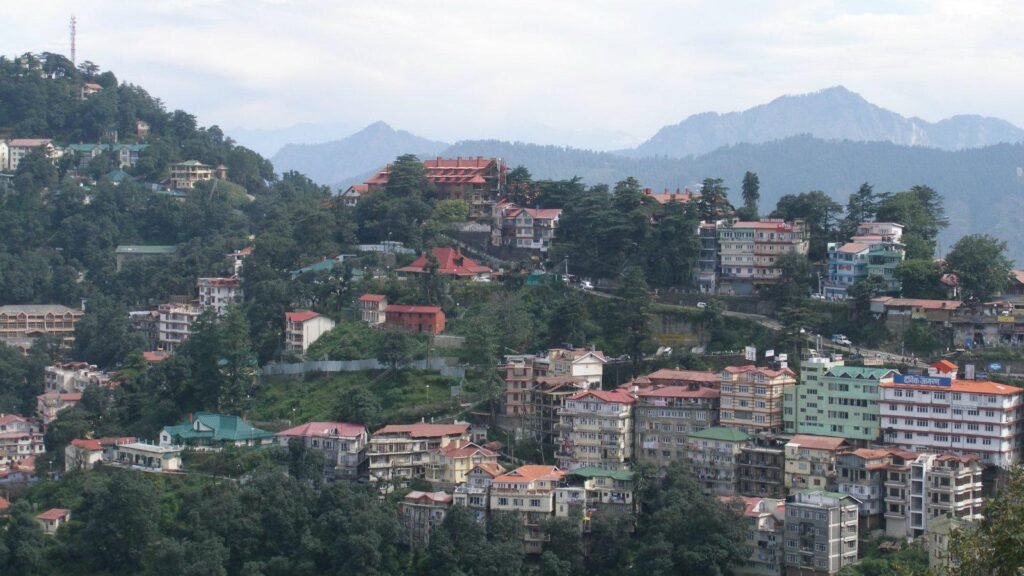
Scenic Shimla, the biggest hill station of the world
Kerala Travel: Food, Stay, and How You Actually Move
The Town You Sleep In
Why the base town shapes a monsoon waterfall trip more than any single fall, what to look for, and towns in Karnataka, Kerala and Goa worth considering.
One village ghat upriver
Train versus road that week
Markets before the 20th, not on it
Journeys Worth Discovering
Explore inspiring destinations, memorable journeys and travel stories from across India and beyond.
Explore destinations




